2027 Fastest Online Web Design Degree Programs Ranking in the South

Co-Founder and Chief Data Scientist
Choosing the right web design degree can feel overwhelming, especially with so many options available online. This article introduces the 2027 Fastest Online Web Design Degree Programs Ranking in the South, carefully created by the Research.com team of data scientists. It's designed to guide you toward programs that offer both quality and speed, helping you make an informed decision.
Whether you're starting fresh or advancing your skills, earning a web design degree opens doors to creative and rewarding careers. Dive in to discover programs that fit your goals and pace.
Key benefits of getting online web design degree in the South
- Web design graduates in the South can expect competitive salaries averaging around $55,000 to $70,000 annually, reflecting strong demand for skilled designers in the region.
- A web design degree opens doors to exciting career paths such as UX/UI designer, front-end developer, and digital marketing specialist, especially for graduates from well-known Southern universities like the University of Florida.
- Completing a web design degree online provides flexible learning schedules and real-world project experience, which many Southern students find helpful to balance work and study while gaining skills employers value.
- Key benefits of getting online web design degree in the South
- What can I expect from online web design degree in the South?
- Where can I work with online web design degree in the South?
- How much can I make with online web design degree in the South?
- 2027 Fastest Online Web Design Degree Programs Ranking in the South
- Key Findings
- How long does it take to complete online web design degree in the South?
- What's the difference between online and on-campus web design degree?
- What is the average cost of online web design degree in the South?
- What financial aid is available to online web design degree students in the South?
- What are the prerequisites for enrolling in online web design degree program in the South?
- What courses are typically in online web design degree programs in the South?
- What types of specializations are available in online web design degree programs in the South?
- How do you choose the best online web design degree in the South?
- What career paths are available for online web design degree students in the South?
- What is the job market for online web design degree in the South?
- Top Trending Web Design Rankings
What can I expect from online web design degree in the South?
Students pursuing an online web design degree in the South often find tuition to be notably affordable compared to national averages, though exact costs can vary significantly by institution. For example, graduates from universities like the University of North Carolina at Chapel Hill or the University of Texas at Austin reflect on manageable tuition fees that make sustained study feasible without overwhelming debt. Many Southern schools offer in-state tuition rates to online students regardless of residence, adding unexpected value to the investment.
While some students report spending between $10,000 and $20,000 on tuition over their program duration, others benefit from scholarship opportunities or employer tuition assistance, further reducing expenses. This affordability can translate into less financial stress and greater focus on building portfolios through practical projects in HTML, CSS, and JavaScript, which are often emphasized in these programs.
However, it's important to consider additional costs such as software licenses for Adobe Creative Suite and potential certification exams. Graduates commonly highlight the blend of technical skills and creative development as worth the price, especially given the regional job growth and salary prospects in places like Atlanta and Dallas.
Where can I work with online web design degree in the South?
Graduates with online web design degrees from Southern institutions such as the University of Texas or the University of North Carolina often find diverse career paths that reflect the region's growing digital economy. Many secure roles in marketing agencies located in cities like Atlanta or Nashville, where they apply their skills to build engaging, responsive websites for various clients. These positions offer a dynamic environment appealing to those who enjoy creativity and collaboration.
Others pursue corporate opportunities in sectors like healthcare and finance, particularly in Florida and Virginia, where user-friendly online platforms are essential for customer engagement. Graduates report feeling fulfilled by contributing to accessible digital services that impact everyday lives.
Freelancing is also a viable path, favored by students appreciating flexibility and variety. Graduates frequently leverage platforms such as Upwork to collaborate remotely while living in Southern towns, balancing work and lifestyle on their terms.
Additionally, educational institutions in Texas and the Carolinas often hire web designers to improve digital learning tools, a route appealing to those passionate about education and technology. While salaries can vary widely by location, many graduates express excitement about the expanding opportunities within the Southern digital landscape.
How much can I make with online web design degree in the South?
Graduates with an online web design degree in the South typically see starting salaries between $45,000 and $55,000, a range supported by regional reports from platforms like PayScale and Glassdoor. For example, those who complete programs at popular Southern institutions often find entry-level roles in cities such as Atlanta or Raleigh, where the growing tech ecosystem offers opportunities to apply their skills. Experienced designers specializing in UI or front-end development can expect salaries rising to $80,000 or more, especially in states like Texas and Georgia with expanding digital industries.
A graduate shared how their degree from a well-regarded Southern college helped land a role creating interactive websites for startups in Dallas, initially earning around $50,000 but quickly increasing as they honed coding skills. Freelancers, by contrast, experience fluctuating incomes influenced by client flow and project complexity, yet many appreciate the flexibility that comes with contract work.
While the U.S. Bureau of Labor Statistics does not provide specific salary data for these roles, regional figures reflect a healthy earning potential tied to evolving digital markets. Graduates often find optimism in combining web design expertise with related fields like UX or digital marketing to boost their income in the Southern job landscape.
2027 Fastest Online Web Design Degree Programs Ranking in the South
How do we rank schools?
Investing in your education is a significant decision that can shape your future, and the Research.com team understands the importance of making informed choices. To assist prospective students in the South, we have meticulously crafted the "2027 Fastest Online Web Design Degree Programs Ranking in the South." Our commitment to quality, credibility, and accuracy is reflected in the extensive research and analysis conducted to compile this ranking.
We utilized the following reputable data sources to ensure a comprehensive evaluation of web design degree programs:
By exploring this ranking, readers will gain valuable insights into the fastest online programs that balance quality and efficiency, helping them make well-informed decisions about their educational paths. For more details on our methodology, please visit our Research.com methodology page.
# 1 position
The University of Alabama
Master of Human Environmental Sciences, Interactive Technology


Key Findings
- Annual tuition for online web design degrees in the South ranges from $6,000 to $15,000 at public schools, with private institutions often exceeding $20,000.
- The web design job market in the Southern US is growing at about 8% annually, faster than the national average.
- Starting salaries for entry-level web designers in the South are typically $45,000 to $50,000 per year.
- With experience and additional skills like UX design or front-end development, salaries can increase to $65,000-$80,000 within five years.
- Curriculum usually includes graphic design, coding languages such as HTML, CSS, and JavaScript, and design software like Adobe Creative Suite.
- Online programs offer flexibility and should be regionally accredited to ensure degree value in the job market.
How long does it take to complete online web design degree in the South?
Completing an online web design degree in the South generally spans from one to four years, depending on the program type and enrollment pace. For example, associate degrees offered by institutions like Texas Tech University often take around two years full-time, while bachelor's degrees from schools such as the University of Florida typically require four years. Many graduates appreciate the flexibility these programs provide, especially working adults balancing family and jobs, allowing them to extend their studies through part-time enrollment without sacrificing quality.
Some students deliberately choose accelerated tracks, finishing associate degrees in as little as 12 to 18 months, though this demands a heavier course load and tight scheduling. Students who transfer credits or take extra classes per term notice meaningful reductions in time-to-completion, reflecting thoughtful planning rather than rushed decisions.
These pathways highlight how personal circumstances and institutional offerings shape the experience. Embracing this adaptability, southern online students often find a rewarding balance between educational progress and life commitments that fits their unique situations.
What's the difference between online and on-campus web design degree?
The primary difference between online and on-campus web design degrees in the South lies in how learning is structured and experienced. Graduates from Georgia Tech's on-campus program often highlight the benefit of face-to-face collaboration and direct access to campus labs equipped with the latest design software, which deepens hands-on skills. In contrast, online students from universities like the University of Florida appreciate the flexibility to balance family or work while accessing lectures anytime, though they must muster strong self-motivation to keep pace.
Tuition costs may also vary, with public institutions in states like North Carolina offering in-state rates around $6,000 to $10,000 yearly for on-campus programs. Some online degrees provide similar pricing but may allow part-time study, easing financial pressure. Career services differ, too: on-campus students enjoy local tech networking events in cities like Atlanta, while online learners rely more on virtual platforms, which, though improving, may feel less personal.
- Online learning suits those valuing schedule freedom but requiring discipline.
- On-campus offers immersive, community-driven experiences beneficial for creative teamwork.
- Both paths prepare students for Southern tech markets but align differently with personal and professional needs.
What is the average cost of online web design degree in the South?
The average cost of an online web design degree in the South varies significantly depending on residency status and institution type. Median total tuition and fees for Southern online web design programs typically range around $16,530 for in-state students, with out-of-state students facing higher expenses near $35,712. These figures reflect a mix of community colleges, public universities, and private institutions.
Graduates from public universities in states like Florida or Texas often report satisfaction with their tuition investment, finding that costs align well with the quality and flexibility of online courses offered. For example, online degrees from schools such as the University of Florida provide accessible tuition rates while delivering comprehensive training that prepares students for competitive job markets. In contrast, students attending private Southern art schools describe higher costs but highlight a more specialized curriculum focusing on UX/UI and interactive media. Such specialized programs may add value beyond standard web design skills, which some students find worth the additional investment.
Many prospective students weigh the total tuition and fees for Southern online web design programs against potential hidden costs, such as software subscriptions and learning resources. These extras can add several hundred to over a thousand dollars annually, influencing budgeting decisions. Fortunately, scholarships, employer tuition assistance, and financial aid often help mitigate the average cost of online web design degree in the South, making the investment more manageable.
For those exploring the best options, comparing tuition rates alongside course offerings at trusted institutions can be invaluable. Exploring popular online graphic design degree programs is a practical step toward finding affordable and quality education tailored to personal and professional goals.
What financial aid is available to online web design degree students in the South?
Students pursuing online web design degrees in southern institutions like the University of Florida or Texas A&M often rely on a blend of financial aid options to make education affordable. Federal aid, accessed through FAFSA, remains a cornerstone-graduates recall qualifying for Pell Grants up to $7,395, which substantially eased their tuition burden without repayment stress. These grants can be a lifeline given that tuition ranges from $6,000 to $15,000 annually for in-state online learners.
Federal student loans offer flexibility, but some graduates emphasize caution, noting the importance of understanding repayment terms before borrowing. While programs like the TEACH Grant exist, creative technology students often find limited availability, pushing them to seek federal work-study jobs that fit their online study schedules.
State-funded aid such as Texas Grant or Florida's Bright Futures Scholarship plays a crucial role for residents, providing meaningful support tied to residency and academic merit. Beyond public aid, many graduates mention the value of private scholarships from tech organizations and institutional grants, which can significantly offset costs when combined.
What are the prerequisites for enrolling in online web design degree program in the South?
Enrolling in online web design degree programs in the South generally starts with holding a high school diploma or GED, a baseline requirement at institutions like the University of Florida or Texas A&M. Graduates often recall how meeting this simple criterion opened doors to accessible and affordable education. While some schools set a modest GPA threshold around 2.0 to 2.5, many programs-especially at community colleges-prioritize inclusivity over rigid academic barriers, encouraging students with diverse backgrounds to apply.
A more nuanced prerequisite involves standardized testing. For example, small cohorts at Georgia Southern University used to submit SAT or ACT scores, but recent shifts toward test-optional policies have eased this burden, allowing applicants to showcase creativity and technical skills instead. Many web design students benefit from prior familiarity with basic computing and design software, which helps them thrive early in coursework. Some programs even request portfolios or placement tests, guiding incoming students toward success by aligning skill levels with course demands.
Overall, prerequisite requirements in the South mirror a balanced mix of academic standards and practical readiness, designed to foster positive student experiences and encourage a motivated community of web designers.
What courses are typically in online web design degree programs in the South?
Online web design degree programs in the South commonly include courses that balance both creative and technical skills, which graduates often describe as empowering and motivating. For instance, students at popular Southern universities frequently highlight foundational classes in HTML and CSS coding, essential for building and styling websites effectively. Beyond the basics, many courses introduce JavaScript programming, enabling students to create interactive features-a skill that graduates find immediately applicable in freelance projects or internships.
Design principles also receive strong focus, with courses covering user experience (UX) and user interface (UI) design, which students say help them think critically about how users interact with websites. Graphic design fundamentals, including color theory and typography, are typically part of the curriculum, encouraging creativity alongside functionality. Universities like those known for their robust online offerings often blend these with lessons on responsive design, crucial for delivering seamless experiences on smartphones-a point students appreciate deeply, given the mobile-first internet access trends in Southern communities.
More advanced subjects can include backend basics and content management systems like WordPress, which many graduates credit for boosting their confidence in managing entire websites independently. While the course structure varies, many Southern students value programs that integrate real-world projects, replicating scenarios such as client-based assignments. These experiences not only enhance technical proficiency but also foster teamwork and problem-solving skills, which are vital for entering the competitive web design job market in the region.
What types of specializations are available in online web design degree programs in the South?
Students pursuing online web design specializations in the South commonly encounter tracks such as User Experience (UX) Design, User Interface (UI) Design, Front-End Development, Back-End Development, and Graphic and Digital Design. For instance, graduates from universities in Texas and Georgia often highlight how UX Design teaches them to craft websites that feel intuitive, while UI Design emphasizes aesthetic appeal and responsiveness, both crucial in today's competitive market.
Some programs in the South region web design degree focus areas also offer hybrid specializations like mobile web design and e-commerce web design, reflecting the growing mobile and online shopping trends. Graduates from colleges in Florida appreciate how these options prepare them for niche roles, often citing flexible online formats that fit their busy schedules.
Choosing the right specialization can positively impact a student's career trajectory, but one should beware of overgeneralizing; not all programs emphasize practical skills equally. Those seeking a less technical route might explore the easiest online graphic design degree program as a potential alternative, balancing creative passions with market demand.
How do you choose the best online web design degree in the South?
Choosing affordable online web design degrees in the South requires balancing cost with program quality and outcomes. Graduates from popular Southern universities often praise programs that combine strong accreditation-such as those recognized by the Southern Association of Colleges and Schools Commission on Colleges-with a curriculum covering essential skills like HTML, JavaScript, UX/UI, and tools like Adobe Creative Suite. These programs help build portfolios that employers value, making the learning feel rewarding and relevant.
Some graduates share how attending regionally connected schools enhanced their job prospects by providing networking opportunities within Southern tech hubs. This connection often influences positive feelings about the program's support and real-world applicability. On the other hand, a few students caution that choosing a program solely based on price or flexibility may lead to gaps in practical experience or outdated content.
Evaluating faculty expertise and practical assignments is crucial. Programs offering internships or project-based learning create engaging, hands-on experiences that many students find fulfilling. Reviewing multiple programs while consulting resources like fastest online graphic design degree programs can provide deeper insight into options suited for Southern students seeking the best accredited web design programs Southern US.
What career paths are available for online web design degree students in the South?
Graduates with an online web design degree in the South often find diverse career paths ranging from creative roles to technical positions. Many pursue work as web designers, blending aesthetics and functionality to craft engaging website experiences. Others transition into front-end development, where coding skills in HTML, CSS, and JavaScript bring designs to life. Schools like the University of North Carolina and Georgia State University cultivate portfolios that help graduates land these roles, demonstrating practical skills valued by employers in cities such as Atlanta and Raleigh.
Job opportunities with web design degree Southern states offer also include user experience (UX) design, where graduates focus on seamless, accessible interactions. Some find success in digital marketing roles, applying their design knowledge to optimize campaigns and improve search engine visibility. Southern graduates often report satisfaction from internships or freelance projects that provide hands-on experience, crucial in the competitive digital economy. For students considering cost-effectiveness alongside career outcomes, consulting a list of most affordable graphic design degrees online can be valuable for finding fitting programs.
What is the job market for online web design degree in the South?
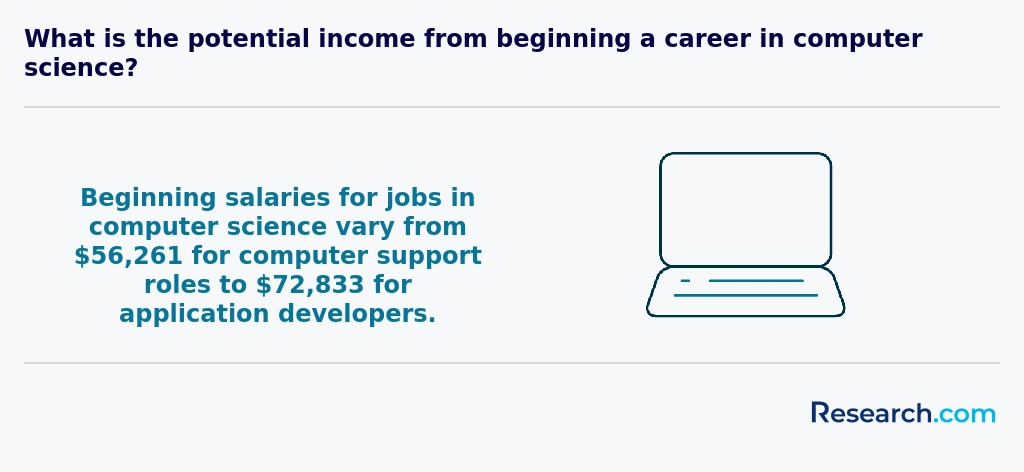
The job market for graduates with online web design degrees in the South is notably promising, particularly in bustling metro areas like Atlanta, Austin, and Miami. These cities offer a rich landscape of opportunities fueled by expanding tech industries and digital marketing firms. Graduates from well-known Southern universities often share positive experiences about how their online programs prepared them for roles emphasizing UX and UI design, skills highly sought after by regional employers. The South region web design career outlook benefits from an anticipated 13% national employment growth for web developers and digital designers, which supports optimism but also calls for continuous skill development to stay competitive.
While median salaries range between $60,000 and $70,000 annually, new entrants sometimes begin near $45,000, illustrating the value of experience and specialization in technologies like JavaScript or Adobe Creative Suite. For students concerned about costs, public institutions in the South offer competitive tuition, typically between $5,000 and $15,000 per year. Prospective learners can explore a list of most affordable online web development degree programs to find cost-effective options that fit their schedules and needs. This access to flexible, affordable education aligns well with employer preferences for adaptable, continuously learning professionals in the evolving digital economy.
Graduates pursuing online web design jobs in the South often find flexible career pathways in digital agencies, startups, or corporate environments supported by robust local economies. Many appreciate the ability to balance work and study, which enhances their confidence and readiness for diverse roles. Overall, the Southern job market for online web design degrees reflects a healthy mix of opportunity, affordability, and upward mobility, encouraging students poised to engage actively with emerging digital trends.
Frequently Asked Questions About web design
Students pursuing online web design degrees in the South can enhance their learning by actively engaging with local professional networks and digital communities. Southern states like Georgia and North Carolina offer numerous tech meetups and virtual conferences focused on web design and development. According to the Southern Regional Education Board, nearly 60% of online learners benefit from connecting with peers and mentors to better understand industry trends.
Additionally, seeking internships or freelance projects with regional businesses can provide practical experience. Many Southern companies increasingly demand web professionals skilled in UX/UI, making real-world exposure invaluable. Utilizing Southern-based career services and online resources can further support skill development and job placement.
The web design field is expanding into several emerging niches that online degree students in the South should consider. One notable area is mobile-first design, driven by increasing smartphone use across Southern states. According to Pew Research Center, over 85% of adults in the South own a smartphone, emphasizing the need for responsive websites. Another growing niche is UX/UI specialization, with a focus on user experience shaped by accessibility standards and intuitive interfaces.
Additionally, e-commerce web design is booming due to rising online retail sales in Southern cities. According to the U.S. Census Bureau, e-commerce revenue in the South increased by over 20% in recent years. Finally, animation and interactive media design, including integration of AR/VR, is gaining traction as businesses seek engaging web content. These niches offer promising career paths for students pursuing online web design degrees in the region.
After completing an online web design degree in the South, graduates should focus on building a strong portfolio showcasing diverse projects. Employers in this region value practical experience and creativity. Networking through local tech meetups and online communities can open doors to job opportunities. According to the Bureau of Labor Statistics, web developer jobs in Southern states like Texas, Georgia, and Florida are projected to grow by over 13% by 2030, highlighting a positive job outlook.
Internships or freelance work help gain real-world skills and increase employability. Staying updated with tools like Adobe Creative Suite, Figma, and HTML/CSS is crucial. Certifications in UX/UI design or coding can further enhance a resume. Overall, combining technical skills with regional networking is key to succeeding in the Southern job market.
Employers in the Southern U.S. seek web design graduates who combine technical expertise with creative problem-solving. Key skills include proficiency in HTML, CSS, and JavaScript, essential for building responsive websites. Knowledge of UX/UI design principles is increasingly important, as companies focus on user-centered experiences to stay competitive.
According to the Bureau of Labor Statistics, web developers in Southern states like Texas and Georgia see steady job growth, reflecting demand for versatile skills. Familiarity with design tools such as Adobe Creative Suite and Sketch is often required. Communication skills also matter, enabling collaboration with clients and developers in remote or hybrid environments.
Understanding SEO basics and accessibility standards further improves a graduate's employability in this market.
Finding internships relevant to a web design degree in the South involves targeted research and networking. Start by exploring university career centers, which often partner with local tech firms and creative agencies. According to the National Association of Colleges and Employers (NACE), nearly 60% of internships in digital design fields in Southern states lead to job offers.
Leverage platforms such as Handshake and LinkedIn, filtering searches by location and web or graphic design roles. Many Southern cities like Atlanta, Charlotte, and Austin host growing digital markets, presenting diverse internship opportunities.
Joining regional tech meetups and professional organizations like AIGA can also open doors to internships.
Online web design degrees in the South significantly enhance career mobility and advancement for students and professionals. According to the U.S. Bureau of Labor Statistics, the South is experiencing steady growth in tech-related jobs, including web development and design, with states like Texas and Florida showing a 10% increase in demand by 2028.
These degrees provide flexible access to essential skills such as HTML, CSS, UX/UI, and graphic design, which are highly sought after by regional employers. Graduates often find opportunities in rapidly expanding sectors like e-commerce and digital marketing.
Moreover, Southern employers value accredited online degrees as evidence of technical proficiency and commitment, boosting promotion potential and salary growth. Industry reports from the National Center for Education Statistics highlight that professionals with accredited web design degrees can earn on average 15-20% more than those without formal qualifications.
Studying for a web design degree online in the South offers a solid foundation for interdisciplinary roles by combining technical skills with creative and business knowledge. Many programs integrate coursework in graphic design, marketing, and user experience, reflecting industry demands. According to the Southern Regional Education Board, institutions in this region emphasize collaborative projects that mirror real-world web design challenges.
Students often engage with diverse disciplines such as computer science, communication, and digital media, preparing them for roles that require adaptability. The Southern U.S. job market, growing annually by 8% for digital professions (Bureau of Labor Statistics, 2023), values these versatile skillsets. This broad training supports careers beyond traditional web design, including digital marketing and product management.
Choosing between a thesis and a non-thesis online web design degree program in the South depends on your career goals and learning preferences. Thesis programs emphasize research, ideal for students interested in academic careers or advanced study. They typically require a significant project, demonstrating mastery of web design theories and technologies. Non-thesis programs focus more on practical skills and portfolio development, suited for those aiming to enter the workforce quickly.
Many Southern universities, including institutions in Texas and Georgia, offer both options, aligning with regional industry demands. According to the Southern Regional Education Board, employment in digital design fields in the South is expected to grow by 8% through 2030, highlighting the value of practical experience.
Consider your time commitment and learning style when choosing; thesis programs often require more time and independent work, while non-thesis tracks offer quicker completion times. Research each program's structure carefully before deciding.
Students in the South interested in studying web design abroad have several pathways available through U.S. institutions that offer international online or hybrid programs. While fully abroad web design degrees are rare, many Southern universities partner with foreign schools for exchange or dual-degree options, allowing students to earn credits overseas while maintaining U.S. enrollment. According to the National Center for Education Statistics (NCES), approximately 12% of Southern college students participate in study abroad or international learning experiences, often integrated with online curricula.
Some programs use virtual international collaborations to expose students to global design trends without relocating. This approach suits those balancing work or personal commitments, as it provides cross-cultural experience alongside accredited Southern education.
Students pursuing online web design degrees in the South can benefit from several part-time job opportunities to enhance their practical skills. Common roles include freelance web design, social media management, and digital marketing assistant positions. According to the U.S. Bureau of Labor Statistics (2023), the Southern states have seen a 15% growth in web-related jobs, highlighting strong local demand.
Internships with regional tech companies or ad agencies also provide valuable experience. Additionally, website maintenance roles for nonprofits or small businesses often accommodate flexible hours, fitting well with student schedules. These jobs not only build portfolios but also improve technical expertise and client communication.
Online web design students in the South benefit from various networking opportunities despite the remote format. Many Southern universities offering online degrees host virtual career fairs and alumni events that connect students with regional employers in tech and creative industries. According to the National Association of Colleges and Employers, Southeastern states like Georgia and North Carolina rank highly in digital media job growth, encouraging vibrant local professional communities. Additionally, groups such as the AIGA Atlanta chapter offer online meetups and workshops that online students can join to build contacts. These opportunities help students link with mentors and potential collaborators within the Southern digital design ecosystem.
Alumni networks provide valuable benefits to online web design degree students in the South by offering professional connections that can lead to internships, job opportunities, and mentorship. Many Southern universities actively maintain these networks to help graduates transition into the competitive tech industry. According to the National Center for Education Statistics, states like Texas and Georgia have rapidly growing digital economies, increasing demand for skilled web designers.
These networks often facilitate exclusive workshops and local events, enhancing practical skills and regional industry knowledge. Access to alumni working in Southern tech hubs helps students gain insights into market trends and employer expectations, boosting career readiness.
Customizing an online web design degree program in the South involves selecting electives and specializations that align with your specific career goals. Many Southern universities offer flexible curricula allowing students to focus on areas like user experience (UX), front-end development, or digital marketing. This flexibility helps students tailor their skills for roles in growing industries, such as e-commerce or media.
South Carolina and Georgia, for example, have seen increasing demand for web designers earning an average salary above the national average, according to the U.S. Bureau of Labor Statistics. Choosing courses that emphasize the latest programming languages or graphic tools can enhance your job prospects.
Additionally, some programs include internship opportunities or capstone projects with regional companies, allowing practical experience that matches career ambitions.
Online web design students in the South face several distinct challenges. One key issue is limited broadband access in rural areas, with the Federal Communications Commission reporting that nearly 22% of Southern households lack high-speed internet. This can hinder smooth participation in video lectures and timely submission of assignments. Additionally, web design programs demand proficiency with rapidly evolving software tools, which some students find difficult to master without hands-on support.
Time management is critical, as many students juggle jobs or family obligations alongside their studies. Lastly, regional disparities in employer expectations sometimes require Southern students to seek additional certifications to remain competitive. These factors collectively shape the online learning experience in this field.
With an online web design degree, graduates in the South can pursue several professional certifications to boost their career prospects. Popular certifications include the Adobe Certified Expert (ACE), which validates skills in Adobe Creative Suite tools essential for web design. Another option is the Certified Web Designer (CWD) credential offered by the International Web Association, focusing on design principles and technical expertise.
Additionally, Google offers certifications like the Mobile Web Specialist, aligning with current web standards. According to the Bureau of Labor Statistics, the tech sector in Southern states is growing steadily, increasing demand for certified professionals. These certifications can significantly enhance employability in web design roles.
Applying for an online web design program in the South requires clear focus and preparation. Start by researching regional schools known for strong digital arts or technology departments, such as those in Texas or Georgia, which host many accredited programs. Highlight any prior experience in graphic design, coding, or digital media in your application. Admissions committees in the South often value practical skills tied to current industry tools.
Include a well-crafted personal statement explaining your passion for web design and career goals. According to the National Center for Education Statistics, Southern states saw a 12% increase in enrollment for tech-related programs from 2020 to 2023, reflecting growing demand.
Be sure to submit all required transcripts and letters of recommendation well before deadlines, typically set between December and March.
The demand for web design professionals continues to grow worldwide, driven by expanding digital markets and increasing reliance on online platforms. In the United States, and particularly in Southern states, web design careers are valued for blending creativity and technical skills.
According to the U.S. Bureau of Labor Statistics, employment of web developers and digital designers is projected to grow 13% from 2022 to 2032, faster than average for all occupations. Southern tech hubs like Atlanta, Charlotte, and Austin are significant job markets for web designers.
Globally, businesses prioritize user experience and responsive design, highlighting the importance of skilled web designers. This makes online degrees appealing as they provide flexible access to relevant skills while connecting students to regional employers through internships and networks.
Gaining practical experience while earning an online web design degree in the South involves leveraging several proven methods. Many Southern universities partner with local businesses and nonprofits to offer virtual internships, enabling students to build portfolios with real projects. According to the National Association of Colleges and Employers, 60% of students completing internships secure full-time jobs faster.
Additionally, students can participate in online design competitions and contribute to open-source projects. Platforms like GitHub and Behance are valuable for showcasing skills to potential employers. Southern states such as Texas and Georgia also have growing tech hubs, providing ample remote freelance opportunities suitable for students.
Choosing the right concentration within an online web design degree program in the South requires understanding your career goals and the region's job market. Common concentrations include user experience (UX) design, front-end development, and digital marketing. According to Burning Glass Technologies, demand for UX designers in Southern states like Texas and Georgia grew over 20% between 2020 and 2023.
Consider programs offering hands-on projects aligned with Southern industry needs. Accreditation and faculty expertise also matter for a quality education. Additionally, review graduation rates and alumni employment in local tech hubs such as Atlanta or Raleigh.
Top Trending Web Design Rankings
References
- 2026 Most Affordable Online Colleges for Web Design ... https://www.onlineu.com/most-affordable-colleges/web-design-degrees
- Study Web Design in South Africa: What are the Options? https://woww.co.za/study-web-design-south-africa-options/
- Web Design And Development Short Course https://www.boston.ac.za/information-communications-technologies-ict/web-design-and-development/
- Web Design Academy - Web Design Courses South Africa https://www.webdesignacademy.co.za/
- What Career Paths Can a Web Designing Course Lead to? https://www.learndirect.com/blog/what-career-paths-can-a-web-designing-course-lead-to
- The New Pedagogy: 6 Web Design Principles You Need to ... https://www.codlearningtech.org/2016/03/16/the-new-pedagogy-6-web-design-principles-you-need-to-know-to-improve-your-online-course-outcomes/
- Financial Aid | Online Art & Graphic Design https://www.sessions.edu/financial-aid/
- The Best 5 Sites You'll Love Learning Web Design From https://selfmadewebdesigner.com/the-best-5-sites-youll-love-learning-web-design-from/
- Educational Website Design: Principles & Best Practices https://wtt-solutions.com/blog/education-website-design-principles
- Study Web Design In South Africa: What Are The Options? https://www.schoolofit.co.za/study-web-design-in-south-africa-what-are-the-options/