2027 Easiest Online Web Design Degree Programs Ranking in the Midwest

Co-Founder and Chief Data Scientist
Choosing the right web design degree can be overwhelming, especially when you want flexibility and quality. To help Midwest students navigate these options, this article presents the 2027 Easiest Online Web Design Degree Programs Ranking in the Midwest, crafted by Research.com's expert data scientists.
By exploring this ranking, you'll discover programs that balance ease and strong learning outcomes, making your path smoother. Earning a web design degree opens doors to creative and rewarding careers in a growing digital world. This guide supports your journey with clear, reliable insights designed just for you.
Key benefits of getting online web design degree in the Midwest
- Web design graduates in the Midwest can expect competitive salaries around $50,000 to $70,000 annually, reflecting growing demand in digital industries nationwide.
- Career paths often include roles like web developer, UX designer, or digital marketer, offering creative and dynamic opportunities to work at tech firms or startups in vibrant Midwestern cities.
- Online web design degrees from respected Midwest universities provide flexibility to balance work and study, often allowing faster completion and access to cutting-edge tools and virtual collaboration.
- Key benefits of getting online web design degree in the Midwest
- What can I expect from online web design degree in the Midwest?
- Where can I work with online web design degree in the Midwest?
- How much can I make with online web design degree in the Midwest?
- 2027 Easiest Online Web Design Degree Programs Ranking in the Midwest
- Key Findings
- How long does it take to complete online web design degree in the Midwest?
- What's the difference between online and on-campus web design degree?
- What is the average cost of online web design degree in the Midwest?
- What financial aid is available to online web design degree students in the Midwest?
- What are the prerequisites for enrolling in online web design degree program in the Midwest?
- What courses are typically in online web design degree programs in the Midwest?
- What types of specializations are available in online web design degree programs in the Midwest?
- How do you choose the best online web design degree in the Midwest?
- What career paths are available for online web design degree students in the Midwest?
- What is the job market for online web design degree in the Midwest?
- Top Trending Web Design Rankings
What can I expect from online web design degree in the Midwest?
The average cost of an online web design degree in the Midwest varies significantly but generally falls between affordable ranges that suit many students balancing work and study. Graduates from schools like Indiana University-Purdue University Indianapolis (IUPUI) often describe feeling relieved by the in-state tuition rates, which tend to be more manageable than private college fees. Many express gratitude for the financial aid and scholarships that offset costs, making it easier to focus on skill-building rather than finances.
Public universities in the region typically offer online bachelor's degrees between $10,000 and $20,000 total tuition for residents, while associate degrees and certificates may cost less. These price points allow students to invest in vital tools like Adobe Creative Cloud or Figma as part of their learning experience.
The positive sentiment among students is tied not only to costs but also to the flexibility that online learning affords, making the degree feel like a worthwhile investment toward creative futures. As technology evolves, Midwest programs continue adapting pricing and offerings to maintain accessibility while ensuring high-quality, career-ready web design education.
Where can I work with online web design degree in the Midwest?
Graduates with an online web design degree from Midwest institutions such as the University of Illinois Urbana-Champaign or Michigan State University often find themselves stepping into roles like UX/UI designer, front-end developer, or digital content specialist across diverse industries. Many report landing positions at marketing agencies or tech startups in Chicago and Columbus where they're driven by fast-paced innovation and collaboration.
In smaller cities like Cleveland and Minneapolis, graduates describe exciting opportunities helping traditional manufacturers and service companies transition to dynamic e-commerce platforms and improve online customer experiences. This blend of industries provides a versatile work environment that keeps skills sharp and relevant.
Freelancing is another growing path favored by graduates from Indiana and Wisconsin colleges, offering flexibility and a variety of projects. Such roles allow them to build impressive portfolios while adapting to the evolving gig economy landscape.
Graduates also share enthusiasm for opportunities in healthcare, education, and nonprofit sectors across the Midwest, where they apply design knowledge to enhance digital accessibility and user engagement in meaningful ways. The region's expanding digital economy thus presents a hopeful horizon for web design professionals.
How much can I make with online web design degree in the Midwest?
Graduates with an online web design degree in the Midwest often find promising salary opportunities despite varied data availability. Many who studied at well-regarded institutions like the University of Illinois or Michigan State report starting salaries around $45,000 to $50,000 in entry-level web design or front-end development roles. Over time, these salaries can grow into the mid to high $60,000s, especially when combined with skills in UI/UX design or coding languages such as JavaScript and CSS.
Living in Midwest tech hubs like Chicago or Minneapolis allows graduates to enjoy competitive wages that balance well with reasonable living costs, enhancing overall financial comfort. Freelancers emerging from these programs also share stories of charging $30 to $75 per hour, depending on their experience and project demands, highlighting a growing market for flexible, remote work.
Alumni often express a sense of excitement about how their degrees open doors to evolving digital careers, reflecting optimism for future earning potential and skill development in this expanding field.
2027 Easiest Online Web Design Degree Programs Ranking in the Midwest
How do we rank schools?
Investing in your education is a significant decision that can shape your future, and the Research.com team recognizes the importance of making well-informed choices. To support individuals interested in pursuing web design education, we have carefully developed the "2027 Easiest Online Web Design Degree Programs Ranking in the Midwest." Our dedication to quality, credibility, and accuracy is demonstrated by the thorough research and analysis undertaken to create this ranking.
We utilized the following reputable data sources to ensure a comprehensive evaluation of these programs:
By reviewing this ranking, readers will gain valuable insights into accessible and quality online web design degree programs in the Midwest, empowering them to make confident educational decisions. For a detailed explanation of our research process, please visit our Research.com methodology page.


Key Findings
- Tuition for online bachelor's degrees in web design in the Midwest ranges from $15,000 to $30,000, with lower rates for in-state students.
- Entry-level web designers in cities like Chicago and Minneapolis earn between $40,000 and $50,000 annually.
- Experienced web designers can expect salaries from $65,000 to $75,000 within five to ten years.
- Programs focus on practical skills such as UX design, HTML, CSS, JavaScript, and graphic design.
- The web development field is projected to grow 13% nationally from 2022 to 2032, benefiting Midwest graduates.
- Accredited programs often offer career services, internships, and partnerships to support student employment.
How long does it take to complete online web design degree in the Midwest?
Completing an online web design degree in the Midwest often aligns with traditional timeframes but offers unique flexibility. Graduates from popular institutions like Illinois State University or the University of Missouri have found that while an Associate's degree typically takes about two years, a Bachelor's can be completed in roughly four years of full-time study. However, many students appreciate the option to accelerate their progress by taking extra courses or studying year-round, enabling some to finish in as little as three years.
Others balancing work and family commitments may take longer, stretching their journey to five or six years. This adaptability is encouraging for those seeking to fit education into busy lives, reflecting a growing trend toward personalized learning paths.
Looking ahead, Midwestern schools might increasingly embrace modular and competency-based models, potentially reducing time to degree further without sacrificing quality. These approaches could allow students to demonstrate skills quickly, echoing experiences of earlier graduates who benefited from credit transfers and flexible scheduling.
What's the difference between online and on-campus web design degree?
Web design students at Midwest institutions like the University of Illinois Urbana-Champaign often find their experience shaped by the program's format. Graduates who studied online frequently mention the freedom to craft projects during late-night sessions between work shifts, appreciating flexible schedules that accommodate their busy lives. Meanwhile, those attending on-campus programs at colleges such as the College for Creative Studies in Detroit describe the energizing atmosphere of hands-on workshops and spontaneous critiques happening in ever-buzzing design labs.
Looking ahead, the gap between these formats may blur as online platforms adopt virtual reality studios and AI-driven collaboration tools that simulate in-person mentorship. Midwest students embracing online degrees already benefit from tailored digital resources, and future innovations could deepen peer engagement, making remote learning feel just as immersive.
Cost considerations remain crucial; many online learners in the region highlight savings on housing and commuting, which encourages more diverse enrollment. At the same time, on-campus students value direct networking through local meetups and club events, fueling creative community bonds that often lead to internship offers in tech hubs like Chicago.
What is the average cost of online web design degree in the Midwest?
The average cost of an online web design degree in the Midwest typically centers around $29,312 in total tuition, reflecting a balance between affordability and quality education. Many graduates from institutions such as public state universities or community colleges in Illinois, Ohio, and Minnesota report satisfaction with managing their expenses through strategic enrollment. For example, students beginning their studies at a public community college often benefit from lower tuition rates, ranging from $3,500 to $6,000 annually for associate degrees, before transferring to four-year universities to complete their bachelor's.
These Midwest affordable online web design programs not only help reduce overall costs but also offer flexibility, allowing students to gain hands-on skills in digital media without the burden of excessive fees. Graduates from popular regional universities have shared that the relatively lower tuition costs compared to private or out-of-state schools eased financial stress, enabling them to focus more on mastering design fundamentals and building impressive portfolios.
Looking ahead, more students might leverage hybrid approaches or employer tuition reimbursements to further lighten the financial load. Additionally, exploring scholarships and grants available specifically in Midwestern states can make obtaining an online degree in this field more accessible. Prospective learners interested in comparing program options and up-to-date tuition data can find detailed information on online bachelors in web design degree programs to better plan their education journey.

What financial aid is available to online web design degree students in the Midwest?
Students pursuing online web design degrees in the Midwest often tap into a range of financial aid options tailored to their unique needs. Graduates from well-known institutions like the University of Illinois or Michigan State University frequently mention how completing the FAFSA unlocked vital Pell Grants, covering a significant portion of their tuition and lightening financial stress. This federal aid, paired with Direct Subsidized Loans, empowers many to focus on learning rather than worrying about debt.
State-specific programs also play a crucial role. For example, students attending Illinois colleges benefit from the Monetary Award Program, making online design studies more affordable, while those in Michigan appreciate the Tuition Incentive Program. Many tell of receiving merit-based scholarships aimed at tech and design disciplines, which boosted their confidence and sense of belonging in what can sometimes feel like a competitive field.
Looking forward, increasing employer tuition assistance is a growing trend, especially as web design jobs are forecasted to surge. Graduates often highlight how these programs combined with workforce grants enabled smooth career transitions without financial roadblocks, suggesting an encouraging future for Midwest online learners.
What are the prerequisites for enrolling in online web design degree program in the Midwest?
Enrolling in an online web design degree in the Midwest increasingly focuses on practical skills alongside traditional prerequisites. Graduates from popular Midwest institutions often recall how demonstrating basic computer proficiency and familiarity with HTML and CSS gave them confidence during admissions. Many programs require a high school diploma or GED, but the emphasis is shifting toward portfolios showcasing creativity and coding projects, making the application process feel personalized and inspiring.
Students describe feeling excited about sharing personal websites or graphic design samples, which highlight their unique perspectives. While some schools maintain minimum GPA standards around 2.0 to 2.5, the growing adoption of test-optional policies reduces stress around SAT or ACT scores.
Reliable internet access and suitable devices remain essential, preparing applicants to fully engage with interactive design software. The Midwest's colleges increasingly recommend submitting portfolios, reflecting a forward-thinking approach that values hands-on experience and visual storytelling in web design education.

What courses are typically in online web design degree programs in the Midwest?
Online web design degrees in the Midwest typically include courses that blend creativity with cutting-edge technology. Graduates from popular regional colleges often recall starting with foundational classes like Introduction to Web Design, where they experimented with layout and color theory using tools like Adobe Creative Suite, sparking enthusiasm and confidence early on.
Students then tackle essential programming through hands-on courses in HTML5, CSS3, and JavaScript. These classes often have real-world projects, such as building responsive websites that adapt seamlessly across devices-a skill highly praised by graduates when entering the workforce.
Midwestern programs increasingly emphasize User Experience (UX) Design. Graduates describe applying usability testing and user research to create sites that feel intuitive, enhancing both visitor satisfaction and job prospects in a competitive market.
Advanced courses explore frameworks like Bootstrap and React, offering students up-to-date tools that employers seek. Many also highlight collaborative projects involving digital marketing and project management, preparing them for dynamic roles beyond coding alone.
What types of specializations are available in online web design degree programs in the Midwest?
Online web design specializations Midwest programs often include User Experience (UX) Design, Front-End Web Development, Graphic and Visual Design, Mobile and Responsive Design, and Web Content Strategy and Management. Graduates from Midwestern colleges frequently describe how focusing on UX Design helped them empathize deeply with users, creating interfaces that feel seamless and enjoyable. In institutions popular across the region, students experience hands-on learning with technologies like HTML, CSS, and JavaScript, which prepares them for real-world challenges in front-end development.
Many Midwest web design degree focus areas emphasize a blend of creativity and technical skill, essential for meeting evolving industry needs. For example, students engaged in Mobile and Responsive Design find excitement in adapting projects to diverse devices, anticipating the increasing demand for mobile-friendly websites. These practical experiences foster confidence and enthusiasm as students transition into the workforce.
By taking advantage of a balanced curriculum, graduates often recall how learning Web Content Strategy and Management equipped them to contribute effectively to marketing teams. Those exploring paths in the Midwest can also explore emerging trends impacting jobs you can get with bachelors degree in web design, positioning themselves advantageously in expanding digital markets.
How do you choose the best online web design degree in the Midwest?
Choosing the best online web design degree in the Midwest often means envisioning your future career through the lens of current emerging trends in the digital world. Graduates from popular Midwest colleges frequently share how deeply personalized projects, especially those emphasizing UX/UI alongside classic coding skills, helped them adapt to evolving industry demands. When exploring options, consider programs that balance hands-on portfolio development with courses in digital media and project management to stay ahead in this fast-paced field.
For students seeking affordable web design programs Midwest institutions often offer transparent cost structures paired with regional accreditation, which ensures resilience in career paths. Imagine engaging with faculty who bring real-world design challenges into virtual classrooms, creating a dynamic learning atmosphere that prompts excitement and confidence. Many students highlight how ongoing access to career counseling and tech support boosts their motivation and success.
Looking ahead, top programs may integrate AI tools and remote collaboration strategies, reflecting the industry's evolution. For those wanting a broader perspective, a list of fastest online graphic design degree programs can reveal options that merge speed with quality, ideal for ambitious learners balancing life in the Midwest.
What career paths are available for online web design degree students in the Midwest?
Graduates of an online web design degree in the Midwest often pursue diverse career paths driven by the region's dynamic tech scene. Many find opportunities as web designers or front-end developers, where creativity meets coding to build engaging websites that meet modern user needs. Others embrace roles like user experience (UX) designers, focusing on enhancing navigation and site functionality, critical skills taught through project-based learning at popular Midwest colleges.
Emerging trends also open pathways in digital marketing, where design skills boost campaign effectiveness, or freelance careers offering flexibility and local-to-national client engagement. Graduates from institutions known for affordable programs report positive experiences balancing practical assignments with theoretical foundations, fueling confidence to enter the competitive Midwest job market.
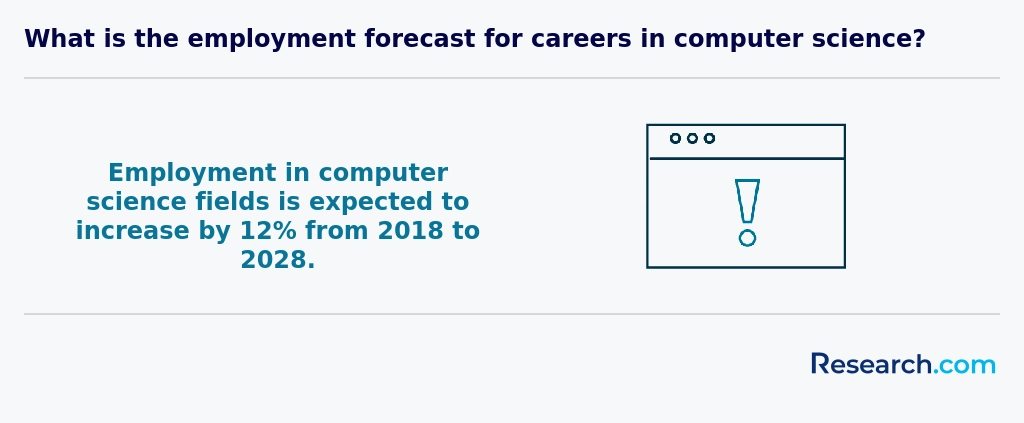
Given the growing demand reflected in Midwest online web design careers, professionals are well-positioned to tap into expanding tech hubs such as Chicago and Minneapolis. Students can explore options ranging from corporate roles to entrepreneurial opportunities, backed by accessible education often highlighted in rankings like the most affordable online graphic design degree lists.
What is the job market for online web design degree in the Midwest?
The online web design job outlook Midwest is promising as graduates from popular colleges like the University of Illinois Urbana-Champaign and DePaul University report positive trajectories. These schools provide robust programs that blend creativity with technical skills, preparing students for expanding roles in front-end development, user experience design, and digital content creation. Many graduates share how internships in bustling hubs like Chicago offered real-world experience, boosting confidence and employability.
Opportunities arise from the region's diverse economy, where manufacturing firms, healthcare providers, and startups increasingly prioritize digital presence. With cities such as Minneapolis and Indianapolis growing as tech hotspots, the Midwest web design career opportunities online degree holders enjoy are broadening, frequently including flexible or remote roles. The reasonable tuition fees, often between $8,000 to $20,000, further encourage students to pursue these fields without overwhelming debt. For students seeking cost-effective options, programs listed among the most affordable web development degree program online can be a strategic starting point.
Frequently Asked Questions About web design
Students pursuing online web design degrees in the Midwest can maximize their learning by actively engaging in hands-on projects. Many Midwest institutions emphasize practical experience, enabling students to build portfolios that showcase design skills to future employers.
Networking is also crucial. Joining local or regional web design groups, such as the Midwest Web Designers Association, can connect students with professionals and job opportunities.
Additionally, staying updated with industry trends is important. Resources like the Bureau of Labor Statistics report that web developer jobs in the Midwest are projected to grow by 15% through 2030, highlighting the demand for current skills.
Time management and setting clear learning goals can further enhance an online student's success.
The web design field continues to evolve with several emerging niches gaining prominence, especially relevant for students pursuing online degrees in the Midwest. User experience (UX) and user interface (UI) design are growing rapidly, driven by the demand for intuitive and accessible websites. Additionally, mobile-first design is crucial as over 50% of web traffic in the Midwest comes from mobile devices, according to recent reports from the Pew Research Center.
Other expanding areas include e-commerce design, fueled by the region's increasing online retail presence, and accessibility design, which ensures websites meet standards like the ADA. These specialties offer promising career paths in a competitive job market.
After completing an online web design degree in the Midwest, it is essential to build a strong portfolio showcasing your skills. Employers in this region often expect evidence of proficiency in HTML, CSS, JavaScript, and responsive design. According to the U.S. Bureau of Labor Statistics, web developer employment is projected to grow 15% from 2021 to 2031 nationally, with Midwestern cities like Chicago and Minneapolis experiencing consistent demand.
Networking through local tech meetups and internship opportunities can also improve job prospects. Additionally, obtaining certifications from recognized organizations such as Adobe or Google can provide an advantage in the competitive Midwest job market.
Employers in the Midwest prioritize a mix of technical and creative skills for graduates with online web design degrees. Proficiency in HTML, CSS, and JavaScript remains essential, as these languages form the backbone of most web projects. According to the U.S. Bureau of Labor Statistics and regional job market analyses, knowledge of responsive design and mobile-friendly interfaces is increasingly sought after.
Creative skills like graphic design and UX/UI understanding also rank highly. The ability to use tools such as Adobe Creative Suite and Figma often sets candidates apart. Communication and teamwork skills are valued since web designers regularly collaborate with developers and clients.
The Illinois Department of Employment Security notes a 7% growth in web design jobs statewide by 2028, highlighting rising demand for these skills.
Finding internships in the Midwest relevant to a web design degree involves a combination of online research and local networking. Many universities and colleges offer career services that list internship opportunities specific to web design and digital media. According to the National Association of Colleges and Employers (NACE), over 60% of internships in tech fields occur in metropolitan areas like Chicago, Minneapolis, and Indianapolis.
Students should explore platforms such as Handshake and LinkedIn, which host region-specific internship listings. Additionally, connecting with local tech meetups and design organizations can open doors to smaller companies and startups eager for web design talent. Midwestern firms often seek candidates with practical skills gained from internships, making proactive outreach essential.
Obtaining an online web design degree can significantly enhance career mobility and advancement for professionals in the Midwest. According to the U.S. Bureau of Labor Statistics, web development jobs in states like Illinois, Ohio, and Michigan are projected to grow by over 15% through 2030, reflecting increasing regional demand.
Online degrees offer flexibility, enabling students to balance work and study while acquiring current digital skills essential for local employers. Many Midwest companies prefer candidates with formal education combined with technical proficiency in user experience and coding languages.
Additionally, an accredited online program often opens doors to higher-paying roles, such as senior web designer or digital project manager, expanding professional opportunities within the region.
Studying for a web design degree in the Midwest equips students with interdisciplinary skills valuable across multiple fields. Programs often integrate courses in computer science, graphic design, marketing, and communications, reflecting the diverse demands of the digital industry. According to the National Center for Education Statistics, Midwest institutions increasingly emphasize project-based learning that fosters collaboration between technical and creative disciplines.
This interdisciplinary approach prepares graduates for roles not only in web design but also in user experience, digital marketing, and IT management. The region's growing tech hubs, like Chicago and Minneapolis, support cross-industry innovation, meaning skills learned are directly applicable in real-world settings.
Choosing between a thesis and a non-thesis online web design degree in the Midwest depends on your career goals and learning preferences. Thesis programs require a significant research project, suitable for those who plan to pursue a master's or a research-oriented career. Non-thesis options focus more on practical skills and coursework, ideal for students aiming to enter the workforce quickly.
According to the National Center for Education Statistics, many Midwest schools offer flexible online formats that cater to diverse student needs in web design. Consider if you prefer hands-on projects or research when making your choice.
Costs and program length can also differ; thesis programs often take longer. Finally, check accreditation and whether employers in the Midwest value one option over the other for your target job market.
Midwest students seeking to study web design abroad have several options through US institutions that offer international partnerships and exchange programs. Many universities in states like Illinois, Michigan, and Ohio collaborate with foreign schools, allowing students to take web design courses overseas while earning credit toward their degree.
Additionally, some online web design programs based in the Midwest provide virtual global classrooms, enabling cross-cultural learning experiences without leaving home. According to the National Center for Education Statistics, about 12% of Midwest undergraduates participate in study abroad or international learning, emphasizing growing interest in global perspectives within design fields.
Financial aid and scholarships may also apply for these programs, reducing costs for students pursuing international study opportunities.
Part-time job opportunities in the Midwest that complement a web design degree often involve roles in digital marketing, graphic design, and freelance web development. Many students find internships or assistant positions at local advertising agencies or small businesses, which provide practical experience and build portfolios. According to the U.S. Bureau of Labor Statistics, the Chicago metropolitan area leads in web design job availability within the Midwest, offering approximately 8,000 jobs as of 2023.
Freelancing platforms also offer flexible options for students, enabling them to work remotely on projects. Additionally, universities sometimes hire part-time tech support or lab assistant positions related to web design courses, allowing students to apply knowledge directly. Such roles enhance skill development while balancing academic responsibilities.
Online web design students in the Midwest benefit from various networking opportunities despite the virtual nature of their programs. Many Midwestern colleges and universities affiliated with web design degrees offer virtual career fairs and alumni networking events. These platforms connect students to regional employers and professionals in major cities like Chicago, Minneapolis, and St. Louis.
Professional organizations such as the American Institute of Graphic Arts (AIGA) have active Midwest chapters providing webinars, workshops, and meetups that online students can access remotely.
Additionally, local tech hubs and coworking spaces often host design-focused events, accessible to students living nearby. Leveraging LinkedIn groups and regional social media can further expand connections within the industry.
According to the National Center for Education Statistics (NCES), over 40% of Midwestern design graduates find jobs within their network, highlighting the importance of these opportunities.
Alumni networks play a key role in supporting online web design degree students in the Midwest. These networks provide valuable connections to experienced professionals working in regional tech and creative industries. According to research from the National Association of Colleges and Employers, 80% of job openings are filled through networking, highlighting the importance of these connections.
Through alumni events, online forums, and mentorship programs, students gain insights into industry trends and job market demands specific to the Midwest. Many alumni work at companies in cities like Chicago and Minneapolis, offering internship and job opportunities.
Access to a strong alumni network also helps students build portfolios, receive feedback, and improve skills, increasing their chances of successful employment after graduation.
Customizing an online web design degree in the Midwest allows students to align their education with specific career goals. Many Midwestern universities offer flexible curricula featuring electives in user experience (UX), graphic design, and front-end development. This flexibility helps students build specialized skills relevant to their target industries.
Students can also choose to focus on software tools like Adobe Creative Suite or coding languages such as HTML, CSS, and JavaScript. According to the Bureau of Labor Statistics, web design jobs in the Midwest are projected to grow by 8% from 2022 to 2032, highlighting the importance of specialized knowledge.
Besides coursework, some schools provide mentorship or internship opportunities with local companies, enabling practical experience tailored to individual goals. Researching program accreditation and alumni career paths further aids in selecting a program best suited for professional advancement.
Online web design students in the Midwest often face unique challenges related to technology access and course delivery. Reliable high-speed internet can be limited in rural areas, impacting students' ability to participate in live design critiques or upload large project files. According to the Pew Research Center, approximately 23% of rural Americans lack broadband access, a factor relevant for many Midwestern learners.
Time management is another common hurdle. Balancing coursework with work or family responsibilities requires discipline, especially given the self-paced nature of many online programs.
Additionally, hands-on learning opportunities can be limited. Unlike traditional programs, online courses may offer fewer chances for in-person collaboration and real-time feedback, which are essential in creative fields like web design.
Finally, some students report difficulty finding Midwest-specific networking and internship opportunities remotely, which can affect career growth after graduation.
With an online web design degree, students in the Midwest can pursue various professional certifications to enhance their credentials. Popular options include the Adobe Certified Expert (ACE) credential, which validates proficiency in Adobe design software widely used in the industry.
The Certified Web Professional (CWP) designation offers specialization in web design and development, helping Midwest graduates stand out in job markets such as Chicago and Minneapolis, where digital media roles have grown over 15% since 2020 (U.S. Bureau of Labor Statistics).
Other valuable certifications include Google's Mobile Web Specialist and UX Certification from the Nielsen Norman Group, which emphasize user experience-an essential skill in web design careers.
Writing a winning application for an online web design program in the Midwest requires clear presentation of your skills and goals. Begin by highlighting relevant experience in graphic design, digital media, or coding. Admission committees value portfolios showcasing creativity and technical ability. According to the National Center for Education Statistics, Midwest institutions often emphasize practical skills in HTML5, CSS, and UX/UI design.
Include a concise personal statement explaining why you want to study web design online and your career aspirations. Mention familiarity with software like Adobe Creative Suite if applicable. Strong letters of recommendation from professionals or instructors strengthen your application.
Finally, ensure all materials comply with the specific program's requirements, as deadlines and prerequisites vary across institutions in states like Illinois, Ohio, and Michigan.
The web design career holds significant global relevance as businesses increasingly rely on strong online presences. In the US, especially in the Midwest, the demand for web designers is growing steadily, with a projected 8% job growth rate from 2022 to 2032 according to the U.S. Bureau of Labor Statistics. This reflects global trends where digital design skills are highly valued across industries and countries.
Internationally, web design merges creativity with technical expertise, making professionals adaptable to diverse markets. Understanding user experience and mobile responsiveness is essential worldwide. Midwest institutions offering online degrees emphasize these skills to meet local and global standards.
Moreover, global companies increasingly hire remote web designers, broadening career opportunities for Midwest graduates. With the Midwest's affordable education and robust tech growth, students can prepare to compete effectively on the global stage.
Gaining practical experience during an online web design degree in the Midwest is essential for career readiness. Many programs encourage students to participate in internships with local businesses, which can often be completed remotely. According to the National Association of Colleges and Employers (NACE), 60% of students who intern receive a job offer afterward.
Students can also engage in project-based courses, creating real websites and portfolios. Some Midwestern colleges partner with community organizations, providing students opportunities to design websites for nonprofits, boosting both skills and resumes.
Additionally, joining regional web design or tech groups offers networking and freelance chances.
Choosing the right concentration within an online web design degree program in the Midwest starts with evaluating your career goals. Concentrations such as user experience (UX) design, front-end development, or graphic design each prepare students for different roles in the tech industry.
Midwestern schools often align concentrations with regional industry needs. For example, states like Illinois and Michigan have growing tech hubs seeking front-end developers and UX specialists, according to the Illinois Technology Association.
Research program curriculum closely to ensure it includes hands-on projects and software training relevant to your desired concentration.
Additionally, consider internship and networking opportunities with local companies through the program to enhance employability after graduation.
Top Trending Web Design Rankings
References
- Study Web Design and Development https://mvc.edu/academics/programs/web-design-development.php
- Is a thesis always mandatory in a master's degree program? - EFMU: The Euler-Franeker Memorial University and Institute https://euler.euclid.int/is-a-thesis-always-mandatory-in-masters-degree-program/
- Essential Web Design Skills and Tools for Career Growth in 2026 | Top Draw Inc. https://www.topdraw.com/insights/essential-web-design-skills-career-development/
- How to become a web designer | edX https://www.edx.org/become/how-to-become-a-web-designer
- Gateway Community College Alumni Network Website Design | Fusion Design CT https://fusionprintdesign.com/gateway-community-college-alumni-network-website-design/
- Get the sample by email https://nathanbarry.com/webapps/
- Web App Design: What It Is, Process, and Why You Need It https://contentsquare.com/guides/web-app-design/
- How interdisciplinary design work helps this designer find her purpose - DesignSingapore Council https://designsingapore.org/stories/how-interdisciplinary-design-work-helps-this-designer-find-her-purpose0/
- Choosing a Thesis vs. Non-Thesis Program: What Every Graduate Student Needs to Know https://presenti.ai/blog/choosing-a-thesis-vs-non-thesis-program/
- Alumni networks: The Good, the Bad and the Ugly - AlumnForce https://www.alumnforce.com/en/alumni-networks-the-good-the-bad-and-the-ugly/