2027 Best Online Colleges Programs Ranking in the South

Co-Founder and Chief Data Scientist
Choosing the right online college program can feel overwhelming, especially with so many options in the South. This article features the 2027 Best Online Colleges Programs Ranking in the South, created by the Research.com team of data scientists to help you make an informed decision.
Discover which degree programs offer the best value and opportunities for your future. Whether you're starting fresh or continuing your education, a degree can open doors to new possibilities and personal growth.
Take your next step with confidence by exploring trusted, data-driven insights designed to support your success.
Key benefits of getting online degrees in the South
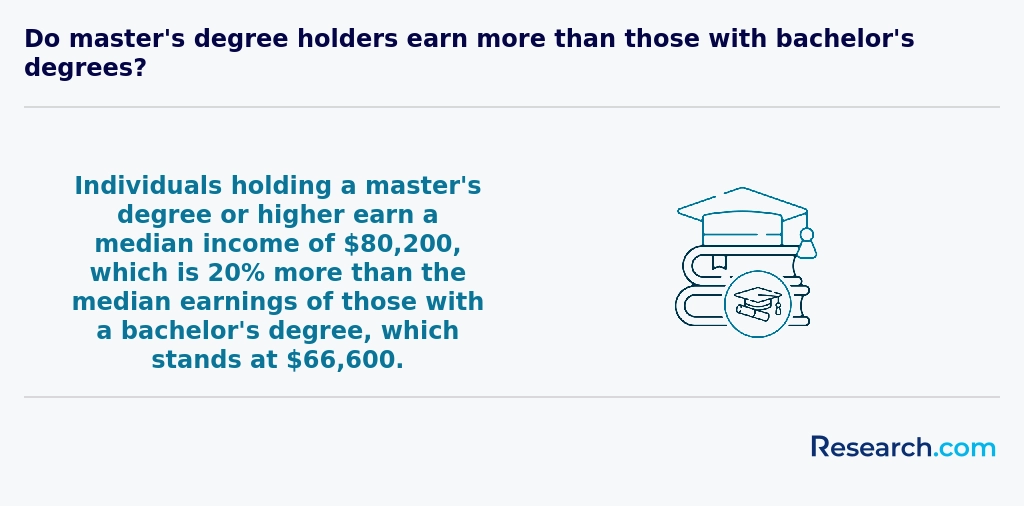
- Graduates in the South with bachelor's degrees earn an average salary of $55,000, while those with master's degrees can expect around $70,000, showing higher degree levels significantly boost income potential.
- An online business degree from the University of Florida has helped many graduates quickly secure jobs in marketing or management, proving a clear path to rewarding careers.
- Completing an online nursing degree at the University of North Carolina offers flexibility and saves commute time, making it easier to balance work and study compared to traditional programs.
- 2027 Best Online Colleges Programs Ranking in the South
- What can I expect from online degrees in the South?
- How much can I make with online degrees in the South?
What can I expect from online degrees in the South?
Expect more than just convenience when pursuing an online degree in the South; students frequently describe a blend of flexibility and meaningful engagement that reshapes their learning experience. Graduates from institutions like the University of Florida or Texas A&M often recall juggling family and work schedules while benefiting from asynchronous classes that adapt to their lives rather than forcing rigid attendance. This adaptability turns education into a practical tool rather than a burden.
Yet, it's not only about time management-Southern universities prioritize quality through regional accreditation, ensuring the degree holds value in the job market and among peers. Many graduates express confidence knowing their credentials meet rigorous standards recognized by employers statewide and beyond.
Students also speak to the advantage of strong local industry ties. For example, nursing and cybersecurity students often find their studies aligned with real-world demands, supported by university partnerships with regional employers. This connection fosters hope and motivation, seeing pathways to meaningful careers encouraged through tailored programs.
The cost-effective tuition, especially at public universities, combined with growing financial aid, leaves many feeling reassured that investment in online education here is sensible and accessible. Overall, the Southern online degree experience challenges assumptions, offering not just a diploma but a supportive journey adaptable to a student's unique context.
How much can I make with online degrees in the South?
Graduates holding online degrees from Southern universities such as the University of Florida or Texas A&M often find themselves earning between $60,000 and $65,000 annually, reflecting a significant boost over high school diploma holders. Those with bachelor's degrees typically report salaries about 67% higher, transforming lives across cities like Miami and Atlanta.
Consider a nursing graduate from a well-known Southern college: starting salaries range from $50,000 to $70,000, offering not just income but stability in healthcare hubs with growing demand. Similarly, tech graduates from institutions like the University of North Carolina at Chapel Hill can expect entry-level salaries from $60,000 up to $75,000, thriving in vibrant markets like Raleigh-Durham or Austin.
This is not theoretical-graduates regularly share stories of moving from uncertainty to confidence, empowered by their online credentials recognized by Southern employers. While rural areas may offer less, urban centers present rich opportunities, making the choice to study online in the South a powerful investment in one's future.
- Undergraduate tuition at Southern public universities offering online degrees typically ranges from $7,000 to $12,000 per year.
- Graduates can expect starting salaries between $40,000 and $50,000, with potential growth to $60,000-$75,000 within five to ten years depending on the field.
- Many Southern online programs are regionally accredited and cover fields like nursing, computer science, education, and business.
- Online degrees in the South often offer flexibility and affordability, designed for adult learners and working professionals.
- Key cities such as Atlanta, Charlotte, Houston, and Nashville have strong workforce demand aligned with popular online degree fields.
Completing an online degree in the South isn't as straightforward as clocking fixed years-it's a journey shaped by choice and circumstance. Graduates from institutions like the University of Texas or Georgia State University often share how full-time associate degrees took them about two years, while bachelor's degrees stretched up to four. Yet, many have found the real secret lies in pacing. Part-time students balancing work and family sometimes took closer to six years to finish, a trade-off for maintaining life's other priorities.
Others embraced accelerated programs offered by Southern schools, wrapping up their bachelor's in three years or less by diving into intensive, 5 to 8-week courses. These students often express pride and relief at shaving off semesters, thanks to flexible scheduling. Transfer credits also play a vital role-students entering Florida's public universities with prior credits often leap ahead, transforming what seemed like a daunting timeline into something much more achievable.
In the South, time-to-degree isn't just about speed; it's about crafting a path that fits your life, finances, and goals, turning online study into a personal victory.
Online education in the South stands out for its blend of affordability, flexibility, and regional employer demand, yet it exhibits both strengths and gaps when compared to national benchmarks. Tuition rates for online programs in the South average around $35,795, considerably lower than national averages of $42,000, driven by strong state support and public university networks. This cost advantage is further illustrated by the Affordable Online Colleges Programs Ranking in Murray, KY, showcasing models of affordable online learning that many Southern institutions emulate. Academically, Southern online degrees often emphasize career readiness through partnerships with local industries-healthcare systems in Florida, energy firms in Texas, and tech startups in Georgia-yielding graduate employment rates that mirror or exceed national figures. However, completion rates for online learners in the South hover around 55%, slightly below the national average of 60%, signaling opportunities for enhanced student engagement and support services. In comparison, regions like the Northeast and West Coast typically offer a higher concentration of specialized technology and research-driven programs, while the South excels in scaling generalist degrees (e.g., business administration, education, nursing) to meet broad workforce needs. Prospective students should weigh these distinctions: Northern programs may provide niche specializations, whereas Southern programs deliver cost-effective, widely recognized degrees with strong regional employer networks. Ultimately, understanding these comparative dynamics helps learners choose programs that align with their career goals, budget constraints, and desired level of institutional support, ensuring informed decisions in an increasingly competitive online education landscape.
Choosing between online and on-campus degrees in the South often comes down to what fits your lifestyle best, but the real differences run deeper than schedule flexibility. Imagine a student juggling a part-time job in Atlanta; online courses from Georgia State University allow them to study late into the night without sacrificing income or family time. Meanwhile, a peer at the University of Florida enjoys the vibrant campus life in Gainesville, thriving on face-to-face debates and spontaneous study groups that spark new ideas.
Cost is another vivid consideration. Graduates recall how online programs helped them save thousands by avoiding dorm fees or daily commutes in sprawling Southern cities like Dallas or Charlotte. Yet, they also emphasize that accredited programs from schools such as the University of North Carolina maintain rigorous standards whether delivered through Zoom or in a lecture hall.
The online environment demands self-discipline and tech-savviness, while on-campus learners bask in immediate access to labs and libraries unique to Southern campuses. This gives each path distinct energy and camaraderie-shaped by your personal rhythm and your own Southern story.
Online learning in the South offers remarkable flexibility and accessibility, yet it also presents challenges that can affect student success. Many students encounter issues such as time management struggles, feelings of isolation, and adapting to digital learning platforms. Overcoming these hurdles is critical for a positive educational journey. To manage time effectively, create a detailed study schedule and designate a consistent workspace free from distractions. Engage actively with online course forums and study groups to combat the isolation often felt in virtual classrooms. Additionally, many institutions offer virtual tutoring, academic advising, and career counseling services that can ease the transition to online learning. Another strategy is to embrace the digital tools at your disposal; familiarizing yourself with learning management systems and collaboration technologies can enhance coursework efficiency. For those considering further studies to elevate their credentials, exploring a doctorate degree online may offer a pathway to advanced career opportunities while refining your self-discipline and time management skills. By recognizing these common challenges and proactively implementing strategies to address them, students can maximize their online education experience and position themselves for success in today’s competitive job market.
The average cost of an online degree in the South challenges many expectations. While the median total cost stands near $33,600, the picture shifts dramatically when considering residency status. For in-state students, total tuition and fees typically average around $19,800, creating a significant financial advantage. Out-of-state learners, however, face a median cost closer to $41,761, a steep increase that influences many to carefully weigh their options before enrolling.
Graduates from popular universities in states like Texas, Florida, and Georgia often share how in-state tuition made their online education feel attainable without sacrificing quality. The blending of affordability and flexibility appeals to those balancing work, family, and personal ambitions. One common insight is the hidden benefit of reduced housing and commuting expenses-in real terms, this often frees up resources for better technology or additional courses.
When exploring the average cost of online degree programs in the South, students frequently encounter public institutions offering competitive tuition rates that rival, if not outperform, traditional campus fees. These programs frequently provide in-state tuition for online learners residing in the same state, reinforcing the advantage of establishing residency. The financial relief many describe helps shift their focus from monetary strain to academic and professional growth.
Those curious about detailed comparisons often turn to rankings that highlight the best value in Southern education. For example, prospective students looking at the best online general school in oklahoma find programs combining affordability with reputation. These experiences underscore how the total tuition and fees for Southern online colleges are not merely numbers but gateways to opportunities shaped by thoughtful planning and local ties.
Online students in the South can maximize their educational outcomes by employing practical strategies tailored to the unique demands of online learning. First, effective time management is crucial; creating a structured daily schedule and setting clear goals can help balance coursework, work, and personal commitments. Utilizing digital calendars and task management tools ensures deadlines are met while reducing stress. Additionally, active engagement in virtual classrooms through discussion boards and group projects can enhance learning, simulating a traditional campus experience. Building a supportive network is equally important. Connect with peers and professors via online study groups and virtual office hours, and seek out mentorship opportunities. Numerous institutions also offer dedicated tutoring services and technical support, which can be invaluable during challenging moments. For example, students interested in expanding their educational options might consider exploring the offerings at the best online general school in oklahoma, which is known for its robust online community and resources. Moreover, regularly assessing progress and adjusting strategies is encouraged. Taking advantage of feedback from assignments, leveraging available digital tools for self-assessment, and engaging in extracurricular webinars on professional development can further bolster success. By integrating these strategies into your study routine, you’ll not only enhance your learning experience but also build a foundation for long-term career achievements.
Many Southern online students quickly discover that federal financial aid is more than just paperwork-it's a lifeline. Pell Grants, for example, often cover thousands of dollars in tuition, providing real relief without the burden of repayment. Graduates from institutions like the University of Florida recall how these grants made their degree attainable despite initial doubts about affordability.
State-specific programs add another layer of support. The Georgia HOPE Scholarship, a beacon for residents pursuing online studies at Georgia State University, offers substantial tuition help that transforms financial stress into focused learning. Similarly, Tennessee's HOPE Scholarship and South Carolina's LIFE Scholarship provide meaningful aid that encourages students to persist and succeed in their programs.
Institutions themselves often recognize the unique needs of online learners with targeted scholarships and grants. Those who graduated from Texas A&M's online programs report receiving awards tied to community involvement or military service, which validated their experiences and eased financial worries.
Finally, employer tuition assistance programs frequently empower working adults balancing jobs and classes. Graduates employed by Southern healthcare and tech companies often praise these benefits, which fuel their motivation and affirm investment in their futures.
Enrolling in an online degree program in the South demands more than just filling out forms; it calls for meeting clear academic and administrative prerequisites that shape your journey from the start. Most Southern universities expect a high school diploma or GED, ensuring every student has a solid foundation. Graduate programs often ask for a prior bachelor's degree, setting the stage for advanced study. Many graduates recall how submitting official transcripts was a crucial step-verifying their entire academic story-and how some programs required a minimum GPA, like 2.5, pushing them to reflect on their past efforts.
While some might expect SAT or ACT scores, a growing number of Southern colleges waive these for online applicants, opening doors wider than ever before. Students at well-known Southern colleges experienced relief and encouragement as these test-optional policies made access feel fairer and less stressful.
Beyond academics, practical details matter: application fees from $25 to $75, recommendation letters, and personal statements often signal your readiness and drive. Imagine balancing these with work or family life, just as many Southern students do. Plus, financial planning is critical-knowing tuition often runs between $8,000 and $12,000 annually helps set realistic expectations. And the tech setup-reliable internet and a computer-becomes your lifeline to success.
Finally, for fields like nursing or education popular in the South, background checks and immunizations precede hands-on work, reminding you that online learning still connects deeply with real-world responsibilities.
While online degrees in the South offer flexibility and accessibility, students may encounter unique challenges that require proactive strategies to ensure success. Time Management and Self-Discipline Balancing work, family, and coursework can be daunting. Without a structured classroom schedule, it’s easy to fall behind. To overcome this, create a weekly calendar blocking out specific study hours and set realistic milestones for assignments. Utilize digital tools like calendar apps and task managers to send reminders, and join virtual study groups to build accountability. Technical Difficulties and Access Reliable internet and up-to-date hardware are essential for participation in live lectures and completing multimedia assignments. Conduct a technology audit before the semester starts-test your webcam, microphone, and learning management system access. Many universities in the South offer tech support hotlines and loaner equipment programs; reach out early if you anticipate connectivity issues. For students comparing program costs and support services, explore our most affordable online bachelor’s degrees to find schools that include technology fees and equipment loans in their tuition packages. Limited Face-to-Face Interaction Online learners often miss the spontaneous networking that occurs on campus. Combat isolation by actively participating in discussion forums, attending virtual office hours, and engaging in local alumni meetups when possible. Many Southern institutions host regional chapters or online clubs-join these to expand your professional network and gain peer support. By acknowledging these potential hurdles and leveraging institutional resources, online students in the South can build the resilience and skill set needed to thrive in a remote learning environment.
Online degree courses in Southern universities typically begin with foundational classes like English composition, mathematics, social sciences, and natural sciences. Graduates from institutions such as the University of Florida often share how mastering these basics provides them with the confidence to tackle more specialized subjects later. The appeal lies in building a solid skill set that feels both relevant and practical for everyday challenges.
Moving beyond general education, typical online college programs in the South reflect the region's economic landscape and workforce needs. Many students are drawn to business administration courses covering management, marketing, and finance, while others find healthcare programs-offered by schools in Texas and Georgia-that emphasize anatomy, ethics, and patient care technology deeply rewarding. These students frequently describe the balance of theory and hands-on virtual labs as energizing and empowering.
For those eyeing advanced paths, some explore the rigorous demands of a doctorate degree online, discovering how Southern programs blend flexibility with academic rigor. This adaptability often surprises students expecting a rigid, impersonal online experience, instead creating a sense of accomplishment grounded in real-world applications.
Choosing the best online degree program in the South is rarely about picking the flashiest option; it's about aligning the program's structure with your life's realities. Graduates from the University of Florida often reflect on the freedom asynchronous classes gave them to balance work and family, a critical factor that sometimes outweighs even prestige. It's not just about the institution but the flexibility inherent in how they deliver education, especially in this region where many juggle multiple roles.
Accreditation should never be overlooked, yet beyond that, consider how Southern schools uniquely support online learners. Institutions like the University of Alabama offer strong academic advising and career counseling that make persistence feel achievable, which is vital since graduation rates hover between 30% and 50%. This context challenges you to think deeply about your own commitment and the support you'll need.
Cost remains a decisive element. For those seeking affordable options, examining offerings among most affordable online bachelor's degrees in Southern US colleges can reveal hidden gems. Remember, what looks cheap isn't always truly affordable once you factor in financial aid and scholarships specific to Southern students. Question conventional wisdom and dig into the nuances before deciding.
Graduates with online degrees from Southern institutions find career paths that defy traditional expectations. In healthcare, for example, graduates from universities in Texas and Florida have stepped into rewarding roles like nursing and health administration, thriving in dynamic hospital environments and rural clinics alike. These jobs not only offer stability but also a sense of purpose, as many graduates reflect on the positive impact they make on their communities. Such outcomes highlight the evolving job prospects for Southern online graduates, showing how flexible learning supports meaningful careers.
In bustling tech hubs such as Atlanta and Charlotte, online graduates equipped with degrees in computer science or cybersecurity enter fields once thought accessible only through in-person study. Graduates from established Southern colleges embrace creative roles in software development and information technology, drawing on skills honed through innovative online programs designed specifically for regional industry demands.
Business graduates enjoy opportunities across finance and marketing sectors, often finding work with local startups and established firms eager for digital expertise. For those navigating balancing acts between work and study, the South's online programs create pathways that differ from the norm, making you wonder what's the easiest associates degree to get that still opens doors.
Education and social services also remain pillars of Southern career trajectories. Many graduates from regional universities pursue teaching or counseling roles, driven by a deep connection to improving local communities. These career paths illustrate how online degree career opportunities in the South combine flexibility, relevance, and real-world impact, inspiring a new generation of professionals to rethink what success looks like.
The job market for online degree graduates in the South is evolving beyond traditional expectations, fueled by a blend of remote work trends and digital transformation. Graduates from popular Southern universities often share stories of landing roles in healthcare, IT, and education-fields actively seeking the flexibility and practical skills that many online programs emphasize. This growing demand reflects a Southern employment landscape that values adaptability and real-world certifications alongside academic achievements.
Many find that job opportunities for online degree graduates in the South are strongest in metropolitan hubs like Atlanta and Houston, where businesses are diversifying and expanding. These graduates often balance family and work while studying, leveraging online education to enhance their qualifications without sacrificing stability.
One graduate from a well-known Southern college noted how the capacity to study online while working full-time allowed a seamless transition into finance roles, matching the $55,000-$75,000 median wages reported in the region. For those curious about local options, exploring the Affordable Online Colleges Programs Ranking in Murray, KY highlights accessible pathways tailored to Southern students.
Understanding the Southern online degree graduate employment outlook encourages a deeper consideration of how online education can transform lives, blending convenience with opportunity and creating new career narratives in a fast-changing job market.
2027 Best Online Colleges Programs Ranking in the South
Investing in your education is a significant decision that can shape your future, and the Research.com team understands the importance of making informed choices. To assist prospective students in the southern region, we have meticulously crafted the "2027 Best Online Colleges Programs Ranking in the South." Our commitment to quality, credibility, and accuracy is reflected in the extensive research and analysis conducted to compile this ranking.
We utilized the following reputable data sources to ensure a comprehensive evaluation of online college programs:
By exploring this ranking, readers will gain valuable insights into the highest-quality and most credible online college programs in the South, empowering them to make confident, well-informed decisions about their education. For more details on how this ranking was created, please visit our Research.com methodology page.


# 16 position
University of Florida
Master of Microbiology and Cell Science: Medical Microbiology and Biochemistry
# 19 position
University of Maryland-College Park
Master of Technology Entrepreneurship and Corporate Innovation, Online

Frequently Asked Questions
Students in the South can maximize their online learning experience by leveraging regional resources and strong internet infrastructure. According to the Federal Communications Commission, Southern states have seen increased broadband access, crucial for smooth participation in virtual classes. Engaging actively with local online student organizations provides networking opportunities and peer support.
Another effective strategy is to choose programs accredited by recognized Southern regional agencies like the Southern Association of Colleges and Schools Commission on Colleges (SACSCOC), ensuring quality and credit transferability. Time management is vital; Southern students benefit from setting a consistent study schedule aligned with their time zone, which often differs from national online program hubs.
Additionally, students should explore financial aid options specific to Southern states. For example, Texas offers state scholarships for online learners. Utilizing university academic advising and tutoring services enhances retention and performance. Combining these practices helps learners in the South optimize their educational outcomes while balancing work and family commitments.
Graduates holding online degrees from Southern institutions should strategically prepare for the job market by leveraging regional economic trends. The South's thriving sectors-healthcare, technology, and manufacturing-offer numerous opportunities. According to the U.S. Bureau of Labor Statistics, states like Texas and Florida expect significant job growth in these fields through 2030.
Building a strong professional network is essential. Engaging with local career fairs, virtual networking events, and alumni groups from Southern universities can enhance job prospects. Additionally, gaining relevant internships or part-time roles during studies helps develop practical skills valued by Southern employers.
Finally, tailoring resumes and interview preparation to highlight competencies aligned with Southern industry needs is crucial. Resources offered by regional workforce commissions provide up-to-date guidance for job seekers in the South.
Employers in the Southern United States prioritize a mix of technical and soft skills when hiring graduates, especially those with online degrees. According to the Southern Regional Education Board, communication skills top the list, with 85% of employers emphasizing clear writing and speaking abilities.
Problem-solving and critical thinking are also essential, especially in fast-growing industries such as healthcare and technology. The U.S. Bureau of Labor Statistics reports that these sectors in the South increased employment by 7% from 2019 to 2022, spotlighting the need for adaptable graduates.
Additionally, digital literacy and teamwork are highly valued. Employers expect graduates to efficiently navigate modern tools and collaborate across diverse teams, reflecting the regional economic emphasis on innovation and inclusivity.
Finding internships in the South requires a strategic approach, especially for students pursuing online degrees. Many Southern universities maintain strong connections with local businesses and offer virtual internship listings through their career services. According to the Southern Regional Education Board, over 60% of Southern colleges report partnerships with regional employers that provide internship opportunities.
Utilizing online platforms like Handshake and Indeed can also help uncover internships specific to Southern states such as Georgia, Texas, and North Carolina. Networking remains crucial; joining local professional groups on LinkedIn or regional chambers of commerce can connect students with potential employers.
Additionally, students should explore industry-specific organizations prominent in the South, including manufacturing, healthcare, and energy sectors, which frequently offer remote internships. Checking university career portals regularly is essential as new opportunities appear throughout the year.
In the Southern United States, earning an online degree can significantly impact career mobility and advancement. According to the Southern Regional Education Board, workers with at least a bachelor's degree in this region experience a 27% higher employment rate than those with only a high school diploma. Online degrees offer flexibility, allowing professionals to upskill while working, which is crucial in Southern economies centered around healthcare, education, and technology.
Employers increasingly recognize online credentials, especially from regionally accredited Southern institutions, improving job prospects and promotion potential. Data from the U.S. Bureau of Labor Statistics confirms that degree holders in the South earn 20-30% higher wages on average.
Choosing between a thesis and a non-thesis online degree program in the South depends largely on your career goals and learning preferences. Thesis programs typically require in-depth research and a significant writing project, preparing students for careers in academia or research-focused roles. Non-thesis options often emphasize practical skills and coursework, appealing to professionals seeking advancement without the demands of a research project.
According to the Southern Regional Education Board, nearly 45% of online graduate students in Southern states opt for non-thesis programs due to flexibility and faster completion times. Consider your future plans and time commitments carefully before deciding.
Students based in the South interested in studying abroad through online degree programs have several options. Many Southern universities partner with international institutions to offer virtual exchange programs, enabling students to experience global learning without traveling. According to the Institute of International Education, over 15% of Southern universities provide online study-abroad alternatives.
Additionally, some online degrees include international internships or collaborative projects, giving students practical experience with overseas companies or peers. These programs often feature flexible schedules, allowing students to balance work and study.
The Southern Association of Colleges and Schools Commission on Colleges (SACSCOC) ensures that these programs meet rigorous academic standards, providing reassurance about quality. Students interested should consult their university's study abroad or international office for specific opportunities available online.
Part-time job opportunities in the South can effectively complement your online degree studies by providing practical experience and additional income. Popular roles include tutoring, especially in subjects like math or English, which aligns with many education degrees. According to the U.S. Bureau of Labor Statistics, tutoring jobs in southern states such as Texas and Florida are projected to grow by 8% through 2030.
Healthcare positions like medical assistants or patient service representatives are common for students pursuing healthcare-related degrees. The Southern region leads in healthcare job growth, offering numerous part-time roles.
Additionally, many colleges in the South host remote research assistant positions for students, flexible with online learning schedules.
Retail and customer service jobs remain available but are less directly tied to degree fields.
Online degree students in the South have growing access to networking opportunities tailored to distance learners. Many Southern universities hosting online programs offer virtual career fairs, industry webinars, and alumni networks designed for remote engagement. According to the Southern Regional Education Board, over 70% of Southern institutions provide online platforms that connect students with regional employers and mentors.
Additionally, professional organizations in the South often hold online events that welcome students from local colleges, helping them build connections without campus presence. Platforms like LinkedIn also facilitate regional networking by enabling students to join groups focused on Southern industries. These resources help online students expand their professional networks while studying remotely.
Alumni networks in the South play a vital role in supporting online degree students by providing connections that extend beyond the virtual classroom. These networks often offer mentoring opportunities, giving students access to experienced graduates who understand regional job markets and industries. According to the Southern Regional Education Board, alumni engagement improves career outcomes for online learners, with 65% reporting that networks helped them secure employment.
Furthermore, alumni events and local chapters facilitate valuable networking, helping students build professional relationships in their area. This regional focus is especially important in the South, where community ties often influence job opportunities and collaborations.
Customizing an online degree program in the South to align with career goals is increasingly feasible thanks to flexible course structures. Many Southern universities offer electives, minors, and certificate options that allow students to tailor their studies without extending graduation time. For example, institutions like the University of Florida and Texas A&M provide numerous specialization tracks within majors.
Students benefit from regional workforce data to select relevant skills and industries. According to the Southern Regional Education Board, fields such as healthcare, technology, and business have high demand in the South, influencing program customization choices.
Advising services also play a key role by helping students design curricula that meet both personal ambitions and local employment trends.
Online students in the South face several typical challenges that can impact their educational experience. Limited high-speed internet access remains a major barrier, especially in rural areas where broadband availability is below the national average, according to the Federal Communications Commission (FCC). This digital divide hampers participation in live classes and access to course materials.
Another challenge is balancing work and family commitments, as many Southern online learners are working adults managing multiple responsibilities. Additionally, some students report feeling isolated due to fewer opportunities for in-person interaction and networking compared to traditional campuses.
Finally, navigating financial aid complexities and lower state funding for online programs can restrict affordable options for many Southern students.
Writing a strong application for a college or university program in the South requires careful attention to detail and authenticity. Admissions officers in Southern institutions often value clear communication, demonstrating your academic readiness, and showing how your goals align with the school's mission. According to the Southern Regional Education Board, nearly 60% of students in the South enroll in institutions offering online programs, making your application competitive.
Start by crafting a compelling personal statement that highlights your unique experiences and motivation for pursuing an online degree. Provide evidence of your academic achievements through transcripts and standardized test scores, if required. Letters of recommendation from professional or academic contacts remain a key component.
Finally, tailor your application to fit the specific program, showing knowledge of the curriculum and how it fits your career objectives. Meeting all deadlines and submitting complete documents improves your chances significantly.
Students pursuing online degrees in the South can gain practical experience through regional internships and cooperative education programs. Many Southern universities partner with local businesses and government agencies to offer remote or hybrid internships that provide real-world skills alongside academic study.
According to the Southern Regional Education Board, 65% of public universities in the South incorporate experiential learning options within their online programs. This includes virtual labs, project-based assignments, and internships tailored to local industries like healthcare, technology, and manufacturing.
Additionally, online learners may engage with community organizations or participate in research projects facilitated by their institutions. Career services at Southern colleges often help match students with local employers, boosting hands-on experience vital for post-graduation success.
Choosing the right concentration within an online degree program in the South involves considering your career goals, interests, and the local job market. Southern states like Texas, Georgia, and Florida have growing industries in healthcare, technology, and business, which influence concentration demand.
Research shows that concentrations in nursing, information technology, and business administration often lead to strong employment opportunities in the South (U.S. Bureau of Labor Statistics, 2023). Look for programs accredited by regional agencies such as the Southern Association of Colleges and Schools Commission on Colleges (SACSCOC).
Consider flexibility and resources available through the university, including online advising and career support. Comparing graduation rates and alumni employment data can also guide your decision.
- 5 Steps to Align Your Career Goals with University and Degree Selections https://www.dwtutoring.com/post/5-steps-to-align-your-career-goals-with-university-and-degree-selections
- South University Blog |10 Tips for Students Building a Professional Network https://www.southuniversity.edu/news-and-blogs/2021/04/10-networking-tips-for-students
- Networking opportunities | StudyAdelaide https://studyadelaide.com/work/career-graduate-opportunities/networking-opportunities
- Thesis vs. Non-Thesis Master's Programs: Which is Right for You? https://potomac.edu/thesis-vs-non-thesis-masters/
- College Readiness: Connecting with the Alumni Network - Community Foundation https://southcoastcf.org/college-readiness-connecting-with-the-alumni-network/
- How to gain work experience while studying - The 93% Club https://www.93percent.club/blog/work-experience-while-studying
- What are the top 10 skills that'll get you a job when you graduate? https://targetjobs.co.uk/careers-advice/skills-for-getting-a-job/what-are-top-10-skills-thatll-get-you-job-when-you-graduate
- Study Abroad Programs | Go Overseas https://www.gooverseas.com/study-abroad
- Six Ways to Help Students Reach Their Potential | All4Ed https://all4ed.org/blog/six-ways-to-help-students-reach-their-potential/
- 25 Best Part-Time Jobs for College Students... | Metaintro https://www.metaintro.com/blog/part-time-jobs-for-college-students