Most Affordable Trade School & Training Programs - Leading Certification Courses in Union for 2026

Co-Founder and Chief Data Scientist
Choosing the right trade school in Union can shape your future in exciting ways. This article presents a carefully crafted trade school programs ranking created by the Research.com team of data scientists to guide you toward the most affordable and valuable options available for 2026.
Whether you want to earn a diploma or certification, gaining specialized skills opens doors to rewarding careers. Reading this will help you make an informed decision with confidence and find programs that truly match your goals.
Get ready to explore opportunities that can lead to success and personal growth.
Key benefits of finishing trade school programs trade school in Union
- Strong salary potential: Trade school graduates in Union enjoy competitive pay, with entry-level positions starting around $30,600 and healthcare roles like dental hygienists earning up to $106,779 annually.
- Diverse career opportunities: Popular career paths include electricians, healthcare professionals, and project managers, all benefiting from the high demand for skilled workers in Union's job market.
- Flexible online learning: Earning a trade diploma or certification online offers convenience and allows students to balance work and life while gaining valuable skills, making education accessible and manageable.
- Most Affordable Trade School & Training Programs - Leading Certification Courses in Union for 2026
- What can I expect from trade school programs trade schools in Union?
- Where can I work after finishing trade school programs trade schools in Union?
What can I expect from trade school programs trade schools in Union?
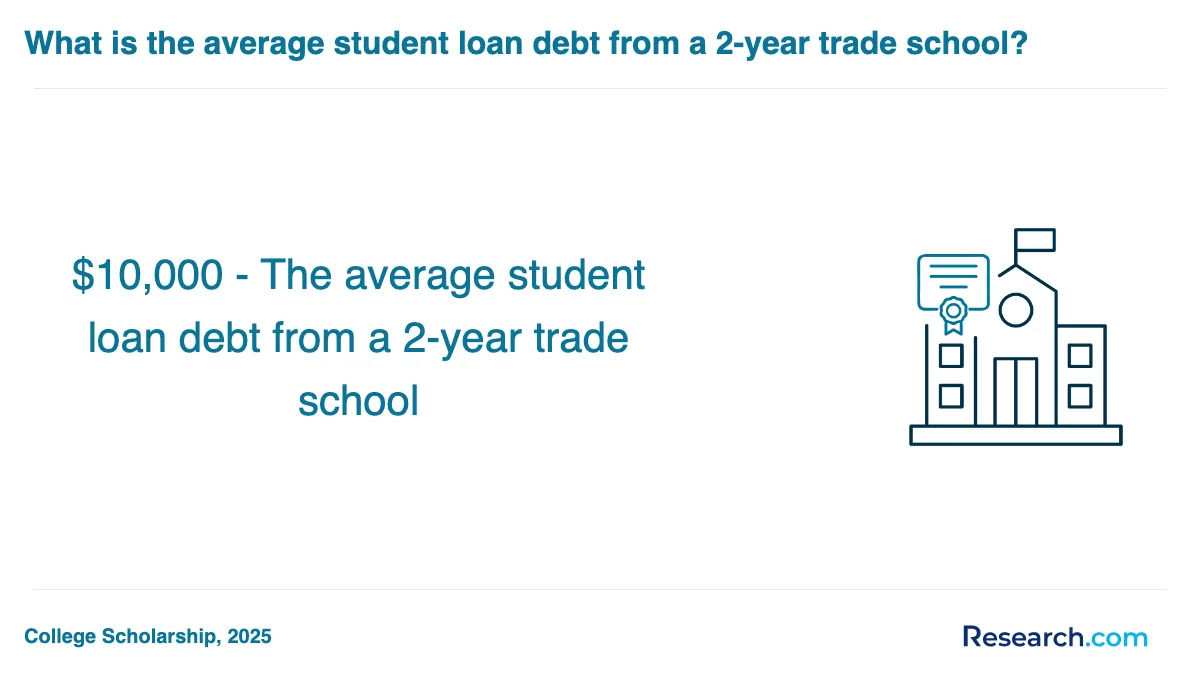
While exact tuition fees can vary, the average cost of a trade school program in Union tends to range between $10,000 and $20,000 for full-time, postsecondary programs lasting about 10 months. Graduates from schools like the Union County Vocational Technical Adult School often recount how this investment translated into hands-on skills that landed them jobs in automotive technology, HVAC, or electrical work within months of completing their training.
Students appreciate that these programs, though accelerated, combine heavy practical training with real-world technology, often supplied through partnerships with companies like Audi or Johnson Controls. This makes the cost worthwhile, reflecting not just classroom time but access to industry-grade equipment and brand-specific certifications.
Financial aid opportunities, including federal aid (FAFSA) and G.I. Bill benefits for veterans, frequently ease the burden, making the cost manageable. Graduates emphasize how early application is crucial since popular programs may have waitlists, yet the supportive environment and expert instructors justify the financial commitment.
Where can I work after finishing trade school programs trade schools in Union?
Graduates from trade school programs in Union often find themselves stepping confidently into diverse and rewarding careers. Many secure roles as industrial electricians, diesel mechanics, HVAC technicians, automotive service technicians, or medical assistants, filling vital positions in industries that value hands-on skills and reliability. One graduate shared how training at a popular Union trade school led to an opportunity repairing vehicles at a Mazda dealership, where practical knowledge gained in class translated directly to daily work.
Others find employment in healthcare settings like hospitals and outpatient clinics, where they support patient care and experience job stability amid growing demand. A former student recalls the satisfaction of assisting in a busy nursing home, where every day brought meaningful challenges and real connections with patients. For those drawn to electrical systems, companies such as Johnson Controls hire skilled technicians, while some graduates contribute to local public schools, maintaining facilities essential for learning.
Trade schools in Union pride themselves on close community ties, helping students transition smoothly into the workforce. The variety of available roles across private dealerships, healthcare centers, and public institutions provides graduates with not just jobs, but fulfilling careers that grow with their skills.
After finishing a trade school program in Union, many graduates find themselves earning an average annual salary around $68,172, which translates to about $32.77 per hour. This reflects a solid return on the time and effort invested in skills training. Those who completed programs at well-known local institutions, such as Union County Vocational Technical School, often share stories of starting out with wages near $23.54 per hour in skilled trades like electrical work or HVAC. Over time, their earnings tend to climb as experience and certifications build.
Some graduates of Union's trade programs even report salaries approaching $98,000 annually, especially when advancing into more specialized roles or combining technical skills with leadership responsibilities. These figures are encouraging for anyone weighing the benefits of practical education over more traditional academic paths. Students recall feeling proud and confident stepping into jobs that offer stability and respect, fueling their motivation to grow professionally within the community they trained in.
Different fields carry different opportunities, but the steady demand in Union ensures many graduates can expect to thrive financially, making skilled trade education a wise choice.
- Applicants usually must be at least 18 years old and have a high school diploma or GED to enroll in trade school programs.
- Tuition costs typically range from $5,940 to $18,055, with additional fees for books, materials, and licensing exams.
- Some programs require a personal interview, entrance exams, or review of academic records for admission.
- Financial aid, including federal grants and loans, is available for eligible students.
- Entry-level salaries for skilled trade jobs start between $35,000 and $50,000 annually, with the potential to reach $50,000 to $70,000 as experience grows.
Completing a trade school program in Union typically takes anywhere from a few months to just under a year, depending on your chosen field and schedule. Graduates often share how fast yet comprehensive their experiences were, especially those enrolled full-time.
For example, students at the Union County Vocational Technical Adult School attend classes for 6 hours a day over a 10-month period. This intensive schedule allows them to quickly build hands-on skills in areas like Automotive Technology, Cosmetology, or Culinary Arts. Many recall feeling proud of how swiftly they transitioned from classroom learning to real-world confidence.
Nearby, Universal Technical Institute (UTI) offers programs like Automotive Technology lasting about 51 weeks and Diesel Technology completing in 45 weeks. Graduates highlight how the immersive, industry-focused training helped them gain certificates and step directly into their careers.
If flexibility is key, part-time options stretch the timeline but still offer a rewarding path. Specialized courses at Union County College, such as Supply Chain Management or Accounting Technician, can be completed in just a few months, fitting students' unique rhythms and lifestyle demands.
The key difference between online and on-campus trade school programs in Union lies in how practical skills are taught. Graduates from Union County College appreciate the freedom of online classes, which let them study at their own pace and fit learning into busy lives. They often share how this flexibility made it easier to balance work and family while earning credits from home.
On the other hand, those who attended Lincoln Tech value the hands-on experience that in-person programs provide. Being able to train on actual equipment, like automotive tools linked to real industry partners, gave them confidence that online courses can't fully replicate. Students often describe the immediate feedback and personal guidance from instructors as crucial moments that shaped their skills.
Many find that trades demanding physical practice-like electrical work or healthcare-benefit greatly from on-campus learning, while online options help those seeking theoretical knowledge on flexible schedules. This contrast helps Union students choose the path that truly fits their lifestyle and career goals.
Understanding the average trade school cost in Union requires looking at the diverse options available locally. For instance, many graduates from Union County Vocational Technical School reflect on the affordability of their education, noting an average net price of $7,120 per year after financial aid. This figure represents the out-of-pocket expenses including tuition, supplies, and basic living costs once grants and scholarships are applied. Such reasonable pricing allows students to focus on learning without overwhelming financial stress.
On the other hand, some programs, especially at private institutions like Lincoln Tech in Union, NJ, command higher tuition. Graduates from the Automotive Service Technology program often share that the total cost of around $38,082 covers everything from tuition to tools and uniforms, reflecting a comprehensive training experience. These figures illustrate how Union NJ trade school tuition and fees can vary notably depending on the program and institution. Yet, many find the investment worthwhile given the hands-on skills they acquire and improved employment prospects.
Students considering trades in this region might also explore certificate programs, which typically fall between $3,000 and $10,000 and offer focused, shorter-term pathways. For those exploring options, researching affordable home remodeling and repair diploma programs online can provide additional accessible opportunities. With financial aid available to about 41% of Union County Vocational participants, averaging $6,369, many students feel supported throughout their educational journey.

Trade school students in Union often find crucial financial support through the Free Application for Federal Student Aid (FAFSA), opening doors to federal grants, loans, and work-study opportunities. Graduates from local institutions like Union County Vocational School recall how FAFSA helped them secure essential funding early by using the school code 002643, reducing the burden of costs and allowing focus on hands-on learning.
State programs also bring relief-students benefiting from the New Jersey Tuition Aid Grant (TAG) shared stories of how this financial need-based aid lightened their tuition load. High-achieving recent graduates proudly acknowledged receiving the NJ STARS scholarship, which fully covers tuition for top New Jersey high school students attending community colleges, including trade schools popular in Union. Some families felt hope knowing that saving with the NJBEST 529 plan could lead to additional scholarship awards, easing long-term financial stress.
Students at Union County Vocational School often mention grants from workforce development funds playing an important role in lowering costs, sometimes transforming into scholarships that concretely affect their ability to stay enrolled. Union family members cherish the Union Plus Scholarships-awards that blend financial need and labor pride, bridging the gap between ambition and opportunity.
Importantly, DACA and undocumented students appreciate the inclusive access through the NJ Alternative Application, which broadens eligibility for state aid, creating a feeling of belonging and support in their educational journey in Union.
Enrolling in a trade school program in Union commonly starts with a few clear prerequisites that set the foundation for success. Nearly all programs require a high school diploma or a GED certificate, assuring that students have the essential academic background. Graduates often recall how proudly they presented these credentials during admissions, understanding that it marked their first step toward a promising career.
Some programs, particularly in STEM or health-related fields, ask for additional coursework like algebra, geometry, biology, or chemistry. For instance, students aiming for health technology programs sometimes share how completing these courses in high school gave them confidence and made the challenging curriculum feel more manageable.
Other important prerequisites include:
- Being at least 18 years old at enrollment, a standard across Union's trade schools.
- Possessing a valid driver's license when programs involve on-site apprenticeships or training.
- Passing a drug screening if the field demands strict safety protocols.
Students appreciate that trade schools in Union have a straightforward application process, usually requiring a completed official form, a modest fee, and supporting documents like transcripts or proof of residency. Some young students find bridge or dual enrollment programs useful, letting them earn credits early through good grades and placement tests, which alumni often credit for easing their transition into full-time study.

Trade school programs in Union immerse students in practical, career-ready courses that reflect both regional needs and nationwide industry trends. Graduates from Lincoln Tech often share how hands-on training in automotive technology, electrical systems, and HVAC allowed them to confidently step into skilled positions immediately after completing their studies.
Popular fields embrace:
- Automotive technology and diesel mechanics, strengthened through industry partnerships like the Ford Accelerated Credential Training at Universal Technical Institute near Union City.
- Healthcare roles such as practical nursing and medical assisting, with Union County College awarding numerous certificates and degrees annually, validating the strong demand and job readiness in this sector.
- Business-related courses including accounting technician skills, QuickBooks certification, and supply chain management, equipping students for fast-paced office or logistics positions.
- Creative and emerging trades like digital multimedia design, graphic arts, cosmetology, culinary arts, and construction trades offered by Union County Vocational-Technical Schools, providing diverse options for those pursuing hands-on and technical careers.
Many students describe their time in Union trade schools as a transformative experience-combining real-world skills with supportive environments that foster confidence and prompt entry into the workforce.
Trade school programs in Union offer a wide range of specializations that meet the evolving needs of the local workforce. Graduates often share how hands-on training at schools like Lincoln Tech allows them to feel confident and job-ready right after completing their courses. Popular specializations include:
- Automotive Technology, including advanced programs like Ford's FACT certification
- Diesel Technology and Welding Technology, providing practical skills that directly translate to skilled trades jobs
- Electrical/Electronics and HVAC, fields where students benefit from partnerships with industry leaders like Audi and Johnson Controls
- Apprenticeships in Electrician and Plumbing, offered by schools like HoHoKus School of Trade
- Manufacturing Technology and Building Maintenance, catering to the thriving New Jersey construction and facilities sectors
These programs emphasize practical experience, preparing students for immediate employment. Many who chose these trades find themselves thriving thanks to manufacturer-specific training and product certifications that boost their employability. If you're exploring options, reviewing what's the best community college in the US could provide additional insights to guide your decision.
Choosing the best trade school programs in Union starts with identifying your passion and aligning it with schools known for strong practical training in those fields. Graduates from Union colleges often praise how hands-on experience in programs like HVAC or automotive technology gave them confidence to start working immediately. It's wise to dig into Union trade school accreditation requirements to ensure the program meets recognized standards, which often simplifies finding jobs after graduation. For example, many success stories come from students who appreciated the flexible scheduling and rolling admissions, making it easier to balance work and study.
Financial considerations also play a crucial role. Several Union campuses offer comparable tuition for in-state and out-of-state applicants, and qualifying for federal aid is often possible with a GED or high school diploma. Some students have benefited from exploring budget-friendly options like the affordable baking and pastry arts course online, proving quality training doesn't always come at a hefty price.
Trade school graduates in Union find diverse career opportunities that reflect the region's strong industrial roots and economic vitality. Programs at local institutions like Lincoln Tech Union and Union County Vocational-Technical School District equip students with practical skills for roles such as automotive technicians, electricians, welders, HVAC specialists, machinists, and plumbers. Graduates frequently share how their hands-on training led to immediate job offers through industry partnerships, offering a smooth transition from classroom to workforce.
These career opportunities for trade school graduates in Union NJ are often bolstered by real-world experiences gained via internships and apprenticeships. For example, collaborations with companies like Audi and Johnson Controls provide students with direct exposure to cutting-edge technology and the chance to build professional networks early on. Many appreciate the sense of accomplishment that comes with mastering tangible skills and contributing to essential sectors like construction and advanced manufacturing.
Growing sectors in Union also embrace emerging fields, including aviation and facility maintenance, with options such as United's Calibrate Apprenticeship program providing paid, hands-on training. For those exploring additional certifications or specialties, programs including affordable solar technician certification online offer pathways to niche, yet expanding, job markets. Overall, Union County trade school job prospects hold promise for motivated students ready to build rewarding, stable careers.
The job market for trade school graduates in Union is marked by strong demand and promising employment prospects. Graduates from reputable local institutions like Lincoln Tech often find themselves quickly placed into roles such as industrial electricians, diesel mechanics, or instructors thanks to established partnerships with regional employers like Audi and Johnson Controls. These connections ease the transition from education to employment and boost confidence in job stability.
Many graduates appreciate how the Union County skilled trades employment outlook remains optimistic due to retirements in the workforce, creating openings for new talent. Entry-level wages in healthcare and facility operations frequently start around $19 to $20 per hour, combined with benefits like paid time off and medical coverage, which motivates career growth.
Students commonly mention attending local career fairs and industry expos that Union hosts, which effectively link them with employers seeking skilled workers. For those considering programs, exploring affordable online carpentry trade school programs can also widen opportunities while maintaining cost efficiency.
In essence, the job opportunities for trade school graduates in Union County provide a fertile ground where hands-on skills meet real-world demand, delivering a stable and rewarding start to many careers.
Most Affordable Trade School & Training Programs - Leading Certification Courses in Union for 2026
# 1 position
East Central College - Computer Systems Networking and Telecommunications.
associateEast Central College offers a program in Computer Systems Networking and Telecommunications that trains students to design, implement, and manage integrated computer systems and software. The curriculum covers operating systems, networking theory, security, and troubleshooting, preparing students for roles as network specialists and managers. The program is accredited by the Higher Learning Commission, with an annual in-state tuition cost of $3,888.
# 2 position
East Central College - Heating, Air Conditioning, Ventilation and Refrigeration Maintenance Technology/Technician.
associateEast Central College offers a hybrid Heating, Air Conditioning, Ventilation and Refrigeration Maintenance Technology/Technician program that prepares students to repair, install, service, and maintain HVAC and refrigeration systems. Instruction covers diagnostic techniques, testing equipment use, and principles of mechanics, electricity, and electronics related to these systems. Annual in-state tuition is $3,888. The program is accredited by the Higher Learning Commission, and median earnings one year after completion are $36,118.
# 3 position
East Central College - Industrial Mechanics and Maintenance Technology/Technician.
associateEast Central College offers a Hybrid program in Industrial Mechanics and Maintenance Technology/Technician designed to train students in repairing and maintaining industrial machinery such as cranes, pumps, engines, and conveyor systems. The program's annual in-state tuition is $3,888. It is accredited by the Higher Learning Commission, ensuring recognized educational standards for students pursuing this technical career path.
# 4 position
East Central College - Automobile/Automotive Mechanics Technology/Technician.
associateEast Central College offers a hybrid program in Automobile/Automotive Mechanics Technology/Technician that prepares students to repair, service, and maintain various automobile systems. The curriculum includes brake systems, electrical systems, engine performance and repair, suspension, steering, transmissions, and heating and air conditioning. Annual in-state tuition is $3,888. This program is accredited by the Higher Learning Commission.
# 5 position
East Central College - Welding Technology/Welder.
associateEast Central College offers a Welding Technology/Welder program with a hybrid format that includes some distance education. The program trains students in various welding techniques such as arc welding, resistance welding, brazing, soldering, and high-energy beam welding. It covers essential topics including welding metallurgy, safety, structural design, and applicable codes. The annual in-state tuition is $3,888. The program is accredited by the Higher Learning Commission.
# 6 position
East Central College - Accounting Technology/Technician and Bookkeeping.
associateEast Central College offers a hybrid program in Accounting Technology/Technician and Bookkeeping designed to prepare students for technical administrative roles supporting professional accountants and financial managers. The curriculum covers posting transactions, record-keeping systems, accounting software, and general accounting principles. The program is accredited by the Higher Learning Commission. Annual in-state tuition is $3,888, providing an accessible option for students seeking practical accounting skills.
# 7 position
East Central College - Heating, Air Conditioning, Ventilation and Refrigeration Maintenance Technology/Technician.
certificate or diplomaThe Heating, Air Conditioning, Ventilation and Refrigeration Maintenance Technology/Technician program at East Central College offers hybrid learning with some distance-education options. It prepares students to repair, install, service, and maintain heating, air conditioning, and refrigeration systems using diagnostic techniques and testing equipment. The program covers mechanics, electricity, and electronics principles related to system repair. Annual in-state tuition is $3,888, and median earnings one year after completion are $36,118. It is accredited by the Higher Learning Commission.
# 8 position
East Central College - Industrial Mechanics and Maintenance Technology/Technician.
certificate or diplomaEast Central College offers a Hybrid Industrial Mechanics and Maintenance Technology/Technician program designed to prepare students to repair and maintain industrial machinery and equipment such as cranes, pumps, engines, and conveyor systems. The program provides technical knowledge applicable to various machinery including pneumatic tools and refinery systems. Annual in-state tuition is $3,888. The program is accredited by the Higher Learning Commission.
# 9 position
East Central College - Automobile/Automotive Mechanics Technology/Technician.
certificate or diplomaEast Central College offers a hybrid program in Automobile/Automotive Mechanics Technology/Technician that prepares students to repair, service, and maintain various automobile systems. The curriculum covers brake systems, electrical systems, engine performance and repair, suspension and steering, transmissions, and heating and air conditioning. Annual in-state tuition is $3,888. The program is accredited by the Higher Learning Commission and includes some distance-education options.
# 10 position
East Central College - Welding Technology/Welder.
certificate or diplomaEast Central College offers a Welding Technology/Welder program delivered in a hybrid format with some distance-education options. The program covers arc welding, resistance welding, brazing, soldering, and cutting techniques, including high-energy beam and solid-state welding. Students learn about welding metallurgy, structural design, safety, and relevant codes. Annual in-state tuition is $3,888. The program is accredited by the Higher Learning Commission.
Frequently Asked Questions about trade school programs
After completing trade school in Union, preparing for the job market involves several strategic steps. First, graduates should leverage career services offered by their schools, which often include resume workshops and job placement assistance. According to the National Center for Education Statistics, nearly 70% of trade school graduates find employment in their field within six months. Networking with local employers in Union's key industries-such as construction and healthcare-can also increase job prospects.
Obtaining relevant certifications beyond the trade school diploma can significantly improve employability. Many local employers in Union value credentials like OSHA safety certifications or specialized technical licenses. Additionally, gaining hands-on experience through internships or apprenticeships enhances practical skills and can lead to job offers.
Employers in Union seeking trade school graduates prioritize a combination of technical and soft skills. Technical skills such as proficiency in electrical work, welding, HVAC maintenance, and automotive repair consistently rank high according to the Bureau of Labor Statistics and local workforce reports. These hard skills ensure that graduates can perform job-specific tasks effectively from day one.
Beyond technical ability, employers emphasize strong problem-solving skills, effective communication, and teamwork. A 2023 survey by the National Association of Manufacturers reported that 72% of employers in Union value workers who can collaborate well and adapt to changing job demands.
Safety awareness is also critical, with many industries requiring compliance with OSHA standards. Candidates demonstrating both practical expertise and workplace readiness stand out in Union's competitive trade job market.
Finding internships in Union related to your trade school program starts with utilizing the resources provided by your institution. Many trade schools in Union maintain partnerships with local businesses to offer students hands-on experience during their studies. These schools often have career services that list available internships sorted by trade.
Additionally, check with local Union chambers of commerce, which sometimes promote internship opportunities in industries such as manufacturing, automotive repair, and construction. According to the New Jersey Department of Labor, Union County hosts over 1,200 companies that regularly seek skilled interns.
Online job platforms like Indeed and LinkedIn can also help locate internships by filtering for Union-based positions. Networking through trade associations in your field can reveal hidden opportunities as well.
In Union, a trade school diploma significantly enhances career mobility by providing practical skills that are in high demand across various industries. According to the New Jersey Department of Labor, graduates of trade programs in fields like HVAC, electrical work, and welding often find employment within six months of completing their studies.
Trade diplomas emphasize hands-on training, making graduates attractive for apprenticeships and entry-level positions with clear pathways to advancement. Statistical data from the National Center for Education Statistics highlights that individuals with trade school credentials in the state earn a median annual wage increase of approximately 15% compared to those with only a high school diploma.
Moreover, local employers in Union prioritize candidates with certified trade skills, which can lead to faster promotions and job security. Credentialed workers also benefit from state-supported apprenticeships and licensing opportunities that foster ongoing professional growth. These factors collectively contribute to improved social and economic mobility for trade school diploma holders in Union.
Students attending trade schools in Union can benefit from various part-time job opportunities that provide practical experience while supporting their education. Positions such as apprenticeships in electrical, plumbing, or HVAC fields are common and often paid, giving learners hands-on skills directly related to their studies. According to the Bureau of Labor Statistics, apprenticeships in these trades offer an average hourly wage between $15 and $25, which helps with living expenses.
Retail or warehouse jobs are also available, often allowing flexible hours. Though less specialized, these roles can help students develop soft skills like communication and time management. Local unions and trade associations in Union also frequently list part-time openings for helpers or assistants, providing valuable industry connections.
To choose the most affordable degree program near you, consider comparing tuition costs, financial aid options, and scholarship opportunities offered by various programs and universities available near Union, MO. Research both public and private institutions, as well as community colleges in the area, which often have lower tuition rates and flexible program options. Utilizing resources like Research.com can help you locate and evaluate the most cost-effective educational opportunities near Union, MO, ensuring you find a program that fits your budget and career goals.
- Becoming a Union Tradesperson |Building Advantage https://buildingadvantage.org/becoming-a-union-tradesperson/
- Career Training and Trade School in Union, NJ https://www.lincolntech.edu/campus/union-nj
- Pathways to the trades | Oregon Goes to College https://oregongoestocollege.org/explore/trades