
Most Affordable Trade School & Training Programs - Leading Certification Courses in Imperial for 2026

Co-Founder and Chief Data Scientist
Choosing the right trade school in Imperial can shape your future in meaningful ways. This article introduces the most affordable trade schools for 2026, helping you explore options that fit your budget and career goals.
The trade school programs ranking was developed by the Research.com team of data scientists to provide reliable insights. It’s designed to guide you toward programs that offer real value.
By reading this, you’ll gain confidence in selecting a path that leads to rewarding skills and certifications. Taking this step can open doors to lasting opportunities and personal growth.
Key benefits of finishing trade school programs trade school in Imperial
- Expected salary: Trade school graduates in Imperial can earn competitive wages, such as $73,060 annually for vocational training instructors, up to $90,523 for trade association managers, with skilled trades like electrical or ironworking paying between $30 and $50 per hour.
- Popular career paths: Graduates often find rewarding jobs in education, administration, or skilled trades, including roles like facilitators, supervisors, electrical utility linemen, and iron workers, offering diverse opportunities to grow.
- Online trade school benefits: Earning a certification online provides flexibility and convenience, allowing students to balance work and study while accessing quality programs from top Imperial trade schools, making education more accessible and practical.
- Most Affordable Trade School & Training Programs - Leading Certification Courses in Imperial for 2026
- What can I expect from trade school programs trade schools in Imperial?
- Where can I work after finishing trade school programs trade schools in Imperial?
What can I expect from trade school programs trade schools in Imperial?
The average cost of a trade school program in Imperial varies, but many students find it affordable thanks to financial aid and local funding options. Graduates from places like the Center for Employment Training often share how their programs, which can be completed in under a year, typically cost less than a traditional college education. For example, some accelerated courses such as truck driving may be finished in about ten weeks, making both time and money investment manageable.
Students frequently mention the flexible schedules-day and evening classes-that help them balance work and school without breaking the bank. Trade schools here focus on hands-on learning with industry-standard equipment, adding real value for the cost. Plus, programs supported by the Imperial County Workforce Development Board often include career counseling and job placement assistance at little or no extra price, making the overall experience feel like a smart investment in one's future.
Where can I work after finishing trade school programs trade schools in Imperial?
After finishing a trade school program in Imperial, you're looking at plenty of solid job options right in your backyard. Graduates from local programs often step into roles like bookkeeping, office assistant, or junior accountant at nearby businesses and government offices. It's common to hear how these programs prepare students with hands-on experience that employers actually want.
Many grads from truck driving courses find work hauling loads for regional freight companies or local farms, tapping into Imperial Valley's strong agriculture and logistics scene. Those who trained in welding often land jobs in metal shops or construction sites - fixing farm equipment or working on energy projects feels rewarding and steady.
Green building students say they enjoy getting hired by contractors working on cool sustainable projects around town. Plus, places like the Imperial Irrigation District offer apprenticeships and tech roles that value real trade skills, making it easier to start a career you can be proud of.
If you've just finished a trade school program in Imperial, you're likely wondering, "How much can I actually make?" Well, graduates from local schools have found some pretty encouraging numbers. For instance, those who become vocational training instructors here bring in about $73,060 a year, which breaks down to around $35 an hour. Imagine teaching at one of Imperial's renowned trade schools and earning that!
Others who jump into roles with the Imperial Valley Regional Occupational Program start closer to $3,042 per month, with room to grow beyond $5,500 monthly as they gain experience. That's a real boost, especially for folks eager to climb the ladder but focused on steady, reliable pay.
Some graduates aim high, landing jobs as trade association managers making roughly $90,523 a year or $44 an hour. Whether managing teams or projects, these roles show how trade skills can lead to leadership and solid income.
And if you're heading straight into hands-on trades like boilermaking or electrical utility work, expect hourly rates that compete with or beat many four-year college grads. Local wage standards keep those numbers fresh and competitive, giving Imperial graduates a real edge.
- Trade schools in Imperial, like Imperial Valley College and IVROP, offer training in healthcare, truck driving, security, and technical trades.
- Admission usually requires a high school diploma or GED, with some programs having additional prerequisites.
- Tuition ranges from $3,000 to $7,000 per year, generally on the lower end due to public funding.
- Financial aid, scholarships, and paid work experience are commonly available in these programs.
- Starting salaries for graduates range from $35,000 to $50,000 annually, with long-term earnings in skilled fields often surpassing $60,000.
- Many programs provide job placement help, mentorship, and options for further certification or career advancement.
Completing a trade school program in Imperial can be quicker than you might expect, especially if you're eager to jump into a new career fast. For example, graduates from the Center for Employment Training (CET) often finish truck driving programs in just about 10 weeks-perfect for those who want to start working almost immediately. Others aiming for skills like welding or green construction usually spend around 8 to 9 months, balancing hands-on work with classroom instruction to build confidence and expertise without a long wait.
If you're considering apprenticeships, expect a longer commitment. Many students enrolled with the Imperial Irrigation District (IID) invest up to 4 years combining paid on-the-job training and classes. This approach is rewarding, though, because graduates feel fully ready and capable in their roles. The Imperial Valley College Lineman Program, a favorite for specialized electrical training, typically takes 2 years and offers a great mix of real-world work and classroom learning that many find motivating and practical.
Depending on your chosen trade, programs can range from just a few weeks up to several years, but students in Imperial often appreciate the clear timelines and structured paths that help keep their goals within reach.
If you're considering trade school in Imperial, one big difference you'll notice is how you learn. Online programs let you study from home, fitting classes around your job or family, which many local students really appreciate. For example, graduates from Imperial Valley College often mention how the flexibility of online courses helped them keep their day jobs while earning certificates.
But, if you're aiming for hands-on trades like electrical work or HVAC, on-campus programs are hard to beat. Being in the classroom means you get hands-on time with real tools and close guidance from instructors. At Imperial Valley College, the student-to-faculty ratio is about 33 to 1, so students get plenty of personal help during labs and workshops.
Some programs mix both, so you can do theory online but still attend labs in person. This balance works well for busy students who want the best of both worlds right here in Imperial.
The average trade school tuition in Imperial varies quite a bit depending on where you choose to study and whether you're a local resident. For instance, students attending Imperial Valley College, the main public college in the area, can expect to pay around $1,170 per year if they're California residents. Out-of-state students will see higher tuition, closer to $9,807 annually. Many graduates from Imperial Valley College share how affordable this option feels compared to private trade schools, especially when factoring in financial aid opportunities like the California College Promise Grant, which helps make education more accessible.
Private trade schools in the area tend to have much steeper costs. It's not unusual to find tuition running anywhere from $15,000 to more than $34,000 per year, particularly for programs like vocational nursing. Graduates from these private institutions often emphasize the flexibility in scheduling and specialized training they received, which makes the investment feel worthwhile despite the higher fees. But naturally, those costs can seem daunting if you're weighing your options.
When breaking down the Imperial Valley trade school cost breakdown, it's clear that public options offer some of the most affordable paths for hands-on training in fields like automotive technology, welding, or medical assisting. Depending on your focus and duration, total expenses can range widely. Still, plenty of successful students find that the lower tuition and extra support make pursuing their dream careers both possible and rewarding. For those curious about career prospects after trade school, you might find it helpful to explore trading school jobs to get a sense of what's waiting on the other side.
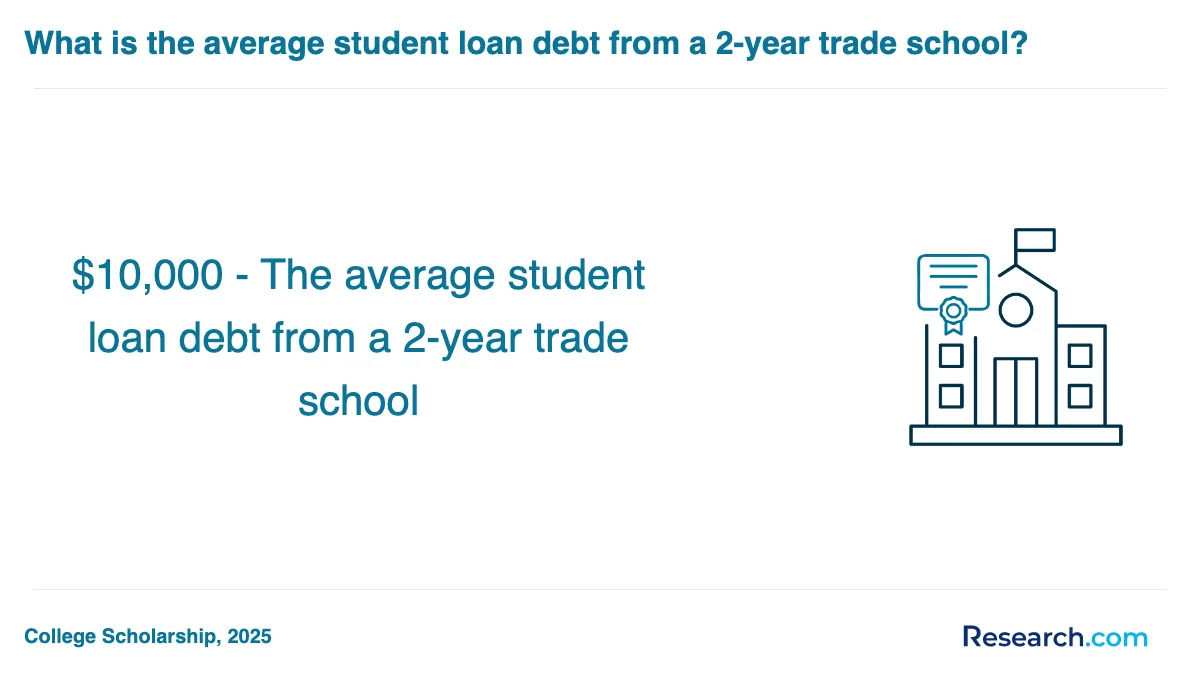
If you're studying at a trade school in Imperial, like Imperial Valley College, there's a good chance you can get financial help that really makes a difference. Many students start by filling out the FAFSA, which opens doors to federal grants like the Pell Grant or the Federal Supplemental Educational Opportunity Grant (FSEOG). For example, some graduates have received up to $600 from FSEOG when enrolled full-time, easing the burden a lot.
Another common way to ease costs is through the California College Promise Grant, which can completely cover enrollment fees. This is a huge relief for many trade students juggling budgets. There's also support for former foster youth through the California Chafee Grant, providing up to $4,500 annually for career training.
Local scholarships are popular too. The Imperial Valley Community Foundation, for instance, has scholarships specifically for residents pursuing technical programs. Some students also benefit from private awards like the Republic Services Scholarship, giving extra financial breathing room while they focus on their trades.
On top of these, Federal Work-Study jobs offer up to $6,000 a year, letting students earn money through part-time work tied to their studies. Many find this balances well with their hands-on training, making the whole education experience feel more manageable.
Getting started with a trade school program in Imperial usually means having a high school diploma or GED. That's the baseline for most programs at popular schools like Imperial Valley College. When one graduate shared their experience, they mentioned how submitting an official application, like the CCCApply, was straightforward but crucial. Along with that, you'll often need to send in your high school transcripts and details about your last English and Math classes. These help the school place you in the right level, so you're not overwhelmed or bored in class.
For students still in high school but eager to jump into college-level courses, dual enrollment is an option-just remember you'll need parental and school approval each semester. Also, if you're eyeing specialized programs like nursing, expect to complete specific prerequisite courses before applying, ensuring you're well-prepared.
Veterans and their families get extra support too, with tailored education plans through the Military and Veterans Success Center. Once you're in, completing an online orientation helps you get familiar with majors, rules, and campus life, making the whole process smoother and less stressful.
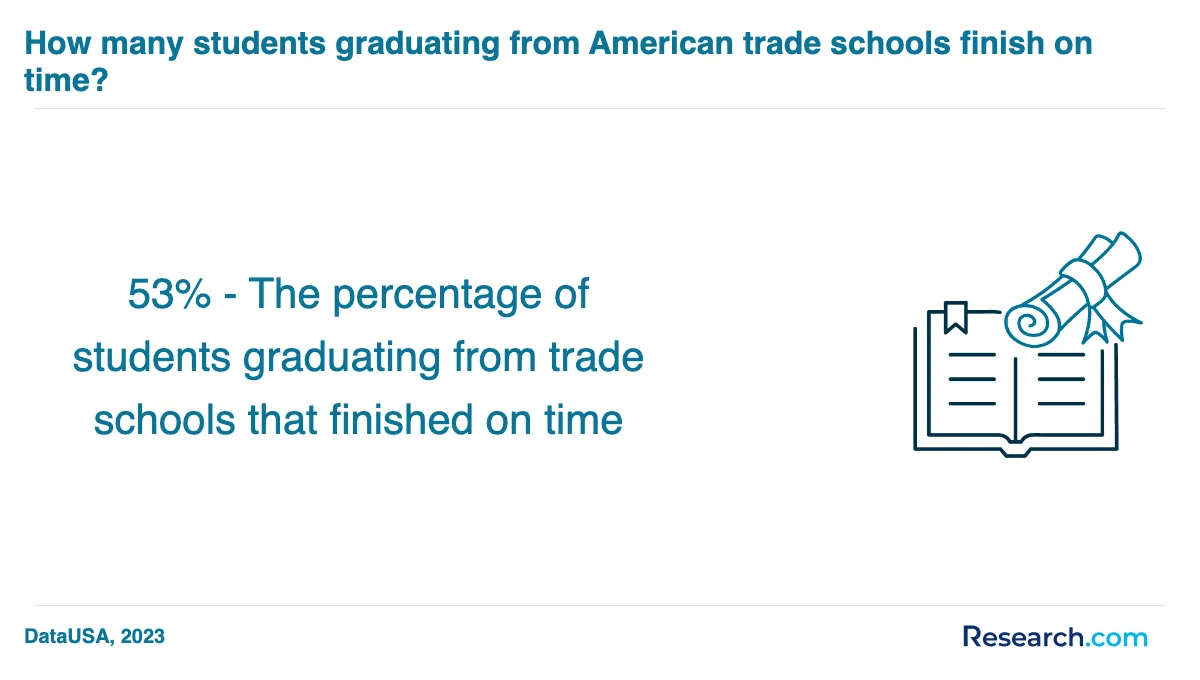
If you're checking out trade schools in Imperial, you'll notice the courses really focus on practical skills that employers want right now. Graduates often share how programs gave them confidence to step straight into jobs, whether it's behind a desk or behind the wheel.
Here are some typical programs students dive into:
- Accounting Clerk: Students get hands-on with bookkeeping and basic accounting, learning how to manage financial records and use business software. Graduates say it prepared them well for office roles and quick job placement.
- Truck Driving: This course is a favorite for those wanting fast entry into work. In as little as 10 weeks, students gain CDL licenses and practical driving skills, often sharing how the mix of classroom learning and real driving felt empowering.
- Green Building Construction: Focused on sustainable building techniques, this course blends theory with on-site practice. Graduates often recall working with eco-friendly materials and feeling proud to contribute to greener projects around Imperial.
- Welding Fabrication: Welding students tackle safety, blueprint reading, and different welding methods. Many appreciate how their training made them ready for manufacturing or construction jobs right out of school.
Many also jump into apprenticeships like Electrical Trades, logging thousands of on-the-job hours while learning alongside pros. Some find careers in healthcare or security through trade programs that combine classroom and real-world experience, fitting perfectly with Imperial's local job market.
Trade school programs in Imperial offer a variety of specializations that really prepare you for the local job market. For example, graduates from the Center for Employment Training (CET) often highlight programs like accounting clerk, truck driving, green building construction, and welding fabrication. These courses mix hands-on training with practical skills, so students can jump straight into their careers.
Some popular choices include:
- Accounting clerk programs that open doors to bookkeeping and accounts payable roles
- Truck driving courses, even accelerated 10-week options, perfect for quick entry into the transportation sector
- Green building construction, focusing on eco-friendly methods that growing local projects demand
- Welding fabrication, which suits manufacturing and construction industries
Meanwhile, at Imperial Valley College, the Power Lineman Apprenticeship gives hands-on exposure to electrical transmission work, with grads often landing jobs at places like the Imperial Irrigation District earning solid starting wages.
Students also appreciate programs in healthcare and business administration through IVROP, building valuable certifications suited to regional employers. For those interested in future-forward energy fields, SDSU Imperial Valley recently added STEM majors and labs focused on geothermal and lithium technologies. You can even explore cheap online solar technician trade school programs that offer flexible learning options while tapping into the area's booming clean energy sector.
Choosing the best trade school program in Imperial really starts with knowing what you want to do and checking out which programs line up with local job opportunities. Graduates from places like CET El Centro often share how programs in welding and truck driving helped them quickly land jobs because these skills are in demand here. It's smart to compare Imperial trade schools cost, but also consider if a program offers hands-on learning or paid apprenticeships, like those at Imperial Valley College, which makes juggling work and studies easier.
Also, look for schools that have strong support services-career counseling and job placement can make a big difference after graduation. Many students say that being connected to local employers really boosted their confidence and job prospects.
If you want to dive deeper into options, you can explore what's the best community college nearby, which often includes top trade training too.

Trade school graduates in Imperial have exciting career opportunities that really fit the local job market. Many grads who finish programs at Imperial Valley College, especially the Power Lineman Apprenticeship Program, find themselves earning well above average starting wages-around $52,000-and landing solid jobs with companies like the Imperial Irrigation District. It's perfect for anyone wanting a steady career in the utilities sector.
Others dive into the building trades with apprenticeships backed by groups such as the San Diego County Building & Construction Trades Council. These grads step straight into roles like electrician, plumber, roofer, or ironworker, benefiting from paid on-the-job training while they learn. This makes them confident and ready for the workforce immediately.
Also, local job training centers and programs like CDL truck driver or medical assistant training help spread the net even wider. Graduates often find themselves working in transportation, healthcare, or public safety with strong job security. Exploring affordable online construction trade school programs is another great way to boost your options.
Here's a quick look at common paths graduates take in Imperial Valley:
- Skilled trades like electrician, plumber, and sheet metal worker
- Utilities sector roles, including power linemen
- Healthcare positions such as certified medical assistant
- Transportation jobs, including CDL truck drivers
- Public safety careers including security guard work
These options show why the highest paying trade jobs in Imperial California are within reach for those who pick the right program and get hands-on training in town.
The job market for trade school grads in Imperial is buzzing with opportunity thanks to strong workforce demand for skilled trades in Imperial. Many graduates from local programs, like those at Imperial Valley College or the Imperial Irrigation District apprenticeships, quickly find themselves hired full-time with benefits and steady work. These programs prepare students for hands-on roles in industries like healthcare, electrical work, construction, and utilities.
Graduates often share how they feel confident stepping into jobs that not only pay well but also offer room to grow as they gain experience. For instance, completing an apprenticeship with the IID means earning a journeyman trade card, recognized across North America and Europe - a real boost for career mobility. Plus, local workforce agencies help connect graduates to employers looking to fill positions right now.
- The region has over 60 trade-related jobs open, from technicians to patient advocates.
- Programs update curricula to match what employers want today and tomorrow.
- Support from America's Job Centers streamlines entry into the job market.
If you're curious about high paying trades that are quick to learn, Imperial's job scene is ideal for getting started fast and earning well.
Most Affordable Trade School & Training Programs - Leading Certification Courses in Imperial for 2026
# 1 position
Imperial Valley College - Computer and Information Sciences, General.
associateImperial Valley College offers a hybrid program in Computer and Information Sciences, General, focusing on computing, computer science, and information science systems. The program is accredited by the Western Association of Schools and Colleges Accrediting Commission for Community and Junior Colleges. Annual in-state tuition is $1,126. This program provides a broad foundation without specializing in specific computer science or information science fields.
# 2 position
Imperial Valley College - Information Technology.
associateImperial Valley College offers a hybrid Information Technology program emphasizing the design of technological information systems for business and research data needs. The curriculum covers computer hardware and software principles, algorithms, databases, telecommunications, application testing, and human interface design. The program’s annual in-state tuition is $1,126. It is accredited by the Western Association of Schools and Colleges Accrediting Commission for Community and Junior Colleges.
# 3 position
Imperial Valley College - Computer Science.
associateImperial Valley College offers a Computer Science program delivered in a hybrid format, combining in-person and distance education. The curriculum covers computer theory, computing problems and solutions, and the design of computer systems and user interfaces from a scientific perspective. Students learn principles of computational science, programming, and practical applications. Annual in-state tuition is $1,126. The program is accredited by the Western Association of Schools and Colleges Accrediting Commission for Community and Junior Colleges.
# 4 position
Imperial Valley College - Computer and Information Systems Security/Auditing/Information Assurance.
associateImperial Valley College offers a hybrid program in Computer and Information Systems Security/Auditing/Information Assurance that prepares students to evaluate and secure computer and network systems. The curriculum covers computer architecture, programming, networking, cryptography, auditing, law, risk assessment, and troubleshooting. The program is accredited by the Western Association of Schools and Colleges Accrediting Commission for Community and Junior Colleges. Annual in-state tuition is $1,126.
# 5 position
Imperial Valley College - Criminal Justice/Law Enforcement Administration.
associateImperial Valley College offers a Hybrid Criminal Justice/Law Enforcement Administration program designed to prepare students for managing public law enforcement agencies. The curriculum covers law enforcement history, operational command, labor relations, incident response, legal responsibilities, budgeting, and organizational leadership. The program is accredited by the Western Association of Schools and Colleges Accrediting Commission for Community and Junior Colleges. Annual in-state tuition is $1,126, and median earnings one year after completion are $27,313.
# 6 position
Imperial Valley College - Criminal Justice/Police Science.
associateImperial Valley College offers a Criminal Justice/Police Science program with a hybrid format, including some distance-education options. The program trains students in police duties such as patrol, investigations, traffic and crowd control, evidence handling, and report preparation. Annual in-state tuition is $1,126. Graduates earn a median income of $27,313 one year after completion. The program is accredited by the Western Association of Schools and Colleges Accrediting Commission for Community and Junior Colleges.
# 7 position
Imperial Valley College - Electrician.
associateImperial Valley College offers a hybrid Electrician program that trains students to install, operate, maintain, and repair electrical systems, including residential, commercial, and industrial wiring. The curriculum covers electronics principles, wiring, power transmission, safety, electrical testing, and relevant codes. The program is accredited by the Western Association of Schools and Colleges Accrediting Commission for Community and Junior Colleges. Annual in-state tuition is $1,126.
# 8 position
Imperial Valley College - Automobile/Automotive Mechanics Technology/Technician.
associateImperial Valley College offers a Hybrid Automobile/Automotive Mechanics Technology/Technician program preparing students to repair, service, and maintain various automobiles. The curriculum covers brake systems, electrical systems, engine performance and repair, suspension, steering, transmissions, drive trains, and heating and air conditioning systems. The program is accredited by the Western Association of Schools and Colleges Accrediting Commission for Community and Junior Colleges. Annual in-state tuition is $1,126.
# 9 position
Imperial Valley College - Welding Technology/Welder.
associateImperial Valley College offers a Welding Technology/Welder program with a hybrid format that includes some distance education. The program covers arc welding, resistance welding, brazing, soldering, high-energy beam welding, and cutting, along with welding metallurgy, safety, and applicable codes. Tuition for in-state students is $1,126 annually. The program is accredited by the Western Association of Schools and Colleges Accrediting Commission for Community and Junior Colleges.
# 10 position
Imperial Valley College - Dental Assisting/Assistant.
associateImperial Valley College offers a Dental Assisting/Assistant program with a hybrid format that includes some distance education. The program trains students in patient care, dental radiographs, office administrative duties, and chairside assisting under supervision. Instruction covers medical record-keeping, scheduling, equipment maintenance, sterilization, and supervised practice. Annual in-state tuition is $1,126. The program is accredited by the Western Association of Schools and Colleges Accrediting Commission for Community and Junior Colleges.
Frequently Asked Questions about trade school programs
After completing trade school in Imperial, preparing for the job market involves several practical steps. Start by utilizing the career services offered by many local trade schools, which often provide resume workshops, interview training, and job placement assistance. According to the U.S. Bureau of Labor Statistics, trade-related occupations are expected to grow by 5% nationally through 2031, reflecting steady demand. Networking within the Imperial community and joining local industry groups can also expand job opportunities. Additionally, obtaining relevant certifications beyond your initial trade school diploma can improve employability and increase earning potential. Finally, staying informed about the local labor market trends in Imperial helps target high-demand trades effectively.
Employers in Imperial prioritize both technical and soft skills when hiring trade school graduates. According to the U.S. Bureau of Labor Statistics and local employer surveys, proficiency in equipment operation and safety standards ranks highly, especially in fields like welding, HVAC, and automotive technology. Strong problem-solving abilities are also essential, as many positions require quick thinking under pressure.
Communication skills remain critical, with over 70% of employers highlighting teamwork and clear communication as vital. Additionally, a commitment to punctuality and reliability often distinguishes top candidates. Mastery of digital tools related to specific trades is increasingly important due to growing technology integration on job sites.
Finding internships in Imperial that align with your trade school program begins with using local resources designed to connect students with employers. Many trade schools in Imperial maintain partnerships with businesses, making their career services offices a primary starting point for internship opportunities.
The Imperial County Workforce Development Board offers programs to help students and job seekers find internships and apprenticeships in sectors like construction, healthcare, and automotive repair, which are popular trade fields locally.
Networking through local trade unions and chambers of commerce in Imperial can also increase your chances of securing an internship. Industry-specific job fairs, often hosted by trade schools or community colleges in the area, provide direct access to employers seeking interns.
According to the U.S. Bureau of Labor Statistics, about 45% of trade students nationwide find internships through school-affiliated programs, highlighting the importance of institutional support.
In Imperial, earning a trade school diploma can significantly improve career mobility and advancement opportunities. According to the U.S. Bureau of Labor Statistics, individuals with vocational credentials often experience a lower unemployment rate compared to those with only a high school diploma. Trade programs in fields such as healthcare, electrical work, and automotive technology equip students with practical skills that employers in Imperial actively seek.
The diploma serves as formal recognition of job-ready skills, which can lead to higher starting wages and faster promotions. Local labor market data shows that trade school graduates in Imperial report a 15% higher median income one year after graduation compared to non-certified workers.
Additionally, many employers in Imperial prioritize hiring candidates with vocational training for specialized roles, making trade school diplomas a valuable asset for workforce entry and advancement. Sources such as the California Community Colleges Chancellor's Office reinforce the positive correlation between trade credentials and career growth within the region.
Part-time job opportunities in Imperial that align with trade school education often focus on hands-on experience in fields such as automotive repair, healthcare assistance, and construction. For example, students enrolled in automotive technology programs can find part-time roles at local repair shops that offer practical skills enhancement alongside study.
Healthcare programs in Imperial benefit from part-time positions like medical assistant or home health aide, providing valuable clinical exposure. According to the U.S. Bureau of Labor Statistics, Imperial's healthcare support employment grew by approximately 8% over recent years, highlighting local demand.
Similarly, construction trade students may seek part-time labor or apprentice roles on building sites, which reinforce classroom learning. These opportunities help students gain industry-specific skills, improve employability, and offset educational costs while pursuing certifications.
Yes, there are affordable degree programs available near Imperial, CA, through various community colleges and state universities that offer competitive tuition rates. These institutions provide an array of associate, bachelor's, and even certificate programs catering to diverse fields of study, making higher education accessible to students seeking opportunities near Imperial, CA. For those looking for affordable programs near me, platforms like Research.com can help explore nearby educational institutions and their offerings to find the most cost-effective options.
- What can I do with my degree? | Administration and support services | Imperial College London https://www.imperial.ac.uk/admin-services/careers/plan-your-career/what-can-i-do-with-my-degree/
- Imperial Pathways | Imperial County Office of Education https://www.icoe.org/imperial-pathways
- Trade School in Burnaby BC | Imperial Skills Academy https://imperialskillsacademy.ca/
- Careers at Imperial https://www.imperialoil.ca/careers/careers
- Global Trade - Career Education for San Diego & Imperial Counties https://careered.org/global-trade/
- What I've Learned In My Four Years in Mechanical Engineering - Student blogs - Imperial College London https://blogs.imperial.ac.uk/student-blogs/2022/05/31/what-ive-learned-in-my-four-years-in-mechanical-engineering/
- A fulfilling academic experience at the Imperial College of London https://www.mondedesgrandesecoles.fr/a-fulfilling-academic-experience-at-the-imperial-college-of-london/
- Choosing Trade School Over a University Degree - Careers The Next Generation https://www.careersnextgen.ca/choosing-trade-school-over-a-university-degree/


