Most Affordable Trade School & Training Programs - Leading Certification Courses in Roanoke for 2026

Co-Founder and Chief Data Scientist
Choosing the right trade school in Roanoke can be challenging, especially when budgeting for your education. Our article introduces a carefully crafted trade school programs ranking developed by the Research.com team of data scientists to guide you through this process.
By exploring this ranking, you’ll discover affordable options that fit your goals and lifestyle. Earning a trade school diploma or certification opens doors to rewarding careers with practical skills.
Whether you’re starting fresh or switching paths, this article helps you make confident decisions for your future success.
Key benefits of finishing trade school programs trade school in Roanoke
- Trade school graduates in Roanoke can expect competitive salaries, with HVAC technicians, electricians, and welders earning around $66,573 per year, while specialized roles like International Trade Specialists can make up to $87,345 annually.
- Popular career paths for trade school graduates include HVAC technician, electrician, welder, and dental hygienist, offering strong job prospects and stable income in Roanoke's growing job market.
- Online trade school programs offer flexibility and affordability, allowing students to balance work and study, accelerate graduation, and still receive quality training recognized by local employers.
- Most Affordable Trade School & Training Programs - Leading Certification Courses in Roanoke for 2026
- What can I expect from trade school programs trade schools in Roanoke?
- Where can I work after finishing trade school programs trade schools in Roanoke?
What can I expect from trade school programs trade schools in Roanoke?
The average cost of a trade school program in Roanoke typically ranges from around $3,000 to $15,000, depending on the length and type of program. Graduates from Virginia Western Community College and other local institutes often share how affordable their hands-on training was compared to four-year degrees, making it easier to start a career quickly without heavy debt. Many programs, including those in carpentry, HVAC, and welding, offer certificates that can be completed in less than a year, which helps keep expenses down.
Students report value in the real-world projects and work-based learning opportunities, such as internships and apprenticeships, that are included with tuition. These experiences not only build skills but also improve job prospects. Flexible schedules-like evening and weekend classes-allow working adults to earn credentials without interrupting their income. Many Roanoke trade schools also provide career services to guide students through resume building and interview prep, helping graduates confidently enter the workforce.
Where can I work after finishing trade school programs trade schools in Roanoke?
After finishing a trade school program in Roanoke, graduates quickly find job opportunities in fields like HVAC, electrical work, plumbing, welding, and healthcare support such as Licensed Practical Nursing (LPN). Many graduates land roles as HVAC technicians, electricians, plumbers, or pipe welders with local companies, building contractors, and healthcare facilities eager to hire skilled workers.
One graduate shared how their paid apprenticeship through a Roanoke program helped them move from trainee to journeyman, gaining hands-on experience while earning. Another praised the strong connections trade schools have with employers, which made job placement straightforward after completing courses.
In manufacturing or industrial settings, roles like safety technician or production operator are also common. With over 250 trade-related job openings currently available in Roanoke, including apprenticeships, students can expect a variety of pathways and steady employment in their chosen trade right after graduation.
After finishing a trade school program in Roanoke, many graduates find themselves earning competitive salaries that reflect the region's demand for skilled workers. On average, trade school graduates in Virginia make about $66,573 annually, or $32.01 per hour, a figure that matches well with what you can expect locally. Graduates from popular Roanoke trade schools often share positive experiences about quickly securing jobs in fields like electrical work, plumbing, or HVAC, where starting salaries typically hover around $54,136 per year, or $26.03 per hour.
Some trades offer even stronger pay, with many workers earning between $39,200 and $70,900 annually depending on skills and experience. For example, those who pursue specialized roles like training specialists or international trade specialists in Roanoke can see salaries ranging from about $77,893 to $87,345 per year. These figures reflect the real growth potential that trade school graduates often talk about after completing their programs.
- Applicants must be at least 16 years old, with those under 18 usually requiring parental consent and a high school diploma or GED preferred.
- Application involves submitting ID, paying a non-refundable fee around $150, and early submission is advised for limited space programs.
- One-year certificate or diploma programs in Roanoke cost between $4,000 and $13,000, plus about $2,750 for books and supplies.
- Popular trades include automotive, electrical, and HVAC, with starting wages of $35,000 to $45,000 per year and potential earnings up to $70,000 or more.
- Some programs require extra entrance exams or minimum GPA due to safety or technical demands.
Most students at trade schools in Roanoke, such as Virginia Western Community College, complete their programs in less than two years. Many graduates share how they appreciated the ability to finish some certificate programs in under one year, quickly moving on to well-paying jobs in fields like electrical work, HVAC, or welding. This fast pace suits those eager to start earning without the lengthy wait of traditional college degrees.
Some students choose the Fast Track programs at Virginia Western, designed specifically to be completed in a year or less, providing a clear and focused path to entry-level employment. Others find the 1-2 year timeline for associate degrees appealing because it balances quicker completion with a more comprehensive education.
Apprenticeships in trades such as plumbing or sheet metal can take several years, combining hands-on paid training with classroom learning. Graduates often describe these as rewarding for gaining real-world skills and increased earning potential as they advance.
Overall, trade school programs in Roanoke offer flexible timelines that fit students' goals and lifestyles, making it easier to start a trade career quickly and confidently.
The main difference between online and on-campus trade school programs in Roanoke lies in how the instruction is delivered and the learning environment. For example, graduates from online programs in Roanoke often share how valuing flexibility was crucial-balancing work or family while completing courses like medical billing or computer technology from home gave them freedom and control over their schedules.
In contrast, on-campus students frequently describe the energy and support found in hands-on programs such as welding or automotive repair, where using actual equipment and interacting face-to-face with instructors deepened their confidence and skill. Many appreciate the immediate feedback and camaraderie built by attending class at popular Roanoke trade schools.
Both formats offer solid training but cater to different needs. If you thrive with direct mentorship and physical practice, on-campus feels rewarding. If you need to fit education around life's demands, online programs provide a convenient and effective path without sacrificing quality.
The average trade school cost in Roanoke usually falls between $13,066 and $37,866 for the entire program, covering tuition, fees, books, and supplies. Many graduates recall that while tuition forms the bulk of expenses, additional costs like equipment and certification fees added a few thousand dollars, making careful budgeting essential. For example, a graduate of a popular HVAC program in Roanoke noted how the investment paid off quickly due to strong local demand for skilled technicians.
Roanoke Virginia trade school tuition and fees for the 2024-2025 academic year average around $17,381 annually, applicable to both in-state and out-of-state students. Public community colleges offering trades typically charge lower tuition between $4,620 and $8,100 yearly, yet students often encounter extra costs for materials depending on their program. Graduates from these community colleges appreciate the affordable entry point, especially when combined with financial aid options.
Some Roanoke trade programs, especially private for-profit schools, list full program tuition near $17,782. Short-term certificates, like those for dental assistants, can cost as little as $3,973, making them attractive to those seeking fast job placement. Many students explore stateside options and compare programs to weigh tuition against long-term earning potential and financial aid packages. To find the right fit and reduce costs, individuals often turn to resources such as most affordable online maintenance technician training, which helps them access quality programs without overpaying.

Trade school students in Roanoke have access to several valuable financial aid options that can greatly ease the cost of their education. Many rely on the Federal Pell Grant, which offers up to $7,395 for the 2025-26 academic year. This grant, often a game-changer for students with limited funds, doesn't require repayment and adjusts based on financial need and enrollment status.
State aid also plays a key role, particularly through the Virginia Tuition Assistance Grant (VTAG), which awards a $5,250 tuition grant to Virginia residents attending eligible private, nonprofit colleges. For example, students attending trade schools linked to Roanoke's private colleges find this especially helpful in reducing their tuition bills.
Graduates often share how completing the FAFSA opened doors to these grants and other funding sources. Many Roanoke trade schools offer institutional scholarships and grants, with some programs having over 80% of students receiving aid. Dedicated financial aid advisors help students navigate payment plans and local scholarships, making the path to training and certification feel much less daunting and more achievable.
Enrolling in a trade school program in Roanoke typically requires a few clear steps that set students up for success. Most students start by showing proof of a high school diploma or a GED, which is the fundamental entry point for popular programs like automotive technology, welding, or healthcare. Many graduates from Roanoke-area schools emphasize how this straightforward requirement helped them get started quickly.
For younger students, especially those attending local high schools, opportunities at places like the Burton Center for Arts & Technology allow 9th and 10th graders to join trade programs early. One graduate shared how beginning the Auto Service Technology I course in their sophomore year provided hands-on experience that was invaluable later.
Additional prerequisites may include:
- Completion of safety training, such as a 10-hour OSHA and Safety and Pollution Prevention certification, essential for hands-on fields like welding
- Passing entrance exams like ACT or ATI TEAS for healthcare programs, with specific score requirements at schools such as Galen College of Nursing
- Submission of official high school transcripts or equivalent academic records
- Medical clearance and immunization records for healthcare students
These requirements are designed to protect students and ensure they thrive in practical environments, making the learning journey both safe and rewarding.
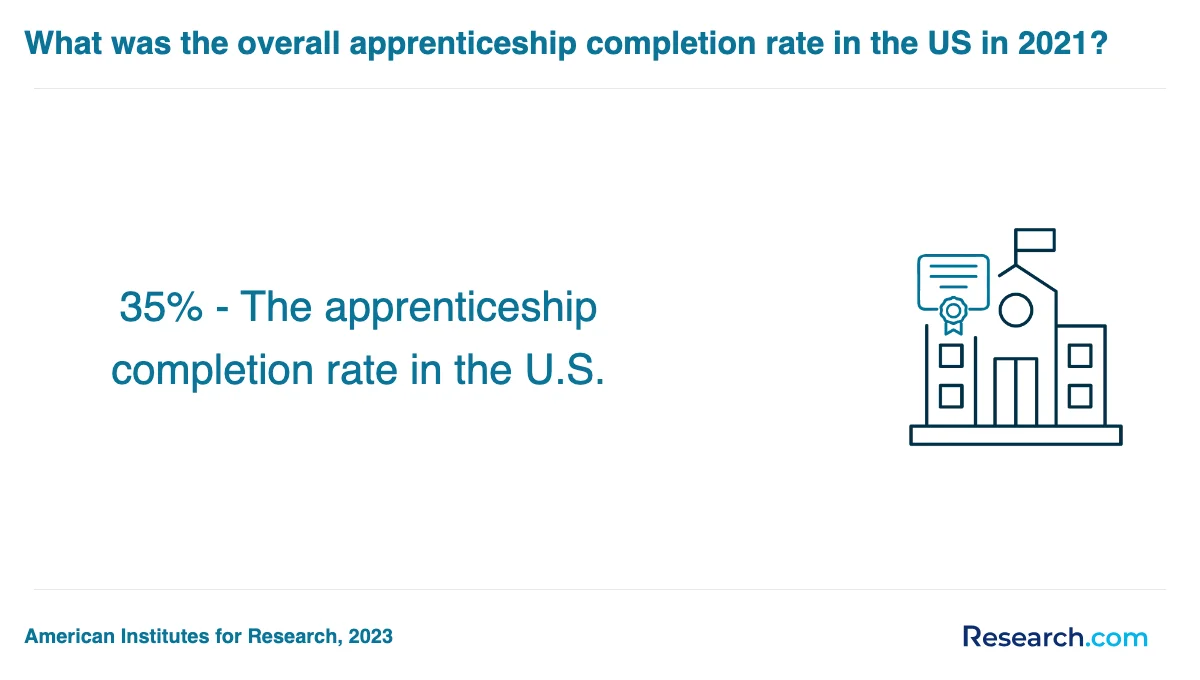
Trade school programs in Roanoke typically focus on hands-on, career-ready skills in several key areas. Graduates from Virginia Western Community College and Roanoke Technical Education Center often praise the practical, real-world training they received within a short timeframe.
Core courses frequently include:
- Building trades such as carpentry, electrical wiring, plumbing, and HVAC, with fast-track certificates available in each area.
- Welding programs covering everything from basic techniques to advanced processes and certifications like the American Welding Society (AWS).
- Cosmetology classes that teach hair cutting, coloring, styling, and nail care while preparing students for state licensure.
- Additional offerings like automotive technology, horticulture, culinary arts, criminal justice, and maintenance technology.
Students appreciate programs structured to build skills progressively, such as Roanoke County Public Schools' BCAT building trades courses, which guide learners through multiple levels of expertise. Work-based learning and apprenticeships also help students gain confidence and job-ready experience, making the transition into local industries smoother and more rewarding.
Trade school programs in Roanoke offer a variety of specializations tailored to local workforce demands, giving students hands-on skills that translate directly to jobs. Popular training tracks include core building trades such as carpentry, electrical wiring, plumbing, and masonry found at Roanoke County Career and Technical Education (CTE) Center and Virginia Western Community College. Graduates often share how immersive classes in residential construction and blueprint reading boosted their confidence on real job sites.
Students looking for creative, client-facing skills often choose cosmetology, where they master hair styling, chemical treatments, and earn hours toward state licensure in programs known for cultivating pride and professional achievement.
Welding stands out for strong industry ties, covering everything from basic welding techniques to advanced CNC plasma cutting, preparing students for AWS certification recognized nationwide. Emerging fields like HVAC, automotive, diesel technology, and collision repair offer accelerated pathways to quick job placement for those eager to enter trades swiftly.
For healthcare-focused learners, newly expanded dental and orthodontic assisting programs respond to growing sector needs.
Many Roanoke students appreciate flexible options, choosing certificates or associate degrees based on their goals, and some complement their studies by exploring online trade school programs for added convenience.
Start by identifying your career goals and then look for the best accredited trade schools in Roanoke that offer programs aligned with your interests. Graduates from programs connected with Roanoke County Public Schools often praise the balance of technical instruction and "opportunity ready" skills like communication, which employers highly value. Consider factors to compare Roanoke trade schools such as program accreditation, hands-on training, and industry partnerships. For instance, Build Smart Institute and BCAT provide real-world experience through internships and access to actual equipment, making their graduates confident and job-ready.
Cost is another major consideration. Some students found scholarships and financial aid through local colleges, while others benefited from partnerships that reduce tuition. Those exploring affordable options might want to check out affordable online hvac trade school programs. Finally, look for programs with strong job placement rates and agreements with institutions like Virginia Western Community College, which ease credit transfer and further education.
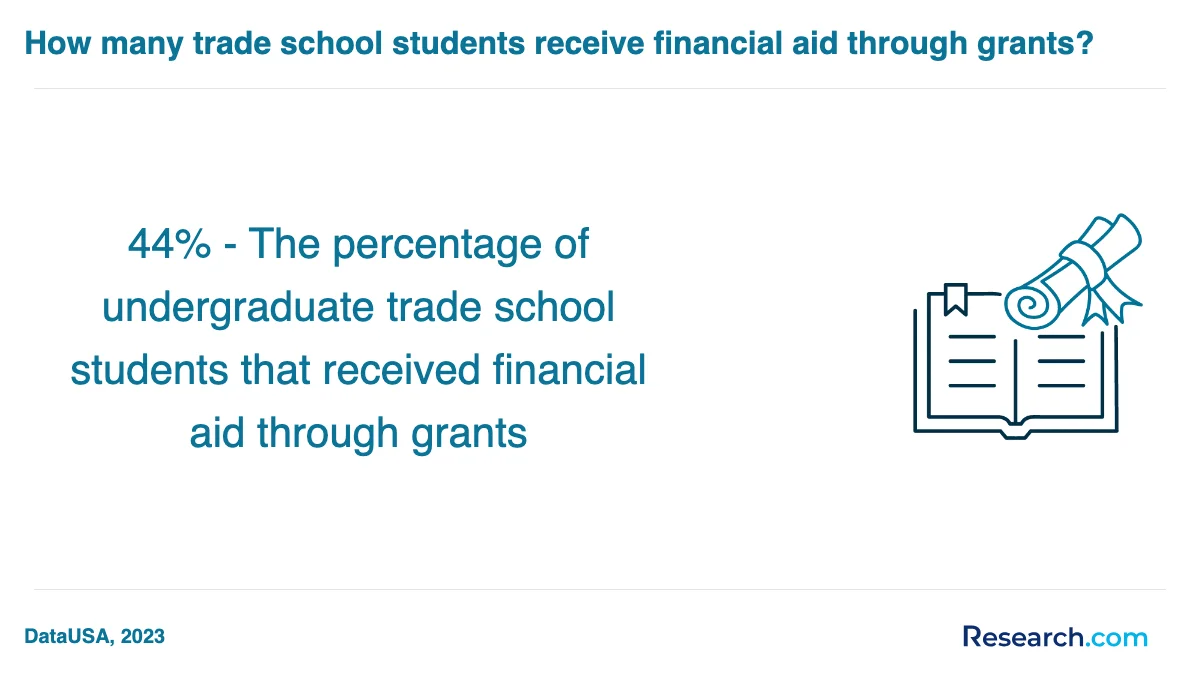
Trade school graduates in Roanoke find a wide array of trade school jobs in Roanoke VA that align well with local industry demands. Many graduates from well-regarded programs quickly secure positions in automotive technology, where hands-on training prepares them for roles such as service technicians and mechanics, often with ASE certification. These careers offer rewarding work fixing vehicles and mastering complex systems in a thriving sector.
Other popular paths include welding, where students earn American Welding Society (AWS) certification, opening doors in manufacturing and construction. Graduates often share how their skills brought immediate job offers and a strong sense of accomplishment working onsite in fabrication shops or large projects.
Building trades programs at Virginia Western Community College equip students for in-demand roles like electricians, HVAC technicians, and plumbers. Many enjoy how these fast-track options enable swift entry into stable employment with good income potential. For those interested in the latest HVAC techniques, graduates recommend exploring best certificate hvac courses online to complement their training.
Emerging career opportunities for skilled trades graduates Roanoke also span dental assisting, diesel technology, and collision repair, reflecting the region's growing sectors. Overall, trade schools in Roanoke foster strong local connections that help graduates turn skills into satisfying long-term careers.
The trade school job opportunities in Roanoke are strong and diverse, matching the needs of local industries. Graduates from Virginia Western Community College and the Burton Center for Arts & Technology find themselves well-prepared for careers in automotive service, welding, carpentry, plumbing, HVAC, and electrical work. Many alumni share that hands-on training combined with industry certifications like ASE and AWS significantly boosted their confidence and job prospects. For example, carpenters trained locally earn a median salary of $48,000 annually, with a healthy employment pool exceeding 1,000 workers and a positive employment outlook.
Employers value the practical skills students develop, frequently hiring directly at events such as the RCPS Works job fair. Graduates often report immediate interviews and job offers through these connections.
Some students pursue specialized pathways through affordable online landscaping technology trade school programs to supplement their training.
The Roanoke skilled trades employment outlook remains promising, providing a clear route to rewarding work in stable careers with ongoing opportunities for advancement.
Most Affordable Trade School & Training Programs - Leading Certification Courses in Roanoke for 2026
# 1 position
Virginia Western Community College - Business Administration and Management, General.
associateVirginia Western Community College offers a fully online Business Administration and Management, General program designed to prepare students to plan, organize, direct, and control business functions. The curriculum covers management theory, human resources, accounting, purchasing, logistics, marketing, and business decision-making. Annual in-state tuition is $5,256. Graduates have a median earnings of $38,214 one year after completion. The program is accredited by the Southern Association of Colleges and Schools Commission on Colleges.
# 2 position
Virginia Western Community College - Computer and Information Sciences, General.
associateVirginia Western Community College offers a hybrid program in Computer and Information Sciences, General, combining on-campus and distance-education options. The program covers computing, computer science, and information science systems, providing a broad foundation without focusing on specific subfields. Annual in-state tuition is $5,256. The program is accredited by the Southern Association of Colleges and Schools Commission on Colleges.
# 3 position
Virginia Western Community College - Legal Assistant/Paralegal.
associateVirginia Western Community College offers a Legal Assistant/Paralegal program designed to train individuals in research, drafting, investigatory, record-keeping, and administrative tasks under attorney supervision. The hybrid program includes instruction in legal research, document drafting, appraising, pleading, courthouse procedures, and legal specializations. Annual in-state tuition is $5,256. The program is accredited by the Southern Association of Colleges and Schools Commission on Colleges.
# 4 position
Virginia Western Community College - Criminal Justice/Law Enforcement Administration.
associateVirginia Western Community College offers a Hybrid program in Criminal Justice/Law Enforcement Administration that prepares students for managing public law enforcement agencies. The curriculum covers law enforcement history, operational command leadership, labor relations, incident response, legal responsibilities, budgeting, and public relations. The program’s annual in-state tuition is $5,256. It is accredited by the Southern Association of Colleges and Schools Commission on Colleges.
# 5 position
Virginia Western Community College - Physical Therapy Assistant.
associateThe Physical Therapy Assistant program at Virginia Western Community College offers a hybrid format with some distance education options. It prepares students to assist physical therapists by implementing treatment plans, training patients, and conducting interventions. The curriculum includes applied anatomy, physiology, biomechanics, and professional ethics. The program is accredited by the Southern Association of Colleges and Schools Commission on Colleges. Annual in-state tuition is $5,256.
# 6 position
Virginia Western Community College - Heating, Air Conditioning, Ventilation and Refrigeration Maintenance Technology/Technician.
certificate or diplomaVirginia Western Community College offers a Hybrid program in Heating, Air Conditioning, Ventilation and Refrigeration Maintenance Technology/Technician. The program trains students to repair, install, service, and maintain HVAC and refrigeration systems using diagnostic techniques and testing equipment. It covers mechanics, electricity, and electronics principles relevant to the trade. Annual in-state tuition is $5,256. The program is accredited by the Southern Association of Colleges and Schools Commission on Colleges and reports median earnings of $40,629 one year after completion.
# 7 position
Virginia Western Community College - Electrician.
certificate or diplomaVirginia Western Community College offers a Hybrid Electrician program that prepares students to install, operate, maintain, and repair electrical systems in residential, commercial, and industrial settings. The curriculum covers electronics, wiring, power transmission, safety, codes, and standards. Annual in-state tuition is $5,256. Graduates have median earnings of $34,439 one year after completion. The program is accredited by the Southern Association of Colleges and Schools Commission on Colleges.
# 8 position
Virginia Western Community College - Physical Therapy Assistant.
certificate or diplomaThe Physical Therapy Assistant program at Virginia Western Community College is a hybrid program offering some distance-education options. It prepares students to assist physical therapists by implementing treatment care plans, training patients, and conducting interventions. The curriculum covers anatomy, physiology, biomechanics, clinical documentation, and professional ethics. The annual in-state tuition is $5,256. The program is accredited by the Southern Association of Colleges and Schools Commission on Colleges.
# 9 position
Virginia Western Community College - Automobile/Automotive Mechanics Technology/Technician.
certificate or diplomaVirginia Western Community College offers a hybrid program in Automobile/Automotive Mechanics Technology/Technician, preparing students to repair, service, and maintain various automobile systems. The curriculum covers brake systems, electrical systems, engine performance and repair, suspension and steering, transmissions, drive trains, and heating and air conditioning. Annual in-state tuition is $5,256. Graduates have median earnings of $30,414 one year after completion. The program is accredited by the Southern Association of Colleges and Schools Commission on Colleges.
# 10 position
Virginia Western Community College - Health and Medical Administrative Services, Other.
certificate or diplomaVirginia Western Community College offers a hybrid program in Health and Medical Administrative Services, Other, providing some distance-education options. The annual in-state tuition is $5,256. Graduates earn a median salary of $28,754 one year after completing the program. This instructional program covers health and medical administrative services not listed elsewhere. It is accredited by the Southern Association of Colleges and Schools Commission on Colleges.
Frequently Asked Questions about trade school programs
After completing trade school in Roanoke, preparation for the job market involves several strategic steps. First, graduates should develop a professional resume that highlights practical skills gained during their training, which is crucial since employers in trades like HVAC, welding, and electrical work value hands-on experience. Networking is also important; joining local trade associations or chambers of commerce in Roanoke can lead to job opportunities and apprenticeships. According to the Virginia Employment Commission, Roanoke's trade sectors have seen steady employment growth, particularly in construction and manufacturing. Finally, obtaining industry-recognized certifications can improve employability and earnings potential in competitive markets.
Employers in Roanoke highly value trade school graduates who demonstrate strong technical skills combined with practical experience. According to data from the Virginia Employment Commission, skills in electrical systems, HVAC repair, and welding are among the most sought-after in the local job market.
Beyond technical abilities, soft skills such as effective communication, problem-solving, and teamwork play a critical role. Employers report that 80% of successful hires show proficiency in collaborating on projects and following safety protocols.
Additionally, adaptability and a willingness to continue learning are essential, given the evolving nature of many trades. Trade school programs in Roanoke typically emphasize these areas to prepare students for immediate employment and career growth.
Finding internships in Roanoke related to trade school programs involves several practical steps. Start by contacting your trade school's career services, as many schools have partnerships with local businesses offering internships tailored to their curricula. The Roanoke Regional Chamber of Commerce also provides a hub for networking with employers in industries like construction, automotive, and healthcare.
Online platforms such as Handshake and Indeed often list trade-specific internship opportunities in Roanoke. According to the Virginia Community College System, nearly 70% of students in technical programs secure internships through school-led initiatives or local employer connections.
Additionally, local workforce development boards can guide students to wage-paid internships supported by state or federal funding, enhancing hands-on experience in trades relevant to Roanoke's growing industries.
In Roanoke, a trade school diploma significantly enhances career mobility and advancement opportunities. According to the National Center for Education Statistics, individuals with vocational credentials often experience faster entry into the workforce compared to traditional college graduates. Local employers in sectors like construction, healthcare, and manufacturing actively seek candidates with specialized skills demonstrated by trade diplomas.
Furthermore, the Virginia Community College System reports that trade school graduates in Roanoke have a 15% higher employment rate within six months of program completion. This credential often leads to higher starting wages and eligibility for promotions, as employers value practical expertise.
Trade diplomas can also offer a pathway to certifications that enable career growth, such as becoming a licensed electrician or HVAC technician, which are in high demand regionally.
Students enrolled in trade schools in Roanoke can benefit from part-time jobs that reinforce their skills and enhance their resumes. Opportunities such as apprenticeships in construction or electrical work provide hands-on experience directly related to fields like HVAC, plumbing, and electrician programs. According to the Virginia Employment Commission, Roanoke's local industries continue to demand skilled laborers, especially in manufacturing and construction sectors.
Jobs in automotive repair shops and healthcare support roles also complement trade programs, offering flexible schedules suitable for students. These roles not only improve technical skills but also strengthen customer service and workplace professionalism, which are vital for career growth.
To find the most affordable degree program near me in Roanoke, VA, start by exploring community colleges and public universities in the area, as these institutions generally offer lower tuition rates compared to private colleges. Utilizing resources like Research.com can help identify specific programs and institutions that fit your budget and academic needs. Additionally, consider attending open houses or contacting admissions offices directly to gather detailed information on costs and available financial aid options near Roanoke, VA.
- Outreach and Trades Education - New River Valley Home Builders Association https://www.nrvhba.com/trades-education/
- Apprenticeships - Roanoke-Chowan Community College https://www.roanokechowan.edu/apprenticeships