Best Associate Degree Programs - Leading Certification Courses in Kentucky for 2026

Co-Founder and Chief Data Scientist
Choosing the right associate degree program in Kentucky can open doors to exciting career opportunities and personal growth. This article introduces a carefully crafted ranking of the best associate degree programs for 2026, created by the Research.com team of data scientists.
Designed to help you make informed decisions, the ranking highlights top trade school programs worth considering. Exploring these options can boost your confidence and set you on a rewarding educational path.
Whether starting fresh or advancing your skills, earning an associate degree offers valuable benefits that can shape your future success.
Key benefits of associate degrees in Kentucky
- Associate degree graduates in Kentucky can expect competitive salaries, with averages ranging from about $31,900 to $49,500 annually, depending on the career and location, such as Louisville's higher median salary of $49,500.
- Popular career paths for associate degree holders include healthcare, business, and technical trades, with graduates from schools like Gateway Community and Technical College earning around $38,300 and those from Ashland Community and Technical College earning about $31,900.
- Pursuing an online associate degree offers flexibility and convenience, allowing students to balance work and study effectively, making it a great option for those needing a more adaptable education schedule.
- Best Associate Degree Programs - Leading Certification Courses in Kentucky for 2026
- What can I expect from associate degree programs in Kentucky?
- Where can I work after finishing associate degree programs in Kentucky?
What can I expect from associate degree programs in Kentucky?
Students pursuing an associate degree in Kentucky often find community colleges to be the most cost-effective option, with average in-state tuition typically ranging between $4,000 and $6,000 per year. For example, a graduate from a well-known Kentucky community college recalls balancing work and online classes, appreciating the affordable tuition that made completing the degree feasible without excessive debt.
At institutions like Northern Kentucky University, students note that while tuition is slightly higher than community colleges, the program offers valuable transfer credits toward a bachelor's degree, making the investment worthwhile. Graduates share that this flexibility in course delivery and credit transfer options creates a smoother educational journey and can reduce overall costs.
Additionally, many students value the ability to tailor their studies through electives, which enhances engagement and motivation. With practical coursework designed for Kentucky's job market, these programs deliver solid technical and foundational skills, all while maintaining accessible tuition to accommodate a diverse range of students.
Where can I work after finishing associate degree programs in Kentucky?
Graduates from associate degree programs in Kentucky find numerous job opportunities across healthcare, technology, and skilled trades, making their education highly valuable in the local job market. For example, those completing healthcare programs at popular Kentucky community colleges often secure roles like Physical Therapist Assistant or X-Ray Technologist, positions that offer not only competitive pay but also a sense of fulfillment from helping patients.
Many graduates reflect on how quickly they found employment in cities like Louisville and Lexington-Fayette, where demand for skilled workers is especially strong. Technology-focused graduates commonly enter roles such as IT support specialists or medical billing specialists, benefiting from wages above the state average. Those trained in trade programs share stories of immediate job offers in fields like HVAC or automotive services, appreciating the hands-on skills developed during their studies.
Associate degree holders in Kentucky typically enjoy lower unemployment rates and steady career growth, highlighting the practical advantages of these programs in building both income and job stability.
Graduates with an associate degree in Kentucky generally see a significant boost in earnings compared to those with only a high school diploma. For example, many who completed their programs at well-known community colleges start with salaries between $31,900 and $38,300 annually. These figures are encouraging for students who want to quickly improve their financial standing after just two years of study.
At Sullivan University, early-career graduates report an average salary around $36,964, reflecting how targeted programs in healthcare and technology can pay off well. In Louisville, associate degree holders can expect a median salary of $49,500, which highlights how location plays a key role in earnings.
Imagine landing a job where your skills as a registered nurse or technician exceed the state average wage of about $35,880. Many graduates share a sense of pride and relief when their degree translates into a rewarding paycheck, especially knowing this increase can cover living expenses and build financial security.
- Jasmine: Earning my Associate Degree in Nursing from Jefferson Community College was life-changing. The hands-on training made me confident and ready for real-world challenges. Now, working as a registered nurse in Louisville, I'm grateful for the supportive instructors and practical experience that trade school provided.
- Liam: The Electrical Technology program at Bluegrass Community & Technical College gave me more than just a diploma-it gave me a future. The blend of classroom learning and on-site apprenticeship helped me secure a stable job in Lexington's growing construction industry. Proud to call myself a skilled electrician!
- Kayla: I never imagined how much my Associate Degree in Computer Information Technology from Sullivan University would boost my career. The small class sizes and personalized attention prepared me to land a tech support role in Bowling Green. Trade school gave me the skills and confidence I needed to succeed.
- Applicants need a minimum high school GPA of 2.0 or a GED to apply for associate degree programs in Kentucky.
- Most programs require completion of at least 60 semester credit hours with a minimum college GPA of 2.0 to graduate.
- Students must earn at least 15 credit hours at the institution awarding the degree to meet graduation requirements.
- In-state tuition at Kentucky Community and Technical College System (KCTCS) campuses averages around $5,400 per year for full-time students.
- Starting salaries for associate degree holders in Kentucky range from $32,000 to $45,000 annually, with potential to exceed $55,000 after gaining experience.
Completing an associate degree program in Kentucky generally takes about two years for full-time students, typically involving 60 to 65 credit hours. Many graduates from institutions like Western Kentucky University describe managing 12 to 15 credit hours each semester, which fits well within four academic semesters. This pace allows them to balance coursework without feeling overwhelmed, maintaining a steady progress toward graduation.
For part-time students, the timeline often extends beyond two years. Many find that spreading courses across three or more years lets them work or handle family responsibilities more comfortably. This approach can feel less stressful, even if it means a longer commitment.
Technical and healthcare programs at Kentucky's trade schools sometimes require extra hands-on training, which can lengthen the process. However, accelerated options exist. For example, some programs offer five to eight-week classes year-round, which enthusiastic students appreciate for the chance to finish faster and enter the workforce sooner.
Online associate degrees add valuable flexibility. Some students enjoy pacing their studies around their lives, feeling empowered by this adaptability. Prior learning assessments can also shorten time spent in school by applying relevant previous experience, which many find motivating and rewarding.
The key difference between online and on-campus associate degree programs in Kentucky lies in how students engage with their courses. Graduates from online programs at schools like Eastern Kentucky University appreciate the freedom to study from home at their own pace, often juggling work and family without the stress of commuting. These programs use digital platforms for lectures and assignments, and interestingly, diplomas do not reflect the online format, preserving the degree's full value.
On the other hand, those who chose the traditional route at the University of Kentucky often mention the energizing campus atmosphere and direct access to facilities like labs and libraries. The structured schedule with face-to-face interaction helps some students stay motivated and deeply involved in hands-on learning, especially in fields requiring practical skills.
Financially, online students often feel relief from reduced tuition costs, while on-campus students value the campus resources despite higher expenses. Ultimately, it's about what fits each student's lifestyle and learning preferences in Kentucky's diverse academic landscape.
The average cost of associate degree programs in Kentucky typically ranges from $9,000 to $14,000 annually for in-state students attending public community colleges and universities. For instance, graduates from Kentucky State University recall their total degree cost was about $9,214, excluding living expenses which can add an additional $6,000 to $12,000 per year. This makes the financial commitment more manageable than pursuing a four-year degree, especially given that tuition and mandatory fees at larger institutions like the University of Kentucky are higher for undergraduate studies.
Many students appreciate that Kentucky community college tuition and fees are generally quite affordable, which allows them to focus more on their studies and less on overwhelming debt. Those attending part-time often benefit from per-credit-hour rates, which provide flexibility in balancing work, family, and education. For example, graduates from community colleges in Kentucky have reported that paying by credit hour helped them maintain steady progress without financial strain.
In addition to tuition costs, Kentucky offers multiple scholarships and grants, including opportunities through state programs and the Academic Common Market, enabling some out-of-state students to qualify for in-state tuition. This accessibility is frequently praised by recent associate degree earners who found relief in financial support. For those exploring alternatives, the top 6 month associate online degree programs provide accelerated paths that can also help reduce costs while maintaining quality education.
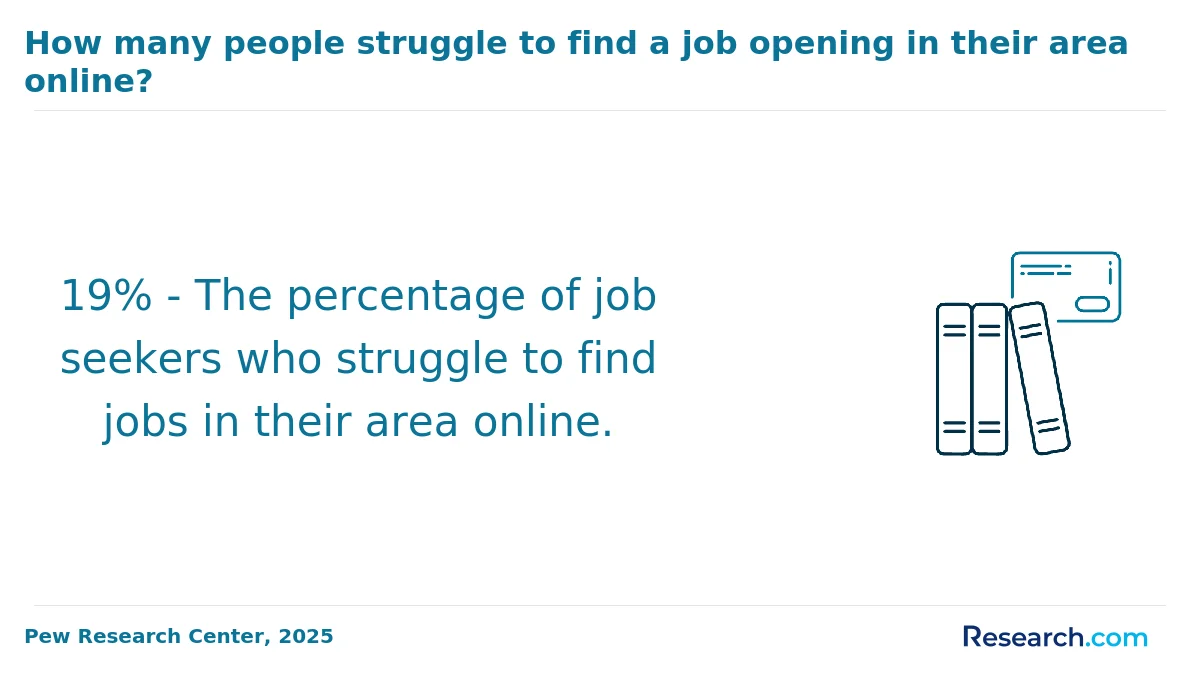
Students pursuing associate degrees in Kentucky typically rely on a combination of state grants, federal aid, and scholarships tailored to local residents. For example, the College Access Program (CAP) Grant offers up to $2,500 for eligible students attending two-year colleges like Jefferson Community and Technical College. Many graduates recall how this grant eased the pressure of tuition payments, especially when combined with Pell Grants after completing the FAFSA early.
Full-time students at private institutions can access the Kentucky Tuition Grant (KTG), which provides up to $3,300. Graduates from private Kentucky colleges often emphasize the importance of applying early since both CAP and KTG awards are distributed on a first-come, first-served basis tied to FAFSA completion dates.
Federal loans, both subsidized and unsubsidized, can supplement these grants, with some students at Jefferson Community and Technical College receiving loans totaling up to $5,250 per semester. Additionally, specialized scholarships for high-demand fields like healthcare and manufacturing motivate many Kentucky students by rewarding their career focus in industry-recognized programs.
To enroll in an associate degree program in Kentucky, applicants must meet several key prerequisites that ensure readiness for college-level study while allowing for diverse educational backgrounds. Most students, whether fresh high school graduates or adult learners, need to have graduated from high school or hold a GED or state-approved equivalency diploma, with official documents sent directly to the college's admissions office. Graduates from Kentucky Community and Technical College System (KCTCS) schools find this process clear and welcoming.
Academic standards like minimum GPA requirements vary by school. For instance, at Western Kentucky University (WKU), applicants must have at least a 2.00 unweighted high school GPA. Those with a GPA of 2.50 or higher often benefit from waived ACT/SAT submissions, simplifying admission and enhancing their confidence. Students with slightly lower GPAs must submit standardized test scores, which can feel challenging but ensures better preparation.
Other prerequisites include demonstrating college readiness in English, reading, and math. Many students remember having to take placement exams at Eastern Kentucky University (EKU) that guided them into supportive courses, fostering a sense of achievement rather than discouragement. Some campuses also require participation in student success seminars, helping newcomers feel equipped and motivated.
- High school diploma or GED/state equivalency
- Official transcripts sent directly for verification
- Minimum GPA standards (e.g., 2.00 at WKU)
- ACT or SAT test scores if GPA is below certain thresholds
- College readiness demonstrated through placement exams or coursework
- Possible language credit requirements under Kentucky's Pre-College Curriculum for younger students
These requirements balance rigor with accessibility, allowing many Kentuckians to pursue associate degrees with encouragement and clear guidance. Students often find that meeting these prerequisites becomes a rewarding first step toward their educational and career aspirations.
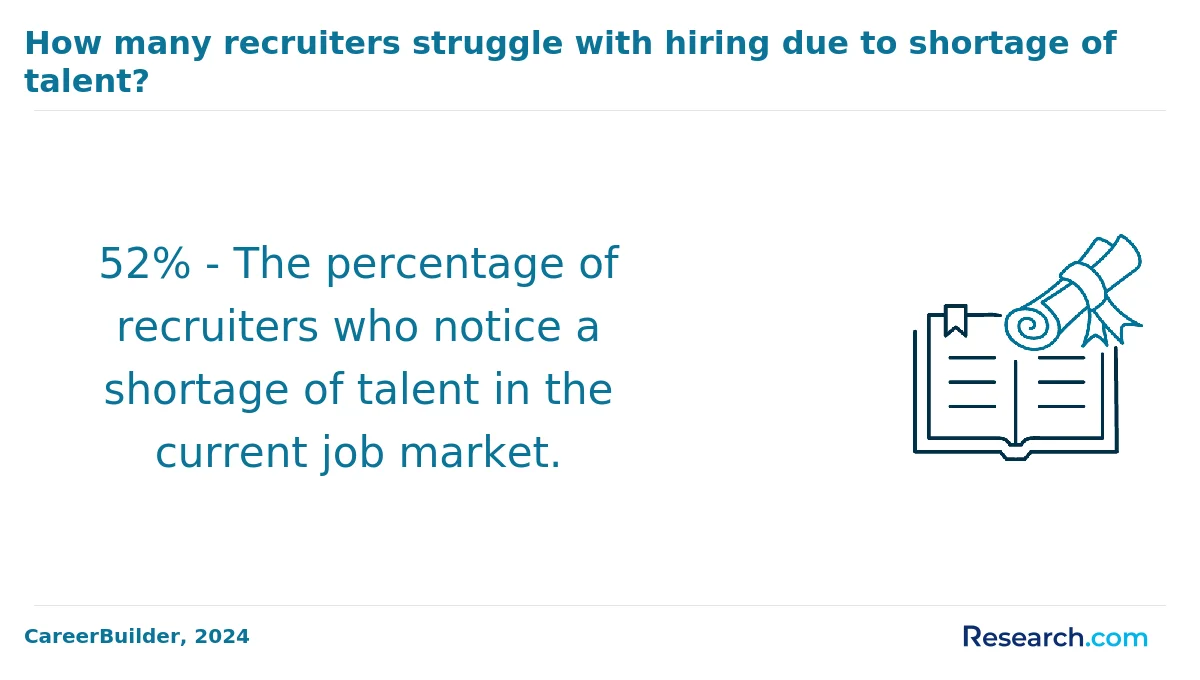
Associate degree programs in Kentucky consistently blend a robust general education core with specialized courses tailored to specific fields of study. Graduates from popular Kentucky associate degree schools often reflect on the solid foundation they built through common courses in Kentucky associate degree programs such as English composition, quantitative reasoning, natural sciences with lab experience, social and behavioral sciences, and arts and humanities.
For example, at Eastern Kentucky University, students complete at least 15 credit hours of general education that ensure critical thinking and communication skills. Meanwhile, Kentucky Community and Technical College System (KCTCS) students tackle a more extensive 33-credit hour general education core, which includes:
- 6 credit hours of written communications
- 3 credit hours of oral communications
- 6 credit hours of mathematics
- 6 credit hours of lab-based natural sciences
- 6 credit hours of social and behavioral sciences crossing multiple disciplines
- 6 credit hours split between arts and humanities
Graduates recall how these courses not only prepared them for workforce challenges but also were balanced with major-specific courses in business, health sciences, information technology, or engineering technology-allowing them to customize their education to career goals. For those weighing their options, understanding Kentucky associate degree curriculum requirements helps clarify the path ahead.
Moreover, students often seek electives and seminars that boost their readiness, while younger students without pre-college credentials might benefit from world language requirements and success seminars. Those curious about career-boosting credentials can explore what are some certifications that pay well through this resource, linking academic choices with practical earning potential.
Choosing the best associate degree program in Kentucky starts with institutional accreditation, which ensures your degree holds value and qualifies for federal aid. Graduates from schools like Eastern Kentucky University often praise the reassurance of attending fully accredited institutions, which boosts confidence as they advance in their careers. Examining the program format is vital-many students juggling jobs and families find value in Franklin University's fully online options, enabling them to study without sacrificing daily responsibilities.
Cost is another decisive factor. When deciding how to compare associate degree costs in Kentucky, students report feeling relief when they discover public institutions offering in-state tuition rates, significantly lowering expenses. Scholarships and grants further ease financial burdens. Transferability of credits is frequently highlighted by graduates from Franklin University who appreciated how those credits accelerated their journey toward a bachelor's degree.
Program outcomes matter deeply. Sullivan University graduates emphasize strong job placement and competitive salaries, which underpin their personal success stories. Finally, exploring student support services-like tutoring and career counseling-can transform challenges into achievable goals. For those seeking affordable advancement, exploring cheapest online master degrees linked to associate programs may also inform future planning.
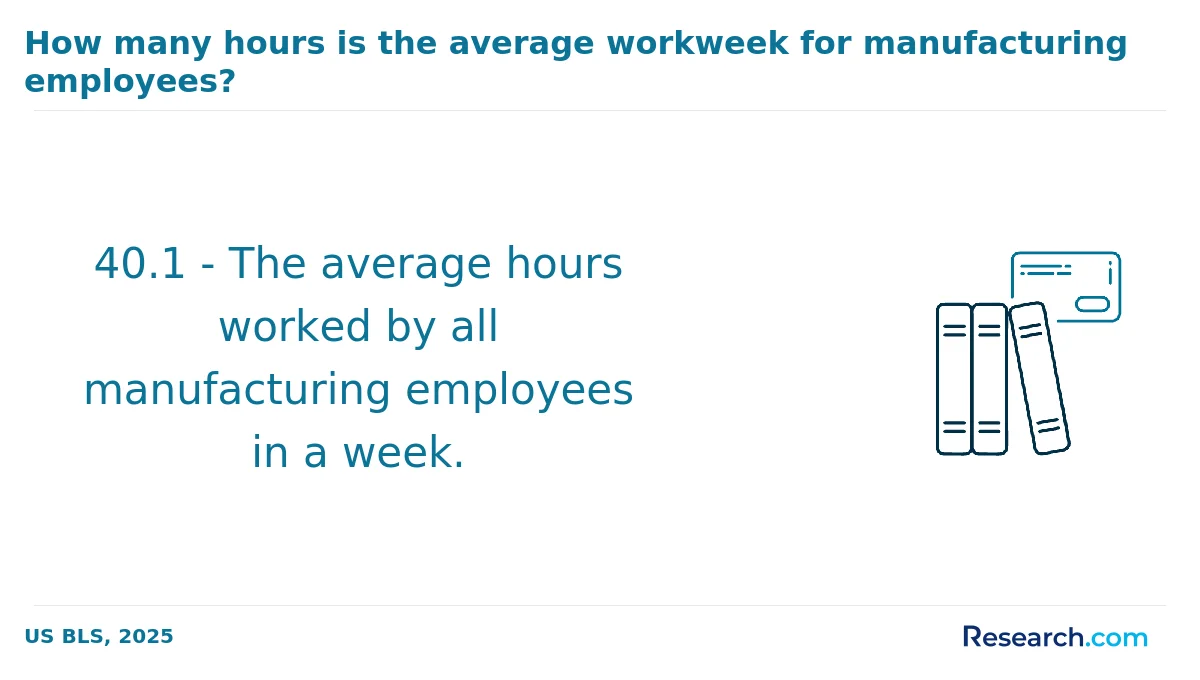
Associate degree graduates in Kentucky have access to diverse career paths tailored to various interests and skills. For those completing university studies, roles such as administrative assistant, education assistant, research assistant, and social media coordinator are common, with many finding rewarding positions in government agencies like the Commonwealth of Kentucky or private firms such as Amazon. Graduates often share how practical skills gained at colleges like Bluegrass Community and Technical College allowed them to step confidently into these roles.
Technical and applied science programs at Kentucky's community and technical colleges open doors to sectors including healthcare, skilled trades, and information technology. Fields like additive technology, agriculture, and air conditioning technology offer hands-on training, enabling graduates to secure jobs immediately after completion.
At Eastern Kentucky University, graduates of the AAS in Technology program often pursue careers as supply chain analysts, quality control managers, or electronics technicians. The availability of strong career opportunities for associate degree graduates in Kentucky reflects growing industry demand and attractive median salaries.
Many students appreciate the flexible scheduling and certified skills that enhance employability. Those considering career advancement or transition may explore affordable online colleges for added convenience and access to diverse learning options.
The job outlook for associate degree graduates in Kentucky is notably strong, characterized by steady wage growth and expanding employment opportunities across various fields. Graduates from popular associate degree schools in Louisville or Lexington often share experiences of quickly securing roles in healthcare or technology sectors, where demand remains robust.
Key factors improving the market include:
- An average hourly wage of $17.26, translating roughly to $35,900 annually for full-time work.
- Significant job growth in key cities that attract a diverse range of industries.
- Lower unemployment rates for associate degree holders compared to high school graduates, indicating greater job stability.
For students pursuing technical paths, the highest paying jobs with an associate degree in Kentucky often emerge in healthcare roles like Physical Therapy Assistant or X-Ray Technologist, with some positions exceeding $26 per hour. Many graduates find that the practical skills gained prepare them for these in-demand roles, aligning well with employer needs.
Understanding which careers offer strong returns is vital; resources highlighting the highest paying job in trade school can guide students toward lucrative options with an associate degree.
Best Associate Degree Programs - Leading Certification Courses in Kentucky for 2026
# 1 position
Owensboro Community and Technical College - Electrician.
associateOwensboro Community and Technical College offers a hybrid Electrician program that trains students to install, operate, maintain, and repair electrical systems in residential, commercial, and industrial settings. The curriculum covers electronics, wiring, power transmission, safety, job estimation, and applicable codes. Annual in-state tuition is $4,656. Graduates typically earn a median salary of $55,533 one year after completion. The program is accredited by the Southern Association of Colleges and Schools Commission on Colleges.
# 2 position
Gateway Community and Technical College - Industrial Mechanics and Maintenance Technology/Technician.
associateGateway Community and Technical College offers a hybrid Industrial Mechanics and Maintenance Technology/Technician program that prepares students to repair and maintain industrial machinery such as cranes, pumps, engines, and conveyor systems. The program is accredited by the Southern Association of Colleges and Schools Commission on Colleges. Annual in-state tuition is $4,656, and graduates earn a median of $69,378 one year after completion.
# 3 position
Owensboro Community and Technical College - Industrial Mechanics and Maintenance Technology/Technician.
associateOwensboro Community and Technical College offers a hybrid Industrial Mechanics and Maintenance Technology/Technician program preparing students to repair and maintain industrial machinery and equipment. The program includes technical training on cranes, pumps, engines, conveyor systems, and more. Annual in-state tuition is $4,656. Graduates have a median earning of $56,300 one year after completion. The program is accredited by the Southern Association of Colleges and Schools Commission on Colleges.
# 4 position
Southcentral Kentucky Community and Technical College - Industrial Mechanics and Maintenance Technology/Technician.
associateSouthcentral Kentucky Community and Technical College offers a hybrid Industrial Mechanics and Maintenance Technology/Technician program designed to equip students with skills to repair and maintain industrial machinery such as cranes, pumps, engines, and conveyor systems. The program's annual in-state tuition is $4,656. Graduates earn a median salary of $61,026 one year after completion. It is accredited by the Southern Association of Colleges and Schools Commission on Colleges.
# 5 position
Elizabethtown Community and Technical College - Industrial Mechanics and Maintenance Technology/Technician.
associateElizabethtown Community and Technical College offers a hybrid Industrial Mechanics and Maintenance Technology/Technician program designed to prepare students to repair and maintain industrial machinery, including cranes, pumps, engines, and conveyor systems. The program's annual in-state tuition is $4,656. Graduates have median earnings of $65,535 one year after completion. The program is accredited by the Southern Association of Colleges and Schools Commission on Colleges.
# 6 position
Elizabethtown Community and Technical College - Diagnostic Medical Sonography/Sonographer and Ultrasound Technician.
associateElizabethtown Community and Technical College offers a Diagnostic Medical Sonography/Sonographer and Ultrasound Technician program with a hybrid format that includes some distance education. The program prepares students to use ultrasound techniques to diagnose medical conditions under physician supervision. Annual in-state tuition is $4,656. Graduates earn a median salary of $60,430 one year after completion. The program is accredited by the Southern Association of Colleges and Schools Commission on Colleges.
# 7 position
Owensboro Community and Technical College - Veterinary/Animal Health Technology/Technician and Veterinary Assistant.
associateOwensboro Community and Technical College offers a program in Veterinary/Animal Health Technology/Technician and Veterinary Assistant that trains students to assist veterinarians and animal health professionals. The curriculum covers animal nursing care, clinical procedures, laboratory work, and office administration. The program is accredited by the Southern Association of Colleges and Schools Commission on Colleges. Annual in-state tuition is $4,656.
# 8 position
Owensboro Community and Technical College - Criminal Justice/Law Enforcement Administration.
associateOwensboro Community and Technical College offers a hybrid Criminal Justice/Law Enforcement Administration program designed to prepare students for management roles in public law enforcement agencies. The curriculum covers law enforcement history, operational command, labor relations, legal responsibilities, budgeting, and organizational leadership. The program's annual in-state tuition is $4,656. It is accredited by the Southern Association of Colleges and Schools Commission on Colleges.
# 9 position
Owensboro Community and Technical College - Heating, Air Conditioning, Ventilation and Refrigeration Maintenance Technology/Technician.
associateThe Heating, Air Conditioning, Ventilation and Refrigeration Maintenance Technology/Technician program at Owensboro Community and Technical College prepares students to repair, install, service, and maintain HVAC and refrigeration systems. This hybrid program includes instruction in diagnostic techniques, testing equipment, and the mechanics, electricity, and electronics principles essential to the trade. Annual in-state tuition is $4,656. Graduates earn a median salary of $44,899 one year after completion. The program is accredited by the Southern Association of Colleges and Schools Commission on Colleges.
# 10 position
Owensboro Community and Technical College - Automobile/Automotive Mechanics Technology/Technician.
associateOwensboro Community and Technical College offers a hybrid program in Automobile/Automotive Mechanics Technology/Technician designed to prepare students to repair, service, and maintain various automobiles. The curriculum covers brake systems, electrical systems, engine performance and repair, suspension, steering, transmissions, drive trains, and heating and air conditioning systems. Annual in-state tuition is $4,656. The program is accredited by the Southern Association of Colleges and Schools Commission on Colleges.
Frequently Asked Questions about associate degree programs
After earning an associate degree in Kentucky, preparing for the job market involves strategic steps to increase employability. First, students should utilize career services offered by their colleges, which often provide resume workshops, interview preparation, and job fairs. According to the Kentucky Center for Statistics, 62% of associate degree holders found employment within six months of graduation, highlighting the importance of early job search efforts.
Networking plays a vital role; joining local professional groups or online platforms like LinkedIn can connect graduates with employers. Additionally, pursuing relevant certifications alongside the degree can boost job prospects, especially in fields like healthcare and IT.
Finally, understanding Kentucky's labor market trends helps graduates target growing industries such as manufacturing, healthcare, and technology, enhancing chances for long-term career success.
Employers in Kentucky highly value both technical and soft skills when hiring associate degree graduates. According to the Kentucky Center for Education and Workforce Statistics, critical technical skills include proficiency in health care support, information technology basics, and manufacturing processes.
In addition to technical abilities, strong communication and teamwork are consistently ranked among the top soft skills sought by employers statewide. A 2023 survey by the Kentucky Chamber of Commerce found that 78% of employers emphasize problem-solving and adaptability as essential attributes for associate degree holders.
Overall, graduates who combine practical knowledge with effective interpersonal skills tend to have better employment prospects in Kentucky's diverse job market.
Finding internships in Kentucky related to your associate degree program involves several practical steps. Start by consulting your college's career services office, which often partners with local employers to offer relevant internship opportunities. Many Kentucky community colleges have established connections with industries such as healthcare, manufacturing, and information technology, reflecting the state's economic strengths.
Online platforms like Kentucky Educational Excellence Scholarship (KEES) or the Kentucky Workforce Innovation Board provide listings of internships and job placements. According to the Kentucky Cabinet for Economic Development, more than 1,200 internships were recorded statewide in 2023, spanning various sectors.
Networking through campus events and local chambers of commerce also helps. Additionally, websites like Handshake and Internships.com can be filtered for Kentucky-specific openings related to your field of study.
In Kentucky, earning an associate degree significantly enhances career mobility and advancement opportunities. According to the Kentucky Center for Statistics, individuals with an associate degree typically earn about 20% more annually than those with only a high school diploma. This credential opens doors to skilled positions in healthcare, technology, and advanced manufacturing, key growth sectors in the state.
Employers in Kentucky increasingly prioritize applicants with postsecondary education, recognizing the practical, technical skills associate degree holders bring to the workforce. Additionally, many local community colleges have transfer agreements with universities, allowing graduates to pursue bachelor's degrees, further supporting career advancement.
Data from the U.S. Bureau of Labor Statistics also indicates that associate degree holders in Kentucky experience lower unemployment rates compared to those without a college credential, underscoring improved job stability and access to upward mobility.
Part-time job opportunities in Kentucky that complement associate degree education often align with the student's field of study, enhancing practical skills and employability. For example, students in healthcare programs can find roles as medical assistants or pharmacy technicians, positions that Kentucky's Cabinet for Health and Family Services reports are in growing demand. Business or IT students may seek part-time positions in retail management or technical support, gaining valuable workplace experience.
Many community colleges in Kentucky partner with local employers, helping students secure internships and part-time roles relevant to their studies. According to Kentucky's Office of Employment and Training, part-time jobs in customer service and administrative support remain widely available, offering flexibility alongside academic commitments.
Such employment not only provides financial support but also builds a professional network crucial for future full-time employment. Students should explore opportunities through campus job boards and statewide resources like Kentucky Career Center.
To find the best degree programs near you in Kentucky, consider looking into local universities and colleges that offer specialized programs in various fields. Research.com can be a helpful resource in identifying highly ranked schools and specific programs near Kentucky that could be of interest. Additionally, you might explore online courses from national institutions to complement in-person offerings near me, providing a broader range of options for your educational pursuits.
- Best Associate Degree Programs - Leading Certification Courses in Indiana for 2026
- Best Associate Degree Programs - Leading Certification Courses in Tennessee for 2026
- Best Associate Degree Programs - Leading Certification Courses in Illinois for 2026
- Best Associate Degree Programs - Leading Certification Courses in Missouri for 2026
- Best Associate Degree Programs - Leading Certification Courses in Alabama for 2026
- Best Associate Degree Programs - Leading Certification Courses in Arkansas for 2026
- Best Associate Degree Programs - Leading Certification Courses in Maryland for 2026
- Best Associate Degree Programs - Leading Certification Courses in Iowa for 2026
- Best Associate Degree Programs - Leading Certification Courses in Delaware for 2026
- Best Associate Degree Programs - Leading Certification Courses in Louisiana for 2026
- Research - Most Affordable Online Masters Degrees Programs https://research.com/degrees/most-affordable-online-masters-degrees-programs
- 2+2 Program | University of Kentucky College of Arts & Sciences https://www.as.uky.edu/2plus2
- KHEAA https://www.kheaa.com/web/scholarships-grants.faces
- Associate in Science | JCTC https://jefferson.kctcs.edu/education-training/program-finder/associate-in-science.aspx
- Learn the Top Six “Soft Skills” Employers Look for in College Graduates https://admissions.usf.edu/blog/learn-the-top-six-soft-skills-employers-look-for-in-college-graduates
- Financial Aid Eligibility and Programs Overview | SKYCTC https://southcentral.kctcs.edu/affording-college/fa-eligible.aspx
- Here’s How an Associate Degree Can Advance Your Career https://flex.wisconsin.edu/stories-news/heres-how-an-associate-degree-can-advance-your-career/
- Is an Online Degree the Same as a Traditional College Degree? | Bryan University Online© https://bryanuniversity.edu/faq/is-an-online-degree-the-same-as-a-traditional-college-degree/
- Online vs Traditional Degrees: Similarities and Differences https://www.aiu.edu/blog/online-vs-traditional-degrees/
- Degree Information and Requirements < Eastern Kentucky University https://catalogs.eku.edu/undergraduate/general-academic-information/degree-information-requirements/