Most Affordable Trade School & Training Programs - Leading Certification Courses in Fall River for 2026

Co-Founder and Chief Data Scientist
Choosing the right trade school in Fall River can be overwhelming, but this article is here to help. We've gathered insights from a detailed trade school programs ranking developed by the Research.com team of data scientists.
By exploring this guide, you’ll discover affordable options that fit your goals and budget. Earning a diploma or certification from a trade school opens doors to rewarding careers and personal growth.
This resource aims to empower you with clear, trustworthy information so you can confidently take the next step toward your future.
Key benefits of finishing trade school programs trade school in Fall River
- Trade school graduates in Fall River can expect strong salaries, with healthcare roles like licensed practical nurses earning between $70,795 and $140,000, manufacturing jobs paying from $51,023 to $110,341, and vocational education positions averaging around $45,082.
- Popular career paths include healthcare, manufacturing, and technical fields, offering diverse opportunities that match the talents and interests of many trade school students in Fall River.
- Online trade school programs provide flexible learning options, allowing graduates to balance work and study, often accelerating their entry into rewarding careers compared to traditional on-campus education.
- Most Affordable Trade School & Training Programs - Leading Certification Courses in Fall River for 2026
- What can I expect from trade school programs trade schools in Fall River?
- Where can I work after finishing trade school programs trade schools in Fall River?
What can I expect from trade school programs trade schools in Fall River?
The average cost of a trade school program in Fall River typically ranges from $5,000 to $15,000, depending on the program length and type. Graduates from institutions like MTTI and Rob Roy Academy often reflect on the strong value they received-balancing affordability with career-ready skills. Many students appreciate how these costs are significantly lower than traditional four-year college degrees, making education accessible without excessive debt.
Beyond tuition, students should expect some expenses for textbooks, tools, or uniforms specific to their trade. However, the investment often feels worthwhile as hands-on training and real-world experience prepare them for quick employment. One graduate recalls spending most days in fully equipped workshops, mastering skills instead of sitting through endless lectures-a practical approach that justifies every dollar spent.
Trade schools in Fall River also emphasize career support through partnerships with employers and organizations like SkillsUSA, which helps graduates smoothly transition into the workforce. This comprehensive setup makes the overall cost of education feel like an affordable step toward a fulfilling job.
Where can I work after finishing trade school programs trade schools in Fall River?
Graduates of trade school programs in Fall River find themselves stepping into a variety of rewarding career paths right in their community. For example, those completing healthcare-related programs at local schools often land supportive roles with trusted employers like Southcoast Health or BMC HealthNet Plan, providing practical nursing or medical assisting services that directly impact patients' lives. The sense of fulfillment from helping others is a common experience among these alumni.
Manufacturing graduates frequently join established companies such as General Electric or Acushnet Company, where skilled trades like machining and industrial maintenance keep the local economy thriving. Many recall enjoying hands-on problem-solving and the steady work rhythm, which offer both satisfaction and reliability.
Others trained in automotive technology, HVAC, or electrical fields often find themselves working alongside small business owners in repair shops or construction, where their expertise is always in demand. The city's logistics sector also welcomes graduates with CDL or supply chain skills, opening doors to growing roles as warehouse associates and technicians. Trade school in Fall River truly prepares students for vibrant careers embedded in their home community.
After finishing a trade school program in Fall River, many graduates find themselves stepping into the workforce with promising earning potential. Local programs, such as those offered by the Greater Fall River Regional Vocational Technical School District, boast graduates earning around $45,000 annually on average, with some reaching closer to $52,000. This immediate income can feel empowering-imagine starting your career making close to $20 an hour, enough to comfortably cover living expenses while gaining valuable hands-on experience.
Many recent graduates share stories of entering skilled trades with wages from $17 to $20 per hour, then quickly advancing as they gain certifications and practical knowledge. Considering the Massachusetts state average for trade school-trained workers is about $73,335 per year, the growth trajectory is clear. Whether becoming an electrician, plumber, or HVAC technician, Fall River graduates often see a steady climb from entry-level roles to well-paid careers.
For students choosing Fall River, these numbers aren't just statistics-they reflect real opportunities to build stable, fulfilling careers while remaining close to home.
- Trade school programs in Fall River offer training in fields like HVAC, welding, automotive technology, medical assisting, dental assisting, and pharmacy technician.
- Program lengths vary from six weeks to one year for certificates or diplomas, while associate degrees typically take two years to complete.
- Admission usually requires a high school diploma or GED, with some programs having additional prerequisites.
- Costs range from $3,000 to $10,000 for short-term certificates, and $10,000 to $20,000 for associate degree programs.
- Financial aid options include federal grants, loans, scholarships, and industry-specific awards to help reduce costs.
- About 98% of Massachusetts trade school graduates find jobs or continue education soon after finishing, with starting salaries from $35,000 to $45,000 annually.
Completing a trade school program in Fall River can take as little as 7 months for full-time students eager to jumpstart their careers quickly. At MTTI, many graduates share how their hands-on day classes, running weekdays from 8:30 am to 3 pm, created a focused and supportive environment that helped them finish training swiftly and confidently. For those balancing work or family, part-time evening programs extend completion to about 17 months, offering flexibility without sacrificing quality.
Others pursuing certificates at Bristol Community College often finish in two semesters, sometimes less than a year, especially in fields requiring clinical practicum. Graduates appreciate the blend of classroom learning and real-world experience, such as the intensive 3-week, 120-hour clinical practicum that prepares them thoroughly for job placement.
Whether fast-tracking through full-time classes or pacing through evening sessions, Fall River's trade schools emphasize personal attention and hands-on practice, making the journey both achievable and rewarding for students determined to change their futures.
The key difference between online and on-campus trade school programs in Fall River lies in how and where learning happens. Graduates from Bristol Community College often recall the freedom of online study, fitting courses around busy work days or family life. This flexibility lets them engage with lectures and assignments entirely through digital platforms, creating a self-driven rhythm suited to those balancing multiple responsibilities.
Conversely, students choosing on-campus programs experience the energy of face-to-face interaction, benefiting from hands-on training with real equipment in the heart of Fall River. Many appreciate the immediate feedback from instructors and the camaraderie formed in workshops and labs, which can make technical skills feel more tangible and confidence-building.
Both paths offer accredited curricula and access to financial aid, but the on-campus experience connects learners directly to local industry partnerships, fueling job opportunities. Meanwhile, online students celebrate the cost savings on commuting and housing, highlighting a trade-off between convenience and community that each learner navigates in their own way.
For students looking into trade school programs in Fall River, understanding the average trade school tuition in Fall River is crucial. The overall cost for a full program typically rests between $18,500 and $27,000, encompassing tuition, books, materials, and other fees. Graduates from popular local trade schools often recall that tuition alone can vary widely, usually ranging from $16,000 to $25,000 based on the trade's complexity and the institution's prestige. Beyond tuition, essential expenses like program-specific equipment and books add several hundred to a few thousand dollars, which can catch students by surprise if they don't plan ahead.
For those opting to attend Bristol Community College, a noted public choice in Fall River, the financial outlook changes significantly. In-state undergraduate tuition for the 2024-2025 academic year is just $576 per credit, dramatically lowering the barrier to entry. This makes community colleges an appealing, budget-friendly option for many local students seeking practical skills without excessive debt. Plus, available federal and state financial aid programs can lighten these expenses even further.
Considering the total cost of trade school programs in Massachusetts requires factoring in living expenses and grants, which many students find vital. Visualize a student balancing work and study, eased by scholarships and grants that don't need repayment. For those exploring specialized paths, like flooring installation, reviewing the most affordable flooring installer training courses can provide clear guidance on managing costs while gaining valuable skills.

Trade school students in Fall River often find relief through the Free Application for Federal Student Aid (FAFSA), unlocking access to vital funds like Pell Grants. For many, these grants mean less worry about monthly bills while pursuing hands-on training at local vocational-technical schools. One graduate recalls how a Pell Grant covered a major portion of tuition, making the dream of a skilled trade career feel within reach.
State-specific programs, including the MASSGrant and Tuition Waiver initiatives, add another layer of support. Many full-time students at popular institutions such as Bristol Community College benefit directly from these programs, which reduce costs without the burden of repayment. Another completer shares how these aids eliminated financial stress, allowing full focus on mastering plumbing and electrical trades.
MassHire Career Centers expand opportunities through Individual Training Accounts, especially for those with household incomes under $36,000. These accounts often cover entire tuition costs, lighting a path for individuals balancing work and study. Veterans too find meaningful support through dedicated educational benefits at Fall River schools, honoring their service with financial aid tailored to their needs.
To enroll in a trade school program in Fall River, the first key prerequisite is holding a high school diploma or GED. Graduates from Diman Regional Vocational Technical High School often reflect on how this foundation gave them the confidence to tackle advanced technical training. Schools rely on this basic academic achievement as proof of readiness.
Youth interested in local programs, such as those available through B.M.C. Durfee High School, face selection processes based on multiple factors. These include:
- Grades and attendance records
- Conduct and counselor recommendations
- Residency in Fall River or nearby towns as required
Beyond paperwork, many programs require standardized pre-admission test scores to gauge your preparedness. Some students recall the challenge and excitement of interviews and submitting references, which helped showcase their enthusiasm and commitment.
For specialized tracks like practical nursing at Diman, additional prerequisites include proof of current health insurance, successful completion of a pre-entrance health exam, and documentation of immunizations and drug screenings. These steps ensure students are fully ready and confident stepping into their future roles.
Finally, an evolving weighted lottery system encourages those with strong attendance and discipline, making the application process fairer for all. Most adult trade programs ask for tuition and fees upfront, highlighting the importance of financial readiness alongside academic and personal qualifications.

Trade schools in Fall River offer a diverse range of courses tailored to meet local job market demands, blending hands-on experience with career-ready skills. Graduates often reflect on how practical learning in small classes, capped at about 18 students, helped them build confidence quickly.
Many find themselves drawing on skills from programs such as:
- Construction craft laborer training-where students get real experience with site safety and materials handling, preparing them to step directly into busy construction sites.
- Cosmetology, which combines science and creativity, enabling graduates to launch careers in salons while fulfilling state licensure requirements.
- Culinary arts classes that immerse students in food prep and kitchen safety, ideal for anyone dreaming of working in vibrant restaurant kitchens or catering businesses.
- Graphic design and visual communication, offering hands-on use of digital tools to craft compelling visual stories.
Others have praised programs in early education and health assisting-fields where learning about child development or clinical procedures translates into meaningful community impact. Technical fields like engineering and environmental science attract problem solvers eager to apply skills like robotics or sustainability practices directly in the workplace.
The blend of theory and particularly practical lab time, often over 50%, means students aren't just studying concepts-they're actively doing, which many alumni say made all the difference in confidence and job readiness.
Trade school programs in Fall River offer a rich variety of specializations that resonate deeply with the local job market and student ambitions. Many graduates from schools like MTTI and Diman Regional speak enthusiastically about hands-on training in fields such as automotive technology, welding, and construction, which build tangible skills through focused, 300-hour courses. These programs ensure students are not only skilled but also industry-certified, boosting their confidence to enter the workforce quickly.
At the high school level, students at B.M.C. Durfee High School enjoy diverse Career and Technical Education (CTE) pathways, blending theory with real projects in areas like graphic design, culinary arts, and criminal justice. This approach fosters a strong practical mindset, often enhanced by participation in leadership-focused groups like SkillsUSA.
Nearby trade schools like MTTI emphasize personalized learning with small class sizes under 18 students, covering specialized training from HVAC to medical assisting. Graduates often highlight how the cooperative education program at Diman connects them with over 120 local employers, enabling real-world experience through paid work placements.
This variety allows every student to explore what suits them best, depending on their interests and goals. For those wondering which trade school is best for you, Fall River's offerings provide compelling options with proven success stories.
When choosing from the best accredited trade schools in Fall River, accreditation and program reputation are paramount. Graduates from Diman Regional Vocational Technical High School often highlight how the school's recognized status gave them confidence in their skills and helped unlock valuable job opportunities. Meanwhile, exploring trades through programs offered at B.M.C. Durfee High School allows students to find hands-on pathways that truly resonate with their passions, from culinary arts to engineering.
Understanding how to compare Fall River trade school costs can transform your decision-making, especially with the region's growing variety of options. Many local students share how researching tuition alongside available financial aid saved them unexpected stress. If you seek specialized training, consider looking into low cost welding training programs online that supplement in-person learning and fit tight budgets.
Another tip is to visit campuses during open houses, as mandated for admissions since 2026. Touring the modern facilities gives a vivid sense of the daily experience and reveals the kind of support services that drive successful outcomes. Graduates often recall how SkillsUSA competitions and internship opportunities at these schools made them feel prepared and confident entering the workforce.
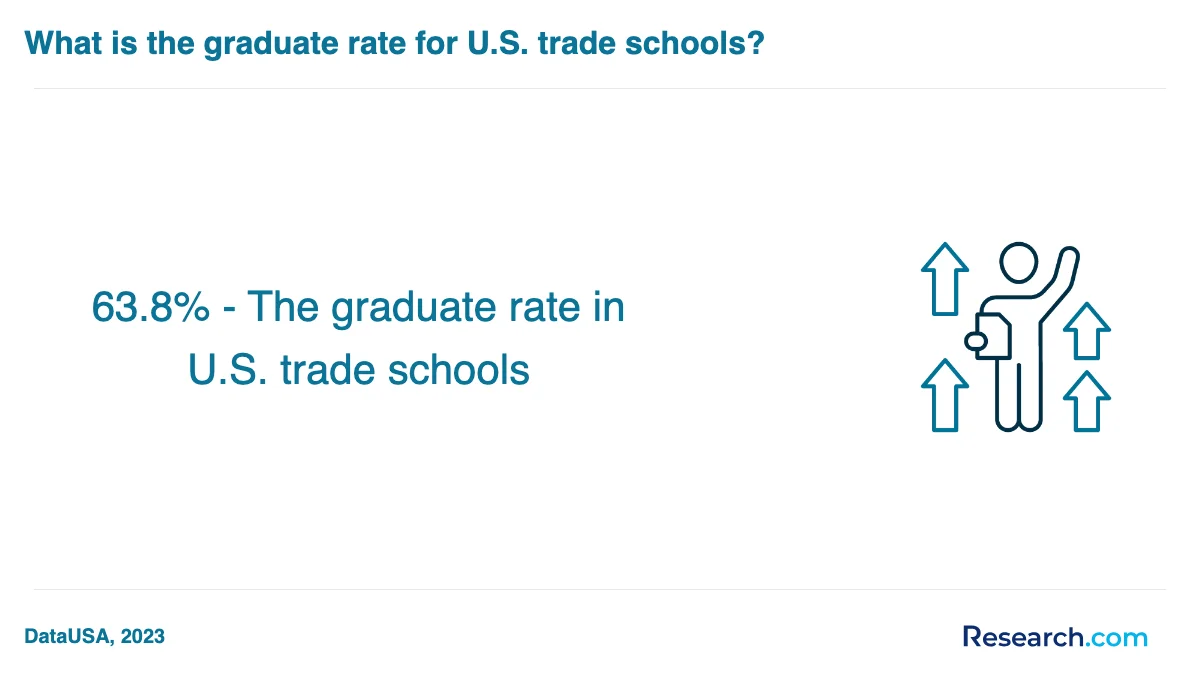
Trade school career opportunities in Fall River span an impressive array of fields that appeal to students eager to start strong in both traditional trades and emerging industries. Graduates from local schools like B.M.C. Durfee High School and Diman Regional Vocational Technical High School find themselves stepping confidently into roles such as construction workers, cosmetologists, culinary experts, graphic designers, and health assistants. Many share how hands-on training paired with cooperative education programs-like Diman's partnerships with over 120 regional employers-transforms classroom lessons into real-world skills, making the journey from student to employed professional feel seamless and rewarding.
Vocational programs leading to jobs in Fall River also cover exciting new areas such as criminal justice and environmental science, responding to the community's evolving workforce needs. Those looking for accelerated paths can turn to MTTI in nearby Seekonk, specializing in automotive technology, HVAC, and electrician training, with programs designed to launch careers in as little as 7 months.
Consider the success of graduates who engage in apprenticeships, blending paid on-the-job learning with classroom instruction, especially in plumbing and electrical trades. This approach not only fosters licensure opportunities but also promises upward mobility.
Trade school graduates often report entering stable, in-demand careers where their skills shine. Many enjoy knowing their average salary after trade school matches or exceeds initial expectations, making their educational investment visibly worthwhile. For those weighing career routes, exploring the average salary after trade school can illuminate future possibilities.
Trade school graduates in Fall River find themselves in a thriving job market fueled by strong demand for skilled workers in construction, healthcare, and technical trades. Many graduates report swift employment after completing hands-on programs at institutions like BMC Durfee High School and MTTI, where real-world training prepares them for immediate contribution to local industries. For example, graduates of carpentry or HVAC programs frequently move into entry-level positions with clear paths to supervisory roles.
Key factors boosting Fall River trade school graduate employment rates include:
- Industry certifications acquired through practical training
- Close ties between schools and local employers
- Participation in career readiness programs like SkillsUSA, enhancing soft skills and leadership
Healthcare trade programs are particularly prosperous, as Fall River's medical facilities seek qualified technicians and nursing assistants. The job opportunities for trade school graduates in Fall River extend beyond technical roles-graduates often express confidence in their ability to grow within organizations due to their holistic training.
Students interested in expanding their skillset while studying locally might explore options such as cheap online landscaping training, which complements traditional trades and broadens job prospects in both urban and suburban settings.
Most Affordable Trade School & Training Programs - Leading Certification Courses in Fall River for 2026
# 1 position
Bristol Community College - Criminal Justice/Safety Studies.
associateBristol Community College offers a hybrid Criminal Justice/Safety Studies program that covers the criminal justice system, including criminal law, policy, police and correctional systems, and the judiciary. The program emphasizes the organization and processes within the system and public attitudes toward criminal justice issues. Annual in-state tuition is $5,412. Graduates earn a median salary of $36,706 one year after completing the program. The program is accredited by the New England Commission on Higher Education.
# 2 position
Bristol Community College - Veterinary/Animal Health Technology/Technician and Veterinary Assistant.
associateBristol Community College offers a program in Veterinary/Animal Health Technology/Technician and Veterinary Assistant designed to prepare students for patient care and clinical assistance under veterinary supervision. The curriculum covers animal nursing, health, nutrition, clinical pathology, radiology, anesthesiology, surgical assisting, and office administration. Annual in-state tuition is $5,412. The program is accredited by the New England Commission on Higher Education.
# 3 position
Bristol Community College - Computer and Information Sciences, General.
associateBristol Community College offers a fully online Computer and Information Sciences, General program focusing on computing, computer science, and information systems. The program is accredited by the New England Commission on Higher Education. Annual in-state tuition is $5,412. Graduates report median earnings of $34,193 one year after completing the program. This program is undifferentiated by specific titles or content within the computing field.
# 4 position
Bristol Community College - Computer Science.
associateBristol Community College offers a Computer Science program focusing on computer theory, computing problems and solutions, and system and user interface design. The curriculum includes principles of computational science, computer development, programming, and various application areas. The program is accredited by the New England Commission on Higher Education. Annual in-state tuition is $5,412, providing an accessible option for students seeking technical education in this field.
# 5 position
Bristol Community College - Computer Systems Networking and Telecommunications.
associateBristol Community College offers a fully online Computer Systems Networking and Telecommunications program. It prepares students to design, implement, and manage computer networks, focusing on operating systems, network theory, security, and troubleshooting. The program is accredited by the New England Commission on Higher Education. Annual in-state tuition is $5,412, and graduates have a median earning of $34,193 one year after completion.
# 6 position
Bristol Community College - Legal Assistant/Paralegal.
associateBristol Community College offers a Legal Assistant/Paralegal program designed to prepare students for research, drafting, investigatory, and administrative tasks under attorney supervision. The curriculum includes legal research, document drafting, courthouse procedures, and legal specializations. The program is accredited by the New England Commission on Higher Education. Annual in-state tuition is $5,412, providing an affordable pathway to develop specialized legal support skills.
# 7 position
Bristol Community College - Medical Administrative/Executive Assistant and Medical Secretary.
associateBristol Community College offers a hybrid Medical Administrative/Executive Assistant and Medical Secretary program designed to prepare students for roles supporting physicians, nurses, and healthcare administrators. The curriculum covers medical communications, terminology, healthcare operations, software applications, scheduling, and professional ethics. The program’s annual in-state tuition is $5,412. It is accredited by the New England Commission on Higher Education.
# 8 position
Bristol Community College - Accounting.
associateBristol Community College offers an Accounting program designed to prepare students for the accounting profession and related business functions. The curriculum covers accounting principles, financial and managerial accounting, cost accounting, tax accounting, auditing, and business information systems. It also includes training in professional standards, ethics, and applications for various organization types. The program's annual in-state tuition is $5,412 and is accredited by the New England Commission on Higher Education.
# 9 position
Bristol Community College - Banking and Financial Support Services.
associateBristol Community College offers a program in Banking and Financial Support Services that prepares students for customer service roles in banks, insurance agencies, and related financial enterprises. The curriculum includes training in communications, public relations, business equipment operation, and technical skills relevant to financial services. The annual in-state tuition is $5,412. The program is accredited by the New England Commission on Higher Education.
# 10 position
Bristol Community College - Marketing/Marketing Management, General.
associateBristol Community College offers a Marketing/Marketing Management, General program that prepares students to manage consumer audiences and product distribution. The curriculum covers buyer behavior, marketing research, pricing theory, strategic planning, advertising, sales management, and retailing. The program’s annual in-state tuition is $5,412. It is accredited by the New England Commission on Higher Education, ensuring recognized academic standards and quality education.
Frequently Asked Questions about trade school programs
After completing a trade school program in Fall River, preparing for the job market involves several key steps. First, graduates should leverage the connections made through their school's career services, which often provide job placement assistance and resume workshops tailored to local industries. According to the Massachusetts Executive Office of Labor and Workforce Development, sectors like manufacturing and construction in Fall River have shown steady job growth, benefiting skilled trade workers.
Additionally, obtaining relevant certifications or licenses can improve employability and earning potential. Networking with local employers and attending job fairs increases exposure to opportunities. Finally, maintaining a professional online presence and practicing interview skills are essential for success in today's competitive market.
Employers in Fall River highly value technical skills specific to the trade when hiring trade school graduates. According to the Massachusetts Executive Office of Labor and Workforce Development, proficiency in areas like HVAC, welding, electrical work, and automotive repair ranks among the top job requirements locally. Alongside technical expertise, employers emphasize strong problem-solving abilities and safety awareness, crucial in industrial environments.
Communication skills also rank highly. Many Fall River employers expect graduates to effectively collaborate with team members and follow supervisors' instructions clearly. A 2023 regional workforce study found that over 70% of employers prioritize reliability and punctuality in trade school hires.
In summary, combining hands-on skills with strong workplace habits is key to meeting Fall River's trade job market demands.
Finding internships in Fall River that match your trade school program involves a combination of research, networking, and utilizing local resources. Start by consulting your trade school's career services office, as many maintain relationships with local businesses and can connect students to internship opportunities tailored to their fields.
The Greater Fall River Workforce Board often lists internships and apprenticeships in manufacturing, healthcare, and construction, which are common trade areas. According to Massachusetts Workforce Development data from 2023, over 40% of local manufacturing firms offer internships or training programs.
Additionally, explore partnerships between trade schools and Fall River employers through job fairs and online platforms like MassHire. Reaching out directly to companies in your trade, such as local HVAC or automotive repair firms, can also uncover hidden internship openings.
Engaging in local community events or industry-specific workshops improves connections that often lead to internships. Early planning and active outreach are key to securing relevant hands-on experience in Fall River.
A trade school diploma significantly enhances career mobility and advancement opportunities in Fall River. According to data from the Massachusetts Executive Office of Labor and Workforce Development, the local economy increasingly demands skilled tradespersons in sectors like manufacturing, construction, and healthcare.
Graduates with trade credentials often experience faster job placement compared to those with only a high school diploma. Studies indicate a 15-20% higher employment rate within six months after graduation for trade school completers in the region.
The specialized skills gained enable workers to access higher-paying roles and promotions. Fall River employers value certifications from recognized trade programs, which often serve as prerequisites for advanced technical positions or supervisory roles.
Moreover, trade school diplomas can provide a pathway toward entrepreneurship in trades such as electrical work or plumbing, supporting long-term financial and professional growth.
Part-time job opportunities in Fall River can effectively complement trade school education by providing practical experience aligned with students' career goals. Industries such as manufacturing, healthcare, and construction dominate the local job market, offering relevant roles for trade students. For example, certified nursing assistant (CNA) positions are widely available in healthcare facilities nearby, allowing students pursuing medical-related certifications to gain hands-on skills.
Manufacturing plants in the area frequently hire part-time workers for entry-level machine operation or quality control tasks, suitable for those studying technical trades. According to the Massachusetts Executive Office of Labor and Workforce Development, part-time roles in Fall River typically pay between $13 and $17 per hour, which benefits students managing tuition and living expenses.
Additionally, apprenticeships and internships in electrical or plumbing companies can supplement classroom instruction and increase employability upon graduation. Local workforce development programs also facilitate connections between trade school attendees and employers seeking flexible, part-time labor.
To find the most affordable degree program near Fall River, MA, consider researching local community colleges or state universities, as they often provide lower tuition rates compared to private institutions. You can use resources like Research.com to compare costs and identify potential programs that suit your educational goals. Additionally, visiting campuses and speaking with admissions counselors at institutions near me can offer valuable insights into financial aid options and cost-effective degree paths.
- Co-op Program - Diman Reg Vo-Tech High School https://www.dimanregional.org/our-programs/co-op-program
- Client Challenge https://www.fallriver.k12.wi.us/page/career-technical-education
- The Best Trade Schools Near Massachusetts | NEIT https://www.neit.edu/blog/trade-schools-massachusetts
- Introduction to Trades : RRC Polytech: Program Explorer https://www.rrc.ca/explore/program/introduction-to-trades/
- Work Study Employment | Bristol Community College https://bristolcc.edu/bristolcommunity/facultystaff/resourcestohelpstudents/workstudyemployment/index.html
- Career & Tech Ed. - B.M.C. Durfee High School https://durfee.fallriverschools.org/departments-clone/cte-clone
- MassHire Fall River Career Center | Mass.gov https://www.mass.gov/locations/masshire-fall-river-career-center