Most Affordable Trade School & Training Programs - Leading Certification Courses in Bottineau for 2026

Co-Founder and Chief Data Scientist
Choosing the right trade school in Bottineau can feel overwhelming, especially when you want to make the best choice for your future. This article introduces the most affordable trade schools in the area for 2026, making it easier for you to find quality programs within your budget.
The trade school programs ranking, created by Research.com’s team of data scientists, offers clear insights to help you compare and decide confidently. Whether you’re aiming for a diploma or certification, exploring these options can open doors to rewarding careers.
Investing in trade education brings valuable skills and potential for growth, and this guide supports you every step of the way.
Key benefits of finishing trade school programs trade school in Bottineau
- Trade school graduates in Bottineau can expect strong salaries, such as technician roles starting around $40,000 annually, drilling jobs paying between $18 and $42 per hour, and healthcare or administrative positions earning $18-$28 per hour.
- Popular career paths for graduates include bookkeeping, medical coding, recreation management, medical administrative assisting, and paraprofessional education, offering a range of fulfilling opportunities in both technical and support roles.
- Completing a trade school diploma or certification online offers flexibility and convenience, allowing students to balance life and work while gaining skills from well-regarded local schools, which can lead to rewarding careers without the commute.
- Most Affordable Trade School & Training Programs - Leading Certification Courses in Bottineau for 2026
- What can I expect from trade school programs trade schools in Bottineau?
- Where can I work after finishing trade school programs trade schools in Bottineau?
What can I expect from trade school programs trade schools in Bottineau?
The average cost of attending a trade school program in Bottineau, particularly at Dakota College at Bottineau, is about $4,066 per year for in-state students. Imagine a graduate who chose a certificate program-this amount gave them access to focused, hands-on training without the financial burden of unnecessary general education courses. Their days were spent mastering specific skills, working with tools and technology, and preparing to step confidently into their careers.
Another student, pursuing an associate degree, valued the balance of technical classes combined with essential communication and critical thinking courses. Despite the higher overall commitment, the tuition remained affordable and worth every penny considering the career-ready education delivered within two years or less.
Whether studying on campus or online-since 61% of students opt for remote learning-the cost stays accessible while providing a community feel of just over a thousand students. Graduates often share excitement about the swift, practical path their education offered, turning dreams of immediate workforce entry into reality.
Where can I work after finishing trade school programs trade schools in Bottineau?
After finishing a trade school program in Bottineau, many graduates dive right into exciting careers where their skills shine. Imagine stepping into a local clinic as a Licensed Practical Nurse, guiding patients with confidence thanks to hands-on training from Bottineau's healthcare programs. Other grads land roles in retail stores like Walmart, stocking shelves and managing cash registers, quickly moving up the ranks because their trade school courses prepared them for real-world challenges.
Education-minded students find joy working in Bottineau Public Schools, supporting teachers and children, making a difference every day after completing specialized training. Others take to the road as bus drivers or help train athletes, blending skills from transportation or sports medicine programs offered nearby. The practical experience gained at these trade schools opens doors to rewarding, stable jobs where grads feel valued and ready for the fast-paced world.
After finishing a trade school program in Bottineau, many graduates are excited to step into the workforce with an average early career salary of about $45,945 per year at Dakota College at Bottineau. Imagine starting your day knowing your skills are valued-and seeing that reflected in your paycheck!
Welding grads from places like Lynnes Welding Training in nearby North Dakota often jump right into jobs earning around $35,406 annually. Those who follow their passion for beauty might find themselves bringing home roughly $25,367 per year after completing programs like The Hair Academy in Bismarck.
These figures show starting points, but as you gain experience, your earning power can climb. With trade school tuition often lower than four-year colleges, many students find this path a rewarding adventure-earning good money while honing practical skills in Bottineau's welcoming community.
- Dakota College at Bottineau awarded 219 degrees in the 2021-2022 academic year.
- The average student debt after completing a program is $13,480.
- Early-career salaries for graduates average around $45,945 per year.
- Welding program graduates earn approximately $35,406 in the early stages of their careers.
- Programs include certificates and associate degrees, with some offered online or in hybrid formats.
- Employment opportunities are available in healthcare, business, automotive technology, building trades, agricultural technology, and information technology.
Dreaming of quick career leaps? At Dakota College at Bottineau, many students complete certificate programs in under two years, some wrapping up in just one year or even less! Imagine diving into welding or healthcare support and gaining hands-on skills fast-some grads finish in as little as 6 to 12 months when studying full-time.
Others aim for an associate degree, typically taking about two years. These programs blend skilled trade training with general education, crafting well-rounded professionals ready to tackle the job market confidently.
Graduates often share how rewarding it feels to start earning sooner than friends in traditional college paths. Plus, Dakota College's flexible schedules and online options make balancing work and study totally doable.
Whether you're diving in full throttle or pacing yourself, expect to invest anywhere from six months to two years in Bottineau's trade schools-jumpstart your career without the long wait!
If you're weighing your options at Dakota College at Bottineau, the split between online and on-campus trade programs is a game-changer. Imagine juggling a job and family while logging in to complete your coursework whenever you have a free moment-that's the reality for the 61% of students who choose online studies here. These programs offer flexibility with 12 associate degrees and 12 certificate options, letting you set your pace while tackling virtual lessons and assignments.
But then there's the hands-on magic that defines many trades. Graduates who thrived in on-campus programs recall the buzz of working directly with tools and instructors, honing skills in welding or healthcare right in Bottineau's workshops. Online learners often blend digital study with local apprenticeships or campus visits to nail those essential practical skills. It's a trade-off between flexibility and face-to-face immersion, each shaping your journey toward a fulfilling career in Bottineau's dynamic trade scene.
The average trade school cost in Bottineau is surprisingly accessible, especially when you look at popular programs like those at Dakota College at Bottineau. Many graduates describe their experience as a smart investment that didn't break the bank. For in-state students, tuition typically runs around $5,200 per year for full-time enrollment in Career and Technical Education programs. This affordable rate is a big factor for students eager to jump into hands-on careers without decades of debt weighing them down.
Out-of-state students will notice a higher price tag-closer to $7,500 annually-but many find ways to reclassify residency or tap into scholarships to manage costs. It's common to hear stories from recent graduates who balanced program-specific fees, usually between $500 and $2,000, which cover everything from tools to uniforms and certification exams. These additional expenses often depend on the trade, like automotive or health professions, making each student's financial journey uniquely tailored.
Some learners who prefer flexibility explore options like online certificate programs offered through partnerships such as Ed2Go. These can cost anywhere from $1,000 to $4,000 in total and provide a gateway to specialized fields. For those curious about career opportunities in heating, ventilation, and air conditioning, exploring the certificate hvac courses online is a helpful starting point. Bottineau trade school tuition and fees often come with financial aid options, sparking hope and excitement for many driven students ready to launch their careers.

Trade school students in Bottineau unlock a treasure trove of financial aid that can make their educational journey exciting rather than daunting. Picture a recent graduate from Dakota College at Bottineau, who banked on the Pell Grant-an aid that cushions tuition and living costs based on need-and secured part-time campus work through the Federal Work-Study Program. These federal resources kick off with submitting the FAFSA, opening December 31, 2025, giving students a clear roadmap for funding.
State support shines, too. Imagine earning up to $6,000 through the North Dakota Scholarship, spread across semesters, easing the burden for those pursuing hands-on trade programs. Keeping a strong GPA (2.75 or above) and staying enrolled full-time keeps the funds flowing, helping students stay focused and motivated.
Many bottle-neck fears disappear when institutional scholarships from Dakota College step in, rewarding both dedication and passion. However, some certificate programs need a quick eligibility check, ensuring that financial aid lines up perfectly before you start.
To jump into a trade school program in Bottineau, you'll first need a high school diploma or GED, a baseline requirement echoed by local favorites like Dakota College at Bottineau. Graduates often recall how this simple credential unlocked doors to hands-on skills training that changed their futures.
Age matters too-most programs expect you to be at least 18 years old at the start, especially for clinical or industrial classes where safety and legal rules come into play. Imagine walking into a bustling workshop or healthcare setting, ready to learn because you've met this key entry bar.
Official transcripts are your proof of preparedness. Some students shared how submitting transcripts demonstrating a solid "C" or better in courses like anatomy or psychology boosted their confidence and eligibility, especially for health-related tracks.
- High school diploma or GED
- Minimum age of 18 years
- Official transcripts verifying prerequisite coursework
- Coordination with high school for dual credit options
- FAFSA completion for those seeking financial aid
Dual credit programs invite adventurous high schoolers to earn college credits while still in school-an exciting leap towards career goals without delay. And if financial aid feels like a puzzle, many Bottineau students found applying through FAFSA simplified their journey, though it's wise to check if your specific program qualifies.
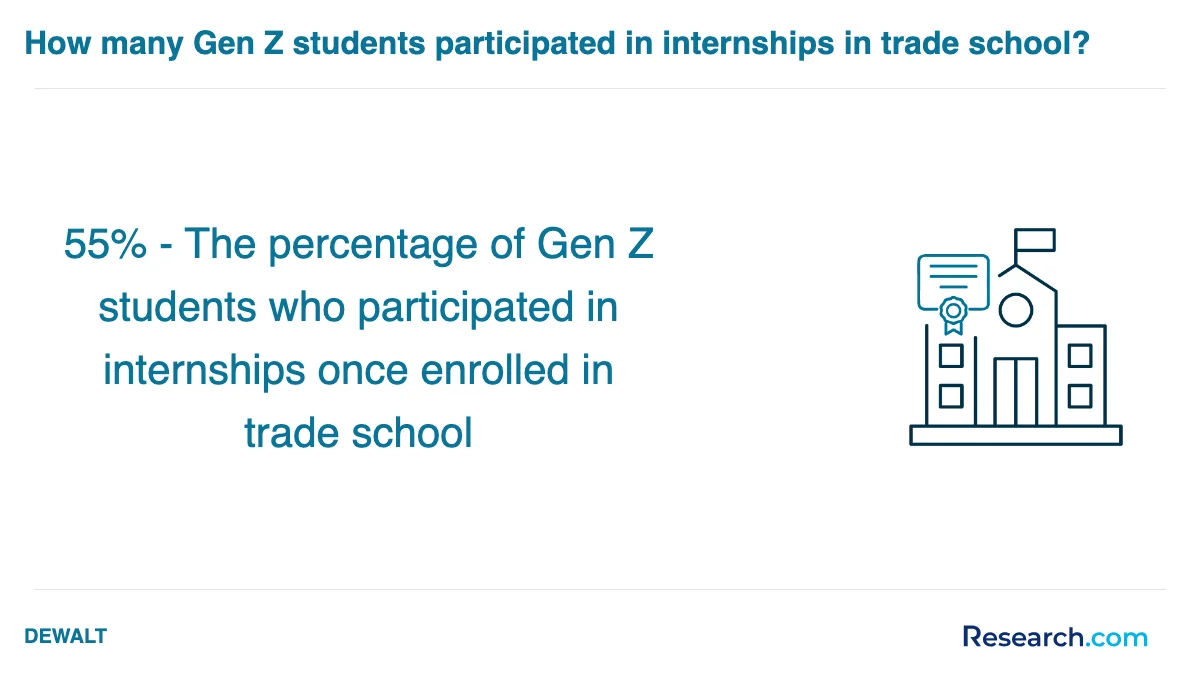
Trade school programs in Bottineau dive straight into practical, hands-on courses that prepare you for real-world success. At Dakota College, students tackle a blend of general education and exciting career-specific classes that keep the learning fresh and relevant.
Graduates often recall starting with essential subjects like communication, math, and social sciences-building critical thinking skills that came in handy on the job. Then, the adventure really begins with specialized training tailored to their chosen path:
- Healthcare enthusiasts explore anatomy, physiology, and patient care, often engaging in clinical practice that feels like stepping into a real hospital.
- Those drawn to business sharpen office skills, accounting, and business communication, perfect for launching careers in bustling local companies.
- Technical and skilled trade students get their hands dirty in automotive technology, agricultural tech, HVAC, and welding, sometimes assembling parts that power Bottineau's industries.
Many recall the thrill of immersive lab work and apprenticeships, like building projects at the T4 Summit, where theory transforms into tangible achievement. Whether on campus or online, Bottineau's trade schools make sure you're ready to leap confidently into your career.
Trade school programs in Bottineau open doors to hands-on, career-ready skills with an exciting variety of specializations. Graduates often share how programs in health professions-from medical assistant to pharmacy technician-give them the confidence to jump straight into fulfilling jobs. The business and computer technology tracks are equally popular, with students mastering everything from accounting to IT support, preparing them for dynamic office and tech roles.
For those drawn to the land, agriculture specializations like crop production and animal science connect classroom lessons to the realities of North Dakota's economy. Meanwhile, educators and community workers finding their path can train in early childhood education or paraprofessional support.
Technical studies stand out for their flexibility; learners craft their own paths exploring fields like renewable energy or industrial maintenance, blending interests into custom careers. Many students also appreciate the choice between on-campus and online study, with some discovering options like cheap electrician training programs online that fit adults balancing work and life demands perfectly.
- Health professions: medical assistant, nursing assistant, pharmacy technician
- Business & computer technology: business management, accounting, IT support
- Agriculture: agri-business, crop production, animal science
- Education & human services: early childhood education, paraprofessional roles
- Technical studies: industrial maintenance, renewable energy, mechatronics
When choosing the best trade school programs in Bottineau, accreditation is your north star. Graduates from Dakota College at Bottineau often share how earning a degree recognized nationwide gave them confidence when stepping into job interviews. Imagine a hands-on certificate program that equips you quickly for work-perfect for those eager to jump into a new career. If you want to stay flexible, consider schools offering online or hybrid courses; many local students juggling jobs found this balance essential to success. Understanding how to compare Bottineau trade schools means digging into costs and financial aid too. Scholarships available for Career & Technical Education students in North Dakota have saved many motivated learners from financial stress. Also, don't overlook support services like career counseling-the students who connected with employers through these channels often land jobs faster. For options focused on affordability, check out programs like cheap solar technician certification online.
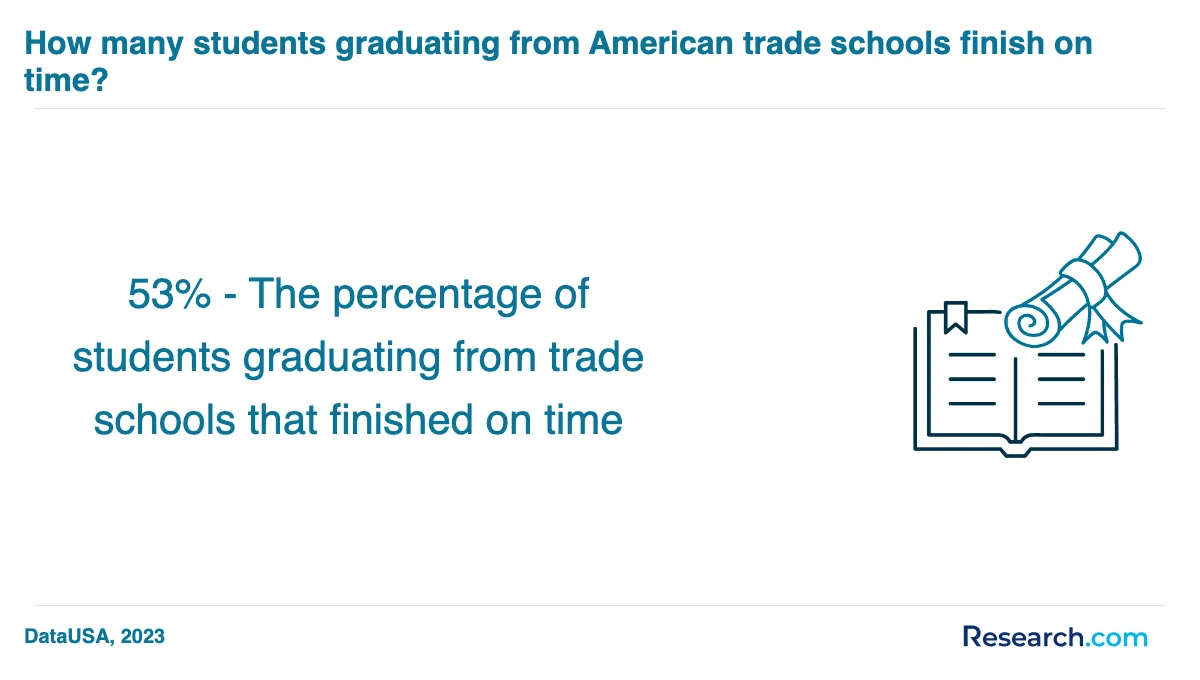
Trade school graduates in Bottineau step confidently into a world of vibrant career paths fueled by local demand and hands-on training. Many find themselves thriving after completing programs at Dakota College at Bottineau, discovering exciting roles in healthcare-such as dental assisting, nursing assistance, or allied health-that directly answer the community's urgent needs. Graduates report real satisfaction knowing their skills help sustain rural North Dakota's wellbeing.
For those intrigued by tech, careers as IT support specialists or network administrators are flourishing, with opportunities to work remotely or locally. The Bottineau trade school job market also extends into business and marketing roles, where graduates support local offices or even shape young minds as marketing teachers. Farming enthusiasts tap into agriculture-focused fields, from agronomy to agricultural equipment technology, fueling the backbone of regional farms.
Skilled technical careers in automotive technology, HVAC, and welding continue to attract adventurous learners, promising rewarding work and strong job prospects. Experience from passionate students at popular Bottineau trade schools shows a deep connection between their training and community needs.
Exploring online trade school programs expands these horizons even further, offering flexible paths tailored to your ambitions in this dynamic career landscape focused on trade school career opportunities in Bottineau.
- Healthcare: dental assisting, allied health, nursing assistance
- Information Technology: IT support, network administration
- Business & marketing: administrative roles, marketing educators
- Agriculture: agribusiness management, agronomy, equipment technology
- Technical trades: automotive technology, HVAC, welding
Exploring job opportunities for trade school graduates in Bottineau reveals a vibrant market fueled by local institutions like Dakota College at Bottineau. Graduates from its health programs, for instance, find rewarding positions such as Licensed Practical Nurses (LPNs) and Registered Nurses (RNs) waiting just around the corner, equipped with credentials that employers actively seek. Imagine stepping into a local clinic or hospital knowing your skills meet real-world demand-this is the exciting reality students face here.
Retail and technical support roles also open doors effortlessly, with businesses like Walmart and Cenex C-Store regularly hiring graduates with certificates and associate degrees. Graduates often share stories of quickly landing roles as merchandisers, stockers, or sales consultants, leveraging skills honed through practical, hands-on training.
The Bottineau North Dakota career outlook for CTE graduates extends beyond these fields to agriculture and natural resources, where the college's programs in wildlife, fisheries, and agriculture management prepare students for local industries with promising futures. For those balancing work and life, flexible options-including affordable online landscaping technology courses-add an adventurous, accessible route to building practical skills and entering the workforce.
- Strong healthcare demand for LPNs and RNs
- Retail and technical support roles at trusted local companies
- Growing opportunities in agriculture, wildlife, and natural resources
- Flexible program options catering to diverse student needs
Most Affordable Trade School & Training Programs - Leading Certification Courses in Bottineau for 2026
# 1 position
Dakota College at Bottineau - Computer Systems Networking and Telecommunications.
associateDakota College at Bottineau offers a hybrid program in Computer Systems Networking and Telecommunications, focusing on the design, implementation, and management of linked computer systems and software to enhance efficiency and productivity. The curriculum includes operating systems, systems design, networking theory, network management, security, and troubleshooting. The program’s annual in-state tuition is $5,347 and it is accredited by the Higher Learning Commission.
# 2 position
Dakota College at Bottineau - Medical Administrative/Executive Assistant and Medical Secretary.
associateDakota College at Bottineau offers a Medical Administrative/Executive Assistant and Medical Secretary program designed to prepare students for roles supporting physicians, nurses, and healthcare administrators. The curriculum covers business and medical communications, medical terminology, healthcare operations, software applications, scheduling, and professional ethics. The program is accredited by the Higher Learning Commission. Annual in-state tuition costs $5,347.
# 3 position
Dakota College at Bottineau - Diagnostic Medical Sonography/Sonographer and Ultrasound Technician.
associateDakota College at Bottineau offers a Diagnostic Medical Sonography/Sonographer and Ultrasound Technician program with a hybrid format that includes some distance education. The program trains students to operate sonography equipment and gather diagnostic ultrasound data under physician supervision. It covers patient care, data recording, and professional ethics. Annual in-state tuition is $5,347. The program is accredited by the Higher Learning Commission.
# 4 position
Dakota College at Bottineau - Accounting Technology/Technician and Bookkeeping.
associateDakota College at Bottineau offers an Accounting Technology/Technician and Bookkeeping program designed to prepare students for technical administrative roles supporting accountants and financial personnel. The curriculum includes training in posting transactions, record-keeping systems, accounting software, and general accounting principles. The program’s annual in-state tuition is $5,347. It is accredited by the Higher Learning Commission.
# 5 position
Dakota College at Bottineau - Marketing/Marketing Management, General.
associateDakota College at Bottineau offers a hybrid Marketing/Marketing Management program designed to prepare students for managing the development of consumer audiences and product distribution. The curriculum covers buyer behavior, marketing research principles, demand analysis, pricing theory, strategic planning, advertising, sales management, and retailing. The annual in-state tuition is $5,347. The program is accredited by the Higher Learning Commission.
# 6 position
Dakota College at Bottineau - Medical Insurance Coding Specialist/Coder.
certificate or diplomaDakota College at Bottineau offers a Medical Insurance Coding Specialist/Coder program that trains students in specialized data entry, classification, and record-keeping for medical diagnostics, treatment, billing, and insurance documentation. The curriculum covers medical records software, anatomy, physiology, medical terminology, coding, and Medicare regulations. The program’s annual in-state tuition is $5,347. It is accredited by the Higher Learning Commission.
Frequently Asked Questions about trade school programs
After completing trade school in Bottineau, preparing for the job market involves several practical steps. First, graduates should build a strong résumé that highlights hands-on skills and certifications earned during their program. Local employers often value experience with relevant tools and techniques over traditional degrees.
Networking is crucial; job fairs and apprenticeship opportunities in Bottineau can connect students with employers in fields like welding, electrical work, or automotive repair. According to the North Dakota Department of Labor, the demand for skilled tradespeople in Bottineau County is projected to grow by 5% through 2028.
Finally, staying updated on industry standards and gaining additional certifications can enhance employability and salary potential in competitive job markets.
Employers in Bottineau highly value trade school graduates who demonstrate strong technical skills relevant to their industry. According to the U.S. Bureau of Labor Statistics, practical abilities in fields such as automotive repair, welding, and electrical work are essential for job success. In addition, employers seek candidates with problem-solving skills and the ability to adapt to new technologies, reflecting the evolving nature of trade professions.
Soft skills are equally important. Effective communication, teamwork, and a strong work ethic improve a graduate's chances of employment in Bottineau's competitive trade job market. The North Dakota Job Service highlights that nearly 60% of employers prioritize reliability and punctuality during hiring decisions.
Finding internships in Bottineau related to your trade school program begins with leveraging local resources. The Bottineau Job Service office often lists apprenticeships and internships specific to skilled trades such as electrical, carpentry, and automotive services. Many local businesses connected to the Red River Valley area participate in internship programs for trade students. Checking with your school's career services can also reveal partnerships with employers offering practical work experience.
A 2023 survey by the North Dakota Department of Labor showed that nearly 40% of trade students in Bottineau secured internships through direct outreach to local employers. Online platforms like NDWorks, the state's employment website, frequently post opportunities tailored to vocational education. Networking with local chambers of commerce and industry associations is another effective way to find internships that complement your training.
Obtaining a trade school diploma in Bottineau can significantly enhance career mobility and advancement opportunities. According to data from the U.S. Bureau of Labor Statistics, skilled trades often experience steady demand, which translates into more job openings and potential wage growth for certificate holders. Employers in Bottineau frequently seek candidates with practical skills and accredited credentials, making trade diplomas valuable in local labor markets.
A diploma signals to employers that a candidate possesses specialized training, improving chances for promotions or higher pay. For example, graduates in fields like HVAC, electrical work, or welding can benefit from clear pathways to supervisory roles. Local workforce development reports show that trade school graduates in Bottineau typically earn 15-25% more than their counterparts without formal credentials.
Additionally, trade schools in the area often partner with local industries, providing real-world experience that boosts networking and hiring potential. This hands-on focus equips students to quickly adapt to evolving job requirements, supporting long-term career growth in Bottineau's economic environment.
Part-time job opportunities in Bottineau that complement trade school education are largely centered around industries relevant to technical skills. Students enrolled in programs like automotive technology, healthcare, or HVAC often find positions as assistants, apprentices, or entry-level technicians. These roles provide practical experience alongside academic training.
According to the North Dakota Job Service, key sectors in Bottineau include construction, healthcare support, and manufacturing, which regularly offer part-time or flexible positions suitable for trade students. For example, healthcare aides can earn about $12-$15 per hour, gaining valuable patient care experience.
Apprenticeships and part-time roles in local shops or clinics help students build hands-on skills, enhancing employability upon graduation. Combining study with work in industries prominent in Bottineau allows students to apply classroom knowledge in real-world settings efficiently.
To choose the most affordable degree program near Bottineau, ND, you can start by researching local community colleges and public universities that offer lower tuition rates for in-state students. Additionally, online resources like Research.com can assist in comparing program costs and finding available financial aid opportunities near you. Furthermore, consider programs that offer flexible learning options, which can reduce overall expenses related to commuting or accommodation.
- Career and Technical Education Month :: Dakota College at Bottineau https://www.dakotacollege.edu/about/news/career-and-technical-education-month-1
- Students learn trade skills at T4 summit | North Dakota Petroleum Foundation https://ndpetroleumfoundation.org/students-learn-trade-skills-at-t4-summit/
- Find The Best Trade Schools In North Dakota https://www.accreditedschoolsonline.org/vocational-trade-school/north-dakota/