
Most Affordable Certificate Programs - Leading Certification Courses in St. Petersburg for 2026

Co-Founder and Chief Data Scientist
Choosing the right trade school certificate program in St. Petersburg can feel overwhelming, but it doesn’t have to be. This article introduces a detailed ranking of the most affordable certificate programs for 2026, created by the Research.com team of data scientists.
With clear insights and reliable data, the ranking helps you find programs that offer real value without breaking the bank. Earning a trade school diploma or certification opens doors to rewarding careers and new opportunities.
Take a confident step toward your future by exploring these well-researched options.
Key benefits of getting trade school certificate in St. Petersburg
- Competitive Salaries: Trade school graduates in St. Petersburg can earn strong wages, with training technicians making about $73,000 per year and technology roles offering up to $88,000 annually. Other careers like garage door technicians and electricians also provide solid incomes.
- Diverse Career Options: Popular paths include construction work, healthcare roles, and tech jobs. These areas offer practical skills that are in demand locally, helping you find a rewarding and stable career after certification.
- Flexible Online Learning: Many students benefit from online trade school programs, which let you balance education with work or family life. This flexibility can speed up your path to certification while fitting your personal schedule.
- Most Affordable Certificate Programs - Leading Certification Courses in St. Petersburg for 2026
- What can I expect from trade school certification programs in St. Petersburg?
- Where can I work with trade school certification in St. Petersburg?
What can I expect from trade school certification programs in St. Petersburg?
The average cost of a trade school certification program in St. Petersburg hovers around $19,000 per year, though this can shift depending on the specific program and whether you're a local resident. Many students attending places like Pinellas Technical College appreciate that this investment is balanced by the short time frames-some finish in just weeks, others within a year-letting them jump into the workforce quickly.
Graduates often share how flexible schedules-think evening or weekend classes-fit their busy lives, especially when juggling jobs or family. Those going through healthcare programs at St. Petersburg College, for example, enjoy hands-on clinicals that give real patient experience before they even graduate, which builds confidence and excitement about their careers.
Students in trades like HVAC or electrical technology mention the workshops and labs as game-changers, helping them get comfortable with tools and techniques early on. Many appreciate that the schools' strong ties to local employers mean career help and job placement are ready and waiting as soon as they complete their certification.
Where can I work with trade school certification in St. Petersburg?
After finishing a trade school certification program in St. Petersburg, you'll find plenty of doors open across several industries. Graduates from popular local schools often jump into construction roles like carpentry or HVAC tech jobs, earning solid salaries-carpenters here pull in about $59,310 a year. Many start out as apprentices, learning on real job sites while building skills that lead to steady work or even subcontracting gigs.
Others find themselves working in healthcare, taking on roles like Certified Nurse Assistants or Medical Administrative Assistants. These positions not only offer meaningful day-to-day work but also provide competitive pay-CNAs earn a median of $39,530 annually in St. Petersburg. It's common to see graduates thriving in hospitals, clinics, and long-term care facilities around town.
Electrical certification grads often land electrician jobs, maintaining and installing systems in homes and businesses, with median pays near $62,350. Facilities maintenance careers are also growing; here you'll keep big buildings running smoothly, handling everything from plumbing to HVAC systems. Many grads say the hands-on training they got in local trade schools made stepping into these roles straightforward and rewarding.
After finishing a trade school certification program in St. Petersburg, many grads find themselves stepping into solid-paying jobs without the long wait of a traditional degree. For example, electricians starting out often land around $50,000 a year, and with a few years on the job, that can climb past $68,000-and even reach close to $80,000 with enough experience. HVAC technicians from local programs report starting near $40,000, which feels pretty good for jumping straight into work, and after gaining some certifications, they can earn over $73,000. Many students from popular St. Petersburg trade schools share how their hands-on training helped them get hired fast and confidently know their worth.
Healthcare-related certifications, like EMTs or sterile processing techs, typically bring in about $50,000 to $54,000 annually. Repair and service techs also see hourly wages generally in the mid-$20s. Some specialized fields, like sign language interpreting, offer even higher rates, which makes advanced certification rewarding both personally and financially.
Most grads find starting salaries between $40,000 and $60,000 in St. Petersburg, with plenty of room to boost earnings as they gain experience and credentials.
- Maria: Completing my HVAC certification in St. Petersburg was life-changing. The hands-on training prepared me to confidently troubleshoot real-world problems. Thanks to the school's strong local connections, I landed a job quickly and now enjoy serving the community while advancing my skills daily.
- Dmitry: The automotive technology program was intense but rewarding. The instructors' expertise and practical approach made complex concepts easy to grasp. Getting certified opened doors to a well-paying mechanic role here in St. Petersburg, fulfilling my dream of a stable career doing what I love.
- Elena: Becoming a certified electrician through the trade school was empowering. The supportive environment and up-to-date curriculum helped me master the craft. Today, I take pride working on residential projects around St. Petersburg, grateful for the confidence and opportunities this education gave me.
- Trade school certification programs in St. Petersburg often take less than a year to complete, with some courses lasting as little as 4-6 weeks for classroom training.
- The average annual cost of vocational training in the Tampa Bay and St. Petersburg area is about $19,000, with financial aid options available including grants and scholarships.
- Graduates earn industry-recognized certifications such as CompTIA for IT and credentials in HVAC and welding, valued by regional employers.
- Starting salaries for trade school graduates typically range from $35,000 to $45,000 annually, with opportunities for growth as experience increases.
- Flexible scheduling options like part-time and evening classes help students balance study with work or family commitments.
Completing a trade school certification program in St. Petersburg is often quicker than you might expect, making it a popular choice for students eager to jump into the workforce. Many programs here wrap up in just a few months-some accelerated courses, like dental assisting, can be finished in as little as 10 weeks. Graduates often share how rewarding it felt to land a job within months of starting their studies.
For healthcare programs such as medical assisting or pharmacy technician diplomas offered at schools like Concorde Career Institute, students usually complete their training in under a year. Others pursuing skills like massage therapy or esthetics might spend anywhere from 10 weeks to six months, depending on whether they study full- or part-time.
Trade schools like St. Petersburg College and Pinellas Technical College cater to working adults with evening and weekend classes, which means flexible schedules but longer completion times for some. Most students find the clear timelines offered by these schools very helpful, making the path to certification feel achievable and straightforward.
The main difference between online and on-campus trade school certification programs in St. Petersburg comes down to how and where you learn. Online programs let you study from home, making it easier to juggle classes with work or family. Graduates from these programs often say they loved the flexibility-working on assignments late at night or catching up during weekends without the stress of a daily commute. This setup really fits students who are self-motivated and comfortable with technology.
On the other hand, those who enroll at places like Pinellas Technical College experience hands-on learning every day. They spend time in labs with real equipment, getting direct feedback from instructors and classmates. Many grads appreciate this environment because it builds confidence-they feel ready to step into a job after practicing skills like welding or HVAC repair in person. The structured schedule helps them stay focused and connected, which some find motivating compared to studying solo.
In St. Petersburg, both options often cost around the same and come with solid financial aid, so the choice usually boils down to what suits your lifestyle and trade goals best.
The average trade school cost in St. Petersburg usually falls between $2,000 and $7,000, which makes it a manageable investment for many students. For example, a graduate from Pinellas Technical College shared that their tuition and fees came to about $5,671 for a vocational program lasting around a year. However, it's important to remember that books and supplies add extra costs, sometimes several hundred to a few thousand dollars depending on the program.
Graduates from the Licensed Practical Nurse program often mention the combined cost of tuition and supplies reaching close to $7,700. This sounds like a lot upfront, but many find it rewarding because the program takes about 14 months, leading directly to a stable career. On the flip side, automotive mechanics students note higher costs for books and supplies-sometimes over $7,000-pushing total expenses beyond $10,000. Still, they appreciate the hands-on training that prepares them well for local job opportunities.
For those exploring shorter, less equipment-heavy programs in St. Petersburg, like child care certification, expenses can be as low as just a few hundred dollars. Others enrolled in the St. Petersburg College Lineworker Training Program pay around $6,200 for a focused 14-week course, finding the intensive format convenient and cost-effective.
Many locals searching for St. Petersburg vocational program tuition and fees discover that these public technical colleges offer solid value compared to statewide averages of $18,000-$25,000. This affordability combined with available financial aid options makes trade schools an attractive path. If you're still wondering about cost variations or curious about what is the difference between a trade school and a vocational program, consider checking out what is the difference between a trade school and a vocational program for more insight.
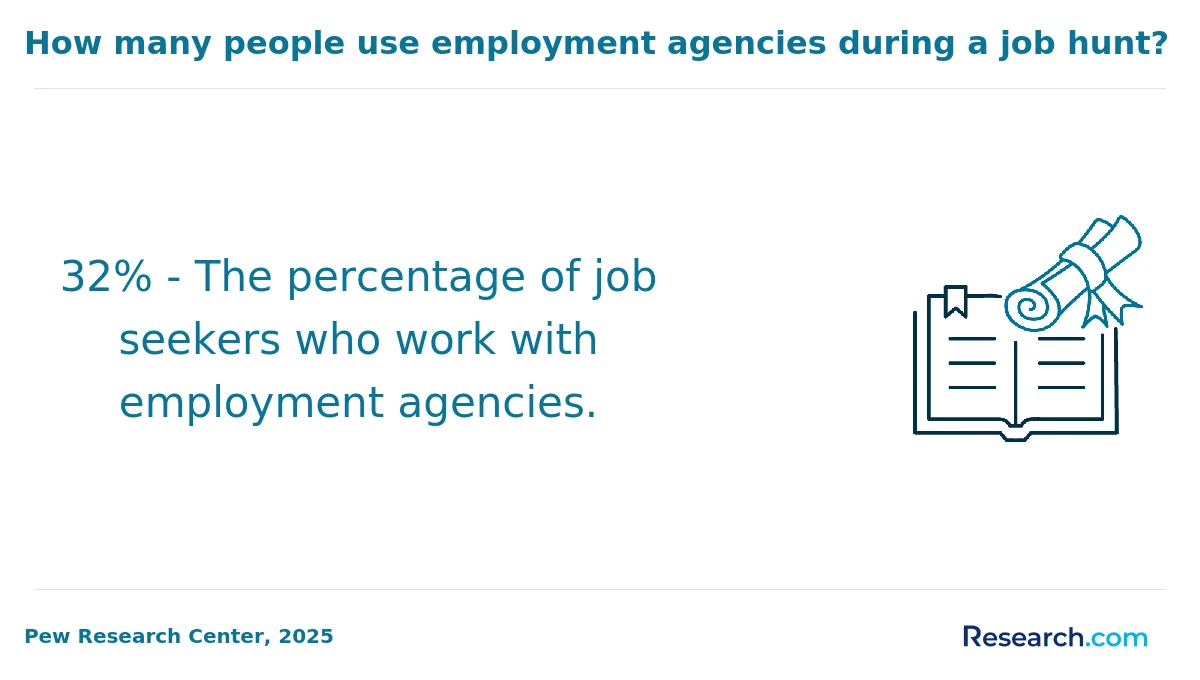
Students enrolled in trade school certification programs in St. Petersburg have several financial aid options that make pursuing their goals much more manageable. For instance, many at Pinellas Technical College find relief through federal grants like the Pell Grant, which don't require repayment and provide an average of $5,825 per year. This kind of aid can cover a big chunk of tuition and allow students to focus more on their studies without extra financial stress.
State grants add another layer of support, with programs such as the Florida Student Assistance Grant helping residents pay for approved trade certifications. Around 11% of Pinellas students benefit from these grants with an average amount of $1,235 annually.
Institutional grants and scholarships also brighten the financial picture. Roughly 15% of students at local trade schools receive grants averaging $1,584 per year, and scholarships reward hard work or unique talents without adding repayment worries.
Work-study jobs on campus are another popular way to earn while learning, letting students gain hands-on experience without stepping far from class.
Because most aid programs hinge on completing the FAFSA, local schools like St. Petersburg College offer helpful counseling to guide students through the process. Many grads share how this support made a real difference, easing the path toward their certificates and future careers.
If you're thinking about enrolling in a trade school certification program in St. Petersburg, there are a few key prerequisites you'll want to be ready for. Most schools, like Pinellas Technical College, require a high school diploma, GED, or proof of homeschool completion. It's a straightforward step that many graduates found reassuring-it assured them they had the foundation to succeed.
Age can be a factor too. Typically, you need to be at least 18 to enroll on your own. But some programs accept younger students, even those as young as 14, if they're part of special tracks or have parental consent. This flexible approach has allowed motivated teens in St. Petersburg to start their careers early.
In addition, many programs ask you to complete entrance exams or skills assessments. For example, if you're diving into Construction Design Technology at Pinellas Technical College, expect math and reading tests around a 9th-grade level. This ensures you're ready to handle real-world challenges.
Some programs also require extra steps like:
- Previous coursework or relevant experience
- Personal statements or letters of recommendation
- Interviews
One graduate shared how preparing for these assessments gave them confidence going into their program. Another highlighted how gathering transcripts and other documents early made the application process smooth. These steps can feel like hurdles, but they're designed to set you up for success right from the start.
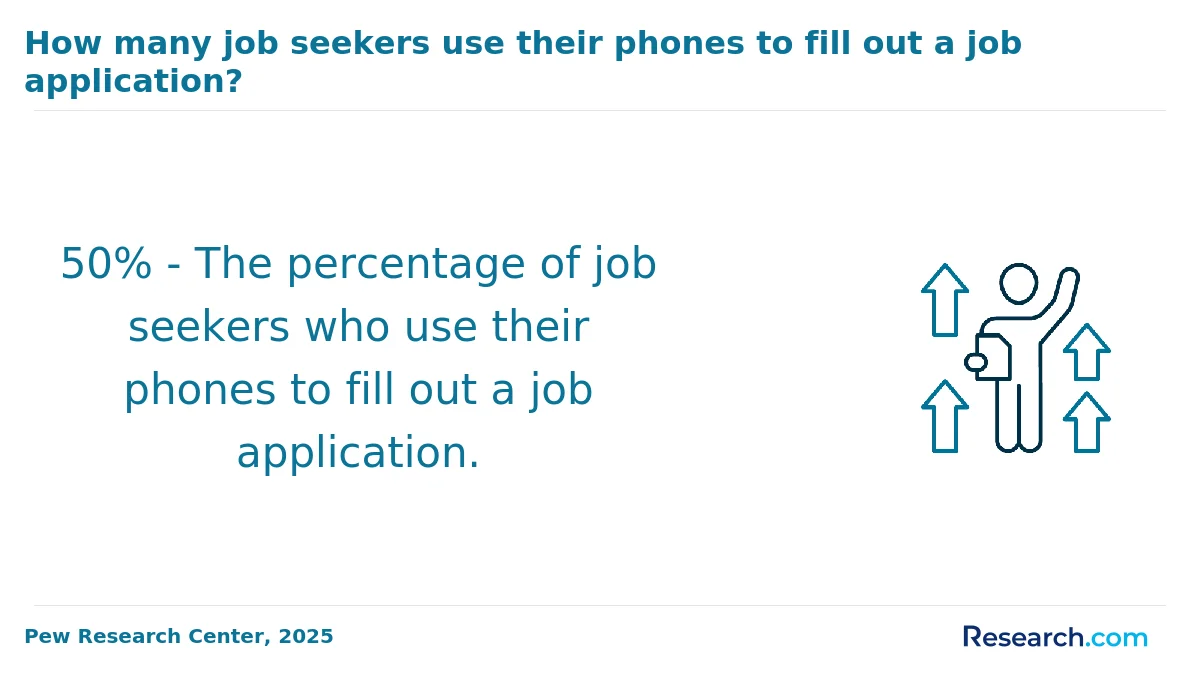
If you're exploring trade school courses in St. Petersburg, expect a diverse and practical lineup designed to get you job-ready fast. Graduates from local schools like Pinellas Technical College often share how courses such as Automotive Collision Technology or Master Automotive Service Technology gave them real hands-on experience troubleshooting and fixing vehicles-skills they could use the very next day at their new jobs.
Other popular choices in the St. Petersburg certificate program curriculum focus on construction, with classes on blueprint reading and building techniques, or public infrastructure fields like plumbing and public works that teach essential city system maintenance.
Healthcare and emergency training is also a big draw with programs in Practical Nursing, EMT, and Surgical Technology, where students get to practice clinical skills alongside instructors who know Florida's strict licensing standards. For those with a creative streak, cosmetology programs cover everything from hairstyling to nails, blending classroom learning with salon experience.
Tech-savvy students benefit from courses in Computer Systems, Welding, and even specialized equipment training. Some grads take advantage of industry certifications like CompTIA Security+ or Certified Ethical Hacker for extra edge. You can even find most affordable solar technician training online opportunities linked to local programs, expanding options further.
Choosing among the best trade school programs in St. Petersburg means focusing on what really matters: accreditation, hands-on experience, and programs that match your career goals. Graduates from places like Pinellas Technical College often share how the real-world labs and apprenticeships gave them the confidence and skills to hit the ground running. These local schools carefully update their programs to reflect what employers in St. Petersburg want, so you're not just learning theory but practical skills that pay off.
Also, considering how to compare trade school costs in St. Petersburg is key. Many find that affordable tuition combined with flexible scheduling-like evening or hybrid classes-makes it easier to balance work and study. Plus, career services at these schools, including resume help and job placement, truly make a difference when starting out.
For those exploring quick routes into well-paying jobs, checking out the easiest trades that pay well can be a smart move to match your training with career success.

Graduates from trade school certification programs in St. Petersburg find a variety of exciting career paths right in their backyard. Many jump into trade school jobs in St. Petersburg FL like HVAC technician, electrician, welder, plumber, or carpenter, especially if they studied at hands-on places like Pinellas Technical College. These roles are in steady demand thanks to ongoing local construction and infrastructure projects, making it easier to start working quickly.
Healthcare is another booming field-fields such as medical assisting, dental hygiene, and pharmacy tech are popular choices. Graduates often share how fulfilling it feels to help people and find stable, rewarding positions. You'll also see folks thriving in business and info tech, with certifications in networking or cloud computing opening doors to roles many might not expect within the area.
There are also vibrant opportunities in hospitality, culinary arts, real estate, and beauty and wellness. If you're curious about hands-on skills, check out low cost online carpentry courses for a flexible path to workforce entry.
These career opportunities for technical certificate graduates St. Petersburg lead to real, attainable jobs, often supported by internships and employer partnerships for smooth transitions into the workforce.
If you're considering trade school certification programs in St. Petersburg, you'll be glad to know the job market is buzzing with opportunity. Graduates from local schools often find themselves stepping into well-paying roles in fields like HVAC, welding, electrical work, and maintenance with salaries ranging from $47,000 to $80,000. Many grads share stories of landing jobs quickly thanks to strong partnerships between popular trade schools like St. Petersburg College and regional employers. The St. Petersburg trade certification employment outlook is positive, with employers actively seeking candidates with hands-on skills and certifications.
Some key reasons for this promising scene include:
- 238 skilled trade jobs currently available in the area, offering diverse options like painter or building inspector
- Positions from local government requiring either experience or vocational training
- Apprenticeships growing with median wages around $21 per hour
For anyone debating their next steps, it's worth checking out detailed info on is it better to go to college or trade school. The job opportunities for trade school graduates in St. Petersburg make it clear that vocational routes can lead to stable careers with benefits and career growth.
Most Affordable Certificate Programs - Leading Certification Courses in St. Petersburg for 2026
# 1 position
St Petersburg College - Veterinary/Animal Health Technology/Technician and Veterinary Assistant.
certificate or diplomaSt Petersburg College offers a Veterinary/Animal Health Technology/Technician and Veterinary Assistant program designed to prepare students for roles assisting veterinarians and animal health professionals. The curriculum covers animal nursing, clinical procedures, radiology, anesthesiology, surgical assisting, and office administration. The program is accredited by the Southern Association of Colleges and Schools Commission on Colleges. Annual in-state tuition is $2,682.
# 2 position
St Petersburg College - Medical Insurance Specialist/Medical Biller.
certificate or diplomaSt Petersburg College offers a Medical Insurance Specialist/Medical Biller program designed to prepare students for managing medical and health insurance operations in various healthcare settings. The hybrid program includes instruction in insurance processes, law, office administration, software applications, billing, medical terminology, and communication skills. The annual in-state tuition is $2,682. Graduates have median earnings of $36,407 one year after completion. The program is accredited by the Southern Association of Colleges and Schools Commission on Colleges.
Frequently Asked Questions about trade school certificates
After completing trade school certification programs in St. Petersburg, preparing for the job market involves several practical steps. First, graduates should refine their resumes to highlight relevant skills and certifications, tailored to local industry demands. According to the Florida Department of Economic Opportunity, healthcare, construction, and automotive sectors show steady job growth in this region.
Networking is also essential; attending local job fairs and joining professional associations can create valuable connections. Additionally, many trade schools in St. Petersburg offer job placement services-graduates should leverage these resources early.
Continuing education or obtaining additional certifications can further improve employment prospects. Staying informed about local labor market trends will help graduates align their skills with employer needs.
Employers in St. Petersburg highly value trade school certification graduates who demonstrate strong technical skills matched to their field. According to the Florida Department of Economic Opportunity, skills in areas like electrical work, HVAC systems, and welding are in increasing demand, reflecting regional industry growth. In addition to hands-on expertise, mastery of safety protocols and equipment operation ranks among top priorities.
Soft skills are equally vital. Communication, punctuality, and teamwork frequently appear in local employer surveys as essential traits for successful hires. The National Association of Manufacturers highlights that 70% of employers consider problem-solving skills crucial for trade workers.
Overall, technical proficiency combined with solid interpersonal abilities offers graduates the best hiring prospects in St. Petersburg's trade sectors.
Finding internships in St. Petersburg that align with your trade school certification requires proactive research and networking. Start by exploring local workforce development boards such as the Pinellas County CareerSource, which connects students with companies seeking skilled interns in fields like automotive repair, healthcare, and information technology. According to the Florida Department of Education, approximately 30% of trade program students in the Tampa Bay area secure internships annually through these resources.
Engage with your trade school's career services, as many have partnerships with local businesses offering hands-on internship opportunities. Additionally, attending industry-specific job fairs held in St. Petersburg can provide direct connections with employers.
Online platforms like Handshake or Indeed list internships tailored to trade skills in the region. Using these strategies can help students gain vital practical experience related to their certifications.
Trade school certification programs in St. Petersburg significantly enhance career mobility and advancement opportunities for students. According to the National Center for Education Statistics, individuals with certifications often experience faster entry into the workforce compared to those with traditional degrees. In St. Petersburg, local labor market analyses show that certified trade workers, such as electricians and HVAC technicians, have employment growth rates exceeding 10% annually.
Certifications provide practical skills directly aligned with employer needs, which improves job security and potential wages. For example, the Florida Department of Economic Opportunity reports that certified professionals in construction trades earn median salaries 15-20% higher than uncertified peers. Additionally, trade certifications enable workers to pursue promotions and specialized roles more quickly.
Overall, certification attainment supports social mobility by offering accessible education pathways and aligning skills with industry demand in the St. Petersburg job market.
Part-time job opportunities in St. Petersburg that complement trade school certification programs typically align with the skills students develop during their training. For example, individuals pursuing certifications in automotive technology may find part-time work at local repair shops or dealerships, gaining practical experience while earning. According to the U.S. Bureau of Labor Statistics, the automotive service technicians and mechanics sector is growing by 5% nationally, which reflects local demand.
Students in healthcare programs, such as medical assisting or dental hygiene, can often work part-time as clinic assistants or receptionists. This hands-on experience helps reinforce their classroom learning. Retail trade and construction also offer relevant part-time roles for those focusing on electrician or carpentry certifications.
The Florida Department of Economic Opportunity reports that part-time employment in trade-related fields in Pinellas County, where St. Petersburg is located, has remained stable, allowing students flexibility to balance work and education.
To choose the most affordable degree program near you in St. Petersburg, FL, start by researching local universities and community colleges, as they often offer competitive tuition rates and a variety of programs. Utilize resources like Research.com to compare academic offerings, tuition costs, and financial aid options near St. Petersburg, FL. Additionally, consider reaching out to admissions offices for detailed information on scholarship opportunities and flexible payment plans available at institutions near me.
- Degree Programs - Courses https://courses.spcollege.edu/DegreePrograms
- What Is the Shortest Time to Complete Electrical Trade School in Florida? | CBT Technology Institute https://www.cbt.edu/blog/what-is-the-shortest-time-to-complete-electrical-trade-school-in-florida/
- 5 Tips for Getting Ready for a Job After Trade School - Techneeds https://www.techneeds.com/2022/05/12/5-tips-for-getting-ready-for-a-job-after-trade-school/
- Why Choose Trade Schools? Discover the Pros of Vocational Education in 2025 | OshaEducationCenter.com https://www.oshaeducationcenter.com/pros-and-cons-of-trade-schools/
- Online Skilled Trades Training Programs | Penn Foster https://www.pennfoster.edu/programs/trades
- Are Online Trade Schools Worth It? - Center for Employment Training https://cetweb.edu/blog/are-online-trade-schools-worth-it
- Types of Financial Aid || St. Petersburg College https://www.spcollege.edu/financial-aid/types-of-financial-aid
- Best Vocational Trade Schools in Florida | Top Trade Schools https://toptradeschools.com/states/florida/
- Research - Most Affordable Online Carpentry Trade School Programs https://research.com/degrees/most-affordable-online-carpentry-trade-school-programs
- CCE | CCE - Trades https://www.palmbeachstate.edu/CCE/trades.aspx


