
Best Associate Degree Programs - Leading Certification Courses in Michigan for 2026

Co-Founder and Chief Data Scientist
Choosing the right associate degree program in Michigan can feel overwhelming, but you’re not alone. This article introduces a carefully researched ranking of the best associate degree programs for 2026, created by the Research.com team of data scientists. Their goal is to help you make an informed choice about which trade school programs truly stand out.
Exploring these options can open doors to new career opportunities and provide valuable skills for the future. Whether you’re starting fresh or considering a change, this guide encourages you to take confident steps toward your goals with an associate degree.
Key benefits of associate degrees in Michigan
- Associate degree holders in Michigan can expect competitive salaries: Administrative Supervisors earn up to $61,670, Operations Administrative Assistants around $42,296, and many entry-level roles offer between $27,000 and $38,000.
- Graduates from Michigan schools like Monroe County Community College and Davenport University start strong, with first-year salaries averaging $44,380 and $37,926 respectively, showing popular career paths that offer solid financial stability.
- Choosing an online associate degree offers flexibility and convenience, allowing students to balance work and study, often completing programs faster and gaining valuable skills without relocating or commuting.
- Best Associate Degree Programs - Leading Certification Courses in Michigan for 2026
- What can I expect from associate degree programs in Michigan?
- Where can I work after finishing associate degree programs in Michigan?
What can I expect from associate degree programs in Michigan?
The average cost of an associate degree program in Michigan varies widely depending on the institution and program type. Public colleges such as Oakland Community College and Lake Michigan College typically offer more affordable tuition compared to private colleges. Graduates from public schools often reflect on how managing tuition under $10,000 per year allowed them to focus more on their studies rather than financial stress.
Students attending Northern Michigan University appreciate the option to take courses online, which can reduce commute expenses and offer flexible scheduling for working adults. Many find that scholarships and prior credits earned in high school can further lessen the cost and duration of their studies.
While private colleges generally have higher tuition rates, they often provide personalized support and smaller class sizes, which some graduates say enhances their learning experience and career prospects. Considering total costs, including fees and books, helps paint an accurate picture of the financial commitment involved in earning an associate degree in Michigan.
Where can I work after finishing associate degree programs in Michigan?
Graduates of associate degree programs in Michigan often find employment in diverse, growing fields that match their training. Those coming from popular schools like Grand Rapids Community College or Macomb Community College share stories of quickly landing roles as registered nurses or dental hygienists, fueled by strong demand in local healthcare facilities. The state's aging population and hospital expansions create opportunities where graduates feel their skills truly matter.
Others have stepped into skilled trades such as HVAC technician or electrician roles, especially near Detroit's manufacturing hubs. These positions offer hands-on work with steady growth, providing a tangible sense of accomplishment and financial independence. Information technology graduates, from institutions like Washtenaw Community College, frequently report entering jobs as network technicians or computer support specialists, reflecting businesses' investments in digital infrastructure within Michigan.
Administrative roles also attract associate degree holders, with graduates working as office managers or accounting assistants at companies valuing practical experience combined with formal education. These career paths demonstrate the direct impact of Michigan's focused training programs and initiatives that guide students into meaningful employment quickly after graduation.
After finishing an associate degree program in Michigan, you can typically expect to earn around $36,020 annually, or about $17.32 per hour. This average reflects many entry-level roles available across industries that value associate degrees.
However, salaries vary widely depending on factors like the specific field and location. For instance, graduates who reach the top 25% of earners make $37,500 or more yearly, while the top 10% can earn up to $54,038. Imagine working as an Administrative Supervisor-one of the higher-paying roles-with potential earnings near $61,670 per year, well above the general average.
Graduates from popular Michigan schools report competitive starting salaries. Those from Macomb Community College average $44,380 early in their careers, reflecting strong local demand. Similarly, Davenport University alumni see early salaries around $37,926, showing promising outcomes for associate degree holders.
This range, generally between $27,000 and $54,000 annually, highlights that your choice of program and school in Michigan can shape how much you make after graduation.
- Emily: Earning my Associate Degree in Nursing from a Michigan trade school was a life-changing decision. The hands-on training prepared me thoroughly, and I secured a great job at a local hospital. The supportive instructors and practical experience made all the difference in starting my healthcare career confidently.
- Jamal: My Associate Degree in Automotive Technology taught me valuable skills that landed me a technician role at a top Michigan dealership. The trade school's real-world workshops and industry connections gave me a head start in this competitive field. Proud to be part of Michigan's skilled workforce!
- Katie: Studying Early Childhood Education at a Michigan community college was both rewarding and practical. The program's mix of classroom knowledge and internship opportunities helped me quickly find a joyful job teaching preschoolers. It's fulfilling to make a difference locally while building a strong foundation for my career.
- Applicants need a high school diploma or GED; some programs require a GPA between 2.0 and 2.25 for admission.
- Associate degrees usually require completing at least 60 credit hours with a cumulative GPA of 2.0 or higher.
- Michigan Reconnect offers free in-district tuition and fees for adults 25 or older who have lived in Michigan for one year and have no prior college degree.
- The average annual cost at public community colleges ranges from $3,500 to $4,500 before financial aid.
- Graduates can expect starting salaries between $38,000 and $44,000 per year, especially in healthcare, IT, and skilled trades.
The typical timeframe to complete an associate degree program in Michigan is about two years for full-time students attending community colleges or technical schools. Graduates from institutions such as Macomb Community College and Grand Rapids Community College often describe this period as intense yet rewarding, citing a standard 12 to 15 credit hour semester load that balances coursework and personal responsibilities effectively.
Part-time students, especially those juggling work or family, might find themselves taking closer to three years. Many share that despite the longer timeline, their dedication flourished with flexible class schedules tailored to Michigan's diverse student needs.
Some graduates mention finishing in less than two years by leveraging credits earned in high school or through prior learning assessments. Online program participants from popular Michigan schools occasionally experience accelerated paths, completing their degrees in as little as 16 to 18 months thanks to intensive, well-structured course formats.
For technical degrees involving hands-on training, like at Washtenaw Community College, timelines sometimes extend due to limited clinical slots, but students appreciate the practical skills gained alongside their diplomas.
The difference between online and on-campus associate degree programs in Michigan centers on how education is delivered and experienced. Online programs, such as those at Mid Michigan College and Northwestern Michigan College, offer flexibility by allowing students to access coursework on their own schedules. Graduates often mention the convenience of studying from home or work, which helps balance family and job responsibilities. Some appreciate the asynchronous format, while others value synchronous sessions that provide live interaction without the commute.
On the other hand, on-campus programs require attendance at set times, fostering direct engagement with instructors and peers. Graduates from Oakland Community College describe the energizing atmosphere of campus life, where hands-on labs and face-to-face support boost motivation and learning. This setting suits students who thrive in structured environments and enjoy social interaction. Many Michigan colleges now offer hybrid models, blending flexibility with in-person connection, addressing diverse needs and learning styles.
The average cost of an associate degree program in Michigan depends largely on the type of institution attended. Public community colleges, which tend to be the preferred choice for many students seeking affordability, typically charge between $110 and $150 per credit hour for in-state enrollment. For graduates who completed 60 credit hours, the total tuition falls roughly between $6,600 and $9,000. Many appreciate how this cost structure makes a valuable education accessible without overwhelming debt, reflecting the realistic expenses captured by Michigan community college tuition and fees.
Private colleges in Michigan represent a somewhat different financial picture. For example, a student attending a private university might pay around $419 to $450 per credit hour, leading to tuition costs upward of $25,000 for a full associate degree. Graduates from these schools often recall that despite the higher price, the specialized programs and smaller class sizes contributed positively to their learning experience and career opportunities.
Students interested in flexible learning frequently explore online programs, which can mirror campus tuition rates but sometimes offer special discounts. Those seeking to accelerate their education might consider options like a fast-track associate's degree online, which allow them to complete coursework faster while balancing personal commitments.

Many students pursuing associate degrees in Michigan find significant relief through state financial aid programs tailored to their needs. For example, a graduate from a popular community college in Detroit shared how the Michigan Reconnect program covered remaining tuition costs after receiving federal aid, making the final payment manageable and reducing stress. This last-dollar scholarship is especially valuable for residents aged 25 and older without prior college degrees, effectively turning the dream of affordable education into reality.
Younger students often benefit from the Michigan Achievement Scholarship, which offers up to $2,750 annually for up to three years. A recent graduate from Lansing Community College mentioned that this support allowed them to focus more on their studies rather than juggling multiple jobs. Qualifying through FAFSA and recent high school graduation status connects many with this generous aid.
Additional options, like the Michigan Competitive Scholarship and Michigan Tuition Grant, further ease tuition burdens for many students across the state, provided residency and academic progress requirements are met. For Native American students or children of fallen public safety officers, specialized grants provide crucial access.
Starting with FAFSA is essential for tapping into these financial resources, giving students at Wayne County Community College and others a vital financial foothold in their educational journey.
To enroll in an associate degree program in Michigan, the essential prerequisite is a high school diploma or GED certificate. Graduates often recall the relief of meeting this baseline requirement, which opens doors at community colleges statewide. For first-time college students, submitting high school transcripts is crucial, with many programs requiring a minimum GPA-Northern Michigan University, for instance, sets a 2.25 GPA for selective associate degrees like Art and Design or Criminal Justice, while fields such as General Business require a 2.0 GPA.
Transfer students share a similar experience; they must maintain at least a 2.0 college GPA, and if under 12 credits, their high school record is also evaluated. In many Michigan institutions, earning a C grade or better in all courses is mandatory to graduate.
More competitive programs, like Macomb Community College's Nursing associate degree, add layers of prerequisites including:
- Completion of specific biology courses within five years
- Placement tests in math and English
- Proof of residency for in-state tuition
- Immunization and background checks
These requirements, though demanding, ensure students feel prepared and confident as they embark on rewarding careers and academic journeys.
Associate degree programs in Michigan consistently require a core set of common courses designed to build a strong academic foundation. These typically include English Composition, with students often taking two sequential courses focused on writing skills, as experienced by graduates from schools like Northwestern Michigan College. Mathematics is another critical area, ranging from quantitative literacy to more advanced options depending on a student's major. Natural Sciences courses-often including a lab-provide practical experience, which many students at Schoolcraft College find both challenging and rewarding.
The associate degree curriculum in Michigan also emphasizes diverse social science and humanities classes to broaden perspectives. For instance, students might explore psychology alongside anthropology or history, enhancing their cultural and critical thinking skills. Moreover, several institutions incorporate courses on cultural perspectives, technology, and information literacy, reflecting a modern educational approach.
Electives and specialization courses allow students to tailor their education toward specific career goals-whether in health sciences, business, or technical fields-making the programs highly adaptable. Importantly, the Michigan Transfer Agreement ensures that most general education credits transfer seamlessly, a fact that reassures many graduates planning to continue their studies at four-year institutions.
For those curious about what is the easiest doctorate after an associate degree or general higher education, resources like what is the easiest doctorate offer useful insights.
Choosing among the best associate degree programs in Michigan requires focusing on your career interests and how well each program delivers practical experience. Graduates from Delta College often share how hands-on nursing training and solid clinical connections made their transition to employment smooth and rewarding. Similarly, students at Southwestern Michigan College appreciate programs designed with local employer needs in mind, which boosts confidence and job placement rates after graduation.
When weighing factors to consider when choosing a Michigan associate degree, accreditation plays a vital role. Programs accredited by agencies like ACEN provide assurance that your education meets rigorous standards and facilitates credit transfer. Beyond quality, affordability influences many decisions. Michigan's community colleges usually offer lower tuition and financial aid options, so examining net price can reveal genuine value, as many graduates have found managing costs while studying part-time or in hybrid formats essential to balancing work and home life.
Many appreciate community colleges such as Macomb or Bay Mills for their accessible advising and support services, which contribute to higher graduation and job placement success. For students seeking alternatives beyond this level, exploring resources on the cheapest phd online may provide insights on further education paths.
Career opportunities for associate degree graduates in Michigan span diverse and growing industries, reflecting the state's economic priorities. Healthcare roles like dental hygienist, respiratory therapist, and physical therapist assistant are widely accessible and attract many graduates from community colleges across Michigan. These careers offer stability and growth, making graduates feel valued and confident in their work environment.
Business-related positions such as administrative assistant or HR coordinator also draw many Michigan associate degree holders. Graduates from popular institutions often share how these roles provide a platform for skill-building and upward mobility within finance, insurance, and healthcare administration.
- Technical fields in applied science, engineering technology, and IT are thriving, especially with Michigan's emphasis on EV manufacturing and semiconductor production.
- Criminal justice, early childhood education, and culinary arts programs also prepare students for rewarding careers aligned with local workforce needs.
Many graduates appreciate how their Michigan schools tailor programs to job market demands, enabling quick employment. The state's support through initiatives like Michigan Reconnect further enhances high paying jobs with an associate degree in Michigan. For those considering advanced study paths, exploring one year phd programs online can also be an option after gaining practical experience.
The job outlook for associate degree graduates in Michigan is complex, blending promising opportunities with notable challenges. Graduates from popular Michigan community colleges often find entry-level positions paying between $13 and $18 per hour, which can feel limiting initially. However, many share stories of advancing into roles earning $17.32 to $20.62 hourly as they gain experience. Despite this, Michigan ranks 50th for associate degree salaries nationwide, signaling wage growth and employment options may lag behind other states.
Several factors influence outcomes in the Michigan associate degree job market trends:
- Salaries can range widely, with top earners making $54,000 to over $100,000 annually in specialized fields.
- Location within Michigan impacts pay and demand.
- Programs like Michigan Reconnect provide financial support, encouraging over 207,000 residents to pursue credentials.
Graduates appreciate how targeted training and partnerships with industries-especially in healthcare and skilled trades-bridge education and meaningful work.
For students seeking to maximize benefits, investigating high paying job certifications alongside an associate degree can offer a practical edge.
Best Associate Degree Programs - Leading Certification Courses in Michigan for 2026
# 1 position
Lansing Community College - Electrical and Power Transmission Installation/Installer, General.
associateThe Electrical and Power Transmission Installation/Installer, General program at Lansing Community College offers hybrid learning with some distance education options. It trains students to install residential, commercial, and industrial electrical systems and power transmission lines. The curriculum covers electricity, safety, wiring, grounding, blueprint reading, equipment operation, and relevant codes. Annual in-state tuition is $4,010. Median earnings one year after completion are $66,608.55. The program is accredited by the Higher Learning Commission.
# 2 position
Lansing Community College - Electrician.
associateThe Electrician program at Lansing Community College offers a hybrid format, combining in-person and distance education. It trains students in installing, operating, maintaining, and repairing electrical systems across residential, commercial, and industrial settings. The curriculum covers electronics, wiring, power transmission, safety, and relevant codes. Annual in-state tuition is $4,010. Graduates earn a median income of $66,608 one year after completion. The program is accredited by the Higher Learning Commission.
# 3 position
Lake Michigan College - Dental Assisting/Assistant.
associateLake Michigan College offers a Dental Assisting/Assistant program in a hybrid format, combining on-site and distance education. The program prepares students to provide patient care, assist with dental procedures, manage office administrative tasks, and take dental radiographs. Instruction covers medical record-keeping, equipment sterilization, chairside assisting, and supervised practice. Annual in-state tuition is $5,265. The program is accredited by the Higher Learning Commission.
# 4 position
Montcalm Community College - Computer and Information Sciences, General.
associateMontcalm Community College offers a Computer and Information Sciences, General program with a hybrid format, allowing some distance-education options. The program covers computing, computer science, and information systems in a broad, undifferentiated manner. Annual in-state tuition is $4,860. The program is accredited by the Higher Learning Commission and provides foundational knowledge relevant to various computing fields without focusing on specific specializations.
# 5 position
Montcalm Community College - Computer Systems Networking and Telecommunications.
associateMontcalm Community College offers a hybrid program in Computer Systems Networking and Telecommunications that prepares students to work as network specialists and managers. The curriculum covers operating systems, systems design, networking theory, security, and troubleshooting. The program focuses on designing and managing linked computer systems to enhance efficiency. Annual in-state tuition is $4,860. The program is accredited by the Higher Learning Commission.
# 6 position
Montcalm Community College - Computer and Information Systems Security/Auditing/Information Assurance.
associateMontcalm Community College offers a hybrid Computer and Information Systems Security/Auditing/Information Assurance program that prepares students to assess and manage security needs for computer and network systems. The curriculum covers computer architecture, programming, networking, cryptography, security auditing, risk assessment, and applicable laws. The program includes instruction on contingency planning, user access, investigation techniques, and troubleshooting. Annual in-state tuition is $4,860. The program is accredited by the Higher Learning Commission.
# 7 position
Montcalm Community College - Criminal Justice/Police Science.
associateMontcalm Community College offers a Criminal Justice/Police Science program with a hybrid format, allowing some distance-education options. The program trains students in police duties such as patrol, investigations, traffic and crowd control, evidence management, and crime prevention. Students also learn weapon operation, report preparation, and witness interviewing. The annual in-state tuition is $4,860. The program is accredited by the Higher Learning Commission.
# 8 position
Montcalm Community College - Industrial Mechanics and Maintenance Technology/Technician.
associateMontcalm Community College offers a hybrid program in Industrial Mechanics and Maintenance Technology/Technician, preparing students to repair and maintain industrial machinery such as cranes, pumps, engines, and conveyor systems. The annual in-state tuition is $4,860. Graduates have a median earning of $66,358 one year after completing the program. The program is accredited by the Higher Learning Commission.
# 9 position
Montcalm Community College - Business Administration and Management, General.
associateMontcalm Community College offers a Business Administration and Management, General program with a hybrid format that includes some distance-education options. The curriculum covers management theory, human resources, accounting, logistics, marketing, and business decision-making. The program is accredited by the Higher Learning Commission. Annual in-state tuition is $4,860, providing an affordable pathway for students seeking skills to manage and direct business operations effectively.
# 10 position
Montcalm Community College - Accounting Technology/Technician and Bookkeeping.
associateMontcalm Community College offers a hybrid Accounting Technology/Technician and Bookkeeping program designed to prepare students for technical administrative roles supporting professional accountants. The curriculum covers posting transactions, record-keeping, accounting software, and fundamental accounting principles. The program is accredited by the Higher Learning Commission. Annual in-state tuition is $4,860, and some distance-education options are available.
Frequently Asked Questions about associate degree programs
Preparing for the job market after earning an associate degree in Michigan involves several key steps. Graduates should start by developing a strong resume that highlights relevant skills and practical experience gained during their studies. Michigan's economy supports careers in healthcare, manufacturing, and information technology, where many associate degree holders find opportunities.
Internships and cooperative education programs offered by Michigan community colleges can provide valuable hands-on experience and networking connections. According to the Michigan Department of Labor and Economic Opportunity, the employment rate for associate degree holders in the state is higher than for those with only a high school diploma.
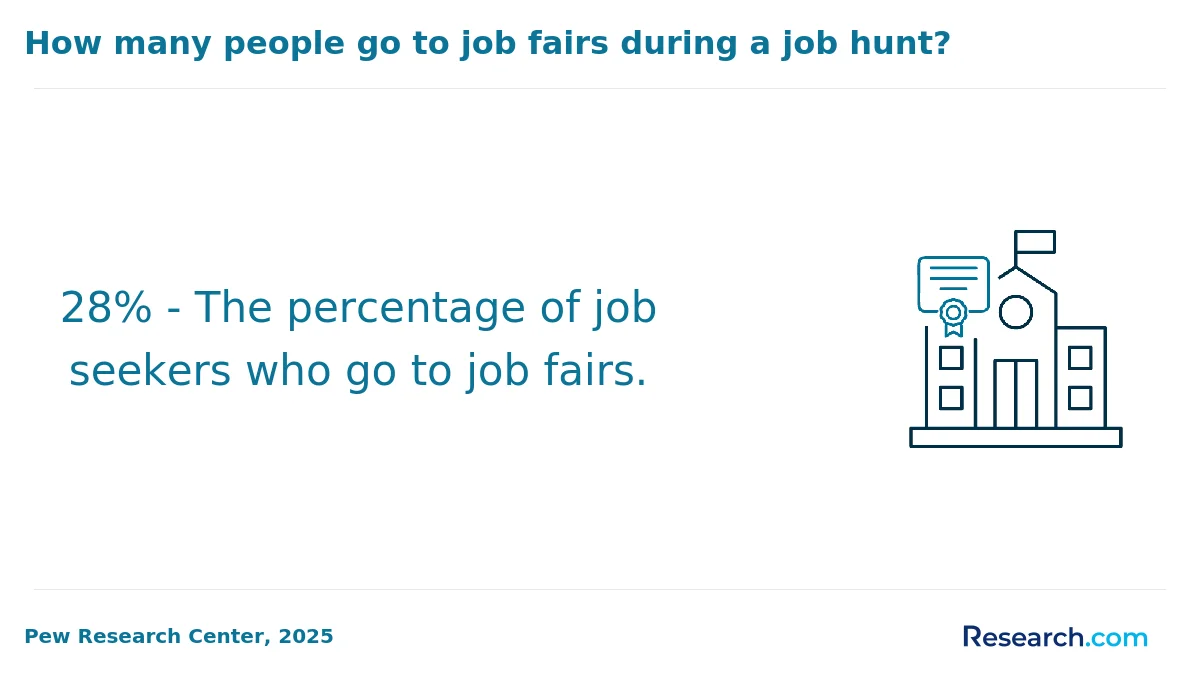
Additionally, graduates should utilize resources like career counseling and job placement services available at their institutions. Building professional relationships through local job fairs or Michigan-based industry groups can also enhance job prospects. Continuous skill development and certification in specialized fields improve competitiveness in Michigan's evolving job market.
Employers in Michigan highly value both technical and soft skills when hiring associate degree graduates. According to the Michigan Department of Labor and Economic Opportunity, proficiency in computer literacy and industry-specific technical skills are essential in fields such as health care, manufacturing, and information technology.
Additionally, communication skills rank among the top attributes sought by employers. The Michigan Works! Association reports that 78% of employers prioritize teamwork and problem-solving abilities for entry-level positions requiring an associate degree.
Time management and adaptability are also critical, reflecting Michigan's dynamic economic environment and workforce demands.
Finding internships in Michigan relevant to your associate degree program begins with exploring resources provided by your educational institution. Many community colleges and technical schools in Michigan offer career services that list internship opportunities tailored to your field of study. According to the Michigan Talent Connect platform, a state resource, there are thousands of internships posted annually across industries like healthcare, manufacturing, and IT.
Networking also plays a crucial role. Engaging with local businesses through community events and job fairs in cities such as Detroit and Grand Rapids can lead to valuable connections. Additionally, websites like Handshake partner with Michigan colleges to provide access to internships specifically for enrolled students.
Leveraging state and university career centers, online job boards, and professional associations related to your program increases your chances of securing a meaningful internship relevant to your associate degree.
In Michigan, earning an associate degree can significantly improve career mobility and advancement opportunities. According to the Michigan Center for Educational Performance and Information, workers with an associate degree earn about 20% more on average than those with only a high school diploma.
The degree often serves as a credential for in-demand fields like healthcare, information technology, and skilled trades. Many employers prefer candidates with such qualifications for entry-level supervisory roles and technical positions.
Additionally, associate degrees can facilitate transfer to four-year universities, enhancing prospects for further education and higher-paying jobs.
State programs also support degree holders through career counseling and job placement, bolstering upward mobility in Michigan's evolving workforce.
Part-time job opportunities that complement associate degree education in Michigan often align with the student's field of study. For example, those pursuing healthcare associate degrees can find roles as medical assistants or pharmacy technicians. According to the Michigan Department of Labor and Economic Opportunity, these positions often offer flexible hours suitable for students.
In fields like information technology, part-time roles such as help desk technicians or junior web developers provide relevant experience. Retail and customer service jobs also remain common, offering skills in communication and time management. The U.S. Bureau of Labor Statistics notes these sectors have steady demand in Michigan's economy, supporting student employment.
Many community colleges in Michigan also partner with local businesses to provide internship programs, enabling students to gain practical experience while studying part-time.
To find the best degree program near me in Michigan, you should consider utilizing research databases and regional academic directories that provide insights into various universities and colleges. Research.com is a helpful resource for reviewing program rankings and can assist you in comparing the strengths of different institutions near Michigan. Additionally, visiting open houses or scheduling campus visits can provide first-hand experience and help you make an informed decision.
- Best Associate Degree Programs - Leading Certification Courses in Indiana for 2026
- Best Associate Degree Programs - Leading Certification Courses in Illinois for 2026
- Best Associate Degree Programs - Leading Certification Courses in Iowa for 2026
- Best Associate Degree Programs - Leading Certification Courses in Missouri for 2026
- Best Associate Degree Programs - Leading Certification Courses in Tennessee for 2026
- Best Associate Degree Programs - Leading Certification Courses in Maryland for 2026
- Best Associate Degree Programs - Leading Certification Courses in Delaware for 2026
- Best Associate Degree Programs - Leading Certification Courses in Arkansas for 2026
- Best Associate Degree Programs - Leading Certification Courses in Alabama for 2026
- Best Associate Degree Programs - Leading Certification Courses in South Dakota for 2026
- Saving the Associate of Arts Degree: How an A.A. Degree Can Become a Better Path to Labor Market Success | American Enterprise Institute - AEI https://www.aei.org/research-products/report/saving-the-associate-of-arts-degree-how-an-a-a-degree-can-become-a-better-path-to-labor-market-success/
- 9 ways to turn life experience into college credit https://www.cmich.edu/blog/all-things-higher-ed/9-ways-to-turn-life-experience-into-college-credit
- Online vs Traditional School: A Look at the Pros and Cons https://www.uopeople.edu/blog/online-colleges-vs-traditional-colleges/
- Match a program to your career interest https://www.macomb.edu/programs-courses/index.html
- What is an associate’s degree? | Top Universities https://www.topuniversities.com/blog/what-associates-degree
- Explore the Different types of Credentials. | GEAR UP https://gearup.wa.gov/student-credentials
- Highest-paying Jobs for People With 2-year Degrees in Detroit | Stacker https://stacker.com/stories/michigan/detroit/highest-paying-jobs-people-2-year-degrees-detroit
- Michigan Reconnect | Delta College https://www.delta.edu/costs-financial-aid/scholarships/reconnect.html
- Michigan Reconnect - Paying for College | Bay College https://www.baycollege.edu/admissions/paying-for-college/michigan-reconnect.php
- Bachelor of Applied Science | University of Michigan-Flint College of Arts, Sciences & Education https://www.umflint.edu/case/bas/


