Best Trade School & Training Programs - Leading Certification Courses in Corning for 2026

Co-Founder and Chief Data Scientist
Choosing the right trade school in Corning can shape your future career and open doors to rewarding opportunities. This article introduces a trade school programs ranking prepared by the Research.com team of data scientists, designed to help you make an informed decision about which programs truly stand out.
Whether you’re seeking a diploma or certification, the right trade school can equip you with valuable skills for a successful career. Reading this article will guide you toward options that match your goals and ambitions.
Explore your potential and take confident steps toward a brighter future today.
Key benefits of finishing trade school programs trade school in Corning
- Expected salary: Trade school graduates in Corning can earn competitive wages, with machinists making about $30.98 per hour and machine technicians earning up to $77,010 annually, providing solid financial stability.
- Popular career paths: Common roles for graduates include machinists, assembly technicians, and quality control associates, all offering steady work in Corning's strong manufacturing and maintenance sectors.
- Online education benefits: Earning a trade school diploma online offers flexibility and convenience, allowing students to balance life while gaining valuable skills, as shown by successful online graduates from well-known Corning trade schools.
- Best Trade School & Training Programs - Leading Certification Courses in Corning for 2026
- What can I expect from trade school programs trade schools in Corning?
- Where can I work after finishing trade school programs trade schools in Corning?
What can I expect from trade school programs trade schools in Corning?
The average cost of a trade school program in Corning typically ranges from several thousand dollars up to around $10,000, depending on the field and length of study. Graduates from SUNY Corning Community College, for example, often reflect on the value they received for programs lasting several months to a year, such as the 30-week Automotive Technology certificate. These students appreciate how their tuition covers not only classroom learning but also hands-on internships and labs that build real-world skills.
Many find the investment worthwhile because the programs blend theory with practice, preparing them directly for local jobs where skills like vehicle maintenance or HVAC repair are in demand. The small class sizes create a supportive environment, making students feel encouraged and confident as they progress. Graduates often share how the cost feels manageable relative to the career-ready training and certifications they earn, which lead to immediate employment or apprenticeships.
In these programs, tuition includes access to industry certifications, job placement support, and hands-on opportunities-all critical in helping students transition smoothly from the classroom to the workforce.
Where can I work after finishing trade school programs trade schools in Corning?
After finishing a trade school program in Corning, many graduates step into roles that combine hands-on skills with steady demand. For example, those trained in industrial maintenance or welding often join manufacturing companies around the area, where they quickly progress from entry-level maintenance technicians to more advanced machine operators. Stories from recent grads highlight the satisfaction of working in environments where their contributions keep production lines running smoothly and efficiently.
Healthcare career paths also attract students, especially those completing programs in medical sonography or nursing. Graduates find themselves warmly welcomed at local hospitals and clinics, performing vital roles that directly impact patient care. One graduate shared how rewarding it felt to use specialized skills on the job every day, knowing their training translated directly into better community health.
Construction trades create another path, with plenty of opportunities for apprenticeships in HVAC, plumbing, and electrical work. Many new trade school grads appreciate starting as apprentices with local contractors, earning while learning and building toward licensing. Trade schools in Corning prepare students well for these early yet promising roles.
Finally, some graduates take pride in working for educational institutions such as GST BOCES, filling important positions as instructors or maintenance staff, impacting future generations of tradespeople. These roles combine job stability with a meaningful connection to the community.
After completing a trade school program in Corning, many graduates find their efforts rewarded with competitive salaries that reflect their specialized skills. For example, a graduate entering technical recruiting often sees an annual salary around $82,591, earning about $40 per hour. These figures come from local employers who value the communication and industry-specific training provided by Corning's trade schools.
Others who pursued programs in electrical or measurement technologies report starting between $53,525 and $94,204 annually, depending on their experience and certifications. Graduates frequently share how this range allows them to confidently support their families and plan for the future, knowing the skills learned are in demand.
Roles in mechanical engineering in the Corning area offer salaries ranging from $69,100 to $107,300, emphasizing the tangible value of technical education.
Trade school alumni often highlight that while salaries in plumbing, HVAC/R, and CNC machining may start near $40,000 to $50,000, gaining experience and certifications quickly boosts earnings. Many credit local trade schools for equipping them with both practical skills and a network that launches their careers with optimism and stability.
- Corning Community College offers trade programs in HVAC/R, plumbing, maintenance technician, and CNC machining, requiring a high school diploma or GED for admission.
- Tuition costs for the 2025-2026 year are $5,170 for in-state students and $8,434 for out-of-state students, with additional fees of $796 and about $1,200 for books and supplies.
- On-campus room and board costs approximately $10,260 annually, and nearly 47% of students take out loans averaging $5,354 per year.
- Entry-level jobs in trades like HVAC, plumbing, and machining start with salaries between $35,000 and $45,000, with potential to earn $55,000 to $65,000 as experience grows.
- Short-term non-credit programs and summer academies are available for skills in fields like auto technology, cosmetology, and baking without a multi-year commitment.
Most trade school programs in Corning can be completed in a timeframe ranging from about nine months to two years. Graduates often recall how programs like welding or machine trades at local schools offered an intense, hands-on experience that made the time feel both empowering and fast-paced. For many, earning a certificate or diploma within this window felt like a smart shortcut compared to traditional college routes.
Some students pursuing HVAC training appreciated that flexible schedules allowed them to balance life while completing their courses in under two years. Many found the blend of classroom learning and practical application rewarding, especially knowing they were gaining skills employers needed immediately.
Trade schools in Corning sometimes require 1,440 instructional hours for certain programs, meaning some students stretch their education over full academic years with a strong sense of achievement after. Others who preferred a more immersive pace finished sooner, stepping confidently into their new careers equipped and ready.
Graduates often highlight how the clear focus and real-world preparation during these months created a positive momentum that kept their motivation high throughout the program.
Choosing between online and on-campus trade school programs in Corning largely depends on how and where you prefer to learn. Graduates from SUNY Corning Community College often recall the freedom online courses provided-being able to study late at night after work or care for family while accessing lessons anytime. This flexibility allowed them to fit education smoothly into busy lives, with communication through forums and email keeping them connected without daily campus visits.
On the other hand, those who chose on-campus programs appreciated the hands-on experience, especially in trades like welding or automotive repair, where immediate feedback and use of specialized equipment made a real difference. The direct interaction with instructors and peers fostered a supportive community that boosted confidence and practical skills.
Some students found hybrid programs ideal, blending both approaches and cutting commute time by nearly a third-perfect for balancing work, life, and learning in Corning's tight-knit trade community.
The average trade school cost in Corning NY usually falls between $5,000 and $10,326, making it a manageable investment for many local students. At SUNY Corning Community College, one of the most popular choices for vocational training, tuition and fees for their largest trade program were $10,326 in 2025. Graduates often describe their experience as a rewarding balance of quality education and affordability, with in-state residents benefiting from significantly lower tuition rates, about $5,170 annually, plus additional fees around $796. This structure allows learners to focus more on skill-building rather than financial strain.
Many students pursuing trade school programs in Corning appreciate the reasonable costs that align with both state and national averages. Out-of-state tuition is higher, at $8,434, but still within reach. These fees cover essentials but students also plan for expenses like books and supplies, typically adding around $1,200 yearly at Corning Community College. This transparency helps prospective students map out their budgets confidently and encourages informed decisions.
Understanding the Corning NY trade school tuition and fees is crucial for those weighing their options. Some graduates recall that automotive technology and welding courses fell within a $5,000 to $15,000 range, where practical, hands-on experiences prepared them well for the workforce. For those seeking flexible options or additional affordability, programs offering cheap freight broker training online are also noteworthy alternatives.
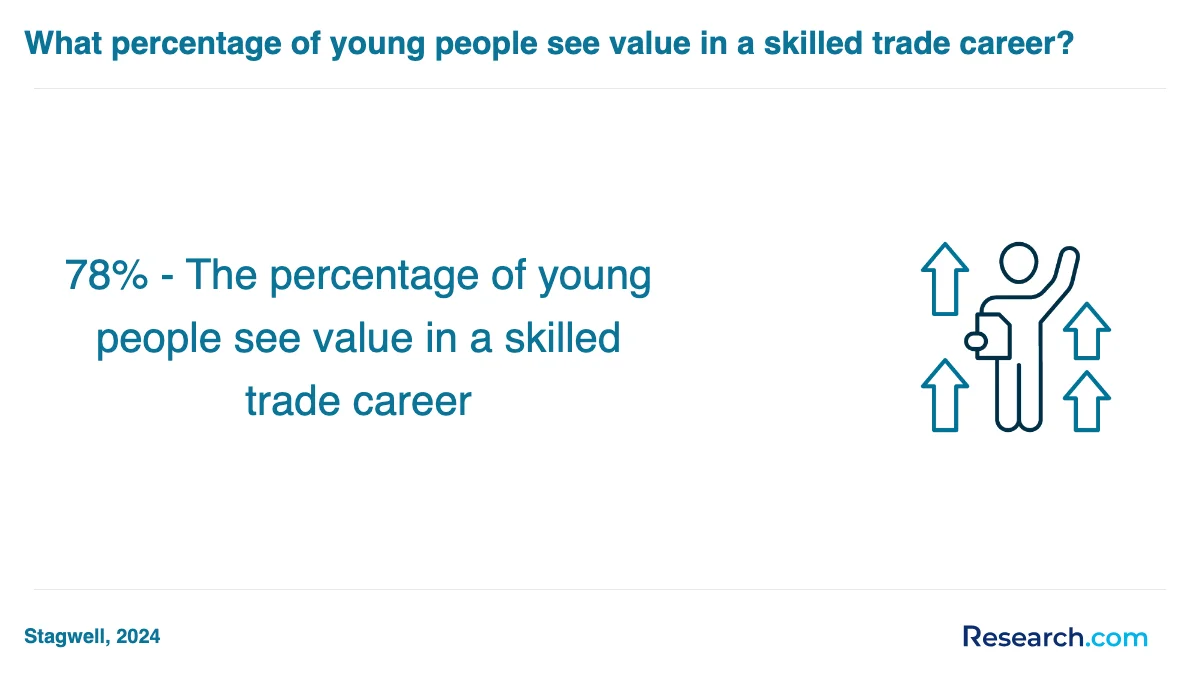
Trade school students in Corning find meaningful financial support through a range of federal, state, and local options that ease the challenge of funding technical education. Graduates from SUNY Corning Community College often recall relying on the Federal Pell Grant, which can provide up to $7,395 annually to those demonstrating financial need. This grant became a lifeline, allowing them to focus on hands-on training instead of stressing over tuition costs.
The Federal Work-Study program frequently complements this aid, enabling many students to earn income through part-time work while attending at least half-time. Such opportunities have helped students juggle bills and build experience simultaneously, making their education feel more attainable.
New York State's Tuition Assistance Program (TAP) and the Excelsior Scholarship further relieve financial burdens for residents studying in trade programs locally. Alumni often mention how TAP's support made enrollment feasible, while the Excelsior Scholarship's full tuition coverage at SUNY and CUNY schools inspired them to stay invested in their communities.
Local scholarships-like the Arkport Faculty Association Scholarship and the ServU Smart Savers Award-have also been pivotal, rewarding dedication with $1,000 grants and encouraging students from Corning's technical schools. These combined resources illuminate a path where financial concerns don't overshadow one's ambitions in trade education.
Enrolling in a trade school program in Corning generally requires a high school diploma or an equivalent credential like a GED, TASC, or EDP. Graduates from homeschooling or those holding an associate degree or higher also find smooth admission pathways at local institutions like SUNY Corning Community College.
For those who didn't finish high school, options remain open if they're at least 19 or belong to a graduated class, provided they pass an ability-to-benefit test. This ensures readiness for the practical, skill-based learning that defines Corning's trade schools.
Admissions often include placement tests in math and English rather than relying on SAT or ACT scores, making the process less intimidating and more focused on actual skills.
- Applicants must typically submit transcripts and a completed application.
- Some schools, like GST BOCES, may require an interview and personal info for uniforms and safety gear.
- Age requirements usually start at 16 but can vary by program.
Graduates often recall the supportive admission process, appreciating how these steps foster confidence and a clear sense of direction before starting their hands-on training in Corning's vibrant trade education scene.

At trade schools in Corning, students frequently dive into courses that provide both practical skills and real-world experience, preparing them for immediate employment in local industries. Graduates from SUNY Corning Community College often share how hands-on learning made complex concepts more approachable and confidence-building. Their programs typically include:
- Automotive technology courses covering vehicle service, brakes, electrical systems, and even electric/hybrid vehicle safety, paired with opportunities to earn certifications like ASE G1.
- Plumbing training focused on residential to industrial systems, reinforced by essential math and science lessons that help students understand infrastructure deeply.
- HVAC/R classes that equip students to service advanced heating and cooling systems, often including preparation for highly regarded certifications such as HVAC Excellence or NATE.
- Maintenance Technician studies emphasizing safety, inspection, quality control, and metal cutting skills, crucial for careers in CNC machining.
These courses are designed around local workforce demands, blending classroom expertise with internships and factory tours, making the learning both tangible and motivating for those eager to enter their chosen trades.
Trade school programs in Corning focus on several specialized areas that align closely with local industry demands, making them highly practical for students aiming to enter the workforce with confidence. Graduates from SUNY Corning Community College often share how the Welding Technology program, for example, offers hands-on training in SMAW, GMAW, GTAW, and Flux Core welding on materials like carbon steel and aluminum, ensuring they feel ready for manufacturing jobs or repair roles immediately after finishing their 450 hours of instruction.
Other sought-after paths include:
- Plumbing: Students learn math and physical principles to skillfully handle residential and commercial systems, preparing them well for real-world maintenance tasks.
- HVAC/R: With service call simulations and certification prep such as HVAC Excellence or NATE, students develop confident diagnostic and technical abilities in a field that what skilled trades are in demand nationwide.
- Maintenance Technician and CNC Machining: These programs focus on machine operation, safety, and inspection, equipping students for vital roles in industrial environments.
Many graduates express a genuine sense of accomplishment in mastering skills that are immediately applicable, creating a personal connection between their studies in Corning and promising career opportunities right in their community.
Choosing the best trade school program in Corning starts with ensuring the school's accreditation-a graduate from a well-known local institution shared how this gave them confidence their certification was valued by employers. Many students find it helpful to compare trade school costs in Corning carefully, focusing on programs that balance affordability with hands-on training in healthcare, technology, or industrial arts. One graduate's story highlighted how flexible scheduling, such as evening and weekend classes, made it possible to work while studying, reducing financial strain.
Look closely at graduation and job placement rates, as these reflect how effectively a school prepares its students for careers. Popular schools in Corning often provide internships or connections to nearby businesses, which previous students say were key to starting their careers smoothly. For a student interested in online options, it's worth exploring low cost online electrical lineman programs that offer practical skills without sacrificing budget.
Reflecting on the best Corning trade school programs for 2026 involves also considering a school's reputation. Multiple graduates emphasize how positive reviews and strong faculty support made their learning experience rewarding and inspiring, helping them feel ready for their next step in the workforce.
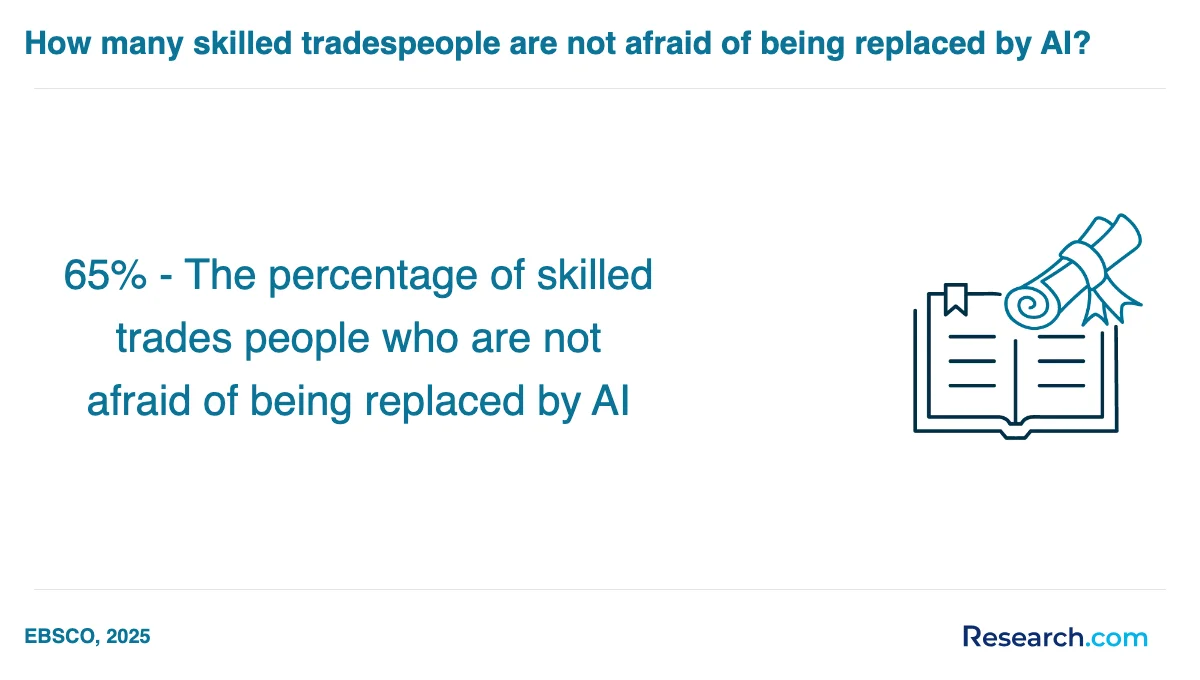
Trade school graduates in Corning find a diverse array of career opportunities that align well with the region's industrial landscape. Many graduates from SUNY Corning Community College share how the hands-on welding program, complete with AWS certifications and weld camera technology, prepared them for rewarding roles in manufacturing and metal fabrication. This program exemplifies the skilled trades jobs in Corning NY, where the demand for proficient welders remains robust thanks to ongoing construction and industrial projects.
Others pursuing electrical linework through specialized institutions like the Linemen Institute of the North East often highlight the tangible satisfaction of mastering safety practices and earning credentials such as OSHA 10 and CDL licenses. These graduates embrace outdoor, physically engaging roles, reporting strong employment rates and promising starting salaries.
Additional career paths include plumbing, HVAC/R, and CNC machining, all critical to Corning's infrastructure upkeep. Graduates praise their training for equipping them with recognized certifications and practical skills vital for local employers.
Some students expand their horizons by focusing on medical administrative assistance or IT support, fields offering stability and growth outside heavy industry.
For those curious about what trade school job pays the most, exploring these career opportunities for trade school graduates in Corning through programs at local schools paints a clear picture of the fulfilling livelihoods awaiting diligent students in this community.
- Welding with AWS certification at SUNY Corning Community College
- Electrical linework training resulting in OSHA and CDL credentials
- Plumbing, HVAC/R, and CNC machining with hands-on skill development
- Medical administrative assistance and IT support pathways
The trade school job opportunities in Corning NY steadily reflect a community deeply invested in skilled trades and technical professions. Graduates from popular local trade schools often share stories of connecting with employers at the strong Regional Job Fair hosted at SUNY Corning Community College. This event annually gathers dozens of employers actively searching for maintenance personnel, mechanics, and carpenters, making the job hunt feel approachable and promising. Many find it encouraging to see that businesses value their hands-on training and technical certifications, offering roles suitable for both fresh graduates and experienced workers.
Apprenticeship programs registered with the New York State Department of Labor also form an essential part of the skilled trades employment outlook Corning NY, providing clear pathways from learning to long-term employment. Graduates frequently mention the satisfaction of learning on the job while earning, especially within trades like steamfitting or stationary engineering. Additionally, some have benefited from Corning Incorporated's early career programs that welcome trade-trained candidates into engineering rotations, broadening their career horizons.
For those seeking flexible options in the area, considering most affordable electrician training programs online can complement local opportunities and skill-building.
Best Trade School & Training Programs - Leading Certification Courses in Corning for 2026
# 1 position
SUNY Corning Community College - Criminal Justice/Law Enforcement Administration.
associateThe Criminal Justice/Law Enforcement Administration program at SUNY Corning Community College offers a hybrid format with some distance-education options. The program prepares students to manage public law enforcement agencies through courses in leadership, law enforcement history, labor relations, budgeting, and legal responsibilities. Annual in-state tuition is $5,966. Median earnings one year after completion reach $33,166. The program is accredited by the Middle States Commission on Higher Education.
# 2 position
SUNY Corning Community College - Business Administration and Management, General.
associateThe Business Administration and Management, General program at SUNY Corning Community College offers a hybrid format with some distance-education options. It prepares students to plan, organize, direct, and control organizational functions, covering management theory, human resources, accounting, marketing, and business decision-making. Annual in-state tuition is $5,966. The program is accredited by the Middle States Commission on Higher Education. Median earnings one year after completion are approximately $30,674.
# 3 position
SUNY Corning Community College - Computer and Information Sciences, General.
associateSUNY Corning Community College offers a hybrid Computer and Information Sciences, General program that includes some distance-education options. The program emphasizes computing, computer science, and information science and systems without focusing on specific subfields. Annual in-state tuition is $5,966. The program is accredited by the Middle States Commission on Higher Education, ensuring recognized academic standards and quality education for students pursuing this field.
# 4 position
SUNY Corning Community College - Information Technology.
associateThe Information Technology program at SUNY Corning Community College offers a hybrid learning format with some distance-education options. It emphasizes the design of technological information systems, covering computer hardware and software, algorithms, databases, telecommunications, and human interface design. The program is accredited by the Middle States Commission on Higher Education. Annual in-state tuition is $5,966.
# 5 position
SUNY Corning Community College - Computer Science.
associateThe Computer Science program at SUNY Corning Community College offers a hybrid format with some distance-education options. It focuses on computer theory, computing problems, system design, and user interfaces from a scientific perspective. Instruction includes computational science principles, programming, and diverse applications. The program is accredited by the Middle States Commission on Higher Education. Annual in-state tuition is $5,966.
# 6 position
SUNY Corning Community College - Computer and Information Systems Security/Auditing/Information Assurance.
associateSUNY Corning Community College offers a hybrid program in Computer and Information Systems Security/Auditing/Information Assurance. The curriculum covers assessing security needs, recommending safeguards, and managing security systems implementation, auditing, and maintenance. Instruction includes computer architecture, programming, networking, cryptography, risk assessment, and investigation techniques. The program’s annual in-state tuition is $5,966. It is accredited by the Middle States Commission on Higher Education.
# 7 position
SUNY Corning Community College - Legal Assistant/Paralegal.
associateThe Legal Assistant/Paralegal program at SUNY Corning Community College offers a hybrid learning format with some distance-education options. It prepares students to perform legal research, drafting, investigatory, record-keeping, and administrative tasks under attorney supervision. The program includes instruction in legal research, document drafting, courthouse procedures, and legal specializations. Annual in-state tuition is $5,966. The program is accredited by the Middle States Commission on Higher Education.
# 8 position
SUNY Corning Community College - Accounting Technology/Technician and Bookkeeping.
associateThe Accounting Technology/Technician and Bookkeeping program at SUNY Corning Community College offers a hybrid format with some distance-education options. It prepares students to support professional accountants through training in posting transactions, record-keeping, accounting software, and general accounting principles. The program’s annual in-state tuition is $5,966. It is accredited by the Middle States Commission on Higher Education.
# 9 position
SUNY Corning Community College - Automobile/Automotive Mechanics Technology/Technician.
associateSUNY Corning Community College offers a hybrid program in Automobile/Automotive Mechanics Technology/Technician, preparing students to repair, service, and maintain various automobile systems. The curriculum covers brake systems, electrical systems, engine performance and repair, suspension and steering, transmissions, drive trains, and heating and air conditioning. Annual in-state tuition is $5,966. Graduates earn a median income of $26,395 one year after completion. The program is accredited by the Middle States Commission on Higher Education.
# 10 position
SUNY Corning Community College - Automobile/Automotive Mechanics Technology/Technician.
certificate or diplomaThe Automobile/Automotive Mechanics Technology/Technician program at SUNY Corning Community College offers hybrid learning with some distance-education options. It trains students to repair, service, and maintain various automobile systems, including brakes, electrical, engines, transmissions, and heating and air conditioning. The program is accredited by the Middle States Commission on Higher Education. Annual in-state tuition is $5,966, and median earnings one year after completion are approximately $26,395.
Frequently Asked Questions about trade school programs
Preparing for the job market after completing trade school in Corning involves several strategic steps. Graduates should focus on obtaining relevant certifications, which significantly boost employability in technical fields such as electrical work or HVAC. Local employers often seek candidates with nationally recognized credentials or state licenses.
Networking is also crucial. Trade schools in Corning often have partnerships with area businesses and may offer job placement assistance or apprenticeships. Connecting with these resources can lead to higher job placement rates, which the New York State Department of Labor cites as approximately 70% for trade school graduates.
Additionally, creating a strong resume that highlights hands-on experience gained during training can differentiate candidates. Utilizing local job boards and attending career fairs in the Corning area further increases exposure to job opportunities in trades.
Employers in Corning highly value practical skills in trade school graduates. According to the Bureau of Labor Statistics, technical expertise in fields like electrical work, HVAC, and welding remains in strong demand. Local employers additionally emphasize soft skills such as communication, teamwork, and problem-solving abilities, which are critical for effective job performance.
Data from the National Skills Coalition indicate that nearly 60% of job openings in skilled trades require some postsecondary education combined with hands-on training. Employers in Corning prioritize graduates who demonstrate reliability, adaptability, and safety awareness on the job site. These skills increase employability and help graduates succeed in a competitive workforce.
Finding internships in Corning relevant to your trade school program starts with exploring local businesses connected to your field. Corning is known for its glass and manufacturing industries, offering practical experience opportunities. Many companies collaborate with trade schools to provide internships that enhance hands-on skills.
Trade schools often maintain partnerships with local employers and can assist students by sharing internship listings or arranging placements. The Corning Chamber of Commerce website is a useful resource for discovering businesses actively seeking interns in technical trades.
Additionally, online platforms like Handshake and Indeed regularly post Corning internships tailored to trade skills. Networking events and job fairs hosted by schools or community organizations in Steuben County also increase access to potential internships.
According to the New York State Department of Labor, industries such as manufacturing and skilled trades in the area show steady internship availability as part of workforce development programs. Reaching out early to your school's career services and local industry contacts is advisable for the best chances.
In Corning, obtaining a trade school diploma can significantly enhance career mobility and advancement. According to the U.S. Bureau of Labor Statistics, skilled trades are growing in demand, offering graduates access to stable, well-paying jobs. Trade diplomas equip students with hands-on expertise that employers in Corning highly value, especially in manufacturing, healthcare, and construction sectors.
Locally, data from the New York State Department of Labor shows that individuals with trade credentials often experience faster job placement and higher wage increases compared to those with only a high school diploma. This advantage supports upward career movement within industries common to Corning's economy.
Additionally, many trade programs have partnerships with local employers, facilitating apprenticeships and direct hiring pathways. This network effect further enhances graduates' prospects for promotion and specialization in their chosen fields.
In Corning, part-time job opportunities can effectively support trade school students by providing relevant hands-on experience. Positions in local manufacturing firms, such as glass production facilities, offer roles like assembly technician or quality control assistant. These jobs enhance skills taught in programs like industrial maintenance or manufacturing technology. Retail and hospitality sectors also provide positions in customer service and hospitality management, complementing training in business or culinary arts.
According to the New York State Department of Labor, Corning's part-time job market aligns closely with its key industries, including advanced manufacturing and healthcare support. Students benefit from flexible schedules that accommodate class hours while gaining practical skills.
To find the best degree program near me in Corning, NY, consider reaching out to local universities and community colleges, which often offer a range of programs across various fields of study. Research.com can be a helpful resource for comparing program offerings, faculty qualifications, and campus facilities to determine which institution aligns best with your academic goals. Additionally, visiting campuses near Corning, NY, and speaking with current students and academic advisors can provide valuable insights into the quality and suitability of the programs available.
- Internships https://www.corning.com/emea/en/careers/locations/poland/strykow/Internships.html
- Learn A Trade - SUNY https://www.suny.edu/trades/
- Trades Leader Job Details | Corning https://corningjobs.corning.com/job/Hemlock-Trades-Leader-MI-48626/1284464200/
- Trade School: What Is It & What to Expect https://erieit.edu/what-to-expect-when-attending-trade-school/
- Trade Schools Overview | ACT https://www.act.org/content/act/en/students-and-parents/career-planning/career-planning-resources/trade-schools.html
- Technical Skill Options https://www.corning-cc.edu/community-business/programs-courses/technical-skills/index.php