
Most Affordable Trade School & Training Programs - Leading Certification Courses in Ironwood for 2026

Co-Founder and Chief Data Scientist
If you're considering trade schools in Ironwood for 2026, this article is here to guide you. Choosing the right program can feel overwhelming, but the trade school programs ranking created by the Research.com team of data scientists makes it easier to find the best options.
By exploring this guide, you'll discover affordable programs that fit your goals and budget. Earning a diploma or certification can open doors to new career opportunities, skill growth, and personal confidence. Let’s help you make an informed choice and take a positive step toward your future.
Key benefits of finishing trade school programs trade school in Ironwood
- Trade school graduates in Ironwood can expect strong salaries, with electricians earning between $60,000 and $90,000, HVAC technicians making $50,000 to $75,000, and welders starting near $58,527 annually, reflecting great earning potential.
- Popular career paths include electricians, HVAC technicians, and welders, offering hands-on, in-demand skills that lead to stable and rewarding jobs in Michigan's growing skilled trades market.
- Online trade school diplomas provide flexible learning options, allowing students to balance work and study while gaining certifications, making it easier to start a skilled career without traditional classroom constraints.
- Most Affordable Trade School & Training Programs - Leading Certification Courses in Ironwood for 2026
- What can I expect from trade school programs trade schools in Ironwood?
- Where can I work after finishing trade school programs trade schools in Ironwood?
What can I expect from trade school programs trade schools in Ironwood?
Trade school programs in Ironwood are notably affordable, with tuition costs significantly lower than those at four-year colleges. Graduates from schools like Gogebic Community College often share how the manageable expenses allowed them to focus entirely on gaining hands-on skills without the burden of overwhelming debt. For instance, students enrolling in welding technology or licensed practical nurse programs typically pay tuition costs that reflect the community-focused mission of these institutions, emphasizing accessibility for local residents.
Many students appreciate that their investment translates directly into practical knowledge and industry certifications, such as Commercial Driver's Licenses or welding credentials, which enhance employability immediately after graduation. Those attending Northern Michigan University's Electrical Line Technician program, which offers a year-long certificate blending field experience and classroom training, often remark on the strong value they received for the cost, given the robust job placement support and real-world readiness.
Overall, the cost of trade school programs in Ironwood tends to suit a wide range of budgets, making these career paths both viable and appealing for many aspiring professionals in the area.
Where can I work after finishing trade school programs trade schools in Ironwood?
After finishing a trade school program in Ironwood, graduates find diverse employment opportunities across key local industries. Many secure roles in manufacturing, where companies like Ironwood Plastics hire for positions in injection molding and machine operation, often providing paid training and competitive benefits. Graduates from popular trade schools report feeling confident stepping into these hands-on jobs without prior experience, thanks to the practical skills gained during their programs.
Skilled trades offer another strong pathway, with electrical and lineman program graduates frequently joining utility companies or contractors. These roles often involve fieldwork and potential travel across the Midwest, with apprenticeships and union positions boosting long-term career growth. Students from well-known Ironwood trade schools appreciate how connections with local recruiters ease their entry into these careers.
Healthcare support positions, such as respiratory therapist assistants or speech language pathologists, are also accessible to certified graduates, providing fulfilling work in the community. Meanwhile, retail and hospitality sectors welcome trade school alumni for roles in retail, housekeeping, and culinary services, offering immediate employment and chances for advancement.
Graduates of trade school programs in Ironwood can expect to earn competitive salaries, often aligning with Michigan's state averages for skilled trades. For example, many recent graduates report starting salaries around $44,000, with opportunities to grow to $71,000 within a few years-some even reaching $87,159 annually with experience. Local trade schools in Ironwood prepare students thoroughly, allowing them to enter high-demand fields such as electricians, who typically earn between $60,000 and $90,000 per year as they build their skills.
HVAC technicians trained in Ironwood also see promising earnings, ranging from $50,000 to $75,000 annually. Graduates often share how hands-on training and connections with employers like Ironwood Plastics help secure positions that include shift premiums and valuable benefits, enhancing overall income.
Many students find motivation in knowing that their skills can lead to roles paying an average of $74,000 or more statewide, reflecting the strong demand for experienced tradespeople. This potential for growth makes completing trade school in Ironwood a rewarding investment for building a stable and well-paid career.
- Admission to trade school programs in Ironwood usually requires only a high school diploma or GED with no standardized tests needed.
- Programs available include licensed practical nursing, cosmetology, welding, mechanical drafting, truck driving, medical coding, and computer technology.
- Gogebic Community College awarded 27 nursing certificates, 9 in cosmetology, 9 in welding, and 8 in truck driving last year.
- The average annual net price at Gogebic Community College is approximately $6,425 after financial aid.
- There are about 45,000 trades jobs opening annually in Michigan, with entry-level salaries ranging from $35,000 to $45,000 per year in Ironwood.
- Experienced professionals in trades can earn between $55,000 and $70,000 depending on their field and certifications.
Trade school programs in Ironwood generally take between 6 to 24 months to complete, reflecting a swift pathway to skilled careers. Graduates often find that programs like Nail Technology can be finished in as little as 5 months, offering a fast track to the workforce. More comprehensive fields such as Automotive Technology or Diesel and Truck Service typically require closer to 14 months of study.
Students enrolled at Ironwood's own Gogebic Community College experience programs designed for completion within one to two years, depending on full-time or part-time attendance. For example, those in the Electrical Line Technician program usually earn their certificates in about a year, balancing hands-on training with classroom learning. This approach keeps schedules flexible for those juggling work or family.
Many graduates appreciate how the shorter timelines allow them to quickly gain valuable skills and start earning, avoiding the longer commitment of traditional four-year degrees. Prior experience or transfer credits can further reduce completion time, accelerating success and boosting confidence for Ironwood students eager to advance in their trades.
The primary difference between online and on-campus trade school programs in Ironwood centers on how the education is delivered and experienced. Online programs at well-known institutions like Gogebic Community College offer students the flexibility to complete coursework remotely, allowing those balancing work or family commitments to study at their own pace. Graduates often appreciate the convenience of accessing lectures and assignments without the stress of commuting or relocating.
Conversely, on-campus programs deliver essential hands-on training within facilities outfitted with industry-standard tools. Students studying trades such as welding or healthcare support benefit from direct interaction with faculty and peers, immersing themselves in real-world scenarios that build practical skills and confidence. Many find the supportive environment at Gogebic Community College valuable, highlighting the personalized guidance they receive from engaged instructors.
Hybrid options combine the best of both, offering online coursework alongside scheduled in-person labs to ensure students gain the tactile experience critical for their trade certification. This approach resonates with learners who seek flexibility but recognize the importance of hands-on learning.
The average trade school cost in Ironwood primarily reflects the tuition and fees at Gogebic Community College, a well-known local institution. For in-state students, the tuition is $6,107 annually, with additional fees totaling $1,312. When combined with an average of $1,500 for books and supplies, direct educational expenses reach approximately $8,919 per year. Graduates often recall how these manageable costs allowed them to focus on gaining skills rather than worrying about overwhelming debt, making trade education a practical choice for many in the community.
In comparison, the broader landscape of Michigan trade schools shows an average tuition and fees amounting to $16,802 for the year 2025, demonstrating some variation depending on the program and school. This range is crucial for prospective students evaluating the Ironwood Michigan trade school tuition and fees against other options, especially since many programs vary in length and specialization. Students find comfort in the transparent pricing, which helps them plan financially without surprises.
Living expenses also contribute to the total cost. Those who stay on-campus at Gogebic incur room and board expenses near $6,500 and other campus-related charges around $4,140 yearly. Off-campus accommodations might cost between $1,200 and $1,800 annually, which graduates note as an affordable alternative that supports local living. Financial aid plays a key role too; approximately 28% of students use loans with typical amounts around $3,865, often supplemented by statewide aid averaging $5,344. For those interested in quick, practical certification options-such as an online auto mechanic certification-the flexibility and cost-effectiveness provide inspiring pathways toward new careers without excessive financial strain.
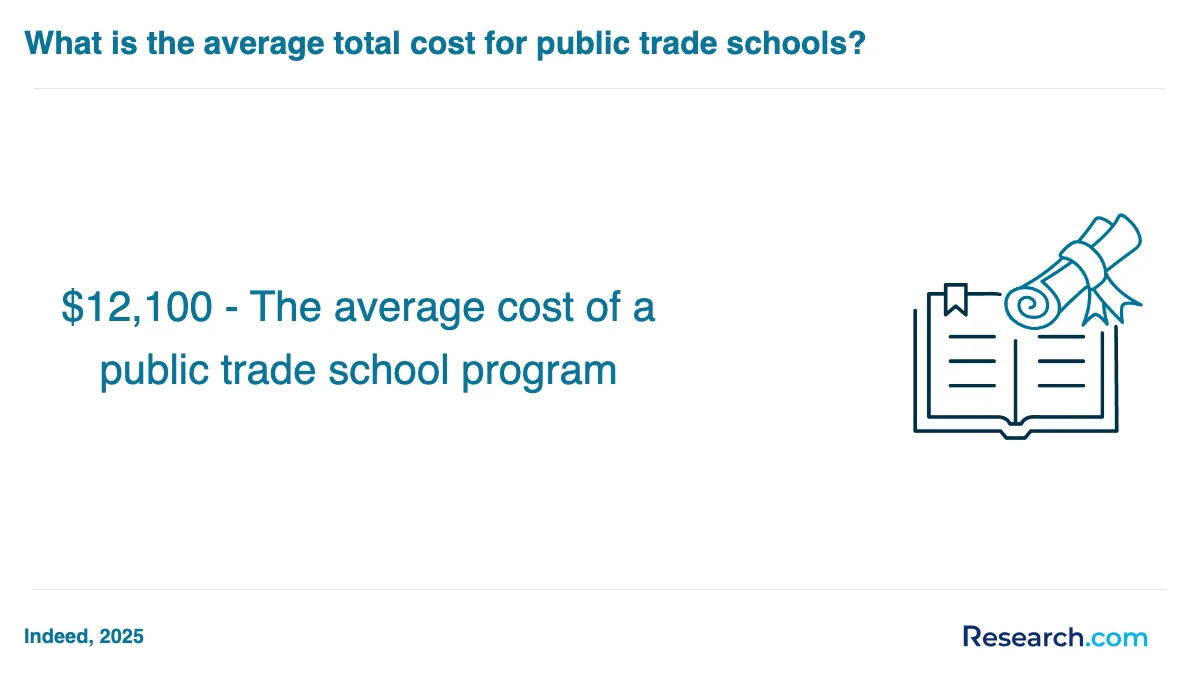
Trade school students in Ironwood commonly access several financial aid options that make education more affordable. Graduates from Gogebic Community College often share how federal aid, accessed through FAFSA, eased their financial burden by providing grants and work-study opportunities. Pell Grants, in particular, are a game-changer for many, as they don't require repayment and directly reduce tuition costs.
State support adds another layer of financial relief. For instance, the Tuition Incentive Program (TIP) helps those who were Medicaid-eligible in youth to cover tuition for certificates or associate degrees, a relief many Ironwood students have appreciated. Adults aged 25 and older frequently benefit from Michigan Reconnect, which covers in-district tuition, enabling returning students to pursue new careers without the heavy cost of tuition.
Additional scholarships, like the Children of Veterans Tuition Grant, provide targeted assistance based on personal background, empowering many local students to pursue their vocational goals confidently. Proof of Michigan residency is required, typically via a driver's license and supporting documents such as utility bills, which applicants report as straightforward to provide.
To enroll in a trade school program in Ironwood, applicants must have at least a high school diploma, GED, or equivalent, such as a state-authorized equivalency exam or recognized homeschooling records. Graduates from local trade schools often recall how this baseline ensured they entered prepared and confident for hands-on learning.
Age requirements typically start at 16, but many programs prefer students to be 18 or older, especially for trades involving heavy machinery or health and safety considerations. For example, those pursuing a career in construction or healthcare found this rule straightforward and reassuring for workplace readiness.
Placement tests, like the ACCUPLACER, assess readiness for the academic components. Many students shared that excelling here boosted their confidence early on. SAT or ACT scores are generally not needed unless applying to specialized healthcare or technical programs, which may require a minimum GPA, ACT results, or college credits.
Additional prerequisites include:
- Official transcripts submission
- Non-refundable application fee
- Possible skills assessment or interview
- Drug screening or physical exam for healthcare and transportation fields
These requirements protect both the student and program quality, allowing graduates from Ironwood's trade schools to thrive in their careers with a solid foundation.

Trade school programs in Ironwood commonly include a variety of practical, career-focused courses designed to equip students with job-ready skills quickly. Graduates from Gogebic Community College, the area's key trade school, frequently highlight the value of hands-on learning in courses like Licensed Practical/Vocational Nurse Training and Medical/Clinical Assistant, which lead to essential healthcare certifications. Many find this training directly applicable to work in local clinics and hospitals.
Students pursuing skilled trades benefit from programs such as Welding Technology/Welder and Mechanical Drafting CAD, where they gain expertise in fabrication, blueprint reading, and computer-aided design-skills highly sought by Ironwood's manufacturing and construction sectors.
Transportation and logistics learners appreciate the Truck & Bus Driver program, which covers both driving regulations and vehicle maintenance, preparing graduates for immediate entry into commercial driving roles.
- Healthcare courses: Practical Nursing, Medical Assisting, Medical Office Assistant
- Skilled trades: Welding, Mechanical Drafting CAD
- Transportation: Commercial Vehicle Operator Training
These courses also integrate safety certifications like CPR and career readiness training, empowering students not only with technical skills but the confidence to thrive in interviews and on the job.
Trade school programs in Ironwood offer a wide array of specializations tailored to meet diverse career goals and regional workforce needs. Graduates from popular local schools, such as Gogebic Community College, frequently share how hands-on courses in licensed practical/vocational nurse training prepared them confidently for Michigan's healthcare sector. Many express pride in gaining skills that led directly to employment in hospitals and clinics.
Other sought-after areas include cosmetology, where students master hair care and makeup artistry, and welding technology, focused on practical TIG welding and fabrication skills. Mechanical drafting/CAD programs provide students with valuable design expertise used in manufacturing, while truck and bus driver training readies individuals to obtain CDL licenses, opening doors to freight and transportation careers.
The community-centered programs also cover medical office and clinical assistant roles, criminal justice, corrections, early childhood education, forestry technology, and entrepreneurship, reflecting Ironwood's economic and social priorities.
Graduates often highlight the positive impact of realistic, career-oriented learning environments found in Ironwood's trade schools, where practical skills are emphasized and local employment connections are strong. Prospective students interested in trade jobs can explore more about trade schools careers through reliable resources like trade schools careers.
Choosing the best trade schools in Ironwood Michigan involves evaluating several crucial factors that align with your career goals. Graduates often highlight the value of attending institutions like Gogebic Community College, where accreditation ensures employers recognize their certification and skills. Hands-on training combined with accessible faculty support helps students gain confidence and practical expertise that make job searching less daunting.
Comparing tuition rates and financial aid availability is essential when figuring out how to compare Ironwood trade school costs. Many local students appreciate the affordable tuition at Gogebic, paired with scholarships that reduce debt burden. Smaller class sizes further foster a welcoming atmosphere for personalized learning and mentorship, which graduates describe as a supportive environment that motivates success.
Student support services, including job placement programs and employer connections, directly influence post-graduation outcomes. Those seeking trade programs in Ironwood should also consider specialized training options aligned with in-demand fields. For students aiming to find tailored programs without overspending, exploring options like the most affordable floor installer certification online offers a practical path to skill acquisition and employment.
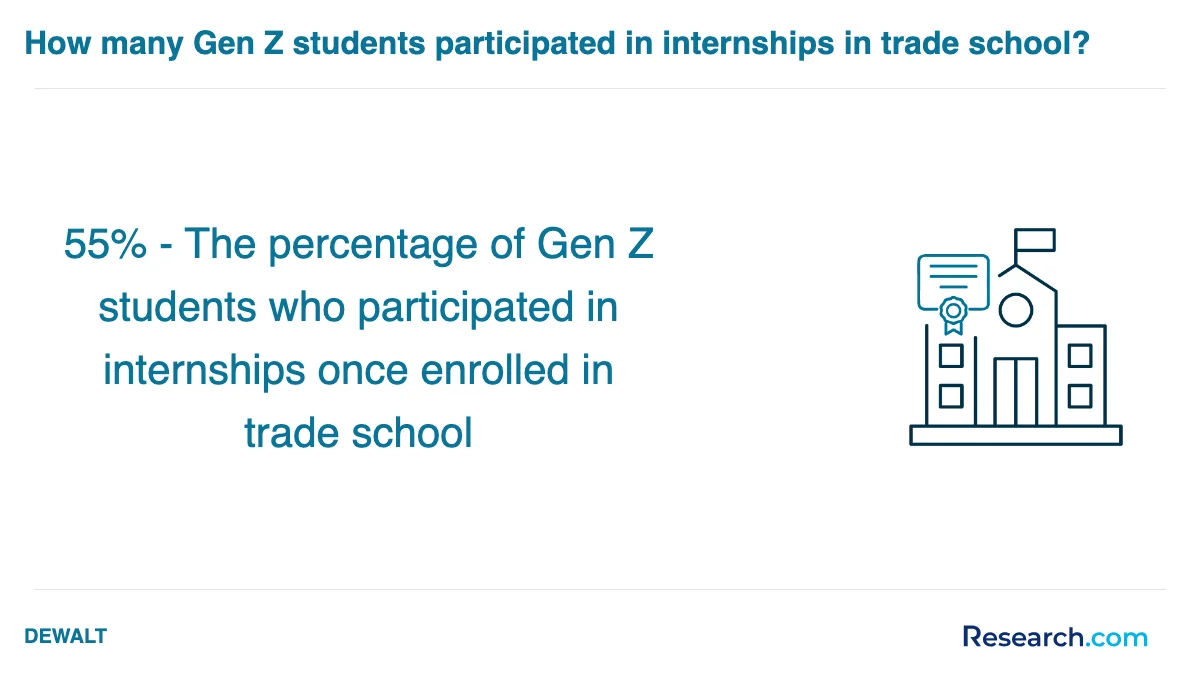
Trade school graduates in Ironwood have access to a wide range of skilled trades careers in Ironwood, supported by reputable institutions like Gogebic Community College. Many graduates find rewarding opportunities in healthcare, where Licensed Practical/Vocational Nurse Training programs have awarded numerous certificates in 2025 alone. Graduates often secure positions in hospitals and long-term care facilities, providing meaningful services to the community.
Other trade school job opportunities in Ironwood include solid options in welding technology and cosmetology. Welding graduates work in manufacturing and construction, applying hands-on skills daily, while cosmetology students often pursue entrepreneurial paths by opening local salons or spas. Transportation careers such as truck and bus driving are also popular, reflecting the region's robust logistics sector.
- Mechanical Drafting & CAD/CADD associates prepare students for engineering roles.
- Medical Insurance Coding Specialist certificates open doors in healthcare administration.
- Medical/Clinical Assistant certificates support medical office teams efficiently.
- Computer Installation & Repair Technician training offers IT hardware job opportunities.
Such diverse trade school job opportunities Ironwood graduates experience make it an attractive choice for hands-on career preparation. Those interested in commercial driving might explore the cheapest online freight broker training to enhance their qualifications.
The job opportunities for trade school graduates in Ironwood remain robust, driven by strong local demand in skilled trades such as construction, welding, electrical work, HVAC, and commercial truck driving. Graduates from popular regional schools often experience direct recruitment by local employers, reflecting the region's growing infrastructure projects and industry modernization. For example, electrical line technician graduates report entry-level wages near $72,800 annually, illustrating the positive employment outlook.
Ironwood skilled trades employment outlook for 2026 highlights several key advantages for students:
- Competitive salaries, with electricians earning $60,000 to $90,000 and HVAC technicians $50,000 to $75,000 annually
- High job security and advancement opportunities due to steady regional investment
- Programs at institutions like Northern Michigan University prepare graduates to be work-ready immediately, shortening the path to employment
Most Affordable Trade School & Training Programs - Leading Certification Courses in Ironwood for 2026
# 1 position
Gogebic Community College - Computer and Information Sciences, General.
associateGogebic Community College offers a hybrid program in Computer and Information Sciences, General, combining computing, computer science, and information systems. The program is accredited by the Higher Learning Commission. Annual in-state tuition is $5,590. This program provides some distance-education options, allowing flexibility for students pursuing a diploma or certification in this broad field of study.
# 2 position
Gogebic Community College - Computer Systems Networking and Telecommunications.
associateGogebic Community College offers a hybrid program in Computer Systems Networking and Telecommunications, focusing on designing, implementing, and managing linked computer systems and software. The curriculum covers operating systems, systems design, networking theory, network management, security, and troubleshooting. The program prepares students for roles as network specialists and managers. Annual in-state tuition is $5,590, and the program is accredited by the Higher Learning Commission.
# 3 position
Gogebic Community College - Criminal Justice/Police Science.
associateGogebic Community College offers a Hybrid Criminal Justice/Police Science program designed to prepare students for roles as police and public security officers. The curriculum covers patrol and investigative duties, traffic and crowd control, evidence management, crime prevention, weapon operation, and report writing. Annual in-state tuition is $5,590. The program is accredited by the Higher Learning Commission.
# 4 position
Gogebic Community College - Automobile/Automotive Mechanics Technology/Technician.
associateGogebic Community College offers a hybrid Automobile/Automotive Mechanics Technology/Technician program that prepares students to repair, service, and maintain various automobile systems. Instruction covers brake, electrical, engine performance and repair, suspension and steering, transmissions, and heating and air conditioning systems. The program is accredited by the Higher Learning Commission. Annual in-state tuition is $5,590, with some distance-education options available for student flexibility.
# 5 position
Gogebic Community College - Business Administration and Management, General.
associateGogebic Community College offers a hybrid Business Administration and Management, General program designed to prepare students to plan, organize, direct, and control business functions and processes. The curriculum includes management theory, human resources, accounting, purchasing, logistics, production, marketing, and decision-making. Annual in-state tuition is $5,590. The program is accredited by the Higher Learning Commission and provides some distance-education options for flexibility.
# 6 position
Gogebic Community College - Accounting Technology/Technician and Bookkeeping.
associateThe Accounting Technology/Technician and Bookkeeping program at Gogebic Community College is offered in a hybrid format, allowing some distance education. It prepares students to provide technical administrative support to accountants and financial personnel, covering transaction posting, record-keeping, accounting software, and general accounting principles. The program is accredited by the Higher Learning Commission. Annual in-state tuition is $5,590.
# 7 position
Gogebic Community College - Automobile/Automotive Mechanics Technology/Technician.
certificate or diplomaGogebic Community College offers a Hybrid program in Automobile/Automotive Mechanics Technology/Technician, focusing on repairing, servicing, and maintaining various automobile systems. The curriculum includes brake, electrical, engine performance and repair, suspension and steering, transmission, and heating and air conditioning systems. The annual in-state tuition is $5,590. The program is accredited by the Higher Learning Commission and provides some distance-education options for flexible learning.
# 8 position
Gogebic Community College - Welding Technology/Welder.
certificate or diplomaThe Welding Technology/Welder program at Gogebic Community College offers a hybrid learning format with some distance-education options. The program prepares students to apply technical skills in various welding methods including arc welding, resistance welding, brazing, soldering, and high-energy beam welding. Annual in-state tuition is $5,590. Graduates earn a median salary of $20,618 one year after completion. The program is accredited by the Higher Learning Commission.
# 9 position
Gogebic Community College - Medical Insurance Coding Specialist/Coder.
certificate or diplomaGogebic Community College offers a Medical Insurance Coding Specialist/Coder program designed to prepare students for specialized data entry, classification, and record-keeping related to medical diagnostics, treatment, billing, and insurance documentation. The curriculum covers medical records software, anatomy, physiology, medical terminology, data classification, coding, and Medicare regulations. The program is accredited by the Higher Learning Commission, with an annual in-state tuition of $5,590.
Frequently Asked Questions about trade school programs
After completing trade school in Ironwood, preparing for the job market involves several key steps. First, graduates should update and tailor their resumes to highlight specific skills learned during their programs. Employers in Ironwood often seek candidates with hands-on experience and relevant certifications. Networking is crucial; attending local job fairs and connecting with industry professionals can open doors to opportunities. According to the Michigan Department of Labor, trades such as welding, HVAC, and automotive services show steady employment growth in the region. Additionally, applying for apprenticeships or internships can provide valuable work experience, increasing employability in competitive local markets.
Employers in Ironwood prioritize both technical and soft skills when hiring trade school graduates. According to recent data from the U.S. Bureau of Labor Statistics and local workforce reports, proficiency in specific trades such as welding, electrical installation, and HVAC systems is highly sought after. Approximately 70% of employers emphasize hands-on experience gained through internships or apprenticeships. Additionally, strong problem-solving abilities, punctuality, and effective communication rank among the top soft skills desired. Understanding workplace safety standards is also critical, as Ironwood's industries focus heavily on regulatory compliance. These competencies significantly increase a graduate's employability within the local job market.
Finding internships in Ironwood that align with your trade school program involves a few strategic steps. Start by consulting your trade school's career services office, as many maintain local employer partnerships specifically for internships. In Ironwood, industries like manufacturing, automotive repair, and healthcare often offer practical internship opportunities for trade students.
The Michigan Works! agency is another valuable resource. It helps match students with relevant internships and job placements in the Upper Peninsula region, including Ironwood. According to recent data from Michigan Works!, nearly 40% of trade school students in Ironwood secure internships through these programs.
Networking locally by attending trade fairs and connecting with businesses through online community boards can also produce leads. Finally, use online tools like Handshake or Indeed, filtering for internships in Ironwood that match your trade specialization.
In Ironwood, earning a trade school diploma significantly enhances career mobility and advancement opportunities. Local industries such as manufacturing, automotive repair, and healthcare actively seek skilled workers with specialized training. According to the U.S. Bureau of Labor Statistics, workers with vocational credentials often experience faster job placement than those without postsecondary education.
The Michigan Department of Labor reports that Ironwood trade school graduates have a higher likelihood of receiving promotions within five years due to their hands-on expertise. These credentials help differentiate candidates in competitive job markets, offering a practical alternative to four-year degrees.
Moreover, trade diplomas align with apprenticeship and certification requirements that lead to increased wages, benefiting social mobility in the region.
In Ironwood, part-time job opportunities that complement trade school education often align with the skills students develop in their programs. For example, students enrolled in automotive technology may find positions as vehicle service aides or parts attendants at local garages. Those studying healthcare-related trades can seek roles as certified nursing assistants or medical receptionists in nearby clinics.
The U.S. Bureau of Labor Statistics reports that part-time roles in service and manual labor sectors in Michigan have grown by 2.5% in recent years, reflecting opportunities in Ironwood's local economy. These roles provide hands-on experience while accommodating school schedules.
Jobs in construction or electrical supply stores are also common, giving students exposure to industry materials and customer service. Because many trade programs emphasize practical skills, such job experiences can improve employment prospects post-graduation.
When looking for the most affordable degree program near Ironwood, MI, consider comparing tuition costs and financial aid opportunities at nearby universities and community colleges. You can use resources such as Research.com to explore and compare programs based on affordability, academic offerings, and location. Additionally, visiting local campuses near me and discussing with admissions counselors will provide insights into cost-effective options tailored to your educational goals.
- Getting Into a Career in the Trades - UP Michigan Works! https://upmichiganworks.org/getting-into-a-career-in-the-trades/
- Trade Schools Overview | ACT https://www.act.org/content/act/en/students-and-parents/career-planning/career-planning-resources/trade-schools.html
- Trade School vs. Bootcamp: Return on Investment | NCC https://www.northwestcareercollege.edu/blog/trade-school-vs-bootcamp-return-on-investment/
- Should I Go to Trade School? Benefits of Trade Schools - Ohio Business College https://obc.edu/should-i-go-to-trade-school-benefits-of-trade-schools/
- Charter Schools Across the US | American Leadership Academy https://www.alaschools.org/
- About / About Ironwood Elementary https://www.wesdschools.org/domain/400
- Live Feed | Ironwood Area Schools https://www.ironwoodschools.org/live-feed
- Gogebic-Ontonagon Intermediate School District - CTE Programs https://www.goisd.org/programs/cte-programs.cfm
- Schools – City of Ironwood https://ironwoodmi.gov/schools/
- Client Challenge https://www.peoriaunified.org/ironwood


