Most Affordable Certificate Programs - Leading Certification Courses in Normal for 2026

Co-Founder and Chief Data Scientist
Exploring affordable trade school certificate programs in Normal for 2026? This article offers a helpful guide created by the Research.com team of data scientists. Their carefully designed ranking highlights the best certificate programs to help you make an informed decision.
Whether you want to start a new career or enhance your skills, earning a trade school diploma or certification can open exciting opportunities. By reading this article, you’ll discover options that fit your budget and goals.
Get ready to take a confident step toward a rewarding future.
Key benefits of getting trade school certificate in Normal
- Trade school graduates in Normal can expect strong salaries, such as electricians earning from $40,000 to over $82,000 annually and avionics technicians with median pay around $81,390, making these careers rewarding financially.
- Popular career paths include electricians, HVAC technicians, plumbers, and automotive service technicians, all of whom benefit from solid demand and competitive wages in Normal's skilled trade market.
- Online trade school certification offers flexibility and convenience, allowing graduates to balance work and study while achieving credentials from respected local schools, leading to faster job entry and career growth.
- Most Affordable Certificate Programs - Leading Certification Courses in Normal for 2026
- What can I expect from trade school certification programs in Normal?
- Where can I work with trade school certification in Normal?
What can I expect from trade school certification programs in Normal?
The average cost of a trade school certification program in Normal is generally affordable compared to four-year colleges, often ranging from a few thousand dollars to around $10,000, depending on the program length and field. Graduates from Heartland Community College's Machine Tool Technology Skills Certificate describe balancing tuition with part-time jobs while gaining hands-on experience in CNC manufacturing and blueprint reading, making the investment feel highly worthwhile.
Students appreciate flexible schedules allowing evening or part-time study, which helps manage expenses and personal commitments. Many report gaining industry-required safety certifications like OSHA 10-Hour without incurring extra costs, reducing overall financial burden.
Local programs frequently include job placement assistance or apprenticeships, such as the Bloomington-Normal Joint Apprenticeship & Training Center's paid five-year Inside Wireman program, which helps offset tuition by earning while learning. This combination of practical training and financial accessibility creates an encouraging environment for those aiming to enter skilled trades quickly and affordably in Normal.
Where can I work with trade school certification in Normal?
After completing a trade school certification program in Normal, graduates frequently find employment with major local employers such as Illinois State University, which hires certified painters, electricians, and pipefitters. These roles often start at competitive wages-for instance, painters can earn around $42.40 per hour-paired with strong benefits like health insurance and retirement plans, offering graduates financial stability and career growth.
Local companies like Rivian actively recruit electro-mechanical technicians, while the Bloomington-Normal Joint Apprenticeship & Training Center (JATC) provides pathways for certified electricians and telecommunications technicians, connecting students quickly to hands-on roles within construction and maintenance.
Trade school graduates also secure roles in construction, healthcare, and hospitality sectors, working as multi-craft maintenance technicians, plumbers, or garage door installers. Entry-level pay ranges from $25 to $50 per hour, reflecting high demand for skilled trade professionals within the community.
Many graduates describe the ease of transitioning from certification to employment as motivating and reassuring, highlighting the strong local network of employers and apprenticeship programs that support rapid job placement. This creates real opportunities to build rewarding careers right after graduation.
After completing a trade school certification program in Normal, graduates typically see an average annual salary around $65,069, or about $31.28 per hour. Many find their starting salaries range from $48,900 to $79,000, depending on their specific trade and experience level. Graduates from popular local trade schools often share that early jobs in fields like HVAC, electrical, and plumbing provide strong financial stability right out of the gate.
For example, a graduate specializing in HVAC at a well-known Normal trade school might begin with a salary close to $50,000 but can anticipate raises as they gain certifications or hands-on experience. Others in more specialized trades such as avionics report median earnings near $81,390, reflecting high demand in Illinois. Many alumni describe feeling proud and motivated as they witness their income grow, validating their investment in a trade program.
Wages in Normal generally align with statewide averages, yet graduates note that the local cost of living and employer demand make these salaries particularly rewarding. Entry-level roles provide a strong foundation, with significant opportunities for financial advancement with further training.
- James: Earning my HVAC certification in Normal was life-changing. The hands-on learning approach boosted my confidence, and the school's connections helped me land a technician job at a local company quickly. It felt great to turn my passion into a stable career right here in town.
- Maria: Plumbing classes in Normal were intense but rewarding. The instructors were supportive and always available for extra help. After graduating, I immediately secured a position with a well-known plumbing firm. The sense of accomplishment and community support made my journey unforgettable and truly worthwhile.
- Devin: My experience with the automotive technology program in Normal was exceptional. The curriculum was modern, and the workshops simulated real-world problems perfectly. Finding a mechanic job nearby shouldn't have been easier. Studying there gave me practical skills and a real feeling of readiness for my future.
- Trade school certification programs in Normal usually take less than two years to complete.
- Typical admission requirements include a high school diploma or GED, with some programs requiring placement tests or interviews.
- Costs range from $2,500 to $7,000 per year at public institutions, while private schools may charge between $9,966 and $16,716.
- Paid apprenticeships are available through some programs, providing work experience and financial benefits.
- Starting salaries for graduates range from $38,000 to $50,000, with experienced professionals earning $60,000 to $75,000 annually in fields like electrical and plumbing.
- Illinois trade schools are accredited by bodies like HLC and ACCSC and offer career services and stackable credentials for career advancement.
Trade school certification programs in Normal, Illinois, typically take between six months and two years to complete, depending on the specific trade and program structure. Graduates from nail technology and phlebotomy programs often share that the five- to six-month timeline allowed them to quickly start building their careers and gain confidence in their skills. Those in health care support fields, such as medical assisting or dental assisting, usually invest about nine to ten months, balancing classroom study and practical experience at local clinics.
Programs in trades like welding, computer systems support, machining, or manufacturing generally require around ten months, often drawing praise from students for the hands-on learning that makes job readiness tangible. HVAC and practical nursing grads commonly finish in approximately twelve months, feeling prepared to enter the workforce with a solid technical foundation.
More intensive certifications, such as automotive technology or collision repair, stretch from thirteen to fourteen months. Electrician trainees can expect about two years, frequently benefiting from a blend of classroom learning and apprenticeships that build real-world expertise. Some apprenticeships last up to three years, creating deep mastery through paid, on-the-job training alongside formal instruction. Factors like part-time enrollment, internships, and prior experience can shift these timelines, but Normal's programs remain a reliable, faster alternative to traditional degree routes.
Online trade school certification programs in Normal offer flexible learning formats where students complete coursework remotely through digital platforms. Graduates often describe the convenience of balancing studies with work or family, highlighting video lessons and simulations as key learning tools. However, essential hands-on skills, such as those needed in welding or healthcare, are supplemented through occasional in-person sessions or partnerships with local employers, ensuring practical experience is not compromised.
On-campus programs, like those at Heartland Community College, provide a structured environment featuring scheduled classes, live demonstrations, and direct supervision during hands-on projects. Graduates report feeling more connected through immediate feedback and collaboration with peers, benefiting from access to specialized equipment that enhances their technical competence in fields such as industrial technology and automation.
Student support also differs: on-campus students gain face-to-face advising and tutoring, fostering confidence especially for newcomers. Online students appreciate virtual, flexible support that fits their individual schedules. Both formats meet Illinois accreditation standards, assuring quality credentials recognized by employers.
Students in Normal can expect the average trade school cost in Normal Illinois to range widely from around $3,973 to $16,877, with tuition and fees depending heavily on the program type and institution. Graduates from HVAC and automotive technology certificate programs often report paying closer to the lower end, especially when attending public community colleges where costs typically hover near $15,000 to $22,000 for full certification programs. These figures reflect similar national and state trends, where public two-year trade schools charge median tuition near $4,226, while private for-profit schools reach averages above $16,000.
Many Normal Illinois trade school tuition and fees include additional expenses like books and supplies, but students appreciate that programs here are often designed for flexibility, allowing them to live at home and keep work part-time to ease overall financial pressure. For example, graduates from cosmetology programs highlight that their manageable costs and condensed program timelines make certification attainable without heavy debt, reinforcing positive student experiences in the area.
It's essential to recognize the impact of program length and school type-shorter certificate tracks cost less than longer diplomas-while understanding that specialized fields such as electricians typically push toward higher costs. Prospective students should consider federal financial aid and scholarships to help offset these expenses and can explore details on what is the difference between trade school and vocational programs to better navigate their options.
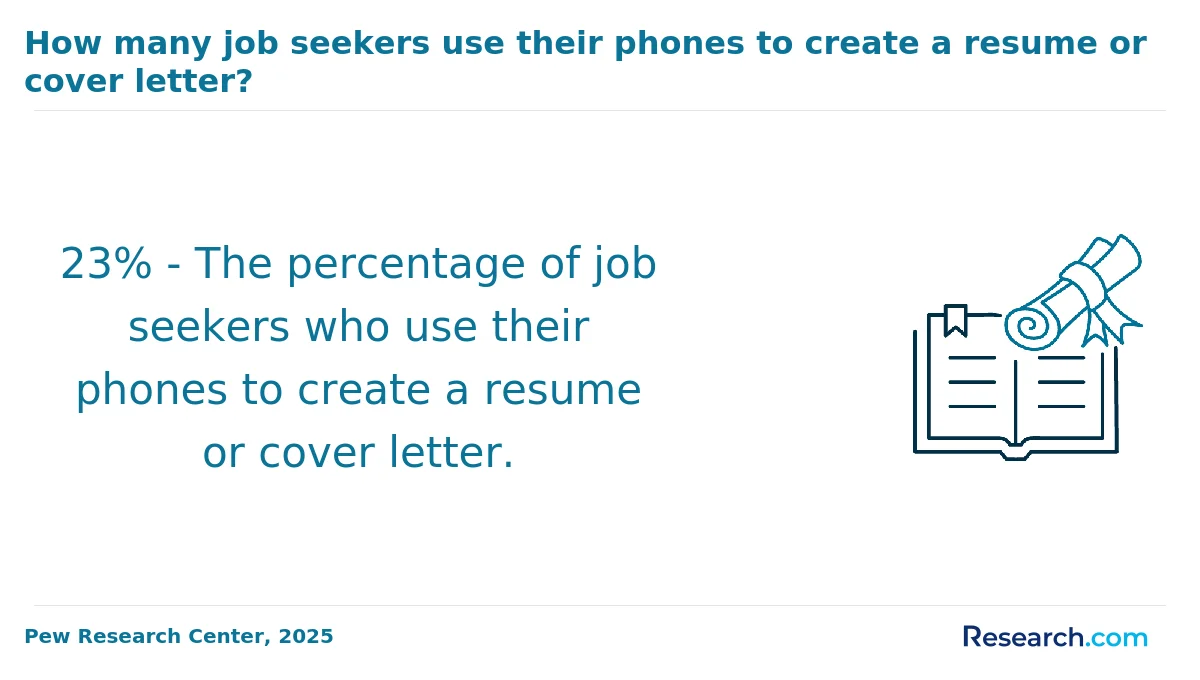
Students enrolled in trade school certification programs in Normal often rely on the federal Pell Grant, which can award up to $7,395 annually, providing vital, non-repayable support based on financial need. Graduates from popular local trade schools frequently share how this grant eased their financial burden, allowing them to focus fully on gaining hands-on skills in fields like healthcare or skilled manufacturing.
State aid from Illinois further supplements federal funds. Through the Illinois Student Assistance Commission, residents attending accredited vocational programs can access grants like the Monetary Award Program (MAP), reducing tuition costs significantly. Many students report that these state grants combined with scholarships from their schools or local industry partners made their ambitious career goals more achievable without incurring heavy debt.
Veterans and military-affiliated students benefit from education benefits including the GI Bill, which covers many trade school expenses in Normal. Additionally, flexible payment plans and work-study opportunities offered by area institutions provide practical ways to manage costs while studying. These financial options empower students to graduate with confidence, equipped for in-demand careers in their communities.
Enrolling in a trade school certification program in Normal requires meeting specific prerequisites designed to ensure student readiness and legal eligibility. Most programs prioritize confirming basic educational attainment, such as a high school diploma or GED. This foundational step assures that students possess the necessary academic skills to successfully engage in hands-on technical training.
Additionally, legal eligibility, including age requirements-typically 18 years or older-and citizenship or residency status, is verified. Trade schools in Normal also assess applicants' motivation and commitment, as graduates often emphasize how crucial a positive, proactive mindset was during their training.
Common prerequisites include:
- Proof of high school completion or equivalent
- Meeting minimum age criteria, usually 18+
- Completion of an application and interview process
- Health clearance for programs with physical demands
Graduates from well-known Normal trade schools report that these steps prepare students not only academically but mentally and physically for the intensive coursework ahead, creating a confident and equipped learner prepared to excel in their chosen technical field.
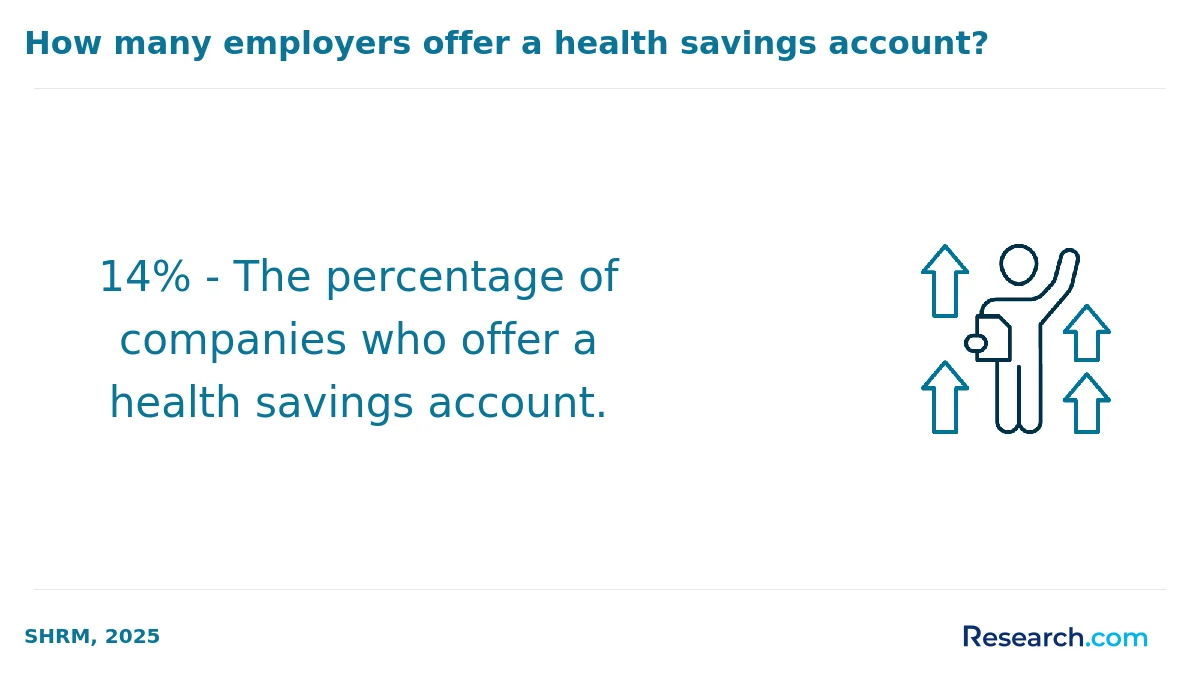
Trade school certificate courses in Normal Illinois focus heavily on building practical, industry-relevant skills through a structured mix of core technical and professional classes. Graduates from popular programs like the Industrial Technology Certificate at Heartland Community College often highlight the foundational importance of courses such as:
- Employment Success Strategies, which equips students with vital workplace and job readiness skills.
- Introduction to Computers and AutoCAD, key for mastering essential technical tools used daily in manufacturing and construction settings.
- Introduction to Technical Graphics and OSHA Safety Training, ensuring strong competence in safety standards and technical communication.
These courses reflect the backbone of industrial technology certification programs Normal IL offers, setting students up for confident entry-level roles. Electives allow customization with specialties like Welding or Energy Systems Technology, giving students a clear path to align learning with their career goals.
Local apprenticeships, such as the Inside Wireman program, complement this by combining hands-on training with extensive classroom hours, creating well-rounded, workforce-ready professionals.
Students frequently express satisfaction that this blend of coursework and practical experience distinguishes trade school programs here, making it easier to decide between trades vs college paths.
Accreditation is the primary factor in selecting the best trade school programs in Normal IL. Graduates from accredited programs report greater employer recognition and confidence in their credentials. For example, schools partnered with the Higher Learning Commission or industry-specific agencies like ABHES ensure curricula meet rigorous standards. This accreditation directly influences job placement success, which is often highlighted by graduates transitioning into stable local careers.
Cost comparison is crucial when evaluating how to compare trade school costs in Normal. Many students opt for union-affiliated apprenticeships or community college programs that deliver affordable tuition paired with financial aid opportunities. Some apprentices benefit from paid on-the-job training, drastically improving their cash flow while gaining skills, making the financial burden manageable and boosting student satisfaction.
Program structure also matters. Those who pursued electrical apprenticeships at the Bloomington-Normal Joint Apprenticeship & Training Center valued their mix of classroom hours and paid work, accelerating their path to Journeyman Wireman certification. Additionally, students interested in healthcare or skilled trades often explore accelerated or part-time certifications, including options like automotive mechanic training, which aligns well with busy schedules and career goals.
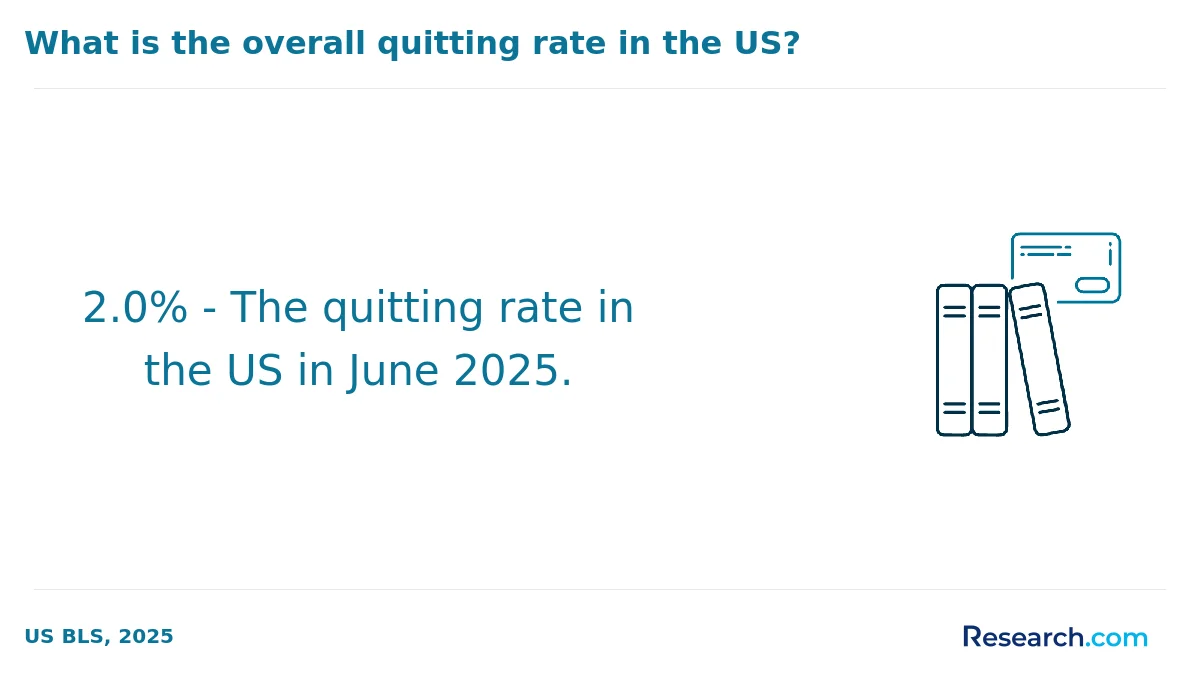
Trade school certification programs in Normal open doors to diverse skilled trades jobs for graduates in Normal, particularly in construction and technical fields. Graduates often secure roles such as plumbers, electricians, HVAC technicians, welders, and carpenters, benefiting from training programs that combine classroom instruction with paid apprenticeships. For instance, a five-year Inside Wireman electrical apprenticeship offers up to 8,000 hours of hands-on experience, enabling graduates to advance to positions like journeyman wireman or foreman within their local labor market.
Beyond construction, trade school career opportunities in Normal IL extend to technical and industrial sectors through well-regarded institutions like Heartland Community College. Certificate holders find roles as IT support specialists, cybersecurity analysts, or precision agriculture technicians. These programs respond directly to regional workforce demands and support practical career shifts for working adults.
Healthcare-related certifications, including medical assisting and allied health science, cater to students seeking entry-level roles in clinics and hospitals. Many local programs feature flexible schedules and financial aid options, making them accessible to a broad student demographic. For those interested in emerging fields, a low cost solar technician training program is also a viable path.
The trade school job opportunities in Normal Illinois are highly favorable due to the area's strong demand for skilled workers in trades like construction, welding, HVAC, and electrical work. Graduates from local trade schools often share stories of immediate job offers, with employers actively recruiting to fill shortages caused by retirements and a shifting workforce. For example, graduates from popular Normal certificate programs report entering stable positions with competitive pay shortly after completing their hands-on training.
Key factors driving this demand include:
- Growth in commercial construction and manufacturing sectors requiring trade-certified technicians.
- Expansion in emerging fields like renewable energy, where roles such as wind turbine service technicians are rapidly increasing.
- Local employers preferring candidates from nearby community colleges and trade schools due to relevant practical experience and workforce readiness.
This creates strong in-demand skilled trades careers Normal 2026, with many skilled trades jobs offering upward mobility and above-average wages without the burden of college debt. Students interested can explore cheapest online appliance repair trade school programs as an accessible route to enter this thriving market.
Most Affordable Certificate Programs - Leading Certification Courses in Normal for 2026
# 1 position
Heartland Community College - Industrial Mechanics and Maintenance Technology/Technician.
certificate or diplomaHeartland Community College offers a Hybrid program in Industrial Mechanics and Maintenance Technology/Technician. This program prepares students to repair and maintain various industrial machinery and equipment, including cranes, pumps, engines, pneumatic tools, and conveyor systems. The annual in-state tuition is $5,460. The program is accredited by the Higher Learning Commission and includes some distance-education options for flexibility.
# 2 position
Heartland Community College - Welding Technology/Welder.
certificate or diplomaHeartland Community College offers a Welding Technology/Welder program with a hybrid format, including some distance education. The program trains students in welding techniques such as arc welding, resistance welding, brazing, soldering, and high-energy beam welding. It covers welding metallurgy, safety, structural design, and applicable codes. Annual in-state tuition is $5,460. The program is accredited by the Higher Learning Commission.
Frequently Asked Questions about trade school certificates
After completing trade school certification programs in Normal, effective job market preparation is crucial. Graduates should begin by refining their resumes to highlight specific skills and hands-on experiences gained during their training. Networking plays a vital role; connecting with local employers through job fairs or industry associations in Normal can open opportunities. According to the Illinois Department of Employment Security, the skilled trades sector in the region shows steady growth, with employment expected to increase by 5% over the next decade.
Additionally, obtaining relevant industry licenses or certifications beyond the initial program can enhance employability. Utilizing resources like Normal's Workforce Development Center provides access to job listings and training on interview skills. Continuous learning and adaptability remain essential to match evolving employer expectations in trade industries.
Employers in Normal prioritize both technical and soft skills when hiring graduates from trade school certification programs. According to data from the Illinois Department of Employment Security, key technical skills include proficiency in machinery operation, HVAC systems, electrical work, and welding. Nearly 70% of local employers emphasize hands-on experience gained through internships or apprenticeships.
Additionally, strong communication skills and reliability rank high among sought-after soft skills. The National Association of Manufacturers reports that 80% of manufacturers value teamwork and problem-solving abilities in their trade workforce. Time management and adaptability also enhance job performance in these fast-paced environments.
Trade school programs focusing on these skills tend to produce graduates who meet employers' needs effectively in Normal's competitive job market.
Finding internships in Normal that align with your trade school certification program requires a multi-step approach. Start by connecting with your school's career services office, as many trade schools maintain partnerships with local businesses. This can increase your chances of securing relevant internship opportunities.
Additionally, check job listing websites that focus on internships in Illinois, such as Handshake or Internship.com, filtering results specifically for Normal and surrounding areas. According to the National Association of Colleges and Employers (NACE), about 60% of internships in trade fields lead to job offers, making local internships valuable for career entry.
Networking through local chambers of commerce or industry-specific groups in Normal can also uncover hidden internship possibilities. Local employers often seek interns who are already certified in their trade, so emphasize your credentials when applying.
Trade school certification programs in Normal significantly enhance career mobility by offering practical skills that are in high demand locally and nationally. According to the U.S. Department of Labor, occupations requiring such certificates are projected to grow 8% through 2030, faster than the average for all jobs. Employers in Normal value these certifications as proof of job readiness, often leading to higher starting wages compared to candidates without formal credentials.
Certifications from trade schools also facilitate advancement by qualifying workers for supervisory roles and specialized tasks. Data from the Illinois Community College Board shows that certificate holders in the state experience a 15-20% increase in median earnings within five years of program completion.
In Normal, part-time job opportunities closely related to trade school certification programs can enhance both experience and employability. For example, students studying electrical or HVAC certifications often find work as apprentice technicians or helpers with local contractors or service companies. These roles provide hands-on experience that complements classroom learning.
Retail and warehouse positions at major employers like Country Financial or PepsiCo, located near Normal, offer flexible schedules appealing to students. Additionally, healthcare certification students may secure part-time roles as medical assistants or nursing aides in nearby clinics and hospitals. According to the U.S. Bureau of Labor Statistics, healthcare support roles grew by 15% in Illinois between 2020 and 2023, indicating expanding opportunities.
Local job boards and Illinois workNet report consistent openings in construction labor, automotive service, and culinary assistance - fields tied to popular trade programs. These jobs allow students to apply skills in real-world settings while managing their education commitments.
To find the most affordable degree program near me in Normal, IL, start by researching local universities and community colleges, including institutions like Illinois State University, which offer a range of programs. You can compare tuition rates, financial aid opportunities, and scholarships provided by these schools to determine the most cost-effective options. For more detailed information and rankings, visiting Research.com may be helpful in evaluating the affordability and quality of different programs available near Normal, IL.
- Most Affordable Trade School & Training Programs - Leading Certification Courses in Overland Park for 2026
- Most Affordable Trade School & Training Programs - Leading Certification Courses in Dearborn for 2026
- Most Affordable Trade School & Training Programs - Leading Certification Courses in Olathe for 2026
- Most Affordable Trade School & Training Programs - Leading Certification Courses in Topeka for 2026
- Most Affordable Trade School & Training Programs - Leading Certification Courses in Tulsa for 2026
- How Long Is Trade School? A Complete Guide to Program Lengths and Career Paths - Riveter Consulting Group https://riveterinc.com/how-long-is-trade-school-a-complete-guide-to-program-lengths-and-career-paths/
- Trade School Requirements - Best Trade Schools https://www.best-trade-schools.net/next-student-guide/what-is-a-trade-school/requirements/
- 1/30/25 - Hands-On Learning vs. Traditional Education: Why the Trades Offer the Best of Both Worlds - Gould Construction Institute https://www.gwgci.org/hands-on-learning-vs-traditional-education-trades/
- Overcoming Common Challenges in Vocational Education - LARE Institute https://lareinstitute.com/overcoming-common-challenges-in-vocational-education/
- Trade Schools: Choose a Vocational School for Your Best Career! https://www.trade-schools.net/
- Professional certification - Wikipedia https://en.wikipedia.org/wiki/Professional_certification
- Trade School Costs & Financial Aid Explained https://www.genesiscareer.edu/trade-school-costs-and-financial-aid/
- 16 Best Trade School Jobs in 2025 - College Transitions https://www.collegetransitions.com/blog/best-trade-school-jobs/
- Research - Best Automotive Mechanic Trade School Programs https://research.com/degrees/best-automotive-mechanic-trade-school-programs
- The Pros and Cons of Trade School | BestColleges https://www.bestcolleges.com/resources/career-training/pros-and-cons-trade-school/