Most Affordable Certificate Programs - Leading Certification Courses in Augusta for 2026

Co-Founder and Chief Data Scientist
Looking for affordable certificate programs in Augusta that can kickstart your career? This article introduces a carefully crafted ranking of trade school certificate programs created by the Research.com team of data scientists. It’s designed to help you make an informed decision on which programs truly stand out.
Getting a trade school diploma or certification opens doors to practical skills and better job prospects. Whether you want a fresh start or to boost your expertise, this guide offers valuable insights to support your journey.
Key benefits of getting trade school certificate in Augusta
- Trade school graduates in Augusta can earn good salaries, such as concrete carpenters making about $50,789 per year and drywallers earning around $48,420, showing strong earning potential across several trades.
- Popular career paths for trade school graduates include skilled carpentry, drywall installation, and general trades work, all of which offer stable job opportunities and room to grow within the local job market.
- Online trade school certification offers flexibility and convenience, allowing students to balance learning with other responsibilities while still preparing well for skilled roles, as demonstrated by many successful Augusta online graduates.
- Most Affordable Certificate Programs - Leading Certification Courses in Augusta for 2026
- What can I expect from trade school certification programs in Augusta?
- Where can I work with trade school certification in Augusta?
What can I expect from trade school certification programs in Augusta?
Students considering trade school certification programs in Augusta typically find the cost varies depending on the institution and program length, but many report average expenses ranging from $5,000 to $15,000. For example, graduates of Augusta Technical College and Miller-Motte College often describe their investment as reasonable given the comprehensive hands-on training and industry-recognized certifications they receive.
These programs balance affordable tuition with flexible scheduling, allowing students juggling work or family to progress without overwhelming financial strain. Graduates appreciate that, unlike traditional four-year degrees, the cost reflects a focused curriculum designed to quickly prepare them for skilled employment. One graduate shared how the affordability made pursuing an electrical certification feasible while maintaining a part-time job.
Additionally, the value of earning up to three NCCER achievement certificates-which employers widely recognize-adds to the perceived return on investment. Financial aid and payment plans are common at schools like Augusta Technical College, helping to ease the upfront cost and making the journey to a new career accessible and encouraging.
Where can I work with trade school certification in Augusta?
Graduates of trade school certification programs in Augusta often find themselves stepping into a variety of rewarding career paths. Many land positions as HVAC technicians or apprentices, working for local companies like Bailey's Comfort Services, where they gain hands-on experience maintaining heating and cooling systems in homes and businesses. Others pursue machine technology roles at places such as Bridgestone Americas or Rolls-Royce Power Systems AG, where certifications open doors to jobs with competitive pay and room for growth.
Fire protection inspection specialists begin their careers by joining firms like Summit Fire & Security, ensuring safety compliance that directly impacts community well-being. Plumbing and electrical graduates often secure service technician roles at Boiler Supply Company, drawing satisfaction from solving complex problems while earning between $25 and $50 per hour.
Many find purpose working in public safety and municipal settings as code enforcement officers or traffic signal technician assistants, roles that support local infrastructure and public comfort. Facilities maintenance jobs at Augusta University provide stable employment with benefits, appealing to those who enjoy varied daily tasks. Through these opportunities, trade school graduates in Augusta feel confident they are contributing valuable skills to their communities.
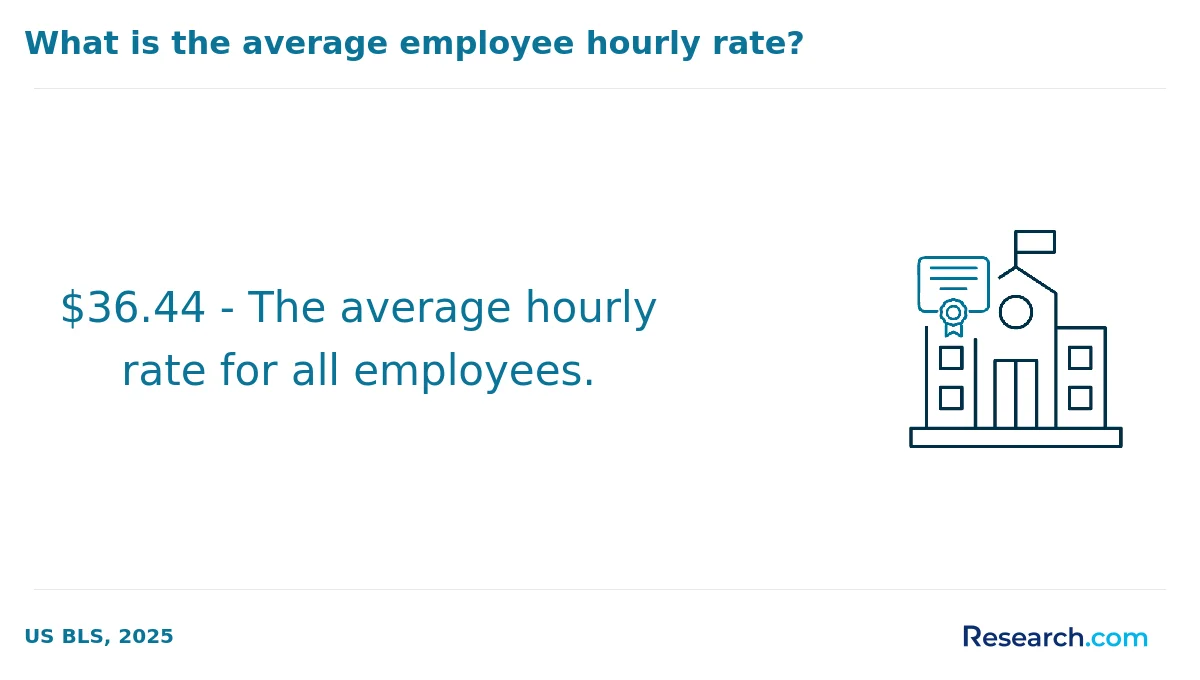
After completing a trade school certification program in Augusta, many graduates find themselves stepping into well-paying and rewarding careers. For instance, the average skilled trades worker earns about $51,328 annually, which means a steady income near $25 per hour. This is encouraging for those who have dedicated themselves to hands-on learning at Augusta's reputable trade schools, where practical skills quickly translate into real-world jobs.
Graduates often share how their first jobs, even at entry level, start around $37,000 a year, enough to feel financially independent and motivated to advance. More experienced workers, who keep building on what they learned in their programs, can earn upwards of $67,000 annually, sometimes even reaching $82,000 in top trades.
Specific roles like Concrete Carpenters and Drywallers from popular Augusta trade schools report salaries in the $48,000 to $51,000 range. Many graduates express pride in knowing their training has opened doors to stable careers full of growth opportunities, especially in Augusta's active skilled trades market.
- "The HVAC certification program in Augusta gave me hands-on experience that truly prepared me for my career. The instructors were supportive and the small class sizes made learning easier. Within months of graduating, I secured a job at a local company. I feel confident and ready for the future." - Marcus
- "Studying cosmetology at the Augusta trade school was a dream come true. The curriculum was detailed and creative, and the supportive environment helped me grow my skills. Now, I run my own salon and absolutely love helping people look and feel their best every day." - Sophia
- "I completed the welding certification in Augusta, and it was a game-changer. The practical training was intense but rewarding, and the staff motivated me to push my limits. Thanks to the job placement assistance, I quickly found work at a manufacturing firm and am proud of my craft." - Daniel
- Trade schools in Augusta offer programs in healthcare, skilled trades like HVAC, electrical, welding, CDL, business, and technology.
- Most programs can be completed in under two years, with some certificates requiring only one term of study.
- Admissions typically require a high school diploma or equivalent, and some programs have additional prerequisites or competitive entry.
- The average cost to complete a certification program is around $5,000, with financial aid and scholarships available for eligible students.
- Job placement rates for graduates are very high at 99.72%, with 85.24% finding employment in their field of study.
- Entry-level salaries in trades like HVAC and welding range from $35,000 to $45,000 annually, with experienced workers earning over $55,000 to $60,000.
Completing a trade school certification program in Augusta often depends on your schedule and educational goals. Graduates from Miller-Motte College share how their full-time healthcare or business certificate programs took about 10 to 15 months, a period that balanced learning with real-world skill-building. This timeframe feels just right for those eager to enter the workforce confidently without rushing.
For students pursuing specialized careers like Commercial Driver's License (CDL) training, some find themselves earning certification in as little as 4 to 8 weeks, fitting well into busy lives with options for weekday or weekend classes. This accelerated path brings a rewarding sense of accomplishment quickly.
Meanwhile, Augusta Technical College offers certificates that can be completed in a single academic term-around four months-if attending full-time. Graduates often describe this experience as an efficient, focused journey, ideal for those seeking to upskill fast.
Part-time attendance naturally extends program lengths, sometimes doubling the time, yet still offers flexible scheduling that empowers students to balance work and study successfully.
The key difference between online and on-campus trade school certification programs in Augusta lies in how and where learning takes place. Graduates from online programs often speak about the freedom to study on their own time, balancing work, family, and school with ease. Programs offered through Augusta University Continuing Education and ed2go partners provide that flexibility, making it possible to pursue certifications in fields like electrical work or graphic design without leaving home. Students appreciate how this format fits around their busy lives, allowing them to learn at their own pace without the stress of commuting.
In contrast, those who choose on-campus programs at places like Augusta Technical College or Miller-Motte College highlight the value of hands-on training and direct instructor support. These graduates often describe the energy of in-person labs and immediate feedback as essential to mastering physically demanding trades like welding or HVAC. The structured schedules, while less flexible, build strong connections with peers and instructors, enriching the learning experience. Many find this environment inspiring and motivating, especially when practical skills need constant practice and refinement.
Understanding the average cost of trade school in Augusta is essential for students planning their education budget. At Augusta Technical College, the primary local institution, tuition for in-state students is $107 per credit hour. Most certificate programs require between 12 and 15 credit hours, so tuition typically ranges from $1,284 to $1,605. Adding mandatory fees of $536 per term, the total cost comes to about $1,820 for a 12-credit program and $2,141 for 15 credits. Graduates often recall feeling reassured knowing these fees cover essential services like registration and campus safety, which adds value beyond just classroom learning. This transparent cost structure makes it easier for many students to confidently invest in their futures without surprises. This clear example of Augusta GA trade school tuition and fees highlights why local trade schools remain a popular choice for certification.
Specialized programs can cost more. For instance, law enforcement certificates charge $237 per credit hour, resulting in tuition around $3,555 plus fees, summing to roughly $4,091. Healthcare certificates, such as those in cardiovascular or vascular studies, combine tuition and fees to total $2,461. These programs attract students motivated by focused career paths and appreciate the rigorous, practical training despite the higher cost. Out-of-state students should note that tuition rates double, increasing expenses substantially. Meanwhile, Augusta University's certificate programs come with higher tuition-$236 per credit hour plus $675 in fees-making technical colleges a more affordable option.
Many students weigh these figures alongside additional costs like textbooks and supplies, which vary by program. Fortunately, financial aid is often available, easing the financial burden for eligible candidates. For those considering online options, investigating the cheapest solar technician certification online might offer alternative pathways to certification with competitive costs.
Many students pursuing trade school certification programs in Augusta find relief through federal financial aid like the Pell Grant. This grant, which doesn't require repayment, is based on financial need and accessed by completing the FAFSA each year starting October 1. Graduates from local schools, such as Augusta Technical College, often share how the Pell Grant made balancing tuition and living expenses much less stressful, though it's worth noting not all schools participate in federal loan programs.
State aid through Georgia's HOPE Grant also plays a vital role for residents. This grant supports those enrolled in certificate or diploma programs at public institutions, rewarding consistent academic effort with assistance that lightens the financial load. Some Augusta trade school students recall the HOPE Grant as pivotal, helping them focus fully on their studies without constant financial worry.
Beyond grants, scholarships and institutional aid from places like Augusta University provide merit- and need-based awards, often bridging gaps left by other aid. Work-study programs additionally offer students flexible part-time jobs tied to their education, further easing financial pressures and offering a sense of achievement.
Enrolling in a trade school certification program in Augusta usually starts with some straightforward but important prerequisites. Most students begin by ensuring they have a high school diploma or GED, which serves as the foundation needed to tackle the technical coursework ahead. Graduates from Augusta Technical College often recall how this baseline helped them confidently approach the rigorous material.
Many programs require passing an academic readiness test, like the ACCUPLACER, which assesses skills in reading, arithmetic, algebra, and sentence structure. Some students find that their SAT or ACT scores can substitute, saving time and stress during the admission process.
Specific programs may ask for additional items-for example:
- HVAC/R technician tracks often require a government-issued photo ID and basic computer skills to manage online components smoothly.
- Healthcare certificates, such as the Physician Assistant program at Augusta University, require prerequisite college coursework in biology, chemistry, and math.
Experienced students appreciate that some schools like Augusta Technical College offer credit for recent relevant work experience or previous certifications, which can reduce the time and effort needed to complete a program.
Hands-on fields like electrical certifications at Miller-Motte College emphasize practical exams and competency assessments, but maintain accessible entry with focus on core academic readiness and commitment.
Trade school certificate courses in Augusta emphasize practical skills designed for immediate career application. At Augusta Technical College, certificate program classes often include healthcare fields such as Medical Assisting and Magnetic Resonance Imaging Specialist, where graduates share how hands-on labs and real-world simulations built their confidence. Skilled trades courses cover automotive technology, welding, and air conditioning technology, focusing on safety and repair techniques that reflect local industry needs.
Business and information technology classes provide pathways into roles like Help Desk Specialist or Java Programmer, nurturing problem-solving skills and workplace communication. Many find creative courses like Graphic Design & Prepress Technician especially rewarding because they combine artistic expression with technical proficiency.
Other notable programs at institutions like Miller-Motte College offer short-term certificates in HVAC, CDL training, and Combination Welding, combining classroom theory with hands-on practice. Students often praise the flexible scheduling to balance work and study.
For those seeking adaptable formats, online options cover electrician training and customer service, while local programs maintain strong ties to employer expectations. Many students explore cheap appliance repair online training to supplement their expertise as well.
Choosing the best trade school certification program in Augusta often begins with finding an accredited institution like Augusta Technical College or Helms College. Graduates from these schools frequently share how accreditation boosted their confidence during job searches, knowing employers valued their credentials. The real benefit comes when a program's range matches your career aspirations - for instance, Augusta Technical College's healthcare and IT certificates appeal to many eager learners who want flexible, in-person or online study options. Reflecting on how alumni appreciated high job placement rates-over 99% at Augusta Technical-shows the importance of researching outcome statistics before enrolling.
In your journey to find the right fit, consider admission requirements carefully. Some health sciences programs require extra tests and interviews, a hurdle that motivated students overcame to secure a place in competitive fields. If cost is on your mind, weighing the net prices at local schools guides wise choices; with Augusta Technical's comparatively lower net price versus other institutions, it's easier for many to start their training without overwhelming debt.
To truly understand how to compare Augusta trade school costs and benefits, many turn to resources like best vocational trade schools online. This practical step, combined with conversations with current students, brings the whole decision into focus and keeps hope alive for a fulfilling career ahead.
Trade school certification program graduates in Augusta find promising career opportunities across several thriving industries. Healthcare certifications from Augusta Technical College and Miller-Motte College open doors to roles like medical assistants or dental aides, with many graduates sharing their quick employment success in local clinics and hospitals. Skilled trades offer some of the highest paying trade jobs Augusta GA, including HVAC, electrical, and welding positions that keep pace with the city's expanding infrastructure. CDL training also creates pathways into transportation and logistics, vital to Augusta's manufacturing and distribution networks.
Business, technology, and digital media certifications equip graduates for entry-level management, IT support, and cybersecurity positions, helping local companies thrive in today's tech-centric world. Graduates in early childhood education, paralegal studies, and hospitality report rewarding work in community-focused settings. Many students find that combining passion with practical skills learned locally ensures immediate job readiness.
For those exploring HVAC, exploring cheap hvac certification online programs can complement Augusta-area training and broaden career options further.
The job market for trade school certification program graduates in Augusta is especially promising, reflecting a vibrant landscape where practical skills are in high demand. Graduates from local institutions like Augusta Technical College and Miller-Motte College often share stories of quickly securing rewarding roles, thanks to hands-on training that matches industry needs. Whether entering fields like HVAC, welding, or healthcare, these graduates find themselves well-prepared to step directly into positions with competitive salaries and benefits.
Employers in Augusta highly value the readiness and technical expertise of trade school graduates, creating numerous job opportunities for trade school graduates in Augusta. Current openings include roles such as HVAC technician, commercial plumber, and healthcare administration assistant, with many companies offering tuition reimbursement and advancement potential. The Augusta GA skilled trades employment outlook remains strong, particularly in healthcare and manufacturing sectors, where certified professionals are urgently sought.
Students often appreciate the personalized support and career alignment offered by their colleges, which focus on bridging education with real local job demands. For those interested in rapidly advancing their careers, exploring the top paying 6 month certificate programs online provides valuable insight into efficient pathways that suit diverse career goals in the Augusta market.
Most Affordable Certificate Programs - Leading Certification Courses in Augusta for 2026
# 1 position
Augusta Technical College - Electrician.
certificate or diplomaThe Electrician program at Augusta Technical College offers hybrid learning to prepare students for installing, operating, maintaining, and repairing electrical systems in residential, commercial, and industrial settings. The curriculum covers electronics, wiring, power transmission, safety, and electrical codes. Annual in-state tuition is $4,022. Graduates have median earnings of $67,147 one year after completion. The program is accredited by the Southern Association of Colleges and Schools Commission on Colleges.
# 2 position
Augusta Technical College - Nursing Assistant/Aide and Patient Care Assistant/Aide.
certificate or diplomaAugusta Technical College offers a hybrid Nursing Assistant/Aide and Patient Care Assistant/Aide program that prepares students to perform routine nursing services under nurse supervision. The program's annual in-state tuition is $4,022. Graduates earn a median salary of $51,024 one year after completion. The program is accredited by the Southern Association of Colleges and Schools Commission on Colleges.
# 3 position
Augusta Technical College - Heating, Air Conditioning, Ventilation and Refrigeration Maintenance Technology/Technician.
certificate or diplomaAugusta Technical College offers a hybrid Heating, Air Conditioning, Ventilation and Refrigeration Maintenance Technology/Technician program that prepares students to repair, install, service, and maintain HVAC and refrigeration systems. Instruction covers diagnostic techniques, testing equipment, and principles of mechanics, electricity, and electronics. The program’s annual in-state tuition is $4,022, and median earnings one year after completion are $34,877. It is accredited by the Southern Association of Colleges and Schools Commission on Colleges.
# 4 position
Augusta Technical College - Physical Fitness Technician.
certificate or diplomaAugusta Technical College offers a Physical Fitness Technician program designed to prepare students for careers in health clubs, wellness centers, hospitals, and corporate fitness programs. The hybrid program includes instruction in human anatomy, exercise science, personal training, nutrition, and customer service. Annual in-state tuition is $4,022. The program is accredited by the Southern Association of Colleges and Schools Commission on Colleges.
# 5 position
Augusta Technical College - Industrial Mechanics and Maintenance Technology/Technician.
certificate or diplomaAugusta Technical College offers a hybrid Industrial Mechanics and Maintenance Technology/Technician program designed to train students in repairing and maintaining industrial machinery such as cranes, pumps, engines, and conveyor systems. The program includes some distance-education options and is accredited by the Southern Association of Colleges and Schools Commission on Colleges. Annual in-state tuition is $4,022.
# 6 position
Augusta Technical College - Automobile/Automotive Mechanics Technology/Technician.
certificate or diplomaAugusta Technical College offers a hybrid Automobile/Automotive Mechanics Technology/Technician program that prepares students to repair, service, and maintain various automobile systems. The curriculum covers brake systems, electrical systems, engine performance and repair, suspension and steering, transmissions, and heating and air conditioning. The annual in-state tuition is $4,022. The program is accredited by the Southern Association of Colleges and Schools Commission on Colleges.
# 7 position
Augusta Technical College - Medical Office Management/Administration.
certificate or diplomaAugusta Technical College offers a Medical Office Management/Administration program with a hybrid format that includes some distance education. The program trains students to manage business operations in medical or clinical offices, covering areas such as financial record-keeping, personnel supervision, healthcare policy administration, scheduling, public relations, and legal regulations. Annual in-state tuition is $4,022. Graduates earn a median income of $34,351 one year after completing the program. The program is accredited by the Southern Association of Colleges and Schools Commission on Colleges.
# 8 position
Augusta Technical College - Medical Insurance Coding Specialist/Coder.
certificate or diplomaAugusta Technical College offers a hybrid Medical Insurance Coding Specialist/Coder program that trains students in specialized data entry, classification, and record-keeping related to medical diagnostics, treatment, billing, and insurance documentation. The curriculum covers medical terminology, anatomy, physiology, coding, software applications, and Medicare regulations. Annual in-state tuition is $4,022. Graduates have median earnings of $34,351 one year after completion. The program is accredited by the Southern Association of Colleges and Schools Commission on Colleges.
# 9 position
Augusta Technical College - Welding Technology/Welder.
certificate or diplomaAugusta Technical College offers a Welding Technology/Welder program with a hybrid format that includes some distance-education options. The program prepares students to apply technical knowledge in various welding methods such as arc welding, resistance welding, brazing, soldering, and high-energy beam welding. Tuition for in-state students is $4,022 annually. Graduates earn a median income of $32,352 one year after completion. The program is accredited by the Southern Association of Colleges and Schools Commission on Colleges.
# 10 position
Augusta Technical College - Computer Numerically Controlled (CNC) Machinist Technology/CNC Machinist.
certificate or diplomaAugusta Technical College offers a hybrid Computer Numerically Controlled (CNC) Machinist Technology program that trains students to operate CNC machine tools, including lathes and mills. Instruction covers CNC programming, setup, blueprint reading, machining, technical math, CAD/CAM, and safety practices. The program’s annual in-state tuition is $4,022. Graduates earn a median of $32,352 one year after completion. It is accredited by the Southern Association of Colleges and Schools Commission on Colleges.
Frequently Asked Questions about trade school certificates
After completing trade school certification programs in Augusta, preparing for the job market involves several strategic steps. First, graduates should build a professional resume highlighting skills gained and any hands-on experience from their programs, as employers in Augusta often value practical expertise. According to the Georgia Department of Labor, certified trade professionals in Augusta see an employment growth rate of approximately 5% annually, reflecting steady demand.
Networking is crucial. Joining local trade associations or attending job fairs in Augusta can connect graduates with employers actively seeking certified workers. Additionally, utilizing resources like the Augusta Technical College career center can provide job placement assistance and interview preparation.
Continuing education or obtaining additional certifications relevant to one's trade can also enhance employability and wage potential. Many trades in Augusta, such as HVAC or electrical work, demand updated certifications to comply with safety standards and technological advancements. Understanding local labor market trends through sources like the U.S. Bureau of Labor Statistics helps graduates target industries with the highest demand in Augusta's workforce.
Employers in Augusta highly value practical skills when hiring graduates from trade school certification programs. Top technical skills include proficiency in electrical systems, HVAC technology, welding, and automotive repair. According to the Georgia Department of Labor, over 65% of trade-related job postings in Augusta require hands-on expertise and certification.
Besides technical abilities, employers emphasize soft skills such as problem-solving, communication, and teamwork. A 2023 survey by the National Association of Colleges and Employers found that 82% of employers in the Southeastern U.S. placed high importance on these skills for trade workers.
Time management and adaptability are also frequently highlighted as key traits for success in local trade careers.
Finding internships relevant to your trade school certification program in Augusta involves several practical steps. Begin by contacting your school's career services, which often maintain partnerships with local businesses and can guide you to available opportunities. The Augusta Economic Development Authority notes that industries such as healthcare, manufacturing, and construction offer internship openings aligned with trade skills.
You can also explore listings on sites like Georgia Department of Labor's WorkSource, which features locally posted internships and apprenticeships. Networking through local trade associations or job fairs in Augusta can increase your chances. Additionally, direct outreach to companies within your certification field in the Augusta area often uncovers unadvertised internships. This approach strengthens both your resume and professional contacts.
Trade school certifications in Augusta significantly enhance career mobility and advancement by providing specialized skills that are in high demand. According to the Georgia Department of Labor, industries such as healthcare, construction, and manufacturing show consistent job growth in the Augusta area, making relevant certificates valuable for local employment.
Graduates from certified trade programs often experience faster entry into the workforce due to employer recognition of practical skills. Data from the U.S. Bureau of Labor Statistics indicates that certification holders can earn 10-20% higher wages than uncertified peers in similar roles nationwide.
Additionally, trade certifications support career advancement by qualifying individuals for promotional opportunities that require proof of expertise, which is especially important in Augusta's competitive labor market.
Part-time job opportunities in Augusta that complement trade school certification programs often align closely with students' fields of study. For example, those pursuing certifications in healthcare, such as phlebotomy or medical assisting, can find openings as medical receptionists or patient care aides. According to the U.S. Bureau of Labor Statistics, healthcare support roles in Georgia are growing faster than average, providing practical experience alongside schooling.
Students enrolled in HVAC or electrical certification programs may seek part-time technician assistant roles or apprenticeships with local contractors. These jobs offer hands-on experience critical for skill development.
Retail and warehouse positions related to construction supplies and tools also support trade students by enhancing their understanding of materials and equipment.
To find the most affordable degree program near me in Augusta, GA, consider researching local universities and programs utilizing resources like Research.com to compare tuition costs and available financial aid. Local community colleges may also offer more economical options for completing general education requirements or associate degree programs. Additionally, visiting college campuses near Augusta, GA, to inquire about scholarships and financial assistance can help minimize expenses.
- What Skills Will Future Business Graduates Need? | AACSB https://www.aacsb.edu/insights/articles/2025/08/what-skills-will-future-business-graduates-need
- Traditional vs Online Education - Which One Is Right For You? | Penn Foster https://www.pennfoster.edu/blog/traditional-vs-online-education
- Online Education Vs. Traditional Education: What Is More Effective For - The Dan Lok Shop https://danlokshop.com/blogs/articles/online-education-vs-traditional-education-what-is-more-effective-for-you
- Degrees, Diplomas, and Certificates - Academics - Augusta Technical College https://www.augustatech.edu/academics/degrees-diplomas-and-certificates.cms
- Online HVAC/R Certified Technician (Voucher Included) from Augusta University https://pace.augusta.edu/training-programs/hvacr-certified-technican/
- Vocational vs. Trade School: Choosing the Right Path https://www.genesiscareer.edu/vocational-vs-trade-school-guide/
- Work and Internships | study.gov.pl https://study.gov.pl/work-and-internships
- Trade School Careers: Why Trade Schools Result In High Demand Jobs https://intercoast.edu/articles/trade-school-careers-why-trade-schools-result-in-high-demand-job-opportunities-for-its-graduates/
- Trade School vs. College: Weighing cost, timelines & More https://www.midwesttech.edu/resources/careers/trade-school-vs-college-a-guide-to-weighing-your-options/
- Augusta Tech - Best Trade Schools https://www.best-trade-schools.net/schools/augusta-tech/