
Most Affordable Associate Degree Programs - Leading Certification Courses in Greensburg for 2026

Co-Founder and Chief Data Scientist
Looking to start an associate degree program in Greensburg without breaking the bank? This article will guide you through the most affordable options available for 2026. Our detailed associate degree programs ranking, created by the Research.com team of data scientists, helps you make an informed choice on which trade school programs offer the best value.
Whether you're aiming to boost your career or explore a new field, earning an associate degree opens doors to exciting opportunities. Discover programs that fit your budget and goals-taking this step can change your future for the better.
Key benefits of associate degrees in Greensburg
- Associate degree graduates in Greensburg can earn competitive salaries, with sales associates making around $10.81 per hour, dental hygienists earning up to $39.65 per hour, and paralegals or executive assistants reaching annual salaries as high as $96,900 to $101,800.
- Popular career paths for associate degree holders include sales, dental hygiene, paralegal work, and executive assistance, offering a variety of options that match different interests and skills.
- Getting an online associate degree provides flexibility and convenience, allowing students in Greensburg to balance work and study while still earning a respected qualification that supports career growth.
- Most Affordable Associate Degree Programs - Leading Certification Courses in Greensburg for 2026
- What can I expect from associate degree programs in Greensburg?
- Where can I work after finishing associate degree programs in Greensburg?
What can I expect from associate degree programs in Greensburg?
The average cost of an associate degree program in Greensburg is notably affordable, especially at community colleges like Westmoreland County Community College, where tuition and fees are designed to ease financial burdens. Graduates often share how attending such institutions allowed them to balance work and study without overwhelming debt. Many reported that investing in around 60 college credits over two years was feasible, thanks to cost-effective tuition rates and available financial aid.
Students can expect flexible learning options-ranging from in-person to up to 43% online-enabling those with jobs or family commitments to progress at their own pace. For instance, a recent graduate from a technical school in Greensburg highlighted how hands-on training complemented affordable tuition, preparing them directly for the workforce without the high expenses often seen at four-year universities.
Such programs not only reduce financial stress but also provide access to valuable support services like academic advising and career counseling, making the journey both achievable and rewarding in the Greensburg community.
Where can I work after finishing associate degree programs in Greensburg?
Graduates from associate degree programs in Greensburg often step directly into rewarding jobs that blend skill with opportunity. Picture someone finishing their studies at Westmoreland County Community College, then finding a role as an executive assistant in Pittsburgh's vibrant business scene, earning a comfortable salary and benefits. Others enter healthcare, becoming medical office assistants at Allegheny Health Network, managing appointments and easing patient stress daily.
Legal aspirants graduate ready for paralegal roles, perhaps at the Naval Nuclear Laboratory near Greensburg, where their associate degree unlocks salaries nearing six figures. Marketing grads enjoy hands-on jobs as sales coordinators or customer service reps, thriving in Greensburg's lively market environment.
For those drawn to skilled trades, a lineworker apprenticeship with Duquesne Light offers a steady, well-paid career path starting around $35 an hour. Meanwhile, some graduates find meaningful roles within the University of Pittsburgh at Greensburg campus, supporting education and administration.
These real-life pathways show how studying locally can open doors to fulfilling careers, with clear steps from classroom to paycheck.
Graduates of associate degree programs in Greensburg often find that their investment pays off with solid earning potential. For instance, many who complete healthcare-related programs at local schools like Westmoreland County Community College report hourly wages between $29.36 and $39.65, translating to annual salaries ranging from about $61,000 to $82,400. This range offers real financial stability, especially compared to many entry-level positions.
Others pursuing administrative roles such as executive assistants or paralegals see competitive salaries as well. Graduates with relevant experience can earn between $61,400 and $101,800 annually in nearby job markets like Pittsburgh, highlighting how an associate degree can open doors to well-paying careers beyond Greensburg itself.
On the other hand, roles like sales associates, often accessible without a degree, typically earn closer to $10.81 per hour. This contrast underscores how specialized associate degrees can elevate earnings and career satisfaction, especially when tied to hands-on training locally.
Choosing to study in Greensburg means stepping into a community where associates of technical and healthcare programs are valued-and rewarded-right from the start.
- Jasmine: Earning my Associate Degree in Culinary Arts at Greensburg Trade School was a game changer. Hands-on training made me confident in the kitchen, and local internships connected me to a fantastic restaurant job. The practical learning environment truly prepared me for a successful culinary career here.
- Marcus: Studying Automotive Technology in Greensburg was an eye-opener. The focused, skill-based curriculum helped me master diagnostics and repair quickly. Now I run my own garage in town. The school's real-world approach gave me both expertise and the confidence to thrive as a mechanic.
- Emily: The Nursing Associate Degree I completed in Greensburg combined theory with compassionate care training. The supportive staff and clinical placements made me feel ready for the healthcare field. I'm proud to serve my community now, knowing my education was thorough and truly hands-on. It felt like family.
- Associate degrees in Greensburg include AA, AS, AAS, and AFA, with AA and AS focusing on transfer and AAS on career skills.
- Most programs require a high school diploma or GED and involve completing 60-61 credit hours, with options for in-person, online, or blended learning.
- Westmoreland County Community College enrolled about 2,748 undergraduates and awarded 510 associate degrees in 2023.
- Community college tuition typically ranges from $3,500 to $5,000 per year for in-state students, totaling $7,000 to $10,000 for two years.
- Graduates can expect starting salaries between $32,000 and $46,000 per year, with median wages around $48,000 annually.
Completing an associate degree program in Greensburg typically takes two years of full-time study, a timeline embraced by many students at the region's leading community colleges. Graduates often share how enrolling in about 15 credit hours each semester lets them steadily progress through the required 60 credit hours without feeling overwhelmed. For those balancing work or family, part-time attendance is common, extending completion to three or even five years. Consider the graduate who juggled evening shifts but still celebrated finishing their degree within four years-proof that flexibility here supports varied life paths.
Many Greensburg students pursuing trade-focused associate degrees find similar timelines. Technical schools design programs for two years if attending full-time, and some offer accelerated terms that cater perfectly to students eager to enter the workforce sooner. The local community college's enrollment of nearly 2,750 associate degree students in 2023 showcases how accessible and popular these programs are, fueling dreams one semester at a time.
The key difference between online and on-campus associate degree programs in Greensburg lies in flexibility and learning style. For many working adults juggling jobs and family, online programs at schools like West Virginia Junior College-United Career Institute feel like a lifesaver, offering the freedom to study anytime, anywhere. Graduates often share how empowering it was to complete 100% of their coursework remotely, fitting education seamlessly into their busy lives.
On the other hand, students attending on-campus programs, such as those at Triangle Tech Inc-Greensburg, often describe a sense of community and immediate support that only face-to-face interaction can provide. The structured schedule helps maintain focus, while hands-on training in labs and workshops offers a tactile learning experience hard to replicate online-crucial for technical fields.
Imagine starting your day in a library surrounded by peers versus logging in from your living room late at night; both paths serve different needs but lead to the same goal of earning an associate degree in Greensburg.
For students exploring the average associate degree cost in Greensburg, the numbers offer a clear snapshot of affordability balanced with quality education. At Westmoreland County Community College, the primary local institution, residents pay $143 per credit, leading to an estimated tuition total near $8,580 for the typical 60-credit associate degree program. Graduates often recall this as a manageable investment when paired with the community feel and career-focused courses that WCCC offers. Out-of-county students face higher tuition, about $280 per credit, doubling the cost but still competitive with many private alternatives.
Adding to tuition, the Greensburg community college tuition and fees include general fees around $72 per credit for residents, plus lab and capital fees that vary by program but usually add a few hundred dollars. Many local students find this price structure transparent and straightforward, a refreshing contrast to the hidden fees they expected. For those eyeing private, for-profit schools nearby, costs tend to be higher without published average figures, so prospective students often weigh those options carefully with financial aid considerations.
Financial aid can substantially ease the burden, available through federal and state grants and scholarships, helping many aspiring graduates look beyond just tuition costs. For students curious about quicker paths with strong financial returns, 6 month certificate programs that lead to high paying careers are also worth exploring as alternatives or complements to associate degrees.
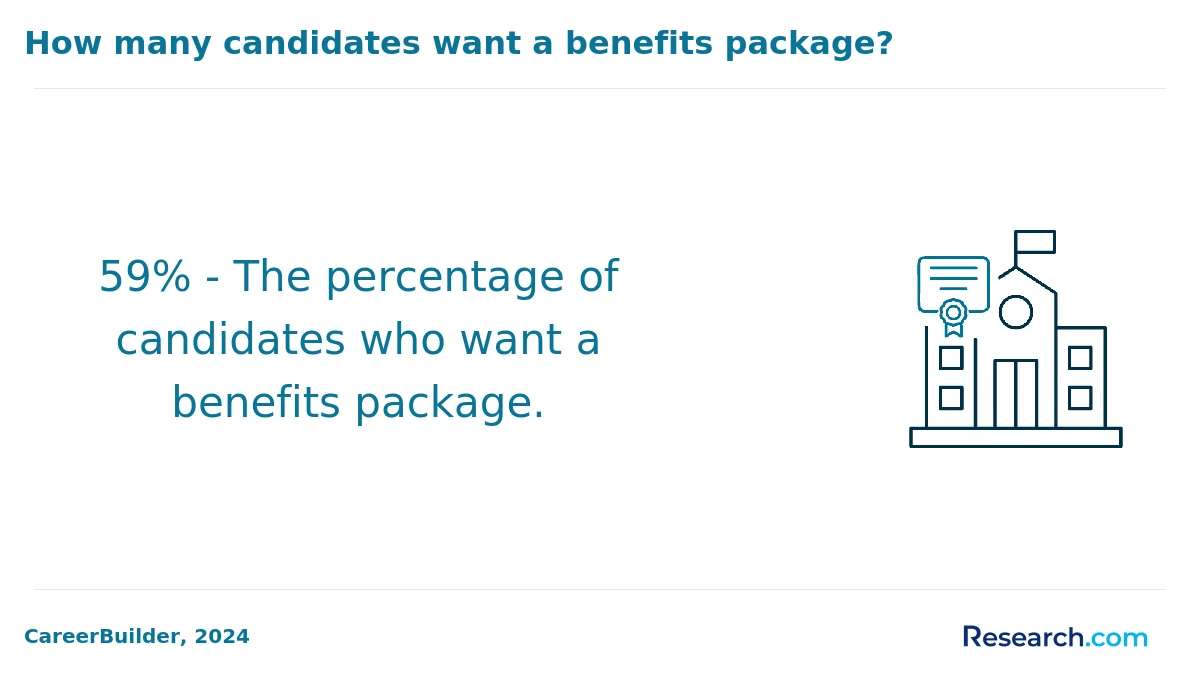
Students pursuing associate degrees in Greensburg often find financial aid to be a crucial support, easing the stress of tuition costs. Many rely on the Federal Pell Grant, a no-repayment award based on financial need, which can transform the college experience from daunting to attainable. For example, graduates from Pitt-Greensburg frequently share how the Pell Grant allowed them to focus on studies without the constant worry of debt.
In addition, the Federal Supplemental Educational Opportunity Grant (SEOG) helps those with exceptional financial need, often stacking with Pell Grants to boost affordability. State residents can tap into the PA State Grant, administered through PHEAA, whose timely FAFSA submission before May 1 can unlock vital funding that doesn't require repayment.
Many Greensburg campuses also offer merit-based scholarships and institutional grants, like the Pell Plus Grant, which students have praised for significantly reducing loan burdens. For those balancing work and study, the Federal Work-Study program offers flexible, part-time campus jobs that feel rewarding and enable independence.
Lastly, private scholarships and veterans' benefits can supplement aid packages, though it's important to report all aid to avoid surprises. Completing the FAFSA is the essential first step to accessing this network of financial support that so many Greensburg students have found indispensable.
To enroll in an associate degree program in Greensburg, the essential first step is presenting a high school diploma or GED-this is non-negotiable for colleges like Westmoreland County Community College and Seton Hill University. Imagine a recent graduate who eagerly submits official transcripts confirming their academic history, confident it opens the door to the next chapter.
Applicants must also supply official transcripts from any previous college coursework to help schools evaluate transfer credits and appropriate placement. This step reassured many graduates who transitioned smoothly without retaking classes.
Some programs still request standardized test scores such as the SAT or ACT, but others, like Seton Hill, embrace test-optional policies, giving applicants freedom to decide what best showcases their abilities.
- High school diploma or GED
- Official transcripts from high school and any colleges attended
- Minimum cumulative GPA, usually 2.0 or higher
- Standardized test scores optional for many programs
- Prerequisite courses with minimum grades, especially for healthcare or technology fields
For example, a healthcare student might recall completing biology and chemistry courses with strong grades to meet program demands, fueling their confidence to thrive in advanced studies. These prerequisites are thoughtfully designed to ensure students arrive prepared, ready to embrace Greensburg's rich academic opportunities and career pathways.
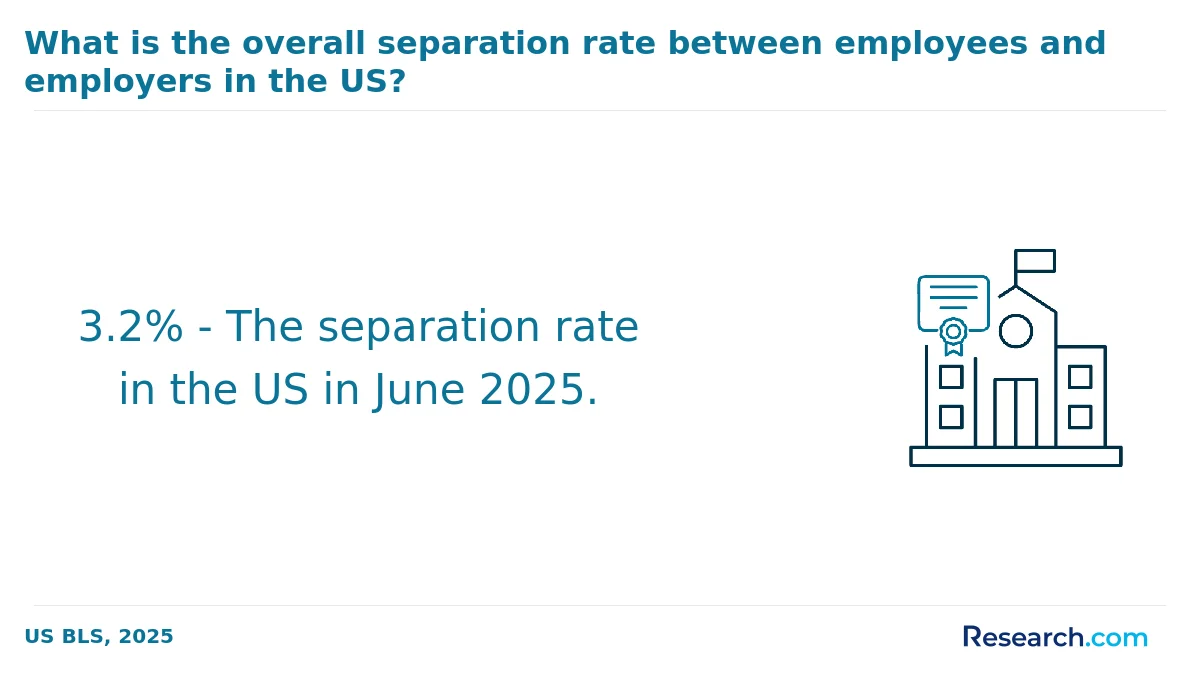
Core courses for associate degree Greensburg students typically include a robust blend of general education and specialized classes designed to prepare graduates for immediate employment or further study. For instance, graduates from popular local schools often share how their associate degree curriculum Greensburg 2026 emphasized foundational skills in English composition, mathematics, social sciences, and natural sciences, creating a versatile academic base. Many students appreciate that these core courses are balanced with specialized areas such as:
- Business Administration topics including accounting and marketing that help students navigate real-world financial environments
- Computer Science and Technology covering programming and cybersecurity, essential in today's job market
- Health Professions training like medical coding and radiologic technology, praised for hands-on learning
- Criminal Justice and Legal Studies offering practical insights into law enforcement and paralegal work
- Liberal Arts and Social Sciences encouraging critical thinking and communication skills
- Technical and Skilled Trades providing concrete skills in welding, machining, and HVAC
Class schedules at Greensburg colleges often come in flexible formats-fully online, in-person, or blended-making it easier for busy learners to succeed. Many who balance work and family responsibilities find this flexibility invaluable, often supplementing their education with online college courses for seniors. These thoughtfully designed programs reflect the evolving associate degree curriculum Greensburg 2026 students expect: both comprehensive and career-focused.
Choosing the best associate degree programs in Greensburg starts with identifying your ultimate goal. Graduates from local colleges often share how selecting programs with clear transfer pathways made their transition to four-year universities smoother, especially those pursuing Associate of Arts or Science degrees. If diving right into the workforce is your aim, opting for hands-on training in areas like health care or business pays off quickly, as many students attest to landing jobs soon after graduation.
Accreditation and program reputation matter deeply in Greensburg. Many choose schools that offer in-person, blended, or fully online options to match busy lifestyles and learning preferences. Affordable Greensburg associate degree options are often found at community colleges, which also provide scholarships and financial aid to ease costs without sacrificing quality. Don't forget to consider support services like tutoring and career counseling that local students praise for boosting their confidence and success.
Finally, students preparing for future growth often explore pathways beyond associate degrees, looking at the quickest online master's degree options to plan ahead and maximize career potential.
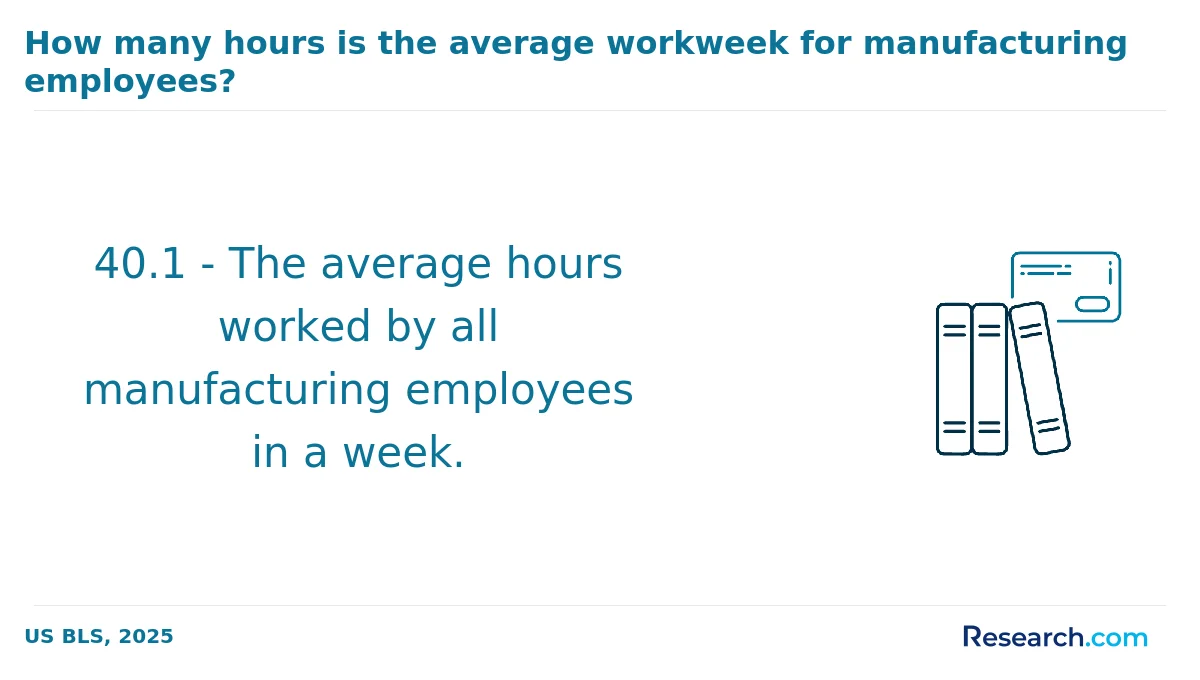
Associate degree graduates in Greensburg find a variety of rewarding career opportunities that cater to diverse interests and skill sets. From business and healthcare to technical fields, many local programs equip students with practical knowledge that translates directly into desirable roles. Graduates from popular associate degree schools often share how their education has prepared them for top jobs with an associate degree in Greensburg, such as executive assistants or administrative specialists, earning competitive salaries while thriving in supportive workplaces.
Healthcare is another vibrant field, with roles like respiratory therapists and medical office schedulers in high demand. Many graduates express satisfaction in contributing to patient care and navigating the complexities of medical coordination, a specialty often taught in local programs emphasizing hands-on experience.
Technical careers and public sector apprenticeships also provide clear paths to advancement. Roles like permitting coordinators or general lineworker apprentices combine on-the-job training with opportunities to build upward momentum.
Students considering these paths often explore resources like the top non profit accredited online university to complement their training and maximize career opportunities for associate degree holders in Greensburg.
The job market for associate degree graduates in Greensburg PA is vibrant and full of promise. Many local employers actively seek candidates with associate degrees, especially in healthcare, business, and administrative roles. Graduates from popular associate degree schools in Greensburg often share that stepping into roles such as Licensed Practical Nurse, Certified Nursing Assistant, or administrative assistant is both achievable and rewarding.
These roles not only offer competitive salaries but also provide stability and benefits that make early career experiences positive. For example, healthcare positions typically pay between $31,900 and $46,800 annually, with opportunities to grow further. Business-oriented graduates often find employment as relationship banking specialists or permitting coordinators, with salaries ranging from $35,000 to $60,000 based on experience.
Many associate degree jobs in Greensburg PA come with valuable perks, including health benefits and tuition reimbursement. Graduates report that these advantages make the investment in their education feel worthwhile. Here are some common sectors thriving with opportunities:
- Healthcare: LPNs, CNAs, Direct Support Professionals
- Business and Administration: HR assistants, schedulers, banking specialists
- Customer Service and Support Roles
With over 1,600 job listings targeting associate degree holders in the area, Greensburg PA employment opportunities for associate degree holders show robust demand. Many graduates cite the supportive local economy and practical skills learned during their studies as key factors in landing their first jobs.
For those considering pathways beyond traditional associate degrees, exploring certification programs that pay well can also enhance employability in this dynamic market.
Most Affordable Associate Degree Programs - Leading Certification Courses in Greensburg for 2026
# 1 position
Triangle Tech Inc-Greensburg - Electrician.
associateThe Electrician program at Triangle Tech Inc-Greensburg is a hybrid course designed to train students in installing, operating, maintaining, and repairing electrical systems for residential, commercial, and industrial settings. It includes instruction in electronics, wiring, power transmission, safety, and applicable codes. The program has an annual in-state tuition of $18,513 and is accredited by the Accrediting Commission of Career Schools and Colleges. Median earnings one year after completion are $54,399.
# 2 position
Triangle Tech Inc-Greensburg - Heating, Air Conditioning, Ventilation and Refrigeration Maintenance Technology/Technician.
associateThe Heating, Air Conditioning, Ventilation and Refrigeration Maintenance Technology/Technician program at Triangle Tech Inc-Greensburg prepares students to repair, install, service, and maintain HVAC and refrigeration systems. This hybrid program covers diagnostic techniques, testing equipment, and principles of mechanics, electricity, and electronics. Annual in-state tuition is $18,513. Graduates earn a median salary of $45,808 one year after completion. The program is accredited by the Accrediting Commission of Career Schools and Colleges.
# 3 position
Triangle Tech Inc-Greensburg - Welding Technology/Welder.
associateThe Welding Technology/Welder program at Triangle Tech Inc-Greensburg is a hybrid program preparing students to apply technical skills in welding and metal cutting. Instruction covers arc welding, resistance welding, brazing, soldering, and various welding methods, along with safety, metallurgy, and structural design. The annual in-state tuition is $18,513. Graduates earn a median salary of $40,225 one year after completing the program. It is accredited by the Accrediting Commission of Career Schools and Colleges.
Frequently Asked Questions about associate degree programs
Preparing for the job market after earning an associate degree in Greensburg involves a combination of skill development and networking. Many local employers value hands-on experience, so consider internships or part-time work during your studies. According to the U.S. Bureau of Labor Statistics, associate degree holders in technical fields often see job growth rates above the national average, making practical experience vital.
Additionally, utilize career services offered by Greensburg colleges to refine your resume and practice interviewing. Engaging with local industry groups can also help discover job openings and build professional connections.
Continued education, such as certification courses relevant to your field, may improve job prospects and earning potential in Greensburg's competitive job market.
Employers in Greensburg highly value practical and transferable skills in associate degree graduates. According to the National Association of Colleges and Employers (NACE), communication skills, both written and verbal, rank among the top competencies sought in entry-level candidates. This is especially vital for local employers in healthcare, technology, and business sectors.
Technical skills related to the specific field of study, such as proficiency in software applications or healthcare procedures, are also crucial. The U.S. Bureau of Labor Statistics highlights that problem-solving abilities and teamwork are essential soft skills boosting employability in Greensburg's job market.
Additionally, time management and adaptability remain key traits employers expect, supporting efficient workflow in dynamic work environments.
Finding internships in Greensburg that complement your associate degree program involves several practical steps. Start by consulting your college's career services office, as local partnerships often provide exclusive internship listings. According to the Pennsylvania Department of Labor & Industry, many SMEs in Greensburg offer internships especially in healthcare, business administration, and manufacturing sectors.
Utilize online platforms like Handshake and Indeed, filtering results for Greensburg-based opportunities linked to your field of study. Networking through local professional groups or LinkedIn can reveal unadvertised positions. Additionally, check with the Greensburg-Greensburg Chamber of Commerce for internships with local businesses. Planning ahead and applying early significantly boosts your chances of securing relevant experience.
An associate degree can significantly impact career mobility and advancement in Greensburg by providing foundational skills and recognized credentials. Many local employers value these degrees, especially in healthcare, technology, and business sectors. According to the National Center for Education Statistics, individuals with associate degrees earn approximately 20% more than those with only a high school diploma, increasing their competitiveness in the job market.
In Greensburg, community colleges offer tailored programs aligned with regional industry needs. Graduates often find it easier to secure entry-level positions with opportunities for promotion. Additionally, an associate degree may serve as a stepping stone towards a bachelor's degree, further enhancing long-term career prospects.
Part-time jobs in Greensburg that align well with associate degree programs offer valuable experience while supporting students financially. Healthcare roles such as medical assistants or pharmacy technicians are common options for those enrolled in health-related associate degrees, reflecting the local demand highlighted by the U.S. Bureau of Labor Statistics. Retail and customer service positions also provide flexible schedules and skill development for business or communications students. Additionally, roles in administrative support or IT help desks are increasingly available, matching the area's growth in technology-related jobs. These jobs often pay between $12 and $18 per hour, facilitating practical learning alongside study.
To find the most affordable degree program near me, you should explore community colleges or public universities near Greensburg, PA, which often offer competitive tuition rates. Additionally, consulting resources like Research.com can assist in comparing costs and the availability of financial aid programs. Many institutions provide guides on their websites, and you can also attend local college fairs to get more information about affordable programs in your area.
- Graduate High School With An Associate’s Degree - Grace College https://www.grace.edu/graduate-high-school-with-an-associates-degree/
- Advancement Potential of Different Degrees and Majors - Resource Center Article https://nextmile.instride.com/resource/upward-mobility-degree-major
- HND vs Associate Degrees: A Global Education Guide https://mrcollege.ac.uk/hnd-vs-associate-degrees-a-global-education-guide/
- Online Associate Degree Programs https://www.ashworthcollege.edu/associate-degrees/
- Working in Greensburg, IN | Sep 11, 2025 https://www.readysethire.com/job-search/city-overview/greensburg-in
- Traditional vs Online Degrees 2025: Which One is Better for You? https://www.pw.live/online-degree/exams/traditional-vs-online-degree
- Virtual University of Pakistan https://www.vu.edu.pk/AboutUs/ProgramsOffered
- Online vs Traditional Degrees: Similarities and Differences https://www.aiu.edu/blog/online-vs-traditional-degrees/
- 20 In-Demand Jobs You Can Get With a Two-Year Degree | BestColleges https://www.bestcolleges.com/blog/in-demand-jobs-you-can-get-with-a-two-year-degree/
- Top 5 Skills Employers Look For | Nth Degree https://newmanu.edu/top-5-skills-employers-look-for


