
Most Affordable Associate Degree Programs - Leading Certification Courses in Santa Fe for 2026

Co-Founder and Chief Data Scientist
Exploring affordable associate degree programs in Santa Fe can be exciting yet overwhelming. This article helps simplify that journey by featuring an associate degree programs ranking created by the Research.com team of data scientists.
Designed to guide you toward smart choices, the ranking highlights trade school options that offer great value and opportunities. Whether you seek career growth or new skills, an associate degree can open doors and boost confidence.
Read on to discover practical, budget-friendly pathways tailored for your future success.
Key benefits of associate degrees in Santa Fe
- Expected salary: Associate degree graduates in Santa Fe can expect a range of salaries, from around $32,000 for food service roles to about $65,770 for development associates, with many earning between $35,000 and $48,300 annually depending on the career path.
- Popular career paths: Graduates often find opportunities in healthcare, business administration, and public services, with roles like library technicians and first-line supervisors offering stable and rewarding jobs within the local economy.
- Online education benefits: Completing an associate degree online offers flexibility and convenience, allowing students to balance work or family while gaining valuable skills, opening doors without the need for on-campus attendance.
- Most Affordable Associate Degree Programs - Leading Certification Courses in Santa Fe for 2026
- What can I expect from associate degree programs in Santa Fe?
- Where can I work after finishing associate degree programs in Santa Fe?
What can I expect from associate degree programs in Santa Fe?
Students pursuing an associate degree in Santa Fe can generally expect the total cost to be considerably lower than attending a four-year university, with tuition for about 60 credit hours at Santa Fe Community College often totaling around $5,000 to $8,000. Graduates frequently share how this affordability reduces financial stress, allowing them to focus more on mastering practical skills and less on accumulating debt.
Many find that balancing coursework with personal commitments is manageable thanks to flexible scheduling options-night classes, weekends, and online courses are common. This flexibility proves invaluable to students juggling work or family life in a city like Santa Fe.
Support services such as tutoring and career counseling add significant value, as graduates recall receiving guidance that eased their transition into rewarding jobs or four-year schools nearby. The affordability combined with academic advising helps students envision a smooth and positive educational journey that fits their unique circumstances.
Where can I work after finishing associate degree programs in Santa Fe?
Graduates from Santa Fe's associate degree programs regularly find themselves stepping into rewarding roles across diverse fields. Many healthcare graduates, trained in local schools, share how becoming a Registered Nurse or Certified Occupational Therapy Assistant opened doors to positions at nearby hospitals and clinics, offering both job stability and meaningful work caring for community members.
Others pursuing business administration often land office support roles such as Customer Service Representative or HR Generalist within Santa Fe's government agencies and nonprofit organizations. These roles not only provide steady income but also build valuable skills that fuel career growth and professional confidence.
Technology enthusiasts who completed associate degrees in IT report securing jobs as IT Systems Administrators or Quality Assurance Analysts with local tech firms or state departments. These roles challenge graduates to continuously develop in a rapidly evolving sector, making their work exciting and future-proof.
Retail and hospitality employees often start as sales or events associates, appreciating the flexible hours and the sense of community found at Santa Fe businesses. Many recall how their associate degree programs emphasized practical skills that made transitioning into these roles seamless and fulfilling.
After finishing an associate degree program in Santa Fe, you can expect a promising range of earnings that reflect both your field of study and local opportunities. Graduates from Santa Fe Community College often report early-career salaries averaging around $66,154 per year, which outpaces many state averages and sparks excitement among new professionals eager to launch their careers.
For instance, graduates stepping into roles like development associates experience salaries near $65,770 annually, offering real financial motivation. Others entering communications roles may start around $41,579 a year, providing a solid foundation while developing valuable experience.
Imagine starting a career as a Research and Development Associate I, with salaries ranging broadly from $52,229 up to $81,002-these figures show how specialization and skill-building in Santa Fe can elevate your income. Even city government jobs including library technicians at $19.21 per hour give a taste of stable, rewarding work right after graduation.
Such diverse pay scales highlight that while starting wages vary, Santa Fe associate degree graduates-especially those from recognized local colleges-can anticipate strong earning potential and career growth that justify their educational investment.
- Luis: Earning my Associate Degree in Culinary Arts at Santa Fe Trade School was a game changer. The hands-on training boosted my confidence, and now I'm a sous-chef at a popular local restaurant. The community connections I made here opened doors I never imagined.
- Isabella: Studying Associate in Graphic Design was an inspiring journey. The instructors were so supportive, and the practical projects prepared me perfectly. Landing a job at a Santa Fe design firm feels rewarding. Trade school's focused, skill-driven approach was exactly what I needed to thrive.
- Mark: Getting my Associate Degree in Welding from Santa Fe Technical College was intense but worth every moment. The practical skills I gained led directly to a steady job with a construction company nearby. Trade school gave me the confidence and expertise to build a solid career here.
- Santa Fe associate degree programs typically require 60 semester credit hours, usually completed in about two years of full-time study.
- Applicants need only a high school diploma or GED to apply, and there are no minimum GPA or test score requirements for admission.
- Students must maintain a minimum cumulative GPA of 2.0 and earn at least a C grade in required courses.
- At least 25% of coursework, or around 15 credits, must be completed at the institution granting the degree.
- Average starting salaries for associate degree holders range from $38,000 to $50,000 yearly, with higher pay in high-demand fields like nursing and IT.
An associate degree program in Santa Fe typically takes about two years of full-time study to complete, aligning with the experience of many graduates from local community colleges. Most students enroll in 15 credit hours per semester, successfully navigating 60 total credit hours within four semesters. For example, a graduate balancing work and school shared how consistent full-time attendance at a Santa Fe school helped them finish on time while gaining strong foundational skills.
Part-time students often find themselves stretching the timeline to three or even five years, as they juggle family commitments or jobs alongside classes. Many appreciate the flexibility offered by Santa Fe institutions, which provide evening, weekend, and online courses that fit diverse lifestyles without sacrificing quality.
Some applied and trade program students enjoy accelerated tracks, completing requirements faster, but the norm remains two years for most associate degrees. Requirements like maintaining a 2.0 GPA and earning at least a C in courses are common across schools, ensuring students leave prepared and confident.
Choosing between online and on-campus associate degree programs in Santa Fe often comes down to lifestyle and learning style. Graduates who opted for online programs at Santa Fe College frequently share how they appreciated the freedom to study late at night after work or from home while caring for family. The flexibility to access lectures and complete assignments on their own schedule made higher education feel reachable, especially with only a small $10 per credit hour Distance Learning Fee added to the tuition.
Conversely, on-campus students describe the energy of walking through Santa Fe's campus, engaging directly with instructors, and collaborating in real-time with classmates. This setting supports those who thrive on routine and value face-to-face encouragement and networking. The buzz of in-person classes and access to campus resources often creates a strong sense of community and belonging.
Both paths lead to the same credible associate degree, but while online programs emphasize affordability and convenience, on-campus options cater to those seeking structured interaction and immediate support.
Students pursuing an associate degree in Santa Fe often find that costs can vary widely, especially between residency types. Graduates from Santa Fe Community College, a popular choice for associate degree programs in the area, recall balancing tuition fees around $1,716 per year with living expenses that push the overall cost closer to $28,379 annually for in-state residents. This pricing is reflective of typical tuition and fees combined with housing, food, transportation, and personal expenses.
Out-of-state students face even steeper tuition, sometimes paying as much as $144 per credit hour, which can reach $5,000 to $6,000 in total tuition for their two-year program. Despite these higher costs, numerous graduates emphasize the value they gained, especially after factoring in scholarships. At SFCC, approximately 23% of students receive grants averaging nearly $7,000 yearly, significantly easing the financial burden and lowering the net price to about $19,607 annually for many.
When considering an associate degree trade school in Santa Fe, prospective students should anticipate incremental increases in costs. Those who have recently graduated speak optimistically about the real-world benefits and opportunities they unlocked by investing in these programs. The decision to dedicate two years here often feels well worth it when linked to career paths found through reliable sources like college majors and jobs.
Tracking average tuition and fees for associate degree Santa Fe programs can help future enrollees plan carefully as financial aid options and cost growth trends play crucial roles in the overall investment.
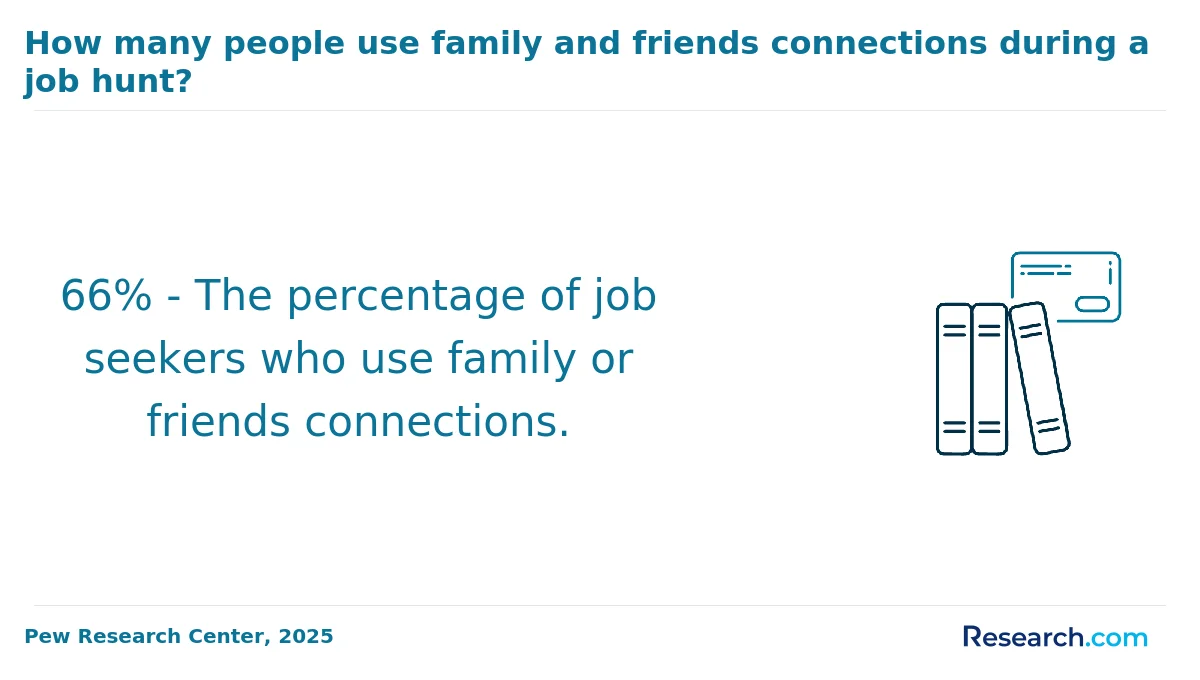
Many associate degree students in Santa Fe find financial aid crucial to turning their educational goals into reality. By promptly completing the Free Application for Federal Student Aid (FAFSA), students unlock access to federal grants like the Pell Grant, which can significantly reduce costs without the burden of repayment. For example, students at Santa Fe Community College (SFCC) often share how this grant eased their worries about tuition and allowed them to focus on studies.
Beyond grants, the Federal Work-Study Program offers part-time jobs that blend work experience with earning potential, helping students manage daily expenses while building resumes. At SFCC, graduates describe how balancing work-study roles and classes strengthened their time management and confidence.
State and institutional scholarships further brighten prospects. Through a single application process at SFCC, hopefuls compete for scholarships awarded on merit or need, inspiring many returning residents to keep advancing without financial strain. Emergency aids, like Santa Fe College's ACB Excel Life Happens Grant, provide critical support during unforeseen hardships, ensuring students stay on track toward their degrees.
To enroll in an associate degree program in Santa Fe, students typically start by submitting an official application to a local college like Santa Fe Community College (SFCC) or Santa Fe College. Many graduates recall that providing proof of residency was an essential and straightforward step-ensuring they qualify for in-state tuition and comply with state rules.
Applicants must hold a high school diploma or GED. Those transferring credits from other colleges know the importance of having their transcripts sent directly to the SFCC Records Office rather than trying to submit them personally, which can delay admission.
Once admitted, declaring a major such as an Associate in Arts (A.A.) or Associate in Science (A.S.) feels like a key moment, often marking the start of a clear academic path defined by the current college catalog. Students appreciate knowing they have up to five years to fulfill graduation requirements.
- A minimum GPA of 2.0 and passing grades of C or better in required courses are expected.
- Completion of at least 15 credit hours of general education tailored to the chosen field is required.
- Competitive programs, especially in health sciences, may include extra admission criteria.
Many graduates describe this process as manageable and motivating, especially when supported by college advisors who relate each requirement to real-world career goals within the Santa Fe community.
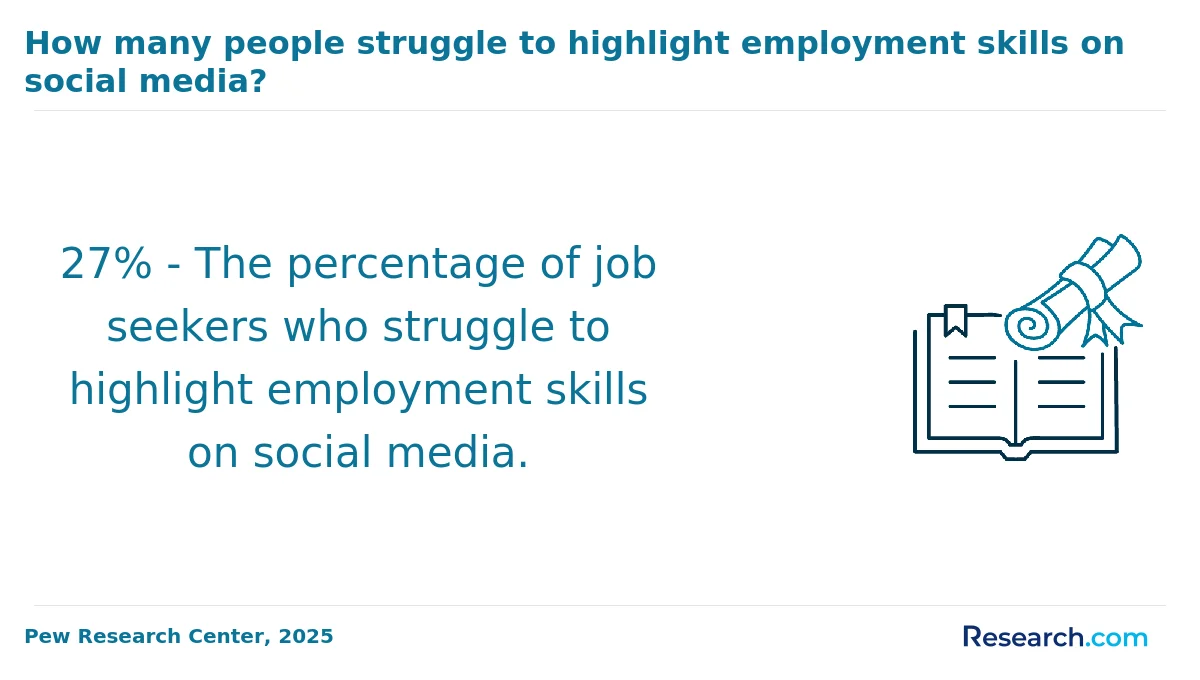
Students pursuing associate degrees in Santa Fe often find their coursework rooted in a solid core of general education classes, including English composition, mathematics, social sciences, natural sciences, and humanities. Graduates from Santa Fe Community College describe how these foundational courses sharpened their communication and critical-thinking skills, setting a strong academic base before diving into specialized subjects. This practical blend exemplifies a Santa Fe associate degree curriculum overview focused on versatility and real-world readiness.
Beyond the basics, the programs encourage hands-on learning with courses tailored to students' chosen fields. For example, those aiming for an Associate in Science may engage in physics, calculus, or biology, preparing to transfer to four-year universities. Meanwhile, graduates in Applied Science pathways speak positively about technical training in fields like welding, energy production, and information technology, which add tangible skills with direct job market appeal.
Some courses even highlight unique local needs, such as Tribal Energy Management or Sustainable Technologies, reflecting Santa Fe's cultural and economic priorities. For students curious about what is the easiest degree to get in 2 years, exploring these tailored, well-rounded programs can provide a clear direction towards an engaging college experience and promising career.
Choosing the best associate degree program in Santa Fe means first understanding your purpose-whether it's preparing to transfer to a four-year university or entering the workforce immediately. Graduates of Santa Fe College often share how their Associate in Arts program's strong general education foundation and guaranteed transfer agreements eased their transition to universities. This clarity of path fuels confidence about future opportunities.
For those focusing on career readiness, hands-on Associate in Science or Applied Science degrees tailored to local industries like nursing or IT create a rewarding, practical experience. Students often describe the satisfaction of internships with nearby employers, which make their education feel relevant and dynamic. Engaging with academic advisors and reviewing current course catalogs ensure your choice reflects the latest industry and educational standards-a critical step when searching for how to choose an affordable associate degree Santa Fe options provide.
Consider financial factors, too. Comparing tuition and scholarship availability helps make smart decisions without sacrificing quality. Many find it beneficial to explore programs offering industry certifications, enhancing employability. If you seek insight on broader career value, exploring the highest paying masters degree trends can inspire long-term planning beyond your associate degree.
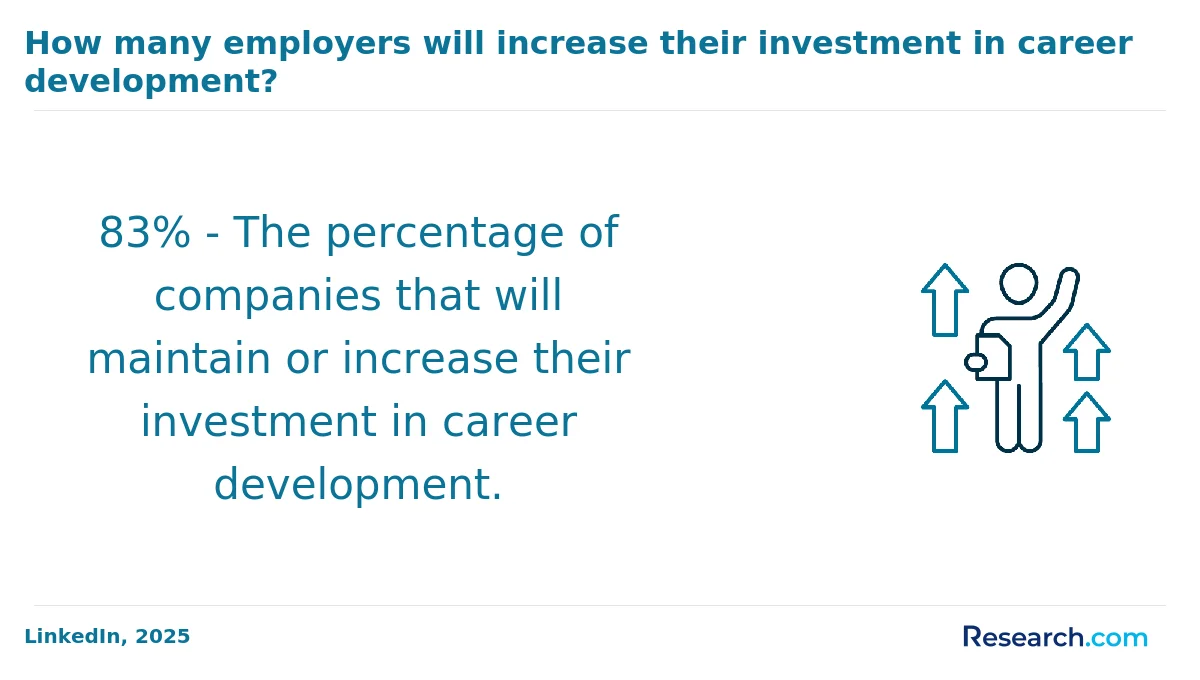
Graduates of associate degree programs in Santa Fe find a wide range of career opportunities tailored to the city's dynamic economy. Many from Santa Fe Community College (SFCC) share success stories in healthcare roles such as nursing assistants and phlebotomists, where immediate job placements in local hospitals provide rewarding, stable incomes. These positions align perfectly with the growing demand, making them an encouraging option for those looking to enter the workforce swiftly.
Beyond healthcare, business and administrative roles offer accessible positions with promising growth, including office clerks and administrative assistants in both public and private sectors. Graduates often emphasize the versatility these skills provide in Santa Fe's diverse job market.
Technical trades are another booming area supported by SFCC's Integrated Education and Training programs, which help students quickly transition into roles like automotive maintenance or HVAC technicians. These practical options illustrate strong career opportunities for associate degree holders in Santa Fe.
Other paths include culinary arts, environmental technology, and transportation management, which offer both immediate employment and potential for advancement. For insights on affordable education choices that support these pathways, consider exploring the best affordable online schools that accept fafsa for continued learning.
The job market for associate degree graduates in Santa Fe remains vibrant, with a strong demand across healthcare, IT, administration, and business sectors. Graduates from popular local associate degree schools often find themselves stepping into roles like registered nurses, IT systems administrators, and office administrative assistants with confidence. Many report how their programs align well with Santa Fe's employment landscape, helping them secure positions quickly after graduation. In fact, the emphasis on hands-on skills and relevant certifications makes the transition to work smoother and more fulfilling.
Several factors contribute to the positive outlook for those looking at associate degree employment opportunities Santa Fe offers:
- The State of New Mexico actively recruits associate degree holders for roles such as IT quality assurance analysts and business operations specialists.
- Flexible job listings accommodate students balancing work and study, allowing for immediate workforce entry without a bachelor's degree.
- Starting wages vary by sector, offering attractive pay especially in technical and healthcare fields.
Graduates often share experiences of working part-time while studying, enhancing both their resumes and practical knowledge. Many discover that this pathway not only meets economic needs but also builds confidence in their chosen career. For those exploring career options, consulting resources about careers you can pursue after trade school helps illuminate promising futures while studying in Santa Fe.
Most Affordable Associate Degree Programs - Leading Certification Courses in Santa Fe for 2026
# 1 position
Santa Fe Community College - Business Administration and Management, General.
associateSanta Fe Community College offers a hybrid Business Administration and Management, General program designed to prepare students to plan, organize, direct, and control business functions. The curriculum includes management theory, human resources, accounting, purchasing, logistics, marketing, and decision-making. Annual in-state tuition is $2,145. Graduates have a median earning of $39,834 one year after completing the program. The program is accredited by the Higher Learning Commission.
# 2 position
Santa Fe Community College - Computer and Information Sciences, General.
associateSanta Fe Community College offers a hybrid program in Computer and Information Sciences, General, combining computing, computer science, and information science systems. The program is accredited by the Higher Learning Commission and includes some distance-education options. Annual in-state tuition is $2,145. This general curriculum does not focus on specific subfields but provides foundational knowledge across related computing disciplines.
# 3 position
Santa Fe Community College - Baking and Pastry Arts/Baker/Pastry Chef.
associateSanta Fe Community College offers a hybrid Baking and Pastry Arts/Baker/Pastry Chef program designed to prepare students for professional roles in commercial baking establishments. The curriculum includes bread and pastry making, decorating, handling, storage, and marketing operations. Annual in-state tuition is $2,145. The program is accredited by the Higher Learning Commission, providing a quality education with some distance-education options for flexibility.
# 4 position
Santa Fe Community College - Legal Assistant/Paralegal.
associateSanta Fe Community College offers a Legal Assistant/Paralegal program with a hybrid format, including some distance-education options. The program prepares students to perform legal research, drafting, investigatory, record-keeping, and administrative duties under attorney supervision. Instruction covers legal research, document drafting, pleading, courthouse procedures, and legal specializations. Annual in-state tuition is $2,145. The program is accredited by the Higher Learning Commission.
# 5 position
Santa Fe Community College - Criminal Justice/Law Enforcement Administration.
associateSanta Fe Community College offers a Criminal Justice/Law Enforcement Administration program designed to prepare students for leadership roles in public law enforcement. This hybrid program includes instruction in law enforcement history, operational command, labor relations, budgeting, and legal responsibilities. The program is accredited by the Higher Learning Commission. Annual in-state tuition is $2,145, providing an accessible education option with some distance-learning flexibility.
# 6 position
Santa Fe Community College - Criminal Justice/Safety Studies.
associateSanta Fe Community College offers a Criminal Justice/Safety Studies program focusing on the criminal justice system, its components, and legal and public policy contexts. The hybrid program includes instruction in criminal law, police and correctional systems, administration of justice, and public attitudes on criminal justice issues. The annual in-state tuition is $2,145. The program is accredited by the Higher Learning Commission.
# 7 position
Santa Fe Community College - Criminal Justice/Police Science.
associateSanta Fe Community College offers a Criminal Justice/Police Science program with a hybrid format that includes some distance-education options. The program prepares students for various law enforcement duties such as patrol, investigation, traffic and crowd control, evidence management, and report preparation. Annual in-state tuition is $2,145. The program is accredited by the Higher Learning Commission.
# 8 position
Santa Fe Community College - Automobile/Automotive Mechanics Technology/Technician.
associateSanta Fe Community College offers a hybrid program in Automobile/Automotive Mechanics Technology/Technician. The curriculum covers brake systems, electrical systems, engine performance and repair, suspension and steering, transmissions, and heating and air conditioning systems. The annual in-state tuition is $2,145. The program is accredited by the Higher Learning Commission and includes some distance-education options to accommodate different learning needs.
# 9 position
Santa Fe Community College - Welding Technology/Welder.
associateSanta Fe Community College offers a Hybrid Welding Technology/Welder program that equips students with technical skills in arc welding, resistance welding, brazing, soldering, and cutting. The curriculum includes welding metallurgy, processes, heat treating, safety, and industry codes. The annual in-state tuition is $2,145. The program is accredited by the Higher Learning Commission, preparing students for careers involving ferrous and non-ferrous materials and structural design.
# 10 position
Santa Fe Community College - Dental Assisting/Assistant.
associateSanta Fe Community College offers a hybrid Dental Assisting/Assistant program designed to prepare students for patient care, dental radiographs, and office administrative tasks under dental professionals' supervision. The curriculum covers medical record-keeping, reception, scheduling, equipment maintenance, radiography, chairside assisting, and impressions. The annual in-state tuition is $2,145. The program is accredited by the Higher Learning Commission.
Frequently Asked Questions about associate degree programs
Graduates with associate degrees in Santa Fe should begin preparing for the job market by developing a clear career plan aligned with local industry demands. According to the New Mexico Department of Workforce Solutions, sectors like healthcare, technology, and education show steady growth and hiring opportunities for associate degree holders.
Students are encouraged to utilize resources at Santa Fe Community College, such as career counseling, resume workshops, and job fairs, which connect graduates with local employers.
Internships and part-time work during studies provide practical experience that enhances employability after graduation.
Networking through industry groups and LinkedIn can also increase job prospects.
Employers in Santa Fe highly value both technical and soft skills in associate degree graduates. According to recent labor market analyses, skills such as effective communication, teamwork, and problem-solving rank among the most sought-after. Technical proficiency related to specific fields, such as healthcare, information technology, and trades, is also essential.
Data from the New Mexico Department of Workforce Solutions shows that 68% of local employers prioritize adaptability and critical thinking in their hiring decisions. Additionally, basic computer literacy and customer service skills remain crucial, especially for roles in growing sectors like healthcare support and administrative services.
Overall, graduates who balance practical expertise with strong interpersonal abilities tend to find better job opportunities in Santa Fe's diverse job market.
Finding internships in Santa Fe that align with your associate degree program involves several practical steps. Start by exploring local community colleges like Santa Fe Community College, which often hosts internship fairs and maintains employer partnerships. According to the National Association of Colleges and Employers (NACE), nearly 60% of students who complete internships receive job offers from their internship employers, emphasizing the value of these experiences.
Utilize online job boards such as Handshake and Indeed, filtering for internships specifically in Santa Fe. Networking through industry-specific events, local chambers of commerce, and professional organizations can also connect you to relevant opportunities. Santa Fe's economy, rich in arts, healthcare, and tourism, provides diverse fields for internships related to many associate programs.
In Santa Fe, obtaining an associate degree can significantly enhance career mobility and opportunities for advancement. Data from the New Mexico Department of Workforce Solutions shows that individuals with an associate degree earn about 20% more on average than those with only a high school diploma. This credential often opens doors to specialized positions in growing local sectors such as healthcare, technology, and public administration.
Employers in Santa Fe increasingly value associate degrees as proof of relevant skills and commitment, which can lead to faster promotions and higher salaries. Community colleges like Santa Fe Community College offer programs aligned with regional job market demands, improving graduates' employability.
Moreover, the New Mexico Higher Education Department reports that associate degree holders in Santa Fe have a 15% higher employment rate compared to those without postsecondary credentials. This advantage supports long-term career stability and progression in the competitive local labor market.
Part-time job opportunities in Santa Fe that complement associate degree education often align with the city's key industries, including healthcare, education, and tourism. For example, students pursuing healthcare-related associate degrees frequently find part-time roles as medical assistants or pharmacy technicians. According to the New Mexico Department of Workforce Solutions, these positions typically offer flexible hours suited to students.
Many associate degree students in business or communications benefit from part-time administrative or customer service jobs. These roles provide practical experience and networking opportunities. The local tourism sector also offers part-time positions, such as front desk agents or event staff, which can enhance skills in hospitality management.
To choose the most affordable degree program near me, specifically near Santa Fe, NM, consider visiting local colleges and universities such as Santa Fe Community College or St. John's College, which may offer competitive tuition rates. It's important to compare both in-state and out-of-state programs, as costs can vary significantly, and utilize tools like Research.com to assess program offerings and financial aid options. Additionally, directly contacting the admissions offices can provide clarity on available scholarships and grants that may further reduce the overall cost of your degree.
- Most Affordable Trade School & Training Programs - Leading Certification Courses in Tulsa for 2026
- Most Affordable Trade School & Training Programs - Leading Certification Courses in Topeka for 2026
- Most Affordable Trade School & Training Programs - Leading Certification Courses in Olathe for 2026
- Most Affordable Trade School & Training Programs - Leading Certification Courses in Overland Park for 2026
- Most Affordable Trade School & Training Programs - Leading Certification Courses in Anaheim for 2026
- Most Affordable Trade School & Training Programs - Leading Certification Courses in Lancaster for 2026
- Most Affordable Trade School & Training Programs - Leading Certification Courses in Billings for 2026
- How Converting Your Associate's Degree Into a Bachelor’s Degree Can Impact Your Salary | Regis College https://www.regiscollege.edu/blog/completing-your-degree/how-converting-your-associates-degree-bachelors-degree-can-impact-your
- Saving the Associate of Arts Degree: How an A.A. Degree Can Become a Better Path to Labor Market Success | American Enterprise Institute - AEI https://www.aei.org/research-products/report/saving-the-associate-of-arts-degree-how-an-a-a-degree-can-become-a-better-path-to-labor-market-success/
- Are They Still Worth It? The Long-Run Earnings Benefits of an Associate Degree, Vocational Diploma or Certificate, and Some College - PMC https://pmc.ncbi.nlm.nih.gov/articles/PMC6546026/
- Santa Fe, NM Economy at a Glance https://www.bls.gov/eag/eag.nm_santafe_msa.htm
- 20 In-Demand Jobs You Can Get With a Two-Year Degree | BestColleges https://www.bestcolleges.com/blog/in-demand-jobs-you-can-get-with-a-two-year-degree/
- Salaries for Santa Fe College Graduates https://www.collegesimply.com/colleges/florida/santa-fe-college/salaries/
- Nces - Ipeds https://nces.ed.gov/ipeds/
- Online vs Traditional School: A Look at the Pros and Cons https://www.uopeople.edu/blog/online-colleges-vs-traditional-colleges/
- Online Associate’s Degree Programs (AS and AAS) - Purdue Global https://www.purdueglobal.edu/degree-programs/associates-degrees/
- How to Apply For Jobs | City of Santa Fe | City of Santa Fe https://santafenm.gov/how-to-apply


