
Most Affordable Associate Degree Programs - Leading Certification Courses in Saint Paul for 2026

Co-Founder and Chief Data Scientist
Exploring affordable associate degree options in Saint Paul can open exciting doors for your future. This article presents a carefully crafted associate degree programs ranking created by the Research.com team of data scientists. It’s designed to help you make an informed choice about which trade school programs truly deserve your attention.
Getting an associate degree can boost your skills, increase job opportunities, and provide a strong foundation for further education. Dive in to discover programs that fit your budget and goals, making your educational journey both practical and rewarding.
Key benefits of associate degrees in Saint Paul
- Associate degree graduates in Saint Paul can earn competitive salaries, with roles like Customer Experience Representative Associate paying between $20.32 and $27.68 per hour, and specialized positions in administration offering up to $110,000 annually with experience.
- Popular career paths include nursing, business management, information technology, and early childhood education, giving graduates a variety of rewarding job options that match their interests and skills.
- Online associate degrees offer flexible learning schedules, allowing students to balance work and study more easily, making education accessible and convenient for busy individuals in Saint Paul.
- Most Affordable Associate Degree Programs - Leading Certification Courses in Saint Paul for 2026
- What can I expect from associate degree programs in Saint Paul?
- Where can I work after finishing associate degree programs in Saint Paul?
What can I expect from associate degree programs in Saint Paul?
The average cost of completing an associate degree program in Saint Paul typically ranges from around $4,000 to $6,000 per year, depending on the institution and whether students attend full-time or part-time. For example, graduates from Saint Paul College often describe how financial aid and scholarships-available to about 56% of students-significantly lessen the burden, making education affordable while balancing work and family.
Students note that these programs offer excellent value when considering the close faculty-to-student ratio of 22:1, which provides meaningful support and engagement during their studies. Many appreciate the flexible scheduling options at schools like Concordia University-Saint Paul, where hybrid and online classes allow them to manage their education alongside other responsibilities without extra costs for commuting or campus housing.
Graduates emphasize that the cost is an investment yielding tangible returns: nearly 79% find related employment within a year, which eases concerns about managing expenses while preparing for career opportunities in technical or transfer-focused fields.
Where can I work after finishing associate degree programs in Saint Paul?
Graduates from associate degree programs in Saint Paul find diverse job opportunities across sectors like healthcare, education, business, and technical trades. For example, many healthcare alumni quickly secure roles such as medical laboratory scientists or respiratory therapists at local hospitals, enjoying competitive wages that make the hard work feel rewarding. Those who trained at well-known Saint Paul community colleges often mention how hands-on experiences prepared them to step confidently into roles like dental hygienists or physical therapist assistants.
In education and childcare, associate graduates often become infant teachers or preschool assistants, contributing directly to their communities while earning salaries up to $55,000 annually. Business-minded graduates frequently land administrative positions in both small businesses and government offices, benefiting from the practical skills emphasized in Saint Paul's programs. Technical trade graduates share stories of immediate placements with manufacturing firms and infrastructure projects, where their expertise in CNC programming or environmental technology is highly valued.
Public service roles, such as 911 telecommunicators or library associates, also attract those seeking stable, meaningful employment. Many associate degree holders appreciate the career flexibility an Associate of Arts offers, either starting in social services or transferring credits to continue their studies locally. Overall, studying in Saint Paul equips students with real-world readiness and access to rewarding, community-centered careers.
After finishing an associate degree program in Saint Paul, graduates typically earn an average annual salary of about $40,476, which breaks down to roughly $19 per hour. This median reflects the steady opportunities available locally, especially for those coming from well-known schools like Saint Paul College. Early-career salaries from these programs start around $31,413 per year, giving new graduates a solid foundation to build upon.
Some graduates from other Minnesota institutions, such as Rasmussen University, report higher early earnings-around $52,986 per year-showing that program focus and job placement can significantly impact take-home pay.
Popular entry-level roles like customer service representatives or research assistants often offer hourly wages between $15 and $28 in Saint Paul. For those aiming higher, specialized positions like development associates can command salaries above $78,000, though they might require more experience or further training beyond the associate degree.
Technical fields such as CNC programming or AutoCAD drafting generally start above the state average, offering a promising pathway for motivated graduates.
- Avery: Earning my Associate in Nursing at Saint Paul Technical College gave me hands-on skills and confidence. The dedicated instructors and small classes made learning engaging. Now, working as a certified nursing assistant in Saint Paul, I feel proud to serve my community and build a meaningful career.
- Jamal: Studying Automotive Technology at a trade school in Saint Paul was a game changer. The practical experience and internship opportunities helped me land a mechanic job quickly. The supportive environment and real-world training made all the difference. I genuinely recommend this path for anyone wanting skilled work.
- Sophia: My Associate in Graphic Design from Saint Paul College blended creativity with technical expertise. The project-based approach and industry connections helped me launch my freelance career here locally. It was empowering to learn so much in a short time and immediately apply it in the vibrant Saint Paul market.
- Most associate degree programs in Saint Paul require a high school diploma or GED, and some may ask for college transcripts with a GPA of 2.0 to 2.75.
- Tuition at public community colleges ranges from $5,800 to $7,000 per year, while private programs can cost about $420 per credit hour, totaling around $25,200 for 60 credits.
- Students often save money by starting at a community college and transferring credits to a four-year university using 2+2 transfer pathways.
- Associate degree graduates can enter jobs like medical technician, respiratory therapist, early childhood educator, IT technician, or business support specialist.
- Entry-level salaries typically range from $35,000 to $48,000, with higher earnings possible through experience and additional certifications.
- Many programs offer flexible schedules, including online and part-time options for working students and adult learners.
Completing an associate degree program in Saint Paul typically takes about two years of full-time study, which aligns with most community colleges and trade schools in the area. For example, graduates from Saint Paul College achieved their Associate of Arts or Associate of Applied Science degrees by earning around 60 semester credits over four semesters. Some AAS programs, especially in technical fields, might extend to 72 credits, making the timeline a bit longer.
Many students find that balancing work and family means studying part-time, which naturally extends their completion time beyond the standard two years. Transfer credits can help accelerate progress for those who have previous college experience.
At institutions like Concordia University, St. Paul, full-time students can also finish their associate degrees in about two years, benefiting from flexible scheduling options like online or evening classes.
Real-life experience shows that perseverance and planning can keep you on track despite challenges, helping you earn that degree without unnecessary delays.
In Saint Paul, the key difference between online and on-campus associate degree programs lies in how students experience their education. Graduates from Saint Paul College often recall the convenience of online courses, where they could study late at night after work or during weekends, fitting school smoothly around family and job commitments. The online format offers flexibility through asynchronous classes, allowing students to progress at their own pace without fixed login times.
On the other hand, those who chose on-campus programs, like at Concordia University - Saint Paul, appreciated the vibrant campus life and face-to-face interaction. They found value in real-time discussions and instant access to resources like libraries and computer labs. Attending scheduled classes built a routine and offered immediate feedback, which helped many stay motivated.
Cost differences also influence choices. Online programs often reduce expenses related to commuting and campus fees, a relief for budget-conscious students balancing multiple responsibilities. Both paths, however, deliver accredited degrees respected by employers and designed to prepare students for future career opportunities or bachelor's degrees.
The average cost of an associate degree program in Saint Paul typically ranges depending on the type of institution you choose. For many, public community colleges and technical schools offer the most affordable route. For instance, Saint Paul College, a popular choice among local graduates, lists its total cost for a 60-credit Associate of Arts degree between $13,110 and $18,993. This includes tuition, student fees, and technology charges but excludes living expenses or books. Graduates from these programs often emphasize the value gained for their investment, especially when financial aid is factored in.
Tuition alone at Saint Paul College for AA programs runs from about $11,410.80 to $17,293.80 for the full 60 credits. The practical side is that additional fees, ranging near $1,700 to $1,800, cover necessary student services, which some students find helpful in enhancing their campus experience and access to resources. Others who attended Century College or Minneapolis Community and Technical College found their two-year tuition and fees hover around $12,200, showcasing consistent affordability in the region's public options that align with the average cost of associate degree in Saint Paul.
Graduates from private schools like Concordia University, St. Paul, report a significantly higher price tag, with tuition at $420 per credit totaling $25,200 for the same 60 credits. While pricier, many students value the smaller class sizes and additional networking opportunities offered here.
Financial aid plays a critical role in reducing these costs. At Saint Paul College, roughly 66% of students received grants or scholarships, which alumni recall as a vital factor in making their education achievable. For anyone budgeting their path through an associate degree, knowing that federal Pell Grants and state aid are accessible can make the commitment feel less daunting.
When considering the full picture of Saint Paul associate degree tuition and fees, it's also worth exploring how your chosen courses and residency status affect per-credit costs, which range from around $190 to $288 at public colleges. Students often appreciate learning about these details upfront as they plan their educational journey.
For students weighing their options, understanding these costs alongside program quality and support services makes a substantial difference. If you're contemplating your next step, browsing college majors that are worth it may also help clarify which programs align best with your career goals and financial planning.
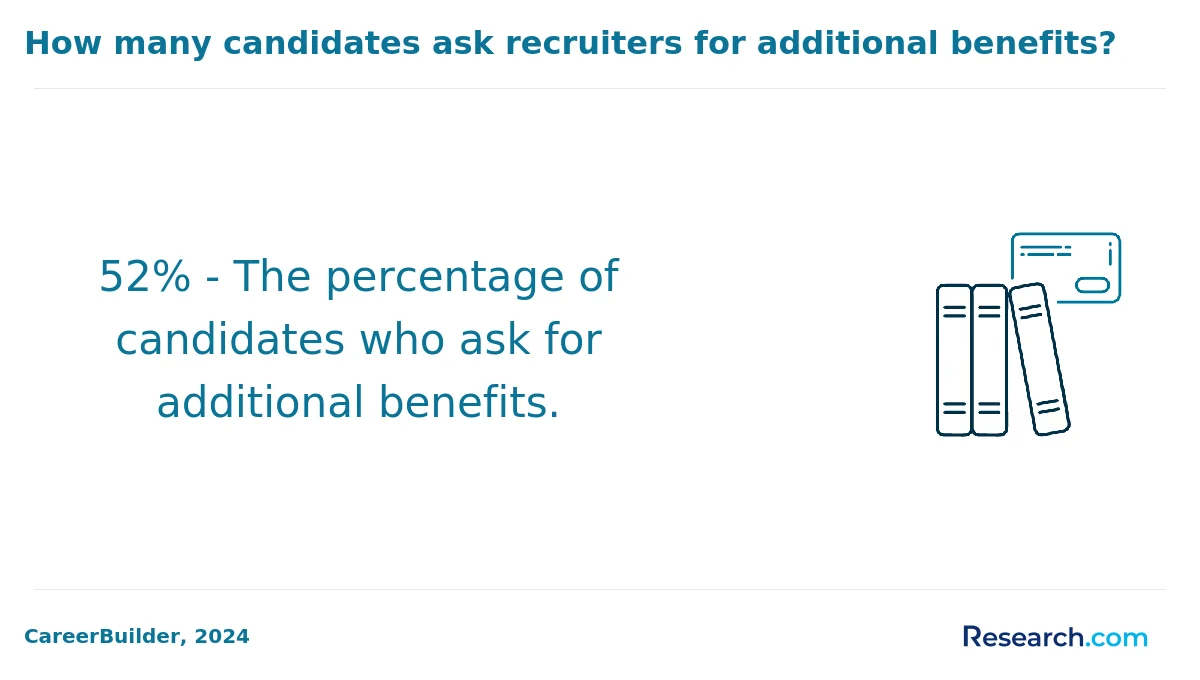
Associate degree students in Saint Paul have access to several financial aid options that make college more affordable. Many rely on federal and state grants like the Pell Grant and Minnesota State Grant, which provide free money based on financial need. For example, students at Saint Paul College often receive up to $7,395 through Pell Grants, easing the burden of tuition without adding debt.
Institutional scholarships also play a big role. Concordia University, St. Paul, offers the Pell Commitment, covering remaining tuition costs up to $3,250 after grants. Other scholarships like the Phi Theta Kappa Transfer Scholarship award $2,000 to high-achieving transfer students, helping graduates feel rewarded for their hard work.
For those needing extra support, federal loans-both subsidized and unsubsidized-are available with manageable terms. Work-study programs provide paid, flexible campus jobs, allowing students to balance earning and learning effectively.
Completing the FAFSA early is crucial since funding is limited and awarded on a first-come basis. Graduates consistently share how these combined aids turned financial stress into confidence during their studies.
To enroll in an associate degree program in Saint Paul, students must first provide proof of high school completion. Graduates from accredited high schools, home schools, or those with a GED meet this essential baseline requirement. For example, many graduates from Concordia University, St. Paul, share that submitting their official high school diploma was their first step toward enrollment.
Academic performance also plays a key role. Most institutions require a minimum unweighted GPA of 2.0 on a 4.0 scale for first-time students. Transfer students need to show a minimum cumulative college GPA of 2.0 along with official transcripts. If fewer than 12 credits have been earned elsewhere, a high school transcript is additionally required.
Some programs ask for extra documents and steps, such as:
- Completed online applications
- Immunization records
- Technology readiness for online courses
- Interviews or program-specific prerequisites for fields like nursing
International students must demonstrate English proficiency, provide a valid passport, and financial certification for one academic year. Many students appreciate how advisors at Saint Paul institutions help navigate visa paperwork and requirements, easing the enrollment process.
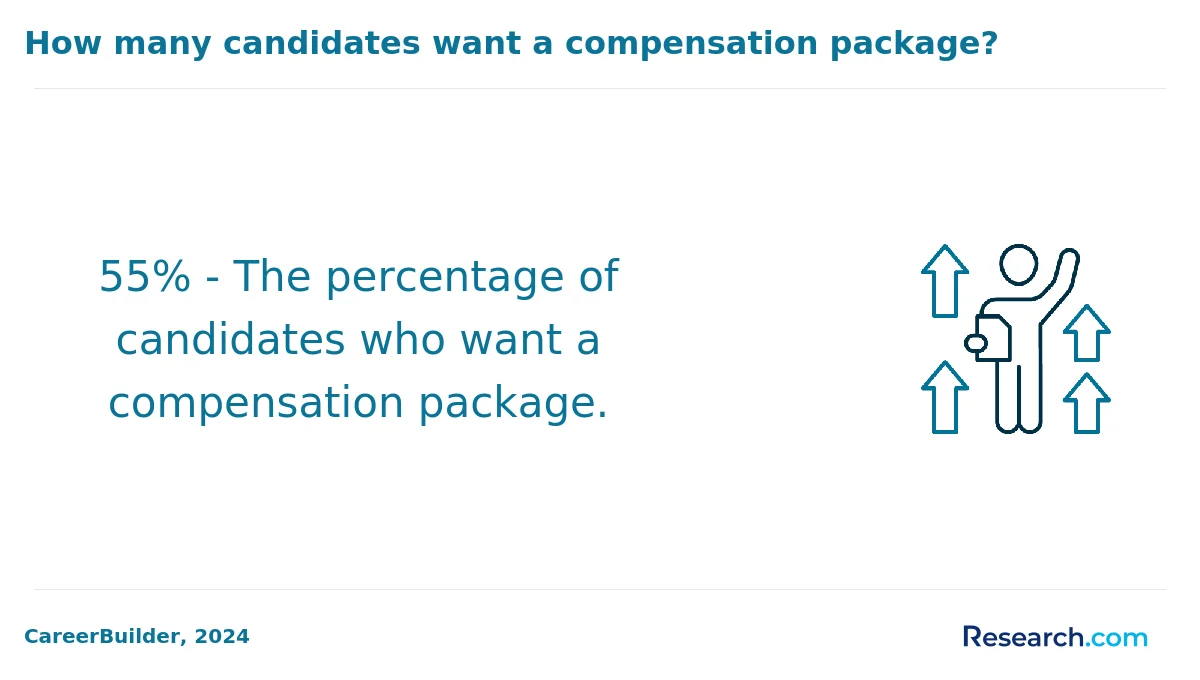
Associate degree programs in Saint Paul typically combine a robust associate degree course list Saint Paul students find practical and diverse. At Saint Paul College, graduates describe how the Minnesota Transfer Curriculum (MnTC) creates a solid general education foundation while covering communication, critical thinking, and natural sciences. These programs often include:
- About 9 credits in communication courses, like Composition and Public Speaking, strengthening writing and speaking confidence
- At least 7 credits in natural sciences, including laboratory work, making learning hands-on and engaging
- A minimum of 3 credits in mathematical or logical reasoning, essential for problem-solving in real-world jobs
- 9 credits across history, social sciences, and behavioral sciences, broadening cultural and social understanding
- 9 credits in humanities and fine arts, offering creative outlets through literature, philosophy, and art appreciation
- 1-4 credits focused on human diversity, encouraging respect for varied perspectives
For those pursuing Associate of Applied Science degrees, schools like Century College combine career-focused training with at least 16 liberal arts credits, tailoring coursework to fields such as healthcare and IT. Graduates appreciate how this balance makes them workforce-ready while meeting transfer requirements.
Many students find that this typical classes in Saint Paul associate programs approach ensures a compelling mix of practical skills and academic knowledge, preparing them effectively for local job markets. For further insight into flexible educational paths, exploring options like easiest masters can be advantageous for planning beyond the associate degree.
Start by confirming the accreditation of the college you're considering in Saint Paul. Graduates from Saint Paul College often emphasize how crucial accreditation was for ensuring their credits transferred seamlessly to four-year Minnesota institutions, helping them stay on track for their bachelor's degrees. If your goal is transferability, look for programs like the Associate of Arts (AA), which follows the Minnesota Transfer Curriculum-this is a popular route among students planning to further their education locally.
Next, consider how you want to study. Many students balancing jobs or family duties appreciate the flexible course delivery available at Normandale Community College, where options include in-person, online, and hybrid classes. This flexibility allows real life to fit with studies without added stress.
Cost is often a dealbreaker. To compare associate degree costs in Saint Paul effectively, factor in tuition, fees, and scholarships from various local colleges. Some graduates highlight how using net price calculators helped them avoid surprises. For more affordable options, you might explore programs recognized for their value, including those noted on low cost master's degree online resources.
Finally, seek schools that offer strong support services. Minneapolis College students report that access to advisors and career services made navigating degree requirements feel manageable and boosted their confidence throughout the process.
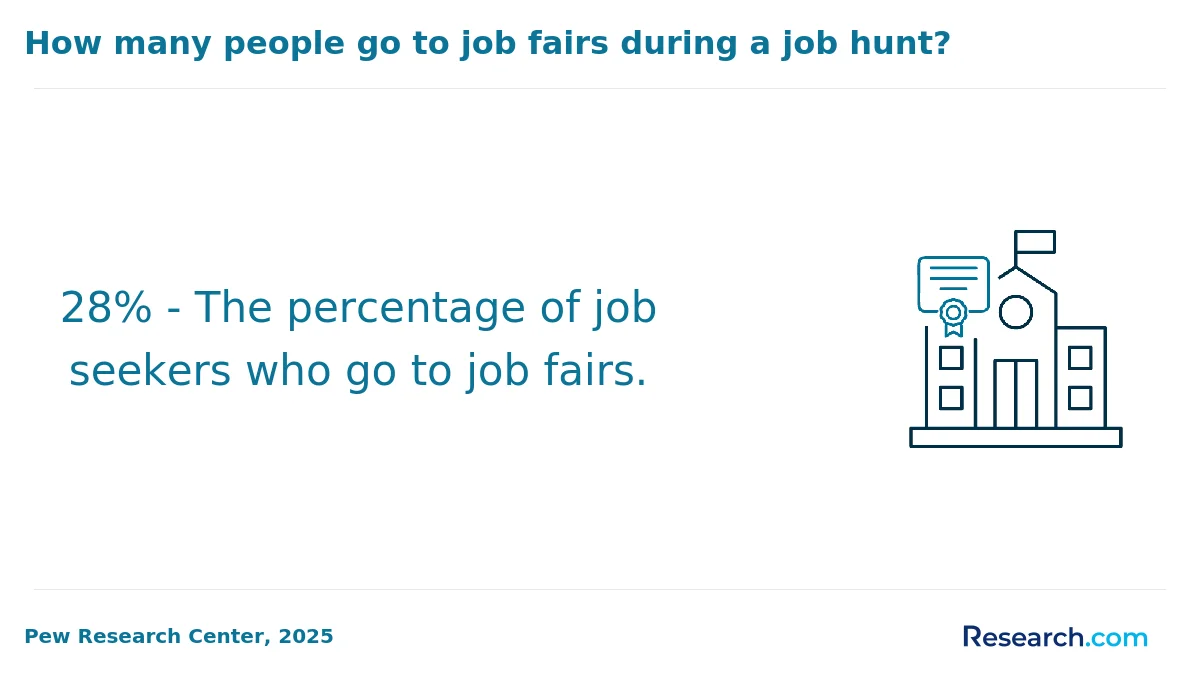
Saint Paul offers a variety of career opportunities with an associate degree in Saint Paul that graduates from local colleges actively take advantage of. Healthcare stands out as a strong sector, with roles like dental hygienist, respiratory therapist, and medical assistant actively hiring. Graduates report feeling confident entering these positions, enjoying stable pay and clear advancement paths, especially when trained at well-known community colleges in the area.
Business and office administration provide practical routes for many. Positions such as administrative assistant or customer service representative are abundant, valued for the versatile skills developed through associate degree jobs in Saint Paul MN. Graduates often describe their training as a real-world preparation for daily challenges in busy workplaces.
Other avenues include education, where preschool and early childhood teachers find rewarding work, and technical fields like web design or welding that align well with programs offered locally. Graduates appreciate how these programs are designed to transfer credits toward bachelor's degrees at Minnesota State universities, a helpful option for long-term career growth.
- Healthcare roles: dental hygienist, respiratory therapist, medical assistant
- Business: administrative assistant, customer service representative
- Education: early childhood teacher
- Technical: web design, 3D modeling, welding
- Public service: 911 telecommunicator and municipal jobs
For those planning financial aid, exploring fafsa approved online schools can be beneficial when balancing work and study. Many graduates emphasize how this practical investment in their education helped unlock strong career pathways within Saint Paul's diverse job market.
The associate degree job opportunities in Saint Paul are diverse and steadily growing, with a strong demand across healthcare, business, education, and technical sectors. Graduates from popular local schools often land roles like Dental Hygienist, Executive Assistant, or Preschool Teacher, benefiting from steady openings driven by retirements and career changes. Graduates frequently share how their associate degrees helped them secure stable positions with competitive salaries, especially in healthcare fields where physical therapist assistants and respiratory therapists are in high demand.
Some key sectors offering promising prospects include:
- Healthcare roles such as Occupational Therapist Assistant and Diagnostic Medical Sonographer
- Business and administrative positions like Administrative Hearing Officer and Authorization Specialist
- Technical jobs including Graphic Designer and Epic Application Analyst, often with remote options
For those concerned about earning potential for associate degree graduates Saint Paul provides, local data and student experiences confirm rewarding career paths. Many graduates also explore the highest paying certificate options to boost their credentials and salary.
Most Affordable Associate Degree Programs - Leading Certification Courses in Saint Paul for 2026
# 1 position
Saint Paul College - Automobile/Automotive Mechanics Technology/Technician.
associateSaint Paul College offers a hybrid Automobile/Automotive Mechanics Technology/Technician program that prepares students to repair, service, and maintain various automobiles. The curriculum covers brake systems, electrical systems, engine performance and repair, suspension and steering, transmissions, drive trains, and heating and air conditioning systems. The program’s annual in-state tuition is $6,318. Graduates earn a median salary of $41,572 one year after completion. The program is accredited by the Higher Learning Commission.
# 2 position
Saint Paul College - Electrician.
associateSaint Paul College offers an on-campus Electrician program designed to prepare students to install, operate, maintain, and repair electric apparatus and systems in residential, commercial, and industrial settings. The curriculum covers electronics principles, wiring, power transmission, safety, and applicable codes. Annual in-state tuition is $6,318. Graduates have median earnings of $39,770 one year after completion. The program is accredited by the Higher Learning Commission.
# 3 position
Saint Paul College - Computer Science.
associateSaint Paul College offers a Computer Science program with a hybrid format, including some distance-education options. The program covers computer theory, problem-solving, system design, and user interfaces from a scientific viewpoint. Instruction includes principles of computational science, programming, and practical applications. Annual in-state tuition is $6,318. The program is accredited by the Higher Learning Commission.
# 4 position
Saint Paul College - Computer Systems Networking and Telecommunications.
associateSaint Paul College offers a hybrid program in Computer Systems Networking and Telecommunications, focusing on the design, implementation, and management of linked computer systems and software. The curriculum covers operating systems, networking theory, security, and troubleshooting to prepare students as network specialists and managers. Annual in-state tuition is $6,318. Graduates earn a median salary of $38,654 one year after completion. The program is accredited by the Higher Learning Commission.
# 5 position
Saint Paul College - Computer and Information Systems Security/Auditing/Information Assurance.
associateSaint Paul College offers a hybrid program in Computer and Information Systems Security/Auditing/Information Assurance that prepares students to assess and secure computer and network systems. The curriculum covers programming, networking, cryptography, risk assessment, and security auditing. Tuition for in-state students is $6,318 annually. The program is accredited by the Higher Learning Commission and includes instruction on applicable laws, investigation techniques, and user access management.
# 6 position
Saint Paul College - Criminal Justice/Safety Studies.
associateSaint Paul College offers a Criminal Justice/Safety Studies program focusing on the criminal justice system, its organizational components, and legal and public policy contexts. The curriculum includes instruction in criminal law and policy, police and correctional systems organization, administration of justice, and public attitudes toward criminal justice issues. The program is accredited by the Higher Learning Commission, with an annual in-state tuition of $6,318.
# 7 position
Saint Paul College - Nursing Assistant/Aide and Patient Care Assistant/Aide.
associateSaint Paul College offers a Nursing Assistant/Aide and Patient Care Assistant/Aide program with a hybrid format that includes some distance-education options. The program prepares students to perform routine nursing-related tasks under the supervision of registered or licensed practical nurses in hospitals or long-term care facilities. Annual in-state tuition is $6,318. The program is accredited by the Higher Learning Commission.
# 8 position
Saint Paul College - Finance, General.
associateSaint Paul College offers a hybrid Finance, General program designed to prepare students for managing financial and monetary aspects of businesses, banks, and organizations. The curriculum covers accounting principles, capital planning, asset and debt management, budgeting, financial analysis, and investments. The annual in-state tuition is $6,318. This program is accredited by the Higher Learning Commission and includes some distance-education options for flexible learning.
# 9 position
Saint Paul College - Marketing/Marketing Management, General.
associateSaint Paul College offers a hybrid Marketing/Marketing Management, General program designed to prepare students for managing consumer audiences and product distribution. The curriculum covers buyer behavior, marketing research principles, demand analysis, pricing theory, strategic marketing planning, advertising methods, sales management, and consumer relations. The program's annual in-state tuition is $6,318. It is accredited by the Higher Learning Commission and provides some distance-education options.
# 10 position
Saint Paul College - Accounting.
associateSaint Paul College offers a hybrid Accounting program designed to prepare students for careers in accounting and related business functions. The curriculum includes principles and theory of accounting, financial and managerial accounting, auditing, tax accounting, and professional ethics. The program is accredited by the Higher Learning Commission. Annual in-state tuition is $6,318, and median earnings for graduates one year after completion are $33,718.65.
Frequently Asked Questions about associate degree programs
Preparing for the job market after completing an associate degree in Saint Paul involves several key steps. Graduates should focus on gaining practical experience through internships or part-time jobs related to their field, which enhances employability. According to Minnesota Department of Employment and Economic Development, associate degree holders in Saint Paul have an average employment rate of about 75% within six months of graduation.
Networking is also crucial; attending local job fairs and connecting with alumni can increase job prospects. Additionally, using Saint Paul's workforce development resources, such as career counseling and resume workshops, can provide valuable support. Continual skill development aligned with industry trends remains important for success.
Employers in Saint Paul highly value a combination of technical and soft skills in associate degree graduates. According to the Minnesota Department of Employment and Economic Development, critical thinking and problem-solving skills top the list, as these enable graduates to adapt to evolving workplace challenges. Communication skills, both verbal and written, are also essential, since about 65% of employers in the area emphasize teamwork and effective interaction.
Technical proficiency related to specific fields, such as healthcare, information technology, or manufacturing, is crucial. Data from local job postings reveal a growing demand for digital literacy and the ability to use industry-specific software. Time management and reliability remain foundational soft skills that influence hiring decisions in Saint Paul's competitive job market.
Finding internships in Saint Paul that align with your associate degree program involves leveraging local resources and networking opportunities. Start by exploring career services at community colleges such as Minneapolis Community and Technical College, which often maintain partnerships with local employers.
Saint Paul's diverse economy, including health care, education, and manufacturing sectors, provides varied internship opportunities related to many associate degrees. According to the Minnesota Department of Employment and Economic Development, healthcare internships are among the fastest-growing in the Twin Cities area.
Online platforms like Handshake and local job boards frequently list internship openings targeted at students in Saint Paul. Additionally, contacting community-based organizations can uncover less advertised opportunities.
Lastly, attending career fairs and professional meetups in Saint Paul enhances connections with employers seeking interns in specific fields.
In Saint Paul, earning an associate degree significantly improves career mobility and advancement opportunities. According to the U.S. Census Bureau, individuals with an associate degree earn approximately 20% more annually than those with only a high school diploma. Many employers in Saint Paul's growing healthcare, manufacturing, and technology sectors prefer or require candidates to hold at least an associate degree.
An associate degree often serves as a stepping stone for further education, enabling students to transfer credits to four-year institutions, which can lead to even higher qualifications and job prospects. Local institutions like Saint Paul College offer tailored programs aligned with regional labor market needs.
Data from the Minnesota Department of Employment and Economic Development shows associate degree holders in Saint Paul experience lower unemployment rates compared to those without postsecondary education.
Part-time job opportunities in Saint Paul can effectively complement an associate degree education, particularly in fields like healthcare, business, and information technology. According to the Minnesota Department of Employment and Economic Development, roles such as medical assistants, retail supervisors, and computer support specialists are in steady demand. These positions offer practical experience directly related to many associate degree programs.
Hospitals and clinics in Saint Paul frequently offer part-time roles for students pursuing healthcare degrees, providing hands-on patient care and administrative skills. Similarly, local businesses and IT firms often hire students part time for tasks like data entry, customer service, or network troubleshooting, enhancing relevant technical competencies.
Overall, such part-time work not only helps financially but also builds valuable skills and professional networks crucial for future career advancement in Saint Paul's competitive job market.
To find the most affordable degree program near Saint Paul, MN, start by researching local university and college tuition rates and compare their offerings. Many universities offer cost-effective programs, and you can use Research.com to sort and filter programs based on tuition costs and financial aid options. By searching for "affordable degree programs near me," you may also find community colleges and public universities that provide quality education at a lower cost.
- Most Affordable Trade School & Training Programs - Leading Certification Courses in Overland Park for 2026
- Most Affordable Trade School & Training Programs - Leading Certification Courses in Olathe for 2026
- Most Affordable Trade School & Training Programs - Leading Certification Courses in Topeka for 2026
- Most Affordable Trade School & Training Programs - Leading Certification Courses in Dearborn for 2026
- Most Affordable Trade School & Training Programs - Leading Certification Courses in Tulsa for 2026
- Most Affordable Trade School & Training Programs - Leading Certification Courses in Billings for 2026
- Tuition & Fees - Saint Paul College https://www.saintpaul.edu/admissions/tuition-fees/
- Saint Paul College Tuition, Acceptance Rate, & Academics https://www.sallie.com/colleges/search/saint-paul-college
- Online vs Traditional School: A Look at the Pros and Cons https://www.uopeople.edu/blog/online-colleges-vs-traditional-colleges/
- Tuition and Fees < Concordia University - Saint Paul Academic Catalog https://catalog.csp.edu/university-information/tuition-fees/
- How Should I List Multiple Degrees After My Name? | ProFellow https://www.profellow.com/askdrjohnson/how-should-i-list-multiple-degrees-after-my-name/
- List of professional designations in the United States - Wikipedia https://en.wikipedia.org/wiki/List_of_professional_designations_in_the_United_States
- St. Paul Public Schools Undergraduate Pathway to Teaching - Saint Paul Public Schools https://www.spps.org/about/departments/human-resources/educator-development/rap
- Is an Online Degree the Same as a Traditional College Degree? | Bryan University Online© https://bryanuniversity.edu/faq/is-an-online-degree-the-same-as-a-traditional-college-degree/
- Saving the Associate of Arts Degree: How an A.A. Degree Can Become a Better Path to Labor Market Success | American Enterprise Institute - AEI https://www.aei.org/research-products/report/saving-the-associate-of-arts-degree-how-an-a-a-degree-can-become-a-better-path-to-labor-market-success/
- Top Career Skills for Two-Year College Grads in 2025 https://www.hanoverresearch.com/reports-and-briefs/higher-education/top-career-skills-for-two-year-college-grads-in-2025/





