
Most Affordable Associate Degree Programs - Leading Certification Courses in Hobbs for 2026

Co-Founder and Chief Data Scientist
Choosing the right associate degree program in Hobbs can feel overwhelming, but it doesn’t have to be. Our article helps simplify that process by featuring a carefully crafted associate degree programs ranking created by the Research.com team of data scientists. This ranking highlights the most affordable options to help you find programs that fit your budget without sacrificing quality.
Getting an associate degree opens doors to new career opportunities and personal growth. Exploring your options with clear, data-driven insights makes it easier to take confident steps toward a brighter future.
Key benefits of associate degrees in Hobbs
- Expected salaries: Associate degree holders in Hobbs can earn from $15 to $44 per hour, with healthcare roles like radiology technologists earning the highest wages around $28 to $44 per hour, while entry-level jobs such as stockers earn between $15 and $28 per hour.
- Popular career paths: Graduates from local community colleges pursue jobs in healthcare, technical fields, and skilled trades, with early-career salaries ranging from about $41,785 to $66,154 per year, reflecting strong demand and good growth potential.
- Online degree benefits: Obtaining an associate degree online offers flexibility and convenience, allowing students to balance work and study, making education more accessible and supporting career advancement without disrupting daily life.
- Most Affordable Associate Degree Programs - Leading Certification Courses in Hobbs for 2026
- What can I expect from associate degree programs in Hobbs?
- Where can I work after finishing associate degree programs in Hobbs?
What can I expect from associate degree programs in Hobbs?
If you're looking into associate degree programs in Hobbs, one of the first things you'll notice is the affordability. For example, at New Mexico Junior College (NMJC), in-state students pay around $1,920 annually for tuition, while out-of-state students pay about $2,280. Graduates often mention how this cost made earning their degree feel achievable without breaking the bank.
Most associate degrees here take about two years of full-time study and require roughly 60 credit hours. Many students appreciate the flexible options, with classes available both on campus and online, helping those juggling jobs or family life. One graduate recalled completing courses online from home and balancing work, which kept costs and stress low.
Beyond price, students value the practical hands-on training, especially in programs like welding or energy technology. With career services and advising tailored to personal goals, many feel supported throughout their journey. Plus, with transfer agreements, credits often apply toward four-year degrees, making education paths clear and manageable in Hobbs.
Where can I work after finishing associate degree programs in Hobbs?
After finishing an associate degree program in Hobbs, you'll find plenty of doors open across various industries. Many graduates from popular local schools land jobs in healthcare, taking on roles like Physical Therapist Assistants or Registered Nurses at area hospitals and clinics. Imagine starting your day helping patients recover while working close to home-that's a rewarding path many find here.
Others from business programs step right into management or accounting roles with local banks or government offices. One graduate shared how their associate degree helped them get promoted quickly in a Hobbs insurance agency, proving the real-world value of these programs.
If tech is your thing, entry-level IT support jobs are waiting at schools or private companies, letting you build your skills on the job. And don't overlook skilled trades-graduates in welding often find steady work in Hobbs' oil and gas sector, while those studying early childhood education frequently join local schools or daycare centers, making an impact every day.
After finishing an associate degree program in Hobbs, you can generally expect to make around $40,000 per year, which breaks down to about $19.25 per hour. That matches well with the local average hourly wage across jobs in Hobbs, which is roughly $18 an hour. Graduates from popular Hobbs colleges often share stories of landing entry-level positions paying between $15 and $28 per hour, depending on the field.
For instance, many newly graduated students who studied technical or healthcare-related associate degrees have found roles paying near the higher end, like radiology technologists earning from $28 to $44 per hour. On the other hand, folks starting in roles like apartment management or stocking shelves usually earn closer to the lower range.
Several grads mention feeling encouraged by salaries in specialized roles like administrative supervisors, where experienced workers make upwards of $68,000 annually. So, if you choose a program aligned with local demand, you can feel confident about building a rewarding career right here in Hobbs.
- "Earning my Associate Degree in Welding at Hobbs Trade School was a game changer. The hands-on training made me confident and job-ready. Within weeks of graduating, I landed a position at a local fabrication company. This degree truly opened doors in Hobbs' booming industrial sector." - Marcus
- "Studying Early Childhood Education at Hobbs Community College gave me the skills and passion to impact young lives. The supportive instructors and real classroom experiences prepared me for a rewarding teaching career right here in Hobbs. I feel proud knowing I make a difference every day." - Sophia
- "Pursuing an Associate Degree in Business Administration in Hobbs was the best decision I made. Balancing work and study was tough but rewarding. The degree helped me secure a management role at a local retail company, where I apply what I learned daily. Trade schools provide practical education that truly pays off." - Javier
- New Mexico Junior College (NMJC) in Hobbs offers affordable associate degrees in fields like nursing, business, criminal justice, and energy technology.
- Admission requires a high school diploma or GED, with some programs needing extra prerequisites or placement tests.
- In-state tuition ranges from $40 to $60 per credit hour, totaling about $2,400 to $3,600 for a 60-credit degree; out-of-state tuition averages $75 per credit hour.
- Most programs take two years full-time, with part-time and online options available for flexibility.
- Graduates can earn entry-level salaries between $32,000 and $46,000 annually, with experienced professionals in technical fields making $50,000 or more.
- Many NMJC associate degrees transfer easily to four-year universities without credit loss.
Most associate degree programs in Hobbs take about two years of full-time study to complete, which is pretty standard nationwide. For example, at New Mexico Junior College (NMJC), the go-to spot for many local students, you're looking at completing 60 semester hours, with at least 15 of those earned directly at NMJC. Many students find that taking around 15 credits each semester over four semesters fits perfectly into their two-year plan.
That said, life happens. Some part-time students juggling work or family stretch their studies out a bit longer, and that's totally fine. Others love the flexibility of online or hybrid classes offered by schools around Hobbs, which lets them speed things up if they transfer in credits or knock out exams like CLEP.
Graduates often share how these flexible options helped them balance real-life commitments without feeling overwhelmed, making the journey rewarding and achievable.
The main difference between online and on-campus associate degree programs in Hobbs boils down to how and where you learn. If you choose online, like many students at New Mexico Junior College or Central New Mexico Community College, you get the freedom to study whenever and wherever. Imagine finishing your assignments late at night after work or catching up on lectures during a lunch break-total flexibility that fits busy lifestyles.
On-campus programs, on the other hand, ask you to be physically present at schools like New Mexico Junior College. Many graduates say they love the face-to-face time with professors and the buzz of campus life. Being on campus also gives you easy access to help like tutoring or study groups, which feels supportive if you prefer a structured routine.
Both routes offer solid education and similar coursework, but choosing online means more control over your schedule, while on-campus brings a social vibe and hands-on support that some students thrive on.
The average cost of an associate degree program in Hobbs is pretty reasonable, especially at New Mexico Junior College (NMJC), which most local students choose. For in-state students, tuition runs between $40 and $60 per credit hour. Since about 60 credit hours are needed to graduate, total tuition usually falls between $2,400 and $4,140. Out-of-state students pay a bit more-around $75 per credit hour-bringing their total to approximately $4,500. Graduates often share how manageable these costs felt, especially when paired with financial aid options.
What really makes a difference is the net price after scholarships and grants. While the listed sticker price might look higher-NMJC's full-time in-state tuition is advertised at $11,477-the average net price students end up paying is closer to $6,781. For families earning less than $30,000 annually, net costs can be even lower, about $6,646, making it accessible for many. Students from higher-income families might expect to pay close to $10,104. This keeps the school competitive and affordable compared to many places nationwide.
Many students appreciate this affordability, especially when they're balancing work, school, and family life in Hobbs. If you're exploring options, also check out accelerated associates degree programs, which can save time and money while advancing your career sooner. Overall, the Hobbs New Mexico associate degree tuition and fees make it a smart and practical choice if you want quality education without overwhelming debt.
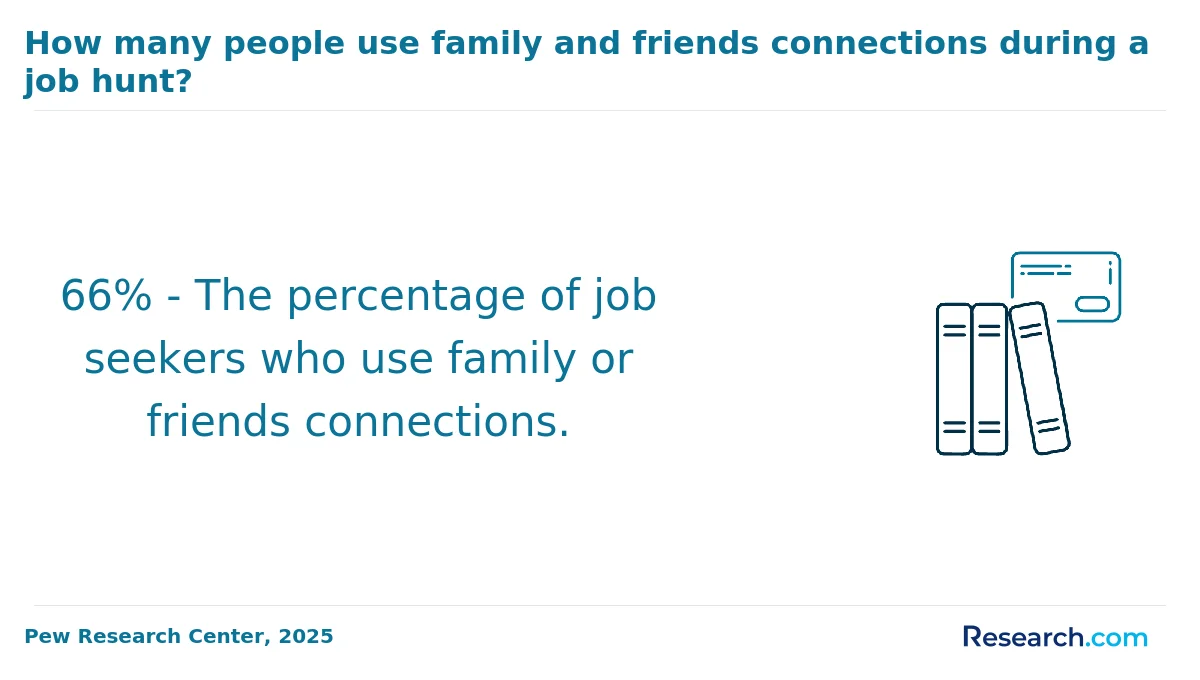
Many students studying for their associate degree in Hobbs find financial aid to be a huge relief. For example, graduates from New Mexico Junior College often talk about the New Mexico Opportunity Scholarship, which covers up to 100% of tuition and fees for eligible programs. This means if you're a New Mexico resident, you could have your tuition paid for without filing extra applications since the college takes care of eligibility.
Imagine paying as little as $50 per credit hour, or even up to $120 for some specialized programs during the 2025-2026 year-this can really ease the stress of managing school costs.
There's also the New Mexico Lottery Scholarship, starting many students off with the Bridge Scholarship in their first semester, making the transition into college smoother financially. Plus, completing the FAFSA opens doors to Pell Grants and federal loans, which many graduates have relied on to cover everything from books to rent while studying locally. The financial aid office at NMJC is known to be super helpful in guiding students through these options, so getting those extra funds feels more doable than many expect.
If you're aiming to enroll in an associate degree program in Hobbs, there are a few key prerequisites you'll want to keep in mind. Most popular schools, like New Mexico Junior College, expect you to show proof that you've finished high school-either with a diploma or a GED. Many graduates recall that submitting official transcripts was a straightforward step that helped confirm their educational background.
Besides transcripts, you'll often need a minimum GPA of 2.0 on a 4.0 scale. This means you need to have maintained decent grades in high school or college-level coursework if you've taken any credits before.
Some programs, especially in nursing or technical fields, ask that you prove your college readiness. This can means things like:
- Taking placement tests such as the SAT or ACT
- Completing developmental courses in English and math with a grade of "C" or better
- Finishing specific prerequisite courses like science before joining core classes
A few students found that showing immunization records and passing entrance exams like the TEAS made them feel prepared and confident about getting into their program. Plus, if you're a local, proof of residency helps with tuition pricing-so remember to have that ready too!

When you look at associate degree course requirements in Hobbs, you'll see a solid mix of general education and hands-on subjects. Most students at New Mexico Junior College or online through Eastern New Mexico University start with core classes like English composition, math, natural sciences, social sciences, and humanities. Graduates often say these classes build a strong academic foundation that makes them feel confident moving into more specialized study or careers.
Common classes for Hobbs associate degrees then focus on individual interests or local industries. For example, business students dive into accounting and marketing, while those in energy technology learn about petroleum and safety procedures, which is super relevant here. Nursing or healthcare tracks include anatomy and patient care courses designed to prepare students for real-world challenges.
Many enjoy the flexibility, especially since local programs allow you to coordinate with advisors to tailor your schedule for transfer or career goals. Students appreciate affordable options and the variety- you can even explore the easiest degrees to get remotely while staying in Hobbs!
Choosing the best associate degree programs in Hobbs really comes down to knowing what fits your goals and lifestyle. Many students here started by thinking about their career paths-some aiming to transfer to a four-year university, others looking for hands-on training in fields like nursing or energy technology. Graduates often share how smaller class sizes and accessible faculty at local community colleges made a huge difference, creating a supportive setting where questions are always welcome.
When figuring out how to compare Hobbs associate degree costs, it helps to look beyond just tuition. Scholarships, financial aid, and even tuition-free programs for New Mexico residents can make a big impact. Students have found ways to balance budgets without sacrificing quality, especially at schools offering flexible schedules. These programs often align credits for easy transfer, which is great if you plan to keep advancing your education.
Another tip? Explore options like accelerated associate degree programs that let you finish quicker. Many in Hobbs juggle work and family, so finding a program that offers online or part-time classes can be a game-changer for staying motivated and on track.
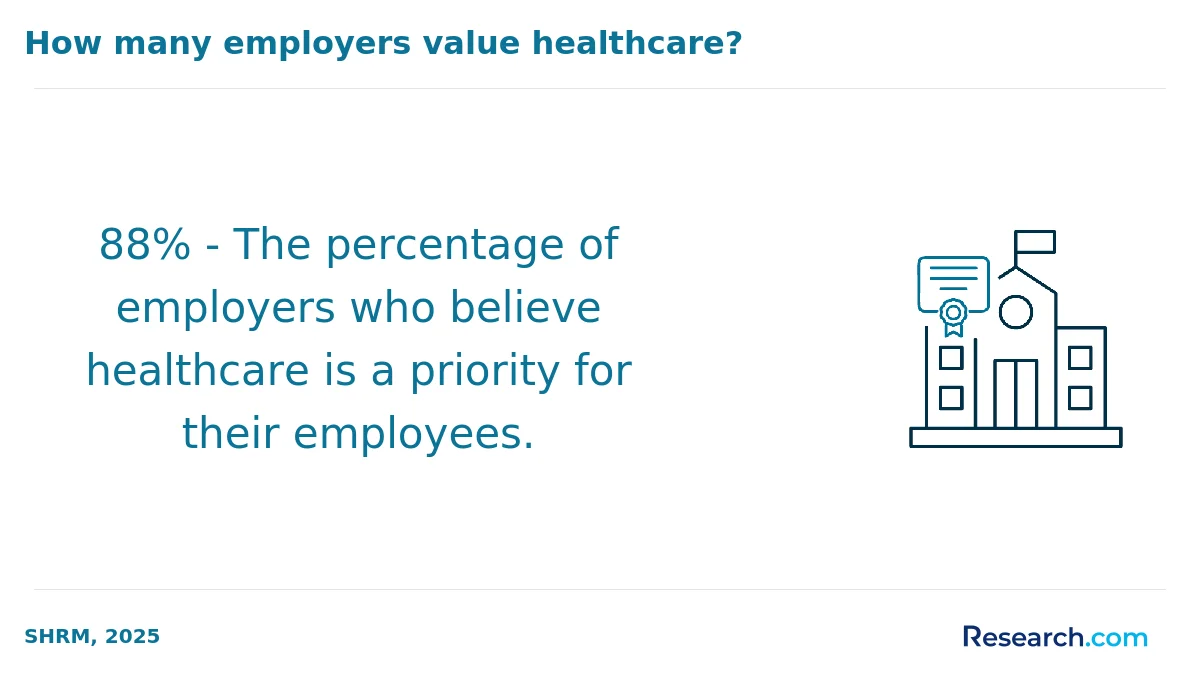
Many associate degree graduates in Hobbs find themselves stepping into rewarding roles across healthcare, business, and technical fields. Local schools offering strong programs have helped graduates move into positions like dental hygienists, IT support specialists, and business office managers. These careers not only align with Hobbs' community needs but also provide a satisfying balance of financial stability and personal growth.
One common path is in healthcare, where graduates quickly qualify for roles in medical assisting or nursing assistance, experiencing firsthand the joy of helping patients and gaining hands-on skills that make daily work rewarding. Others pursue technology-focused jobs, finding opportunities in network administration or computer support, benefiting from Hobbs' growing demand for tech services.
Here are a few popular career options for associate degree jobs in Hobbs NM:
- Dental hygienist or assistant
- IT support and network technician
- Healthcare administration
- Business office management
- Paralegal or legal assistant
Graduates from Hobbs community colleges often share how their programs' practical approach helped them land these roles with confidence. If you're curious about quick careers that pay well, you can check out quick careers that pay well to explore more fast-track options that fit local needs. Overall, career opportunities for Hobbs associate degree graduates offer a path to steady work and the chance to thrive in a close-knit community.
The job market for associate degree graduates in Hobbs is surprisingly strong and full of promise. Local schools like New Mexico Junior College prepare students with practical skills that meet the needs of regional employers. Graduates often find themselves quickly hired in healthcare roles such as physical therapist assistants or registered nurses, where pay can be quite competitive. Energy sector jobs, especially in oil and gas, also provide solid opportunities for those with technical associate degrees.
Many graduates share positive experiences, saying that their degrees opened doors to stable, rewarding careers right here in Hobbs. The steady demand for workers means unemployment rates for these graduates remain low. Typical wages in administrative jobs start from $15.50 to $21 an hour, while healthcare and technical fields can reach as high as $48 per hour for experienced candidates.
Thinking about your future, you might want to explore what trade school jobs pay the most to see how your associate degree can set you up for success. The Hobbs NM associate degree job market is a smart choice if you're looking to enter the workforce quickly with real, career-ready skills.
Most Affordable Associate Degree Programs - Leading Certification Courses in Hobbs for 2026
# 1 position
New Mexico Junior College - Computer and Information Sciences, General.
associateNew Mexico Junior College offers a general program in Computer and Information Sciences that focuses on computing, computer science, and information systems. The program is accredited by the Higher Learning Commission. Annual in-state tuition is $1,440. This program is undifferentiated in title and content, and it should not be confused with specialized programs in computer science or information science. It provides foundational knowledge in these broad fields.
# 2 position
New Mexico Junior College - Legal Assistant/Paralegal.
associateNew Mexico Junior College offers a fully online Legal Assistant/Paralegal program designed to prepare students for roles involving legal research, drafting, investigatory, and administrative tasks under attorney supervision. The curriculum covers legal document preparation, courthouse procedures, and legal specializations. The program is accredited by the Higher Learning Commission and has an annual in-state tuition of $1,440.
# 3 position
New Mexico Junior College - Criminal Justice/Safety Studies.
associateNew Mexico Junior College offers a Criminal Justice/Safety Studies program that covers the criminal justice system, including its organizational components, legal and public policy contexts. The curriculum includes criminal law and policy, police and correctional systems, administration of justice, judiciary, and public attitudes toward criminal justice. The program’s annual in-state tuition is $1,440. It is accredited by the Higher Learning Commission.
# 4 position
New Mexico Junior College - Automobile/Automotive Mechanics Technology/Technician.
associateNew Mexico Junior College offers a hybrid program in Automobile/Automotive Mechanics Technology/Technician designed to teach technical skills for repairing, servicing, and maintaining various automobiles. The curriculum covers brake systems, electrical systems, engine performance, engine repair, suspension and steering, transmissions, drive trains, and heating and air conditioning systems. The annual in-state tuition is $1,440. The program is accredited by the Higher Learning Commission, and graduates earn a median salary of $52,024 one year after completion.
# 5 position
New Mexico Junior College - Welding Technology/Welder.
associateNew Mexico Junior College offers a Welding Technology/Welder program with a hybrid format, including some distance-education options. The curriculum covers arc welding, resistance welding, brazing, soldering, cutting, high-energy beam welding, solid state welding, and related materials and safety topics. The program is accredited by the Higher Learning Commission. Annual in-state tuition is $1,440, providing technical skills to work with metal surfaces and welding processes in various applications.
# 6 position
New Mexico Junior College - Business Administration and Management, General.
associateNew Mexico Junior College offers a fully online Business Administration and Management, General program designed to prepare students to plan, organize, direct, and control business functions. The curriculum includes management theory, human resources, accounting, purchasing, logistics, marketing, and business decision-making. The program is accredited by the Higher Learning Commission. Annual in-state tuition is $1,440 for this distance-only program.
# 7 position
New Mexico Junior College - Accounting.
associateNew Mexico Junior College offers an Accounting program that prepares students for careers in accounting and related business functions. The curriculum covers principles and theory, financial and managerial accounting, cost accounting, tax accounting, auditing, and business information systems. The program also emphasizes professional standards, ethics, and applications for various organizations. In-state tuition is $1,440 annually. The program is accredited by the Higher Learning Commission.
Frequently Asked Questions about associate degree programs
After completing an associate degree in Hobbs, preparing for the job market involves several key steps. First, graduates should develop a strong resume that highlights relevant coursework, internships, and practical experience gained during their studies. Networking is crucial; attending local job fairs and connecting with employers in Hobbs can open doors. According to the U.S. Bureau of Labor Statistics, associate degree holders often have higher employment rates than those with only a high school diploma, especially in healthcare and technical fields, which are prominent in Hobbs. Additionally, pursuing certifications related to your field can improve job prospects.
Internships and work-study opportunities available during your program can offer valuable hands-on experience, helping ensure a smoother transition into employment. Utilizing Hobbs community resources, including workforce centers, can provide job search assistance and counseling. Staying informed about industry trends and maintaining updated skills are also essential strategies to remain competitive in Hobbs's evolving job market.
Employers in Hobbs highly value associate degree graduates who demonstrate strong technical and practical skills relevant to local industries such as energy, healthcare, and manufacturing. According to the New Mexico Department of Workforce Solutions, key hard skills include proficiency in computer applications, basic engineering principles, and healthcare procedures.
Soft skills are equally important. Communication, problem-solving, and teamwork are among the top attributes employers seek. The National Association of Colleges and Employers (NACE) reports that 91% of employers nationwide prioritize these skills, and local trends mirror this demand.
Additionally, adaptability and time management stand out as critical for success in Hobbs' dynamic job market.
Finding internships in Hobbs that align with your associate degree program involves utilizing local resources and building connections. Start by consulting the career services office at New Mexico Junior College, which frequently lists internship opportunities tailored to various fields.
Local businesses in Hobbs, such as those in the energy, healthcare, and education sectors, often offer internships. The Hobbs Chamber of Commerce website provides updates on local companies seeking interns, reflecting the city's growing job market.
Online platforms like Handshake and Indeed also feature internships specific to Hobbs, helping students target placements relevant to their studies.
Networking events hosted by community organizations and local job fairs are valuable for meeting potential employers and learning about unadvertised openings.
In Hobbs, earning an associate degree can significantly enhance career mobility and advancement opportunities. According to data from the U.S. Bureau of Labor Statistics, workers with an associate degree earn about 20% more on average than those with only a high school diploma. This degree often opens doors to skilled technical jobs in industries like healthcare, manufacturing, and energy, which are prominent in Hobbs.
The New Mexico Higher Education Department highlights that many employers in the region prefer candidates with associate degrees for higher-level positions. Additionally, degrees provide a strong foundation for transferring to four-year programs, allowing continued educational advancement.
Holding an associate degree also increases job security and eligibility for promotions, helping local workers adapt as industries evolve. This credential can be a practical investment facilitating upward career movement within Hobbs' competitive job market.
In Hobbs, part-time job opportunities that complement associate degree education often align with popular local industries such as healthcare, education, and retail. Many students pursue roles like medical assistants, pharmacy technicians, or administrative support workers, which allow hands-on experience related to healthcare and business programs. According to the U.S. Bureau of Labor Statistics (2023), healthcare support roles in New Mexico are expected to grow by 12% over the next decade, reflecting strong local demand.
Retail and service sector jobs remain common for students, providing flexible hours and customer service skills useful across many associate degree fields.
To find the most affordable degree program near me, including options near Hobbs, NM, consider examining tuition rates and financial aid options offered by local community colleges and universities. Research.com can be a helpful resource to compare programs and costs to identify a suitable choice. Additionally, it's beneficial to seek advice from academic advisors in institutions near Hobbs, NM, to understand any cost-saving opportunities such as scholarships or work-study programs.
- Most Affordable Trade School & Training Programs - Leading Certification Courses in Tulsa for 2026
- Most Affordable Trade School & Training Programs - Leading Certification Courses in Topeka for 2026
- Most Affordable Trade School & Training Programs - Leading Certification Courses in Olathe for 2026
- Most Affordable Trade School & Training Programs - Leading Certification Courses in Overland Park for 2026
- Most Affordable Trade School & Training Programs - Leading Certification Courses in Anaheim for 2026
- Most Affordable Trade School & Training Programs - Leading Certification Courses in Lancaster for 2026
- Most Affordable Trade School & Training Programs - Leading Certification Courses in Billings for 2026
- Doing Business | City of Hobbs, NM https://choosehobbsnm.com/doing-business/
- Community - Hobbs Chamber of Commerce https://www.hobbschamber.org/community/
- Collegescorecard https://collegescorecard.ed.gov/
- Program https://www.nmjc.edu/program/
- Is an Online Degree the Same as a Traditional College Degree? | Bryan University Online© https://bryanuniversity.edu/faq/is-an-online-degree-the-same-as-a-traditional-college-degree/
- How Should I List Multiple Degrees After My Name? | ProFellow https://www.profellow.com/askdrjohnson/how-should-i-list-multiple-degrees-after-my-name/
- Online Degree vs. Traditional | University of Arkansas Grantham https://www.uagrantham.edu/blog/pros-cons-online-degree-vs-traditional-university/
- Options for Students with an Associate Degree | LSU Online https://online.lsu.edu/newsroom/articles/what-can-i-do-after-earning-associate-degree/
- Associate Degree programs - United International Business School (UIBS) https://www.uibs.org/undergraduate/associate/
- Diagnostic Medical Sonography | New Mexico State University Academic Catalog https://catalogs.nmsu.edu/dona-ana/academic-career-programs/diagnostic-medical-sonography/


