Most Affordable Associate Degree Programs - Leading Certification Courses in Dallas for 2026

Co-Founder and Chief Data Scientist
Looking for an affordable associate degree program in Dallas? This article will guide you through top options designed to fit your budget and career goals. The featured ranking, created by the Research.com team of data scientists, helps you make informed decisions about which trade school programs truly stand out.
Completing an associate degree is a powerful step toward a brighter future, offering new skills and better job prospects. Whether you’re starting fresh or upgrading your qualifications, this guide will support your journey with clear, trustworthy information.
Key benefits of associate degrees in Dallas
• Associate degree graduates in Dallas can earn impressive salaries, such as $104,470 for elevator installers, $105,410 for court reporters, and up to $116,120 for radiation therapists, offering strong financial opportunities.
• Popular career paths include healthcare, business, technology, and skilled trades, with many graduates from Dallas schools thriving in fields like radiation therapy, electrical technology, and court reporting, all known for good job prospects.
• Online associate degree programs offer flexible learning, ideal for busy students balancing work or family, making it easier to gain valuable skills and start a rewarding career without relocating or a traditional campus schedule.
- Most Affordable Associate Degree Programs - Leading Certification Courses in Dallas for 2026
- What can I expect from associate degree programs in Dallas?
- Where can I work after finishing associate degree programs in Dallas?
What can I expect from associate degree programs in Dallas?
The average cost of completing an associate degree program in Dallas varies, but students often report tuition expenses ranging from about $3,500 to $6,000 for the full two-year course load at community colleges like Dallas College. Graduates frequently emphasize how affordable these programs are compared to four-year universities, making them an attractive option for those balancing budgets with life responsibilities.
Many students appreciate that Dallas-based schools accept up to 44 transfer credit hours, which can reduce both time and costs by applying previous coursework toward their degree. This flexibility allows adult learners or those switching careers to save money and accelerate their path to graduation.
Graduates also highlight the availability of fully online associate degree options that provide cost savings not only in tuition but in commuting and materials. This convenience aligns well with students managing jobs or families.
While exact prices depend on the program and institution, students at prominent Dallas community colleges report feeling reassured by transparent tuition rates, accessible financial aid, and the practical value embedded in their affordable, career-focused education.
Where can I work after finishing associate degree programs in Dallas?
Graduates from associate degree programs in Dallas find themselves stepping confidently into diverse career paths across thriving local industries. For example, many who studied at Dallas College have secured roles as administrative assistants or customer service representatives, enjoying stable work environments in finance and corporate sectors without needing a bachelor's degree. These roles offer daily interaction and a sense of accomplishment, perfectly suiting those who value practical, hands-on work.
In healthcare, a graduate sharing their experience recalls becoming a health information management specialist soon after completing their associate degree, benefiting from Dallas's expanding medical facilities. Similarly, others have found rewarding opportunities as neurodiagnostic technologists, combining technical skills with patient care, offering both challenge and fulfillment.
Technology positions such as IT support and network administration, accessible with an associate degree from local colleges, attract graduates eager to enter the city's booming tech scene. These roles often provide a fast-paced, problem-solving environment that many find exciting.
Skilled trades, education, and sales also offer promising avenues. For instance, graduates who became substitute teachers appreciate the direct impact on Dallas students' lives, while those in retail supervisory roles enjoy leadership opportunities that build confidence and career growth.
Graduates with an associate degree in Dallas can expect to earn a median annual salary of about $49,500, which is a meaningful 18% increase compared to those holding only a high school diploma. For many students from well-known Dallas community colleges, this boost translates into a tangible improvement in their quality of life, allowing them to afford better housing or save for continued education.
Those who choose specialized or technical fields see even more striking outcomes. For instance, graduates entering careers as commercial pilots make a median salary of $188,920, while air traffic controllers earn around $182,890. Radiation therapists and power distributors also report six-figure incomes, highlighting the financial value of targeted training programs offered at Dallas colleges.
At the same time, some graduates embrace more general roles like program associates, earning approximately $48,102 annually. This level of income helps entry-level workers build stability while gaining valuable work experience in a vibrant Dallas job market.
The pay figures reflect median wages, so many graduates in Dallas find their earnings growing further through certifications or on-the-job training.
- Maria: Earning my Associate Degree in Nursing from a Dallas trade school was life-changing. The hands-on training prepared me to immediately excel in a local hospital. I didn't just gain skills-I found confidence and a passion for helping others in my community.
- Jamal: The Associate Degree in Information Technology I earned at a Dallas technical college opened doors I never imagined. The instructors focused on real-world projects, making me job-ready from day one. Now, I'm thriving as a network technician, enjoying both stability and growth.
- Emily: Studying Business Administration at a Dallas trade school gave me more than just a degree; it gave me a fresh start. The small class sizes and career-focused curriculum helped me secure a great role in retail management, turning my dreams into reality.
- Admission requires a high school diploma or equivalent, official transcripts, and passing entrance assessments, with some schools requiring interviews and campus tours.
- A minimum cumulative GPA of around 2.0 on a 4.0 scale is generally needed, plus completion of about 60 credit hours with at least 25% earned at the awarding institution.
- Total costs for associate degree programs in Dallas typically range between $4,000 and $8,000 at public community colleges, with higher costs at private schools.
- Popular fields with strong job prospects include registered nursing, IT, and business administration, with starting salaries for nurses around $55,000 to $65,000 annually.
- Other in-demand roles such as computer support specialists and paralegals have median salaries from $38,000 to $50,000 per year in the Dallas area.
Completing an associate degree program in Dallas typically takes about two years of full-time study. Graduates from Dallas Baptist University and Wade College often share that this timeframe feels achievable when attending classes regularly and staying on track with the required 60 semester credit hours. For example, some students at Wade College experience the reward of finishing their degree in as little as 16 months by opting for accelerated, year-round schedules, which can be a major boost for those eager to enter the workforce quickly.
Many Dallas students balancing work or family commitments find that part-time enrollment extends their studies to three years or more. This flexible pacing allows people to keep up with life's demands without giving up education, which tends to bring relief and a sense of accomplishment. Additionally, students transferring credits or using summer courses in Dallas can shorten their path, making their educational journey feel personalized and efficient.
The primary distinction between online and on-campus associate degree programs in Dallas centers on how and where learning occurs. Online programs, such as those from Dallas College, provide flexibility through asynchronous classes, letting students manage coursework around jobs or family life without commuting. Graduates often appreciate completing assignments late at night after work, which would be impossible in a traditional setting.
Conversely, on-campus programs offer face-to-face interaction, fostering immediate connections with instructors and peers. For example, students attending local Dallas campuses describe the energizing experience of participating in study groups and campus events, which can boost motivation and networking.
Cost differences also stand out. Online courses generally cost less per credit hour-around $99 at Dallas College-while on-campus students may face extra fees for transportation and campus facilities. This financial aspect influences many to choose online options without sacrificing quality, since both formats hold equal accreditation and employer respect in Dallas.
The average cost of associate degree in Dallas varies significantly depending on residency status and the college attended. At Dallas College, for example, in-district students pay $2,376 per year in tuition for full-time enrollment, while out-of-district and out-of-state students face higher rates of $4,056 and $6,000, respectively. Graduates often share how these tuition figures form the baseline of their financial planning, though total expenses extend well beyond just tuition.
Living expenses shape the overall outlay considerably. Books and supplies add about $440 annually, and food plus housing can total roughly $13,532. Transportation costs are significant too, with in-district students budgeting approximately $5,588 per year. Personal expenses commonly reach $3,256, meaning a full cost of attendance (COA) at Dallas community colleges can exceed $25,000 for locals and climb higher if students come from outside the district. This detailed breakdown reflects the reality for students who combine work and study, balancing budgets pragmatically.
Across the Dallas region, other institutions like Tarrant County College operate with similar tuition structures, charging county residents roughly $74 per credit hour. Many students express relief when financial aid or scholarships lessen these expenses, making the investment in their education manageable. Those pursuing a practical path often explore options to optimize value, including considering best paying 6 month online certifications.
By understanding Dallas associate degree tuition and fees, prospective students can better anticipate the financial commitment involved while aiming for a rewarding academic and career experience in the city's vibrant educational landscape.
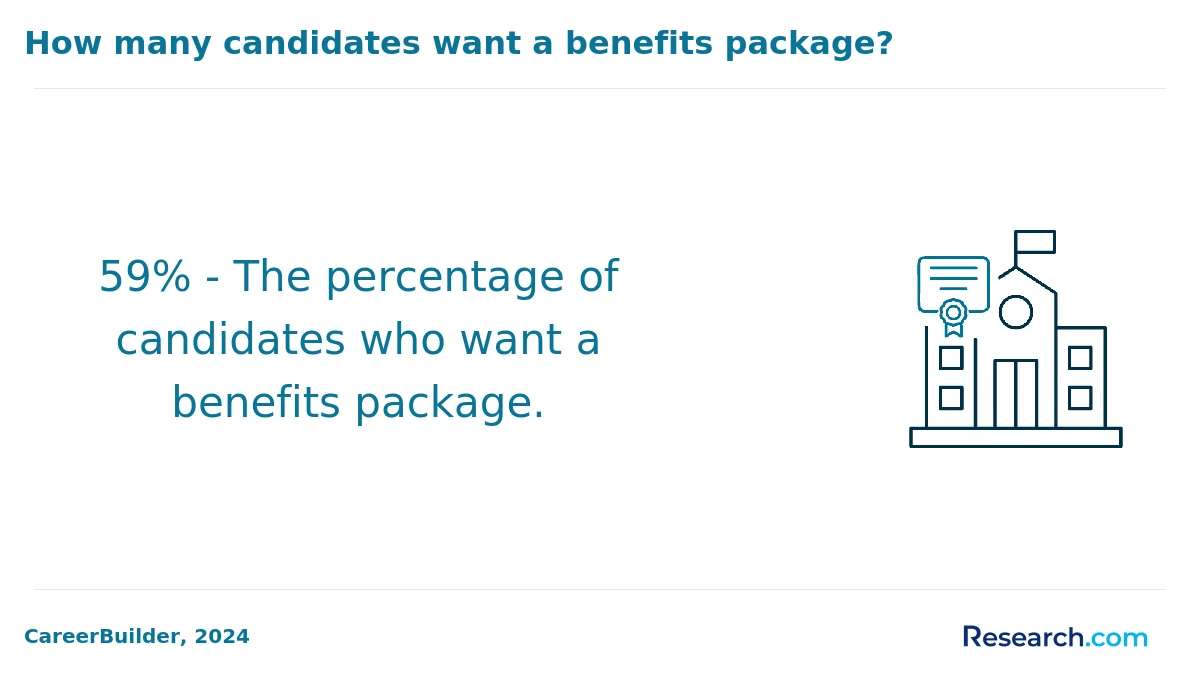
Students pursuing associate degrees in Dallas often rely on the Federal Pell Grant to ease financial burdens. For the 2025-2026 academic year, this grant can provide up to $7,395 without the need for repayment, though the exact award varies by financial need and enrollment. Graduates from popular local colleges recall how this grant covered a substantial portion of their tuition, allowing them to focus more on studies than worrying about costs.
State aid further supports Dallas students, notably through the Texas Educational Opportunity Grant (TEOG) available at many public two-year colleges. Additionally, programs like the Dallas County Promise relieve financial stress by covering any remaining tuition after federal and state grants. One former student from a Dallas community college shared relief at this "last-dollar" tuition coverage, which made completing their associate degree financially possible.
Meeting deadlines for the FAFSA or TASFA applications is essential. Dallas College graduates have emphasized how timely submissions affected their access to aid, alongside maintaining Satisfactory Academic Progress (SAP) to keep funding active.
Institutional and private scholarships also play a role, offering tailored awards for motivated students, while federal student loans remain a fallback option if additional funds are needed.
To enroll in an associate degree program in Dallas, students must first hold a high school diploma or equivalent, such as a GED. Graduates from Dallas College and similar local institutions emphasize how this requirement confirms their preparedness for college-level work. Alongside this, official transcripts from all previously attended schools must be submitted. These transcripts provide essential proof of academic history and help streamline credit transfers, especially for those balancing earlier coursework with new goals.
Applicants also need to be at least 18 years old, ensuring they meet the legal criteria for full participation in college life. Common specialized programs, like the Associate Degree in Nursing popular in Dallas, require prerequisites including:
- English Composition (ENGL 1301)
- Anatomy and Physiology (BIOL 2401)
- College Mathematics (MATH 1314 or MATH 1342)
- Introduction to Psychology (PSYC 2301)
Many students recount how completing these courses gave them confidence before diving into rigorous clinical work.
Meeting the Texas Success Initiative (TSI) standards is also non-negotiable. This ensures readiness in reading, writing, and math for success in credit-bearing courses. Lastly, earning at least 25% of credits directly from Dallas-based colleges is vital, encouraging meaningful engagement on campus and preventing over-reliance on transfers. This blend of requirements fosters a supportive environment where students thrive both academically and personally.
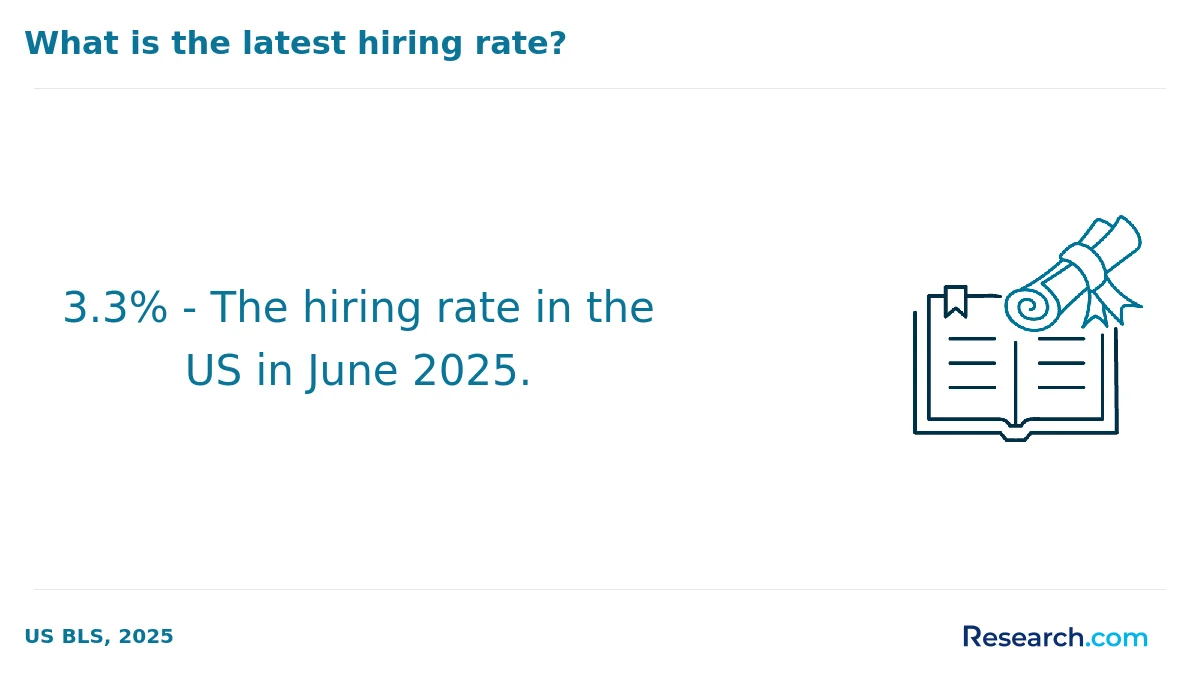
Associate degree programs in Dallas often integrate a comprehensive core curriculum with courses tailored to students' career interests. Graduates from popular Dallas associate degree schools highlight how essential subjects like English composition, mathematics, biology, and social sciences build a solid foundation for critical thinking and communication. This core knowledge ensures students gain versatile skills applicable both in the workforce and when transferring to a four-year college.
The Dallas associate degree program curriculum emphasizes practical exposure through specialized classes according to the chosen field. For example, business students typically take accounting and management, while healthcare students study anatomy and medical terminology. Other fields like computer graphics and digital media offer hands-on learning, reflecting the diverse offerings of common associate degree courses in Dallas.
Many Dallas students appreciate the flexibility of online and hybrid options, often seeking the easiest associate's degree online as they balance work and study, making these programs accessible and relatable to busy lifestyles.
Choosing the best associate degree programs in Dallas starts with verifying accreditation to ensure your degree holds value locally and nationally. Graduates from well-accredited Dallas institutions often share how confidence in their credentials helped them secure jobs quickly. Also, consider the program's format-whether fully online or in-person-since some Dallas colleges excel in providing flexible schedules for working adults. Reflect on your lifestyle: one graduate appreciated the online option because it balanced work and study seamlessly, while another thrived in the campus environment for its community feel.
To know how to compare Dallas associate degrees, look closely at cost, financial aid, and transfer opportunities. For instance, nonprofit schools typically have higher tuition but often offer scholarships that lower true costs. Some programs designed for workforce entry contrast with those offering smooth transfer pathways to four-year universities-graduates who prioritized transferability felt more optimistic about future education. For more insights on efficient study options, explore what are the fastest online associate degrees available?

Associate degree career opportunities Dallas present a diverse array of paths for graduates from well-known local colleges. Many find rewarding roles in healthcare-such as registered nurses, dental hygienists, and medical laboratory technicians-thanks to the city's expanding medical facilities. Graduates often share how programs at Dallas community colleges prepared them hands-on, leading to quick employment and steady income growth. In skilled trades, alumni of technical schools highlight the value of real-world training in HVAC, automotive, and electrical technology, which has helped them secure technician or supervisory roles within Dallas's bustling construction scene.
For those interested in business or IT, Dallas's vibrant corporate sector demands professionals like network support specialists and sales managers. Graduates emphasize that their associate degrees gave them a solid foundation for advancement in competitive workplaces. Public service careers, including police or fire science positions, also attract graduates eager to serve their communities.
These highest-paying associate degree jobs in Dallas can also be gateways to further education or certifications. Prospective students might explore the quickest highest paying degree options to align their ambitions with the most promising fields.
The Dallas job market for associate degree holders is notably vibrant, reflecting the city's expanding economy and diverse industries. Graduates from popular associate degree schools in Dallas frequently share their experiences of quickly securing roles in fields like health care, business administration, and IT. For instance, many find employment as administrative assistants or account clerks within weeks after graduation, benefiting from the area's 6.3% job growth rate between 2015 and 2020. This strong demand highlights the genuine associate degree job opportunities in Dallas.
Jobs in emerging sectors such as health information management and human resources offer attractive wages and growth prospects. Graduates often note the presence of over 3,500 job postings targeting associate degree qualifications, providing them multiple pathways to employment.
- Equal Opportunity Representatives have a 13% growth rate with median wages around $36/hour.
- Human Resources Managers earn about $64/hour with similar growth projections.
These opportunities are part of why pursuing an associate degree at a Dallas institution leads to meaningful, well-paying careers. Dallas College's data confirms this, showing the college's strong role in supporting one out of every 49 jobs in Dallas County. For students considering education options, exploring nationally accredited online colleges
nationally accredited online colleges
can also offer flexible pathways while maintaining strong ties to the local market.
Most Affordable Associate Degree Programs - Leading Certification Courses in Dallas for 2026
# 1 position
Dallas College - Diagnostic Medical Sonography/Sonographer and Ultrasound Technician.
associateThe Diagnostic Medical Sonography/Sonographer and Ultrasound Technician program at Dallas College offers a hybrid format with some distance-education options. It trains students to use ultrasound technology for diagnostic purposes under physician supervision, covering patient care, data processing, and professional ethics. The program is accredited by the Southern Association of Colleges and Schools Commission on Colleges. Annual in-state tuition is $2,370, and median earnings one year after completion reach $83,557.
# 2 position
Dallas College - Electrician.
associateThe Electrician program at Dallas College offers a hybrid format with some distance education options. It prepares students to install, maintain, and repair electrical systems in residential, commercial, and industrial settings. The curriculum covers electronics, wiring, power transmission, safety, job estimation, testing, inspection, and electrical codes. The annual in-state tuition is $2,370. Median earnings one year after completion are $66,463. The program is accredited by the Southern Association of Colleges and Schools Commission on Colleges.
# 3 position
Dallas College - Business Administration and Management, General.
associateDallas College offers a hybrid Business Administration and Management, General program designed to prepare individuals to plan, organize, direct, and control business functions. The curriculum covers management theory, human resources, accounting, purchasing, marketing, and business decision-making. Annual in-state tuition is $2,370. Graduates earn a median income of $42,440 one year after completion. The program is accredited by the Southern Association of Colleges and Schools Commission on Colleges.
# 4 position
Dallas College - Computer Systems Networking and Telecommunications.
associateDallas College offers a hybrid program in Computer Systems Networking and Telecommunications, focusing on the design, implementation, and management of linked computer systems and software. The curriculum covers operating systems, networking theory, network management, security, and troubleshooting. Annual in-state tuition is $2,370. Graduates earn a median salary of $40,807 one year after completion. The program is accredited by the Southern Association of Colleges and Schools Commission on Colleges.
# 5 position
Dallas College - Automobile/Automotive Mechanics Technology/Technician.
associateDallas College offers a Hybrid Automobile/Automotive Mechanics Technology/Technician program that trains students in repairing, servicing, and maintaining all types of automobiles. The curriculum covers brake systems, electrical systems, engine performance and repair, suspension, steering, transmissions, drive trains, and heating and air conditioning systems. Annual in-state tuition is $2,370. Graduates earn a median income of $38,239 one year after completing the program. The program is accredited by the Southern Association of Colleges and Schools Commission on Colleges.
# 6 position
Dallas College - Criminal Justice/Safety Studies.
associateDallas College offers a Hybrid Criminal Justice/Safety Studies program that covers criminal law, policy, police and correctional systems, and the judiciary. The program focuses on the criminal justice system’s organization and public policy contexts. Annual in-state tuition is $2,370. Median earnings for graduates one year after completion are $37,202. The program is accredited by the Southern Association of Colleges and Schools Commission on Colleges.
# 7 position
Dallas College - Veterinary/Animal Health Technology/Technician and Veterinary Assistant.
associateDallas College offers a program in Veterinary/Animal Health Technology/Technician and Veterinary Assistant that prepares students to assist veterinarians and animal health professionals in patient care and clinical procedures. The curriculum covers animal nursing, health, nutrition, handling, clinical pathology, radiology, anesthesiology, surgical assisting, and office administration. The program's annual in-state tuition is $2,370 and it is accredited by the Southern Association of Colleges and Schools Commission on Colleges.
# 8 position
Dallas College - Computer Science.
associateDallas College offers a hybrid Computer Science program focusing on computer theory, problem-solving, and system design from a scientific perspective. The curriculum includes computational science principles, programming, and applications for various end uses. Annual in-state tuition is $2,370. The program is accredited by the Southern Association of Colleges and Schools Commission on Colleges.
# 9 position
Dallas College - Computer and Information Systems Security/Auditing/Information Assurance.
associateDallas College offers a hybrid Computer and Information Systems Security/Auditing/Information Assurance program that prepares students to evaluate and secure computer networks. The curriculum covers programming, systems analysis, cryptography, risk assessment, and security auditing. The program costs $2,370 annually for in-state tuition. It is accredited by the Southern Association of Colleges and Schools Commission on Colleges, ensuring recognized academic standards and quality education.
# 10 position
Dallas College - Banking and Financial Support Services.
associateDallas College offers a hybrid program in Banking and Financial Support Services, preparing students for customer service roles in banks, insurance agencies, and related businesses. The curriculum includes communication, public relations, business equipment operation, and technical skills for financial and insurance services. Annual in-state tuition is $2,370. The program is accredited by the Southern Association of Colleges and Schools Commission on Colleges.
Frequently Asked Questions about associate degree programs
After earning an associate degree in Dallas, preparing for the job market requires a strategic approach. According to the Texas Workforce Commission, sectors like healthcare, technology, and skilled trades offer strong employment opportunities for associate degree holders in Dallas.
Graduates should develop a professional resume highlighting relevant skills and internships. Networking plays a crucial role; joining local job fairs and professional groups can increase job prospects. Many community colleges in Dallas offer career services, including interview preparation and job placement assistance.
Additionally, obtaining industry certifications alongside the degree can enhance employability. Staying informed about local labor market trends helps graduates target growing fields effectively.
Employers in Dallas highly value both technical and soft skills in associate degree graduates. According to the Dallas Regional Chamber, proficiency in digital literacy and basic computer skills ranks among the top technical requirements. Many local industries emphasize knowledge of Microsoft Office, data analysis, and industry-specific software.
Communication skills are critical, with 85% of employers reporting the need for strong verbal and written communication, as per a 2023 report by the Texas Workforce Commission. Teamwork and problem-solving abilities also rank highly, reflecting the collaborative nature of many Dallas workplaces.
Time management and adaptability remain key soft skills, with an emphasis on graduates' ability to quickly learn new tasks and technologies.
Finding internships in Dallas related to your associate degree program involves a combination of strategic networking, research, and utilizing local resources. Start by contacting your college's career services, as many Dallas community colleges have established partnerships with local businesses offering internships specifically for students.
Additionally, use online platforms such as Handshake and Indeed to filter internships by location and field. According to the Dallas Regional Chamber, industries like healthcare, information technology, and manufacturing regularly offer internships suitable for associate degree students.
Attending local job fairs and industry-specific networking events provides valuable face-to-face opportunities with employers actively seeking interns. Also, consider reaching out to the Dallas Workforce Solutions center, which assists students in securing internships aligned with their career goals.
An associate degree in Dallas can significantly enhance career mobility and advancement opportunities. According to the National Center for Education Statistics, individuals with an associate degree earn approximately 20% more than those with only a high school diploma. In Dallas, industries like healthcare, information technology, and business actively seek candidates with such qualifications.
Employers often recognize the practical skills and foundational knowledge gained through associate degree programs. This recognition can lead to promotions or higher entry-level positions. Additionally, many Dallas community colleges have articulation agreements with universities, enabling smooth transfers toward bachelor's degrees, which further improve career prospects.
Data from the Dallas County Community College District reports a 15% higher employment rate among graduates holding associate degrees compared to those without postsecondary credentials.
Many part-time jobs in Dallas align well with associate degree studies, providing practical experience and income. Healthcare roles, such as medical assistants or pharmacy technicians, are common for students in nursing or allied health programs. The Texas Workforce Commission reports that healthcare support roles in Dallas grow faster than average, offering flexible hours suited to students.
Students pursuing business or IT degrees often find opportunities in retail management, customer service, or basic IT support. Dallas's diverse economy supports a range of part-time openings, allowing students to build relevant skills.
Additionally, roles in education or social services assist students studying those fields, with Dallas Independent School District occasionally hiring aides or tutors on a part-time basis.
If you're seeking affordable degree programs near me and specifically near Dallas, TX, you'll find several options at local community colleges and public universities. Institutions like the Dallas College system and the University of North Texas in Denton are known for providing cost-effective education opportunities. For detailed evaluations of academic programs, Research.com can be a helpful resource.
- Most Affordable Trade School & Training Programs - Leading Certification Courses in Tulsa for 2026
- Most Affordable Trade School & Training Programs - Leading Certification Courses in Olathe for 2026
- Most Affordable Trade School & Training Programs - Leading Certification Courses in Topeka for 2026
- Most Affordable Trade School & Training Programs - Leading Certification Courses in Overland Park for 2026
- Associate Degree Programs | Academics | Miami Dade College https://www.mdc.edu/academics/programs/associate.aspx
- Find Remote Internships For College Students https://www.accreditedschoolsonline.org/resources/college-internships-and-employment/
- 7 Reasons Why Dallas is a Top Destination for Job Seekers and Employers in 2025 https://acarasolutions.com/blog/recruiting-trends/acara-named-to-staffing-industry-analysts-list-of-top-u-s-engineering-staffing-firms-2/
- Combined Colleges - Associate of Arts/Associate of Science Field of Study Degrees https://www1.dcccd.edu/cat1617/AcademicDegrees/fields.cfm
- What Comes After Associate Degree: Here Are Your Options https://potomac.edu/do-you-feel-complete-after-earning-an-associates-degree/
- Is an Online Degree the Same as a Traditional College Degree? | Bryan University Online© https://bryanuniversity.edu/faq/is-an-online-degree-the-same-as-a-traditional-college-degree/
- Certificate vs. associate degree: What is the difference? https://www.boisestate.edu/online/2024/02/15/certificate-vs-associate-degree-what-is-the-difference/
- What Are Employers Looking for When Reviewing College Students’ Resumes? https://www.naceweb.org/talent-acquisition/candidate-selection/what-are-employers-looking-for-when-reviewing-college-students-resumes
- Online Associate Degree Programs https://www.ashworthcollege.edu/associate-degrees/
- Research - Best 6 Month Certificate Programs That Pay Well https://research.com/degrees/best-6-month-certificate-programs-that-pay-well