Best Trade School & Training Programs - Leading Certification Courses in San Francisco for 2026

Co-Founder and Chief Data Scientist
Choosing the right trade school in San Francisco can shape your future career and open doors to exciting opportunities. This article introduces the best trade schools in the city for 2026, designed to guide you through your options with confidence.
The trade school programs ranking, developed by the Research.com team of data scientists, helps highlight programs that truly stand out. Whether you seek a diploma or certification, this guide makes it easier to find a path that fits your goals.
Investing in a trade education means gaining valuable skills that employers respect. Discover how the right program can boost your future and empower your ambitions.
Key benefits of finishing trade school programs trade school in San Francisco
- Trade school graduates in San Francisco can earn impressive salaries, such as HVAC technicians making $35-$60 per hour and electrical foremen earning $61.88-$73.13 per hour, offering strong financial motivation.
- Popular career paths include HVAC, electrical work, and building maintenance, all in high demand locally and providing stable, rewarding jobs for certified graduates.
- Getting a trade certification online offers flexibility and convenience, allowing busy students to balance learning with work or family, often speeding up entry into well-paying trades compared to traditional schooling.
- Best Trade School & Training Programs - Leading Certification Courses in San Francisco for 2026
- What can I expect from trade school programs trade schools in San Francisco?
- Where can I work after finishing trade school programs trade schools in San Francisco?
What can I expect from trade school programs trade schools in San Francisco?
The average cost of a trade school program in San Francisco typically ranges between $5,000 and $15,000, depending on the length and specialization. Graduates from institutions like City College of San Francisco recall investing in intensive hands-on courses-such as automotive technology or construction-that balance affordability with valuable industry certifications. These costs often cover practical lab work, materials, and career services that help students secure local employment. Many students appreciate how programs like those at CityBuild provide pre-apprenticeship opportunities within a 12 to 18-week timeframe, making the financial commitment feel manageable while offering a direct path to paid apprenticeships.
Because San Francisco's trade schools emphasize job-ready skills aligned with booming local sectors-healthcare, technology, and skilled trades-students feel enthusiastic about the return on investment. For example, flexible scheduling options including evening and part-time classes allow working adults to invest in their education without sacrificing current income. This blend of practical learning and accessible pricing creates a motivating environment where students feel supported as they prepare for well-paying, in-demand careers.
Where can I work after finishing trade school programs trade schools in San Francisco?
After completing a trade school program in San Francisco, many graduates quickly find rewarding roles as HVAC technicians, facility repair workers, or refrigeration technicians. Imagine starting your day troubleshooting heating systems in a bustling office tower, just like graduates from City College of San Francisco who appreciate the hands-on training that prepared them for this real-world challenge. These roles often come with steady benefits and retirement plans, offering not just a job but a career foundation.
Others take apprenticeship routes, becoming unionized tradespeople in carpentry, electrical, or plumbing fields. Graduates share stories of gaining pride and stability working on major infrastructure projects around the city, including opportunities at the Port of San Francisco. The satisfaction of seeing tangible results of their craftsmanship fuels their passion and boosts confidence.
Emerging fields like information security offer new pathways, where trade school grads enter fast-growing tech sectors with strong salaries. These real success stories highlight the vibrant, diverse career options awaiting those willing to invest in trade education here.
Graduates from trade school programs in San Francisco often find themselves stepping into jobs that offer rewarding salaries right from the start. Many report feeling a strong sense of accomplishment as they land roles paying around $46,500 to $84,200 annually, a range that comfortably supports life in the city. For example, those completing programs in popular local trade schools often share how their first jobs felt like a real breakthrough, especially knowing their skillsets are in demand.
With time and experience, some graduates move into specialized roles like first-line supervisors in mechanics or safety officers, where salaries can soar above $100,000. Many express genuine pride in how quickly their earnings grow, reflecting the practical, hands-on training they received. The thriving San Francisco market also means some positions at skilled employers reach nearly $150,000, making trade school an exciting pathway to financial stability without the burden of heavy student debt.
- Applicants usually need a high school diploma, GED, or to be 18 years old by class start; some schools allow 17-year-olds with parental consent.
- Public community college certificate programs cost between $1,200 and $5,000 for California residents, excluding books and materials.
- Private trade schools can charge $20,000 or more depending on the program specialty.
- Median annual salaries vary by field, with medical assistants earning about $49,000 to $65,000 and electricians earning $60,000 to $95,000.
- IT support specialists start at $55,000-$65,000, while automotive technicians earn $45,000-$50,000 initially, increasing with experience.
- Many programs provide job placement support and local employer partnerships to help graduates find jobs quickly.
Completing a trade school program in San Francisco can vary widely depending on the path chosen, but many students find themselves finishing training much faster than at traditional colleges. Graduates from the San Francisco Institute of Esthetics and Cosmetology often share how their 12-month cosmetology program allowed them to quickly start building their careers without years of delay.
Others eager to enter the construction trades have benefited from the CityBuild Academy's intensive 12-week pre-apprenticeship course that feels like an immersive, hands-on boot camp, delivering skills efficiently and instilling confidence in a short period.
For learners exploring longer commitments, apprenticeships at City College of San Francisco offer a different experience. These programs typically extend from three to five years, balancing classroom lessons with paid, on-the-job learning - graduates often describe feeling fully prepared and financially supported throughout this journey.
Most trade certificate or diploma programs in the city range from eight months to two years, a timeframe that many students appreciate for its blend of in-depth knowledge and timely workforce entry, making the dream of a skilled career feel tangible and achievable.
The key difference between online and on-campus trade school programs in San Francisco centers on how you experience learning and access resources. Graduates from online programs, like those at Calbright College, often express relief at the flexibility to study around their busy schedules. They appreciate being able to choose between live sessions or on-demand lessons, which makes managing work and family commitments much easier. One graduate shared how completing cybersecurity courses at their own pace removed commuting stress and fit perfectly with their job.
On the other hand, students attending on-campus programs such as those offered by the Academy of Art University highlight the value of in-person, hands-on training. They describe feeling motivated by direct interaction with instructors and peers, using campus labs and equipment that bring real-world scenarios to life. Many find this structure comforting and energizing, helping them quickly build confidence and practical skills.
Cost and access also shape the experience: online learners often benefit from lower expenses and no travel time, while on-campus students enjoy immediate access to facilities and career services. Ultimately, the choice reflects a personal balance between flexibility and immersive, face-to-face learning in San Francisco's unique trade school environment.
For many considering the average trade school cost in San Francisco, choosing between public and private institutions often shapes the financial outlook. Graduates from City College of San Francisco recall paying around $12,130 annually, a figure that includes tuition and mandatory fees but leaves room for additional expenses like housing and supplies. Meanwhile, those attending De Anza College benefit from a slightly lower net price closer to $8,400, showing how costs can vary even within the Bay Area.
Trade school programs also differ widely by specialization, influencing the San Francisco trade school tuition and fees. For instance, a graduate from a carpenter program might spend roughly $4,400, which feels more manageable for many, while an electrician program can average about $13,000 due to equipment and intensive training requirements. Automotive technology and welding students report expenses typically ranging from $5,000 to $15,000, reflecting the hands-on nature of these fields.
Beyond tuition, budgeting for books, materials, and student fees adds up quickly. Students often set aside at least $500 annually for books and sometimes more for tools. Many in the local trade scene emphasize the importance of financial aid options like Cal Grant C and the California Chafee Grant, which offer substantial support to eligible students. Federal Pell Grants may also provide relief, allowing future professionals to focus more on their training than on balancing costs.
Understanding predictable costs empowers students to weigh the value of their investment against career outcomes. Many graduates reflect positively on their education, recognizing how programs at local trade schools positioned them well for careers in trades that pay well, promoting both job satisfaction and financial stability in San Francisco's dynamic market.

Trade school students in San Francisco often find financial aid that feels like a lifeline when juggling tuition and living costs. Graduates from institutions such as City College of San Francisco (CCSF) share how the FAFSA opened doors to Federal Pell Grants and low-interest loans, easing the stress of upfront expenses. Many eagerly recall receiving their federal aid disbursements as early as May, perfectly timed to prepare for summer or fall classes.
Local residents benefit from state programs like the Cal Grant and the California College Promise Grant (CCPG), which help waive fees and stretch budgets further. Undocumented students can also breathe easier thanks to the California Dream Act Application (CADAA), allowing access to similar support.
Scholarships sprinkled across the Bay Area, often valued at $1,000 or more, feel like personalized encouragements from the community. CCSF graduates frequently praise the Scholarship Office's guidance in navigating these opportunities.
Workforce development grants, backed by local employers, create tangible pathways from classroom to career, making the financial aid landscape in San Francisco not just supportive but deeply hopeful.
To enroll in a trade school program in San Francisco, most students find that meeting basic eligibility requirements is straightforward yet essential. Graduates from City College of San Francisco often recall how simply turning 18 by the first day of instruction or holding a high school diploma, GED, or state-approved equivalency opened the door to their careers. Some schools even offer pathways for those over 18 without a diploma through mature student status, provided they pass an entrance exam.
Beyond these basics, certain programs, especially in healthcare or technical trades, include extra prerequisites that emphasize readiness and responsibility. For instance, applicants to the Kaiser Permanente School of Allied Health Sciences must excel on the Wonderlic Scholastic Level Exam and show proof of current CPR certification and COVID-19 vaccination, reinforcing safety and professionalism.
English proficiency can also come into play for non-native speakers, ensuring clear communication in demanding fields.
Typical prerequisites include:
- Minimum age of 18 or equivalent high school certification
- Passing any required entrance exams, especially for specialized programs
- Health and safety clearances like CPR and vaccination records where applicable
- Demonstrated English language skills for non-native speakers
Many students appreciate San Francisco's open admissions policies for California residents, making access feel achievable and motivating for those ready to start a new chapter. The experience of meeting these requirements often sparks a sense of accomplishment, fueling excitement about the practical skills and career opportunities ahead.
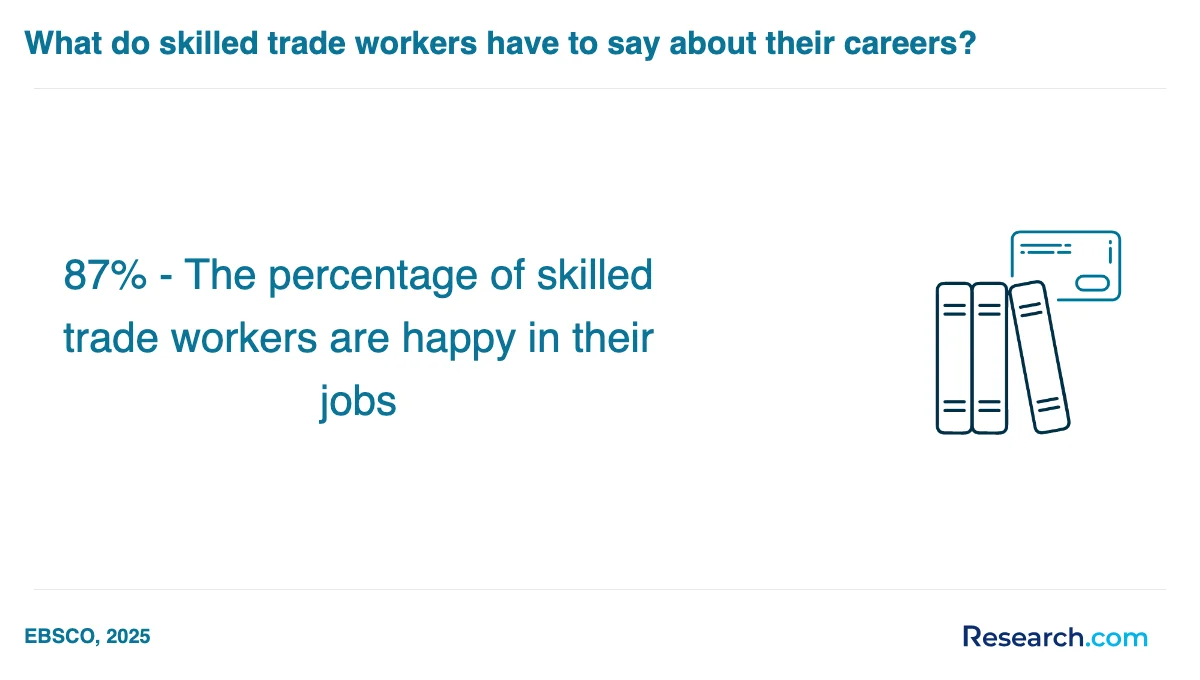
Trade school programs in San Francisco typically include a diverse range of hands-on courses designed to launch careers in key local industries. Graduates often share how courses at schools like City College of San Francisco gave them practical skills that translated directly into jobs.
Key course areas include:
- Automotive technology and repair: From basic engine tune-ups to advanced diagnostics and electrical systems, students get real-time experience fixing vehicles, mirroring Bay Area demand for skilled mechanics.
- Construction trades: Carpentry, electrical work, plumbing, and HVAC training combine classroom learning with workshops, preparing students to join bustling construction projects.
- Culinary arts: Programs like the CHEFS culinary course empower students to thrive in San Francisco's vibrant hospitality scene, emphasizing kitchen skills and professional readiness.
- Healthcare: Medical assisting and phlebotomy courses prepare students for certification and fast job placement, meeting community health needs.
- Technology and manufacturing: Drafting, electronics, welding, robotics, and machining provide skills aligned with Bay Area tech and industrial employers.
- Hospitality, security, and administration: Often linked to apprenticeship programs, these courses reflect the city's varied service sector.
Many graduates recall how the combination of classroom theory and hands-on labs made their education feel relevant and exciting, fueling confidence as they entered the workforce. The ability to complete certifications in as little as a few months empowers students to quickly embrace new career paths in San Francisco's dynamic economy.
Trade school programs in San Francisco typically feature specializations that align closely with the city's evolving economy, offering students practical pathways toward fulfilling careers. Graduates from institutions like Concorde Career College often highlight programs in healthcare such as medical assisting and respiratory therapy, which tap into San Francisco's extensive healthcare network. Others from City College embrace technology-driven fields, mastering skills in computer networking or digital film at schools like SAE Institute, reflecting the city's vibrant tech and creative sectors.
Students frequently appreciate hands-on learning opportunities in trades like plumbing technology and HVAC, which strengthen ties with local industries focused on residential and commercial infrastructure. Hospitality and culinary arts programs, including ones like CHEFS, prepare learners for San Francisco's dynamic service economy, with many graduates thriving in bustling restaurants and hotels.
Cosmetology specializations from the San Francisco Institute of Esthetics & Cosmetology inspire entrepreneurial journeys for those drawn to personal care careers. For those seeking flexible options, cheap freight broker training online can complement local skills, broadening career prospects.
- Healthcare: medical assisting, dental assisting, cardiovascular sonography
- Technology and media: computer networking, graphic design, animation
- Trades: plumbing, small engine mechanics, HVAC
- Service economy: hospitality, culinary arts, security services
- Cosmetology: barbering, esthetics, personal care entrepreneurship
When selecting a trade school program in San Francisco, graduates often highlight the importance of accreditation and program variety. Schools like City College of San Francisco offer fully accredited programs with options ranging from healthcare to skilled trades, making it easier for students to find a path that fits their goals. Personal experiences reveal that strong student support services, including career counseling and tutoring, elevate confidence and success in challenging courses.
Many choosing trade school program selection San Francisco find it valuable to compare trade school costs San Francisco in detail. Tuition varies widely, so exploring financial aid and scholarships early can relieve stress. Graduates appreciate schools that provide transparent cost breakdowns and accessible net price calculators, which help in budgeting realistically.
Thanks to evolving technology, some students also explore flexible, affordable options like the low cost online solar technician training program, which can complement traditional campus learning or serve as an alternative for busy schedules.
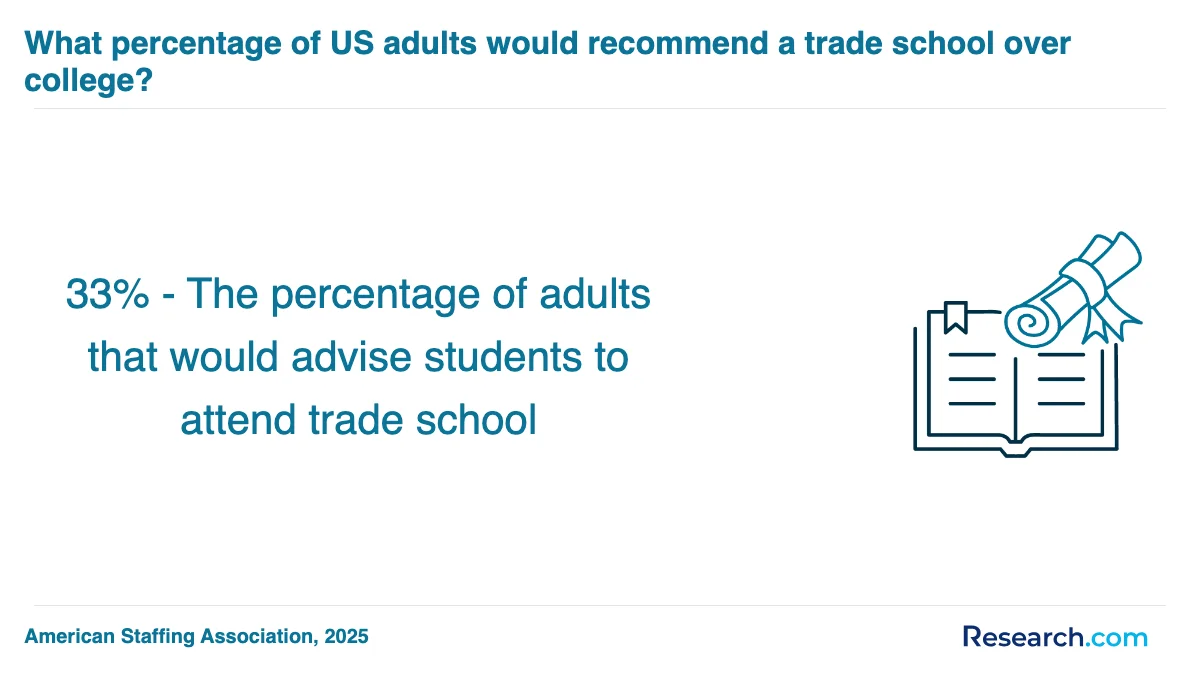
Trade school graduates in San Francisco find a variety of career opportunities tailored to the city's dynamic economy. Many step confidently into high demand skilled trades jobs San Francisco offers, such as construction, electrical work, and HVAC, where hands-on training quickly translates to well-paying roles. Graduates often share how working on real projects through local programs builds their confidence, making transitions into the workforce seamless.
Others choose utility and energy sector careers, benefiting from partnerships like PG&E's PowerPathway, which provide both classroom instruction and paid internships. This practical experience prepares students for roles as gas service representatives or utility workers, directly supporting San Francisco's critical infrastructure.
Trade schools in the city also open doors to culinary arts and healthcare support industries. Graduates recall how programs focus on real-life scenarios, such as running busy kitchens or delivering compassionate home care, sparking enthusiasm for these rewarding paths.
Apprenticeships and work-based learning in San Francisco emphasize connections with union partners, helping students pursue careers in transportation, facility maintenance, and public works. For those exploring further, exciting options in trucking and diesel technology align with growing logistics needs.
Students interested in building a future in carpentry might explore affordable online carpentry trade school programs, blending flexible learning with San Francisco's strong demand.
The trade school job opportunities in San Francisco show promising strength, with graduates from popular local programs quickly finding roles in sectors like construction, HVAC, and electrical trades. Many graduates highlight how hands-on training paired with industry-recognized certifications from well-known trade schools in the city have opened doors to consistent employment. A typical graduate, for instance, might start as an apprentice on a new housing project, gaining experience that leads to supervisory positions within a few years.
Several factors shape this favorable employment outlook for skilled trades San Francisco:
- Strong regional demand driven by ongoing infrastructure projects and commercial development
- City-sponsored apprenticeships and career fairs connecting graduates directly with employers
- Union partnerships offering stable benefits like health insurance and retirement plans
Graduates also appreciate access to low cost online electrician training courses, which help them boost credentials while working. Real-life success stories from alumni reflect how local trade schools equip students to meet the competitive job market's needs head-on, with many securing rewarding, hands-on roles shortly after completing their programs.
Best Trade School & Training Programs - Leading Certification Courses in San Francisco for 2026
# 1 position
City College of San Francisco - Information Technology.
associateThe Information Technology program at City College of San Francisco offers a hybrid format with some distance-education options. It covers the design of technological information systems, including computer hardware, software, algorithms, databases, telecommunications, application testing, and human interface design. The program is accredited by the Western Association of Schools and Colleges Accrediting Commission for Community and Junior Colleges. Annual in-state tuition is $1,696.
# 2 position
City College of San Francisco - Computer Science.
associateThe Computer Science program at City College of San Francisco offers a hybrid format, combining in-person and distance-education options. It emphasizes computer theory, problem-solving, and system design from a scientific viewpoint. The curriculum covers computational science principles, programming, and practical applications. Annual in-state tuition is $1,696. The program is accredited by the Western Association of Schools and Colleges Accrediting Commission for Community and Junior Colleges.
# 3 position
City College of San Francisco - Computer Systems Networking and Telecommunications.
associateThe Computer Systems Networking and Telecommunications program at City College of San Francisco offers hybrid learning options, combining in-person and distance education. It trains students in designing, implementing, and managing linked computer systems, focusing on network management, security, and troubleshooting. The program includes instruction in operating systems, networking theory, and flow optimization. Annual in-state tuition is $1,696. It is accredited by the Western Association of Schools and Colleges Accrediting Commission for Community and Junior Colleges.
# 4 position
City College of San Francisco - Computer and Information Systems Security/Auditing/Information Assurance.
associateThe Computer and Information Systems Security/Auditing/Information Assurance program at City College of San Francisco offers a hybrid format with some distance-education options. It prepares students to evaluate computer and network security needs, implement safeguards, and manage security systems and audits. The curriculum covers programming, networking, cryptography, law, risk assessment, and investigation techniques. Annual in-state tuition is $1,696. The program is accredited by the Western Association of Schools and Colleges Accrediting Commission for Community and Junior Colleges.
# 5 position
City College of San Francisco - Legal Assistant/Paralegal.
associateThe Legal Assistant/Paralegal program at City College of San Francisco offers a hybrid format with some distance-education options. It prepares students to assist attorneys by performing research, drafting legal documents, and managing investigatory and administrative tasks. The curriculum includes legal research, courthouse procedures, and specialized legal topics. Annual in-state tuition is $1,696. The program is accredited by the Western Association of Schools and Colleges Accrediting Commission for Community and Junior Colleges.
# 6 position
City College of San Francisco - Criminal Justice/Law Enforcement Administration.
associateCity College of San Francisco offers a Criminal Justice/Law Enforcement Administration program with a hybrid format, providing some distance-education options. This program prepares students in management theories and practices specific to public law enforcement agencies, covering topics such as law enforcement history, operational leadership, labor relations, incident response, legal responsibilities, budgeting, and public relations. The program is accredited by the Western Association of Schools and Colleges Accrediting Commission for Community and Junior Colleges. Annual in-state tuition is $1,696.
# 7 position
City College of San Francisco - Criminal Justice/Police Science.
associateThe Criminal Justice/Police Science program at City College of San Francisco offers a hybrid format with some distance-education options. It prepares students for roles in law enforcement, including patrol, investigations, traffic and crowd control, evidence management, and report preparation. The program is accredited by the Western Association of Schools and Colleges Accrediting Commission for Community and Junior Colleges. Annual in-state tuition is $1,696.
# 8 position
City College of San Francisco - Automobile/Automotive Mechanics Technology/Technician.
associateThe Automobile/Automotive Mechanics Technology/Technician program at City College of San Francisco offers a hybrid format with some distance-education options. It prepares students to repair, service, and maintain various automobile systems, including brakes, electrical, engines, transmissions, and heating/air conditioning. The program is accredited by the Western Association of Schools and Colleges Accrediting Commission for Community and Junior Colleges. Annual in-state tuition is $1,696.
# 9 position
City College of San Francisco - Interior Design.
associateThe Interior Design program at City College of San Francisco offers a hybrid format with some distance-education options. It prepares students in applied visual arts for planning, designing, and furnishing interior spaces in residential and commercial settings. The curriculum covers computer applications, drafting, lighting, acoustics, furniture, textiles, design history, building codes, and systems integration. Annual in-state tuition is $1,696. The program is accredited by the Western Association of Schools and Colleges Accrediting Commission for Community and Junior Colleges.
# 10 position
City College of San Francisco - Dental Assisting/Assistant.
associateThe Dental Assisting/Assistant program at City College of San Francisco offers a hybrid learning format with some distance education options. It prepares students to provide patient care, take dental radiographs, assist chairside, and manage office administrative tasks under supervision. The curriculum covers medical record-keeping, scheduling, equipment maintenance, sterilization, and supervised practice. Annual in-state tuition is $1,696. The program is accredited by the Western Association of Schools and Colleges Accrediting Commission for Community and Junior Colleges.
Frequently Asked Questions about trade school programs
After completing a trade school program in San Francisco, preparing for the job market involves several practical steps. Graduates should leverage the career services their schools offer, including resume workshops and job placement assistance, which significantly improve hiring outcomes. According to the California Employment Development Department, skilled trades such as electricians and welders have projected growth rates of 10-15% in the Bay Area through 2028.
Networking within local industry groups and attending job fairs in San Francisco can connect graduates to employers actively seeking skilled workers. Additionally, obtaining relevant certifications beyond the trade school diploma often boosts employability and potential earnings. Staying updated on state licensing requirements is also essential for many trades.
Employers in San Francisco highly value technical proficiency among trade school graduates, especially skills in electrical, plumbing, HVAC, and welding trades. According to the California Workforce Development Board, 70% of local employers prioritize hands-on expertise in their hiring decisions. Beyond technical ability, soft skills are essential; communication, problem-solving, and teamwork are frequently cited as critical for success in the workplace. The San Francisco Chamber of Commerce emphasizes adaptability and time management as top qualities in trade professionals. Graduates who combine strong practical skills with workplace professionalism are more likely to secure well-paying jobs in the competitive Bay Area market.
Finding internships relevant to your trade school program in San Francisco requires a strategic approach. First, connect with your school's career services office, as many local employers partner directly with trade schools to offer internship opportunities. According to the National Association of Colleges and Employers (NACE), about 60% of internships in the U.S. lead to full-time jobs, making these connections critical.
Additionally, explore local industry-specific organizations and job fairs, which are common in San Francisco's robust tech, healthcare, and construction sectors. Websites like Handshake and the California Employment Development Department also list internships specific to Bay Area trades.
Networking is vital; attend community events and use platforms like LinkedIn to reach employers interested in trade skills. Many San Francisco companies offer paid internships to trade students, enhancing both experience and employability.
A trade school diploma in San Francisco can significantly enhance career mobility by providing specialized skills that match the region's high-demand industries, such as technology, construction, and healthcare. According to the California Community Colleges Chancellor's Office, graduates with industry-recognized certificates or diplomas often experience higher employment rates within six months of completion compared to those without vocational training.
Moreover, the City of San Francisco's Office of Economic and Workforce Development notes that trade credentials are linked to wage increases averaging 10-15%, helping workers advance into supervisory or skilled technician roles more rapidly.
Trade school programs often emphasize hands-on experience, which employers in San Francisco value highly, facilitating quicker promotions and job security. This practical training aligns closely with local labor market needs, improving social mobility for many students by providing a clear pathway to stable, well-paying careers.
San Francisco offers a variety of part-time job opportunities that complement trade school education by providing practical experience and income. Many students find roles in construction, retail, and food services, which help develop relevant skills and industry connections. According to the U.S. Bureau of Labor Statistics, retail and food service jobs in San Francisco saw steady demand in 2023, with average hourly wages around $18, which supports students financially while studying.
Trade students in fields like electrical work or HVAC often secure apprenticeships or assistant roles that provide hands-on training directly related to their programs. These positions enhance technical skills and improve job prospects after graduation. Additionally, San Francisco's tech and health sectors sometimes offer part-time internships, useful for those in specialized trade areas.
To choose the best degree program near me in San Francisco, CA, start by identifying your career goals and academic interests, then research programs and universities that offer relevant coursework and opportunities. Consider factors such as accreditation, faculty expertise, and available resources, and use tools like Research.com for detailed program comparisons and student reviews. Additionally, visit campuses near San Francisco, CA if possible, to get a sense of the environment and culture before making a decision.
- Best Trade School & Training Programs - Leading Certification Courses in Los Angeles for 2026
- Best Trade School & Training Programs - Leading Certification Courses in Walla Walla for 2026
- Best Trade School & Training Programs - Leading Certification Courses in Kyle for 2026
- Best Trade School & Training Programs - Leading Certification Courses in Emporia for 2026
- Best Trade School & Training Programs - Leading Certification Courses in Springfield for 2026
- Best Trade School & Training Programs - Leading Certification Courses in Little Rock for 2026
- Earn While You Learn | Department of Human Resources https://sfdhr.org/earn-while-you-learn
- Trade school: A comprehensive guide https://www.collegeessayguy.com/blog/trade-school-guide
- Work-Based Learning - Career Technical Education - El Camino High School https://elcamino.ssfusd.org/apps/pages/work-based-learning
- Apprenticeships and Work Experience Programs https://www.sfpuc.gov/about-us/careers-sfpuc/apprenticeships-and-work-experience-programs
- Job Training and Apprenticeship | San Francisco Public Library https://sfpl.org/locations/main-library/jobs-careers-center/jobs-and-careers-resources/development/job-training-and