
Best Trade School & Training Programs - Leading Certification Courses in Yuma for 2026

Co-Founder and Chief Data Scientist
If you’re considering trade schools in Yuma for 2026, this article is here to guide you. It features a carefully crafted trade school programs ranking created by the Research.com team of data scientists to help you find the best options available.
Exploring these schools can open doors to valuable certifications and diplomas that boost your career prospects. Whether you want hands-on skills or a fresh start, knowing which programs stand out makes your decision easier and more confident.
Take a step toward a rewarding future with the right information at your fingertips.
Key benefits of finishing trade school programs trade school in Yuma
- Trade school graduates in Yuma can earn good money quickly, with salaries ranging from around $30,200 for entry-level roles to over $61,000 for experienced workers in fields like construction, HVAC, and carpentry.
- Popular career paths include skilled trades such as HVAC, carpentry, cosmetology, and medical assisting, all offering solid job opportunities and steady growth in the Yuma area.
- Getting a trade school diploma online offers flexibility and convenience, allowing students to balance learning with work or family, just like many successful graduates from Yuma's well-known online programs.
- Best Trade School & Training Programs - Leading Certification Courses in Yuma for 2026
- What can I expect from trade school programs trade schools in Yuma?
- Where can I work after finishing trade school programs trade schools in Yuma?
What can I expect from trade school programs trade schools in Yuma?
Students attending trade schools in Yuma typically find programs that balance affordability with swift, practical training. Graduates often share how their investment-generally lower than a traditional college degree-made a meaningful difference, allowing them to avoid significant debt while gaining hands-on skills in months to two years. For example, many welding or HVAC students recall that their total costs covered tuition, materials, and sometimes even transportation support like YCAT passes, which helped ease day-to-day expenses.
In popular programs, such as digital marketing or pharmacy technician training, costs are kept accessible, enabling students from various backgrounds to pursue their goals without financial strain. Students appreciate that these programs align cost with outcomes, leading to industry-recognized certifications and quicker entry into jobs with local demand. Flexibility also factors into the value, with options for both in-person and online learning allowing learners to juggle work and family alongside their studies.
Overall, the average cost in Yuma's trade schools reflects a wise balance of quality education and practical affordability that many graduates find deeply rewarding.
Where can I work after finishing trade school programs trade schools in Yuma?
Graduates of trade school programs in Yuma often find themselves stepping confidently into jobs that match their hands-on skills and training. Many quickly secure roles as carpenters, electricians, plumbers, or laborers, supported by initiatives like the BuildItAZ Apprenticeship, which actively connects graduates to local construction opportunities. For example, graduates from programs nearby consistently share stories of landing apprenticeships with public works departments or private contractors eager for skilled workers.
Healthcare support roles also attract many, with training in medical assisting, pharmacy technician, or dental assisting leading to fulfilling positions in hospitals, clinics, and dental offices throughout Yuma. Graduates report feeling proud entering workplaces where their practical skills immediately make a difference in patient care.
Information technology and business office graduates find rewarding roles as computer support specialists or administrative assistants at local schools and government agencies. Those trained in automotive technology or welding often thrive in local auto repair shops and manufacturing firms, finding mentorship and steady work through partnerships with institutions like the Southwest Technical Education District of Yuma (STEDY).
It's clear that Yuma's trade schools prepare students for meaningful careers-with real employers eager to hire individuals who bring both expertise and enthusiasm to the job.
After finishing a trade school program in Yuma, graduates often find themselves pleasantly surprised by the competitive salaries available locally. Many report starting their careers with annual earnings ranging from around $35,000 to $62,000, validating the practical investment in their education. For example, those who completed HVAC or electrical programs at well-regarded Yuma schools share how their entry-level positions paid close to the statewide average, allowing them to support themselves comfortably while gaining experience.
Graduates in fields like medical assisting or manufacturing technology describe feeling confident as their hourly wages-often starting near $21-steadily rise with certifications and time on the job. Even teacher support roles provide a stable path, with starting salaries near $40,250 annually, accompanied by additional benefits that enhance job satisfaction.
Knowing that earnings increase with experience and specialized skills brings real peace of mind to many students choosing trade programs in Yuma. This growth potential creates motivating stories of financial progress and personal achievement that resonate deeply with those ready to start their careers.
- Most trade schools in Yuma require a high school diploma or GED for admission, with some like Arizona Western College using an open admissions policy.
- High school-based programs often require students to be sophomores or juniors, maintain a 2.0 GPA, have good attendance, and live in Yuma County.
- In-state tuition at Arizona Western College is about $2,880 per year, while out-of-state tuition is around $9,600 annually, excluding additional fees.
- Popular trade fields include HVAC, welding, electrical technology, automotive technology, healthcare, and culinary arts.
- Starting salaries for graduates typically range from $35,000 to $50,000 annually, with experienced workers earning over $60,000 per year.
Completing a trade school program in Yuma often takes less than two years, with many students finishing in about ten months. Graduates from popular local schools share how quickly they transitioned into careers after focused, hands-on training in fields like HVAC, medical assisting, and welding. One graduate described completing a full medical assisting program in just under a year, feeling confident entering the workforce sooner than expected.
Some programs, such as associate degrees, may extend to two years due to additional general education courses, but they still remain a practical choice for those seeking comprehensive training. Flexible schedules, including evening and online classes, have allowed working adults to tailor their studies without sacrificing quality.
High school CTE programs in Yuma also prepare students with career-ready skills during their last two years of school, creating a smooth pathway into trade careers. Many find this focused training encourages excitement and pride as they quickly move from classroom learning to real-world success.
The key difference between online and on-campus trade school programs in Yuma lies in how students engage with their learning environment. Online students at Arizona Western College, for example, appreciate the freedom to study at their own pace, juggling family life or work without sacrificing progress. Many share how completing welding certifications remotely opened doors they hadn't imagined possible before.
On the other hand, those enrolled in on-campus programs cherish the hands-on experiences that bring skills to life. Graduates often recall the energy of working side-by-side with instructors in well-equipped labs, mastering automotive technology through real tools and direct feedback-something you just can't replicate on a screen.
Some students find hybrid formats ideal, blending flexible online theory with crucial in-person sessions for practical skills. Whether it's the convenience of remote learning or the immersive feel of campus workshops, Yuma's trade programs reflect diverse needs and ambitions, each pathway offering a meaningful and career-focused journey.
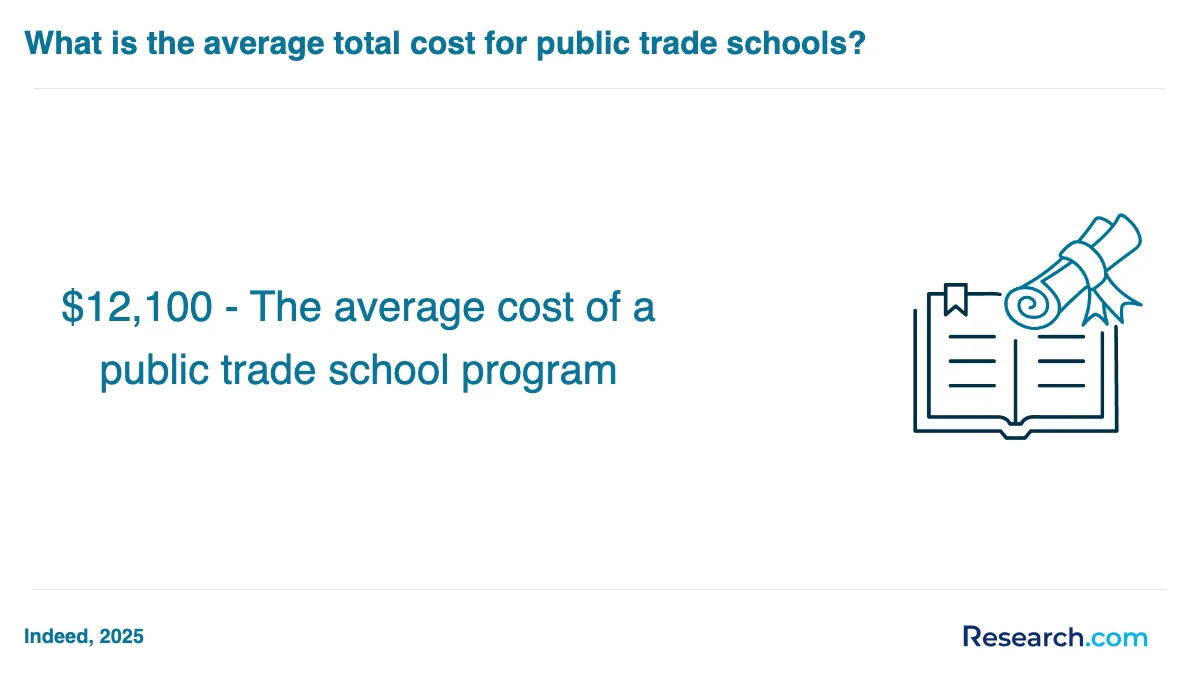
The average trade school tuition in Yuma generally reflects the broader statewide trends of Arizona, hovering around $15,500 for most programs. Graduates from institutions such as Arizona Western College often share how understanding this cost early helped them plan financially and avoid surprises. Since detailed Yuma-specific tuition breakdowns are rarely published separately, students usually look at the statewide range between $6,000 and $18,000 as a practical guide when selecting programs.
Many who pursued trade programs in Yuma appreciated the accessibility of in-county tuition rates, which helped reduce expenses, especially in less specialized courses. However, graduates heading into equipment-heavy fields, such as refrigeration or electro-mechanical technologies, noticed tuition approaching $17,400 to $21,000, reflecting the higher costs of materials and tools. These added expenses often come bundled in programs like those at The Refrigeration School, unlike many community colleges where ancillary fees are separate.
When examining the Yuma trade school program cost breakdown, it's clear that budgeting beyond tuition is essential. Students who sought financial aid or scholarships found significant relief, allowing them to focus on their studies rather than immediate financial strain. For those exploring options, the variety of programs even includes specialized fields that can enhance career prospects, such as automotive mechanic online training, which can be reviewed at automotive mechanic online training.

Trade school students in Yuma often find relief through various financial aid options tailored for their unique needs. Many graduates from popular programs at local schools recall how the Federal Pell Grant eased their burden, offering need-based support that helped cover tuition fees up to $7,395 for the 2025-2026 year. Applying through FAFSA is a crucial step for unlocking this aid.
State-funded programs also make a significant difference, especially for those in workforce and STEM areas. For example, districts in Yuma receive funding per full-time student, which supports technology and student services that graduates appreciated for enhancing their learning experience. This means community colleges in the region can better equip students with up-to-date tools and skilled faculty.
Local scholarships brighten the future for many. One graduate mentioned benefiting from the "Keep Your Chin Up Scholarship Fund," which offers up to $5,000 for Arizona residents over 25 demonstrating financial need. Others accessed the Simon Youth Legacy Scholarship, easing costs for first-generation students striving to succeed.
Military veterans in Yuma's trade schools often access dedicated VA benefits, a lifeline that helped a veteran alumnus balance family life while training for a new career. Many institutions also offer their own scholarships and grants, with streamlined application processes that empower students to take control over their financial paths.
Enrolling in a trade school program in Yuma often begins with some foundational prerequisites that align well with students' readiness and life situations. Many young students, especially those in their sophomore or junior years at local high schools, find that maintaining a 2.0 GPA, consistent attendance, and residency within Yuma County open doors to programs offered by institutions like the Southwest Technical Education District of Yuma (STEDY). These requirements, while straightforward, reflect a commitment to balancing academic and technical training successfully.
For adults or recent graduates, the pathway usually involves having a high school diploma or GED. Graduates from popular Yuma trade schools frequently recall that providing official transcripts became a key early step, which some schools help facilitate if records aren't immediately available. English proficiency and basic skills in math often ensure they keep pace with coursework.
Additional prerequisites sometimes apply:
- Trades like welding or electrical may prefer students with a knack for math or physical stamina.
- Under-18 applicants typically need consent from a parent or guardian.
- In-state residency supports access to better tuition rates and state-funded programs.
Many graduates mention that meeting these requirements felt like a meaningful challenge that prepared them well for the hands-on, rewarding experiences their trade school education would bring. Even online courses, such as those from ed2go, assume students are comfortable with technology and have a baseline education level, reflecting modern flexibility alongside foundational expectations.
Trade school programs in Yuma typically include hands-on courses that prepare students for high-demand technical careers. Graduates often reflect on their time learning automotive technology, where they gained practical skills in engine diagnostics, electrical systems, and brake repair using the latest tools.
Many also choose welding technology, mastering MIG, TIG, and arc welding techniques that open doors to construction and manufacturing jobs. Electrical technology courses teach wiring, circuitry, and troubleshooting, equipping students to confidently work as electricians in diverse settings.
- Automotive Technology: vehicle diagnostics and repair
- Welding Technology: multiple welding techniques and safety
- Electrical Technology: residential and commercial wiring
- Air Conditioning and Refrigeration: HVAC system maintenance
- Maintenance Technician: mechanical skills across systems
Students at schools like Southwest Technical Education District (STEDY) praise the blend of classroom theory and hands-on labs, which enable them to skillfully handle real challenges, from repairing HVAC units on hot Yuma days to executing precise welds that hold machinery together.
These programs often integrate specialty modules such as digital animation and medical assisting, giving students an engaging variety of paths that match their passions and local job needs. Many find the immersive training both empowering and practical, helping them leap confidently into the workforce.
Trade school programs in Yuma encompass a variety of specializations that align closely with local economic demands and student aspirations. Graduates from popular institutions like Arizona Western College often share how hands-on training in areas such as industrial technology or manufacturing has prepared them for rewarding roles in nearby logistics and production facilities. Welding programs stand out, teaching metal fabrication and safety protocols that immediately boost students' confidence and employability within the construction and automotive industries.
Many students find the culinary arts specialization especially fulfilling, mastering food preparation and kitchen management-skills that open doors to Yuma's vibrant hospitality sector. HVAC/R courses, tailored to Arizona's climate, combine classroom learning with practical labs, making graduates feel ready to tackle real-world challenges in maintaining complex climate control systems.
Emerging fields like network security provide promising paths for tech-inclined learners, offering training in cybersecurity and IT troubleshooting. Cosmetology programs, a product of partnerships within the Southwest Technical Education District, allow students to earn certifications locally, fulfilling a desire for creative, client-focused careers.
These diverse options show why so many consider what careers can you go to trade school for when planning their futures in Yuma.
Choosing the best trade school programs in Yuma means focusing on accredited programs that align with your career goals and learning style. Graduates from Arizona Western College often highlight how its multicultural environment and performance-based approach helped them gain confidence and hands-on skills. Meanwhile, students from Yuma Technical Institution praise the school's tech-driven curriculum and strong employer connections, which made internships and job placements feel attainable and personally rewarding.
To make an informed choice, carefully assess curriculum content, especially industry certifications like those from Cisco, which boost employment chances. Reflect on how each program integrates practical experience, such as labs or internships, because these real-world opportunities were game-changers for many alumni. Financially, comparing tuition and aid is key; understanding how to compare trade school costs in Yuma can ease financial stress while maximizing value.
If you're navigating tech training, consider options including the top online hvac training programs which can complement local efforts and broaden skills. Ultimately, focus on programs with strong career support, as graduates consistently note that networking and guidance made job searching more hopeful and less overwhelming.
Trade school graduates in Yuma find a wealth of career paths that lend themselves to both stability and growth, shaped by the region's unique economic demands. Many alumni from popular local trade schools cherish their smooth transition into healthcare roles such as medical assisting or dental assisting, where the consistent demand for skilled workers offers security and fulfillment.
Others thrive in skilled trades jobs in Yuma Arizona, benefiting from well-established programs that include electrician training-offered in Spanish at Arizona Western College-and HVAC certifications suitable for the local climate. Apprenticeship options combine paid on-the-job experience with classroom instruction, helping graduates confidently enter the workforce in construction, utilities, and maintenance.
Trade schools in Yuma also open doors to public safety careers through hands-on internships, allowing graduates to swiftly join local agencies or emergency response teams. Agriculture remains vital too, with opportunities in crop management and food safety reflecting the area's strong agribusiness sector.
The vibrant field of digital arts and IT is accessible through cyber bootcamps and animation programs, connecting tech-savvy graduates to creative and cybersecurity roles. For students exploring their options, resources on best vocational trade online schools can offer guidance.
Yuma's trade school graduates benefit from a steadily growing job market supported by local economic expansion. The employment outlook for trade school graduates in Yuma is promising, with over 1,100 new jobs expected between 2024 and 2026. Graduates from well-known programs-such as those at the Southwest Technical Education District of Yuma-often share how valuable hands-on training helped them quickly find work in fields like HVAC, electrical, and medical assisting.
Active job openings for Yuma trade school job opportunities frequently include:
- Electricians and HVAC technicians earning $18 to $62 per hour
- Welders and skilled construction workers
- Health care and technical services roles aligned with local employer needs
Many graduates appreciate how their schools partner with area businesses, offering opportunities such as SkillsUSA Championships that showcase their talents to employers. For students exploring options, programs featuring real-world learning and connections can make all the difference. For those interested in affordable paths, consider exploring the cheapest online maintenance technician trade school programs, which complement local opportunities with flexible training options.
Best Trade School & Training Programs - Leading Certification Courses in Yuma for 2026
# 1 position
Arizona Western College - Criminal Justice/Law Enforcement Administration.
associateArizona Western College offers a hybrid Criminal Justice/Law Enforcement Administration program designed to prepare students for managing public law enforcement agencies. The curriculum covers law enforcement history, operational leadership, labor relations, budgeting, and legal responsibilities. Annual in-state tuition is $3,020. Graduates have median earnings of $23,054 one year after completion. The program is accredited by the Higher Learning Commission.
# 2 position
Arizona Western College - Plumbing Technology/Plumber.
associateArizona Western College offers a Hybrid Plumbing Technology/Plumber program preparing students to become licensed plumbers. The curriculum covers installation and maintenance of piping systems for various applications, including steam and natural gas. Instruction includes water distribution, pressure adjustment, blueprint reading, welding, plumbing inspection, and relevant codes. The program is accredited by the Higher Learning Commission. Annual in-state tuition is $3,020.
# 3 position
Arizona Western College - Welding Technology/Welder.
associateArizona Western College offers a hybrid Welding Technology/Welder program that prepares students to join or cut metal surfaces using various welding techniques. The curriculum covers arc welding, resistance welding, brazing, soldering, and high-energy beam welding, along with welding metallurgy, safety, and applicable codes. The program’s annual in-state tuition is $3,020, and it is accredited by the Higher Learning Commission.
# 4 position
Arizona Western College - Plumbing Technology/Plumber.
certificate or diplomaArizona Western College offers a hybrid Plumbing Technology/Plumber program that prepares students to become licensed plumbers. The curriculum covers installation and maintenance of piping systems for steam, natural gas, oil, water, heating, cooling, and industrial processes. Instruction includes technical math, blueprint reading, welding, plumbing codes, and inspection. The program is accredited by the Higher Learning Commission. Annual in-state tuition is $3,020.
# 5 position
Arizona Western College - Welding Technology/Welder.
certificate or diplomaArizona Western College offers a Welding Technology/Welder program designed to equip students with technical skills in various welding methods including arc welding, resistance welding, and brazing. The hybrid program covers materials, welding metallurgy, safety, and standards. Annual in-state tuition is $3,020. The program is accredited by the Higher Learning Commission and includes instruction on structural design, heat treating, and high-energy beam welding techniques.
# 6 position
Arizona Western College - Computer and Information Sciences, General.
associateArizona Western College offers a hybrid program in Computer and Information Sciences, General, focusing on computing, computer science, and information systems. The annual in-state tuition is $3,020. This program is accredited by the Higher Learning Commission. It provides some distance-education options, allowing flexibility for students seeking to advance their knowledge in general computing fields without specializing in specific areas such as computer science or information science.
# 7 position
Arizona Western College - Legal Assistant/Paralegal.
associateArizona Western College offers a Legal Assistant/Paralegal program designed to prepare students for research, drafting, investigatory, and administrative tasks under attorney supervision. The hybrid program includes legal research, document drafting, courthouse procedures, and legal specializations. Annual in-state tuition is $3,020. The program is accredited by the Higher Learning Commission, providing recognized credentials for students pursuing a career in legal assistance.
# 8 position
Arizona Western College - Heating, Air Conditioning, Ventilation and Refrigeration Maintenance Technology/Technician.
associateArizona Western College offers a hybrid program in Heating, Air Conditioning, Ventilation and Refrigeration Maintenance Technology/Technician. The program prepares students to repair, install, service, and maintain HVAC and refrigeration systems, emphasizing diagnostic techniques and the use of testing equipment. Instruction covers mechanics, electricity, and electronics principles relevant to system repair. Annual in-state tuition is $3,020. The program is accredited by the Higher Learning Commission.
# 9 position
Arizona Western College - Automobile/Automotive Mechanics Technology/Technician.
associateArizona Western College offers a Hybrid program in Automobile/Automotive Mechanics Technology/Technician that prepares students to repair, service, and maintain various automobiles. The curriculum includes brake systems, electrical systems, engine repair, suspension, steering, transmissions, and heating and air conditioning systems. The program is accredited by the Higher Learning Commission. Annual in-state tuition is $3,020, providing a cost-effective option for technical education.
# 10 position
Arizona Western College - Accounting.
associateArizona Western College offers a hybrid Accounting program designed to prepare students for the accounting profession and related business functions. The curriculum covers accounting principles, financial and managerial accounting, auditing, tax accounting, and business information systems. The program is accredited by the Higher Learning Commission. Annual in-state tuition is $3,020, with some courses available through distance education options.
Frequently Asked Questions about trade school programs
After completing trade school in Yuma, preparing for the job market involves several key steps. First, graduates should develop a professional resume highlighting their technical skills and any hands-on experience gained during training. According to the Arizona Office of Economic Opportunity, sectors like construction and healthcare in Yuma show strong job growth, so targeting resumes toward these industries can increase employment chances.
Networking is also crucial; attending local job fairs and joining industry groups can connect graduates with employers. Many trade schools in Yuma offer career services that assist with interview preparation and job placement, improving graduate employment rates.
Employers in Yuma highly value trade school graduates who demonstrate strong technical skills relevant to their industry. According to the Arizona Office of Economic Opportunity, skilled trades such as welding, HVAC, and electrical work are in high demand locally. Proficiency with modern tools and technology is essential for success in these roles.
In addition to hard skills, employers look for soft skills such as reliability, effective communication, and problem-solving abilities. The National Association of Manufacturers reports that 75% of companies seek candidates with strong teamwork skills.
Practical experience, often gained through internships or apprenticeships, is another key factor employers consider when hiring trade school graduates in Yuma.
Finding internships in Yuma that align with your trade school program involves several practical steps. Start by consulting your school's career services office, which often has partnerships with local businesses and can connect you to relevant opportunities.
Yuma's economy relies heavily on agriculture, healthcare, and manufacturing sectors, which are common areas for trade programs like welding, nursing, and HVAC. According to the Arizona Office of Economic Opportunity, these industries regularly offer internships for skill development.
Additionally, online job platforms such as Indeed and Handshake list internships available in Yuma. Networking through local trade associations and chambers, like the Yuma County Chamber of Commerce, can also reveal hidden internship openings.
Early outreach and demonstrating specific skills improve your chances of securing a valuable internship relevant to your field.
In Yuma, earning a trade school diploma significantly enhances career mobility by equipping students with practical skills that meet local industry demands. According to recent data from the Arizona Department of Economic Security, sectors like construction, healthcare, and automotive repair have seen steady growth, increasing job opportunities for certificate holders.
A trade diploma often leads to quicker employment compared to traditional college degrees, as employers value hands-on expertise. This credential can also open doors to higher wages, with graduates in Yuma earning on average 15% more within two years than those without such qualifications (National Center for Education Statistics, 2023).
Furthermore, trade schools in Yuma frequently offer direct pipelines to apprenticeships and internships, facilitating faster career advancement and skill building. This makes trade diplomas a practical pathway for upward social and economic mobility in the region.
In Yuma, part-time jobs that align well with trade school education include positions in healthcare, construction, and automotive services. For example, students enrolled in healthcare programs might find part-time roles as medical assistants or pharmacy technicians, which offer valuable hands-on experience. According to the Bureau of Labor Statistics, these roles pay an average hourly wage between $12 and $18, supporting students financially while enhancing their skills.
Construction-related trade students often secure laborer or apprentice positions within local construction companies. These jobs provide practical application of classroom knowledge. Additionally, automotive trade students can seek employment in repair shops as service technicians or assistants, gaining direct industry experience.
Several local Yuma employers actively hire part-time workers in these fields, making it feasible for students to balance work and study effectively.
When choosing the best degree program near you, especially near Yuma, AZ, it's important to consider the specific academic offerings, faculty expertise, and facilities provided by local universities and colleges. There are several institutions in and around Yuma that offer a range of programs catering to different fields of study, and you can use resources like Research.com to evaluate and compare them based on factors such as graduation rates, student reviews, and available financial aid. Additionally, visiting campuses and attending open house events can provide firsthand insight into the learning environment and program specifics.
- Apprenticeship Programs | Arizona Western College https://www.azwestern.edu/apprenticeship-programs
- Trade School - My Student HUB | Academic Support & Resources for Students https://www.mystudenthub.org/ns-trade-school
- Find Training and Apprenticeships | ARIZONA@WORK https://arizonaatwork.com/find-jobs/find-training-and-apprenticeships
- Find The Best Trade Schools In Arizona https://www.accreditedschoolsonline.org/vocational-trade-school/arizona/
- YSWCA: Career & Trades https://career-trades.yswca.com/
- Home - Southwest Technical Ed of Yuma https://www.stedycte.org/
- Southwest Technical Education District of Yuma https://www.visityuma.com/listing/southwest-technical-education-district-of-yuma/538/


