
Best Trade School & Training Programs - Leading Certification Courses in U.S. Virgin Islands for 2026

Co-Founder and Chief Data Scientist
Choosing the right trade school in the U.S. Virgin Islands can be overwhelming. This article highlights the best options based on a trade school programs ranking created by the Research.com team of data scientists to help you make an informed decision.
Trade school diplomas and certifications open doors to rewarding careers and hands-on skills. Exploring these top programs can guide you toward a future full of opportunity and personal growth.
Whether you’re starting fresh or seeking a career change, this guide empowers you to take confident steps toward your goals.
Key benefits of finishing trade school programs trade school in U.S. Virgin Islands
- Expected salary: Trade school graduates in the U.S. Virgin Islands can earn from about $13,000 per year for entry-level roles up to $52,000 annually for experienced workers, with vocational teachers earning around $49,000.
- Popular career paths: Common fields include automotive technology, electrical work, plumbing, HVAC, and healthcare support, offering steady demand and opportunities for growth.
- Benefits of online trade school: Completing a trade certification online offers flexibility, allowing graduates to balance work and study, often accelerating career progress without disrupting daily life.
- Best Trade School & Training Programs - Leading Certification Courses in U.S. Virgin Islands for 2026
- What can I expect from trade school programs trade schools in U.S. Virgin Islands?
- Where can I work after finishing trade school programs trade schools in U.S. Virgin Islands?
What can I expect from trade school programs trade schools in U.S. Virgin Islands?
The average cost for a trade school program in the U.S. Virgin Islands is quite affordable compared to many mainland options. For example, at the Raphael O. Wheatley Skill Center in St. Thomas, tuition runs around $500 per semester plus a small registration fee. Graduates often mention that while this cost is manageable, they also budget for additional expenses like textbooks and certification exam fees.
Many students appreciate that this investment includes a blend of classroom learning and valuable hands-on experience. Imagine spending over 780 contact hours with instructors, including a minimum of 120 hours working directly in local businesses through externships, which prepares you for real jobs right here. The supportive, small-class environment helps build confidence and industry-ready skills efficiently.
This affordable pricing paired with nationally recognized programs makes trade schools an accessible, practical choice. Graduates often feel proud knowing their certificates carry weight both locally and across the U.S., opening doors to in-demand careers without breaking the bank.
Where can I work after finishing trade school programs trade schools in U.S. Virgin Islands?
After graduating from a trade school program in the U.S. Virgin Islands, such as those at well-known local institutions, you can find rewarding career opportunities across several industries. Many graduates quickly secure jobs in construction, working as mechanics, preconstruction managers, or general tradespeople. These roles are especially in demand due to ongoing rebuilding projects after recent hurricanes, offering a steady income and hands-on work that feels both challenging and gratifying.
Others have successfully launched careers in healthcare by earning certifications in medical assisting or practical nursing. These positions allow you to work in clinics and hospitals across St. Thomas, St. Croix, or St. John, providing essential community support and personal fulfillment.
For those drawn to the marine lifestyle, trade school grads often find positions in boat maintenance or marina services, tapping into the vibrant maritime economy. Additionally, graduates interested in education or public service can become vocational instructors or take on technical support roles within the Department of Education, contributing in meaningful ways to local development.
Many graduates share excitement about the practical skills they've gained, the respect from employers, and the chance to build a stable career close to home, all thanks to trade programs designed around the Virgin Islands' specific needs.
After finishing a trade school program in the U.S. Virgin Islands, you can typically expect to earn about $3,166 per month on average, which adds up to roughly $38,000 per year. Many graduates from popular local schools find this encouraging as they step into fields like construction, healthcare, or information technology. For example, graduates with certifications in skilled trades often start near $13,000 annually if they enter entry-level hospitality or retail roles, but those with specialized skills quickly see raises.
Some graduates working as vocational teachers or in technical roles earn between $49,000 and $50,000 yearly, especially on islands like St. Thomas, which has strong demand for these skills. Many students share how gaining hands-on experience and certifications translated to promotions and salaries up to $52,000 a year after just a few years in management or supervisory positions.
The minimum wage in the territory is $10.50 per hour, so even entry-level jobs offer decent pay compared to other places. Students often feel a sense of pride knowing their trade credentials open doors to steady work with wages that rise as they gain experience.
- Applicants to trade school programs require a high school diploma or equivalent, with most programs needing a minimum 2.0 GPA on a 4.0 scale.
- Specialized trades like electricians demand proof of residency, professional references, and up to four years of apprenticeship or 1500 hours of accredited training.
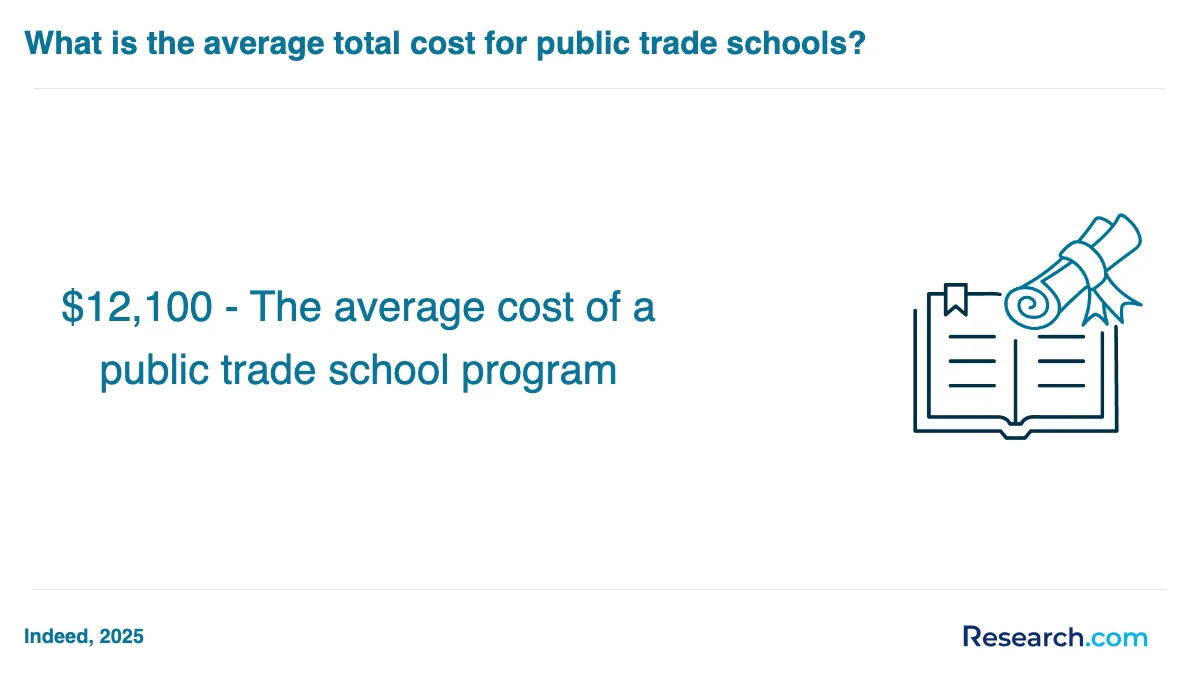
- Tuition for trade programs at public institutions ranges from $3,000 to $8,000 per year, with extra fees for certifications or licensure exams.
- Graduates typically start with annual salaries between $28,000 and $42,000, with potential to earn over $60,000 as experienced professionals.
- Many programs align with local licensure requirements, helping graduates qualify for employment and meet regulatory standards in the U.S. Virgin Islands.
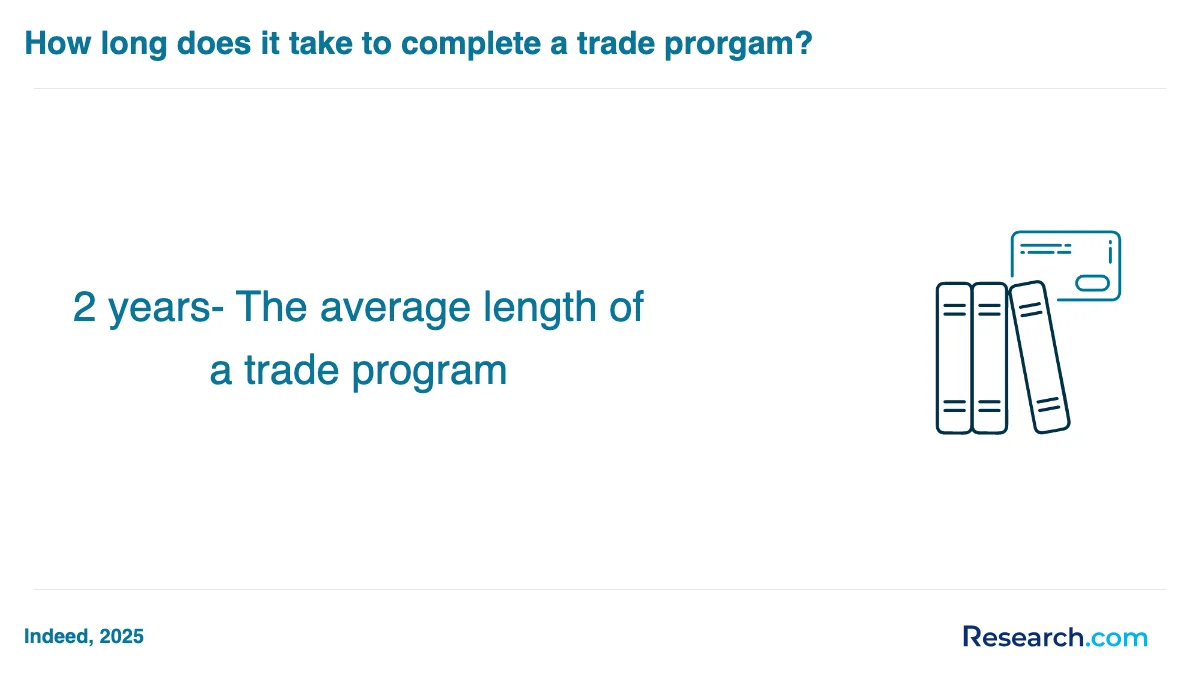
Completing a trade school program in the U.S. Virgin Islands typically takes anywhere from a few weeks to four years, depending on the trade and program type. For example, graduates from the Department of Labor's Skills for Today often finish core training in as little as 3.5 weeks. These shorter programs quickly equip students with essential skills to start entry-level jobs in construction, healthcare, or marine services, making them popular for those eager to enter the workforce fast.
On the other end, apprenticeship programs in the Virgin Islands usually last from one to four years. Many graduates share that completing a four-year electrician apprenticeship was both challenging and rewarding, combining hands-on work with supervised experience. Some students appreciate that accredited trade schools count classroom hours towards this requirement, allowing them to balance study and work.
Popular community colleges and technical high schools in the islands blend classroom learning with paid on-the-job training, often during summer terms. Students find this real-world experience invaluable in building confidence and securing jobs. Certificate programs generally take one to two years full-time, but flexible, modular options let learners set their own pace, which can brighten their journey with a feeling of control and progress.
The main difference between online and on-campus trade school programs in the U.S. Virgin Islands comes down to how you attend classes and engage with your learning environment. Online programs offer flexibility that many students appreciate-especially those balancing work or family. Graduates often mention how they could study from home or even while traveling between islands, fitting coursework into their own schedule through platforms like Canvas or Zoom. Some enjoyed live sessions that made them feel connected, while others valued completing assignments at their own pace.
On-campus programs, popular at local trade schools, provide hands-on experience that's hard to replicate online. Graduates often talk about the camaraderie built in workshops and labs, the immediate feedback from instructors, and the chance to network face-to-face. Being physically present on campus helped many maintain a productive routine and fully use specialized facilities.
Both pathways lead to the same diploma, but your choice depends on whether you thrive on flexible, tech-driven learning or in-person collaboration with direct access to resources on the islands.
When considering the average trade school tuition in U.S. Virgin Islands, most students find it notably affordable compared to traditional four-year colleges. Graduates from popular local trade schools report paying around $5,957 per year for in-state tuition and fees, which covers many vocational and technical programs tailored to the region's needs. This price point makes trade schools an attractive option, especially for those eager to enter the workforce quickly without accumulating substantial debt.
A typical trade school program in the Virgin Islands often lasts less than two years, and while some specialized fields might push costs higher, most students enjoy tuition costs well below $10,000 annually. Aside from tuition, budgeting for books and supplies-averaging about $1,750 per year-is crucial. Many students appreciate that financial aid, scholarships, and even employer tuition reimbursement are commonly available, easing concerns about trade school program costs Virgin Islands 2026.
Students who have completed hands-on trades like culinary arts or technical certification programs often reflect on the practical training combined with manageable costs as a key reason they felt confident and prepared entering their careers. If you're interested in baking and pastry arts, for example, exploring a program like the cheapest baking and pastry arts program online can be a smart move to blend affordability with specialized skills. Taking the time to research and confirm exact costs at your chosen trade school will help you navigate your pathway smoothly.
When pursuing trade school programs in the U.S. Virgin Islands, students can tap into several financial aid options that truly ease the journey. For instance, many graduates from the Raphael O. Wheatley Skills Center recall how scholarships from the Community Foundation of the Virgin Islands made it possible to focus fully on their training without constant financial worry. These awards prioritize financial need and are designed specifically for local students, ensuring that those who grew up here get solid support.
The Virgin Islands Board of Education also steps in with territorial scholarships and grants, along with low-interest loans. Graduates often mention how this aid helped them manage tuition while attending accredited trade schools or the University of the Virgin Islands, provided they met GPA and residency requirements. The loans have manageable terms, with repayment starting a year after graduation.
Additionally, federal aid like Pell Grants and Direct Loans is available to those attending UVI or comparable institutions offering trade programs, even for part-time students who meet the credit minimum. Combined, these resources create a supportive environment for island residents dedicated to skilled trades.
To enroll in a trade school program in the U.S. Virgin Islands, you'll need to meet several important prerequisites that set you up for success. First and foremost, every graduate from popular local institutions started with a high school diploma or GED. This foundational step ensures you have the basics before diving into technical skills.
Most programs require a minimum GPA of 2.0 on a 4.0 scale. One alum recalled how maintaining this GPA at their island trade school opened doors to hands-on training in electrical work, where real-world skills come alive.
Specialized trades demand more:
- For aspiring electricians, proof of 4 years of apprenticeship or work under a licensed professional or 1,500 hours of accredited study is essential.
- Advanced programs might ask for letters of recommendation or verification of licenses from elsewhere.
Residency proof, passport photos, and application fees are also common, especially for general contractor licensing. Bright high schoolers have benefited from early admissions or dual credit programs, allowing them to start trade coursework early by meeting higher GPA and test scores.
These requirements are designed to help you thrive confidently in U.S. Virgin Islands' skilled trades, just like many successful graduates who felt prepared entering the workforce.
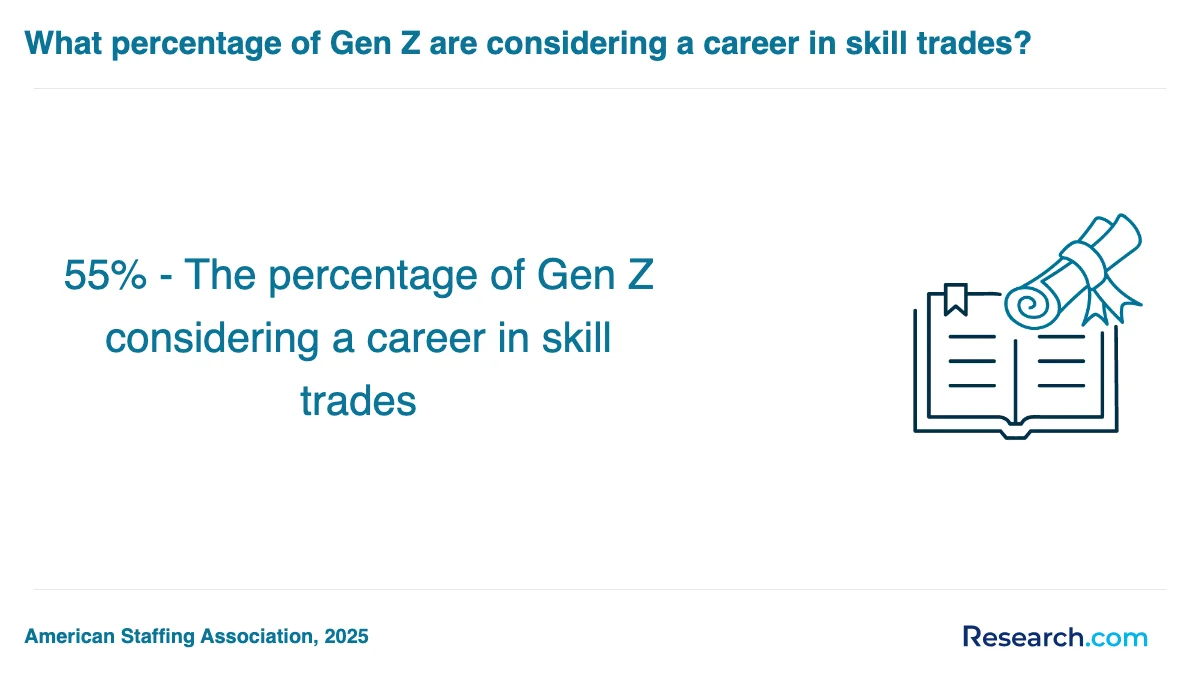
If you're considering trade school in the U.S. Virgin Islands, expect a blend of hands-on skills and practical knowledge tailored to local industries. Popular programs at schools like the Virgin Islands School of Technical Studies include areas such as culinary arts, automotive technology, nursing, maritime studies, construction, hospitality, and cosmetology. Graduates often share how focusing on these specific trades gave them confidence to step directly into local jobs.
Alongside trade skills, you'll spend time strengthening core subjects that support your career growth:
- English language
- Mathematics
- Information technology
- Integrated science
Many students appreciate the structured 8 hours per week dedicated to their trade area, allowing deep mastery. Plus, the essential on-the-job training and summer apprenticeships mean you'll gain real-world experience working with local businesses-something graduates say made their transition to employment smooth and exciting.
In the U.S. Virgin Islands, trade school programs offer practical specializations tailored to local opportunities and workforce needs. Many graduates from popular schools share how hands-on training in construction trades-like carpentry, plumbing, masonry, and electrical work-gave them confidence to contribute to vital post-hurricane rebuilding efforts. Programs focused on HVAC/R and electrical maintenance prepare students for certifications recognized throughout the territory, making them job-ready quickly.
For those drawn to vehicles, automotive technology and mechanics are common paths, helping students develop skills essential to the region's transportation sector. Hospitality-related programs cover hotel management, catering, and customer service, critical in a tourism-driven economy, where past graduates have found rewarding careers sustaining island resorts and restaurants.
Additional areas include cosmetology, home economics, and information technology, allowing flexible routes to success. Adults often benefit from short-term certificates in bookkeeping or real estate, blending skill refreshment and career change. Considering study options nearby, you might explore the differences between a college vs trades approach to find your best fit.
To find the best trade school programs in U.S. Virgin Islands, start by targeting industries that are growing locally, like Accommodation and Food Services or Educational Services. Graduates from the University of the Virgin Islands often share how their hands-on training in Mining & Petroleum Technology gave them confidence and real skills employers value. When comparing options, focus on programs offering certificates or associate degrees aligned with your career goals, and ask about internships or local partnerships that can open doors after graduation.
Flexibility matters too. Many students appreciate UVI's online offerings, which let them balance work or family commitments while studying. Distance learning can be a game-changer if you need it and is increasingly accepted by local employers. If you're wondering how to compare trade schools in U.S. Virgin Islands, look closely at graduation and job placement rates, and talk to alumni about their success stories and challenges.
For a practical guide to a range of options, explore trade school career paths to match your skills and interests with market needs.
Trade school graduates in the U.S. Virgin Islands enjoy diverse career opportunities spanning key local industries. Many find rewarding roles in construction, healthcare, and marine services, sectors that remain foundational and provide steady work. Graduates from popular trade schools often share experiences of quickly landing jobs as electricians, plumbers, or HVAC specialists-especially valuable given the ongoing post-hurricane infrastructure projects.
Others pursue career opportunities for trade school graduates in U.S. Virgin Islands within the hospitality and culinary arts sectors, a natural fit in this tourism-driven economy. Imagine working in a bustling hotel kitchen or managing resort operations where your skills directly enhance visitors' experiences.
Expanding fields like information technology and green energy offer exciting paths for those seeking innovation. Graduates trained in local programs have successfully moved into network support or sustainable energy roles, staying ahead in these evolving industries. Furthermore, many choose cosmetology or personal services, capitalizing on steady demand and entrepreneurial freedom.
For those interested in skilled trades, exploring options like automotive roles through a trade school for automotive can be both lucrative and fulfilling. These are among the highest paying skilled trades in U.S. Virgin Islands and can offer a solid foundation for a lifelong career.
The trade school job opportunities in U.S. Virgin Islands are evolving steadily, driven by the territory's recovery efforts and economic shifts. Graduates from local trade schools often find rewarding roles in construction, automotive repair, and marine services. For example, many have secured positions as mechanics or wastewater plant operators, where their specialized training makes them highly sought after. These jobs offer real-world impact, such as helping rebuild infrastructure after hurricanes or maintaining vital utilities, which brings a strong sense of pride and purpose.
The workforce demand for skilled trades in U.S. Virgin Islands continues to grow, supported by government programs like Skills for Today that focus on practical skills aligned with employer needs. Graduates consistently share that hands-on experience gained during training makes transitioning into full-time roles smoother and more successful.
Many students benefit from programs at popular trade schools that emphasize certifications valued on job listings. For those interested in welding, for instance, exploring options like affordable welding trade school online can expand opportunities without leaving the islands.
- High demand in construction management and technical maintenance
- Steady openings for plant operators and mechanics
- Strong support from local workforce initiatives
Best Trade School & Training Programs - Leading Certification Courses in U.S. Virgin Islands for 2026
# 1 position
University of the Virgin Islands - Computer Science.
associateThe University of the Virgin Islands offers a Computer Science program with a hybrid format that includes some distance-education options. The program covers computer theory, problem-solving, system design, and user interface development from a scientific perspective. Instruction includes computational science principles, programming, and diverse applications. Annual in-state tuition is $5,612. The program is accredited by the Middle States Commission on Higher Education.
# 2 position
University of the Virgin Islands - Criminal Justice/Police Science.
associateThe University of the Virgin Islands offers a Criminal Justice/Police Science program designed to prepare students for roles in law enforcement and public security. The hybrid program covers patrol duties, investigative tasks, traffic and crowd control, evidence management, and crime prevention techniques. Students learn weapon handling, report writing, and public relations. The annual in-state tuition is $5,612. The program is accredited by the Middle States Commission on Higher Education.
# 3 position
University of the Virgin Islands - Business Administration and Management, General.
associateThe University of the Virgin Islands offers a Business Administration and Management, General program with a hybrid format that includes some distance-education options. The program prepares students to plan, organize, direct, and control business functions and processes. Coursework covers management theory, human resources, accounting, purchasing, logistics, marketing, and decision-making. Annual in-state tuition is $5,612. The program is accredited by the Middle States Commission on Higher Education.
Frequently Asked Questions about trade school programs
After completing trade school in the U.S. Virgin Islands, preparing for the job market involves several strategic steps. First, graduates should obtain relevant industry certifications to boost their credentials, as many employers in the territory value specialized qualifications. According to the U.S. Bureau of Labor Statistics, trade sectors like construction, healthcare, and hospitality show steady employment growth in the region. Networking locally through job fairs and trade associations is crucial, since connections often lead to job opportunities. Additionally, using resources like the Virgin Islands Department of Labor's job placement services can help graduates find roles suited to their skills. Strong resumes tailored to the trade and interview preparation are also vital in securing employment.
Employers in the U.S. Virgin Islands highly value trade school graduates who possess strong technical skills relevant to their industry. According to recent labor market analyses by the Virgin Islands Department of Labor, skills in fields like electrical work, HVAC, plumbing, and marine mechanics rank among the most in-demand. Beyond technical expertise, employers seek graduates with problem-solving abilities and hands-on experience gained through apprenticeships or internships.
Soft skills are equally important. Communication, teamwork, and punctuality consistently appear in employer surveys as essential traits for success. A 2023 workforce report highlighted that 68% of local employers prioritize adaptability and customer service skills alongside technical knowledge.
Finding internships in the U.S. Virgin Islands that align with your trade school program involves leveraging both local resources and statewide networks. Many trade schools actively partner with businesses across sectors like hospitality, marine technology, and construction to secure internship opportunities for students. The U.S. Virgin Islands Department of Labor reports that industries such as tourism and healthcare host nearly 60% of available internship positions, emphasizing their importance for trade students in these fields.
Start by consulting your trade school's career services office, which can connect you with employers seeking skilled interns. Additionally, local chambers of commerce and workforce development programs offer listings and support tailored to the U.S. Virgin Islands' labor market.
Utilize online platforms specifically serving the Virgin Islands, as well as government resources, including the Virgin Islands Department of Labor's job portal, which details current internships with clear criteria and application guidance. Networking with local businesses and attending job fairs can also enhance your chances of landing relevant internships.
A trade school diploma in the U.S. Virgin Islands plays a significant role in enhancing career mobility and advancement. According to the U.S. Bureau of Labor Statistics and local education reports, individuals with trade credentials often experience faster job placement compared to those without certifications. These diplomas offer specialized skills tailored to industries such as hospitality, construction, and healthcare, which are vital to the territory's economy.
Graduates typically see improved earning potential; for example, certified tradespeople can earn up to 20% more than their non-certified counterparts, according to recent labor market analyses. Employers in the U.S. Virgin Islands value practical training highly, often providing pathways for promotion based on trade qualifications.
Such credentials also allow for greater geographic and occupational flexibility within the islands, facilitating upward mobility in local job markets. This is supported by workforce development programs and partnerships aimed at increasing skilled labor in the region.
Part-time job opportunities in the U.S. Virgin Islands that complement trade school education often align with the region's key industries. Students enrolled in automotive, electrical, or HVAC programs may find work in local repair shops or maintenance services, gaining practical skills alongside studies. The tourism sector, a major employer in the territory, offers jobs in hospitality and facility management, beneficial for those pursuing culinary arts or facility maintenance trades.
According to the U.S. Bureau of Labor Statistics, part-time employment in leisure and hospitality accounted for approximately 30% of the Virgin Islands' workforce as of 2023. This trend supports opportunities for hands-on experience while studying. Additionally, construction-related positions provide relevant roles for trade students in carpentry or plumbing.
To choose the best degree program near me, especially near U.S. Virgin Islands, consider factors such as accreditation, curriculum, availability of hands-on learning opportunities, and faculty expertise to ensure a quality educational experience. It is also beneficial to explore programs and universities that resonate with your career goals and offer comprehensive resources or support services. Consulting Research.com can provide insights into the rankings and reviews of these programs, aiding in making an informed decision.
- How to Become an Apprentice – Virgin Islands Department of Labor Apprenticeship https://apprenticeship.vidol.gov/how-to-become-an-apprentice/
- The Virgin Islands School of Technical Studies (VISTS) | Government of the Virgin Islands https://bvi.gov.vg/departments/virgin-islands-school-technical-studies-vists
- Skills for Today - Virgin Islands Department of Labor https://www.vidol.gov/skills-for-today/
- Client Challenge https://reese.warrensburgr6.org/o/rec/article/1072020
- Adult Learners https://cell.uvi.edu/information-for/adult-learners.html
- St. Croix Career & Technical Education Center (CTEC) https://cfvi.net/post-details-one/St-Croix-Career-Technical-Education-Center-CTEC
- Skills (People & Talent) – USVIEDA https://usvieda.org/skills-people-and-talent/
- Requirements for Electricians, Electrical Contractors, and Journeyman Electricians https://dlca.vi.gov/boardcertifications/steps/eecjrequirements/
- Raphael O. Wheatley Skill Center - Virgin Islands Department of Education, Education, special education, adult education, school registration, grade school, high school, middle school, elementary school, VIDE, schools near me, standardized testing https://www.vide.vi/st-thomas-st-john-district/raphael-o-wheatley-skill-center
- Home - St. Croix Career and Technical Education Center, CTEC, jobs, vocational education, trade skills, elementary school, special education, school registration, grade school, high school, VIDE, Virgin Islands Department of Education, St. Croix schools, https://ctec.vide.vi/


