
Best Trade School & Training Programs - Leading Certification Courses in Missoula for 2026

Co-Founder and Chief Data Scientist
Choosing the right trade school in Missoula can shape your future career and open doors to new opportunities. This article introduces a carefully crafted trade school programs ranking developed by the Research.com team of data scientists to guide you toward the best options available in 2026.
By exploring this ranking, you’ll discover programs that match your goals and offer valuable skills. Earning a trade school diploma or certification can boost your confidence and enhance your job prospects in a practical, hands-on way.
Take the first step toward a rewarding career path with information you can trust.
Key benefits of finishing trade school programs trade school in Missoula
- Strong salary potential: Trade school graduates in Missoula can earn between $49,500 and $114,290 annually, with high-paying roles like commercial pilots and supervisors making over $114,000 a year.
- Popular career options: Many graduates pursue fields such as electrical power-line installation, respiratory therapy, dental hygiene, and physical therapy assistance, offering diverse and rewarding job opportunities.
- Flexible learning: Online trade school programs allow students to earn certifications on their own schedule, balancing education with work or family life, making it easier to start a career without disrupting daily routines.
- Best Trade School & Training Programs - Leading Certification Courses in Missoula for 2026
- What can I expect from trade school programs trade schools in Missoula?
- Where can I work after finishing trade school programs trade schools in Missoula?
What can I expect from trade school programs trade schools in Missoula?
The average cost of a trade school program in Missoula typically lands well below that of a traditional four-year college, making it an inviting choice for many. Graduates from Missoula College often recall balancing part-time jobs while taking hands-on courses that didn't drain their wallets. Imagine diving into a two-year associate degree with tuition expenses comfortably offset by scholarships, grants, and financial aid tailored to Missoula's trade students. For instance, many find themselves paying roughly the equivalent of a modest used car, rather than a hefty sedan's price tag, to earn credentials that open doors to stable, well-paying jobs.
Beyond just the dollars, students expect practical, skill-driven training in settings where theory meets machines, clinics, and construction sites. This accessible investment resonates in vivid real-life stories: a learner mastering CNC machining while knowing they won't be buried in debt, or a future healthcare technician gaining clinical experience with costs managed smartly by supportive financial aid options. The blend of affordability and career readiness in Missoula's trade schools inspires confidence and relief in equal measure.
Where can I work after finishing trade school programs trade schools in Missoula?
Finish your trade school program in Missoula, and you step into a world humming with opportunity. Graduates from popular local schools find themselves wielding hammers on construction sites, joining teams installing HVAC systems in bustling commercial buildings, or wiring up the latest residential projects. One graduate shared how their carpentry classes quickly turned into steady work with a Missoula contractor, building homes while learning on the job.
Others dive into Montana's Registered Apprenticeship Program, earning while they learn in fields like electrical and plumbing trades-imagine clocking in as a paid apprentice one morning and mastering diesel technology by afternoon. Healthcare-trained grads take on roles in nearby clinics and pharmacies, often starting as pharmacy technicians, blending care with hands-on skills.
Drive into Missoula's vibrant auto repair shops or business offices, where graduates channel their trade school know-how into fixing diesel trucks or managing sales operations. Every path reflects Missoula's unique job market-tradespeople making local lives better, one skillful move at a time.
Picture this: you've just walked out of one of Missoula's top trade schools, like the ones known for welding or HVAC training, diploma in hand. What's next? Straight into a paycheck that averages about $61,633 per year-that's roughly $29.63 an hour. One graduate who mastered construction carpentry shared how, fresh out of school, they started earning nearly $30 per hour, climbing swiftly as their skills sharpened. Another who finished an HVAC/R program landed a job at $35 an hour, tapping into specialized know-how that employers eagerly pay for.
But here's the kicker: trade school grads in Missoula don't just earn steady wages-they enter a spectrum where top performers hit $91,784 annually or even more. And if you gravitate toward leadership, roles like used car sales manager spike into six figures, showing there's real room to grow beyond your initial gig. So, the question isn't just how much you can make-it's how far your skillset can take you in this thriving Montana city.
- Trade school programs in Missoula focus on fields like healthcare, business technology, culinary arts, construction, legal studies, and industrial technology.
- Most programs accept applicants with a high school diploma or GED, and many use an open admissions policy with fall and some spring start dates.
- Certificate programs typically take one year, associate degrees require two years, and apprenticeships range from two to four years while allowing students to earn wages.
- Annual costs average between $9,700 and $9,840, with financial aid available through federal grants and state scholarships.
- Entry-level salaries for graduates range from $30,000 to $40,000 annually, with experienced professionals in high-demand fields earning $50,000 or more.
Trade school programs in Missoula are like a fast lane to launching your career, not a long, winding road. Imagine finishing a certificate program at Missoula College or Bitterroot College in just one year or less-enough time to learn new skills, gain confidence, and start working without years of waiting. Graduates often rave about how two semesters of full-time study zoom them through 25 to 30 credits, hitting the ground running in fields like culinary arts or industrial technology.
For those aiming higher, associate degrees usually take two years. Students balancing life find they can speed up or slow down with flexible course loads, making that journey uniquely their own. Meanwhile, at Modern Beauty School, aspiring cosmetologists spend about 16 months perfecting their craft, fueled by excitement to pass tough licensing steps and enter a vibrant industry.
Then there are apprenticeships like Montana IEC's electrical program, blending hands-on learning and classroom hours over four years-a marathon that many embrace for the rewarding career at the finish line. These varied timelines mean you can pick what suits your pace, lifestyle, and goals in Missoula's supportive trade schools.
Choosing between online and on-campus trade school programs in Missoula often boils down to how you want to experience your learning journey. Imagine a graduate who juggled a full-time job and family by diving into Missoula College's online welding certificate. They loved accessing lessons anytime, soaking in video demos at midnight after the kids were asleep. The freedom felt empowering-no commute, just pure focus on skill-building at their own pace.
Contrast that with another graduate who thrived walking into Missoula College's bustling campus, hands covered in sparks during welding labs or smelling fresh-baked bread in culinary arts classes. The energy of the labs, direct chats with instructors, and face-to-face teamwork crafted a tactile, immersive vibe that online simply can't match.
Tuition costs are similar, but online learners smile at saved hours and dollars from skips on campus fees and travel. Meanwhile, on-campus students relish access to cutting-edge equipment and close-knit industry connections that bloom during in-person networking.
Both paths at Missoula College shape skilled pros-the choice pivots on whether you crave flexibility or hands-on camaraderie.
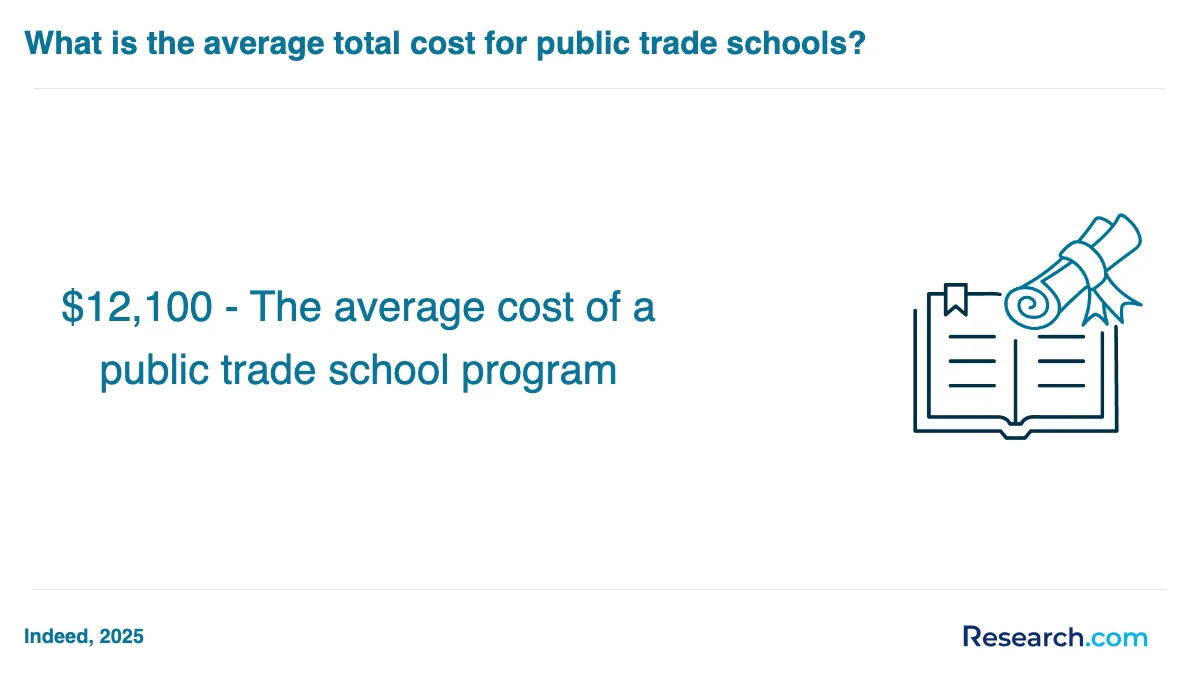
When it comes to the average trade school cost in Missoula, students often breathe a sigh of relief knowing it aligns with Montana's state averages. The typical tuition and fees hover around $13,875 per year, putting Missoula trade school tuition and fees in a range that feels manageable for many. Graduates recall balancing budgets, finding financial aid, and still feeling that rewarding thrill when their hands-on skills started paying off.
For instance, a graduate from Helena College - University of Montana found the net price after scholarships to be about $12,930 annually. Another success story comes from Flathead Valley Community College, where a learner managed to trim costs down to roughly $9,741 a year. These figures shine a light on how grants and scholarships can turn what seems like a hefty price tag into a much more approachable investment.
Keep in mind that beyond tuition, there are essentials like books, tools, and supplies adding to the bill-think of the glove that fits a welding student's hand or the stethoscope for those entering healthcare fields. Those extras can inch the total spent upward but often still fall short of overshadowing the return on passion and skill.
Trade school seekers in Missoula curious about flexible options or different program lengths might explore community college online programs, which occasionally offer variations in cost and pacing, broadening accessibility without compromising quality.
Imagine graduating from Missoula College with your toolbelt in hand, knowing federal student aid gave you that crucial leg up. Most trade school students tap into federal grants like the Pell Grant, alongside loans and work-study gigs by filing the FAFSA each year. One graduate shared how completing the FAFSA early landed them priority funds and a work-study position that fit perfectly around their welding classes.
Beyond federal help, many Missoula schools offer departmental scholarships tailored to your craft-whether you're diving into automotive tech or culinary arts. These scholarships often hinge on your skills or major, and students find talking directly to their department a game-changer in snagging those hidden gems.
The Montana University System reports that 82% of students there receive financial aid, averaging $5,275 yearly, which eases the burden when tuition bills arrive. Flexible payment plans and financial counseling, like at Missoula College's dedicated aid office, make navigating the maze less stressful, especially for folks balancing evening or weekend classes.
Even short-term certificate seekers can score scholarships or workforce grants, though they'll need to hustle on separate applications. Amidst hands-on training and community support, Missoula's trade school students feel empowered knowing a mix of federal, state, and institutional aid is there to fuel their dreams.
Dreaming of joining a trade school program in Missoula? First, you'll need a high school diploma or GED-think of it as the golden ticket to start your hands-on journey at places like Missoula College or the University of Montana. Graduates often mention how maintaining a 2.5 GPA on a 4.0 scale opened doors for them, setting a solid academic foundation.
Test scores can be a reality check, but they're not mountains to climb alone. Many schools ask for an ACT composite of 22 or an SAT combined score of 1120-to show you're ready for the challenge. If these numbers aren't your best, being in the top half of your high school class can tip the scales in your favor.
Some programs, like Industrial Technology at Missoula College, ask for writing placement scores. Don't stress if you lack recent test scores; placement assessments are available to find your perfect starting point.
Here's a quick checklist Missoula trade schools look for:
- High school diploma or GED completion
- Minimum 2.5 GPA or equivalent academic readiness
- ACT (22+) or SAT (1120+) scores, or strong class rank
- Writing placement scores for specific programs
Nontraditional students returning after years away find welcoming pathways, often with flexible admission criteria-perfect for those balancing life's twists with their education goals.
Those who've walked this road recall clear prerequisites helped them focus on skills not paperwork, so you can spend less time worrying and more time building your future in Missoula's vibrant trade community.

Trade school programs in Missoula are packed with courses that push you into the real world fast-think hands-on, in-the-trenches learning that graduates rave about. At Missoula College, aspiring pros dive into areas like business technology, culinary arts, legal studies, healthcare professions, and sustainable construction, molding skills that employers actually want.
Imagine clocking into a Building Trades class where you're not just learning theory but hammering nails on a real project, or firing up welding torches in Metals Technology labs. Graduates often share how these practical sessions made them confident on day one of their jobs.
- 3-D Modeling & Animation and Robotics for tech-savvy creators
- IT essentials like Cisco CCNA and PC troubleshooting for future network wizards
- Short professional development courses in web design, Microsoft Office, and even conversational Spanish to boost resumes
- Core trades such as HVAC, electrical technology, and welding, where hands-on labs simulate real-world challenges
Whether building circuits, crafting culinary delights, or managing networks, Missoula's trade programs focus on what counts: skills you use every day, in jobs you love.
In Missoula, trade school programs are like a vibrant palette of opportunities, perfectly tuned to local needs and student dreams. Graduates often share how healthcare professions-nursing, dental hygiene, medical assisting-became their launchpad into fulfilling and stable careers. Imagine spending a year mastering these skills at Missoula College, then stepping confidently into a bustling clinic or hospital.
Business technology and legal studies spark excitement for many. Alumni fondly recall hands-on experiences managing real-world scenarios, from paralegal work to administrative leadership, that made the classroom feel like a professional playground.
Information Technology programs get frequent praise for blending theory with practical tech wizardry-network security, computer support, or cybersecurity. Students often remark how this training gave them an edge in a digital world hungry for talent.
- Industrial and construction tech covers welding and sustainable building; graduates take pride in seeing their skills physically shape Missoula's growth.
- Culinary arts programs deliver not just cooking techniques but hospitality savvy, with many enjoying the balance of online and in-person classes.
- Short-term certificates in financial bookkeeping, web design, and leadership boost quick pivots, fueling students' energy to accelerate careers.
Trade school experiences in Missoula are about passion backed by practical skills, with many inspired by stories that highlight the rewarding path toward tomorrow's workforce. Those exploring options can learn more about trade schools salary prospects that reinforce these exciting journeys.
Choosing the best trade school programs in Missoula means zeroing in on what fits your ambitions and lifestyle. Graduates from Missoula College often share how direct employer partnerships made their internships transformative-turning classroom skills into paycheck-ready expertise. Imagine stepping into healthcare training with hands-on patient care or mastering construction tools in a setting designed by local employers eager to hire.
When thinking about how to compare Missoula trade schools, consider class sizes, faculty credentials, and support services. One graduate fondly recalled small class sizes that felt more like coaching sessions than lectures, helping them nail certifications quickly. Don't underestimate the power of campus visits and alumni talks-they reveal the vibe you'll be living with every day.
Costs matter, too. Many programs here are affordable, and financial aid can tip the scales. To get a sense of your best options, checking out the cheapest online construction trade programs can highlight unexpected, budget-friendly paths that still lead to rewarding careers.

Graduates from Missoula trade school programs dive into a playground of career opportunities, blending hands-on skills with real-world demand. At Missoula College or Bitterroot College, students often tell stories of swiftly transitioning from classroom to career, whether they're wielding tools as a carpenter or mastering digital workflows as a marketing coordinator. The spectrum is vast - from construction roles like sheet metal installer and metals technician to health care positions such as dental assistant or pharmacy technician, practical pathways open up quickly.
For those drawn to technology, programs offer certifications in IT support, Cisco CCNA networking, and even 3D modeling, launching graduates into booming roles like semiconductor processing technician or advanced robotics technician. Apprenticeship programs with local energy companies add excitement by paying students while they learn, starting with roles like groundman or laborer and building a solid future.
If you're curious about the highest paying trade jobs, check this out for deeper insight. These career opportunities for trade school graduates in Missoula match perfectly with local needs and personal ambitions, making the Missoula trade school programs and job outlook both vibrant and welcoming.
Trade school graduates in Missoula step into a vibrant job market fueled by booming local industries and clear pathways from campus to career. Graduates from Missoula College and Summit Career Center often share stories of landing apprenticeships or first jobs right after completing programs in healthcare, HVAC, or construction. Many find that employers eagerly seek out their practical skills, making entry-level positions both accessible and rewarding. Picture a graduate confidently installing HVAC systems on a bustling Missoula construction site or managing automotive repairs with a strong paycheck.
The employment opportunities for skilled trades in Missoula include:
- Hands-on roles in carpentry, fabrication, and automotive trades with starting wages that beat many conventional entry jobs
- Programs like Missoula College's Jobs for Montana's Graduates initiative linking students directly to employers, boosting confidence and connections
- Potential to earn between $75,000 and $125,000 annually in specialized roles for experienced workers
Beyond traditional trades, Montana's expanding sectors like digital forensics and robotics open doors for tech-savvy graduates eager to stay ahead. For those considering alternative trades, exploring cheap online welding trade school programs provides flexible, cost-effective routes to gain skills that Missoula's local economy increasingly values.
Best Trade School & Training Programs - Leading Certification Courses in Missoula for 2026
# 1 position
The University of Montana - Information Technology.
associateThe University of Montana offers a hybrid Information Technology program focusing on the design of technological information systems to support business and research data needs. The curriculum covers computer hardware and software, algorithms, databases, telecommunications, application testing, and human interface design. Annual in-state tuition is $8,152. The program is accredited by the Northwest Commission on Colleges and Universities.
# 2 position
The University of Montana - Legal Assistant/Paralegal.
associateThe University of Montana offers a Legal Assistant/Paralegal program in a hybrid format, combining distance education with on-campus learning. The program prepares students to assist attorneys through research, drafting, record-keeping, and administrative tasks. Coursework includes legal research, document drafting, pleading, courthouse procedures, and legal specializations. The annual in-state tuition is $8,152. The program is accredited by the Northwest Commission on Colleges and Universities.
# 3 position
The University of Montana - Welding Technology/Welder.
associateThe University of Montana offers a Hybrid Welding Technology/Welder program designed to teach technical skills in arc welding, resistance welding, brazing, soldering, and cutting. The curriculum covers welding metallurgy, safety, structural design, and relevant codes and standards. Annual in-state tuition is $8,152. Graduates have median earnings of $29,853 one year after completion. The program is accredited by the Northwest Commission on Colleges and Universities.
# 4 position
The University of Montana - Business Administration and Management, General.
associateThe University of Montana offers a Business Administration and Management, General program designed to prepare individuals to plan, organize, direct, and control business functions. The curriculum includes management theory, human resources, accounting, purchasing, logistics, marketing, and decision-making. The program’s annual in-state tuition is $8,152. It is accredited by the Northwest Commission on Colleges and Universities.
# 5 position
The University of Montana - Accounting Technology/Technician and Bookkeeping.
associateThe University of Montana offers a hybrid Accounting Technology/Technician and Bookkeeping program designed to prepare students for technical administrative roles in accounting. The curriculum covers posting transactions, record-keeping systems, accounting software, and general accounting principles. Annual in-state tuition is $8,152. The program is accredited by the Northwest Commission on Colleges and Universities, providing a recognized credential for students pursuing careers in financial management support.
# 6 position
The University of Montana - Marketing/Marketing Management, General.
associateThe University of Montana offers a fully online Marketing/Marketing Management, General program designed to prepare individuals to manage consumer audience development and product distribution. The curriculum covers buyer behavior, marketing research principles, demand analysis, pricing theory, strategic planning, advertising, sales management, and consumer relations. The program's annual in-state tuition is $8,152 and it is accredited by the Northwest Commission on Colleges and Universities.
# 7 position
The University of Montana - Heating, Air Conditioning, Ventilation and Refrigeration Maintenance Technology/Technician.
certificate or diplomaThe University of Montana offers a hybrid program in Heating, Air Conditioning, Ventilation and Refrigeration Maintenance Technology/Technician. This program prepares students to repair, install, service, and maintain heating, air conditioning, and refrigeration systems. Instruction covers diagnostic techniques, testing equipment use, and principles of mechanics, electricity, and electronics related to these systems. Annual in-state tuition is $8,152. The program is accredited by the Northwest Commission on Colleges and Universities.
# 8 position
The University of Montana - Welding Technology/Welder.
certificate or diplomaThe University of Montana offers a Hybrid Welding Technology/Welder program that prepares students to apply technical knowledge in welding and metal cutting. The curriculum covers arc welding, resistance welding, brazing, soldering, cutting, welding metallurgy, safety, and applicable codes. The annual in-state tuition is $8,152, and graduates earn a median income of $29,853 one year after completion. The program is accredited by the Northwest Commission on Colleges and Universities.
# 9 position
The University of Montana - Medical Insurance Specialist/Medical Biller.
certificate or diplomaThe University of Montana offers a hybrid Medical Insurance Specialist/Medical Biller program that prepares students to manage medical and health insurance operations in various healthcare settings. The curriculum covers health insurance law, billing procedures, insurance software, medical terminology, and office administration. Annual in-state tuition is $8,152. The program is accredited by the Northwest Commission on Colleges and Universities, ensuring recognized educational standards.
Frequently Asked Questions about trade school programs
Preparing for the job market after completing trade school in Missoula involves several key steps. First, students should focus on gaining relevant work experience through internships or apprenticeships, which are often integrated into trade programs. According to the Montana Department of Labor & Industry, trade graduates in Missoula see a 5% higher employment rate within six months of graduation compared to state averages.
Networking is also crucial. Engaging with local industry groups and attending job fairs can connect graduates to employers actively hiring skilled workers. Building a strong resume that highlights hands-on skills and certifications can make candidates more competitive.
Finally, graduates should consider pursuing additional certifications recognized nationally, such as OSHA safety training or industry-specific licenses. These credentials often lead to higher wages and better employment prospects in Montana's growing trades sector.
Employers in Missoula consistently emphasize both technical and soft skills when hiring trade school graduates. According to recent regional labor reports, skills in areas such as welding, electrical work, and HVAC maintenance are highly sought after. Proficiency with modern tools and safety protocols is critical, as these skills directly impact job performance and workplace safety.
Beyond technical abilities, strong communication and problem-solving skills rank prominently. A 2023 survey by the Montana Department of Labor found that 78% of employers valued adaptability and teamwork in trade school graduates. Time management and reliability are also key attributes, reflecting the practical, hands-on nature of trade professions in the area.
Finding internships in Missoula relevant to your trade school program involves leveraging multiple local resources and networks. Start by contacting your trade school's career services office, which often maintains relationships with local businesses offering internships tailored to specific trades.
Local industry associations, such as the Missoula Contractors Association or the Montana Builders Association, provide networking events and internship listings for construction and skilled trades. Additionally, platforms like MontanaWorks.gov list internship opportunities statewide, including Missoula.
Missoula's growing industries-construction, healthcare, and automotive repair-offer practical training positions frequently. According to the Montana Department of Labor & Industry, nearly 30% of Missoula trade jobs provide structured internship programs annually, easing your entry into the workforce.
In Missoula, earning a trade school diploma can significantly improve career mobility and advancement opportunities. According to data from the Montana Department of Labor & Industry, industries such as construction, healthcare, and manufacturing actively seek skilled workers with specialized training, which trade schools provide.
A diploma from a recognized trade school often leads to higher starting wages compared to unskilled positions. For example, Missoula's construction sector reports a 15% wage premium for workers with trade certifications. This advantage supports workers in moving up to supervisory or technical roles more quickly.
Moreover, trade school programs in Missoula typically include hands-on experience and local employer partnerships, enhancing job placement rates and long-term career growth.
Part-time job opportunities in Missoula offer valuable hands-on experience to complement trade school education. Fields such as construction, automotive repair, and healthcare often seek part-time workers with developing skills. For example, local construction firms employ students for site assistance or equipment handling, which enhances practical learning.
Retail and service jobs related to technical equipment sales also provide relevant exposure, especially in areas like electronics or plumbing supplies. According to the Montana Department of Labor, Missoula's part-time employment rate in technical and skilled trades roles has grown by 5% over the past two years.
Healthcare facilities including clinics and pharmacies hire part-time aides and technicians, allowing students in medical trade programs to gain clinical experience while earning.
To choose the best degree program near me in Missoula, MT, you should first identify your areas of interest and career goals. Programs and universities near Missoula, MT offer a variety of academic disciplines, so it's beneficial to research and compare their curricula, faculty, and resources. Additionally, consulting platforms like Research.com can provide insights into program rankings and student reviews to aid your decision-making process.
- Best Trade School & Training Programs - Leading Certification Courses in Walla Walla for 2026
- Best Trade School & Training Programs - Leading Certification Courses in Kyle for 2026
- Best Trade School & Training Programs - Leading Certification Courses in Los Angeles for 2026
- Best Trade School & Training Programs - Leading Certification Courses in Emporia for 2026
- Best Trade School & Training Programs - Leading Certification Courses in Springfield for 2026
- Career Training Programs https://applymontana.mus.edu/colleges/career-training/index.html
- APPRENTICES | MT AFL-CIO https://www.mtaflcio.org/apprentices
- Montana Registered Apprenticeship https://apprenticeship.mt.gov/
- Summit Career Center – Career – Community – Compassion https://summitcareercenter.org/
- Missoula College and Bitterroot College Students https://umontana.edu/student-type/missoula-college.php


