Best Trade School & Training Programs - Leading Certification Courses in Duncan for 2026

Co-Founder and Chief Data Scientist
Choosing the right trade school in Duncan can shape your future with practical skills and career opportunities. This article introduces a trade school programs ranking created by the Research.com team of data scientists to help you make an informed decision.
Whether you’re seeking a diploma or certification, this guide highlights the best programs worth considering, tailored for your goals.
Discover how investing in a trade education can open doors to rewarding jobs and personal growth. Take the first step toward a brighter career today.
Key benefits of finishing trade school programs trade school in Duncan
- Expected salary: Trade school graduates in Duncan can earn strong wages, with electricians and linemen making between $30.85 and $46.28 per hour. Entry-level plumbing apprentices start around $15 per hour, and experienced managers can earn over $100,000 annually, showing great financial growth potential.
- Popular career paths: Graduates often pursue skilled trades like electrical work, plumbing, and lineman roles. These careers offer hands-on work and steady demand, making them reliable choices for a rewarding future.
- Online certification benefits: Completing trade school online offers flexibility for busy students. Many find it easier to balance work and studies, speeding up certification while learning from home in Duncan's growing digital environment.
- Best Trade School & Training Programs - Leading Certification Courses in Duncan for 2026
- What can I expect from trade school programs trade schools in Duncan?
- Where can I work after finishing trade school programs trade schools in Duncan?
What can I expect from trade school programs trade schools in Duncan?
The typical cost of attending a trade school program in Duncan varies, but many students find it surprisingly affordable. For example, graduates from Mid-America Technology Center recall paying just $1.00 per clock-hour if they are adult students residing in-district. Some even benefited from reduced rates or tuition-free options based on age, such as those aged 62-64 paying half price or seniors over 65 attending daytime programs for free. These financial arrangements often ease the burden and allow students to focus more on learning than worrying about costs.
Students appreciate the value they receive for this investment, balancing tuition with hands-on training in fields like automotive repair or healthcare. Many speak fondly of flexible scheduling that fits work or family life, highlighting evening and online class options that make education accessible without disruption. The support from local technology centers comforting for those stepping into unfamiliar trades, with a clear pathway to employment after graduation.
Where can I work after finishing trade school programs trade schools in Duncan?
After finishing a trade school program in Duncan, many graduates find themselves stepping confidently into rewarding careers across diverse local industries. For instance, those completing construction training often secure roles as laborers, foremen, or plumbing contractors, filling the more than 100 openings available in the area. Graduates from skilled trades programs, like welding or industrial maintenance offered by well-known Duncan training centers, frequently share how their hands-on experience and certifications made their job search smoother and more successful.
Healthcare is another promising field. Respiratory therapy graduates often reflect on how their credentials quickly opened doors in local clinics and hospitals eager for technically skilled professionals. Meanwhile, education support roles-including custodial and maintenance jobs with Duncan Public Schools-provide stable, meaningful work where practical skills are deeply valued.
Some graduates with IT or bookkeeping training describe the satisfaction of landing administrative or tech support roles as digital adoption in Duncan's businesses grows. Overall, trade schools here prepare students for real needs in the community, turning specialized training into real, fulfilling opportunities.
After finishing a trade school program in Duncan, graduates often find themselves stepping into careers with competitive wages that reflect both skill and dedication. Many report starting salaries around $44,512 annually, especially welders who earn about $21.40 per hour-figures that feel rewarding when you consider the hands-on training they've received at Duncan's popular trade schools. Others in healthcare support roles see incomes above the state median of roughly $31,000, which brings a strong sense of pride and financial independence early on.
Assembly line and production workers in Duncan typically start between $18 and $21 per hour, a solid foundation that grows with experience and certification. The average annual pay for trade school graduates in Oklahoma hovers near $62,001, giving Duncan students confidence that their education translates into stable, upward-moving careers.
Graduates often share stories of embracing their newfound skills and quickly advancing, especially in construction, transportation, and healthcare fields that remain in high demand locally. This steady growth encourages many to pursue further certifications, aware their efforts directly boost their earnings and open doors to managerial opportunities.
- Trade schools in Duncan offer programs in welding, IT, emergency medical services, cosmetology, and business office skills with options for full-time, short-term, and online courses.
- Admission usually requires a high school diploma or GED; some healthcare programs have partnerships allowing for associate degrees or advanced standing for LPNs.
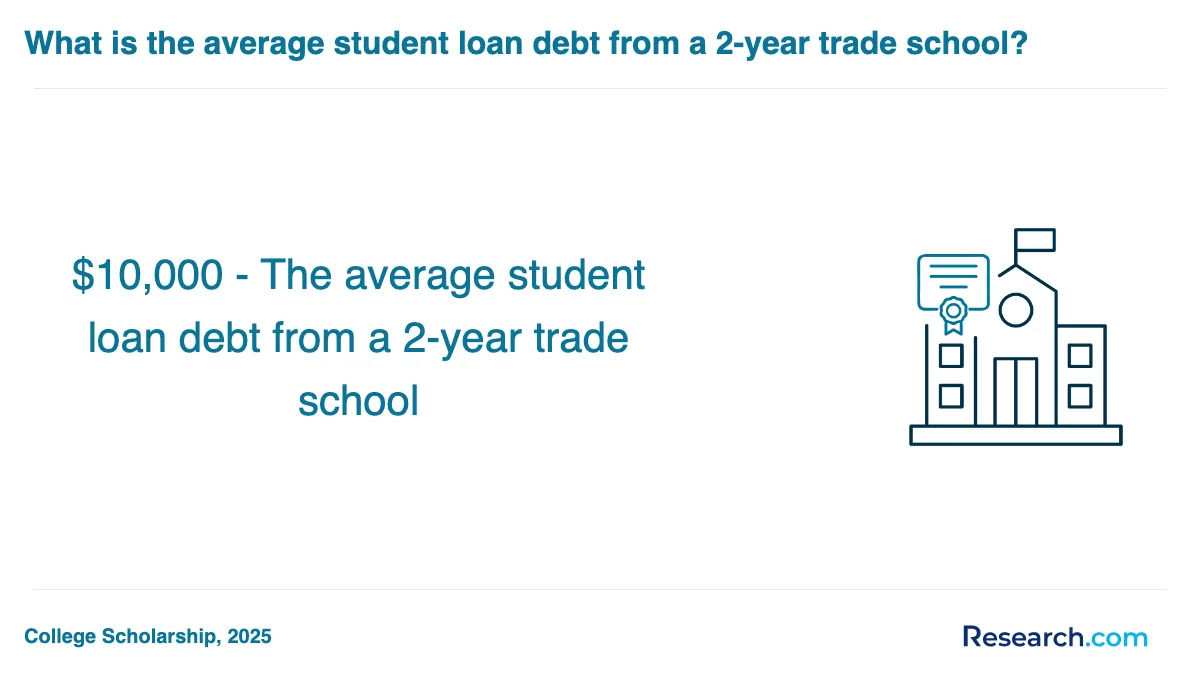
- The average cost of completing a trade school program in Duncan ranges from $3,000 to $10,000 depending on the program and duration.
- Job growth for trades like welding and construction equipment operation is projected at 8% to 12% statewide, with healthcare roles also in high demand.
- Starting salaries for trade school graduates often range from $32,000 to $45,000 annually, with higher earnings possible as experience increases.
Completing a trade school program in Duncan often feels like a practical and achievable step toward a rewarding career. Graduates from Red River Technology Center recall how basic certificate programs wrapped up in less than a year allowed them to swiftly gain hands-on skills and step confidently into the workforce. For those tackling undergraduate certificates, the timeline varies between one and four years, accommodating part-time or full-time attendance.
Some find that intensive programs, such as truck driving courses available locally, can be completed in as little as three to four weeks, providing a rapid path to employment with focused, real-world training. Working adults appreciate evening and part-time classes, which, while extending completion time, offer the flexibility needed to balance life and study.
Programs combining classroom learning and on-the-job training, like those supported by the Chickasaw Nation School-to-Work initiative, demand commitment but reward students with immersive experience, typically requiring around 20 hours in class and 15 in training weekly.
Each pathway in Duncan's trade schools shapes a personalized journey-practical, flexible, and timed to match individual goals and rhythms.
In Duncan, the difference between online and on-campus trade school programs often comes down to how hands-on the learning experience is. Graduates from Red River Technology Center recall the confidence gained by working directly with tools and machines in welding or automotive classes, where instructors guide them step-by-step in real time. Being physically present in these settings helps students quickly correct mistakes and develop practical skills that feel tangible and empowering.
On the other hand, those who pursued online studies appreciated the flexibility to balance work and family, especially when enrolled in fields like medical billing or coding. They found video lessons and interactive modules convenient and supportive, but often missed the immediate feedback that comes from face-to-face learning. Since fully online trade programs are scarce in Duncan, many students wishing for remote study explore broader regional options, understanding that some trades simply require the hands-on atmosphere only an on-campus program can offer.
Hybrid programs nearby offer a thoughtful middle ground, blending remote theory with vital in-person practice. This balance resonates strongly with students juggling busy schedules while craving the confidence that only real-world experience brings.
The average trade school cost in Duncan Oklahoma is strongly influenced by the type of vocational program and the institution's public or private status. For many local students, Red River Technology Center is the leading choice, offering programs with tuition and fees averaging $2,385 per program for the 2024-2025 academic year. Graduates often share how this affordability allowed them to pursue careers in fields like Automotive Mechanics or Welding without the heavy financial burden that is common elsewhere.
When considering the overall expenses, the total cost of attendance including housing, transportation, and supplies can reach about $15,791. Yet the real appeal remains in the tuition itself, with Duncan Oklahoma vocational program tuition and fees substantially lower than national averages, especially for public options. For example, programs such as Licensed Practical Nursing may cost $6,676 plus $543 for books, still well below the countrywide norm.
Financial aid plays a pivotal role in easing costs for many students. At Red River Technology Center, 87% of students receive aid, with awards averaging $6,519, effectively reducing the net price to $8,322. This adjustment makes vocational training accessible and less daunting, reflecting many graduates' relief and satisfaction. For those deciding between different educational paths, understanding the distinction between a vocational vs trade school experience can illuminate which choice best aligns with both budget and career goals.

Trade school students in Duncan often find relief through Federal Student Aid by completing the FAFSA, which unlocks access to essential support like Pell Grants and federal loans. Graduates from Red River Technology Center recall how Pell Grants helped them focus on learning rather than finances, since these grants don't need to be repaid. FAFSA for the 2025-2026 year opens December 1, 2024, offering timely aid for future students.
Oklahoma's Promise provides another layer of support for local families, covering tuition for eligible students, especially those from households earning up to $60,000. Many students describe this program as a game changer, enabling them to pursue trade skills without the weight of overwhelming costs before even starting.
Veterans benefit from the GI Bill® and other Veterans' Education Benefits, which can cover tuition and living expenses. Duncan's trade schools work closely with veterans to ensure these benefits are fully utilized, making a noticeable difference in their journey.
Institutional scholarships and need-based aid offered directly by schools like Red River Technology Center add yet another helpful option, often shared through personal conversations with financial aid offices.
Local scholarships from community groups also open unexpected doors, encouraging students to explore every avenue of support available in Duncan.
Enrolling in a trade school program in Duncan typically begins with having a high school diploma or a GED, a fundamental step that graduates often recall with pride as the first milestone in their career journey. Many recall submitting their official transcripts or GED documentation during admissions, marking a clear path forward.
Placement tests frequently play a pivotal role. For instance, students aiming for programs at Cameron University remember preparing for ACT-based placement assessments, where a GPA below 3.0 or ACT scores under 19 led some to take remedial courses. This challenge, though tough, was embraced as a positive learning experience.
Other important prerequisites include:
- Minimum standardized test scores, especially the TABE for longer programs beyond 450 clock hours, but exemptions apply with qualifying ACT, SAT, or PERT results.
- Specific science or math coursework, which nursing and allied health hopefuls often highlight as essential to success.
- Dual enrollment options for high school students, who benefit from starting technical education early while maintaining a minimum GPA, often around 2.0.
Applicants preparing documents like transcripts, test scores, and sometimes recommendation letters feel reassured, knowing these steps ensure a strong foundation for their trade careers in Duncan's supportive educational environment.

Trade school programs in Duncan focus on practical, career-ready skills that quickly open doors to employment. Many graduates from Red River Technology Center describe a rewarding sense of accomplishment as they complete programs designed for fast entry into the workforce. Popular options include healthcare certifications like Practical Nursing and Emergency Medical Services, which equip students to step confidently into roles such as Licensed Practical Nurse or EMT within two years or less.
Skilled trades provide hands-on experience that builds real expertise. Students often highlight their training in Welding Technology, Precision Metal Working, and HVAC as directly preparing them for well-paying technical jobs. Typical skills mastered include oxy-acetylene cutting, arc welding, and blueprint reading, all practiced on industry-standard equipment.
Business and IT courses also attract many students seeking office or administrative roles. Learning bookkeeping, office administration, and software like QuickBooks gives them a strong foundation for diverse careers. Other unique offerings include Cosmetology for licensure in beauty services and Drafting & Design Engineering Technology suited for construction and manufacturing fields.
Overall, the curriculum is thoughtfully tailored to reflect the actual workforce needs in Duncan, making trade school a positive and practical choice for many.
In Duncan, trade school programs offer a variety of specializations tailored to real-world demands, making them a practical choice for students eager to enter the workforce confidently. Graduates often share how hands-on learning in fields like Automotive Service equips them with skills to maintain and repair vehicles effectively, meeting the steady local need for skilled technicians.
Other specializations include:
- Cosmetology, offering training for careers in salons or as independent beauty professionals, helping students turn passion into income.
- Business and Information Technology, where students gain office administration and IT basics valuable in diverse industries.
- Practical Nursing, combining classroom and clinical experiences, preparing students for licensed roles in hospitals and clinics nearby.
- HVAC/R programs, delivering expertise in climate control system installation and repair, supporting both homes and businesses.
- Graphic Design and Digital Marketing, enabling creative students to thrive in advertising, small businesses, or freelancing.
Such programs, particularly from the well-known Red River Technology Center, align closely with local economic needs, ensuring students develop top paying 6 month certificate programs skills that directly lead to rewarding, in-demand careers in Duncan's community.
When considering the best trade school requirements in Duncan, focus first on programs that align directly with your career vision. Graduates from Mid-America Technology Center often highlight the value of hands-on training paired with certifications that employers in Duncan actively seek. Choosing a program that offers flexible scheduling, like those at Red River Technology Center, can transform the experience of juggling work and family obligations, making education feel achievable and personalized.
Affordability matters too; many students appreciate the tuition discounts available to in-district adults and seniors in Duncan, allowing them to pursue skills without financial strain. This thoughtful approach to cost reflects the community's support for continuous learning. Another key aspect when choosing the right trade program in Duncan is finding a school with strong local industry ties. Graduates often share that internships and apprenticeships secured through these connections opened doors to rewarding employment opportunities.
Don't overlook the importance of statewide accreditation, ensuring your credentials carry weight across Oklahoma. For practical insights on why trade school might be the wiser choice, consider exploring why trade school is better than college.
Trade school graduates in Duncan find a wide array of career opportunities after trade school in Duncan, perfectly tailored to the region's industries and workforce demands. Many graduates from local technology centers have stepped confidently into healthcare roles like certified nursing assistants or medical assistants, where their hands-on training directly supports Duncan's growing health sector. These students often describe a rewarding sense of purpose as they care for their community.
Others pursue Duncan Oklahoma trade school graduate jobs in manufacturing, becoming skilled welders, machinists, or industrial maintenance technicians. This path offers tangible skills and steady employment, reflecting south-central Oklahoma's strong industrial presence. Construction trades also attract many, with graduates thriving as HVAC technicians, electricians, or plumbers, progressing swiftly from apprentices to seasoned professionals.
Expanding STEM-focused programs enable students to excel as drafting technicians or CAD operators, equipped with valuable certifications that open doors locally and beyond. Additionally, business, automotive technology, and cosmetology programs cultivate graduates who enjoy flexible, entrepreneurial opportunities.
- Healthcare roles: CNAs, medical assistants, practical nurses
- Manufacturing trades: welders, machinists, automation specialists
- Construction: HVAC technicians, electricians, plumbers
- STEM disciplines: CAD operators, drafting technicians, engineering aides
- Business, automotive technology, cosmetology
Many Duncan graduates appreciate that trade schools combine practical learning with clear career pathways. For those seeking less traditional options, low cost online freight broker classes offer flexible, affordable alternatives designed to meet evolving economic needs.
The job market for trade school graduates in Duncan is marked by growing opportunities fueled by local and statewide demand. Graduates from well-regarded institutions like Red River Technology Center often share how hands-on training directly prepared them for entering fields such as construction, welding, and HVAC without the wait of a four-year degree. This robust demand reflects Duncan Oklahoma skilled workforce demand, especially in sectors where employers face shortages and look to quickly fill roles.
Examples from recent graduates highlight key growth areas:
- Construction and diesel technology roles expanding alongside a nationwide surge projected by the Bureau of Labor Statistics
- Welding positions benefiting from a nationwide skilled worker shortage, creating urgent openings
- Healthcare support roles, like nursing assistants trained through partnerships with Duncan Regional Hospital, offering stable career paths
Many graduates appreciate the median income topping $31,000 in these trades, combining financial stability with efficient certification paths. For those interested in innovative paths, Duncan also supports emerging sectors, and some explore options through an affordable online solar technician training program that complements local opportunities. Overall, the job opportunities for trade school graduates in Duncan remain strong, driven by strategic economic initiatives and close alignment between education and employer needs.
Best Trade School & Training Programs - Leading Certification Courses in Duncan for 2026
# 1 position
Red River Technology Center - Heating, Air Conditioning, Ventilation and Refrigeration Maintenance Technology/Technician.
certificate or diplomaThe Heating, Air Conditioning, Ventilation and Refrigeration Maintenance Technology/Technician program at Red River Technology Center prepares students to repair, install, service, and maintain HVAC and refrigeration systems. Instruction covers diagnostic techniques, testing equipment, and principles of mechanics, electricity, and electronics related to these systems. This hybrid program is accredited by the Oklahoma State Board of Career and Technology Education.
# 2 position
Red River Technology Center - Automobile/Automotive Mechanics Technology/Technician.
certificate or diplomaThe Automobile/Automotive Mechanics Technology/Technician program at Red River Technology Center offers a hybrid format with some distance-education options. It prepares students to repair, service, and maintain various automobile systems, including brakes, electrical, engine performance and repair, suspension, steering, transmissions, and heating and air conditioning. The program is accredited by the Oklahoma State Board of Career and Technology Education.
# 3 position
Red River Technology Center - Welding Technology/Welder.
certificate or diplomaThe Welding Technology/Welder program at Red River Technology Center prepares students to apply technical skills in various welding methods, including arc welding, resistance welding, brazing, soldering, and cutting. Instruction covers welding metallurgy, structural design, safety, and industry codes. The hybrid program is accredited by the Oklahoma State Board of Career and Technology Education and includes training on both ferrous and non-ferrous materials as well as advanced welding techniques.
# 4 position
Red River Technology Center - Computer Numerically Controlled (CNC) Machinist Technology/CNC Machinist.
certificate or diplomaThe Computer Numerically Controlled (CNC) Machinist Technology/CNC Machinist program at Red River Technology Center is a hybrid course designed to equip students with skills to operate CNC machine tools like lathes and mills. It covers CNC terminology, programming, blueprint reading, machining, CAD/CAM systems, and shop safety practices. The program is accredited by the Oklahoma State Board of Career and Technology Education.
# 5 position
Red River Technology Center - Nursing Assistant/Aide and Patient Care Assistant/Aide.
certificate or diplomaThe Nursing Assistant/Aide and Patient Care Assistant/Aide program at Red River Technology Center offers a hybrid format with some distance-education options. It prepares students to perform routine nursing-related services under supervision in hospitals or long-term care facilities. Graduates have median earnings of $40,029 one year after completion. The program is accredited by the Oklahoma State Board of Career and Technology Education.
Frequently Asked Questions about trade school programs
Preparing for the job market after completing trade school in Duncan involves several strategic steps. First, students should take advantage of career services offered by their school, such as resume workshops and interview preparation. According to the U.S. Bureau of Labor Statistics, graduates with vocational training typically see higher employment rates within six months of completing their programs.
Networking is also crucial. Attending local industry events and joining trade associations in Duncan can connect graduates with potential employers. Many trade schools in the area partner with local businesses to provide internships and apprenticeships, which often lead to full-time positions.
Additionally, obtaining relevant certifications can enhance employability. For example, electricians and HVAC technicians in Duncan frequently require state licensing, which trade schools often help students prepare for. Staying updated on industry standards ensures graduates meet local job market demands.
Employers in Duncan highly value trade school graduates who possess strong technical skills related to their specific fields, such as welding, HVAC, electrical work, and automotive repair. According to the U.S. Bureau of Labor Statistics, hands-on expertise combined with industry certifications significantly improves job prospects.
Beyond technical abilities, soft skills like problem-solving, effective communication, and teamwork are critical. Local employers often emphasize dependability and a strong work ethic as key traits in recent graduates. A 2023 survey by the National Association of Manufacturers reported that 89% of employers seek candidates with strong interpersonal skills alongside technical knowledge.
Trade school programs in Duncan that integrate practical experience with soft skills training tend to prepare students best for the current job market trends.
To find internships in Duncan relevant to your trade school program, start by consulting your school's career services. Many trade schools in Duncan have established connections with local businesses and can help place students in internships aligned with their fields.
Additionally, the Duncan Chamber of Commerce often lists internship opportunities in sectors such as manufacturing, construction, and healthcare, which are common trade areas.
Online job portals like Indeed and Glassdoor frequently post local internships, but narrow your search using "Duncan, OK" filters.
Local employers in trades sometimes offer apprenticeships that count as internships, providing hands-on experience critical for skills development.
Networking within local industry events and trade associations can also reveal hidden internship opportunities not publicly advertised.
A trade school diploma in Duncan can significantly enhance career mobility and advancement opportunities. According to the U.S. Bureau of Labor Statistics, many skilled trades experience steady demand, increasing job security for diploma holders. In Duncan, industries such as construction, manufacturing, and automotive services actively seek certified professionals, which often leads to higher wages compared to non-certified workers. The Oklahoma Department of Commerce reports that individuals with technical training in regional trade schools earn on average 15-20% more than those with only a high school diploma. Employers also value the practical skills and certifications gained through these programs, facilitating faster promotions and career growth.
Part-time job opportunities in Duncan that align well with trade school education often involve hands-on roles in skilled trades and service industries. Students enrolled in programs such as automotive repair, plumbing, or electrical work may find internships or entry-level positions with local contractors or service companies.
According to recent data from the U.S. Bureau of Labor Statistics, sectors like construction and automotive services in Duncan have seen a steady demand for part-time workers, providing practical work experience. Retail and food service jobs also frequently offer flexible hours, which help students maintain their study schedules.
Additionally, apprenticeships and on-the-job training programs are available through Duncan-area unions and trade associations. These positions often provide paid work with relevant skill development, complementing classroom learning and improving employability after graduation.
If you're searching for the best degree programs near me in Duncan, OK, there are several options to consider, particularly at nearby universities and colleges. You can explore various programs in fields such as business, nursing, and education at institutions near Duncan, OK, enhancing both personal and professional endeavors. Research.com is a useful resource for finding specific degree programs and institutions that meet your educational needs.
- Trades and Applied Technology Programs | Vancouver Island University | Canada https://cowichan.viu.ca/programs-and-courses/trades-applied-technology-programs
- Trades and Applied Technology | Vancouver Island University | Canada https://www.viu.ca/programs/trades-applied-technology
- Career and Dual Credit – Career and Transitions https://www.careersandtransitions.ca/
- Early Careers | Duncan & Toplis Careers #JoinDuncanToplis https://duncantoplis.co.uk/careers/early-careers/
- CTE Programs: 6 Benefits of Considering Trade School https://www.cfnc.org/news/cte-programs/
- WorkBC Site Maintenance - Service Temporarily Unavailable https://www.workbc.ca/workbc-centres/workbc-centre-duncan
- New skilled trades program in Cowichan greeted with enthusiasm - Cowichan Valley Citizen https://www.cowichanvalleycitizen.com/local-news/new-skilled-trades-program-in-cowichan-greeted-with-enthusiasm-4378132
- Career Technical Centre https://ctc-careerpaths.ca/