Best Certificate Programs - Leading Certification Courses in Union for 2026

Co-Founder and Chief Data Scientist
Choosing the right trade school certificate program in Union can feel overwhelming. This article simplifies that process by featuring a trade school certificate programs ranking created by the Research.com team of data scientists. Their analysis helps highlight the best options worth considering.
By exploring this guide, you’ll gain valuable insights to make an informed decision that aligns with your goals. Earning a trade school diploma or certification opens doors to rewarding careers and personal growth. Taking this step could be the start of an exciting new chapter.
Key benefits of getting trade school certificate in Union
- Trade school graduates in Union can earn competitive salaries, with averages around $68,172 per year. Popular roles like electricians and HVAC technicians typically make between $55,000 and $80,000, while experienced professionals often exceed $100,000 annually.
- Popular career paths include electricians, welders, HVAC technicians, and licensed practical nurses. These jobs offer hands-on work and strong local demand, making trade school certifications a smart choice for stable, rewarding careers.
- Completing a trade school certification online in Union provides flexibility and convenience, allowing students to balance work and study. Many online graduates report feeling confident and well-prepared to enter the workforce quickly.
- Best Certificate Programs - Leading Certification Courses in Union for 2026
- What can I expect from trade school certification programs in Union?
- Where can I work with trade school certification in Union?
What can I expect from trade school certification programs in Union?
The average cost of a trade school certification program in Union typically ranges between $10,000 and $25,000, depending on the chosen field and program length. Graduates from Lincoln Tech often recall balancing tuition payments with part-time work, appreciating how hands-on training on real manufacturer technologies, like those from Audi and Mazda, justified the investment.
Students in automotive or welding programs at Universal Technical Institute find value in completing certificates in as little as 51 weeks, which helps keep overall expenses manageable. Many emphasize that smaller class sizes, such as the 14:1 ratio at Union County Vocational-Technical Schools, contribute positively to learning outcomes, making the financial commitment feel worthwhile.
Flexible schedules attract adult learners who juggle work and family while pursuing certification, often leveraging internship placements with local businesses to offset costs with early career opportunities. The direct job placement assistance programs help many feel supported, turning tuition into a strategic investment rather than just an expense.
Where can I work with trade school certification in Union?
Graduates from trade school certification programs in Union commonly find themselves welcomed by a variety of employers eager for their specialized skills. For instance, those trained in automotive technology at Lincoln Tech Union often land roles at dealerships like Audi or Mazda, where hands-on training directly translates to confident performance in real repair bays. These grads frequently describe the satisfaction of starting as trusted technicians in under a year.
Cosmetology students experience similar enthusiasm, with many securing positions in local salons or spas, or even launching small businesses that thrive on the community's appreciation for skilled care. Electrical, HVAC/R, and plumbing certifications open doors to construction firms or maintenance roles-fields buzzing with opportunities fueled by Union's steady growth in housing and commercial projects.
Health care certificate holders step into essential roles in nearby hospitals or clinics, sharing how their Union County College programs equipped them to confidently care for patients on day one. Meanwhile, those with business administration or supply chain credentials often join local offices and logistics companies, drawn by strong internship pipelines and direct employer partnerships fostered by Union's vocational schools.
After finishing a trade school certification program in Union, graduates often find themselves earning salaries that surpass expectations. Many report starting salaries well above $50,000, especially in high-demand trades like electricians, HVAC technicians, and plumbers. For example, electricians starting out in Union typically earn between $50,000 and $60,000 annually. This wage can feel immediately rewarding for those who invest their time and effort into their programs, providing financial stability early in their career.
Graduates from popular local trade schools often share stories of quickly securing roles with employers eager to meet the demand for skilled labor in New Jersey. HVAC technicians in Union, for instance, often start with salaries ranging from $53,000 to $60,000 per year, reflecting the state's strong market for certified tradespeople.
Other certifications like dental assisting and medical technician programs usually yield starting salaries between $35,000 and $45,000. While cosmetology graduates may start around $35,000, many note their earnings rise rapidly as they gain expertise and build a client base in Union's vibrant communities.
This data translates into real opportunities for graduates to feel confident and motivated, knowing their skills are valued and rewarded locally. The growing demand in Union directly supports promising salary outcomes soon after certification.
- Jasmine: Earning my HVAC certification in Union transformed my life. The hands-on training was intense but rewarding, giving me real confidence. Now, I'm employed with a local company, fixing systems and helping families stay comfortable. The supportive instructors made all the difference in landing this great job.
- Carlos: The Welding program in Union was exactly what I needed. Challenging yet enjoyable, it sharpened my skills and opened doors at a manufacturing plant. The sense of accomplishment I feel daily at work comes from those long hours at school, where every lesson was practical and job-focused.
- Emily: Studying Electrical Installation at the Union trade school was an inspiring experience. The curriculum was up-to-date and the instructors were passionate, which fueled my excitement. Finding a well-paid job as an electrician apprentice nearby felt like the perfect start to a promising career. I'm grateful I chose this path.
- Admission to trade school certification programs in Union generally requires a high school diploma or GED, with options for both full-time and part-time study.
- Programs offered include automotive technology, construction trades, culinary arts, electrical technology, and welding, with some fast-track options completing in as little as 10 months.
- Tuition for trade school programs in New Jersey ranges from $5,000 to $18,000, depending on the field and length, and financial aid may be available.
- Certificate programs like Accounting Technician require about 315 hours, while Supply Chain Management needs around 170 hours of instruction.
- Entry-level salaries for graduates range from $35,000 to $55,000 annually, with automotive technicians starting between $38,000 and $45,000 and experienced professionals earning over $65,000.
Completing a trade school certification program in Union typically takes between 36 and 57 weeks, allowing students to dive into hands-on learning without long delays. Graduates from the Automotive Service Technology Certificate Program often mention that the 57-week duration, packed with 1,320 instructional hours, felt manageable thanks to flexible scheduling options like evening and afternoon classes. This flexibility lets students balance work or family life while earning 55 semester credits.
Others enrolled in Electrical and Electronic Systems Technology find the 52-week timeline practical, with 1,200 instructional hours spread across accessible class formats. This schedule fits well for those juggling responsibilities but eager to enter the workforce soon. Meanwhile, welders at a nearby Universal Technical Institute campus can complete their focused certificate in just 36 weeks. Graduates appreciate how quickly they gained essential skills for entry-level positions.
Apprenticeship programs through Union County Vocational-Technical Schools offer variable lengths but pair real on-the-job training with evening classes, earning certificates recognized at both state and federal levels. These options show that trade school students in Union can find programs tailored to their pace and goals, enabling them to move confidently toward fulfilling careers.
The core difference between online and on-campus trade school certification programs in Union lies in how students engage with their learning environment. On-campus programs, such as those at Lincoln Tech or Union County Vocational-Technical Schools, immerse students in hands-on training with real tools and industry equipment. Graduates often describe the satisfaction of working directly on vehicles or machines under expert guidance, gaining confidence through internships and job shadowing opportunities with local employers like Audi and Johnson Controls.
Conversely, online programs offer flexibility, letting students balance education with work or family life. Many find this appealing when pursuing fields that emphasize theory, such as accounting technician courses offered remotely. However, most trade certifications still require some in-person practice-something online students in Union must plan for carefully. For example, those completing welding or electrical technology certifications online often attend occasional lab sessions to gain essential skills that theory alone cannot provide.
This contrast highlights the trade-off between direct mentorship and convenience, helping prospective students in Union decide based on their personal learning style and career goals.
For students considering the average trade school cost in Union 2026, tuition generally ranges between $10,000 and $20,000, with some programs extending up to $30,000 depending on the trade. Graduates from Lincoln Tech, a well-known local institution, often share stories of managing the nearly $29,370 tuition by balancing part-time work with financial aid. Meanwhile, those from The Training Center report starting their certifications at around $10,000, feeling encouraged by the affordability combined with hands-on experience. This variation reflects how different trades impact costs: healthcare certifications can cost up to $27,200, while programs in beauty and cosmetology usually fall between $9,966 and $16,716.
Union trade school certification tuition and fees can also be more accessible at community colleges around the area, where online, self-paced programs are offered for as low as $2,895 to $4,695. Though these options may lack in-person practical training, graduates appreciate the flexibility and reduced financial strain, especially when balancing family or work. For those exploring fields like HVAC, automotive technology, or technology programs, costs tend to be higher but align with greater earning potential post-certification. Many students find hope in scholarship opportunities or payment plans that make these costs manageable over time.
Students who researched alternatives found that affordable baking and pastry arts certificate programs online provide additional ways to reduce expenses while still gaining valuable skills, further emphasizing the importance of comparing program costs and formats to fit individual needs.

Trade school certification students in Union benefit from multiple financial aid options that can make pursuing their goals both feasible and rewarding. Many start by applying for federal aid through the FAFSA, which opens doors to Pell Grants and low-interest federal loans. Graduates often recall how these grants alleviated the pressure of tuition during their training at popular institutions like Union County Vocational-Technical Schools.
At the state level, the New Jersey Tuition Aid Grant (TAG) is a significant help for eligible students, cutting tuition costs substantially. Those with foster care backgrounds appreciate programs like the New Jersey Foster Care Scholars Program, which not only covers tuition but also offers stipends for books, easing everyday expenses while focusing on skills training.
Trade-specific scholarships provide further opportunities. Women and minorities, for example, have benefited from the Governor's Industry Vocations Scholarship, which provides up to $2,000 annually. High-achieving, financially needy students secure support through the NJUA Trade and Vocational School Scholarship, receiving up to $6,000 over several years.
Additionally, employer tuition assistance and apprenticeships frequently support students by offering paid training and covering tool costs. Many Union-based students share how these options reduced their debt and connected them directly to jobs in construction and skilled trades, turning education into a source of pride and confidence.
To enroll in a trade school certification program in Union, applicants typically must have a high school diploma or GED. This baseline credential helps ensure students can handle the mix of classroom learning and hands-on technical work required. For example, graduates of Lincoln Tech in Union reflect on how their solid academic foundation made complex subjects like electrical systems more approachable.
High school students can start early through programs such as Union County Career and Technical Institute (UCCTI), which integrates vocational training with their usual high school coursework. These students often share positive experiences about balancing academics and skills training, appreciating the supportive environment tailored especially for their age.
Adult learners might face extra requirements, including:
- Proof of residency in Union
- Background checks
- Immunizations for health-related programs
- Placement tests evaluating math or science skills
Many students are relieved to find that SAT/ACT scores or admission essays are usually not needed, making the path smoother and less stressful.
Graduates often mention orientation sessions as valuable, helping them understand safety protocols and program expectations before stepping into workshops or labs filled with specialized equipment - a feature common at trade schools like Union College (UCNJ).
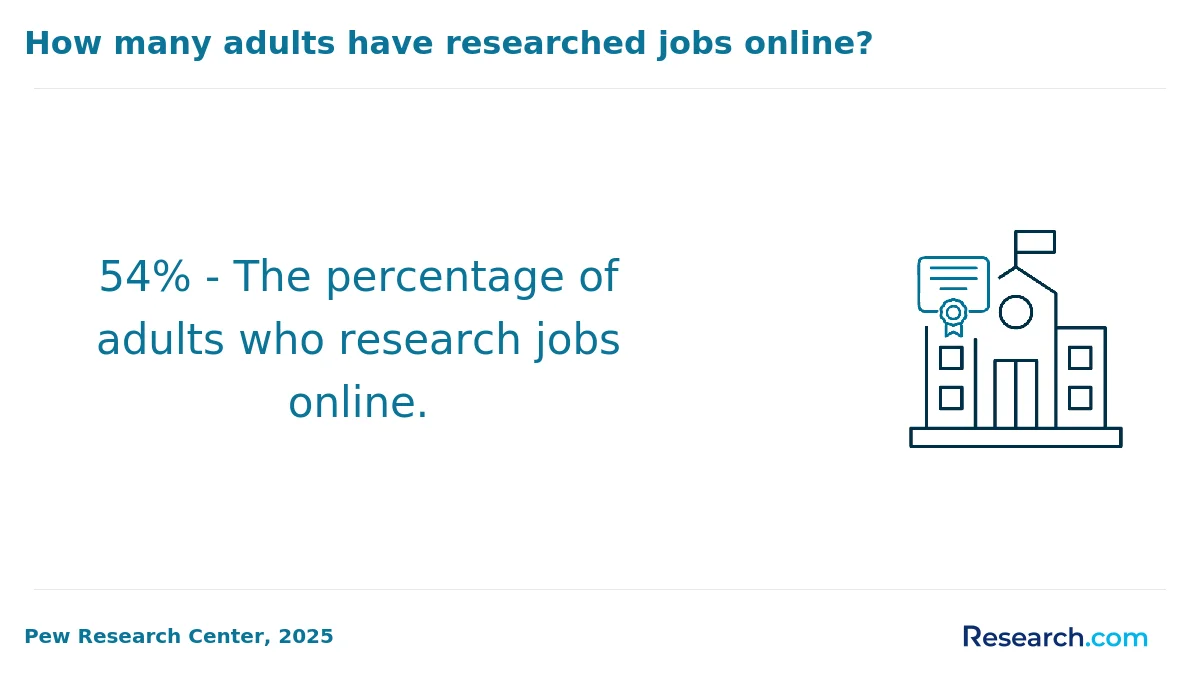
Trade school certification programs in Union are designed to equip students with practical skills aligned with local industry demands. Common trade school courses Union County vocational programs include automotive technology, diesel mechanics, and welding. Graduates from Universal Technical Institute in nearby Bloomfield frequently highlight how hands-on projects, such as troubleshooting vehicle electronic systems or mastering core welding processes with tools like VRTEX® virtual welders, build confidence for immediate employment.
Beyond technical skills, many students find value in health care and business certificate programs at institutions like Union College of Union County. Popular courses such as Certified Medical Assistant or Accounting Technician include essential topics like medical terminology and Microsoft Excel, blending theory with real-world applications. For those seeking flexibility, there are options to pursue low cost online welding certification programs that match local workforce standards while accommodating different schedules.
Other sought-after programs include Supply Chain Management and Real Estate Sales, which combine technical knowledge with practical job readiness. Graduates often remark on how Union NJ trade schools' tailored curriculum empowers them to step confidently into their careers with credentials recognized by the U.S. Department of Labor.
Choosing the best trade school certification program in Union means starting with your personal career goals and finding programs that match your interests. Graduates from Lincoln Tech appreciate programs that partner with companies like Audi and Mazda, giving them hands-on experience that boosts confidence and job readiness. Meanwhile, alumni of Union County College value certifications such as Microsoft Office Specialist, which they found directly improved their resumes and employment opportunities. When you compare Union NJ trade school costs, consider not only tuition but also the length and flexibility of the program; some offer evening classes to support students balancing work and family.
Accreditation is key-programs with recognized credentials ensure quality education and industry acceptance. Support services like job counseling and internships, common at Union-based institutions, make the transition from school to workforce smoother and more reassuring. For those interested in specialized fields, exploring options like a construction management trade school can add valuable skills and certifications aligned with market demand.
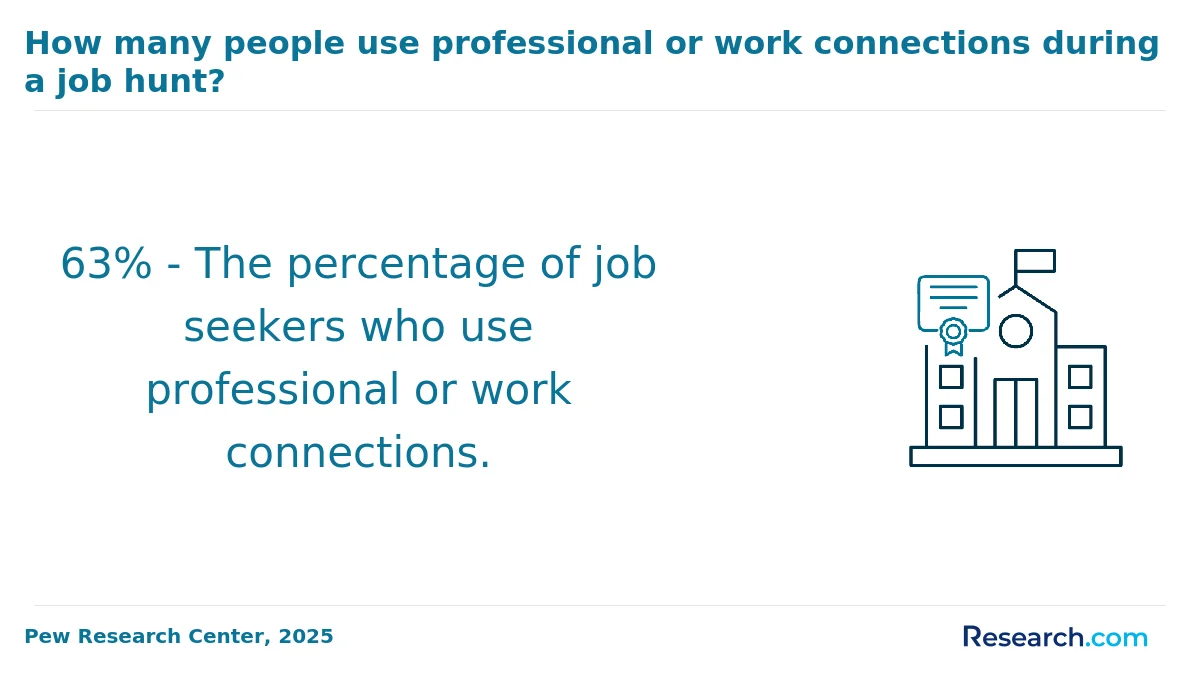
Trade school certification programs in Union open numerous career opportunities after trade school in Union NJ, especially in technical and healthcare fields. Graduates from automotive technology programs often secure roles as technicians or service advisors, gaining hands-on experience with major brands like Audi and Mazda. This practical training translates to tangible job prospects with competitive wages in local dealerships and repair shops.
Electrical trades and HVAC/R certifications lead to essential roles in construction and maintenance, with many students advancing from apprenticeships to journeyman status due to strong local employer support. Healthcare programs such as Certified Medical Assistant prepare graduates for fast-growing positions in hospitals and clinics, fueling steady employment in Union's healthcare sector.
- Cosmetology offers creative outlets as hair stylists and estheticians.
- Welding technology trains fabricators for manufacturing trades.
- Culinary arts open doors in hospitality and food service.
- Business administration certificates lead to entry-level finance and logistics jobs.
Internship partnerships at Union County Career and Technical Institute enhance trade school graduate jobs in Union County, providing real-world experience and connections. Many students recommend exploring low cost construction training programs online to supplement local certifications and expand career options further.
The Union NJ skilled trades job outlook for trade school certification program graduates is very promising. Schools like Lincoln Technical Institute and Union County Career and Technical Institute (UCCTI) offer hands-on training that leads directly to employment opportunities in fields such as automotive technology, electrical systems, and healthcare. Graduates regularly report entering the workforce quickly, often earning competitive salaries up to $60,000 annually. UCCTI's 100% graduation rate among full-time students highlights how well-prepared these individuals are for local industry demands.
Employment prospects are strengthened by strong partnerships with employers such as Audi and Johnson Controls, which actively recruit Union graduates. Many students benefit from internships or union apprenticeships that provide real-world experience before graduation. The Union New Jersey trade school graduate employment rate reflects this synergy, as students move smoothly into well-paying roles with high job readiness.
- High demand in automotive, construction, welding, and culinary arts trades
- Robust local employer engagement and internship placement
- Competitive earnings compared to some four-year degree entry-level jobs
For students exploring cost-effective pathways, options like cheap maintenance technician training online complement traditional Union programs, broadening access to skilled trades careers. Overall, these local programs offer a realistic, attractive option for stable employment in skilled trades.
Best Certificate Programs - Leading Certification Courses in Union for 2026
# 1 position
East Central College - Heating, Air Conditioning, Ventilation and Refrigeration Maintenance Technology/Technician.
certificate or diplomaThe Heating, Air Conditioning, Ventilation and Refrigeration Maintenance Technology/Technician program at East Central College offers hybrid learning with some distance-education options. It prepares students to repair, install, service, and maintain heating, air conditioning, and refrigeration systems using diagnostic techniques and testing equipment. The program covers mechanics, electricity, and electronics principles related to system repair. Annual in-state tuition is $3,888, and median earnings one year after completion are $36,118. It is accredited by the Higher Learning Commission.
# 2 position
East Central College - Industrial Mechanics and Maintenance Technology/Technician.
certificate or diplomaEast Central College offers a Hybrid Industrial Mechanics and Maintenance Technology/Technician program designed to prepare students to repair and maintain industrial machinery and equipment such as cranes, pumps, engines, and conveyor systems. The program provides technical knowledge applicable to various machinery including pneumatic tools and refinery systems. Annual in-state tuition is $3,888. The program is accredited by the Higher Learning Commission.
# 3 position
East Central College - Automobile/Automotive Mechanics Technology/Technician.
certificate or diplomaEast Central College offers a hybrid program in Automobile/Automotive Mechanics Technology/Technician that prepares students to repair, service, and maintain various automobile systems. The curriculum covers brake systems, electrical systems, engine performance and repair, suspension and steering, transmissions, and heating and air conditioning. Annual in-state tuition is $3,888. The program is accredited by the Higher Learning Commission and includes some distance-education options.
# 4 position
East Central College - Welding Technology/Welder.
certificate or diplomaEast Central College offers a Welding Technology/Welder program delivered in a hybrid format with some distance-education options. The program covers arc welding, resistance welding, brazing, soldering, and cutting techniques, including high-energy beam and solid-state welding. Students learn about welding metallurgy, structural design, safety, and relevant codes. Annual in-state tuition is $3,888. The program is accredited by the Higher Learning Commission.
Frequently Asked Questions about trade school certificates
After completing trade school certification programs in Union, preparing for the job market involves several key steps. First, graduates should update their resumes to highlight certifications, hands-on skills, and any internships completed during training. Networking plays a crucial role; connecting with local unions, employers, and trade associations in New Jersey can open job opportunities.
According to the U.S. Bureau of Labor Statistics, many trade sectors such as electrical and plumbing show growth rates above 8% through 2026, indicating strong demand in the region. Utilizing job placement services offered by trade schools in Union also improves employment chances.
Continued education and obtaining additional certifications can further enhance competitiveness in the local market.
Employers in Union seek trade school certification graduates with strong technical skills relevant to their specific industry, such as electrical, HVAC, plumbing, or welding expertise. According to the U.S. Bureau of Labor Statistics, more than 80% of employers emphasize hands-on proficiency as essential for job readiness. In addition to technical know-how, problem-solving and critical thinking abilities are highly valued, helping workers adapt to on-the-job challenges efficiently.
Communication skills also rank high, particularly teamwork and customer interaction capabilities. A 2023 survey by the National Association of Manufacturers reported 75% of manufacturers in New Jersey prioritize these soft skills alongside certifications. Time management and work ethic remain critical traits employers look for, ensuring reliability and productivity in fast-paced environments.
Finding internships in Union related to trade school certification programs starts with contacting your school's career services office. Many trade schools maintain partnerships with local businesses that offer hands-on internship opportunities. These collaborations can be vital in gaining relevant experience.
Additionally, Union's local workforce development centers provide resources and job placement assistance. According to New Jersey Department of Labor, these centers have helped over 3,500 residents in Union County connect with internships and apprenticeships annually.
Online job portals like Indeed and specific trade union websites often list internships by location and industry. Networking through professional associations linked to your trade can also enhance your chances.
Trade school certification programs in Union significantly enhance career mobility by providing specialized skills that are directly aligned with employer needs. According to the National Center for Education Statistics (NCES), individuals with a postsecondary certificate earn on average 20% more than those with only a high school diploma. In Union, industries such as manufacturing, healthcare, and construction highly value these credentials for advancing employees into higher-paying roles.
Certification often results in quicker entry into the workforce and opens pathways to supervisory or technical positions. State labor reports indicate a steady increase in demand for certified workers, reflecting stronger job security and career growth opportunities. This makes trade school credentials a practical choice for those seeking advancement without the time or cost of traditional degrees.
Students enrolled in trade school certification programs in Union can benefit from part-time job opportunities related to their field of study. Jobs such as apprentice electricians, HVAC assistants, and certified nursing aide aides allow practical experience while earning income. According to the U.S. Bureau of Labor Statistics, Union's strong manufacturing and healthcare sectors provide growing demand for these roles.
Positions like welding assistants or automotive technicians also complement technical certification programs, offering hands-on skills development. Local companies often seek part-time workers with trade backgrounds to support project needs while accommodating class schedules.
Working in such relevant roles not only reinforces learned concepts but can improve employment prospects after program completion.
To choose the best degree program near Union, MO, start by identifying your career goals and areas of interest, then search for programs available near me that align with those goals. Consider factors such as accreditation status, faculty qualifications, and campus facilities when evaluating potential universities and colleges. Research.com is a helpful resource to find rankings and reviews of institutions, ensuring informed decisions about programs and universities available in your area.
- Becoming a Union Tradesperson |Building Advantage https://buildingadvantage.org/becoming-a-union-tradesperson/
- The Value of Trade and Career Schools: Top Institutions for Skill-Based Education https://excelonassociates.com/the-value-of-trade-and-career-schools-top-institutions-for-skill-based-education/
- Trade Schools: Choose a Vocational School for Your Best Career! https://www.trade-schools.net/
- Trade Schools & Certification Programs - ccmrwithmsthrash https://ccmrwithmsthrash.com/trade-schools-certifications/
- Internship Programme | UN Trade and Development (UNCTAD) https://unctad.org/page/internship-programme
- 10 Highest-Paying Trade Jobs - No Degree Required https://www.accreditedschoolsonline.org/vocational-trade-school/highest-paying-trade-jobs/
- 7 Tips for a Smoother Transition from Trade School to Career | Refrigeration School, Inc. (RSI) https://www.rsi.edu/blog/skilled-trades/7-tips-for-a-smoother-transition-from-trade-school-to-career/
- College vs Trade School: Which Path Is Right for You? https://www.bridgeyear.org/college-vs-trade-school/
- Petersonsdata https://petersonsdata.com/
- Union Plus Scholarships for Union Members and Their Children | Union Plus https://www.unionplus.org/benefits/education/union-plus-scholarships