
Best Certificate Programs - Leading Certification Courses in Twin Falls for 2026

Co-Founder and Chief Data Scientist
Choosing the right trade school certificate program in Twin Falls can shape your future. This article introduces a carefully crafted ranking of the best certificate programs, developed by the Research.com team of data scientists. Their goal is to help you confidently explore your options and find programs that truly fit your career goals.
Discover how earning a trade school diploma or certification can open doors to rewarding jobs and personal growth. Whether you’re starting fresh or advancing your skills, this guide provides valuable insights to support your journey.
Key benefits of getting trade school certificate in Twin Falls
- Expected salary: Trade school graduates in Twin Falls can earn solid incomes, like veterinary technicians averaging $55,706 annually, electrical apprentices making $49,920 to $58,240 per year, and rain gutter installers starting around $36,400 yearly.
- Popular careers: Graduates find success in diverse fields such as animal care, electrical work, construction, maintenance planning, and telecommunications, with many enjoying steady job demand and opportunities to grow their skills locally.
- Online certification benefits: Earning a trade school certificate online offers flexibility and convenience, allowing students to balance work and study while still accessing quality training recognized by employers in Twin Falls.
- Best Certificate Programs - Leading Certification Courses in Twin Falls for 2026
- What can I expect from trade school certification programs in Twin Falls?
- Where can I work with trade school certification in Twin Falls?
What can I expect from trade school certification programs in Twin Falls?
The average cost of a trade school certification program in Twin Falls is both accessible and reasonable, with many students discovering a path to rewarding careers without overwhelming debt. For instance, graduates from the Electrical Apprenticeship at the College of Southern Idaho highlight how the total cost, including books, is around $1,195. This affordability makes it possible for those eager to learn hands-on skills-like welding, medical assisting, or electrical work-to focus on mastering their craft instead of worrying about tuition.
Students frequently share how the investment feels worthwhile when considering the strong job placement support and nationally recognized certifications they earn. Many feel confident stepping into their first job, knowing they are prepared with training aligned with industry standards. Whether balancing day classes, evening sessions, or online learning options, Twin Falls trade school attendees often describe their experience as empowering, practical, and tailored to their busy lives.
Where can I work with trade school certification in Twin Falls?
Graduates from trade school certification programs in Twin Falls step confidently into a vibrant job market where hands-on skills are in high demand. Many find rewarding careers at major employers like St. Luke's Magic Valley Regional Medical Center, where certified medical assistants and nursing aides play crucial roles in healthcare teams. Others thrive in the bustling food production sector with companies like Chobani and Lamb Weston, maintaining machinery or ensuring quality control in a dynamic environment.
Retail giants such as Walmart and Costco, along with logistics leaders like Lineage Logistics, offer opportunities for certified workers in roles ranging from inventory management to forklift operation, making everyday tasks exciting and essential. Graduates entering construction and skilled trades enjoy steady work with local contractors on projects that literally build the community.
Many students from Twin Falls trade schools describe the pride they feel when applying their skills locally, knowing their work supports families and strengthens the economy. These career paths aren't just jobs-they are gateways to independence and fulfillment right here in their hometown.
After completing a trade school certification program in Twin Falls, graduates often step into careers offering strong and competitive wages that quickly boost financial stability. Many find themselves earning between $24 and $28 per hour in technical roles, such as maintenance clerks who start at about $23.85 per hour, or rain gutter installers reaching nearly $700 weekly, adding up to around $36,400 annually. These figures reflect real opportunities that recent graduates from well-known Twin Falls trade schools are enjoying today.
Imagine starting a hands-on electrical apprenticeship in Twin Falls, where paid training builds your skills and benefits immediately. Graduates report an impressive 93% employment rate after completing these programs, with salaries averaging $77,000 a year statewide. This means that by committing to your certification, you're opening the door to not only a job but a career with growth, security, and rising income. Local employers also offer perks like health insurance and retirement plans, making your journey from student to skilled professional even more rewarding.
- Casey: Earning my HVAC certification in Twin Falls was a game-changer. The hands-on training prepared me perfectly for a job with a local company. I loved how supportive the instructors were, and now I'm proud to contribute to our community by keeping homes comfortable year-round.
- Javier: The welding program gave me the skills I needed to land a great job in Twin Falls' booming construction industry. The balance of classroom learning and real-world projects boosted my confidence. Studying here felt like an investment in a solid career path I truly enjoy.
- Karla: Taking the medical assistant course at the Twin Falls trade school was more rewarding than I expected. The friendly environment helped me thrive, and securing a position at a local clinic was incredible. This certification opened doors I didn't think possible.
- Twin Falls offers over 45 trade school and technical certification programs, typically lasting from 6 months to 1.5 years, with some associate degrees taking up to two years.
- Most programs require a high school diploma or equivalent, and some require proof of citizenship or legal residency due to federal rules starting in 2025.
- Program costs range from about $9,900 to $16,700, with financial aid and flexible payment options available; high school students may pay reduced fees through Technical Competency Credit (TCC).
- Job placement rates are high, with some programs reporting up to 98%, and Idaho career graduates achieving a 93% employment or continued education rate.
- Starting salaries typically range from $35,000 to $45,000, while experienced professionals in fields like HVAC and welding can earn $55,000 to $70,000 annually.
In Twin Falls, many trade school certification programs can be completed in as little as six months, making it an exciting and achievable goal for those eager to start a new career quickly. Graduates from programs at the College of Southern Idaho Workforce Training Center often share how they balanced full-time jobs while finishing their electrical or plumbing apprenticeships in just 24 weeks, feeling empowered as they earned credentials that opened doors to steady, skilled work.
For those pursuing shorter certificates like welding or Certified Nursing Assistant training, the six-month timeline means transforming their lives swiftly, gaining valuable skills and confidence to enter the workforce. Others choose apprenticeship-based paths where classroom learning is fast-paced, supplemented by hands-on experience that adds depth without extending the wait too long.
While some programs stretch up to two years for associate degrees or more specialized fields, many students appreciate the flexible daytime and evening options that fit their schedules. The feeling of steady progress and visible milestones keeps motivation high as these Twin Falls learners move toward careers that truly matter.
Choosing between online and on-campus trade school certification programs in Twin Falls means embracing different learning experiences tailored to your lifestyle and goals. On-campus programs at the College of Southern Idaho offer an immersive, hands-on journey where graduates recall working side-by-side with instructors and peers, practicing skills on real equipment in welding or electrical fields. This face-to-face interaction sparks confidence and creates lasting connections, making the learning process dynamic and empowering.
Alternatively, online programs through platforms like CTE Digital deliver flexibility that many appreciate-especially adult learners balancing family or jobs in rural areas around Twin Falls. Graduates from these programs cherish the freedom to study anytime, advancing through courses like medical billing or IT at their own pace without sacrificing quality.
Many find hybrid models the perfect middle ground, blending digital lessons with essential on-campus labs, ensuring both convenience and practical experience. Whatever path you choose, Twin Falls offers supportive opportunities to launch a rewarding career, fitting your unique rhythm and aspirations.
In Twin Falls, the average trade school cost Twin Falls can range widely, but many students find inspiration knowing opportunities exist within reach. For example, graduates of the College of Southern Idaho (CSI) celebrate completing certification programs by investing between $3,360 and $5,040 in tuition alone, thanks to affordable per-credit rates for in-district residents. This lower tuition makes it possible for local students to pursue their goals without overwhelming financial stress.
Trade certification tuition and fees for private schools like Aveda Institute Twin Falls tend toward the higher end, with net prices between $17,852 and $23,341. Graduates from hands-on programs in cosmetology and esthetics often share how this investment transformed their lives, enabling them to enter passionate careers full of creative freedom.
For those drawn to specialized skills, welding academies in Twin Falls offer courses at set rates-such as $2,800 for a Pipe Welding Course or $3,800 for advanced GTAW classes. Graduates appreciate these programs' shorter durations and clear costs, which provide rapid pathways to stable, rewarding jobs.
Many students reduce their expenses through aid like the Idaho LAUNCH grant, which covers up to 80% of tuition. This makes pursuing a trade more accessible than ever, especially in programs ranging across the $8,000-$18,000 spectrum for a full year.
To explore growing opportunities, prospective students can consider certificate hvac courses online as a flexible and cost-effective option complementing Twin Falls programs.
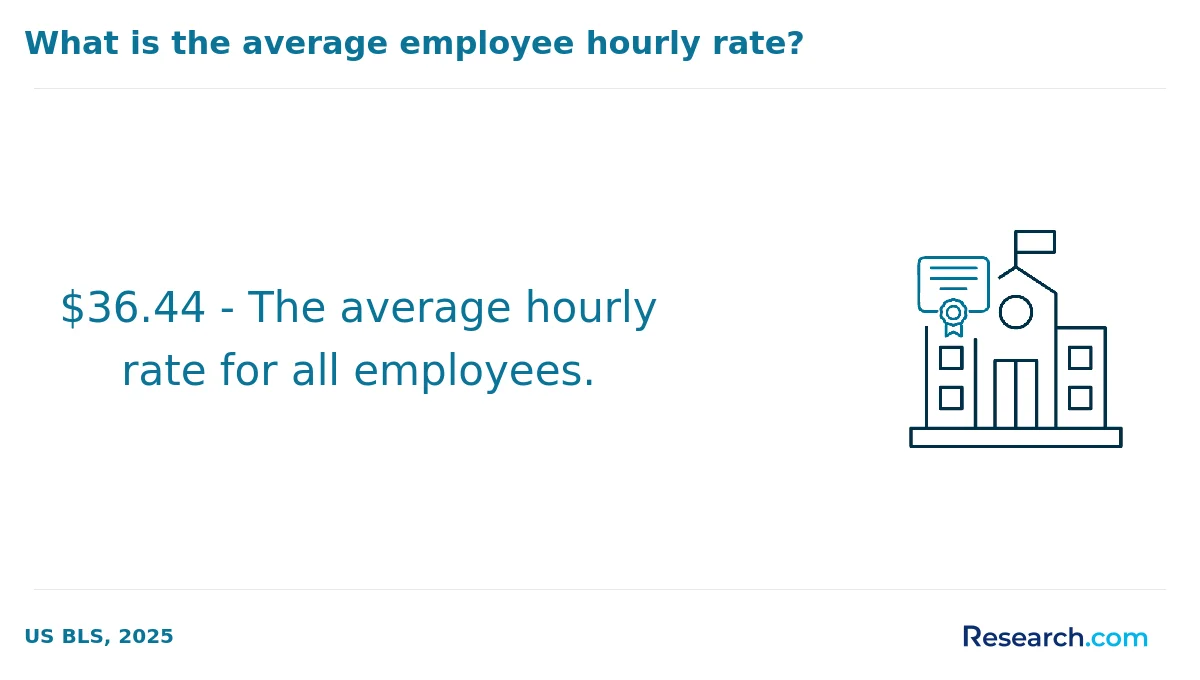
Students pursuing trade school certification programs in Twin Falls can tap into a variety of financial aid options that open doors to their careers without overwhelming debt. Many graduates recall how the Free Application for Federal Student Aid (FAFSA) was their first step toward affordable education, unlocking federal grants like the Pell Grant and low-interest loans that covered tuition and living costs. These programs make the dream of skilled trades education within reach.
For those attending institutions such as the College of Southern Idaho, state support through the Idaho LAUNCH grant is a game-changer-offering up to $8,000 to cover up to 80% of tuition, especially for Idaho residents. Graduates often share how this grant eased financial pressure and allowed them to focus fully on learning.
Scholarships, both merit-based and need-based, further lighten the load, while veterans benefit tremendously from the GI Bill, fueling their transition to civilian careers. With regional accreditation ensuring access to aid, Twin Falls students can confidently step into hands-on, rewarding trades with financial backing designed just for them.
Enrolling in trade school certification programs in Twin Falls is surprisingly accessible, with minimal barriers standing between you and a rewarding career. Many programs, like the Welding Level 1 TIG Training or the Electrical Apprenticeship offered through the College of Southern Idaho, require no prior experience, coursework, or entrance exams. Graduates often share how starting fresh without intimidation helped them focus on hands-on skills and real-world applications from day one.
Here's what you typically need to get started:
- Be at least 16 or 18 years old, depending on the program.
- Provide proof of age and sometimes a high school diploma or GED.
- Meet U.S. citizenship or eligible non-citizen status for certain federally funded courses.
High school students can also participate through Career and Technical Education courses connected with local schools and CSI, making the journey smoother by earning credits early. Imagine stepping into a welding class as a high schooler and already having a head start on your certification-many Twin Falls students have found this inspiring and motivating.
Even for specialized certifications like ServSafe, openness means anyone driven can join, with renewal exams ensuring your skills stay sharp. Fellow graduates often express how this friendly entry process welcomed them from all walks of life, making Twin Falls trade schools a true launchpad for success.

Trade school certification programs in Twin Falls feature certificate program courses in Twin Falls that focus on practical skills and real-world applications. Graduates from local schools like the College of Southern Idaho often share how their welding technology classes taught them not only blueprint reading but also masterful techniques in MIG and TIG welding, preparing them for immediate success on the job. Automotive technology students describe hands-on experiences diagnosing complex electrical systems, making their transition into the workforce smooth and confident.
Programs in construction technology and HVAC provide students with a strong foundation in building codes, safety, refrigeration principles, and system troubleshooting. These courses, combined with math and project management, empower learners with comprehensive skills highly valued by employers.
The trade school curriculum Twin Falls Idaho also includes healthcare certifications like CNA training, emphasizing patient care and clinical experience that enable students to enter compassionate, rewarding healthcare roles quickly. For those exploring electrical careers, there are low cost electrical lineworker programs online that complement local training opportunities and expand learning options beyond Twin Falls. This blend of classroom and hands-on training creates graduates ready to thrive in their careers.
Choosing the best trade school programs in Twin Falls means focusing on more than just the curriculum - it's about finding a program that matches your lifestyle and career aspirations. Graduates from local schools often speak highly of hands-on labs and apprenticeships that blend classroom learning with real-world skills, making their transition to jobs much smoother. Many programs in Twin Falls also offer flexible schedules with evening and weekend classes, ideal for balancing work or family life.
For those wondering how to compare Twin Falls trade school costs, consider not only tuition but also the value of job placement rates and student support services. Schools like the College of Southern Idaho provide nationally recognized certifications that open doors across Idaho and beyond, giving students confidence in their investment. Hearing success stories from graduates who now work in manufacturing, HVAC, or construction reveals how well these programs align with local demand.
Explore your options carefully and take advantage of insights from employers and program coordinators. To understand which careers are truly booming and what skills employers seek, check out resources like best trade school job data. This clarity will empower you to choose a certification program that sets you on a rewarding path in Twin Falls.

Graduates of trade school certification programs in Twin Falls discover a wealth of career opportunities tailored to the needs of local industries. Many find rewarding roles in healthcare, becoming Certified Nursing Assistants or medical assistants, where their skills support growing community health services. Practical trades also open doors to skilled trades jobs in Twin Falls Idaho, including welding, electrical work, and HVAC, empowering graduates to enter the workforce quickly with valued credentials from programs like the Electrical Apprenticeship Training at CSI.
Business and professional pathways provide promising options too. Graduates often excel in office administration, bookkeeping, and customer service, fueling Twin Falls' expanding service economy. Other exciting fields extend into culinary arts, agriculture, and IT, reflecting the diverse training available locally.
Graduates share stories of stepping confidently into jobs that match their ambitions, supported by programs designed for real-world demands. The high placement rates highlight the community's trust in these pathways. For those seeking more insight on what is the value of vocational education, explore what is the value of vocational education.
The job market for trade school certification program graduates in Twin Falls is thriving, offering strong opportunities for those completing local programs. Graduates from popular trade schools in the area often find immediate employment thanks to excellent alignment between coursework and regional industry needs. Many report positive experiences securing roles such as electrical apprentices, rain gutter installers, or warehouse associates shortly after graduation.
Local employers value hands-on skills, which means graduates enjoy advantages like paid training and competitive starting salaries around $700 weekly for full-time positions. This reflects the encouraging Twin Falls employment outlook for certified trades, where 93% of technical college completers either launch their careers or continue advancing their education.
Here's what makes the trade school job opportunities in Twin Falls so promising:
- Strong partnerships between trade schools and local industries ensure real-world internships and job placements.
- High demand in sectors including manufacturing, construction, and healthcare.
- A clear path for career growth with salaries reaching six figures for experienced specialists.
For those weighing their options, understanding vocational school vs college can provide clarity on how practical skills training translates to lasting employment in Twin Falls.
Best Certificate Programs - Leading Certification Courses in Twin Falls for 2026
# 1 position
College of Southern Idaho - Baking and Pastry Arts/Baker/Pastry Chef.
certificate or diplomaThe College of Southern Idaho offers a hybrid Baking and Pastry Arts/Baker/Pastry Chef program designed to prepare students for professional roles in commercial baking establishments. The curriculum covers bread and pastry making, handling, storage, cake decorating, baking industry operations, product packaging, marketing, and service. Annual in-state tuition is $3,360. The program is accredited by the Northwest Commission on Colleges and Universities.
# 2 position
College of Southern Idaho - Heating, Air Conditioning, Ventilation and Refrigeration Maintenance Technology/Technician.
certificate or diplomaThe College of Southern Idaho offers a hybrid program in Heating, Air Conditioning, Ventilation and Refrigeration Maintenance Technology/Technician. This program teaches technical skills to repair, install, service, and maintain HVAC and refrigeration systems. Instruction covers diagnostic techniques, use of testing equipment, and principles of mechanics, electricity, and electronics. The program’s annual in-state tuition is $3,360 and it is accredited by the Northwest Commission on Colleges and Universities.
# 3 position
College of Southern Idaho - Industrial Mechanics and Maintenance Technology/Technician.
certificate or diplomaThe Industrial Mechanics and Maintenance Technology/Technician program at the College of Southern Idaho offers a hybrid format with some distance-education options. It prepares students to repair and maintain industrial machinery such as cranes, pumps, engines, conveyor systems, and refinery equipment. The program is accredited by the Northwest Commission on Colleges and Universities. Annual in-state tuition is $3,360.
# 4 position
College of Southern Idaho - Welding Technology/Welder.
certificate or diplomaThe Welding Technology/Welder program at College of Southern Idaho offers a hybrid learning format, combining in-person and distance education. It covers essential skills such as arc welding, resistance welding, brazing, and cutting, along with welding metallurgy and safety standards. The program is accredited by the Northwest Commission on Colleges and Universities. Annual in-state tuition is $3,360, preparing students for technical roles in metal joining and cutting industries.
# 5 position
College of Southern Idaho - Dental Assisting/Assistant.
certificate or diplomaThe College of Southern Idaho offers a hybrid Dental Assisting/Assistant program designed to prepare students for patient care, dental radiography, and office administrative duties under supervision. Instruction covers medical record-keeping, patient intake, scheduling, equipment maintenance, sterilization, radiography, chairside assisting, and supervised practice. The program is accredited by the Northwest Commission on Colleges and Universities. Annual in-state tuition is $3,360.
# 6 position
College of Southern Idaho - Nursing Assistant/Aide and Patient Care Assistant/Aide.
certificate or diplomaThe Nursing Assistant/Aide and Patient Care Assistant/Aide program at the College of Southern Idaho offers a hybrid format with some distance-education options. It prepares students to perform routine nursing-related services to patients under the supervision of registered or licensed practical nurses in hospitals or long-term care facilities. The program’s annual in-state tuition is $3,360. Graduates earn a median salary of $41,598 one year after completion. It is accredited by the Northwest Commission on Colleges and Universities.
Frequently Asked Questions about trade school certificates
After completing trade school certification programs in Twin Falls, preparing for the job market involves practical steps to enhance employability. First, graduates should develop a professional resume highlighting technical skills and certifications gained, tailored to local industries such as manufacturing, healthcare, and construction.
Networking plays a crucial role; connecting with local employers through job fairs or the Twin Falls Chamber of Commerce can increase job opportunities. According to the Idaho Department of Labor, Twin Falls has a 3.9% unemployment rate, with steady demand for skilled trades workers.
Internships and apprenticeships remain effective pathways, providing hands-on experience and often leading to full-time employment. Additionally, continuous learning through online courses or certifications can keep skills current in a competitive market.
Employers in Twin Falls prioritize practical skills when hiring graduates from trade school certification programs. According to recent data from the Idaho Department of Labor, technical proficiency related to the specific trade-such as electrical, plumbing, or HVAC skills-is essential.
In addition to hands-on expertise, employers emphasize strong problem-solving abilities and attention to detail. These skills help graduates adapt to varied work environments and troubleshoot effectively on the job. Communication skills also rank highly, as teamwork and clear instructions are vital in most trade roles.
Soft skills like punctuality, work ethic, and reliability consistently stand out in local employer surveys, underscoring their importance alongside technical training. Mastery of safety protocols is another key expectation, given the physical nature of many trades in Twin Falls.
Finding internships in Twin Falls relevant to your trade school certification program involves a few strategic steps. Start by contacting your school's career services or internship coordinator, as many local employers collaborate directly with trade schools to offer internship opportunities. Additionally, the Twin Falls Chamber of Commerce and the South Central Workforce Development Council provide resources and job listings specific to the region.
Local businesses in fields such as manufacturing, healthcare, and construction often seek interns with technical skills. According to Idaho Department of Labor data, Twin Falls has experienced growth in apprenticeships and internships in skilled trades, reflecting a positive market for students. Networking at industry events and joining professional associations relevant to your trade can also lead to internship opportunities.
Trade school certification programs in Twin Falls significantly enhance career mobility by providing practical skills aligned with local industry demands. According to data from the Idaho Department of Labor, many employers in Twin Falls prefer candidates with certified technical training, especially in fields like healthcare, manufacturing, and construction.
Certification can lead to higher starting wages and greater job security compared to non-certified peers. For example, certified workers in construction trades often earn 10-20% more, enabling faster career advancement.
In addition, these programs offer a pathway to middle-skill jobs, which constitute nearly 50% of regional employment opportunities, promoting social and economic mobility for residents.
Employers in Twin Falls also value certifications for reducing on-the-job training time, which can open doors for promotions and specialized roles over time.
Part-time job opportunities in Twin Falls can effectively complement trade school certification programs by providing practical experience alongside academic learning. Many students find roles in local retail stores, restaurants, and warehouses, which offer flexible hours suitable for study schedules. According to the U.S. Bureau of Labor Statistics, the Twin Falls metropolitan area has a growing demand for skilled labor in construction, manufacturing, and healthcare sectors. Jobs such as apprentice electrician, medical assistant, or machine operator allow students to apply technical skills directly related to their certifications. Engaging in these roles can enhance both resumes and real-world competencies, facilitating smoother transitions to full-time employment.
To choose the best degree program near Twin Falls, ID, consider factors such as program accreditation, curriculum, faculty qualifications, and student support services available at local universities or colleges. Research.com can be a valuable resource for comparing programs based on these criteria and finding detailed information about institutions near you. Additionally, visiting the campus and speaking with academic advisors can provide insight that aligns with your personal preferences and career goals.
- College of Southern Idaho | School Authority https://schoolauthority.org/colleges/college-of-southern-idaho
- Client Challenge https://www.tfsd.org/o/tfsd/page/career-and-technical-education
- CSI Workforce Development and Training | Serving Idaho | Workforce | CSI https://workforce.csi.edu/
- Vocational vs. Trade School: Choosing the Right Path https://www.genesiscareer.edu/vocational-vs-trade-school-guide/
- Career and Technical Education | College of Southern Idaho https://www.csi.edu/career-technical-education/default.aspx
- Exploring the Benefits of Trade Schools for Career-Focused Students | MoldStud https://moldstud.com/articles/p-exploring-the-benefits-of-trade-schools-for-career-focused-students
- The Differences Between Certificates, Credentials & Degrees https://diplomasafe.com/credential-vs-certificate/
- Trade School Careers: Why Trade Schools Result In High Demand Jobs https://intercoast.edu/articles/trade-school-careers-why-trade-schools-result-in-high-demand-job-opportunities-for-its-graduates/
- Trade + Industry Skills @ CSI - Center for Career Exploration https://www.ccefarandwise.org/experiences-camps/trade-industry-skills-csi
- Trade School Careers https://auto.edu/blog/trade-school-careers


