
Best Certificate Programs - Leading Certification Courses in Santa Maria for 2026

Co-Founder and Chief Data Scientist
Choosing the right certificate program can shape your future in Santa Maria’s growing job market. This article helps you explore the best trade school certificate programs for 2026, based on a ranking developed by the Research.com team of data scientists.
By reading, you’ll gain clear, trustworthy insights to make confident decisions about your education. Trade school diplomas and certifications offer practical skills that open doors to rewarding careers. Whether starting fresh or changing paths, this guide supports your journey toward success with valuable information tailored just for you.
Key benefits of getting trade school certificate in Santa Maria
- Strong earning potential: Trade school graduates in Santa Maria can earn competitive salaries, such as $85,000 to $120,000 in automotive, $50,000 to $70,000 in construction trades, and up to $117,000 in technology fields, making certification a smart investment.
- Diverse career paths: Graduates often pursue roles like technical trainers, HVAC technicians, medical assistants, or cybersecurity specialists, showing that trade certificates open doors in many exciting and stable industries.
- Flexible online learning: Completing a trade certification online allows students to study at their own pace, balance work or family commitments, and start their careers faster compared to traditional classes, as many successful Santa Maria graduates report.
- Best Certificate Programs - Leading Certification Courses in Santa Maria for 2026
- What can I expect from trade school certification programs in Santa Maria?
- Where can I work with trade school certification in Santa Maria?
What can I expect from trade school certification programs in Santa Maria?
Expect to invest between $5,000 and $15,000 for a trade school certification program in Santa Maria, depending on the field and duration. Graduates from places like the Center for Employment Training or Carrington College often recall balancing tight budgets but feeling the cost was a small price for the doors opened afterward. One graduate who completed a medical assisting certification described hands-on training with real autoclaves and EKG machines as priceless experience, adding that the tuition was worth every dollar when employers lined up for interviews.
Students in construction or technical programs, where safety and industry regulations are drilled weekly, frequently mention the joyful surprise of finding classroom theory paired with real projects-something that made every dollar spent feel like an investment in future paychecks. Evening classes make advanced technical skills accessible without breaking the bank on full-time earnings lost.
Remember, these programs don't just hand out certificates; they craft confident, job-ready pros through partnerships with local employers and hands-on externships-making the financial commitment feel less like expense and more like launching a career.
Where can I work with trade school certification in Santa Maria?
After finishing a trade school certification program in Santa Maria, your job options open wide like the sunlit Central Coast sky. Graduates often step right into hands-on roles where their skills shine immediately-imagine starting as an HVAC technician, fixing the air conditioning on a sweltering summer day in a local business, or becoming a medical assistant, efficiently supporting doctors in a bustling outpatient clinic downtown.
Others find themselves on construction sites around town, working as building maintenance technicians or construction laborers, directly contributing to Santa Maria's growing neighborhoods and commercial spaces. Skilled office administration graduates land smoothly into busy government or company offices, managing paperwork and schedules with confidence, much like those trained at the city's trusted trade schools known for real-world preparation.
Many graduates share stories of quick hires and proud moments-the thrill of solving a technical problem at a local contractor's or the satisfaction of being the friendly face that keeps an office running. Trade schools here connect learners with a community of employers eager for driven, certified pros ready to make an impact straight away.
Picture this: fresh out of a trade school certification program in Santa Maria, a graduate lands a tire technician job earning between $18.53 and $22 per hour. That's enough to cover rent and still have cash left for weekend fun. Another grad, trained as a concrete finisher, clocks in at $29 to $36 an hour, turning hands-on skills into solid paychecks that feel like real achievement.
Think bigger-sheet metal workers here pull in an average salary of $49,070 per year, with beginners starting near $29,960 and veterans topping out at $81,540. Imagine going from learning your craft at a Santa Maria trade school to earning well above the national average-certificates in hand, pride growing with every paycheck.
Field service techs and CDL-certified delivery drivers also find steady work, making $24 to $33 per hour or about $19 hourly respectively. Graduates from Santa Maria's vibrant trade schools often tell stories of paid training turning their uncertain futures into confident career paths.
And with California's prevailing wage laws boosting pay on public projects, certified pros in Santa Maria know their skills translate to solid earning potential-no more guessing, just real dollars and upward momentum.
- Carlos: Studying HVAC certification in Santa Maria was life-changing. The hands-on training was intense but rewarding, and local employers value this expertise highly. I quickly found a job installing systems, earning more than I expected. The school's supportive instructors made all the difference in building my confidence.
- Ana: Earning my welding certification here gave me both skills and pride. The program balanced theory with practice perfectly, preparing me for the demands of Santa Maria's manufacturing sector. It felt empowering to enter the workforce knowing I was truly qualified and ready to succeed.
- Javier: The electrical trade certification opened doors I never thought possible. The school's strong community connections helped me secure an apprenticeship right after graduating. I appreciate the practical lessons focused on real-world challenges, which made me feel capable and excited about my future in Santa Maria's construction industry.
- Trade schools in Santa Maria offer programs in healthcare, business, green construction, HVAC, and IT.
- Admissions are open year-round with full-time and evening class options available.
- Most certificate programs can be completed in under one year for quicker workforce entry.
- Tuition typically ranges from $10,000 to $20,000, excluding materials and fees, with financial aid and scholarships available.
- Starting salaries range from $38,000 to $55,000 in medical fields and $40,000 to $50,000 for trades like HVAC.
- Programs include job placement help, internships, and hands-on training to prepare students for employment.
In Santa Maria, wrapping up a trade school certification program usually takes less than a year-often between eight and twelve months. Imagine diving into the Center for Employment Training's hands-on Green Building & Construction Skills track and walking out ready for a job in just 8 to 9 months.
Graduates from medical assistant or HVAC programs at the same school share stories of intense but rewarding days, balancing focus with excitement knowing they're on a fast track to employment. Classes run Monday through Friday, either mornings or evenings, making the grind feel like a steady rhythm rather than a slog.
Most students find the competency-based approach particularly motivating-master a skill, move forward, no waiting around. This often lets go-getters finish ahead of schedule and jump into careers sooner than expected.
Year-round enrollment means you're never stuck waiting for a new semester - you start when you're ready, fueling that feeling of progress and momentum.
Imagine juggling a busy life in Santa Maria-work, family, errands-and still carving out time for certification. Online trade school programs, like those from Allan Hancock College, become your personal classroom anytime, anywhere. You watch digital lectures in your pajamas, pause to practice skills, and dive into virtual discussions at your own pace. Graduates often say this freedom felt like a fresh breeze amid a hectic schedule.
Now, picture stepping onto the campus of the Center for Employment Training. Here, it's all about hands-on hustle-handling real EKG machines or mastering injection arm trainers. The buzz of students learning side-by-side, instructors nearby, makes your progress feel immediate and tangible. Full-time attendance means structured days but also constant access to tutors, counselors, and job placement support that online courses can't replicate as closely.
One Santa Maria graduate recalls how the on-campus vibe boosted confidence through peer interaction, while another credits online flexibility for finally finishing their certification without quitting work. Your choice swings on whether you crave in-person energy or remote adaptability.
The average cost of a trade school certification program in Santa Maria typically lands between $11,476 and $16,375, depending on which path you choose. For those enrolling in popular hands-on programs at the Center for Employment Training, tuition for certifications like Business Office Administration or HVAC Technician falls snugly within this range. Graduates often share stories of diving into their courses, appreciating how their fees cover not just instruction, but also textbooks, uniforms, and all the essential tools that prepare them realistically for the job market.
Imagine a student in the Electrician program, where costs reach the higher end around $16,375, investing in a career that lights up homes and businesses. Others, pursuing Medical Assistant training, find a sweet spot nearer to the median, confident that their tuition bundles all the physical resources they need right into one package. Those choosing shorter programs, like truck driver certifications, encounter a friendlier price tag from $5,875 to $11,476, reflecting less time in class but still delivering the skills to hit the road professionally.
Santa Maria's trade school certification cost offers value that resonates statewide, yet locals tend to pay a bit more for the comprehensive experience CET provides. For any student weighing options, it's wise to explore financial aid and use tools like institutional net price calculators. Curious future learners can also explore the best vocational trade online training schools that match their ambitions while being budget-conscious.
Imagine starting your trade school journey in Santa Maria with the weight of tuition lifted off your shoulders. At schools like CET-Santa Maria, many grads recall the relief of receiving the Federal Pell Grant-sometimes averaging as much as $15,572-which doesn't need to be paid back. It's like a hidden treasure chest for those who qualify, helping turn dreams into hands-on skills.
Beyond that, the Federal Supplemental Educational Opportunity Grant (FSEOG) steps in for students with deep financial need, adding a little extra cushion. California sweetens the deal with the Cal Grant C Award, designed specifically for vocational programs. Students who file a FAFSA or the California Dream Act Application often find this grant feels like a friendly nudge toward their goals, no GPA hoops to jump through.
Plus, part-time work-study jobs on campus let you earn while you learn, blending cash flow with real-life experience. And if you've got a family pitching in, Parent PLUS loans fill gaps so nobody's left behind. Special grants like the Chafee Foster Youth Grant offer up to $5,000 yearly, lifting foster youth toward brighter futures.
Financial Aid Officers at local Santa Maria trade schools become trusted guides, helping you navigate applications and deadlines with ease-so your focus stays where it matters: on building your new career.
If you're dreaming of jumping into a trade school certification program in Santa Maria, the entry requirements are refreshingly doable. Most programs ask for a simple starting point: a high school diploma or GED equivalent. Imagine a former graduate who walked in with just that and enthusiasm-no maze of tests or mountains of paperwork awaited. The goal? To ensure you have essential reading, writing, and math skills to breeze through hands-on coursework.
Many students from the Center for Employment Training found the journey inviting because prior experience isn't mandatory. Their programs-spanning HVAC, green construction, or medical assisting-welcome adults ready to dive in full-time with year-round enrollment. No SAT drama here!
Some notes to keep in mind:
- Basic skills assessments might pop up to confirm readiness, but they're low-stress and supportive.
- Healthcare tracks may ask for immunization proofs, background checks, or health screenings, ensuring safety and compliance.
- Advanced programs might require extra prerequisites like CPR certification, but most paths keep it simple.
It's a system designed for real people with real ambition, making that first step toward a new career feel achievable and welcoming.
In Santa Maria trade school courses, students dive straight into practical skills that unlock fast career doors. Graduates often rave about their Business Office Administration classes, where mastering business communication and customer service feels like leveling up for any admin role in the city's bustling companies.
Others find themselves energized by Green Building & Construction Skills, learning how to read blueprints and manage projects with an eco-friendly twist-perfect for today's growing green market in California. HVAC Technician & Green Technology programs mix hands-on tool time with eco-conscious know-how, arming graduates with sought-after expertise for maintaining smart, energy-efficient systems.
Medical Assistant programs blend clinical procedures with office management, making students confident and job-ready in as little as a year. Popular Santa Maria certificate program classes also branch into creative fields like Digital Arts and Audio Video Production, feeding the tech-savvy spirit of the region.
- Business Office Administration: communication and software skills
- Green Building & Construction: sustainable techniques and safety
- HVAC Technician & Green Tech: energy-efficient system installation
- Medical Assistant: clinical and admin healthcare procedures
These courses reflect the vibrant local job market, shaping futures in ways that many graduates describe as empowering and exciting. To understand more about what makes these programs impactful and how they fit into local industries, explore what are trade careers.
Choosing the best trade school programs in Santa Maria isn't just about picking a name off a list. Graduates from Carrington College rave about the hands-on labs loaded with industry tools-nothing beats the thrill of learning HVAC repairs on real equipment. Others who attended Allan Hancock College love the flexibility of night classes or fully online options, perfect for juggling family and work. When scouting options, weigh how schools like the Center for Employment Training embed real employer needs into the curriculum, boosting job placement success right in Santa Maria's local economy.
Budgeting is key, so knowing how to compare trade school costs Santa Maria is a game-changer. Look beyond tuition-think materials, schedules, and hidden fees. Some students praise programs linked to resources like the most affordable baking and pastry arts program online for balancing price with quality.
Finally, envision yourself thriving in modern facilities with supportive faculty who get what it means to train for a career, not just a certificate. This approach turns a daunting decision into an exciting step toward your future.

Graduates of trade school certification programs in Santa Maria dive straight into vibrant trade school career opportunities in Santa Maria that mirror the local economy's pulse. Imagine a recent medical assistant graduate quickly picking up shifts at a bustling clinic, energized by the rapid vocational program job outlook Santa Maria offers in healthcare. Construction grads find themselves amid cranes and blueprints downtown, tackling green building projects fueled by the city's growing demand for skilled HVAC installers and green tech experts.
The practical vibe extends beyond these majors-business office administration grads step confidently into administrative coordinator roles at Santa Maria offices, breathing life into busy workflows. Local trade schools, known for their hands-on approaches, also produce ready pros in manufacturing, agriculture, hospitality, IT, emergency medical services, and culinary arts.
- Healthcare: medical assistants, vocational nurses thriving in clinics and hospitals
- Construction: HVAC technicians, green construction specialists
- Business: office assistants, customer service representatives
- Others: manufacturing, agriculture, hospitality, IT, EMS, culinary
These pathways link students to real-world internships, certifications, and jobs that keep them employed fast. Many discover the appeal of low cost online landscaping technology trade school programs, which broaden their horizons without financial stress. The landscape for trade school graduates here is colorful, varied, and full of opportunity, making the investment in certification a confident leap toward a sustainable career.
The job market for trade school certification program graduates in Santa Maria is bursting with opportunity, especially for those who dive into the city's thriving technical and skilled trades sectors. Graduates from popular local trade schools often share stories of quick hires and wages that start strong-with roles like HVAC technicians and medical assistants offering $18.50 to over $33 per hour. Imagine finishing a certificate at a Santa Maria trade school and scoring a position where you earn up to 34% more than non-certified peers-this is the real payoff of certifications here.
Santa Maria career opportunities for technical certification shine brightest in fields fueled by local demand: software development, green construction, and logistics. Graduates often praise hands-on training and flexible schedules, which make balancing life and work achievable. From medical assistants juggling online and in-person classes to business office administration certificates completed in less than a year, adaptability is key.
Some tell of seamless transitions into full-time jobs thanks to practical programs. If you want a step up toward specialized logistics roles, check out the low cost online freight broker training offered nearby-another gateway to Santa Maria's expanding job market.
Best Certificate Programs - Leading Certification Courses in Santa Maria for 2026
# 1 position
Allan Hancock College - Veterinary/Animal Health Technology/Technician and Veterinary Assistant.
certificate or diplomaAllan Hancock College offers a program in Veterinary/Animal Health Technology/Technician and Veterinary Assistant that trains students to assist veterinarians and animal health professionals in patient care and clinical procedures. The curriculum includes animal nursing, health and nutrition, clinical pathology, radiology, anesthesiology, dental prophylaxis, surgical assisting, and office administration. The program is accredited by the Western Association of Schools and Colleges Accrediting Commission for Community and Junior Colleges. Annual in-state tuition is $1,156.
# 2 position
Allan Hancock College - Automobile/Automotive Mechanics Technology/Technician.
certificate or diplomaAllan Hancock College offers a hybrid program in Automobile/Automotive Mechanics Technology/Technician designed to prepare students for repairing, servicing, and maintaining various automobiles. The curriculum covers brake systems, electrical systems, engine performance and repair, suspension and steering, transmissions, and heating and air conditioning systems. The annual in-state tuition is $1,156. The program is accredited by the Western Association of Schools and Colleges Accrediting Commission for Community and Junior Colleges.
# 3 position
Allan Hancock College - Welding Technology/Welder.
certificate or diplomaAllan Hancock College offers a Welding Technology/Welder program with a hybrid format, allowing some distance-education options. The program covers arc welding, resistance welding, brazing, soldering, cutting, welding metallurgy, safety, and applicable codes and standards. Annual in-state tuition is $1,156. The program is accredited by the Western Association of Schools and Colleges Accrediting Commission for Community and Junior Colleges.
# 4 position
Allan Hancock College - Interior Design.
certificate or diplomaThe Interior Design program at Allan Hancock College offers a hybrid format with some distance-education options. It prepares students to professionally plan, design, equip, and furnish residential and commercial interior spaces. Coursework includes computer applications, drafting, lighting, acoustics, furniture, textiles, history, structural design, building codes, and various design applications. The annual in-state tuition is $1,156. The program is accredited by the Western Association of Schools and Colleges Accrediting Commission for Community and Junior Colleges.
# 5 position
Allan Hancock College - Dental Assisting/Assistant.
certificate or diplomaAllan Hancock College offers a Dental Assisting/Assistant program with a hybrid format that includes some distance education. The curriculum covers patient care, dental radiographs, office administrative duties, and chairside assisting. Students learn medical record-keeping, equipment maintenance, sterilization, and supervised practice. The program is accredited by the Western Association of Schools and Colleges Accrediting Commission for Community and Junior Colleges. Annual in-state tuition is $1,156.
# 6 position
Allan Hancock College - Medical Administrative/Executive Assistant and Medical Secretary.
certificate or diplomaThe Medical Administrative/Executive Assistant and Medical Secretary program at Allan Hancock College prepares students to support physicians, nurses, and healthcare administrators. The hybrid program covers medical terminology, business communications, healthcare operations, scheduling, and professional ethics. Tuition for in-state students is $1,156 annually. The program is accredited by the Western Association of Schools and Colleges Accrediting Commission for Community and Junior Colleges.
# 7 position
Allan Hancock College - Nursing Assistant/Aide and Patient Care Assistant/Aide.
certificate or diplomaAllan Hancock College offers a hybrid Nursing Assistant/Aide and Patient Care Assistant/Aide program designed to prepare students for routine nursing-related services in hospitals or long-term care facilities. The program operates under the supervision of registered or licensed practical nurses. Annual in-state tuition is $1,156. It is accredited by the Western Association of Schools and Colleges Accrediting Commission for Community and Junior Colleges.
Frequently Asked Questions about trade school certificates
After completing a trade school certification program in Santa Maria, preparing for the job market involves several key steps. First, graduates should develop a professional resume highlighting their specific skills and hands-on experience gained during training. Employers in Santa Maria's construction and healthcare sectors value certifications paired with practical knowledge.
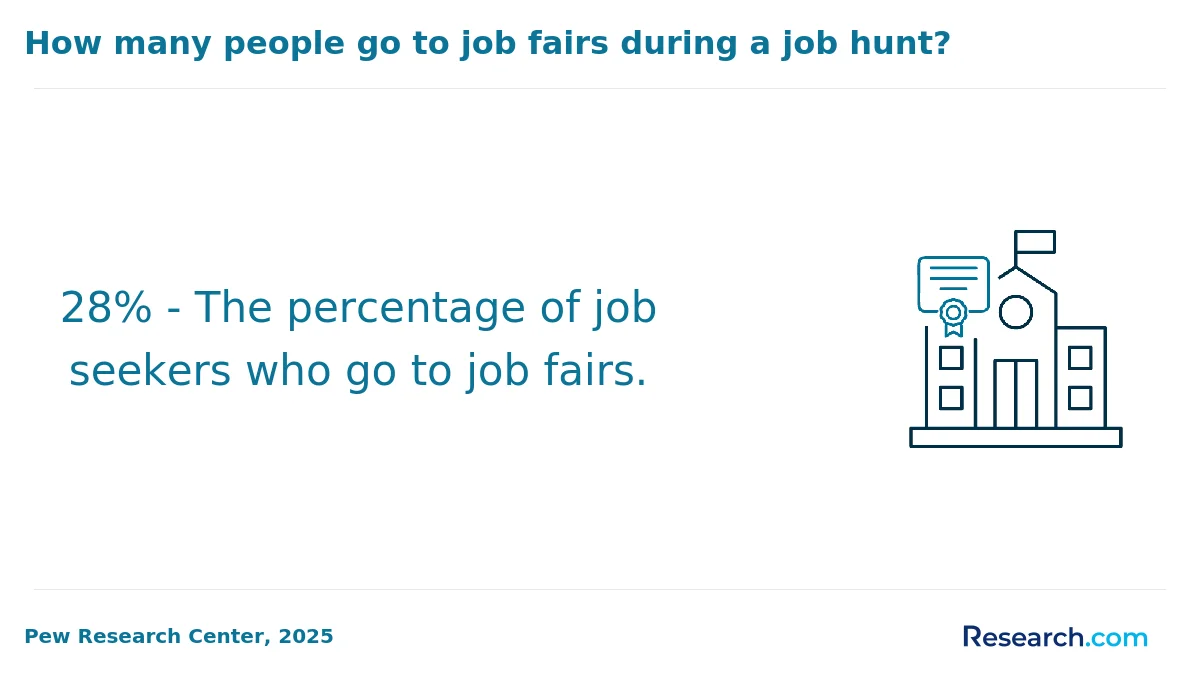
Networking is crucial; joining local industry groups or attending job fairs can connect graduates with employers. According to the California Employment Development Department, the demand for skilled trade workers in Santa Barbara County is projected to grow by 5% through 2028, making timely job search efforts important.
Additionally, it is beneficial to seek apprenticeships or internships to gain further on-the-job experience. Many trade programs in Santa Maria offer career services to assist with job placement, which can improve employment outcomes.
Employers in Santa Maria highly value practical skills in graduates of trade school certification programs. According to data from the California Employment Development Department, the most sought-after skills include proficiency in technical tools relevant to each trade, such as HVAC systems, welding equipment, or electrical diagnostics.
Soft skills like communication, teamwork, and problem-solving also rank highly. A 2023 survey by the Santa Maria Chamber of Commerce found that 78% of local employers emphasize reliability and adaptability as key traits in new hires.
Certification programs that emphasize hands-on training combined with strong interpersonal skills tend to produce the most employable graduates in this region.
Finding internships in Santa Maria related to your trade school certification program involves targeted research and local networking. Many trade schools in the area maintain partnerships with local businesses in industries like construction, automotive, and healthcare, which often seek interns. It is beneficial to speak directly with your program's career services office, as they typically have updated lists of internship opportunities tailored to your field.
Workforce development centers in Santa Barbara County also provide listings and resources to connect students with internships. According to the California Employment Development Department, sectors such as manufacturing and skilled trades show steady internship openings in Santa Maria.
Additionally, checking local job boards, attending career fairs, and joining professional associations can increase access to relevant internships. Engaging with employers early can improve your chances of placement.
Trade school certification programs in Santa Maria play a significant role in enhancing career mobility and advancement. According to data from the California Community Colleges Chancellor's Office, certified graduates in fields like welding, HVAC, and healthcare in Santa Maria experience up to a 20% increase in earning potential within two years of completion.
Employers in the region often prioritize candidates with specific trade certifications for promotions and specialized roles, recognizing the practical skills these programs provide. This credential signals job readiness and a commitment to the profession, which can lead to faster career progression.
Additionally, local workforce development agencies report that trade certifications reduce unemployment rates in Santa Maria by equipping workers with industry-relevant skills quickly, aiding economic mobility for many residents.
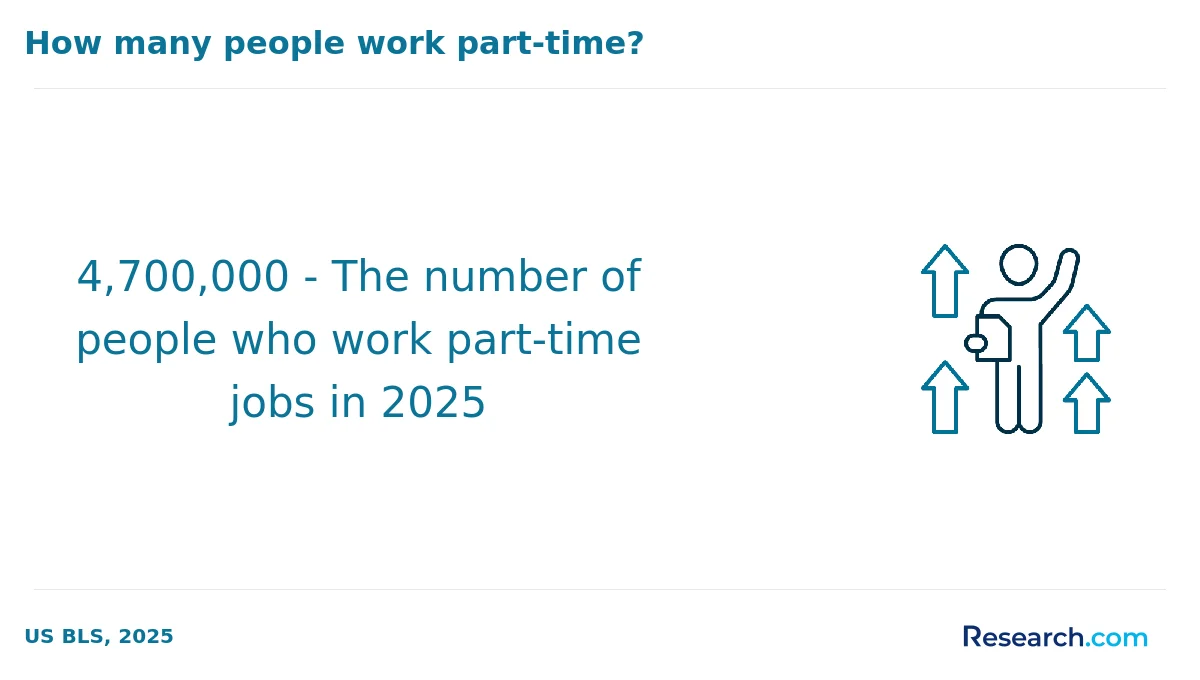
Part-time job opportunities in Santa Maria can effectively complement trade school certification programs by providing practical experience alongside academic learning. Popular roles include apprenticeships in construction, electrician helper positions, and automotive technician assistants, which align with common trade certifications. According to the California Employment Development Department, industries like construction and manufacturing in Santa Barbara County, where Santa Maria is located, have seen steady growth, suggesting strong availability of relevant part-time positions.
Healthcare-related certifications can be supported by roles such as medical receptionists or pharmacy aides. These jobs offer flexible schedules and immediate hands-on experience. Additionally, Santa Maria's agricultural sector creates opportunities for equipment operation or maintenance assistant roles, useful for certifications in heavy machinery operation.
Working part-time in these fields can also help students build local professional networks to improve employment prospects post-certification.
To find the best degree programs near me, particularly near Santa Maria, CA, start by exploring local universities and community colleges such as Allan Hancock College and see what programs they offer. You can also use resources like Research.com to compare various programs and determine which ones have strong reputations and align with your career goals. Additionally, consider reaching out to admissions offices for advice and information on program quality and career outcomes.
- Trade School Careers https://auto.edu/blog/trade-school-careers
- Santa Maria, CA https://cetweb.edu/locations/santa-maria-ca
- Electrician Trade Schools in Santa Maria, CA - Get Training! https://electricalcareernow.com/electrician-schools/santa-maria-ca
- Online Education Vs. Traditional Education: What Is More Effective For - The Dan Lok Shop https://danlokshop.com/blogs/articles/online-education-vs-traditional-education-what-is-more-effective-for-you
- Research - Most Affordable Online Baking And Pastry Arts Trade Schools Programs https://research.com/degrees/most-affordable-online-baking-and-pastry-arts-trade-schools-programs
- Online Degrees and Certification Programs https://www.hancockcollege.edu/online/onlineDegrees.php
- Career Technical Education - Santa Maria Joint Union High https://www.smjuhsd.org/departments/curriculum-instruction/career-technical-education
- Trade School Programs & Courses https://www.best-trade-schools.net/programs/
- Trade School vs. Traditional University | North American Trade Schools https://nats.ca/Home/NewsArticle/trade-school-vs-traditional-university/
- Hot Job Trends: The Benefits of Attending Trade School | JobTrain https://www.jobtrainworks.org/hot-job-trends-benefits-of-attending-trade-school/


