
Best Certificate Programs - Leading Certification Courses in Idaho Falls for 2026

Co-Founder and Chief Data Scientist
Choosing the right trade school certificate program can feel overwhelming, but it doesn’t have to be. This article introduces the best certificate programs in Idaho Falls for 2026, designed to help you navigate your options with confidence.
The ranking featured was created by the Research.com team of data scientists, offering clear insights into which programs are truly worth considering. By exploring these programs, you’ll discover opportunities that can lead to a rewarding career.
Investing in a trade school diploma or certification opens doors to hands-on skills and industry connections that make a real difference in your future. Let’s explore your path forward together.
Key benefits of getting trade school certificate in Idaho Falls
- Trade school graduates in Idaho Falls earn competitive salaries like $78,300 yearly as apprentice electric linemen, $80,000-$90,000 in HVAC roles, and $45,700-$50,400 for building trades such as carpentry or plumbing, offering strong financial stability.
- Popular career paths include electric linemen, HVAC technicians, journeyman mechanics, and VDC designers, reflecting diverse opportunities that match different skills and interests while promising steady employment.
- Online trade school certification offers flexible learning schedules and the chance to balance work and study, making it easier for busy students in Idaho Falls to gain valuable credentials without relocating or disrupting life.
- Best Certificate Programs - Leading Certification Courses in Idaho Falls for 2026
- What can I expect from trade school certification programs in Idaho Falls?
- Where can I work with trade school certification in Idaho Falls?
What can I expect from trade school certification programs in Idaho Falls?
The average cost of a trade school certification program in Idaho Falls typically ranges from $3,000 to $15,000, depending on the program length and industry. Graduates from programs such as those at the College of Eastern Idaho report that shorter technical courses, like welding or cybersecurity, usually cost around $3,000 to $6,000, making them appealing for students who want to enter the workforce quickly. More comprehensive programs, such as cosmetology at Austin Kade Academy, can cost closer to $12,000 to $15,000 due to their longer duration and combination of classroom and hands-on training.
Students often highlight the value of flexible payment plans and availability of financial aid, which ease the upfront financial burden. Many appreciate how accessible these programs are, with straightforward entry requirements focusing on a high school diploma or its equivalent. Graduates from various fields emphasize their satisfaction with the balance of practical training and industry-recognized credentials that make job placements smoother in Idaho Falls' local economy.
Where can I work with trade school certification in Idaho Falls?
Graduates of trade school certification programs in Idaho Falls find diverse and rewarding employment opportunities across multiple industries. For example, healthcare certifications like Medical Assistant or Certified Nursing Assistant lead to immediate jobs in local clinics and hospitals, such as those affiliated with the Idaho Community Health Center Association. Many graduates express satisfaction working in environments where their skills directly impact patient care.
In automotive and diesel technology, certified technicians often secure positions at prominent dealerships like Teton Toyota and Honda, gaining hands-on experience with cutting-edge automotive systems while earning competitive wages. Diesel mechanics also find steady work with Sunroc and regional transportation companies.
Construction trades offer pathways in carpentry, plumbing, electrical work, and HVAC, with apprenticeships available alongside experienced professionals. Journeyman HVAC installers can earn over $34 per hour, reflecting the high demand for skilled labor in Idaho Falls.
Other career paths include public utilities roles, welding, cabinetry, and emergency medical services. Graduates often share how trade certifications have opened doors to stable, long-term roles with local employers, helping them build fulfilling careers rooted in tangible skills.
Graduates of trade school certification programs in Idaho Falls can anticipate competitive starting salaries that reflect the local demand for skilled professionals. For instance, apprentice electric linemen often begin with wages around $37.64 per hour, equating to roughly $78,300 annually for those working full time. Many graduates from well-known trade schools report feeling confident entering the workforce with such compensation.
HVAC technician graduates in Idaho Falls typically earn between $80,000 and $90,000 annually, even at entry-level positions, with hourly rates starting above $20. These figures highlight the strong market value for trade certifications acquired locally, allowing many to support families and pursue career growth.
Carpentry, plumbing, and mechanic certifications often provide starting wages from $21.97 to $24.27 per hour, translating to annual salaries near $45,000 to $50,000. Several graduates share how hands-on training at popular Idaho Falls trade schools helped them quickly qualify for jobs offering both stable income and benefits.
CTE instructional roles linked to trade education also offer promising salaries, with certified specialists earning upwards of $50,252 annually, enhanced by experience. The financial stability many local graduates experience serves as a strong motivator for completing certification programs in Idaho Falls, knowing that doing so opens doors to rewarding and well-compensated careers.
- Emily: Completing the HVAC certification in Idaho Falls was a game changer for me. The hands-on training and supportive instructors prepared me well, and I landed a great job quickly. I love that I can provide essential services in my community while enjoying a stable, rewarding career.
- Jason: My welding certification experience here was intense but fulfilling. The advanced equipment and real-world projects boosted my confidence. Now, working with local manufacturing firms feels like a perfect fit, blending skill and creativity. This trade school opened doors I didn't know were possible.
- Maria: Enrolling in the electrical certification program in Idaho Falls was the best decision I made. The classes were engaging, and career support helped me find an apprenticeship almost immediately. Being able to contribute to safe, reliable power systems in my city fills me with pride and purpose.
- Trade schools in Idaho Falls offer programs in fields like welding, automotive technology, healthcare, construction, cybersecurity, and graphic design.
- Most programs require a high school diploma or GED for admission and provide hands-on learning and industry-recognized certifications.
- Program lengths vary from a few weeks to up to two years, with options for full-time or part-time study to accommodate working adults.
- Costs for certification programs typically range from $2,000 to $8,000, with financial aid, scholarships, and payment plans available.
- Entry-level salaries usually start between $30,000 and $45,000 annually, with skilled workers like welders earning $45,000 to $60,000 after gaining experience.
- Many programs offer internships and have strong ties to local industries, aiding job placement and career growth.
The time to complete a trade school certification program in Idaho Falls varies widely depending on the program type and industry. Graduates of short-term certificate programs, like CDL commercial driver training, often finish in as little as three weeks, enabling them to quickly enter the workforce in trucking or transportation fields. These accelerated programs are highly valued for swiftly transforming career paths.
Standard trade certificates in welding or medical assisting typically take six months to one year, allowing students to acquire solid technical skills and hands-on practice. Many Idaho Falls students report feeling confident stepping into healthcare or skilled trades after this focused training period.
For those pursuing associate degrees in areas such as culinary arts or cybersecurity, two years is common, blending technical knowledge with general education. Apprenticeships in electrical, plumbing, HVAC, or construction usually require two to four years, combining paid on-the-job work with classroom hours.
Electrical apprentices in Idaho Falls often complete 8,000 hours of supervised work over four years, gaining mastery and feeling accomplished as journeymen. These varying timelines reflect the flexibility Idaho Falls trade schools offer, catering to diverse student goals and life demands.
The primary difference between online and on-campus trade school certification programs in Idaho Falls is how instruction is delivered and the learning environment provided. Online programs, such as those offered by the Idaho Falls School District's Career Tech Education, allow students to complete coursework remotely through video lectures and digital assignments. This flexibility suits working adults or parents who need to study on their own schedule, making education accessible without sacrificing daily responsibilities.
On the other hand, on-campus programs emphasize hands-on training essential for trades like welding or automotive technology. Graduates from Pro-Weld Welding School often recount the value of in-person labs and practice using real equipment, which builds confidence through direct experience. Similarly, CEI's health services programs require in-person clinical hours to develop practical skills that virtual formats cannot replicate.
Beyond logistics, face-to-face interaction in on-campus settings fosters mentorship and networking that many students find motivating and supportive in their career journeys. Online learners benefit from convenience but may miss the camaraderie and immediate feedback found in physical classrooms.
The average trade school cost in Idaho Falls typically ranges between $11,000 and $16,000 annually for public institutions, covering tuition, materials, and fees. Many local students appreciate the straightforward tuition model at schools like the College of Eastern Idaho, where in-district tuition is $140 per credit and certification programs usually require 20 to 40 credits. This results in a tuition range roughly between $2,800 and $5,600 for local learners, making it manageable for those balancing work or family commitments while pursuing certification.
Graduates from programs such as healthcare certifications or welding frequently mention that while their tuition was affordable, additional costs like lab fees and certification exam expenses added a few hundred dollars, a factor to budget for when considering Idaho Falls trade school tuition and fees. For example, the Pipe Welding Course at Pro-Weld Welding School costs around $2,800, offering hands-on experience highly valued by students transitioning into skilled trades.
Many students find encouragement in financial aid options. Programs like the Idaho Opportunity Scholarship and the Governor's Cup Scholarship help reduce expenses by up to $3,500, enabling more adults to access training. For those seeking flexible and affordable certification options, particularly in logistics or freight brokering, there are also the cheapest online freight broker trade school programs that serve as valuable alternatives to local institutions.
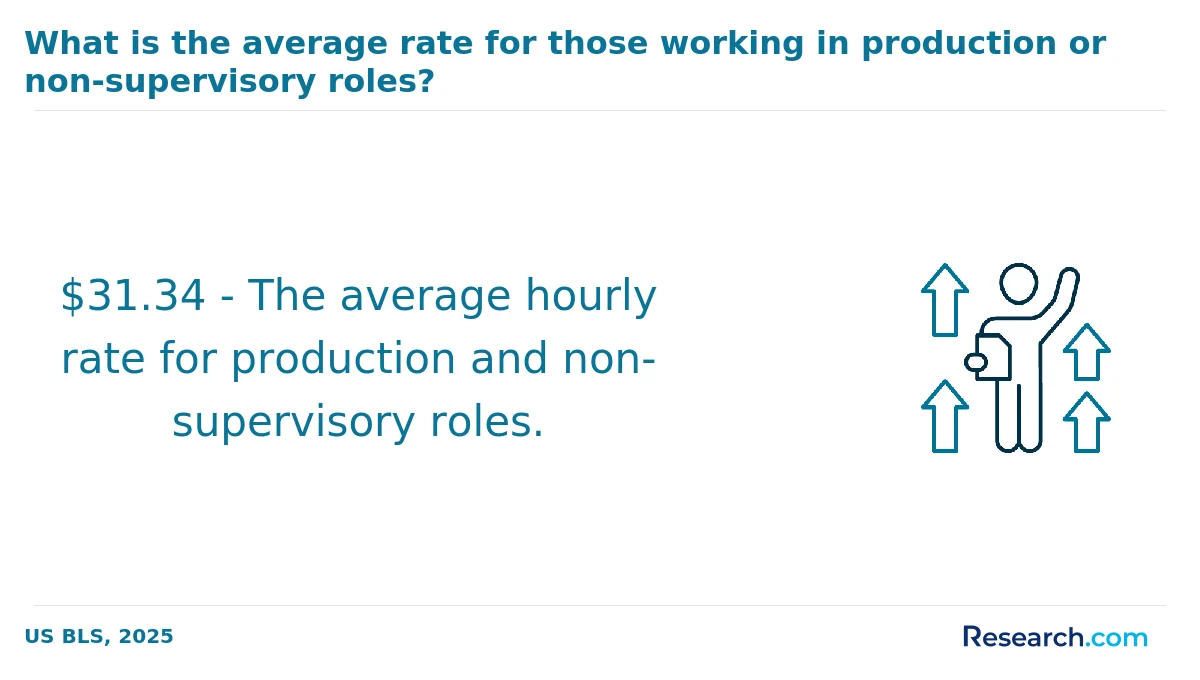
Students pursuing trade school certification programs in Idaho Falls commonly access federal Pell Grants, which provide crucial non-repayable funds based on financial need as determined by the FAFSA. For the 2025-2026 academic year, awards can reach up to $7,395, helping many enrolled at least half-time at institutions like the College of Eastern Idaho manage tuition and living expenses. Graduates often describe the relief of receiving Pell Grants, especially when balancing part-time work and study.
Federal student loans are another financial aid avenue, with Direct Subsidized and Unsubsidized Loans available based on FAFSA eligibility. While loans must be repaid with interest, many students appreciate the ability to attend programs without upfront costs, enabling them to focus on skill acquisition.
Work-study opportunities allow some Idaho Falls students to earn income during the academic year, although this is generally unavailable during summer sessions. Institutional scholarships also play a key role-automatic merit-based awards and talent scholarships can ease financial burdens, often making a tangible difference for those attending popular trade schools.
State-funded scholarships and tuition waivers, including options for non-residents, provide additional support, frequently making certification programs more accessible. Graduates commonly highlight how these combined aids foster a manageable and motivating educational journey.
Enrolling in trade school certification programs in Idaho Falls typically requires a high school diploma or GED, ensuring students possess essential literacy and math skills. Graduates from local institutions often reflect on how this baseline prepared them well for hands-on training and industry demands.
Specific programs sometimes have tailored prerequisites, enhancing readiness and success:
- At the College of Eastern Idaho, electrical or HVAC apprenticeship students first secure employment and register with the Idaho Division of Building Safety, then maintain a minimum 70% grade in required classes to advance toward their journeyman exam.
- Graphics Communications students must complete or place into college-level math and English courses before enrolling.
- Heavy-Duty Truck Technician hopefuls attend orientation and complete at least two general education courses before acceptance.
Many students appreciate this structure as it balances practical work experience with academic support, building confidence and concrete skills. Additionally, those entering Career and Technical Education teaching roles must complete four pedagogy courses within three years to gain credentialing, highlighting Idaho's commitment to quality education careers.
Prospective students should also anticipate additional costs, such as purchasing specialized tools or software, which some graduates recall investing in early to fully engage with their programs.
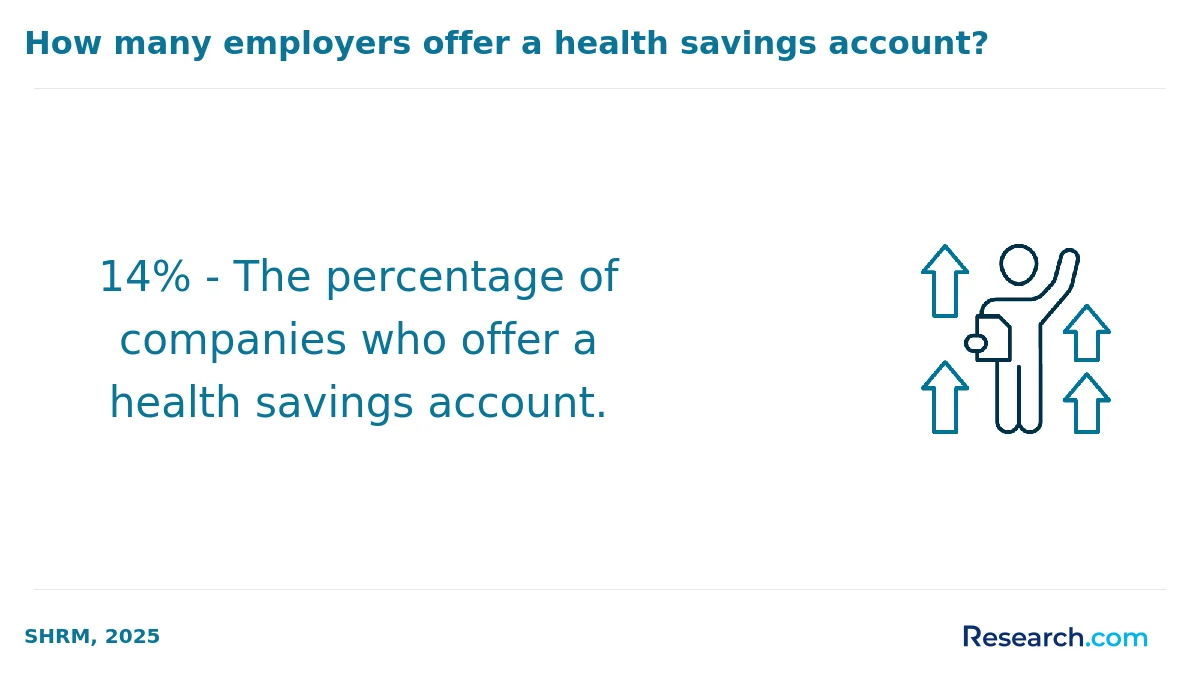
Trade school certification courses in Idaho Falls typically focus on hands-on skill sets tailored to immediate workforce demands. Graduates from popular local programs report mastering trades like Automotive Technology, where they diagnose and repair vehicle systems, and Welding, practicing metalworking techniques essential for manufacturing jobs. Programs in Residential Construction equip students with carpentry and blueprint reading skills, vital for entry-level construction roles.
Other common fields include Electrical and HVAC training, emphasizing system installation and maintenance, while Industrial Mechanics and Precision Machining prepare students for roles in regional manufacturing plants. Idaho Falls career technical education classes also offer Health Services pathways covering patient care basics, alongside technology courses in Cybersecurity & Networking and Information Technology. Business Management, Digital Communications, and Graphic Design courses create routes into office or creative careers.
Local students often highlight opportunities for dual credit and internships that deepen practical knowledge. Many programs include certifications recognized by employers. For those researching viable career paths, local trade schools salary prospects are notably competitive; see more at trade schools salary.
Choosing the best trade school programs in Idaho Falls requires analyzing program offerings aligned with your career goals. For example, graduates from the College of Eastern Idaho often highlight how specialized certification in welding or cybersecurity directly increased their job prospects. Focusing on schools like CTEC or CEI, which provide hands-on training and access to modern equipment, ensures skills match employer expectations in growing local industries.
When evaluating Idaho Falls trade school tuition and costs, consider the available flexible scheduling options that accommodate working students or those with families. Several students report that part-time or evening classes made completing programs manageable while maintaining income. Additionally, strong partnerships with local businesses often lead to internships and employment, making the financial investment worthwhile.
Many value programs offering industry-recognized certifications that enhance job market competitiveness. For tailored options, the affordable electrical lineworker training program online demonstrates how accessibility combined with certification can jumpstart a career in Idaho Falls' trades.

Graduates of trade school certification programs in Idaho Falls find diverse career opportunities after trade school certification in Idaho Falls across high-demand skilled trades jobs Idaho Falls. Many alumni from popular local trade schools secure positions in automotive technology, welding, and residential construction, engaging in roles such as automotive technicians, carpenters, and welders. These fields thrive due to Idaho Falls' expanding construction sector, where demand for skilled labor frequently exceeds supply.
Others pursue healthcare pathways, beginning as Certified Nursing Assistants or EMTs. These roles often serve as stepping stones to advanced healthcare certifications, reflecting the region's growing healthcare employment market projected for significant growth from 2024 to 2026.
Several graduates leverage certifications in IT and cybersecurity to work in network administration and IT support with local businesses valuing up-to-date skills. Trade schools in Idaho Falls also prepare students for careers in business management, culinary arts, and emergency services, linking strong local industry needs with practical training.
- Skilled trades: automotive technology, welding, cabinetry, residential construction
- Healthcare: CNA, EMT, allied health roles
- Information Technology: cybersecurity, network support
- Other sectors: business, culinary arts, fire/emergency services
Graduates often note how certification programs from institutions recognized among the top vocational trade schools uniquely prepared them for immediate employment and career advancement in Idaho Falls' job market.
The job market for trade school certification program graduates in Idaho Falls demonstrates strong demand fueled by local industries such as healthcare, construction, and manufacturing. Graduates from popular schools like the College of Eastern Idaho often secure roles quickly due to close collaboration between training programs and employers. This cooperation ensures graduates are job-ready with skills tailored to the community's workforce needs, reflecting excellent job placement rates for Idaho Falls trade school graduates.
Wages for skilled trades in the region are competitive, with HVAC installers earning upwards of $34.77 per hour, and apprenticeship completers averaging $77,000 annually across Idaho. Graduates report immediate employment offers and express satisfaction with career opportunities and steady income. Practical programs combined with registered apprenticeships enhance their readiness and accelerate transition into the workforce.
Idaho Falls trade school career opportunities are broad, including roles such as electricians, welders, and healthcare technicians. Students also benefit from connecting to affordable flooring installer training courses that further expand their options in construction trades.
Best Certificate Programs - Leading Certification Courses in Idaho Falls for 2026
# 1 position
College of Eastern Idaho - Automobile/Automotive Mechanics Technology/Technician.
certificate or diplomaThe Automobile/Automotive Mechanics Technology/Technician program at College of Eastern Idaho offers a hybrid format with some distance education options. It prepares students to repair, service, and maintain various automobile systems, including brakes, electrical, engines, transmissions, and HVAC. The program is accredited by the Northwest Commission on Colleges and Universities. Annual in-state tuition is $3,390, and median earnings one year after completion are $31,042.85.
# 2 position
College of Eastern Idaho - Dental Assisting/Assistant.
certificate or diplomaThe Dental Assisting/Assistant program at College of Eastern Idaho offers a hybrid format with some distance education. It prepares students to provide patient care, take dental radiographs, assist chairside, and perform office administrative tasks under supervision. Instruction covers medical records, scheduling, equipment maintenance, sterilization, and supervised practice. Annual in-state tuition is $3,390. Graduates earn a median income of $18,474.75 one year after completion. The program is accredited by the Northwest Commission on Colleges and Universities.
# 3 position
College of Eastern Idaho - Welding Technology/Welder.
certificate or diplomaThe Welding Technology/Welder program at College of Eastern Idaho offers a hybrid format with some distance education options. It prepares students to apply technical skills in various welding methods including arc welding, resistance welding, and brazing. The curriculum covers welding metallurgy, heat treating, structural design, and safety standards. Annual in-state tuition is $3,390. The program is accredited by the Northwest Commission on Colleges and Universities.
Frequently Asked Questions about trade school certificates
After completing trade school certification programs in Idaho Falls, preparing for the job market involves several strategic steps. Graduates should first refine their resumes to highlight specific skills and certifications gained, making them attractive to local employers in industries like construction, healthcare, and manufacturing. Building a professional network through internships and local job fairs is essential. According to the Idaho Department of Labor, sectors with strong growth include skilled trades and technical services, providing numerous job opportunities for certified individuals.
Additionally, seeking guidance from career services offered by many Idaho Falls trade schools can improve job search skills such as interviewing and salary negotiation. Staying informed about industry trends and continuing education options can also enhance employability in a competitive market.
Employers in Idaho Falls highly value trade school certification graduates who possess both technical expertise and strong soft skills. According to the Idaho Department of Labor, employers often look for proficiency in hands-on skills such as electrical work, welding, HVAC maintenance, and automotive repair. These skills are critical for many local industries, including manufacturing and construction.
Additionally, communication skills and reliability rank among the top qualities sought. Employers emphasize punctuality, teamwork, and problem-solving abilities as essential for successful employment. The U.S. Bureau of Labor Statistics highlights that certified trade workers with good interpersonal skills tend to experience higher job placement rates and wage growth.
Finding internships in Idaho Falls relevant to your trade school certification program involves several key steps. Start by contacting your trade school's career services office, as many maintain partnerships with local employers eager to hire interns. Utilize resources like Idaho Department of Labor's internship listings, which provide opportunities across industries such as construction, manufacturing, and healthcare.
Networking is essential; attend local job fairs and industry events often hosted by the Idaho Falls Chamber of Commerce. According to recent data, over 35% of internships in the area are secured through personal connections and referrals. Additionally, explore online platforms that focus on internships within Idaho, including state-specific job boards.
Lastly, reach out directly to businesses related to your field, such as regional trade contractors or healthcare providers, as many may offer internships not widely advertised.
Trade school certifications in Idaho Falls play a significant role in improving career mobility and advancement. These programs provide practical skills that align closely with local industry demands, particularly in sectors like healthcare, manufacturing, and construction. According to the Idaho Department of Labor, individuals with certifications typically experience faster job placement rates and higher starting salaries compared to those without postsecondary credentials.
Moreover, certified workers tend to have more opportunities for promotions and wage growth because employers value verified skills. For example, a certification in welding or HVAC can lead to specialized roles with increased responsibility. Data from the U.S. Bureau of Labor Statistics supports the notion that vocational training in Idaho correlates with lower unemployment rates and improved long-term earnings, enhancing overall social mobility.
Part-time job opportunities in Idaho Falls can effectively complement trade school certification programs by providing practical experience alongside academic learning. Common roles include apprenticeships or entry-level positions in industries such as electrical work, plumbing, HVAC, and automotive repair. According to the Idaho Department of Labor, these sectors often seek part-time assistants or helpers, offering flexible schedules suited for students.
Customer service positions at local hardware stores or manufacturing facilities also provide relevant exposure to the trade environment. Additionally, some students find roles in warehouse operations or logistics, supporting skills gained in certification programs. The median hourly wage for part-time technical jobs in the region ranges from $12 to $18, providing both income and hands-on experience.
Several reputable universities and colleges offer degree programs near Idaho Falls, ID, providing a range of options for students in various fields. Institutions offering these programs make surrounding areas attractive for those seeking higher education opportunities "near me." For those specifically looking for options "near Idaho Falls, ID," Research.com can be a helpful resource to explore available degree programs and make informed decisions.
- Trade Schools in Idaho Falls ID | FindMyTradeSchool.com - Find Trade Schools Near You Today! https://www.findmytradeschool.com/idaho/trade-schools-idaho-falls-id/
- Apprenticeship https://www.nic.edu/apprenticeship/
- 5 Tips for Getting Ready for a Job After Trade School - Techneeds https://www.techneeds.com/2022/05/12/5-tips-for-getting-ready-for-a-job-after-trade-school/
- College Graduate Skills for Employers | Entering the Job Market https://global.nmsu.edu/blog/general/skills-employers-look-for-in-college-grads/
- Why Choose Trade Schools? Discover the Pros of Vocational Education in 2025 | OshaEducationCenter.com https://www.oshaeducationcenter.com/pros-and-cons-of-trade-schools/
- 24 Short Career Programs That Lead to High-Paying Jobs https://www.trade-schools.net/articles/highest-paying-jobs-without-degree
- Idaho Trade Schools & Vo-Tech Schools https://www.best-trade-schools.net/locations/idaho/
- Nces - Ipeds https://nces.ed.gov/ipeds/
- Internship Programme | UN Trade and Development (UNCTAD) https://unctad.org/page/internship-programme
- Vocational and Technical Schools in Post Falls, Idaho: A Guide to Professional Training https://www.educateidaho.org/are-there-any-vocational-or-technical-schools-in-post-falls-idaho


