
Best Trade School & Training Programs - Leading Certification Courses in Indiana for 2026

Co-Founder and Chief Data Scientist
Choosing the right trade school in Indiana can shape your future and open doors to rewarding careers. This article introduces a trade school programs ranking created by the Research.com team of data scientists to help you discover the programs that truly stand out.
Whether you’re aiming for a diploma or certification, exploring these top options will guide you to valuable opportunities. Pursuing a trade school education offers practical skills, faster entry into the workforce, and a strong foundation for success.
Read on to find the best programs that match your goals and start building your future with confidence.
Key benefits of finishing trade school programs trade school in Indiana
- Expected Salaries: Trade school graduates in Indiana earn solid wages, with averages around $48,000 annually and skilled trades like floor layers and glaziers reaching up to $68,461 per year, offering strong financial opportunities.
- Popular Career Paths: Many graduates pursue in-demand fields such as construction, HVAC, electrical work, healthcare, and manufacturing, all of which provide steady job growth and rewarding work experiences.
- Online Trade School Benefits: Completing a trade diploma online offers flexibility, allowing students to balance work and study easily while gaining certifications that can lead to competitive salaries without the commute of traditional campus programs.
- Best Trade School & Training Programs - Leading Certification Courses in Indiana for 2026
- What can I expect from trade school programs trade schools in Indiana?
- Where can I work after finishing trade school programs trade schools in Indiana?
What can I expect from trade school programs trade schools in Indiana?
The average cost of a trade school program in Indiana typically ranges from $5,000 to $15,000, depending on the program length and specialization. Graduates from popular institutions like Hoosier Trade School often share how investing in accelerated HVAC or electrical courses-sometimes as brief as four months-provided affordable, practical training that led directly to well-paying jobs.
Many find the tuition fees manageable, especially when balanced against the hands-on experience and industry certifications earned, such as OSHA 10 or EPA 608 Universal, which dramatically improve job prospects. For instance, a welding program graduate from Southern Indiana Career & Technical Center described feeling confident walking into an apprenticeship, thanks to both the relevant skills and certifications gained without excessive debt.
Students can expect flexible class schedules and a mixture of online and in-person learning options, which are particularly beneficial for those balancing work or family commitments. The direct partnerships these schools maintain with local employers often translate into smoother career transitions, making the tuition a worthwhile investment in a stable future.
Where can I work after finishing trade school programs trade schools in Indiana?
After finishing a trade school program in Indiana, graduates often step into in-demand roles across multiple industries experiencing real growth. Many find themselves as technicians, machinists, or maintenance professionals in advanced manufacturing, where hands-on skills learned at local schools translate directly to jobs with steady hours and strong pay. Imagine working at a bustling manufacturing plant in Indianapolis, confidently programming machines or troubleshooting equipment because of the practical training from your trade school.
Others take paths into transportation and logistics, becoming truck drivers or diesel mechanics, supporting Indiana's vital supply chains. Graduates from popular Indiana trade schools often share how they swiftly landed jobs maintaining fleets or coordinating logistics in vibrant hubs like Fort Wayne, feeling proud to be essential cogs in the economy's wheel.
Healthcare graduates become medical assistants or LPNs, gaining fulfillment from patient care jobs close to home. Construction sectors eagerly hire electricians, welders, and HVAC technicians, where practical skills lead to tangible project results. Many alumni recall the satisfaction of contributing to visible infrastructure improvements across their communities.
Even in tech, trade school certification opens doors to cybersecurity or system analysis roles, disproving the myth that only four-year degrees matter. The consistent theme across these career paths is that Indiana trade school grads enjoy opportunities offering stability, purpose, and the chance to build lives rooted in skilled, respected professions.
After finishing a trade school program in Indiana, many graduates find themselves earning an average annual salary of about $63,897, which breaks down to roughly $30.72 per hour. Imagine starting your career with that kind of stable income right after graduation; it's a game-changer for those who chose a hands-on path through popular Indiana institutions like Vincennes University or Ivy Tech Community College.
Graduates from these schools describe the reality of stepping into skilled trades with ease, seeing paychecks around $64,166 per year in cities like Indianapolis. Trade careers like electrical work, plumbing, and HVAC are common examples where practical skills turn directly into financial rewards.
For the ambitious, salaries can climb even higher. Some trade professionals in Indiana earn between $64,130 and $80,043 annually. Envision going beyond basic certification and entering roles like welding or specialized technician jobs, where the demand means higher pay and job security.
What really stands out is hearing from graduates who feel a genuine sense of pride-not just from earning competitive wages, but from building tangible skills that employers eagerly value. This path often leads to a fulfilling career without the long ride of accumulating college debt.
- Applicants usually need a high school diploma or GED to enter trade school programs in Indiana, with no testing or GPA requirements for many schools.
- Indiana offers over 60 career and technical education programs through Next Level Programs of Study, which can start in high school and include fields like healthcare and manufacturing.
- Tuition at public trade schools such as Ivy Tech ranges from $4,300 to $4,600 per year, significantly lower than most four-year colleges in the state.
- Financial aid and scholarships are available, and students should file the FAFSA early to maximize funding options.
- Starting salaries for trade school graduates range from $38,000 to $55,000 annually, with potential earnings up to $80,000 depending on the career and experience.
Trade school programs in Indiana often offer a swift path to a rewarding career, with many graduates completing their training in as little as a few months to two years. For instance, students at Hoosier Trade School find themselves entering the workforce rapidly through short-term certificates lasting just two to four months, ideal for those eager to start hands-on work in fields like HVAC or electrical trades.
Others, such as Ivy Tech Community College students, experience a slightly longer journey. Many complete technical certificates within about a year, gaining solid skills in areas like Structural Welding or Industrial Mechanical Technology. Graduates often describe their time as intensive but rewarding, appreciating the balance of classroom learning and practical application.
For those pursuing more comprehensive training, associate degrees at Indiana trade schools typically take two years. Some union apprenticeships extend from three to five years but include paid training, making the lengthy commitment feel worthwhile as students witness steady skill growth and career advancement.
Ultimately, whether accelerated courses or more in-depth programs are chosen, Indiana's trade schools provide flexible timelines that respect students' ambitions and life circumstances, turning learning into an energizing step toward employment.
Choosing between online and on-campus trade school programs in Indiana often comes down to how you want to learn and live during your studies. Graduates from Ivy Tech's online programs frequently share how the ability to study anytime-whether after work hours or during family breaks-opened doors they thought were closed. This flexibility is a lifeline for those balancing jobs and caregiving, allowing them to progress through more than 500 courses without stepping on campus.
Meanwhile, students attending Indiana Tech's on-campus programs describe a different but equally valuable experience. Being physically present in labs and workshops gives them hands-on practice with real tools alongside peers, creating a vibrant, motivating atmosphere. They find instant support from instructors and the chance to ask questions in the moment, something tough to replicate online.
That trade-off-whether you thrive with self-paced online learning or crave the direct, immersive environment of face-to-face instruction-is at the heart of Indiana's trade school choices, shaping every student's journey.
The average trade school cost in Indiana offers an appealing balance between price and quality for many prospective students. Public trade schools often have annual tuition rates ranging from $4,000 to $9,000, with total yearly expenses between $10,000 and $15,000, covering tuition, fees, books, and living costs. Graduates from popular Indiana trade schools frequently recount how manageable costs allowed them to focus on learning rather than financial strain, making career changes attainable without overwhelming debt. Private schools, by contrast, usually range between $18,500 and $28,500 per year, reflecting enhanced resources and specialized programs that some find worth the additional investment.
When examining Indiana trade school tuition and fees, you'll notice that total costs-including equipment and materials-can add $500 to $5,000 annually, depending on the field of study. For example, healthcare and technical trade programs often require costly certification tools, but graduates testify these investments accelerated their job readiness while maintaining affordability compared to other states. Financial aid options at state and federal levels further soften the cost impact, allowing many students to fund their studies through a mix of scholarships and grants.
Many Indiana students explore options like a cheap baking and pastry arts program online, illustrating how affordable, flexible pathways can lead to fulfilling careers. With the state's average total cost hovering around $19,697, trade schools here present a compelling case for hands-on, practical education without the hefty national average price tag near $33,000.
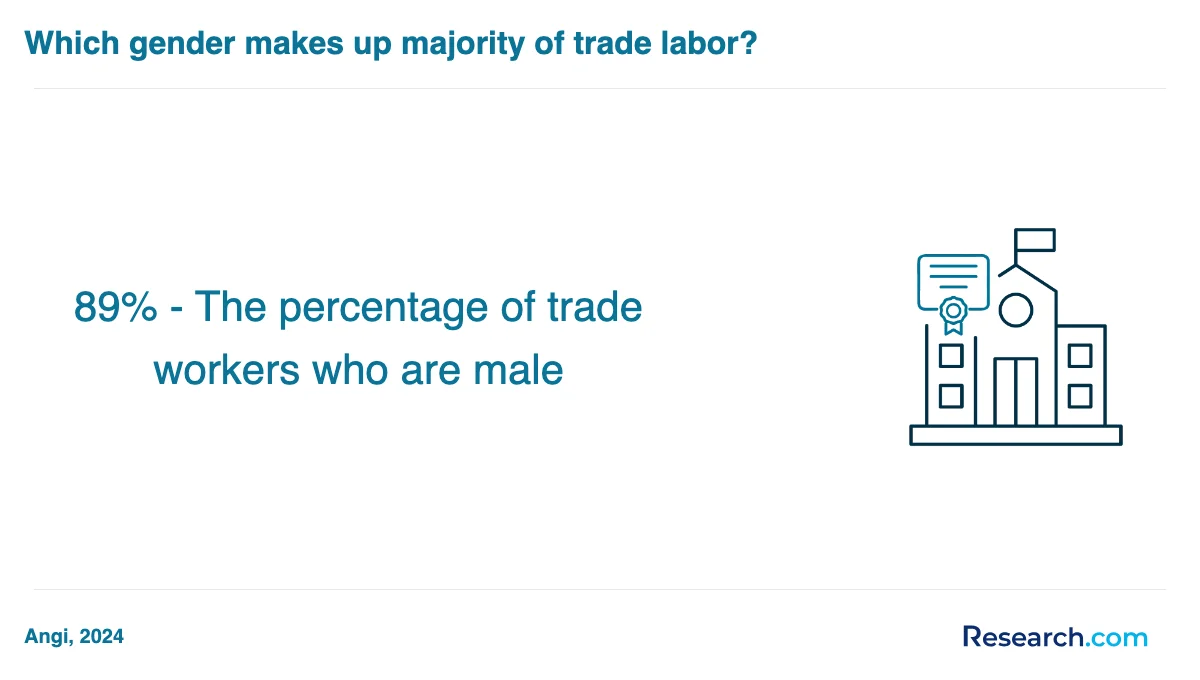
Trade school students in Indiana have access to a variety of financial aid options that can transform the prospect of career training from daunting to achievable. Filing the FAFSA by April 15 is crucial, as this unlocks eligibility for federal and state grants, scholarships, and institutional aid that many graduates from Ivy Tech Community College praise for making their education affordable.
The Next Level Jobs Workforce Ready Grant is a game-changer for those entering high-demand fields like advanced manufacturing or IT. This grant covers full tuition and mandatory fees at schools like Vincennes University, often covering costs leftover after other aids like the Pell Grant. Students report feeling relieved and motivated knowing this support is available, especially when balancing work and studies.
Indiana's 21st Century Scholars program and EARN Indiana internships offer additional financial relief and hands-on experience. Many trade schools also provide tailored scholarships, making access to education more personal and accessible for students with diverse backgrounds and goals, fueling hope and ambition every step of the way.
Most Indiana trade schools expect applicants to have a high school diploma or an equivalent like a GED or HiSET, laying the foundation for success in technical fields. For example, graduates from Ivy Tech Community College recall the reassurance in simply meeting this key requirement, which unlocked the door to hands-on programs and real-world skills. Vincennes University students often highlight how proving college readiness elevated their confidence, thanks to requirements like a minimum 2.5 GPA or standardized test scores.
Typically, prerequisites include:
- A high school diploma or recognized equivalent (GED/HiSET)
- Proof of college readiness via GPA, credits, or test scores, especially at Vincennes University
- Additional criteria like background checks or immunizations for specialized programs
Many find that these standards, while straightforward, prepare them well for the challenges ahead. High school students in Indiana can even start earning trade credits early through Career & Technical Education pathways, smoothing their transition into postsecondary study. Knowing these prerequisites lets you take confident steps toward a thriving career in Indiana's dynamic trade sectors.
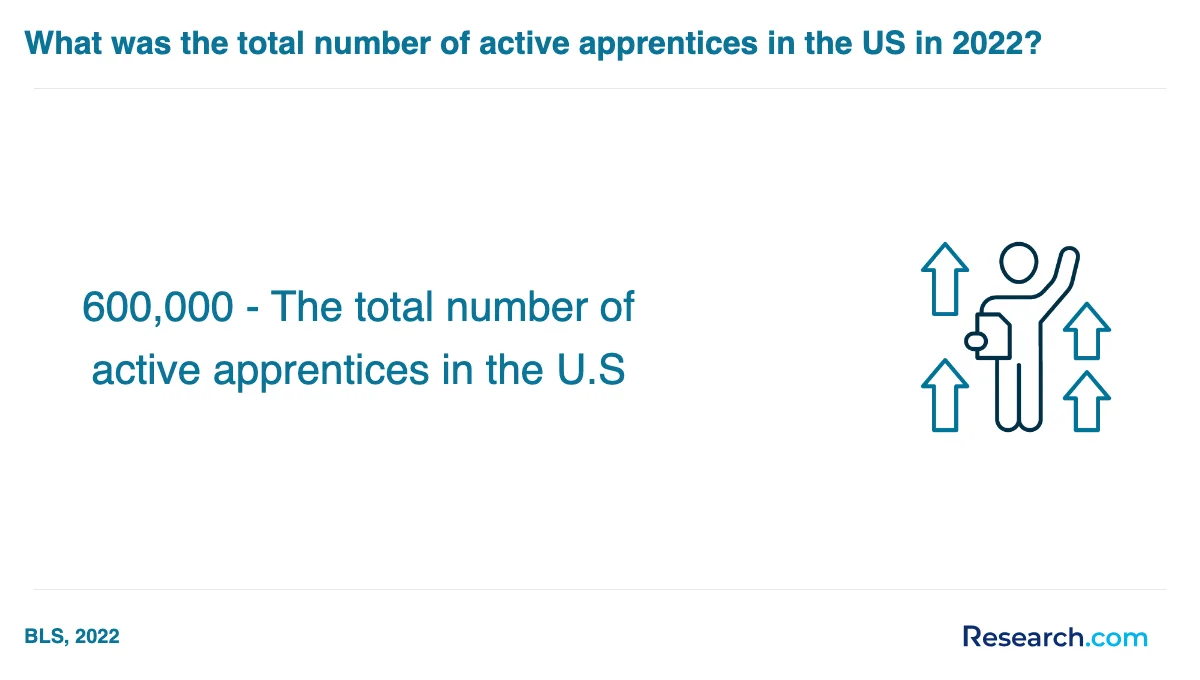
Trade school programs in Indiana focus on practical, career-ready skills that meet the state's growing job market demands. Graduates from schools like Lincoln Tech and MyComputerCareer often share how hands-on courses gave them confidence to step directly into high-demand roles. Typical courses include:
- Automotive Service Technology: Diagnosing and repairing engine and electronic vehicle systems, popular for those eager to work on modern cars.
- Collision Repair and Refinishing: Combining online and in-person labs that teach auto body painting and repairs, making graduates job-ready quickly.
- HVAC: Training on climate control systems with certifications such as EPA 608 Universal and OSHA 10, ensuring students are prepared for steady job growth.
- Electrical and Electronic Systems Technology: Foundational wiring and safety lessons plus pathways to licensing appeal to practical learners.
- Healthcare programs: Medical Assistants and Billing and Coding courses prepare students for Indiana's urgent healthcare staffing needs.
Other standout courses include Welding Technology, CNC Machining, Cyber Security, Network Administration, and IT Support, reflecting Indiana's diverse industries. Many students praise the balance of theory and hands-on practice that helps them feel ready to succeed from day one.
Trade school programs in Indiana cover a dynamic array of specializations that prepare students for real workforce demands. Graduates from campuses like Lincoln Tech in Indianapolis frequently share how hands-on training in automotive service, collision repair, HVAC, diesel truck service, and welding technology gave them confidence to step directly into growing roles. Indiana expects thousands of openings in these areas, making each skill a gateway to rewarding careers.
Healthcare remains another powerful pathway, with programs at Ivy Tech Community College producing skilled medical assistants, nurses, respiratory therapists, and more. The promise of rapid employment-sometimes within one to two years-fuels student motivation as they master their craft through practical, diploma-earning courses.
Indiana's trade schools also impress with specializations in fields like advanced manufacturing, robotics, and information technology. Some students start these tracks early in high school, earning dual credits and certifications before even graduating.
Construction trades and cosmetology attract many eager learners. Indiana's thriving carpentry and barbering jobs offer strong encouragement to those pursuing these crafts.
For those interested in unique careers, options at centers such as Southern Indiana Career & Technical Center include network infrastructure and aviation maintenance. A practical choice for tech-minded learners might be the most affordable electrical lineworker training program online, blending flexibility with in-demand skills.
Choosing the best trade school programs in Indiana means getting clear on what you want from your education and career. Graduates from Ivy Tech Community College often share how their affordable tuition and flexible online classes empowered them to balance work and study, accelerating their path into healthcare and manufacturing fields. Considering program length and flexibility is vital-some students find that shorter certificate programs at Lincoln College of Technology fit their needs better, while others prefer associate degrees for deeper skill-building.
How to compare Indiana trade schools? Look beyond the classroom by examining accreditation status and job placement rates. Many graduates from International Business College praise their school's strong industry ties, leading to apprenticeships and direct hiring opportunities. Sounds familiar? This real-world connection can transform education into opportunity.
Don't overlook cost and financial aid options, which vary widely across public and private institutions in Indiana. Exploring resources helps, and understanding why trade school is better than college can sharpen your perspective on investment versus outcome.
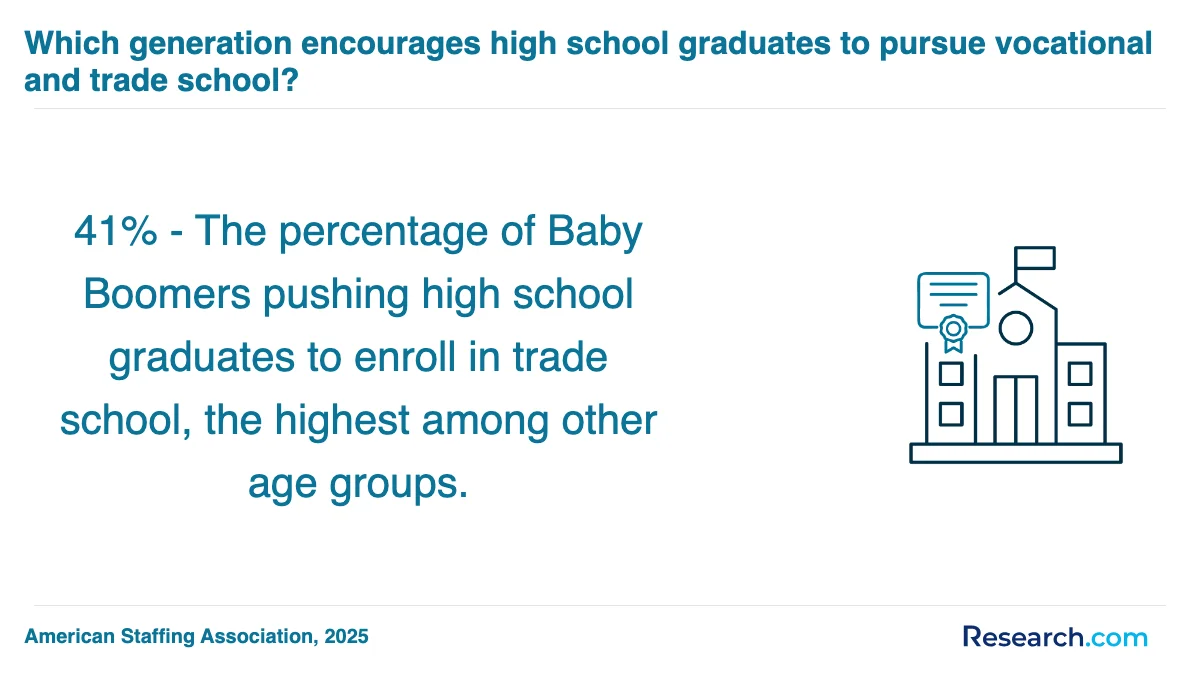
Trade school graduates in Indiana can explore diverse career opportunities for trade school graduates in Indiana that lead to fulfilling and stable jobs. Many alumni from well-regarded institutions like Ivy Tech and Vincennes University share how hands-on training in welding and advanced manufacturing transformed their futures, preparing them for high-demand trade careers in Indiana. Graduates often step directly into roles such as CNC machinists, industrial maintenance technicians, and certified nursing assistants, where their skills are both needed and appreciated.
Paths include:
- Advanced manufacturing positions, including precision machining and industrial maintenance, benefiting from Indiana's strong manufacturing sector and apprenticeship programs.
- Healthcare support roles like medical assisting and CNAs, which are rapidly growing fields demanding compassionate, skilled workers.
- Construction careers-from remodeling to general contracting-where graduates are part of shaping new infrastructure and community spaces.
- Welding, a field with a significant labor shortage, offering engaging work in fabrication and structural projects.
- HVAC and electrical trades, where accelerated certification programs open doors to immediate employment in service and repair sectors.
Many graduates describe the satisfaction of entering the workforce quickly after completing their programs, equipped with real certifications such as OSHA 10 or EPA 608 Universal. For those seeking specialized paths, the cheapest online maintenance technician training offers an affordable route to expand skills further while maintaining flexibility.
The trade school job opportunities in Indiana reveal a thriving labor market where graduates find meaningful employment across diverse industries. Many Indiana trade school alumni share experiences of quickly securing roles in advanced manufacturing, transportation, and healthcare-fields that offer hands-on work and competitive wages. One graduate described moving from training in a popular Indiana technical college directly into a technician role at a local manufacturing plant, appreciating how practical skills translated immediately into job readiness.
Indiana skilled trades employment outlook continues to improve, supported by approximately 86,000 open job postings statewide and an unemployment rate below the national average. Key sectors like healthcare present nearly 38,700 openings annually for roles that don't require a four-year degree but do need specialized training. Annual openings in advanced manufacturing and transportation logistics also highlight steady demand for trade graduates, particularly in positions requiring real-world skills taught at leading Indiana trade schools.
For those interested in fields like HVAC, exploring the best online hvac training programs can provide career flexibility combined with robust job prospects in Indiana's growing markets.
- Advanced manufacturing offers around 18,300 openings annually, ideal for skilled technicians.
- Transportation and logistics requires about 24,000 skilled workers, increasingly with tech-savvy expertise.
- Healthcare needs over 38,700 credentialed workers including nurses and medical techs each year.
Best Trade School & Training Programs - Leading Certification Courses in Indiana for 2026
# 1 position
Indiana University of Pennsylvania-Main Campus - Baking and Pastry Arts/Baker/Pastry Chef.
associateIndiana University of Pennsylvania-Main Campus offers a hybrid Baking and Pastry Arts/Baker/Pastry Chef program that trains students to become professional bakers and pastry specialists. The curriculum covers bread and pastry making, handling and storage, cake decorating, and baking industry operations. The program costs $11,380 annually for in-state students and is accredited by the Middle States Commission on Higher Education.
# 2 position
Indiana County Technology Center - Heating, Air Conditioning, Ventilation and Refrigeration Maintenance Technology/Technician.
certificate or diplomaThe Heating, Air Conditioning, Ventilation and Refrigeration Maintenance Technology/Technician program at Indiana County Technology Center offers hybrid learning options. It trains students to repair, install, service, and maintain heating, air conditioning, and refrigeration systems. Instruction includes diagnostic techniques, testing equipment use, and principles of mechanics, electricity, and electronics. The program is accredited by the Pennsylvania State Board of Vocational Education.
# 3 position
Indiana County Technology Center - Automobile/Automotive Mechanics Technology/Technician.
certificate or diplomaThe Automobile/Automotive Mechanics Technology/Technician program at Indiana County Technology Center offers a hybrid format with some distance education options. It prepares students to repair, service, and maintain various automobile systems, including brakes, electrical, engine performance and repair, suspension, steering, transmissions, and heating and air conditioning. The program is accredited by the Pennsylvania State Board of Vocational Education.
# 4 position
Indiana County Technology Center - Welding Technology/Welder.
certificate or diplomaThe Welding Technology/Welder program at Indiana County Technology Center offers hybrid instruction, combining in-person and distance education. It prepares students to apply technical skills in welding and cutting metal surfaces, including arc welding, resistance welding, brazing, soldering, and high-energy beam techniques. The curriculum covers welding metallurgy, safety, structural design, and relevant codes. The program is accredited by the Pennsylvania State Board of Vocational Education.
Frequently Asked Questions about trade school programs
Preparing for the job market after completing trade school in Indiana involves several key steps. Graduates should start by developing a strong resume that highlights their technical skills and certifications obtained through their program.
Networking is crucial; attending local job fairs and connecting with employers in industries such as manufacturing, healthcare, or construction can open doors. According to the Indiana Department of Workforce Development, many employers prioritize candidates with hands-on experience and recognized credentials.
Internships or apprenticeships during or after school can significantly improve job prospects by providing practical experience. Additionally, graduates should consider obtaining any necessary state licenses or certifications relevant to their trade, as these often increase employability and potential earnings.
Job placement services offered by trade schools can be valuable resources. Being proactive, maintaining up-to-date skills, and understanding local labor market trends are essential strategies for success in Indiana's competitive job market.
Employers in Indiana highly value trade school graduates who demonstrate strong technical skills tailored to their industry. According to a 2023 report from the Indiana Department of Workforce Development, skills in mechanical reasoning, electrical systems, and computer-aided design (CAD) rank among the most sought after.
In addition to technical expertise, soft skills such as effective communication, problem-solving, and teamwork are crucial. The National Association of Manufacturers reports that 90% of manufacturers in Indiana emphasize these skills when hiring.
Hands-on experience also matters greatly; employers prefer candidates with practical training and certification in their field. This combination of technical ability and interpersonal skills increases job readiness and career success in Indiana's competitive trade job market.
Finding internships in Indiana relevant to your trade school program involves several proactive steps. Start by consulting your school's career services department, which often maintains connections with local employers seeking interns in fields like automotive technology, healthcare, or construction.
Indiana's Department of Workforce Development provides online job and internship listings tailored to Indiana residents, including trade-specific opportunities. Websites like Indiana Career Connect offer filters to locate internships by industry and location.
Networking through local trade unions and industry associations, such as the Indiana Builders Association, can also uncover internship openings. Many employers prefer candidates with local industry connections.
Lastly, attending job fairs and community college events focused on trades can increase your chances of finding valuable internship placements.
A trade school diploma in Indiana significantly enhances career mobility by equipping students with practical, job-ready skills that local employers highly value. According to the Indiana Department of Workforce Development, over 70% of new positions in the state come from skilled trades such as automotive service, healthcare, and manufacturing. Earning a diploma from a recognized trade school can increase graduates' earnings by an average of 15-30% compared to those without specialized training.
Furthermore, trade credentials often facilitate quicker entry into the workforce and provide clearer pathways for advancement into supervisory or specialized technical roles. Employers in Indiana typically prefer candidates with formal certifications, improving job security and promotion prospects. This framework supports long-term career growth and economic stability for graduates in diverse industries.
Indiana offers various part-time job opportunities that align well with trade school education, providing practical experience and income for students. Popular options include positions in construction, automotive repair, and healthcare support-all industries with strong local demand. According to the Indiana Department of Workforce Development, construction and maintenance roles grew 6% between 2020 and 2023, emphasizing steady job availability.
Many students find opportunities as apprentice electricians, HVAC helpers, or medical assistants while completing their programs. These roles allow hands-on skill development alongside classroom learning. Additionally, Indiana's manufacturing sector frequently hires part-time machinists or welders, offering flexible schedules.
Such employment not only reinforces technical skills but also enhances resumes, making trade school graduates more competitive in the job market.
Yes, there are higher education programs and universities available near Indiana, PA that offer various degree programs for students seeking quality education. You can explore a variety of disciplines, including business, education, and the humanities, at these institutions, some of which are well-regarded in their fields. Research.com may be a helpful resource to identify the best degree programs near you in Indiana, PA.
- Best Trade School & Training Programs - Leading Certification Courses in Akron for 2026
- Best Trade School & Training Programs - Leading Certification Courses in Hamburg for 2026
- Best Trade School & Training Programs - Leading Certification Courses in Adrian for 2026
- Best Trade School & Training Programs - Leading Certification Courses in Florence for 2026
- Best Trade School & Training Programs - Leading Certification Courses in Angola for 2026
- IDOC: Vocational Training Programs https://www.in.gov/idoc/divisions/re-entry/programs/vocational-training-programs/
- Lincoln Tech Indianapolis IN Campus - Career & Skilled Trade School https://www.lincolntech.edu/campus/indianapolis-in
- Trade Schools in Indianapolis: Discover Your Path at Tricoci University https://www.tricociuniversity.edu/beauty-blog/trade-schools-in-indianapolis-discover-your-path-at-tricoci-university/
- 15 Trade Schools In Indiana | Become With Lantern https://www.learnhowtobecome.org/trade-schools-indiana/
- Pathways & Courses - Southern Indiana Career and Technical Center https://sictc.evscschools.com/courses
- Hoosier Trade School | HVAC & Electrical Training & Certifying https://www.hoosiertradeschool.com/
- Back to school: What to expect when you enter trade school https://www.fortis.edu/blog/skilled-trades/back-to-school--what-to-expect-when-you-enter-trade-school-.html
- Trade Schools, What Are The Benefits - InterCoast Colleges https://intercoast.edu/articles/benefits-of-trade-schools/
- Why You Should Pursue a Skilled Trade Career | Maintenance Management https://maintainfortwayne.com/news/pursue-a-skilled-trade-career
- Find The Best Trade Schools In Indiana https://www.accreditedschoolsonline.org/vocational-trade-school/indiana/


