Best Certificate Programs - Leading Certification Courses in Clinton for 2026

Co-Founder and Chief Data Scientist
Choosing the right trade school certificate program in Clinton can feel overwhelming. That’s why this article offers a carefully crafted ranking created by the Research.com team of data scientists, designed to help you find programs that truly match your goals.
By exploring these top options, you’ll gain valuable insight into programs that prepare you for rewarding careers with practical skills. Earning a trade certificate can open doors to new opportunities and personal growth in 2026 and beyond.
This guide aims to make your decision easier and more confident every step of the way.
Key benefits of getting trade school certificate in Clinton
- Expected salary: Trade school graduates in Clinton typically earn between $47,400 and $93,926 annually, with average wages around $63,071. Skilled roles such as HVAC, welding, and healthcare technicians offer strong earning potential starting near $44,000 and rising as experience grows.
- Popular career paths: Many graduates pursue jobs as technicians, coordinators, or managers with local employers like EICC, enjoying steady work in fields like electrical, healthcare, and industrial trades, providing reliable and rewarding career options.
- Online certification benefits: Earning a trade certification online offers flexible scheduling and faster completion times, ideal for those balancing work or family-similar to experiences of Clinton students who transitioned smoothly from traditional classes to convenient online programs.
- Best Certificate Programs - Leading Certification Courses in Clinton for 2026
- What can I expect from trade school certification programs in Clinton?
- Where can I work with trade school certification in Clinton?
What can I expect from trade school certification programs in Clinton?
The average cost of a trade school certification program in Clinton typically ranges from $4,500 to $7,000 per year, making it a practical investment for students pursuing fast, job-ready skills. Graduates from programs like those at the Clinton Career Advancement Center often share how affordable tuition combined with available scholarships and grants made their education accessible without overwhelming debt.
Students can expect hands-on learning in well-equipped facilities, with small class sizes and expert instructors who bring real workplace experience to the classroom. For example, graduates from electrical trades or advanced manufacturing programs describe the confidence gained from using industry-standard tools during their studies, which helped them transition smoothly into local jobs.
Beyond coursework, strong support services such as career counseling and job placement enhance the overall experience, helping students secure employment quickly after program completion. Many find the focused training and community connections boost their motivation and financial independence within months of starting their certification program in Clinton.
Where can I work with trade school certification in Clinton?
Graduates from Clinton's trade school certification programs, such as those at Eastern Iowa Community Colleges (EICC) and the Clinton Career Advancement Center, quickly find rewarding job opportunities. Many step directly into roles in advanced manufacturing and construction, joining local companies as assembly technicians or machine operators. These positions offer stable, well-paying work, often secured within months of completing the program.
Others choose electrical, HVAC, or plumbing careers, benefiting from certifications aligned with Iowa licensing standards. Graduates often join local contractors or utility services, enjoying hands-on work with ongoing demand that ensures steady employment. For those trained in Environmental and Industrial Safety, jobs as safety coordinators or compliance officers in plants or warehouses are common.
Healthcare certifications open doors in clinics and hospitals around Clinton, with graduates filling essential support roles. Food service management certifications also lead to roles as restaurant managers or supervisors in the thriving hospitality sector. Paid apprenticeships connected to trade schools provide valuable experience, enabling graduates to earn while they learn. Overall, Clinton's trade programs create clear pathways to stable, fulfilling careers.
After finishing a trade school certification program in Clinton, graduates typically see promising earnings that make the investment worthwhile. On average, graduates can expect to make around $63,071 per year, or about $30.32 per hour. Entry-level roles start closer to $47,400 annually, which many recent graduates from commercial truck driving or licensed practical nursing programs have experienced firsthand.
Trades like HVAC mechanics and automotive mechanics, popular in Clinton's trade schools, offer median salaries ranging from about $39,550 to $47,080. Graduates often share how quickly they started earning a stable income, with some advancing fast and reaching up to $76,600 annually after gaining experience.
Those working in administrative or technical support roles linked to these trades often earn between $45,000 and $66,000 per year. This range reflects a satisfying balance of good pay and stable employment, reinforcing how trade schools in Clinton prepare students for solid career opportunities right after graduation.
- Jasmine: Earning my HVAC certification in Clinton was life-changing. The hands-on training prepared me well, and the instructors were incredibly supportive. Now, I'm employed locally installing and maintaining heating systems, feeling truly confident and proud of my skills every day.
- Marcus: Getting certified in automotive technology at a Clinton trade school opened doors I never imagined. The blend of theory and real-world experience made me job-ready. Today, I'm a mechanic at a reputable dealership, enjoying both stability and work that I genuinely love.
- Emily: Studying electrical wiring in Clinton was challenging but so rewarding! The school's strong industry connections helped me secure a great apprenticeship fast. This program didn't just teach me skills; it gave me a path to a fulfilling career as an electrician in my community.
- Trade school programs in Clinton typically take six months to two years to complete.
- Most schools require a high school diploma or GED, with some programs needing additional prerequisites like placement tests or background checks.
- Tuition ranges from $4,500 to $7,000, with financial aid options such as grants, scholarships, and industry partnerships available.
- Programs must be accredited by agencies like the Higher Learning Commission to ensure certificate recognition.
- Entry-level salaries in trades like manufacturing and healthcare range from $35,000 to $48,000, with experienced workers earning up to $70,000 annually.
- Career options include industrial technician, healthcare assistant, culinary professional, HVAC specialist, and agricultural technician roles.
Trade school certification programs in Clinton typically take between 6 and 24 months to complete, with most students finishing within one year. Graduates from programs like medical assisting, HVAC, and welding at local schools report finishing full-time courses in about 10 to 12 months. This shorter timeframe compared to traditional college degrees helps students enter the workforce quickly and start earning.
Some students from nail technology or aesthetics programs share that they completed their certifications in as little as 5 to 8 months, enabling them to begin working and growing their careers fast. Others pursuing more technical programs, such as automotive technology or diesel service, find it takes closer to 14 months, balancing hands-on training with classroom learning.
Institutions like the CV-TEC Division and Clinton Community College offer flexible schedules, letting part-time students extend study periods while full-time learners complete credentials in one year or less. Many find this balance allows them to manage work or family commitments while advancing their skills.
Additionally, programs like RAMP combine hands-on work with training over 12 months, providing graduates with valuable experience and recognized micro-credentials that boost job prospects locally.
Online and on-campus trade school certification programs in Clinton serve different student needs through distinct learning experiences. Graduates from Clinton Community College often praise the hands-on training available on campus, where they work directly with industry-grade equipment and receive immediate feedback from instructors in facilities like the Career Advancement Center. This direct mentorship and practical skills development, especially in fields like welding or culinary arts, create strong confidence and real-world readiness.
Conversely, students opting for online programs appreciate the flexibility to study around work or family commitments. Online courses deliver lectures and assessments digitally, allowing learners to progress at their own pace. However, some online students express missing the face-to-face interaction and hands-on practice that on-campus study provides, though hybrid options in Clinton trade schools help bridge this gap by combining online theory with local practical sessions.
Choosing between these formats depends on your lifestyle and career goals. On-campus suits those eager for immersive, skill-based training, while online offers convenient access for busy adults aiming to advance without relocating or disrupting their routines.
The average trade school tuition in Clinton generally ranges from $12,000 to $20,000 for a full certification program, closely following the national trend where full course costs hover around $15,000. Graduates from public trade schools or local community colleges in Clinton often report paying closer to $8,730 annually, making these institutions a more affordable path. In contrast, private for-profit trade schools in Clinton can charge upwards of $16,000 each year, while nonprofit trade schools sometimes reach about $19,300. These variations depend on the institution type and length of the program, often lasting one to two years.
Clinton trade school certification program cost also varies significantly by career path. For example, electrician programs typically average around $14,640, while automotive technician certificates can cost more than $25,870. Many students find success in shorter programs like medical assisting or truck driving, which can often be completed for between $5,000 and $13,000, allowing quicker entry into the workforce with less financial strain.
Additional expenses for tools, uniforms, or equipment can add several hundred to thousands of dollars, so budgeting carefully is important. Many students who attended popular trade schools in Clinton appreciated the availability of financial aid options such as Federal Pell Grants and local scholarships, which helped make their investment manageable and brought positive peace of mind.
For those exploring HVAC certification, researching the top online hvac certificate programs can also offer a flexible and cost-effective alternative to traditional classroom settings.

Students enrolled in trade school certification programs in Clinton can access various financial aid options starting with the Free Application for Federal Student Aid (FAFSA), where Clinton Technical School's code is 016798. Submitting this form opens doors to federal grants and loans tailored to support students based on financial need.
One of the most impactful aids is the Federal Pell Grant, which in the 2021-2022 year covered up to $6,495 without requiring repayment. Many students feel relief knowing this grant helps reduce their out-of-pocket expenses significantly while they focus on hands-on learning at schools like Clinton Technical School.
The William D. Ford Direct Loan Program is another major support route, offering subsidized loans where the government covers interest during school periods, easing financial pressure. Graduates often recall how these loans bridged gaps when immediate funds weren't available.
Emergency aid through grants such as those from the Higher Education Emergency Relief Fund (HEERF) has made a real difference-one group of Practical Nursing students in 2020 received around $2,091 each, helping them navigate unexpected costs confidently.
With 84% of undergraduates at Clinton Technical School receiving need-based financial aid in 2023, many trade students find reassurance knowing support is widely accessible as long as they maintain satisfactory progress and half-time enrollment in their programs.
Enrolling in a trade school certification program in Clinton usually starts with meeting basic education and administrative prerequisites tailored to the specific program and school. For high school students, enrollment often happens through their home school district's guidance office. For instance, a graduate from Clinton High School shared that starting with an accessible course like Construction I required no prior experience, making it an encouraging first step for many teens.
Adult learners or post-secondary students typically apply via the student services office at technical schools like CV-TEC Plattsburgh Campus or Clinton Community College. Common requirements include:
- A high school diploma or GED for most programs
- Completion of earlier courses for advanced classes (e.g., Construction II or III)
- Certifications such as OSHA-10 for safety-sensitive fields
- Background checks and immunization proof for healthcare-related certifications
Some certificate programs like the Mindfulness Certificate at Clinton Technical School welcome all learners without prerequisites, making education accessible and motivating for beginners.
Applicants also need to complete an application process, often submitting transcripts and proof of prerequisites. Graduates recall that this step felt manageable with support from student services. In many programs, real-world experience is emphasized through work-based learning and dual-credit opportunities, allowing students to confidently build skills while earning academic credit and industry certifications.

Trade school certificate courses in Clinton focus on practical skills to prepare students for careers in high-demand fields. Graduates from popular programs consistently highlight hands-on learning in construction trades, including classes like Building Construction Techniques, Construction Safety, and OSHA certification. These courses help students quickly qualify for entry-level jobs and are often completed in less than a year.
Clinton technical school program curriculum also covers manufacturing skills such as forklift operation, assembly, and AutoCAD, with some programs offering paid hands-on work experiences. HVAC, electrical, and plumbing certifications keep students up to date with state codes and licensing requirements, providing a strong foundation for skilled trade careers.
Students often find culinary certification valuable through ServSafe® training, while healthcare and automotive courses at local institutions like Kirkwood Community College open doors to in-demand jobs in nursing and auto repair. Many choose these programs understanding they can enter the workforce quickly or later expand their education.
For more information on accessible options, consider exploring a top online community college that offers flexible trade school certificate courses in Clinton.
Start by focusing on programs in Clinton that offer industry-recognized credentials approved by the Iowa Department of Education. Graduates from local trade schools often praise how these certifications align directly with employers' needs, increasing their confidence and job prospects after completion. Many successful students at community colleges in Clinton report that stackable certifications helped them gradually advance in healthcare and manufacturing sectors, boosting both skills and income over time.
Understanding how to compare Clinton trade school costs is crucial. Several students share that leveraging Perkins funds and local grants eased financial stress, especially when programs included exam fees and materials. Exploring such funding options can make the difference between hesitating and enrolling in robust programs like those at the Clinton Career Advancement Center.
Finally, benefit from connecting with career counselors on campus who guide students through program selection and local labor market trends, providing tailored advice. For those balancing work and study, consider programs offering hybrid or online components; some even found great value in a low cost floor installer certification online, complementing their Clinton-based coursework and saving money.
Trade school certification program graduates in Clinton find strong career opportunities thanks to local institutions like Clinton Community College and the Clinton Career Advancement Center. These schools offer practical programs tailored for immediate workforce readiness, helping graduates step into roles that meet employer demands quickly. Popular career opportunities for trade school graduates in Clinton include:
- Advanced manufacturing and industrial maintenance jobs, where graduates work as machine operators or maintenance specialists, benefiting from hands-on training.
- Skilled trades such as electrical work, HVAC, and plumbing, with positions offering job security and competitive wages in both residential and commercial sectors.
- Healthcare and service roles like nursing assistance and culinary arts, including certifications such as ServSafe® food safety management, recognized by the National Restaurant Association.
- Business-related fields including office management and environmental safety, with technical skills that apply across multiple industries.
Graduates often describe their training as highly relevant to the Clinton IA skilled trades job market, allowing smooth transitions into fulfilling positions. For those interested in niche areas, Clinton also supports affordable online landscaping technology courses that expand options further, fitting different lifestyles and career goals.
The job market for trade school certification program graduates in Clinton is strong and growing, especially for those completing well-regarded local programs like the Process Technician course at Eastern Iowa Community Colleges (EICC). Graduates frequently share how their hands-on training and close ties with major employers such as ADM and 3M helped them secure positions quickly in roles like equipment operators, maintenance technicians, and electricians.
Employers actively seek candidates with practical skills, with over 180 skilled trades openings reported in Clinton as of September 2025. These roles often offer competitive wages from $18 to $28 per hour and benefits like health and retirement plans. For example, carpenters with trade certifications typically enjoy faster hiring and advancement opportunities.
Many graduates appreciate that trade schools tailor programs to match local business needs, enhancing Clinton Iowa skilled trades employment outlook. They also find that apprenticeships supplement training well, providing paid, on-the-job experience alongside classroom instruction.
To understand fully what is a vocational program and its advantages, exploring these targeted trade options in Clinton can be a decisive step toward a rewarding career.
Best Certificate Programs - Leading Certification Courses in Clinton for 2026
# 1 position
Sampson Community College - Language Interpretation and Translation.
certificate or diplomaThe Language Interpretation and Translation program at Sampson Community College offers hybrid study options and focuses on training professional interpreters and translators. The curriculum includes intensive foreign language instruction and covers various interpretation and translation methods, including simultaneous, business, and technical translation. The program is accredited by the Southern Association of Colleges and Schools Commission on Colleges. Annual in-state tuition is $2,830.
# 2 position
Sampson Community College - Nursing Assistant/Aide and Patient Care Assistant/Aide.
certificate or diplomaThe Nursing Assistant/Aide and Patient Care Assistant/Aide program at Sampson Community College offers a hybrid format with some distance education options. It prepares students to perform routine nursing-related services under nurse supervision in hospitals or long-term care facilities. The program’s annual in-state tuition is $2,830. Graduates earn a median salary of $40,257 one year after completion. It is accredited by the Southern Association of Colleges and Schools Commission on Colleges.
# 3 position
Sampson Community College - Electrician.
certificate or diplomaThe Electrician program at Sampson Community College prepares students to install, operate, maintain, and repair electrical systems including residential, commercial, and industrial wiring. The curriculum covers electronics principles, wiring, power transmission, safety, appliances, job estimation, electrical testing, inspection, and relevant codes. The program is accredited by the Southern Association of Colleges and Schools Commission on Colleges. Annual in-state tuition is $2,830.
# 4 position
Sampson Community College - Welding Technology/Welder.
certificate or diplomaThe Welding Technology/Welder program at Sampson Community College offers hybrid instruction, combining in-person and distance education. It trains students in arc welding, resistance welding, brazing, soldering, and cutting techniques. The curriculum covers welding metallurgy, structural design, safety, and applicable codes. Annual in-state tuition is $2,830. The program is accredited by the Southern Association of Colleges and Schools Commission on Colleges.
# 5 position
Sampson Community College - Medical Office Management/Administration.
certificate or diplomaSampson Community College offers a Medical Office Management/Administration program with a hybrid format, including some distance-education options. The curriculum covers business office operations, financial record-keeping, personnel supervision, healthcare policy administration, scheduling, public relations, and relevant laws. The program’s annual in-state tuition is $2,830. It is accredited by the Southern Association of Colleges and Schools Commission on Colleges.
Frequently Asked Questions about trade school certificates
After completing trade school certification programs in Clinton, graduates should focus on building a strong professional network to improve job prospects. Connecting with local employers through job fairs and industry events can open doors to internships and entry-level positions. According to the Bureau of Labor Statistics, trade-related fields often experience steady demand, making timely job-seeking essential.
Updating your resume to highlight specific skills gained during certification is crucial. Many employers in Clinton value hands-on experience and practical knowledge. Additionally, pursuing apprenticeships can provide on-the-job training and increase employability.
Consider registering with local workforce centers, which offer resources and support tailored to trade job seekers in Clinton. Continuous learning and obtaining additional certifications can further enhance competitiveness in the evolving job market.
Employers in Clinton prioritize both technical expertise and soft skills when hiring graduates of trade school certification programs. According to the U.S. Bureau of Labor Statistics, hands-on abilities in fields like electrical work, HVAC, and welding remain in high demand. Employers also emphasize problem-solving skills and the ability to work independently under minimal supervision.
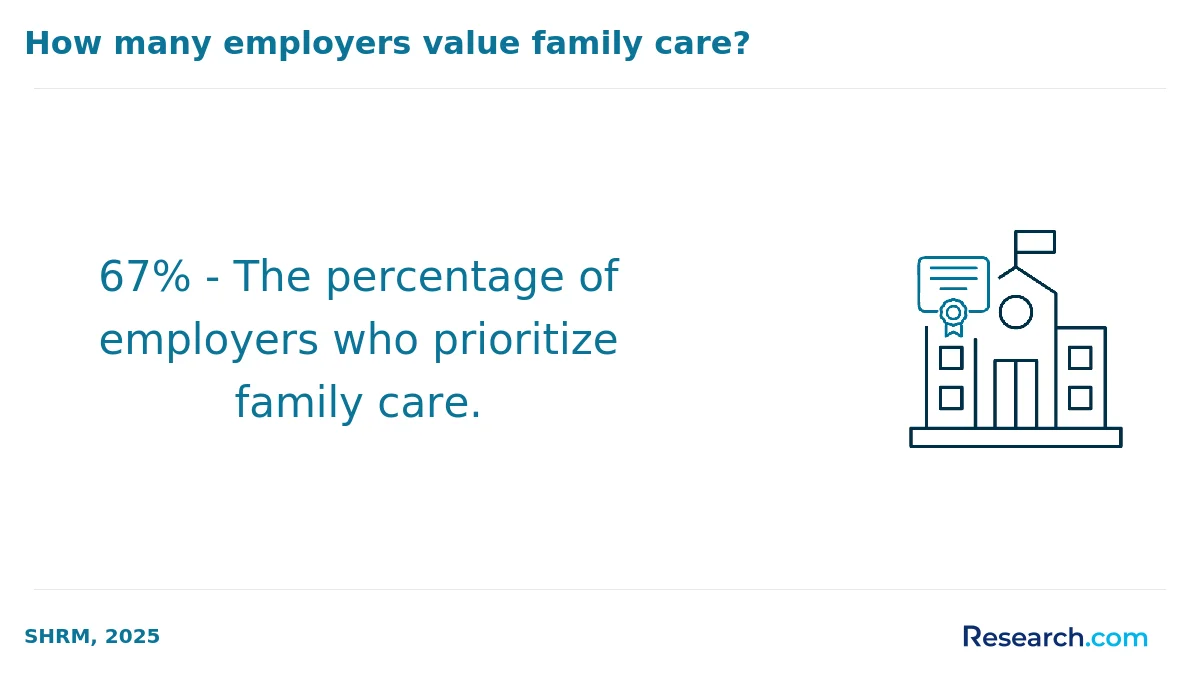
Communication skills are vital, especially for safety compliance and teamwork. A 2023 survey by the National Association of Manufacturers highlighted that 67% of employers in Clinton seek candidates who demonstrate strong work ethic and reliability.
Furthermore, adaptability to evolving technologies, such as computer-aided design (CAD) in skilled trades, is increasingly valued to meet modern industry standards.
Finding internships in Clinton that align with your trade school certification program requires a strategic approach. Start by visiting local workforce centers, such as the Clinton Career Center, which often partner with employers to offer internships in various trades like HVAC, automotive technology, and healthcare. These centers provide listings updated regularly and offer personalized guidance.
Networking is crucial; connect with trade school instructors and alumni who can recommend internship opportunities. Additionally, online platforms like Indeed and LinkedIn list internships specific to Clinton and nearby areas, allowing you to filter by industry.
According to the U.S. Bureau of Labor Statistics, hands-on experience through internships improves job placement rates by up to 20% for trade school graduates nationwide. Exploring industry-specific groups and attending local job fairs also increase your chances of finding a relevant internship.
Trade school certification programs in Clinton play a significant role in enhancing career mobility for many residents. According to data from the Bureau of Labor Statistics, individuals with trade certifications tend to experience lower unemployment rates compared to those with only a high school diploma. These programs offer practical skills that are directly applicable to local industries such as healthcare, construction, and information technology.
In Clinton, completion of a trade certification can lead to notable wage increases. Reports from the National Center for Education Statistics show that certified workers in skilled trades often earn 15-25% more than uncertified peers within five years of program completion.
Trade certifications also help workers advance more quickly by qualifying them for specialized positions or supervisory roles. The region's employers frequently prefer hiring certified candidates, helping graduates gain a competitive advantage in the local job market.
In Clinton, part-time job opportunities that align well with trade school certification programs often include roles in healthcare, construction, and automotive services. For example, certified nursing assistant students can find part-time work in local clinics or assisted living centers, gaining practical experience. According to the Bureau of Labor Statistics, healthcare support roles in the region have grown by 8% in recent years, reflecting steady demand.
Additionally, students pursuing certifications in electrical or plumbing trades can benefit from apprenticeship positions or helper roles with local contractors. These roles provide hands-on experience while accommodating flexible schedules.
Retail positions in hardware stores or automotive shops are other viable options, particularly for those studying related trades. Such jobs not only enhance relevant skills but also offer income support during studies.
To choose the best degree program near Clinton, NC, start by identifying your career goals and the fields of study that interest you the most. Research.com is a helpful resource for finding programs and universities near you that offer accredited degrees in your areas of interest. Additionally, consider visiting local institutions to explore their offerings and speak with academic advisors to gain insights into opportunities available near Clinton, NC.
- Online Trade School https://www.ashworthcollege.edu/area-of-study/trades/
- Applied Technology & Skilled Trades https://www.macomb.edu/programs-courses/area-interest/applied-technology-skilled-trades.html
- Skilled Trades Internships - CHOOSE Program - Academic Departments - Port Clinton High School https://hs.pccsd.net/apps/pages/index.jsp
- College Graduate Skills for Employers | Entering the Job Market https://global.nmsu.edu/blog/general/skills-employers-look-for-in-college-grads/
- Trade School Careers: Why Trade Schools Result In High Demand Jobs https://intercoast.edu/articles/trade-school-careers-why-trade-schools-result-in-high-demand-job-opportunities-for-its-graduates/
- How to apply https://clinton.edu.au/apply.html
- Clinton High School - Programs of Study https://www.chs.acs.ac/358999_2
- Traditional vs Online Education - Which One Is Right For You? | Penn Foster https://www.pennfoster.edu/blog/traditional-vs-online-education
- Hot Job Trends: The Benefits of Attending Trade School | JobTrain https://www.jobtrainworks.org/hot-job-trends-benefits-of-attending-trade-school/
- Vocational vs. Trade School: Choosing the Right Path https://www.genesiscareer.edu/vocational-vs-trade-school-guide/