
Best Associate Degree Programs - Leading Certification Courses in Birmingham for 2026

Co-Founder and Chief Data Scientist
Choosing the right associate degree program in Birmingham can shape your future in meaningful ways. Whether you’re starting fresh or looking to enhance your skills, an associate degree offers great opportunities for career growth and personal achievement.
This article features an associate degree programs ranking created by the Research.com team of data scientists. It aims to help you make an informed choice about which trade school programs are worth considering in 2026.
Exploring this ranking will guide you toward programs that match your goals and interests, making your educational journey rewarding and successful.
Key benefits of associate degrees in Birmingham
- Expected salary: Associate degree graduates in Birmingham can earn between $30,000 and $45,000 per year, with business development roles averaging around $40,695 annually and some IT or healthcare positions offering even higher starting salaries.
- Popular career paths: Graduates pursue careers in healthcare support, business administration, information technology, and engineering technology, with schools like Herzing University and Columbia Southern University reporting strong early-career salaries.
- Online education benefits: Earning an associate degree online offers flexibility, allowing students to balance work and study, as shown by graduates from well-known online programs who achieve competitive salaries without relocating.
- Best Associate Degree Programs - Leading Certification Courses in Birmingham for 2026
- What can I expect from associate degree programs in Birmingham?
- Where can I work after finishing associate degree programs in Birmingham?
What can I expect from associate degree programs in Birmingham?
In Birmingham, the average cost of pursuing an associate degree varies notably between public and private institutions. Public colleges such as Jefferson State Community College offer in-state tuition rates that are considerably affordable for Alabama residents, making them a practical choice for many students. Graduates often share how this affordability paired with flexible scheduling helped them balance work and study effectively. For example, nursing students at Herzing University face higher tuition costs but benefit from comprehensive clinical training that prepares them confidently for licensure.
Tuition typically covers 60 to 72 credit hours, with total costs depending on residency and school choice. Many students appreciate the availability of financial aid-scholarships, grants, and federal assistance-that ease the financial burden. Transfer policies are also a plus; students commonly use transferred credits to save time and money when advancing toward further degrees. Overall, Birmingham's programs combine accessibility with quality education, making the financial investment worthwhile and manageable for a diverse student body.
Where can I work after finishing associate degree programs in Birmingham?
After finishing an associate degree program in Birmingham, graduates find numerous job opportunities across thriving local industries. Many graduates from popular schools in Birmingham share how they quickly landed roles as registered nurses or laboratory technicians in nearby hospitals, earning between $66,000 and $97,000 annually. These healthcare positions provide both job stability and room for growth.
Others have built careers in business or technology fields, working as customer service representatives or computer support specialists at companies around the city. They value how the associate degree prepared them with practical skills that employers need, opening doors to positions like information systems specialists and business development representatives.
Legal studies graduates often find satisfying roles as paralegals or legal assistants within Birmingham's busy law offices, supporting attorneys and gaining vital experience. Meanwhile, public safety and administration roles such as 911 dispatchers and property managers are common paths for degree holders from Birmingham's community colleges.
Hands-on training paired with strong employer connections in Birmingham's schools makes these career paths accessible and rewarding for associate degree graduates.
After finishing an associate degree program in Birmingham, you can expect to earn around $21.44 per hour on average, which translates to about $44,595 annually for full-time work. Graduates from Herzing University - Birmingham share that their early-career salaries average $44,785, showing solid returns right out of school.
Meanwhile, students completing associate degrees at Columbia Southern University in Birmingham often see higher starting salaries, averaging $64,227. This range shows how your income can vary significantly based on the school you attend and your career path.
Entry-level associates in Birmingham typically earn close to $12.85 per hour, making these positions a great springboard. For general associate roles, hourly wages average $15.39, ranging between $10.91 and $21.70, giving room to grow as you gain experience.
Business Development Associates in the area report annual salaries starting around $38,238, climbing to an average of $40,695 with some experience. These real-world numbers reflect encouraging opportunities for graduates ready to launch their careers in Birmingham's job market.
- Jasmine: Earning my Associate Degree in Nursing from a Birmingham trade school opened doors I never imagined. The hands-on training prepared me perfectly, and I quickly landed a job at a top hospital. The supportive instructors made learning enjoyable and the career prospects outstanding.
- Marcus: Completing an Associate Degree in Automotive Technology was a game-changer. Birmingham's trade school gave me practical skills that local repair shops value highly. I love that I learned by doing, which boosted my confidence and led to a steady mechanic position right here in town.
- Sophia: Studying Business Administration at a Birmingham community college was both challenging and rewarding. The focused curriculum at the trade school helped me develop real-world skills, and I now thrive in a marketing assistant role. The personalized education really gave me the edge I needed.
- Associate degree programs in Birmingham usually take about two years of full-time study and require 60 to 72 semester credits.
- Applicants need a high school diploma or equivalent, with some programs requiring a minimum GPA of 2.5 and entrance exam scores like the TEAS.
- Tuition at public institutions ranges from $4,000 to $8,000 per year, while private colleges may charge up to $20,000 for a full two-year program.
- Graduates can expect entry-level salaries between $32,000 and $48,000, with nursing starting closer to $50,000 annually.
- Hands-on programs like nursing require in-person attendance for labs and clinical experiences, while other courses may offer online options.
- Programs should be accredited by recognized agencies such as SACSCOC or ACEN to ensure credit transfer and licensure eligibility.
Completing an associate degree program in Birmingham typically takes about two years of full-time study, matching the national standard for community colleges and trade schools. Most programs, like those at Jefferson State Community College and Lawson State Community College, require around 60 credit hours. Graduates often describe balancing 15 credit hours per semester during fall and spring terms, sometimes adding summer courses to stay on track.
Many students find this pace manageable and rewarding, especially when the curriculum fits their career goals. However, it's common for students juggling work or family to take longer than two years. For instance, some graduates have extended their studies by enrolling part-time, making steady progress over three or more years while maintaining personal responsibilities.
Trade schools offering career and technical associate degrees in Birmingham typically require 60 to 76 credit hours, sometimes including practical training. Flexible scheduling options make it possible for full-time students to meet the two-year timeline, helping them enter the workforce confidently and quickly.
Online associate degree programs in Birmingham offer flexibility that fits busy lifestyles. Graduates often share how they appreciated being able to study after work or while caring for family, accessing lectures and assignments entirely online at their own pace. Schools like Franklin University and local community colleges support this with part-time options and credit transfers, which make advancing a degree more manageable.
On-campus programs, by contrast, involve attending scheduled classes in person, providing real-time interaction with instructors and peers. Many students value this for the hands-on learning opportunities it offers, especially in fields like healthcare or lab sciences. The campus environment fosters a sense of community and routine that helps some thrive.
Both paths maintain the same admissions standards and degree requirements, with accredited programs ensuring quality education and credit transferability. Online students benefit from virtual advising and resources, while on-campus students enjoy access to campus facilities, making either choice a practical step toward career goals in Birmingham.
The average cost of associate degree in Birmingham varies notably by institution type. At local community colleges, tuition remains affordable, with many graduates highlighting how Birmingham community college tuition and fees helped them manage education costs without overwhelming debt. For example, Lawson State Community College charges approximately $129 per credit hour for in-state students, totaling about $7,740 for a full two-year associate degree program. Out-of-state students pay roughly double that, which still compares favorably to private and for-profit institutions in the area.
Graduates from schools like Jefferson State Community College often share how they appreciated the clear cost structure and the availability of financial aid, which significantly reduced their expenses. While for-profit institutions average $13,515 per year, many students find that combining community college affordability with scholarship and grant opportunities makes earning an associate degree both practical and financially manageable in Birmingham.
Besides tuition, students should plan for additional expenses like fees and textbooks, which can add several hundred dollars per year. Many who choose specialized or accelerated paths, such as the best accelerated online bachelor degree programs for working adults, benefit from flexible scheduling and cost-saving options.
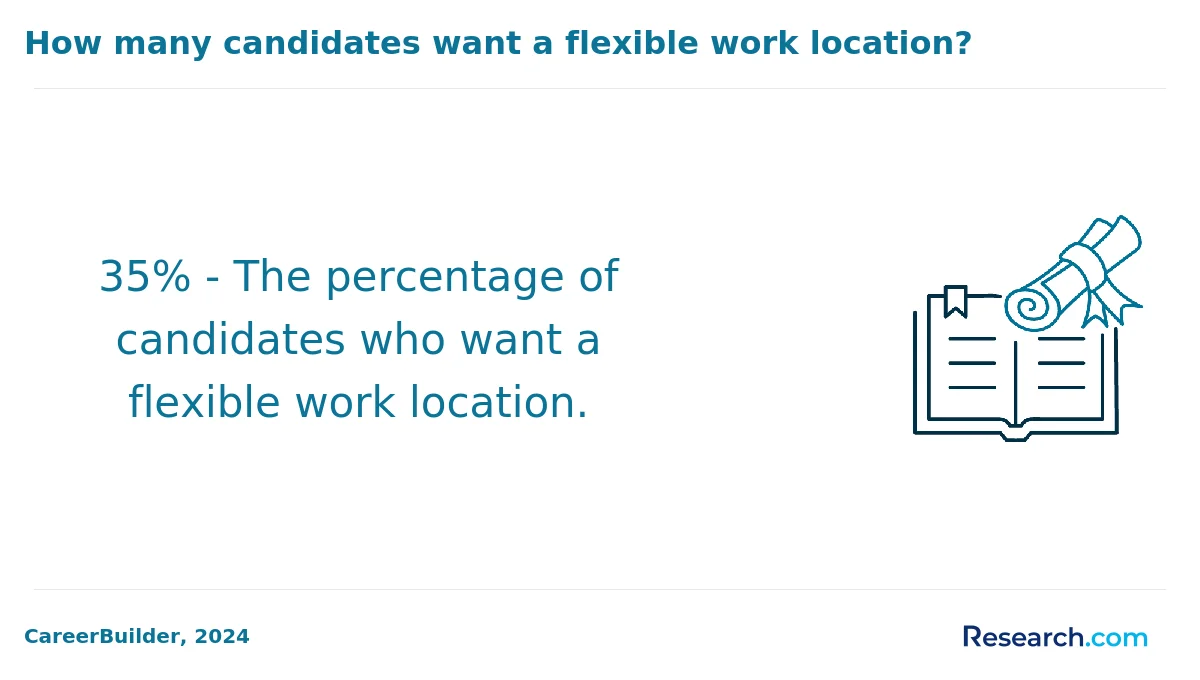
Students pursuing associate degrees in Birmingham often rely on the federal Pell Grant, which can provide up to $7,395 for the 2025-2026 academic year. This grant is a lifeline for many, covering tuition and essential expenses at schools like the University of Alabama at Birmingham or Alabama State University. Graduates frequently recall how this support eased their financial worries, allowing them to focus on their studies without the burden of overwhelming debt.
Filing the FAFSA is a crucial first step. Those who apply early have a better chance of accessing additional aid, including Alabama's Promise scholarship, which offers up to $4,000 annually to qualifying community college transfers under 25. Many students share how this scholarship helped them stay on track, especially after navigating financial challenges during the pandemic.
Federal student loans are also available to fill any gaps, with manageable repayment plans and guidance via entrance counseling. Birmingham schools encourage students to seek institutional scholarships, which might require extra applications but often grant significant aid.
Many graduates mention the reassurance of reporting GI benefits or other external support to boost their overall aid packages, making a degree within reach while maintaining peace of mind.
To enroll in an associate degree program in Birmingham, you need a high school diploma or its equivalent, such as a GED. This basic requirement ensures you have the foundational skills to succeed in college-level courses. Graduates from the University of Alabama at Birmingham (UAB) often mention that meeting this standard was the first step in their educational journey.
Admissions at schools like UAB involve a holistic review, which looks beyond just your grade point average (GPA). They consider the rigor of your high school curriculum, including completion of:
- 4 units of English
- 3 units each of science (with labs), math (covering algebra and geometry), and social sciences
- 4 additional core courses
For specialized fields such as nursing, Herzing University in Birmingham requires a minimum GPA and may ask for specific science classes or TEAS test scores, depending on academic performance. Official transcripts from previous schools and proof of standardized tests are also part of the process.
Current students appreciate that these prerequisites create a strong foundation, helping them feel confident and well-prepared as they begin their college experience in Birmingham's supportive academic environment.
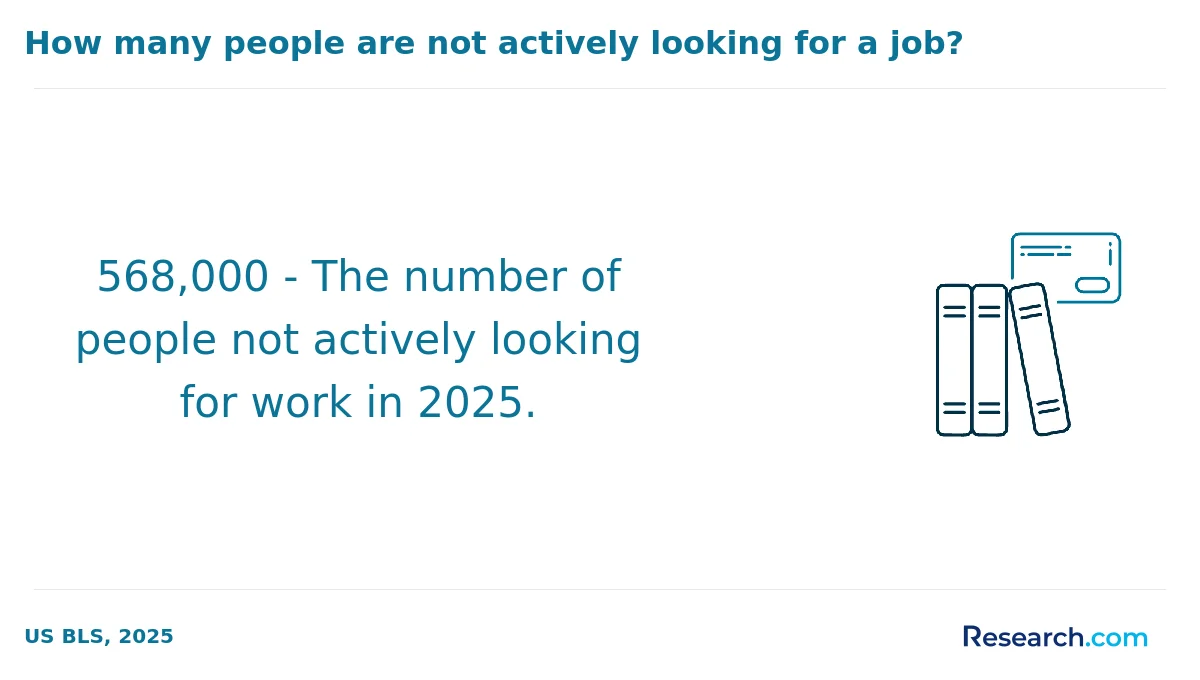
Associate degree course requirements in Birmingham blend essential general education with focused study that prepares students for practical careers or further education. At popular schools like Jefferson State Community College, programs typically require around 60 credit hours completed in two years, with courses designed to be manageable alongside work or family life.
Graduates from these programs often praise the balanced curriculum, which includes core classes in writing, critical thinking, and research skills alongside specialized courses. For example, liberal arts students study diverse literacies-Christian, cultural heritage, math and science, communication, and social-and choose electives that align with their career goals. In computer and information science programs, students gain hands-on experience in software engineering and programming languages, which many find immediately applicable to IT jobs.
Common classes in Birmingham associate degree programs also cover legal studies, healthcare, business administration, and criminal justice, often integrating internships for real-world learning. Many healthcare students appreciate courses in anatomy and clinical practice, which boost their confidence entering the workforce.
For those exploring certificate programs that pay well without a degree, Birmingham's community colleges offer strong pathways combining practical skills and academic knowledge. Students leave with both credentials and the confidence employers seek.
Choosing the best associate degree program in Birmingham starts with focusing on the type of program that suits your career goals, whether it's business, healthcare, or technology. Graduates from Lawson State Community College often share how the accredited nursing programs helped them pass licensure exams and step confidently into rewarding healthcare roles. Comparing costs is essential, especially since public community colleges typically offer lower tuition for Alabama residents. Many students appreciate that schools like Coastal Alabama Community College balance affordability with quality education, making it easier to compare associate degree costs in Birmingham without sacrificing value.
Flexibility also matters; evening and online classes support students managing work or family commitments. Support services, such as tutoring and career counseling, empower students to stay on track and boost employment chances. Additionally, consider admission requirements carefully-some healthcare programs require prerequisites or exams to ensure you're prepared to succeed.
For those thinking about further education, exploring phd programs that do not require a dissertation can help you plan ahead while focusing on your associate degree journey.
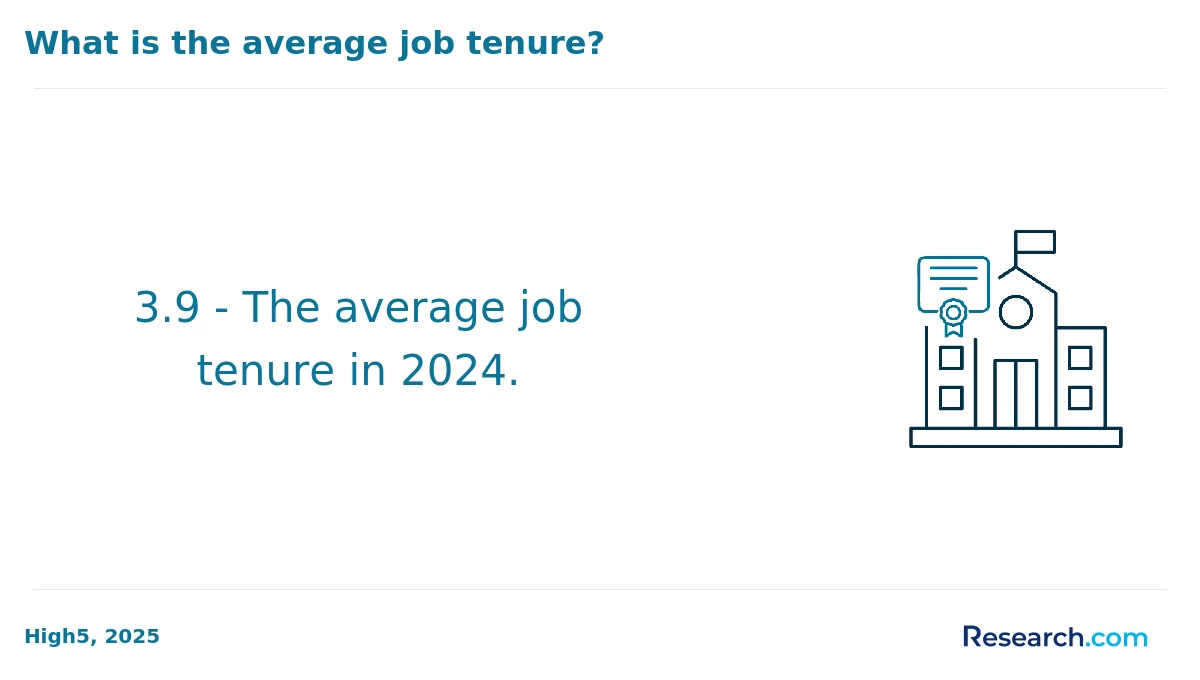
Career opportunities for associate degree graduates Birmingham span diverse fields with strong local demand. Many graduates from Birmingham's community colleges have successfully launched careers in healthcare, taking roles such as Registered Nurse (RN), Registered Behavior Technician, and Patient Advocate. For example, associate degree RNs often enjoy competitive salaries between $66,000 and $96,000 annually, reflecting both the city's healthcare needs and rewarding job market.
Business and administrative roles also attract many graduates, with positions like Property Manager, Customer Service Representative, and Healthcare Business Analyst frequently available. Graduates from local programs praise the practical skills gained, which lead to hourly wages between $22 and $27 in entry-level customer service jobs. Birmingham's programs offer strong pathways to grow professionally or transfer to four-year degrees.
Other popular associate degree jobs in Birmingham AL include technology-focused roles like Biomed Technician and Computer Support Specialist, as well as careers in legal support and emergency communications. Many students appreciate that these programs offer hands-on training tailored to Birmingham's employers.
To explore affordable options that fit your goals, consider enrolling in an online degree low cost program that supports your career ambitions.
The job market for associate degree graduates in Birmingham is vibrant, with over 800 postings actively seeking candidates holding these qualifications. Graduates from popular associate degree schools in Birmingham frequently share how their credentials have opened doors in healthcare, business, and IT sectors. For instance, many find roles as Registered Nurses earning between $66,000 and $96,000 annually, reflecting strong Birmingham Alabama associate degree salaries.
Opportunities extend beyond healthcare into areas such as legal services and information technology. Many graduates swiftly transition into roles like legal assistant, property manager, or IT support specialist. These positions often provide valuable benefits including health insurance and tuition assistance, making career growth practical and rewarding.
Job seekers report that relevant experience combined with an associate degree notably improves their chances, especially in administrative positions like billing specialists or program directors. The city also offers steady demand for customer service and retail roles, with wages ranging from $13 to $27 per hour, depending on the job.
For those exploring trade schools careers in Birmingham, the pathway from education to employment is direct and promising.
Best Associate Degree Programs - Leading Certification Courses in Birmingham for 2026
# 1 position
Jefferson State Community College - Veterinary/Animal Health Technology/Technician and Veterinary Assistant.
associateJefferson State Community College offers a program in Veterinary/Animal Health Technology/Technician and Veterinary Assistant that trains students to assist veterinarians and animal health professionals in patient care and clinical procedures. The curriculum covers animal nursing, health, nutrition, clinical pathology, radiology, anesthesiology, dental prophylaxis, surgical assisting, laboratory procedures, office administration, and communication. The program’s annual in-state tuition is $5,040 and is accredited by the Southern Association of Colleges and Schools Commission on Colleges.
# 2 position
Jefferson State Community College - Criminal Justice/Police Science.
associateJefferson State Community College offers a Criminal Justice/Police Science program in a hybrid format with some distance education options. The program prepares students for duties such as patrol, investigative activities, traffic and crowd control, witness interviewing, evidence management, crime prevention, weapon operation, and report preparation. The annual in-state tuition is $5,040. The program is accredited by the Southern Association of Colleges and Schools Commission on Colleges.
# 3 position
Jefferson State Community College - Physical Therapy Assistant.
associateJefferson State Community College offers a Physical Therapy Assistant program with a hybrid format, combining in-person and distance education. The program prepares students to assist physical therapists in treatment care plans and patient training. Coursework covers anatomy, physiology, biomechanics, kinesiology, and clinical documentation. Annual in-state tuition is $5,040. Graduates earn a median salary of $47,796 one year after completion. The program is accredited by the Southern Association of Colleges and Schools Commission on Colleges.
# 4 position
Jefferson State Community College - Office Management and Supervision.
associateJefferson State Community College offers a program in Office Management and Supervision designed to prepare students for managing business office operations and personnel. The curriculum covers employee supervision, management, labor relations, budgeting, scheduling, office systems, records management, and public relations. The program is accredited by the Southern Association of Colleges and Schools Commission on Colleges. Annual in-state tuition is $5,040.
# 5 position
Jefferson State Community College - Accounting Technology/Technician and Bookkeeping.
associateJefferson State Community College offers a hybrid Accounting Technology/Technician and Bookkeeping program designed to prepare students for technical administrative roles supporting accountants and financial managers. The curriculum covers posting transactions, record-keeping systems, accounting software, and fundamental accounting principles and practices. The program’s annual in-state tuition is $5,040. It is accredited by the Southern Association of Colleges and Schools Commission on Colleges.
# 6 position
Jefferson State Community College - Computer and Information Sciences, General.
associateJefferson State Community College offers a program in Computer and Information Sciences, General, which covers computing, computer science, and information science and systems. The program focuses on broad foundational knowledge without specialization. Annual in-state tuition is $5,040. Median earnings of graduates one year after completion are $29,478. The program is accredited by the Southern Association of Colleges and Schools Commission on Colleges.
# 7 position
Lawson State Community College - Dental Assisting/Assistant.
associateLawson State Community College offers a hybrid Dental Assisting/Assistant program that trains students to provide patient care, take dental radiographs, and assist in dental procedures under supervision. The curriculum covers medical record-keeping, office duties, equipment maintenance, sterilization, and chairside assisting. Annual in-state tuition is $4,980. The program is accredited by the Southern Association of Colleges and Schools Commission on Colleges.
# 8 position
Herzing University-Birmingham - Computer Systems Networking and Telecommunications.
associateHerzing University-Birmingham offers a program in Computer Systems Networking and Telecommunications designed to prepare students for roles as network specialists and managers. The curriculum covers operating systems, systems design, networking theory, security, and troubleshooting. Annual in-state tuition is $13,420. Graduates have a median earning of $43,901 one year after completion. The program is accredited by the Higher Learning Commission.
# 9 position
Herzing University-Birmingham - Legal Assistant/Paralegal.
associateThe Legal Assistant/Paralegal program at Herzing University-Birmingham prepares students to perform research, drafting, investigatory, record-keeping, and related administrative tasks under attorney supervision. The curriculum covers legal research, drafting legal documents, courthouse procedures, and legal specializations. Annual in-state tuition is $13,420. The program is accredited by the Higher Learning Commission. Median earnings one year after completion are $39,952.
# 10 position
Lawson State Community College - Computer and Information Sciences, General.
associateLawson State Community College offers a hybrid program in Computer and Information Sciences, General, combining computing, computer science, and information science systems. The program is accredited by the Southern Association of Colleges and Schools Commission on Colleges. Annual in-state tuition is $4,980. This general program is designed to provide foundational knowledge without focusing on specific computer science or information science specializations.
Frequently Asked Questions about associate degree programs
After completing an associate degree in Birmingham, preparation for the job market involves several key steps. First, graduates should develop a strong resume highlighting relevant skills and practical experiences gained during their studies. According to the Alabama Department of Labor, nearly 70% of associate degree holders in the region find employment within six months, often in healthcare, manufacturing, and business sectors.
Networking is also crucial; attending local job fairs and connecting with alumni can open doors to opportunities. Additionally, gaining certifications related to your field may increase employability and salary potential. Finally, utilizing campus career services or local workforce programs in Birmingham can provide guidance tailored to regional employers' needs.
Employers in Birmingham highly value both technical and soft skills in associate degree graduates. According to the Alabama Department of Labor, critical thinking and problem-solving ranks among the top soft skills requested by local employers. These skills help graduates adapt to Birmingham's diverse industries, including healthcare, manufacturing, and information technology.
Technical proficiency specific to the field of study is also essential. For example, many employers in Birmingham seek graduates with strong knowledge of computer applications, medical coding, or electrical systems, depending on the associate degree program.
Effective communication, teamwork, and time management remain vital across all sectors. A 2023 survey by the National Association of Colleges and Employers (NACE) confirms that 80% of Birmingham employers consider these soft skills critical for new hires with associate degrees.
Finding internships in Birmingham relevant to your associate degree program involves several practical steps. Start by consulting your college's career services office, which often partners with local businesses to provide internship opportunities tailored to students' fields of study. Additionally, websites like Handshake and Indeed frequently list internships available in Birmingham, some specifically targeted to community college students.
Birmingham hosts a growing number of industries including healthcare, technology, and manufacturing, all of which often offer internships suitable for associate degree holders. According to the Alabama Department of Labor, internship openings in the Birmingham metro area grew by 5% in recent years, especially in medical assisting and IT support roles.
Networking through local professional organizations and attending Birmingham job fairs can also increase your chances of securing a relevant internship. These connections frequently lead to opportunities not advertised publicly.
In Birmingham, obtaining an associate degree significantly enhances career mobility by providing foundational skills sought by local employers. According to the Alabama Department of Labor, individuals with an associate degree earn approximately 20% more on average than those with only a high school diploma. Many industries in Birmingham, including healthcare, manufacturing, and information technology, actively value the practical training that associate degrees offer.
Furthermore, associate degree holders often find improved opportunities for job advancement. Employers frequently consider this credential as a stepping stone toward managerial or specialized roles. Data from the National Center for Education Statistics shows that nearly 40% of Birmingham residents with associate degrees reported career advancements within five years of graduation.
Students pursuing associate degrees in Birmingham often find valuable part-time job opportunities that align with their field of study. For example, healthcare programs benefit from roles such as medical assistants or pharmacy technicians, positions that local hospitals and clinics frequently offer. According to the Alabama Department of Labor, healthcare support jobs in Birmingham have an average hourly wage of $14 to $18, making them practical for students balancing work and study.
Similarly, business or IT students can seek roles like administrative assistants or help desk support, which provide relevant experience and flexible hours. Retail and customer service positions also remain accessible, with Birmingham's growing economy creating numerous openings suitable for part-time schedules. These jobs help build communication and management skills while supporting educational goals.
Engaging in part-time employment related to one's associate degree enhances practical knowledge and often increases job prospects after graduation.
Researching degree programs near Birmingham, AL will reveal a variety of high-quality options in various fields like business, healthcare, engineering, and education. Many universities and colleges in Birmingham offer accredited programs with strong academic support, providing students with diverse opportunities in undergraduate and graduate studies. Research.com can serve as a helpful resource for exploring the best programs and universities "near me," ensuring you find a program that fits your academic and career goals.
- Best Trade School & Training Programs - Leading Certification Courses in Little Rock for 2026
- Best Trade School & Training Programs - Leading Certification Courses in Florence for 2026
- Best Trade School & Training Programs - Leading Certification Courses in Springfield for 2026
- Best Trade School & Training Programs - Leading Certification Courses in Angola for 2026
- Best Trade School & Training Programs - Leading Certification Courses in Akron for 2026
- Best Trade School & Training Programs - Leading Certification Courses in Adrian for 2026
- Average Corporate Associate Salary in Birmingham - Reed.co.uk https://www.reed.co.uk/average-salary/average-corporate-associate-salary-in-birmingham
- Job vacancies | Birmingham City Council https://www.birmingham.gov.uk/jobs
- Associate Degree Programs | Academics | Miami Dade College https://www.mdc.edu/academics/programs/associate.aspx
- Advancement Potential of Different Degrees and Majors - Resource Center Article https://nextmile.instride.com/resource/upward-mobility-degree-major
- Top Career Skills for Two-Year College Grads in 2025 https://www.hanoverresearch.com/reports-and-briefs/higher-education/top-career-skills-for-two-year-college-grads-in-2025/
- Online Associate Degree Programs | SNHU https://www.snhu.edu/online-degrees/associate
- 221 jobs in Birmingham | Page 1 | Find a job https://findajob.dwp.gov.uk/search
- Find Your Degree - Find Your Degree https://www.uab.edu/degrees/
- Financial Aid - Birmingham – Faulkner University https://www.faulkner.edu/adult/birmingham-campus/financial-aid-birmingham/
- Traditional vs Online Education - Which One Is Right For You? | Penn Foster https://www.pennfoster.edu/blog/traditional-vs-online-education



