
Best Certificate Programs - Leading Certification Courses in Benton Harbor for 2026

Co-Founder and Chief Data Scientist
Choosing the right trade school certificate program in Benton Harbor can open doors to rewarding career opportunities. This article introduces a carefully crafted ranking of the best trade school certificate programs, developed by the Research.com team of data scientists to guide you in making an informed decision.
By exploring these options, you’ll discover programs that match your goals and interests, helping you gain valuable skills faster. Earning a trade certification can boost your confidence and financial stability, making this journey worthwhile.
Let’s explore the options that can set you up for success in 2026.
Key benefits of getting trade school certificate in Benton Harbor
- Trade school graduates in Benton Harbor can earn strong salaries, with skilled trades averaging around $79,021 per year and manufacturing engineers making between $82,700 and $107,500 annually.
- Popular career paths include welding, electrical work, commercial driving, and manufacturing technology, providing a variety of rewarding options that suit many interests and skills.
- Online trade school certification offers flexibility and convenience, allowing students to learn at their own pace, balance work or family commitments, and still access quality education just like traditional on-campus programs.
- Best Certificate Programs - Leading Certification Courses in Benton Harbor for 2026
- What can I expect from trade school certification programs in Benton Harbor?
- Where can I work with trade school certification in Benton Harbor?
What can I expect from trade school certification programs in Benton Harbor?
The average cost of a trade school certification program in Benton Harbor typically ranges from $3,000 to $8,000, depending on the field and length of study. Graduates from programs like the Certified Nursing Assistant training at Michigan Career & Technical Institute often highlight how affordable their education was compared to traditional colleges, with many completing their certification in just a few months and quickly entering the workforce.
Students in automotive technology and skilled trades at Lake Michigan College report that their hands-on training with real machinery and industry-standard tools adds immense value without excessive tuition fees. These programs usually include costs for materials and certification exam fees, which can vary slightly but remain manageable.
Many find financial aid options and scholarships aimed at Benton Harbor residents, making these programs not only accessible but also a smart investment. The cost aligns well with the clear career paths and immediate job prospects graduates experience in high-demand industries around the area.
Where can I work with trade school certification in Benton Harbor?
After finishing a trade school certification program in Benton Harbor, graduates quickly find work in well-matched local industries. For example, those who complete Automotive Technology programs often join nearby repair shops or dealerships, confidently handling vehicle diagnostics and repairs thanks to hands-on training at schools like MCTI.
Healthcare certifications such as Certified Nursing Assistant open doors in nursing homes and hospitals around Benton Harbor. Graduates share how working directly with patients creates rewarding daily experiences, supported by practical skills learned at local campuses.
Culinary Arts students find satisfying jobs as cooks or prep chefs in the vibrant restaurant and resort scene along Lake Michigan, with ServSafe certification boosting their appeal to employers.
Those trained in Skilled Trades Technology enter manufacturing or construction jobs, filling roles like welder or electrical technician at regional companies eager to hire locally certified talent from institutions such as Lake Michigan College.
IT certificate holders land entry-level roles in offices and clinics, thriving as support specialists due to versatile skills gained close to home. Retail Marketing and Pharmacy Technician grads also report steady positions in stores and pharmacies throughout Benton Harbor.
Graduates from trade school certification programs in Benton Harbor generally start with apprenticeship or trainee wages ranging from $17.12 to $20.94 per hour. Many recent graduates from well-known local trade schools have shared how these entry-level roles gave them solid footing while learning on the job and quickly moving up.
For those pursuing careers as maintenance technicians or building engineers, annual salaries often climb to between $73,939 and $96,116. These positions, commonly filled by those holding certificates from Benton Harbor's prominent trade programs, come with benefits like health insurance and paid time off, boosting overall income and stability.
Graduates describe gaining confidence knowing their skills are in demand by employers eager to hire certified technicians. The steady income growth as they gain experience helps many students feel financially secure and optimistic about their futures. In Benton Harbor's robust job market for certified tradespeople, these programs offer realistic, well-paying career pathways that resonate deeply with those looking to build practical, rewarding lives.
- Amanda: Studying the HVAC certification in Benton Harbor completely changed my life. The hands-on training prepared me for real-world challenges, and the local job market welcomed me warmly. I now enjoy steady work repairing climate systems, feeling proud to contribute to our community's comfort.
- Jalen: The welding program here was intense but rewarding. The instructors pushed us to perfect our skills, and thanks to their connections, I landed a fabrication job almost immediately after graduating. Benton Harbor's trade schools truly open doors to well-paying jobs and a bright future.
- Sofia: Completing the medical billing certification in Benton Harbor gave me both confidence and practical skills to thrive in healthcare offices. The flexible schedule helped me balance life and study, and now I enjoy a fulfilling career helping clinics manage patient information efficiently.
- Trade school certification programs in Benton Harbor often require a high school diploma or GED for admission and may include career assessments to match students with appropriate fields.
- The Certified Nurse Aide (CNA) program costs around $850 for a 98-hour course qualifying students for the Michigan CNA Exam.
- More advanced programs like Skilled Trades Technology can cost between $2,000 and $10,000, depending on specialty and duration.
- CNA graduates typically earn starting wages of $16-$19 per hour, with potential growth up to $25 per hour with experience.
- Skilled trades workers commonly make $40,000-$55,000 annually at first, with opportunities to earn $60,000-$70,000 or more over time.
- Many programs offer evening, weekend, online, or hybrid classes to accommodate working adults and provide financial aid or scholarships to eligible students.
Trade school certification programs in Benton Harbor typically take less than two years to complete, making them an efficient path to entering the workforce quickly. At Lake Michigan College, for example, most certificate programs are designed for rapid completion, often finishing in under two years. Graduates from these programs often share how the focused curriculum helped them gain practical skills without lengthy delays.
Some certifications, like electrician training, can be completed in as little as six months, allowing students to move swiftly into apprenticeships that build hands-on experience. Healthcare certifications such as Certified Nursing Assistant (CNA) programs through Michigan Career & Technical Institute (MCTI) also offer fast-track options, enabling students to start working sooner.
Many vocational certificates in Benton Harbor, especially in areas like welding or HVAC, take less than a year. High school students can even earn some certifications within a single year through Career & Technical Education (CTE) programs. These flexible timelines give students confidence and motivation, turning their career goals into reality without prolonged waiting periods.
The key difference between online and on-campus trade school certification programs in Benton Harbor lies in how students learn and gain hands-on experience. On-campus programs, such as those at the Michigan Career & Technical Institute extension campuses, give students real, in-person access to equipment and labs. Graduates often recall working directly with tools in automotive technology or welding classes, gaining confidence through supervised practice. This face-to-face setup also allows them to receive immediate feedback and build strong connections with instructors and classmates.
Online programs, meanwhile, offer flexibility by letting students study at their own pace from home. Fields like medical office administration and IT often use online formats, helping those juggling work or family. However, students typically must seek their own local internships or practical assessments to complete hands-on requirements. Many graduates appreciate this freedom but note the extra effort needed to arrange real-world practice outside the program.
The average trade school certification cost in Benton Harbor generally falls between $17,000 and $22,000, which aligns with Michigan's statewide figures. This range typically covers tuition, books, equipment, and mandatory fees, making tuition the largest expense. Benton Harbor trade program tuition and fees alone often range from $14,000 to $22,000, reflecting the substantial investment required for quality vocational training. Graduates of popular programs such as welding or HVAC speak positively about the value of their education despite the costs, sharing that their hands-on training and certifications opened doors to well-paying jobs.
Many students start with more affordable, specialized courses priced as low as $150 to $180 per course, especially when taking advantage of group discounts. For example, those enrolling in a 12-week welding certification spent about $11,500 to complete their 484 hours of training, while HVAC students typically budget around $2,167 per program including testing fees. Beyond tuition, budgeting approximately $500 to $1,000 annually for books and $500 to $5,000 for necessary tools or equipment is wise. Additionally, living expenses like accommodation from $1,200 to $1,800 per year can affect the total cost significantly.
Many Benton Harbor students find relief in financial aid, scholarships, or even tuition-free apprenticeships in trades like plumbing, which offer paid work while learning. Exploring these options locally is critical. For those wondering is there a difference between a trade and a vocational program, investigating funding opportunities and program types early can make all the difference in managing costs effectively.

Students pursuing trade school certification programs in Benton Harbor have access to multiple financial aid options that make focused career training affordable. The first essential step is completing the Free Application for Federal Student Aid (FAFSA), which determines eligibility for federal and state grants, loans, and work-study programs.
Graduates from schools like Lake Michigan College often rely on Federal Pell Grants, which are crucial because they don't need to be repaid. Additionally, many receive scholarships awarded locally for academic achievement or specific trade programs; Southwestern Michigan College, for example, gives out over $1 million annually in scholarships supporting trade students.
Work-study programs also provide hands-on jobs, allowing students to earn while learning, easing tuition and living cost challenges. Some students have found emergency support helpful, such as the Muhammad & Lonnie Ali Student Success Fund at Lake Michigan College, which offers up to $500 for unexpected hardships.
Federal student loans remain an option for extra financial help, offering lower interest rates than private lenders. Students must maintain good academic standing to keep receiving aid, ensuring progress toward their certification.
To enroll in a trade school certification program in Benton Harbor, you typically need a high school diploma or GED equivalent. This ensures you have the essential reading, writing, and math skills to succeed in technical courses. Graduates from local programs, such as those at the Michigan Career & Technical Institute (MCTI) extension campus, often highlight how this foundation boosted their confidence navigating hands-on training.
Many programs require a Career Assessment to align your interests with the right technical path. For example, those pursuing a Certified Nursing Assistant (CNA) certificate must demonstrate readiness for patient care through this process. In practical terms, this means you'll sit for a quick evaluation early on to find the best fit for your skills.
- Most programs require you to be at least 18 years old, but some high school juniors and seniors can join Career and Technical Education (CTE) courses.
- Healthcare-related programs may ask for background checks, immunization records, and physical ability verification.
- Trade programs at Lake Michigan College might ask you to complete placement tests in math or reading before advancing.
These steps are designed to help you enter training fully prepared, like local graduates who felt well-supported through career counseling and assessments ensuring they were ready to thrive in certificates like welding or automotive technology.
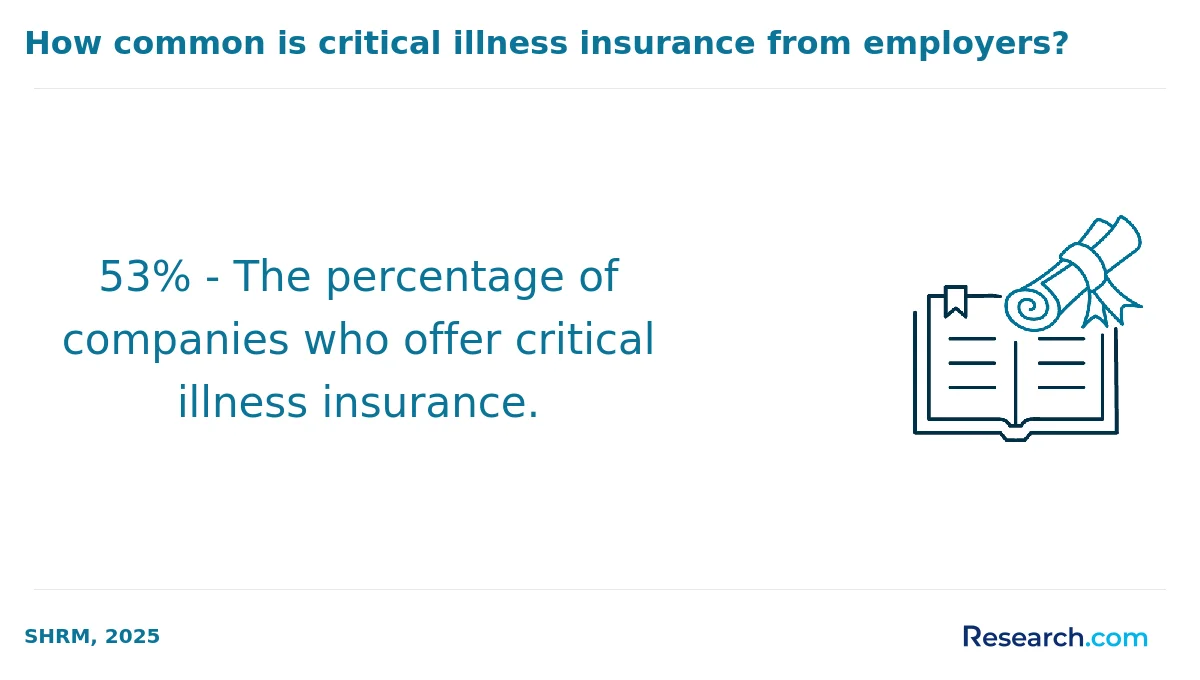
Trade school courses in Benton Harbor commonly center on hands-on training that prepares students for immediate employment. Graduates from local programs often express confidence thanks to practical experiences like clinical rotations in Certified Nursing Assistant training or real-world projects in Automotive Technology. These courses include thorough preparation for state and industry certifications, ensuring students develop skills that employers actively seek.
Vocational certificate programs Benton Harbor typically include:
- Certified Nursing Assistant (CNA) with patient care and clinical skills
- Automotive Technology focusing on engine repair, brakes, and electrical systems
- Culinary Arts with training in large-scale food prep and ServSafe certifications
- Machine Technology covering welding and CNC machining
- Industrial Electronics for diagnosing manufacturing equipment problems
- Information Technology certifications like CompTIA for network and device troubleshooting
Students in Benton Harbor's trade schools benefit from courses incorporating both theory and practical assignments, increasing job readiness. For those exploring technical careers, programs are aligned with regional demands, making them relevant and rewarding. Those interested in expanding skill sets may also explore the best online hvac certificate programs, often recommended alongside local offerings for workforce versatility.
Choose programs in Benton Harbor based on accreditation and real-world relevance. Graduates from the Michigan Career & Technical Institute often praise the hands-on training in Automotive Technology and Certified Nursing Assistant courses, which are developed with input from industry professionals. This ensures students learn skills that employers truly want, making their certification valuable locally and beyond. To find the best trade school programs in Benton Harbor, look for schools offering advisory committee-backed curriculums and diverse course selections.
Consider the breadth of programs and how they fit your goals. For instance, students at Lake Michigan College appreciate the Skilled Trades Technology program's emphasis on welding and electrical work, which directly prepares them for manufacturing jobs that are in high demand in the area. Many locals also explore health science or hospitality pathways through career and technical education programs linked with Berrien County schools.
Weighing the costs carefully is crucial too. To compare trade school costs Benton Harbor students rely on, check for financial aid or scholarships. Some opt for low cost online maintenance technician trade school programs for flexibility and affordability, which can be a great way to balance learning with work and life commitments.
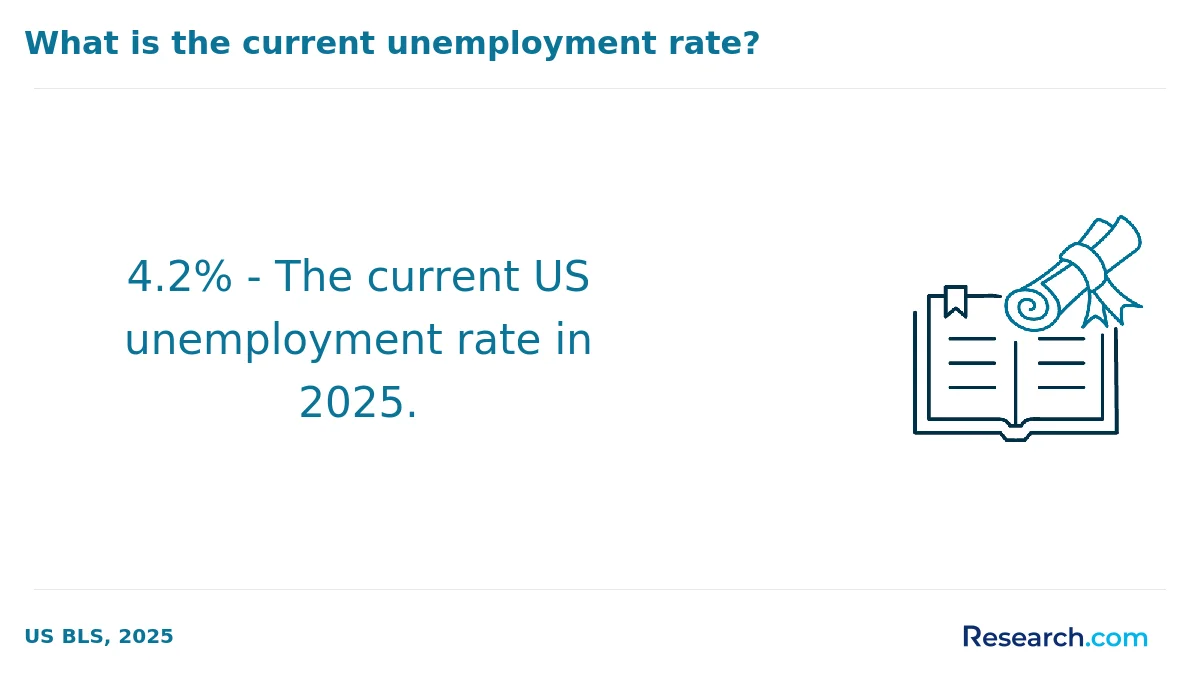
Graduates of trade school certification programs in Benton Harbor find a wide variety of career paths that match the local job market's demand. Healthcare roles, particularly for Certified Nursing Assistants trained at the Michigan Career & Technical Institute's Benton Harbor campus, are sought after by hospitals and care facilities. Skilled trades such as automotive technology, welding, and electrical work are popular options, with many graduates earning certifications that local employers highly value.
Others have success in culinary arts and hospitality, where certifications like ServSafe help them quickly step into roles in restaurants and hotels, often moving into management. IT certifications prepare students for foundational roles as IT support specialists or network technicians, fitting perfectly with Benton Harbor trade certification job outlook.
Additional career opportunities include cabinetmaking, commercial printing, pharmacy technician, and retail marketing, all offering fast entry to stable employment. Many graduates appreciate how these programs, including those that offer work-based learning and sometimes college credit, provide a practical alternative if you are asking yourself whether is trade school better than college.
The job market in Benton Harbor offers strong job opportunities for trade school graduates in Benton Harbor, with steady demand across manufacturing, healthcare, construction, and IT sectors. Graduates from local schools like Lake Michigan College and the Michigan Career and Technical Institute find roles in welding, CNC machining, electrical work, and automotive technology, reflecting a Benton Harbor skilled trades employment outlook that remains positive and growing.
Many of these programs are designed with real employer input, ensuring skills learned align directly with what local businesses need. Graduates often share the satisfaction of securing paid apprenticeships and training positions that allow them to earn while they learn.
Key factors boosting employment prospects include:
- Access to paid training roles and apprenticeships in fields like truck driving and direct support professions
- Strong local partnerships and state initiatives promoting talent development
- The reputation of certifications from recognized local programs
For those seeking flexible options, there are also cheap online electrical lineworker training programs to complement in-person study, broadening pathways to skilled trades careers in Benton Harbor and beyond.
Best Certificate Programs - Leading Certification Courses in Benton Harbor for 2026
# 1 position
Lake Michigan College - Welding Technology/Welder.
certificate or diplomaLake Michigan College offers a Welding Technology/Welder program with a hybrid format, including some distance-education options. The program prepares students to apply technical skills in various welding methods such as arc welding, resistance welding, brazing, and soldering. Instruction covers materials, welding metallurgy, safety, and structural design. The annual in-state tuition is $5,265. The program is accredited by the Higher Learning Commission.
# 2 position
Lake Michigan College - Dental Assisting/Assistant.
certificate or diplomaLake Michigan College offers a Dental Assisting/Assistant program in a hybrid format, combining in-person and distance education. The program prepares students to provide patient care, take dental radiographs, assist chairside, and manage office administrative tasks under supervision. Instruction includes medical record-keeping, equipment maintenance, sterilization, and patient intake. The program is accredited by the Higher Learning Commission. Annual in-state tuition is $5,265.
# 3 position
Lake Michigan College - Phlebotomy Technician/Phlebotomist.
certificate or diplomaLake Michigan College offers a Phlebotomy Technician/Phlebotomist program with a hybrid format, including some distance-education options. The program prepares students to draw blood samples under medical supervision and covers vascular anatomy, blood physiology, skin puncture, venipuncture, specimen handling, safety, and regulations. Annual in-state tuition is $5,265. The program is accredited by the Higher Learning Commission.
Frequently Asked Questions about trade school certificates
After completing trade school certification programs in Benton Harbor, preparing for the job market involves several key steps to increase employability. First, graduates should develop a strong resume highlighting practical skills and relevant certifications obtained during their studies. Local employers value hands-on experience, so including any internships or practicums can be beneficial.
Networking is also essential. Joining local trade associations or attending job fairs in Benton Harbor can connect graduates with employers seeking skilled workers. According to the Michigan Department of Labor, trade-related jobs in the Benton Harbor area are projected to grow by 5% over the next five years, especially in manufacturing and construction sectors.
Finally, graduates should consider continuing education or specialized training to stay updated with industry standards, enhancing their competitiveness in the job market.
Employers in Benton Harbor highly value both technical and soft skills when hiring graduates from trade school certification programs. According to recent data from the Bureau of Labor Statistics and local industry reports, skills in equipment operation, electrical systems, and HVAC technology are among the most sought-after technical competencies.
Beyond technical expertise, employers emphasize strong communication, problem-solving, and teamwork abilities. A 2023 survey by the Michigan Workforce Development Agency found that 68% of local employers in manufacturing and construction prefer candidates who demonstrate reliability and adaptability.
Trade schools that blend hands-on training with instruction in time management and workplace safety prepare graduates to meet these demands effectively, enhancing employability in Benton Harbor's competitive job market.
Finding internships in Benton Harbor related to your trade school certification program involves targeted research and networking. Start by exploring local businesses in industries aligned with your training, such as manufacturing, automotive, or healthcare. Many employers in Benton Harbor partner with trade schools to offer internships that provide hands-on experience.
The Michigan Talent Connect platform often lists internships and job opportunities within the Benton Harbor area, helping students connect with employers looking for skilled workers.
Contacting your trade school's career services is also crucial, as they typically maintain relationships with local companies and can assist with referrals.
Additionally, professional organizations and local workforce development boards offer resources and workshops to improve internship placement success.
Trade school certification programs in Benton Harbor provide a practical pathway to career mobility and advancement. These programs equip students with specialized skills that meet local industry demands, such as manufacturing, automotive repair, and healthcare. According to the U.S. Bureau of Labor Statistics, workers with trade certifications generally experience faster job placement and higher earnings compared to those without.
In Benton Harbor, employers often prefer certified candidates because certifications demonstrate verified competencies. This preference can translate into promotions and wage increases more rapidly than with a general high school diploma. Additionally, certifications can open doors to apprenticeships and union jobs, expanding career options.
The Michigan Department of Labor reports that trade-certified workers in Benton Harbor experience on average a 12% increase in job retention over non-certified peers. Overall, certification enhances both job security and upward mobility in the region's competitive labor market.
Part-time job opportunities in Benton Harbor that complement trade school certification programs often include roles in construction, automotive repair, and healthcare support. These fields align closely with popular certifications such as HVAC technician, electrician, and medical assistant programs. According to the U.S. Bureau of Labor Statistics, part-time jobs in construction and healthcare are projected to grow over 5% in the Michigan region through 2026, supporting practical experience alongside classroom learning.
Local businesses in Benton Harbor frequently seek part-time workers with basic certification, offering flexible hours that fit student schedules. Positions such as apprentice electrician or pharmacy technician assistant provide valuable hands-on training while earning income.
This combination helps students build a resume that appeals to future employers while reinforcing skills gained in their trade programs.
There are numerous degree programs available near Benton Harbor, MI, that cater to a wide range of academic interests and career goals. Nearby educational institutions offer diverse fields of study such as business, healthcare, and technology, allowing students to pursue their academic pursuits close to home. For those seeking information on specific programs "near me" or near Benton Harbor, MI, Research.com can be a helpful resource to explore potential opportunities aligning with individual preferences and professional objectives.
- Research - Trade School Vs College https://research.com/universities-colleges/trade-school-vs-college
- Apprenticeships for high schoolers are touted as the next big thing. One state leads the way https://hechingerreport.org/apprenticeships-for-high-schoolers-are-touted-as-the-next-big-thing-one-state-leads-the-way/
- Training | Michigan Works! https://www.miworks.org/training
- Internship Programme | UN Trade and Development (UNCTAD) https://unctad.org/page/internship-programme
- Lake Michigan College | Benton Harbor • Niles • South Haven https://www.lakemichigancollege.edu/
- Unions Try to Kill a Private Trade School – Mackinac Center https://www.mackinac.org/unions-try-to-kill-a-private-trade-school
- What Skills Do Employers Want from Graduates? 20 Key Skills - HE Professional https://heprofessional.co.uk/edition/what-skills-do-employers-want-from-graduates-release
- Career & Technical Education | Benton Harbor Area Schools https://www.bhas.org/page/career-technical-education
- Online Trade School https://www.ashworthcollege.edu/area-of-study/trades/
- Electrician Trade Schools in Benton Harbor, MI - Get Training! https://electricalcareernow.com/electrician-schools/benton-harbor-mi


