Most Affordable Associate Degree Programs - Leading Certification Courses in Hilo for 2026

Co-Founder and Chief Data Scientist
Choosing the right associate degree program in Hilo can feel overwhelming, but it doesn’t have to be. This article introduces a helpful associate degree programs ranking created by the Research.com team of data scientists to guide you through the best options available.
With this information, you’ll discover affordable programs that match your goals and budget. Earning an associate degree opens doors to new career opportunities and personal growth, making it a valuable step forward.
Whether you’re starting fresh or upgrading skills, this guide supports your journey to success.
Key benefits of associate degrees in Hilo
- Associate degree graduates in Hilo can earn competitive salaries, such as $57,106 per year for Construction Administrative Assistants and up to $77,600 annually for those with an Associate of Science degree.
- Popular career paths for associate degree holders include roles like Physical Therapist Assistant, Medical Transcriptionist, and HR Program Coordinator, reflecting diverse opportunities from local schools like Hawaii Community College.
- Completing an online associate degree offers flexibility and convenience, allowing students to balance work and study while accessing quality education similar to traditional on-campus programs.
- Most Affordable Associate Degree Programs - Leading Certification Courses in Hilo for 2026
- What can I expect from associate degree programs in Hilo?
- Where can I work after finishing associate degree programs in Hilo?
What can I expect from associate degree programs in Hilo?
In Hilo, the average cost for an associate degree program typically ranges from $3,600 to $4,200 per year for in-state students, based on tuition fees of about $120 to $140 per credit hour. Graduates from Hawaii Community College frequently mention how this affordability made balancing work and school much easier without overwhelming debt.
Many students appreciate the option to attend classes in person or fully online, allowing them to fit studies around their family and job commitments. Programs usually require around 60 credits over two years, blending general education with hands-on learning through practicums or labs.
Financial aid and discounts, especially for military personnel or Native Hawaiians, add to the accessibility. The supportive environment, highlighted by a small student-to-faculty ratio like 18:1 at Hawaii Community College, helps students feel connected and motivated throughout their studies.
Graduates often find entry-level employment or transfer smoothly to four-year universities, making the cost a valuable investment in their future career path.
Where can I work after finishing associate degree programs in Hilo?
After finishing an associate degree program in Hilo, graduates find a variety of rewarding job options locally. Many secure roles in banking and healthcare, which dominate the job market here. For instance, graduates from Hilo Community College often land positions as Customer Service Representatives at First Hawaiian Bank, earning $21 to $24.50 per hour.
Healthcare is another thriving field. Those with an associate degree can become licensed Dental Hygienists, starting at $51 per hour full time. Others work as Physical Therapist Assistants or Medical Billing Specialists, roles frequently filled by graduates of local health programs.
Business and administration careers are also popular. Graduates often become Bookkeepers or HR Program Coordinators, with steady salaries of $22 to $28 per hour. Local institutions like St. Anthony School hire many associate degree holders.
Additionally, the government sector offers fast-track civil service jobs, especially appealing to those studying at the University of Hawaiʻi at Hilo. Trade roles such as CAD technicians provide further practical paths to success and job satisfaction right here in Hilo.
After finishing an associate degree program in Hilo, your earnings vary based on your field of study and job choice. Graduates from Hawaii Community College, a popular school in Hilo, report starting salaries around $37,147 annually across different majors. This can feel encouraging if you're just starting out and eager to enter the workforce quickly.
For those pursuing accounting, the numbers are especially promising. Many graduates find roles paying an average of $53,862 per year, with top earners making over $70,000. Some have shared how they started as Associate Accountants earning about $59,000 annually and progressed to positions like Payroll Tax Accountant, reaching salaries up to $85,000. These roles often translate to an hourly wage around $25 to $30, which supports a comfortable lifestyle in Hilo.
Knowing this, students at Hilo's community colleges feel motivated to apply their skills and grow professionally in strong local industries. It's wise to explore specific job postings in Hilo to get a clearer idea based on your major and experience.
- Kai: Earning my Associate of Applied Science in Welding at Hilo's trade school was truly life-changing. The hands-on training prepared me perfectly for a rewarding job at a local shipyard. The small class sizes and expert instructors gave me confidence and skills that employers here highly value.
- Leilani: Studying Early Childhood Education at the community college in Hilo opened doors I never imagined. The practical experience in real classrooms made all the difference. Now, as a preschool teacher, I feel fulfilled shaping young minds and giving back to our vibrant island community.
- Maleko: Getting my Associate Degree in Culinary Arts in Hilo was both challenging and exciting. The trade school's focus on real-world skills helped me land a chef position at one of Hilo's top restaurants. The friendly environment and passionate instructors made every day enjoyable and inspiring.
- Most associate degree programs in Hilo are offered through community colleges like Hawaii Community College, which accepts students with a high school diploma or GED.
- In-state tuition typically costs between $120 and $140 per credit hour, totaling around $7,860 to $8,400 for a 60-credit associate degree.
- Out-of-state tuition can be 1.5 to 2 times higher, with some discounts available for military personnel and Native Hawaiians.
- Popular fields for associate degrees include business administration, liberal arts, health sciences, and information technology.
- Early career salaries for graduates range from $35,000 to $45,000, with top fields reaching up to $76,928 on average.
Most associate degree programs in Hilo take about two years of full-time study to complete. At popular schools like the University of Hawai'i at Hilo's community college, graduates often share how their steady course load-typically 60 semester credits-helped them finish on schedule while balancing part-time jobs or family. This two-year timeline fits the standard seen nationwide and suits students eager to enter the workforce quickly.
For those managing work or other commitments, many Hilo schools offer flexible scheduling and online courses. Graduates who took advantage of these options found they could maintain progress without sacrificing personal responsibilities, though their completion might extend beyond two years.
Transfer credits can also shorten the path. Students with prior college experience often reduce their study time significantly, sometimes finishing a year earlier. This flexibility lets students tailor their pace to their unique situations while keeping their goals realistic and achievable.
The key difference between online and on-campus associate degree programs in Hilo centers on how and where you study. For example, graduates from Hawaiʻi Community College who pursued online programs appreciated the flexibility to balance work and family, completing coursework at their own pace using platforms like Moodle. This asynchronous setup lets students log in whenever it suits them, making it easier to manage busy schedules without sacrificing progress.
On the other hand, students attending on-campus programs at Leeward Community College value the face-to-face interaction with instructors and classmates. They often mention how being physically present on campus helped them stay motivated and fully engage with hands-on labs or group projects, creating a stronger sense of community.
Both formats require about 60 credits and lead to the same accredited degree, so whether you prefer studying from home or enjoy the energy of campus life, schools like Kapiʻolani Community College support both paths with accessible tuition rates for Hawaii residents and comprehensive student services tailored to each learning style.
The average cost of associate degree in Hilo is influenced mainly by tuition rates at community colleges and the University of Hawaiʻi at Hilo. For in-state students, tuition typically falls between $120 and $140 per credit hour. Since most associate degrees require about 60 credits, this translates to a total tuition of approximately $3,600 to $4,200 annually at local community colleges. Many graduates recall how affordable their programs were, enabling them to focus on studies without overwhelming financial stress.
Hilo associate degree tuition and fees at the University of Hawaiʻi at Hilo are slightly higher, with full-time in-state tuition totaling around $5,868 per academic year. Non-residents face costs more than double that, around $13,284. Despite this, students appreciate UH Hilo's campus resources and the flexibility of course offerings. Many find that the value balances the investment, especially when combined with financial aid, scholarships, or special exemptions, such as those for Native Hawaiians and military personnel.
Considering living expenses, total annual costs can rise significantly, sometimes exceeding $18,600 for those living off-campus. However, students who take advantage of available aid often feel relieved and motivated to complete their programs successfully. For those exploring cost-effective pathways with career potential, researching high paying certifications alongside an associate degree can be a practical next step to maximize returns on education.
Students pursuing associate degrees in Hilo often rely on several forms of financial aid to ease the cost of education. Many graduates from Hawaii Community College recall how completing the FAFSA early unlocked access to federal aid like the Pell Grant, which covered a significant portion of their tuition without the pressure of repayment.
Federal loans and the Work-Study program are also options, with the latter offering part-time campus jobs that help students earn while they learn. For example, some students shared how working in college libraries or administrative offices provided both income and valuable experience.
State grants and scholarships create additional support, especially for Hawaii residents demonstrating financial need or heritage eligibility, such as Native Hawaiians. Hawaii Community College's tuition waivers helped many alumni reduce costs, allowing them to focus on studies rather than finances.
Because total expenses vary by living situation, early financial planning and prompt acceptance of aid through student portals are key to making education in Hilo accessible and manageable.
To enroll in an associate degree program in Hilo, you must hold a high school diploma or a GED certificate-this is a basic but essential step. Many successful graduates from popular Hilo colleges share how meeting this first requirement gave them confidence to start their journey smoothly.
Most programs also expect a minimum GPA between 2.0 and 2.5, with more competitive fields like nursing sometimes requiring closer to 3.0. Students often recall how aiming for a strong GPA paid off, especially when applying to healthcare programs with high standards.
Common prerequisites include completing foundational courses in biology, chemistry, or math. For example, those entering nursing programs at Hilo institutions often need to finish these courses along with lab work.
Applicants may need to take entrance exams such as the TEAS or HESI, which assess readiness for demanding coursework. Many students feel these tests prepared them well for the rigor ahead.
Additional requirements can include submitting official transcripts, letters of recommendation, personal statements, or proof of relevant experience. International students should be ready to show English proficiency and have foreign transcripts evaluated.
- High school diploma or GED
- Minimum GPA of 2.0 to 2.5 (higher for competitive programs)
- Prerequisite courses in sciences or math
- Entrance exams like TEAS or HESI
- Official transcripts and supporting documents
Associate degree programs in Hilo Hawaii typically start with a solid foundation of general education courses designed to build key skills. Graduates often recall tackling classes such as Expository Writing, College Algebra, and Introduction to Psychology, which develop strong communication, critical thinking, and analytical abilities. These common courses in Hilo associate degree programs set students up for success whether entering the workforce or transferring to a four-year university.
Beyond core subjects, specialized coursework aligns with career goals or academic interests. For example, the Associate of Arts in Liberal Arts focuses on humanities electives, while a science track includes lab-intensive classes like General Biology and Calculus. Technical programs in areas such as Administration of Justice or Agriculture combine theory with hands-on learning, offering engaging, real-world experiences. Students appreciate that many programs at Hawaii Community College provide flexible online options, fitting study around work or family commitments.
For those wondering about further education paths, exploring what is the easiest masters degree to get online can help plan next steps smoothly.
Choosing the best affordable associate degree programs in Hilo starts with focusing on your career goals and the practical benefits of each program. Graduates from Hawaii Community College often highlight the value of programs that balance career-ready skills with smooth transfer options to four-year schools. For example, students pursuing health sciences or technology appreciate the flexible schedules that accommodate work and family, alongside strong support services such as tutoring and advising.
Comparing Hilo associate degree costs and outcomes is essential. Many find that in-state tuition below $4,000 per year makes community colleges a smart investment, especially when combined with scholarships and federal aid. Completing the FAFSA is key to unlocking these opportunities. Some graduates report that looking into programs with transfer agreements to the University of Hawaii system improved their confidence in progressing academically.
Real-life experiences show that picking programs offering hands-on internships or certifications can boost immediate employability. Additionally, students concerned about expenses can explore resources on the cost of online associate's degree to find even more affordable options tailored to their needs.
Graduates with an associate degree in Hilo enjoy diverse career opportunities tailored to the local job market. Popular paths include healthcare roles such as radiologic technologist, dental hygienist, and physical therapist assistant, with hourly wages reaching up to $33.25. Many graduates from local associate degree schools find rewarding entry level jobs with associate degree in Hilo in business settings too, taking on positions like customer service representative or HR coordinator where starting pay ranges from $21 to $24.50 per hour.
Skilled trades are another vibrant area, with opportunities for civil designers, lube technicians, and CAD technicians who contribute to critical infrastructure projects across the islands. Recent graduates share positive experiences about leveraging their associate degrees from Hilo institutions to quickly enter the workforce and build meaningful careers.
For those seeking upward mobility, associate degrees often pave the way to supervisory roles such as branch manager at solar supply companies, with salaries starting around $80,000 annually. Many students also use their two-year degrees to transfer into bachelor's programs, enhancing their career opportunities. Prospective students interested in flexible education options can explore cheapest online colleges that accept fafsa, expanding pathways beyond Hilo.
The job market for associate degree graduates in Hilo remains promising, with many local employers actively seeking skilled workers. Graduates from Hawaii Community College (Hawaii CC) in Hilo report starting salaries averaging $37,147 per year, reflecting solid opportunities in healthcare, technical roles, and business operations. Those who complete their associate programs often find themselves in positions such as radiologic technologist, dental hygienist, or physical therapist assistant, with hourly wages ranging from $18 to over $33.
Strong employment trends in Hilo Hawaii associate degree employment trends indicate:
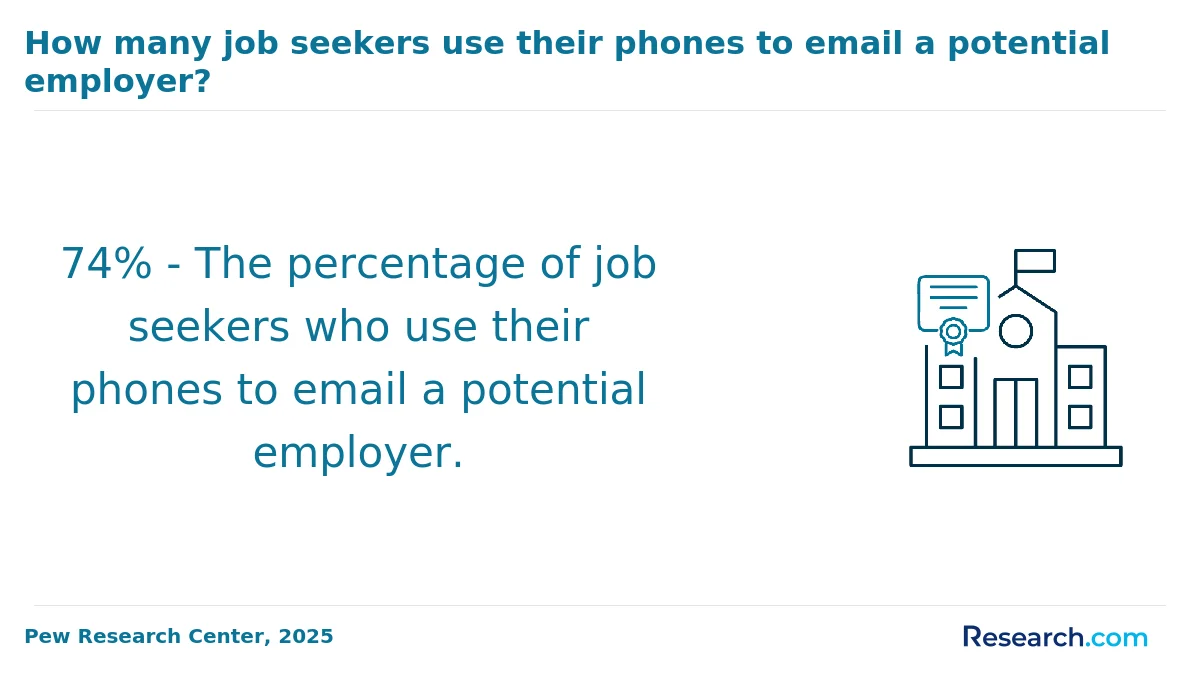
- Statewide job openings totaling 27,000 in early 2025 signal ongoing demand.
- Low competition with only 0.8 unemployed persons per job opening makes job searching easier.
- Growth in fields like healthcare, accounting, administrative services, and tech roles.
Many graduates share that the availability of internships and entry-level roles at local organizations helped them gain valuable experience and build careers close to home. Exploring job certifications that pay well further improves prospects. If you are looking for practical job opportunities for associate degree graduates in Hilo, this landscape offers stability and potential for growth aligned with steady economic conditions statewide.
Most Affordable Associate Degree Programs - Leading Certification Courses in Hilo for 2026
# 1 position
Hawaii Community College - Information Technology.
associateHawaii Community College offers a hybrid Information Technology program focusing on designing technological information systems for business and research needs. The curriculum includes computer hardware and software principles, algorithms, databases, telecommunications, application testing, and human interface design. Annual in-state tuition is $3,204. The program is accredited by the Western Association of Schools and Colleges Accrediting Commission for Community and Junior Colleges.
# 2 position
Hawaii Community College - Criminal Justice/Police Science.
associateHawaii Community College offers a Criminal Justice/Police Science program in a hybrid format, combining in-person and distance education. The program prepares students for law enforcement duties such as patrol, investigation, traffic and crowd control, evidence management, and report preparation. Annual in-state tuition is $3,204. The program is accredited by the Western Association of Schools and Colleges Accrediting Commission for Community and Junior Colleges.
# 3 position
Hawaii Community College - Electrician.
associateHawaii Community College offers a hybrid Electrician program that trains students to install, operate, maintain, and repair electrical systems including residential, commercial, and industrial wiring. The curriculum covers electronics, power transmission, safety, electrical testing, and applicable codes. The program’s annual in-state tuition is $3,204. It is accredited by the Western Association of Schools and Colleges Accrediting Commission for Community and Junior Colleges.
# 4 position
Hawaii Community College - Welding Technology/Welder.
associateHawaii Community College offers a Hybrid Welding Technology/Welder program that prepares students to apply technical skills in welding and metal cutting. The curriculum includes arc welding, resistance welding, brazing, soldering, high-energy beam welding, and solid state welding. Students learn about materials, welding metallurgy, safety, and relevant codes. The program’s annual in-state tuition is $3,204 and it is accredited by the Western Association of Schools and Colleges Accrediting Commission for Community and Junior Colleges.
# 5 position
Hawaii Community College - Accounting Technology/Technician and Bookkeeping.
associateHawaii Community College offers a hybrid program in Accounting Technology/Technician and Bookkeeping designed to prepare students for technical administrative roles supporting accountants and financial staff. The curriculum covers posting transactions, record-keeping systems, accounting software operation, and fundamental accounting principles. Annual in-state tuition is $3,204. The program is accredited by the Western Association of Schools and Colleges Accrediting Commission for Community and Junior Colleges.
# 6 position
Hawaii Community College - Marketing/Marketing Management, General.
associateHawaii Community College offers a hybrid Marketing/Marketing Management, General program that prepares students to manage consumer audiences and product distribution. The curriculum covers buyer behavior, marketing research principles, demand analysis, pricing theory, sales operations, advertising methods, and consumer relations. The program is accredited by the Western Association of Schools and Colleges Accrediting Commission for Community and Junior Colleges. Annual in-state tuition is $3,204.
Frequently Asked Questions about associate degree programs
After completing an associate degree in Hilo, preparing for the job market involves several strategic steps. First, graduates should leverage resources at local community colleges like Hawai'i Community College, which offers career counseling and job placement services tailored to the Big Island's economy. Networking is essential; joining local professional groups or attending job fairs can connect candidates with employers actively hiring associate degree holders.
In addition, acquiring industry-recognized certifications alongside the degree can enhance employability. According to the Hawaii Department of Labor, healthcare and skilled trades show strong demand for associate degree graduates in Hilo. Internships or part-time work during studies also improve practical skills, making job seekers more competitive in the local market.
Employers in Hilo highly value associate degree graduates who possess both technical skills and strong soft skills. According to the U.S. Bureau of Labor Statistics and Hawaii Workforce Development Council data, critical thinking and problem-solving abilities rank among the most sought-after skills in local job markets.
Technical competencies related to healthcare, business administration, and information technology remain especially in demand. Additionally, communication skills, punctuality, and teamwork are frequently emphasized by Hilo employers as essential for workplace success.
Data from recent employer surveys indicate that nearly 70% of businesses in the Hilo area prefer candidates who demonstrate adaptability and customer service proficiency, reflecting the region's service-driven economy.
Finding internships in Hilo that align with your associate degree program involves several practical steps. First, connect with the University of Hawai'i at Hilo's Career Center, which offers listings and guidance for local internship opportunities tailored to various fields. According to the university's recent reports, nearly 60% of students secure internships through campus resources. Additionally, explore partnerships between local employers and colleges, especially in healthcare, agriculture, and hospitality-sectors prominent in Hilo's job market. Websites like Hawaii Career Explorer provide curated listings of internships statewide, including Hilo. Networking through community events and local job fairs can further increase your chances of finding a suitable internship.
In Hilo, an associate degree can significantly enhance career mobility and advancement. According to the U.S. Bureau of Labor Statistics, individuals with associate degrees typically earn about 20% more annually than those with only a high school diploma. For residents of Hilo, this level of education opens doors to skilled positions in healthcare, technology, and business sectors that are growing in the region.
Local employers often recognize the practicality and specialized knowledge gained through associate degree programs. Many industries in Hilo, such as hospitality and environmental management, value the credentials for entry- to mid-level roles.
A 2023 Hawaii Workforce Development report highlights that associate degree holders in Hilo have a 15% higher employment rate compared to those with lower education. Furthermore, specific programs with transfer agreements allow students to continue toward bachelor's degrees, supporting long-term career growth.
In Hilo, part-time jobs that complement associate degree education often align with fields such as healthcare, business, and information technology. For instance, students pursuing an associate degree in nursing may find opportunities as certified nursing assistants (CNAs) or medical office assistants, roles that not only build practical skills but also provide valuable healthcare experience. According to the Hawaii Department of Labor Statistics, healthcare support jobs in Hilo are projected to grow by 10% through 2028, highlighting strong demand.
Business students can benefit from part-time positions in retail management or administrative support, which offer experience in customer service and office operations. Additionally, roles in IT support or entry-level network administration are available locally for students with technical associate degrees. These jobs often provide flexible hours, making them well-suited for balancing work and study.
Overall, Hilo's job market supports various part-time roles that enhance associate degree training while supporting students financially.
Begin by identifying your specific field of study interest, then search for programs at universities near Hilo, HI, such as the University of Hawaii at Hilo, which offers various affordable degree options. Use local resources and platforms like Research.com to compare tuition rates and financial aid opportunities to help narrow down the most cost-effective programs near me. Additionally, consider community colleges in the area, which often provide lower tuition rates and transfer pathways to four-year institutions.
- Most Affordable Trade School & Training Programs - Leading Certification Courses in Anaheim for 2026
- Most Affordable Trade School & Training Programs - Leading Certification Courses in Lancaster for 2026
- Most Affordable Trade School & Training Programs - Leading Certification Courses in Bremerton for 2026
- Most Affordable Trade School & Training Programs - Leading Certification Courses in Billings for 2026
- Most Affordable Trade School & Training Programs - Leading Certification Courses in Tulsa for 2026
- Most Affordable Trade School & Training Programs - Leading Certification Courses in Topeka for 2026
- Most Affordable Trade School & Training Programs - Leading Certification Courses in Olathe for 2026
- Most Affordable Trade School & Training Programs - Leading Certification Courses in Overland Park for 2026
- Careers – Hilo Benioff Medical Center https://www.hbmc.org/careers/
- Virtual University of Pakistan https://www.vu.edu.pk/AboutUs/ProgramsOffered
- Explore the Different types of Credentials. | GEAR UP https://gearup.wa.gov/student-credentials
- Career Opportunities https://hilo.hawaii.edu/career/opportunities/
- Traditional vs Online Degrees 2025: Which One is Better for You? https://www.pw.live/online-degree/exams/traditional-vs-online-degree
- Hawaii island resident’s long and challenging road to graduation | University of Hawaiʻi System News https://www.hawaii.edu/news/2018/12/19/hilo-returning-adult-graduate/
- Nces https://nces.ed.gov/
- Unlocking Career Opportunities with an Associate Degree ‐ CareerExplorer https://www.careerexplorer.com/unlocking-career-opportunities-with-associate-degree/
- What Are Employers Looking for When Reviewing College Students’ Resumes? https://www.naceweb.org/talent-acquisition/candidate-selection/what-are-employers-looking-for-when-reviewing-college-students-resumes
- Online vs Traditional School: A Look at the Pros and Cons https://www.uopeople.edu/blog/online-colleges-vs-traditional-colleges/