Best Associate Degree Programs - Leading Certification Courses in Vancouver for 2026

Co-Founder and Chief Data Scientist
If you’re considering pursuing an associate degree in Vancouver, this article is here to guide you. We know choosing the right program can feel overwhelming, so we’ve gathered reliable information to make your decision easier.
The article features an associate degree programs ranking developed by the Research.com team of data scientists. This trusted list helps highlight programs that stand out, giving you clear options to explore.
Reading this will empower you to find a program that fits your goals, unlocking new opportunities and skills for the future.
Key benefits of associate degrees in Vancouver
- Associate degree graduates in Vancouver can expect competitive salaries, such as $46,807 annually on average, with healthcare roles like dental hygienists earning up to $94,260 and administrative assistants making between $37,000 and $53,000 depending on experience.
- Popular career paths include healthcare, technical fields, and business administration, offering diverse opportunities that match local industry needs and encourage steady job growth for graduates from Vancouver's well-known schools.
- Online associate degrees provide flexibility and convenience, allowing students to balance studies and life, often graduating with valuable skills and saving time compared to traditional on-campus programs.
- Best Associate Degree Programs - Leading Certification Courses in Vancouver for 2026
- What can I expect from associate degree programs in Vancouver?
- Where can I work after finishing associate degree programs in Vancouver?
What can I expect from associate degree programs in Vancouver?
Students pursuing an associate degree in Vancouver can expect a typical cost range between $10,000 and $15,000 for the entire program, depending on the institution and course format. Many graduates from local colleges appreciate how this investment opens doors to valuable career opportunities or smooth transfers to four-year universities. For example, students attending programs at Franklin University or Warner Pacific University Professional and Graduate Studies often mention the affordability of online options, which offer flexibility without sacrificing quality. These schools provide strong advising support, helping students maximize credit transfers-sometimes up to 44 credits-which can reduce both time and expenses. Imagine balancing work and study with online classes that fit your schedule, just as many current students do, making education accessible and manageable.
As a result, graduates frequently share stories of personal growth and renewed confidence, fueled by affordable education that respects their unique goals and busy lives. The cost-friendly nature of these programs in Vancouver truly empowers students to advance without overwhelming financial strain.
Where can I work after finishing associate degree programs in Vancouver?
After completing an associate degree program in Vancouver, graduates often find themselves stepping confidently into rewarding careers that truly value their skills. Many have landed fulfilling roles in healthcare, such as becoming registered nurses or dental hygienists, where they make a meaningful difference in patients' lives every day. Others from local programs confidently start as medical assistants or CT technologists, gaining hands-on experience in bustling clinics around Vancouver.
Technical fields also welcome associate graduates warmly. Students from popular schools say they quickly found jobs as graphic designers, CAD operators, or IT support specialists, enjoying environments where their creativity and problem-solving skills shine. Meanwhile, those pursuing business paths thrive as sales administrative assistants or customer service reps, rapidly advancing thanks to their strong communication training.
Public service careers are another inspiring route. Graduates working as paraeducators or police officers appreciate how their education opened doors and even earned them incentive pay in Vancouver's supportive communities. With over 1,600 jobs currently available for associate degree holders locally, success stories from Vancouver's schools reflect vibrant futures for those taking this practical, empowering step.
After finishing an associate degree program in Vancouver, graduates often find themselves stepping confidently into well-paying roles. For example, many students from popular local schools marvel at earning around $22.50 per hour, translating to roughly $46,807 annually. This salary range offers a solid foundation for those starting their careers.
Imagine landing a technical administrative assistant role, where graduates report earning over $53,000 per year, making it a rewarding choice for many. Entry-level associates commonly earn close to $18.68 per hour, gradually increasing with experience up to about $20 per hour. Sales positions, popular paths for associate degree holders, offer annual salaries averaging $44,065, with top performers earning significantly more.
Some graduates pursue specialized careers, like associate scientists, who can earn over $149,000 annually-a testament to the possibilities unlocked by dedication. Vancouver's vibrant local economy helps fuel these opportunities, providing steady demand and rewarding those who earn their associate degrees with competitive pay.
Success stories from nearby colleges inspire new students by showing how an associate degree in Vancouver is truly a smart investment in a brighter future.
- Emily: Earning my Associate Degree in Culinary Arts from a Vancouver trade school was a game-changer. The hands-on training boosted my confidence, and I quickly landed a chef position at a top local restaurant. The practical skills and mentorship made the learning experience truly fulfilling and career-ready.
- Jared: Studying Electrical Engineering at a Vancouver community college gave me both technical expertise and real-world work experience. The small class sizes allowed personal attention, and the industry connections opened doors to a great job as an electrician. It's proof that trade education empowers success.
- Naomi: Pursuing an Associate Degree in Graphic Design in Vancouver sparked my creativity and sharpened my skills in a supportive environment. The balance of theory and project work helped me land a role at a digital marketing firm. I'm grateful for the practical approach the trade school provided.
- Applicants need a high school diploma or equivalent and must be at least 16 years old, with some exceptions for mature students.
- Associate degrees require completing at least 60 semester credits or 90 quarter credits, including courses in English, math, science, and arts.
- Common degree types include Associate of Arts (AA), Associate of Science (AS), and applied degrees like Associate in Applied Technology (AAT).
- Tuition typically ranges from $7,000 to $15,000 per year for US students, with additional costs for books and living expenses.
- Graduates can expect starting salaries between $35,000 and $45,000, with potential to earn $50,000 to $65,000 annually in their field.
Completing an associate degree program in Vancouver is a rewarding journey that typically takes about two years of full-time study. Graduates from well-known associate degree schools in Vancouver often share how immersing themselves in 12 to 16 credits per semester helped them steadily progress, balancing coursework and life with confidence and enthusiasm. This focused pace makes the goal feel attainable and keeps motivation high throughout the experience.
For students juggling jobs or family, part-time study extends the timeline but offers the flexibility needed to succeed without pressure. Several graduates describe how engaging with academic advisors made their path clearer, enabling them to plan courses effectively and even transfer previously earned credits-turning challenges into stepping stones.
Some find accelerated options, including summer sessions, a perfect fit to complete their degrees within 12 to 18 months. Whether in-person or online at Vancouver's popular programs, students embrace this flexible approach as a personalized roadmap to their dreams, fueling excitement for their bright futures.
Choosing between online and on-campus associate degree programs in Vancouver means embracing different paths to the same achievement. Online students at institutions like Clark College enjoy the freedom to study on their own schedule, transforming their kitchen table, local café, or even park bench into a classroom. This flexibility fits beautifully with busy lives, allowing working adults or parents to pursue their dreams without sacrificing daily responsibilities. Graduates often speak of the pride they feel balancing work, family, and study while earning an accredited degree recognized across Canada.
On-campus learners, meanwhile, experience the vibrant energy of Vancouver's college communities firsthand. They engage in lively discussions, access hands-on labs, and build lasting connections through campus events and support networks. For those who thrive on face-to-face interaction, schools like Douglas College provide a rich environment where classmates become collaborators and mentors offer immediate guidance. Many graduates treasure this immersive journey, emphasizing how it boosts confidence and sparks motivation.
Cost and admissions also differ. Online programs often cost less and feature streamlined processes, while on-campus programs offer the full spectrum of campus life, enhancing personal growth beyond academics.
The average associate degree cost Vancouver students encounter at public colleges ranges from CAD $3,500 to $5,500 per year, making a two-year program an affordable investment between CAD $7,000 and $11,000. Graduates from institutions like Vancouver Community College, where tuition and fees can be as low as CAD $903 annually, often praise the manageable expenses and supportive learning environments that helped them thrive. At Capilano University and Langara College, fees slightly vary but remain accessible, with annual costs around CAD $1,864 and CAD $1,196 respectively, opening doors for many determined learners to pursue their goals without overwhelming debt.
For students considering specialized programs, private schools like LaSalle College Vancouver present a different financial picture with a total tuition of CAD $25,500 for a comprehensive two-year Associate of Arts degree. Meanwhile, University Canada West charges approximately CAD $20,300 for domestic enrollees, reflecting the quality and flexibility that many international graduates have valued for career progression in Vancouver's vibrant job market. These costs highlight the practical side of Vancouver associate degree tuition and fees, showing clear options for students based on their ambitions and financial planning.
Many students find inspiration in knowing that bursaries and scholarships are readily available, reducing financial pressure and fostering a positive academic experience. For US-based students, the best college degree for future prospects often means achieving a respected Vancouver credential at a fraction of the cost compared to nearby American institutions, making it a smart, strategic pathway to career growth.
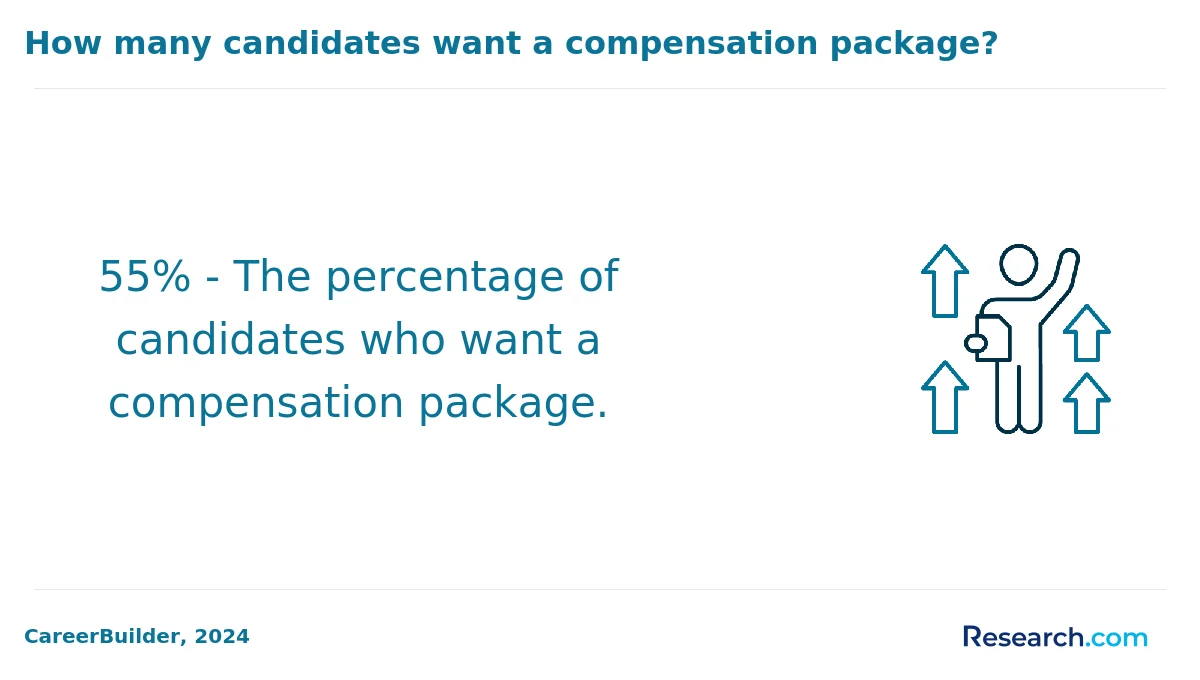
Financial aid in Vancouver opens doors for many students pursuing associate degrees, easing the journey toward their dreams. At institutions like WSU Vancouver, scholarships and tuition waivers help light the path-over 700 students benefit from more than $2 million in aid every year, turning financial worries into opportunities for growth.
Filling out the Free Application for Federal Student Aid (FAFSA) is often a key first step. This form unlocks access to federal grants, loans, and work-study programs, including Pell Grants that can cover up to $7,395 annually. Many graduates recall how these grants made textbook purchases and living expenses manageable during their studies.
For students navigating unique challenges, the Washington Application for State Financial Aid (WASFA) ensures they aren't left behind by opening doors to state grants and scholarships, even if FAFSA isn't an option.
The Washington College Grant (WA Grant) stands out as a beacon of support, especially for families earning up to $131,000 yearly. Many associate degree seekers describe the relief and motivation this aid brings, fueling their focus on academics instead of finances.
Each year, applying early and consistently to these programs becomes a powerful tool for students to transform hope into success in Vancouver's vibrant higher education community.
Enrolling in an associate degree program in Vancouver, Washington, opens the door to exciting opportunities, and meeting the prerequisites ensures you're set to succeed. Graduates from local schools like Clark College often share how fulfilling it felt to start with a solid foundation, built on these essential requirements.
Most programs, especially the Associate in Arts or Science, ask that you have:
- A high school diploma or GED, proving you're ready for college-level work
- Completion of key high school courses such as Algebra II, often with a minimum 2.0 GPA, which is crucial for transfer students aiming for universities like the University of Washington
- Basic English proficiency, demonstrated through placement tests or successful completion of courses like English Composition I
For specialized fields, such as nursing, prerequisites include:
- Introductory science courses like biology and chemistry
- Passing entrance exams like the TEAS
- Holding certifications such as Nursing Assistant or EMT, which many alumni found empowering in their career journeys
Additionally, you'll need to provide official transcripts, proof of immunizations, and sometimes background checks, ensuring a smooth start aligned with program standards. These steps create a pathway where ambition meets readiness, inspiring many Vancouver students to confidently pursue their dreams.
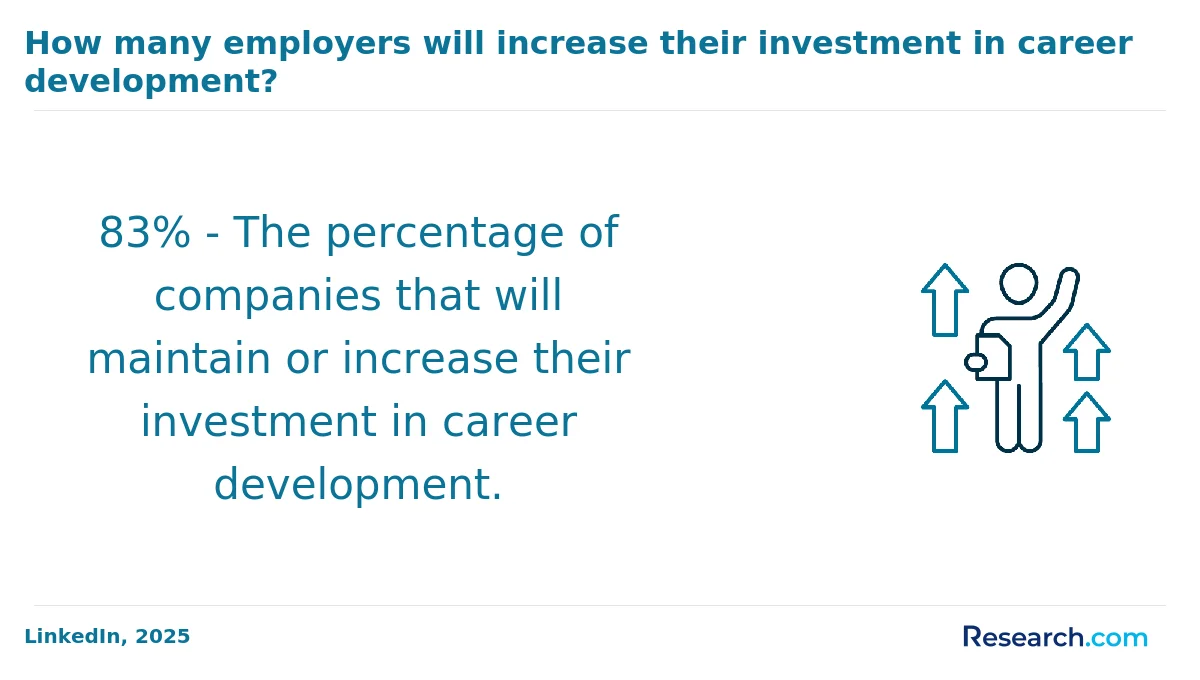
Associate degree programs in Vancouver typically blend foundational and career-focused courses, designed to empower students for success. Graduates share how the solid general education curriculum-covering English composition, mathematics, social sciences, natural sciences, and humanities-builds confidence across diverse fields. For instance, those attending Franklin University or Warner Pacific University describe engaging courses that enhance critical thinking and communication skills, essential for both workforce readiness and smooth transfer to four-year universities.
The types of classes in Vancouver associate degrees extend beyond general education to include program-specific courses that align with students' career goals. For example, an Associate of Applied Science student might dive into business administration, health sciences, or criminal justice, gaining practical, job-ready skills. This balance keeps studies inspiring and directly relevant to local job markets.
Many students have found online associate degrees in Vancouver maintain this rich mix of courses, allowing flexibility without sacrificing quality. Academic advisors help customize course selections, ensuring each student's path fits their aspirations perfectly. For those curious about how to supplement their education with certifications, exploring certification that pay well can be a smart addition.
Choosing the best associate degree program in Vancouver means focusing on transferability and real-world relevance. Graduates from Columbia College and Vancouver Community College often share how their programs allowed a smooth transition into top universities like the University of British Columbia, entering directly into third-year courses. This path can save time and keep your dreams moving forward.
Program flexibility is key. Many students appreciate options like the Associate of Arts or Associate of Science at LaSalle College Vancouver, where they explored diverse disciplines before settling on a career focus. This freedom inspires confidence and helps you find your true passion.
Career-ready skills are equally important. Colleges offering Co-op programs provide hands-on, paid work experience that helps graduates build strong resumes and employer connections. This valuable advantage turns study into opportunity.
Finally, to compare your options effectively, consider the costs and benefits of different programs. Learning about the majors that make a lot of money can guide you toward a rewarding future.
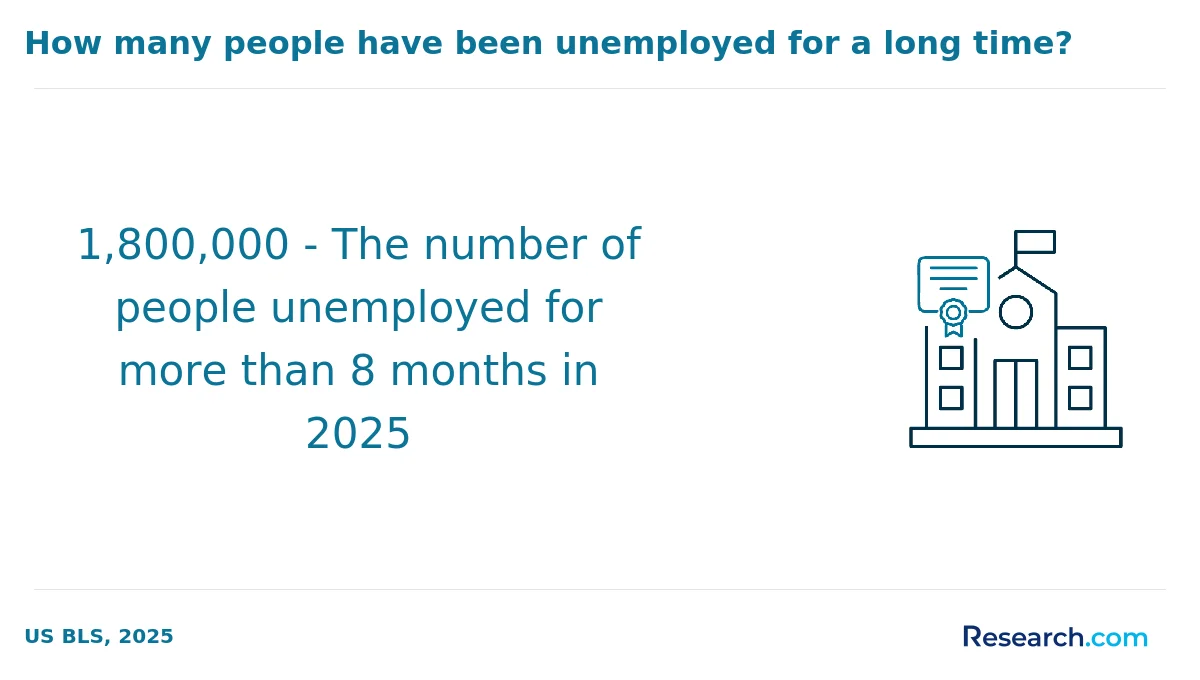
Graduates of associate degree programs in Vancouver discover exciting career opportunities across diverse industries. Many find rewarding roles in healthcare, such as dental assistants or registered dental hygienists, where they can earn competitive wages and build fulfilling patient-focused careers. Some graduates from Douglas College speak proudly of their hands-on experience through co-op programs, which allowed them to secure fulfilling positions as clinical research associates or patient services associates shortly after graduation.
In the bustling business and finance sectors, associate degree holders often step into roles like customer support associate or credit development analyst. These positions value the sharp analytical and communication skills that Vancouver's programs cultivate, making it easier to contribute meaningfully from day one. Many graduates appreciate that an associate degree opens doors while still allowing the option to transfer into bachelor's programs for further growth.
Technical roles are expanding fast, with opportunities in computer science and quality assurance. Graduates who studied at Vancouver's top colleges often praise their practical training, which makes them attractive candidates for lab technician jobs and junior tech roles. For anyone aiming to build a successful career in Vancouver, exploring most affordable online schools that accept fafsa can be a smart step toward flexible education options.
- Healthcare assistant roles with strong earning potential
- Business support positions emphasizing analytical skills
- Technical and lab technician jobs in growing industries
The Vancouver labour market for associate graduates is thriving with over 1,400 positions actively seeking candidates holding an associate degree. Graduates from well-known associate degree schools in Vancouver share stories of quickly securing roles in healthcare, business administration, and technical support, where their skills are highly valued. Many find fulfilling jobs as dental hygienists, physical therapist assistants, or junior accountants, reflecting the strong demand in these areas.
Opportunities also extend to vibrant sectors such as business support and medical billing, where employers appreciate the blend of technical training and relevant credentials. Flexible work options, including remote and hybrid roles, are increasingly common, allowing students and graduates to balance work and life effectively.
- Labor force participation rates in Clark County for those with an associate degree reach an impressive 79.2%.
- The unemployment rate remains low at 5.6%, showcasing stability in the associate degree job opportunities in Vancouver.
For students looking to advance their careers further, exploring a cheapest fastest bachelor's degree offers an exciting next step, building on the strong foundation their associate degree provides.
Best Associate Degree Programs - Leading Certification Courses in Vancouver for 2026
# 1 position
Clark College - Automobile/Automotive Mechanics Technology/Technician.
associateClark College offers a hybrid program in Automobile/Automotive Mechanics Technology/Technician designed to prepare students with technical skills to repair, service, and maintain various automobile systems. The curriculum covers brake systems, electrical systems, engine performance and repair, suspension and steering, transmissions, and heating and air conditioning. Annual in-state tuition is $4,632. Graduates earn a median salary of $45,656 one year after completion. The program is accredited by the Northwest Commission on Colleges and Universities.
# 2 position
Clark College - Welding Technology/Welder.
associateThe Welding Technology/Welder program at Clark College offers a hybrid format with some distance-education options. It prepares students to apply technical skills in arc welding, resistance welding, brazing, cutting, and related processes. The curriculum covers welding metallurgy, safety, structural design, and industry codes. Annual in-state tuition is $4,632. Graduates earn a median salary of $46,609 one year after completion. The program is accredited by the Northwest Commission on Colleges and Universities.
# 3 position
Clark College - Medical Insurance Coding Specialist/Coder.
associateClark College offers a Medical Insurance Coding Specialist/Coder program in a hybrid format, providing instruction in medical records, insurance software, anatomy, physiology, terminology, and coding regulations. The program prepares students for specialized data entry and classification related to medical billing and insurance documentation. Annual in-state tuition is $4,632. Graduates have a median earning of $37,087 one year after completion. The program is accredited by the Northwest Commission on Colleges and Universities.
# 4 position
Clark College - Computer Systems Networking and Telecommunications.
associateClark College offers a Computer Systems Networking and Telecommunications program with a hybrid format, including some distance-education options. The curriculum covers network design, implementation, management, and troubleshooting, emphasizing operating systems, networking theory, security, and optimization. The program prepares students to become network specialists and managers. Annual in-state tuition is $4,632. This program is accredited by the Northwest Commission on Colleges and Universities.
# 5 position
Clark College - Baking and Pastry Arts/Baker/Pastry Chef.
associateClark College offers a Hybrid Baking and Pastry Arts/Baker/Pastry Chef program that prepares students to work as professional bakers and pastry specialists. The curriculum includes bread and pastry making, handling, storage, decorating, and baking industry operations. Annual in-state tuition is $4,632. The program is accredited by the Northwest Commission on Colleges and Universities.
# 6 position
Clark College - Legal Assistant/Paralegal.
associateClark College offers a Legal Assistant/Paralegal program designed to prepare students for roles supporting attorneys with research, drafting, investigatory, and administrative tasks. The hybrid program includes instruction in legal research, document drafting, courthouse procedures, and legal specializations. Annual in-state tuition is $4,632. The program is accredited by the Northwest Commission on Colleges and Universities, ensuring recognized educational standards.
# 7 position
Clark College - Industrial Mechanics and Maintenance Technology/Technician.
associateClark College offers a hybrid Industrial Mechanics and Maintenance Technology/Technician program that prepares students to repair and maintain industrial machinery such as cranes, pumps, engines, and conveyor systems. The program is accredited by the Northwest Commission on Colleges and Universities. Annual in-state tuition is $4,632, with some distance-education options available to accommodate different learning preferences.
# 8 position
Clark College - Business Administration and Management, General.
associateClark College offers a Business Administration and Management, General program with a hybrid format that includes some distance education options. The program prepares students to plan, organize, direct, and control business functions, covering management theory, human resources, accounting, logistics, marketing, and decision-making. Annual in-state tuition is $4,632. Graduates earn a median income of $30,089 one year after completion. The program is accredited by the Northwest Commission on Colleges and Universities.
# 9 position
Clark College - Office Management and Supervision.
associateClark College offers a hybrid Office Management and Supervision program that prepares students to manage business office operations and personnel. The curriculum covers employee supervision, labor relations, budgeting, scheduling, office systems, records management, and public relations. The program's annual in-state tuition is $4,632. Graduates earn a median income of $30,089 one year after completion. It is accredited by the Northwest Commission on Colleges and Universities.
# 10 position
Clark College - Accounting Technology/Technician and Bookkeeping.
associateClark College offers a hybrid program in Accounting Technology/Technician and Bookkeeping designed to prepare students for technical administrative roles in accounting and financial management. The curriculum covers posting transactions, record-keeping systems, accounting software, and general accounting principles. Annual in-state tuition is $4,632. Graduates have median earnings of $28,008 one year after completion. The program is accredited by the Northwest Commission on Colleges and Universities.
Frequently Asked Questions about associate degree programs
Preparing for the job market after completing an associate degree in Vancouver requires strategic planning. Start by gaining relevant work experience through internships or part-time jobs related to your field. According to the National Center for Education Statistics, nearly 60% of associate degree graduates find employment within six months of graduation.
Networking is essential. Attend career fairs and connect with local employers and alumni to increase job opportunities. Additionally, developing soft skills such as communication and teamwork can improve employability significantly.
Consider obtaining certifications that complement your associate degree to stand out in competitive markets. Using resources like community college career centers can also provide valuable job placement assistance and resume workshops.
Employers in Vancouver highly value associate degree graduates who demonstrate both technical and soft skills. According to the National Association of Colleges and Employers (NACE), critical thinking and problem-solving abilities are among the top skills sought in entry-level candidates. In Vancouver's diverse job market, communication skills are equally important; employers look for graduates who can clearly convey ideas and collaborate effectively.
Technical proficiency relevant to the field of study is essential. For example, in healthcare or IT sectors, graduates must possess up-to-date knowledge of industry tools and software. Adaptability and a strong work ethic also rank highly, with 85% of employers emphasizing these traits in various surveys conducted by the Georgetown University Center on Education and the Workforce.
Overall, combining practical technical skills with interpersonal abilities increases employability for associate degree holders in Vancouver's competitive market.
Finding internships relevant to your associate degree program in Vancouver requires strategic research and networking. Start by exploring local industry websites and company career pages, as many organizations post internship opportunities directly. Vancouver's diverse economy includes sectors like technology, health care, and finance, often welcoming interns with two-year academic backgrounds.
Community colleges and universities frequently offer resources such as internship portals and career counseling. For example, British Columbia Institute of Technology provides students access to job boards and employer connections. Additionally, platforms like Indeed and Glassdoor list internships tailored to specific fields in Vancouver.
Networking remains critical. Engage with local professional associations or attend career fairs-Vancouver hosts several annually, connecting students to hundreds of employers. According to the Vancouver Economic Commission, over 60% of internships in the city are secured through personal contacts or referrals.
In Vancouver, an associate degree can significantly impact career mobility and advancement by providing foundational skills and credentials valued by local employers. According to the U.S. Bureau of Labor Statistics, individuals with an associate degree earn approximately 20% more than those with only a high school diploma, improving economic opportunities.
Many industries in Vancouver, such as healthcare, technology, and business services, actively seek candidates with associate degrees for entry-level management roles. Additionally, these degrees often serve as stepping stones to bachelor's programs, enhancing long-term career growth prospects. Data from the National Center for Education Statistics indicates that associate degree holders experience higher job retention and promotion rates.
In Vancouver, part-time jobs that complement associate degree programs often align with fields like healthcare, business, and technology. For example, roles such as medical assistants, administrative aides, and IT support staff are common. According to WorkBC, healthcare-related part-time positions grew by 4% between 2021 and 2023, offering ample opportunities for students studying nursing or medical fields.
Retail and customer service jobs also suit business associate degree students, providing practical experience in sales, marketing, and communication. The Vancouver Economic Commission reports that approximately 30% of part-time workers are students.
Additionally, apprenticeships and internships in trades or technical areas offer hands-on experience and often pay above minimum wage, which benefits students financially while complementing their studies.
To choose the best degree program near me, consider researching programs offered near Vancouver, WA at local universities and colleges, evaluating factors such as faculty expertise, resources, and graduate outcomes. Utilize platforms like Research.com to compare program rankings and gather insights from alumni or current students. Additionally, visiting campuses and attending informational sessions can provide a more personal perspective on what each program has to offer.
- Best Trade School & Training Programs - Leading Certification Courses in Walla Walla for 2026
- Best Trade School & Training Programs - Leading Certification Courses in Los Angeles for 2026
- Best Trade School & Training Programs - Leading Certification Courses in Kyle for 2026
- Best Trade School & Training Programs - Leading Certification Courses in Emporia for 2026
- Best Trade School & Training Programs - Leading Certification Courses in Springfield for 2026
- Associate of Arts | Associate's Degree | LaSalle College Vancouver https://lasallecollegevancouver.lcieducation.com/en/programs-and-courses/associate-of-arts
- Virtual University of Pakistan https://www.vu.edu.pk/AboutUs/ProgramsOffered
- Here’s How an Associate Degree Can Advance Your Career https://flex.wisconsin.edu/stories-news/heres-how-an-associate-degree-can-advance-your-career/
- Turning An Associate Degree into a Bachelor’s Degree https://bachelors-completion.northeastern.edu/knowledge-hub/turn-associate-degree-to-bachelors-degree/
- Online Degree vs. Traditional | University of Arkansas Grantham https://www.uagrantham.edu/blog/pros-cons-online-degree-vs-traditional-university/
- Is an Online Degree the Same as a Traditional College Degree? | Bryan University Online© https://bryanuniversity.edu/faq/is-an-online-degree-the-same-as-a-traditional-college-degree/
- How to Properly List Your Academic Degrees and Credentials - ASET - The Neurodiagnostic Society https://www.aset.org/docs/individuals/how-to-properly-list-your-academic-degrees-and-credentials/
- Online Associate’s Degree Programs (AS and AAS) - Purdue Global https://www.purdueglobal.edu/degree-programs/associates-degrees/
- Should I Intern if I'm in an Associate's Program? | Career Advice & Interview Tips | WayUp Guide https://www.wayup.com/guide/intern-im-associates-program/
- Associate of Science Degree - Capilano University https://www.capilanou.ca/programs--courses/program-profiles/associate-of-science-degree/