
Most Affordable Certificate Programs - Leading Certification Courses in Lebanon for 2026

Co-Founder and Chief Data Scientist
Choosing the right trade school certificate program in Lebanon can feel overwhelming. To help, this article presents a carefully crafted ranking created by the Research.com team of data scientists. It highlights the most affordable and valuable certificate programs for 2026, tailored to your needs.
Reading this guide will empower you with clear, reliable information so you can confidently pick a program that fits your goals. A trade school certification opens doors to practical skills and rewarding career paths, making your future bright and achievable.
Key benefits of getting trade school certificate in Lebanon
- Expected salaries: Trade school graduates in Lebanon can earn competitive salaries, such as Trade Officers making around 11,365,600 LBP per year, significantly higher than high school graduates.
- Popular career paths: Graduates often find roles as Trade Officers or Vocational Education Teachers, with teachers earning up to 34,198,600 LBP annually with experience, showing great growth potential.
- Benefits of online certification: Online trade school programs offer flexible learning, allowing students to balance work and study, as demonstrated by many successful Lebanese graduates who valued convenience without sacrificing quality.
- Most Affordable Certificate Programs - Leading Certification Courses in Lebanon for 2026
- What can I expect from trade school certification programs in Lebanon?
- Where can I work with trade school certification in Lebanon?
What can I expect from trade school certification programs in Lebanon?
Many students curious about trade school certification programs in Lebanon often wonder about the cost, especially when balancing career ambitions with financial realities. The truth is, these programs are surprisingly affordable, particularly in public institutions regulated by the Directorate General of Vocational and Technical Education. Graduates recall investing modest tuition fees compared to typical university expenses, making vocational and technical training accessible to families from varied economic backgrounds.
Private institutions do charge higher fees, reflecting their specialized equipment or language offerings, yet even these remain within reach for many students seeking practical skills that lead directly to employment. For example, graduates from well-known trade schools in Beirut share how the reasonable cost of their Brevet Professionnel (BP) or Baccalaureate Technique (BT) programs did not deter their pursuit of skilled careers in sectors like electrical work, mechanics, or health technology.
Knowing that tuition varies by institution and program length-ranging from about two to four years-students can realistically budget while focusing on hands-on learning and preparing for national examinations that carry significant value in Lebanon's job market.
Where can I work with trade school certification in Lebanon?
Graduates from trade school certification programs in Lebanon often find themselves stepping directly into high-demand roles that offer both stability and growth. For instance, many who complete automotive technology or CNC machining programs at local institutions like the Lebanon County Career and Technology Center quickly land jobs as CNC mill machinists or industrial mechanics, earning competitive wages of $26 to $36 per hour. This tangible success fuels a sense of accomplishment and confidence that their skills are valued in the workforce.
Others certified in HVAC or plumbing frequently begin as apprentices or technicians at businesses eager to nurture their talent with on-the-job training and advancement opportunities. The pathway from apprenticeship to journeyman status is well-trodden, giving graduates a clear route for career progression.
Healthcare-focused trade school alumni also report rewarding roles supporting medical offices or hospitals, where their technical expertise bridges patient care and equipment maintenance. These real-world outcomes embody the promise that Lebanon's programs are not just education-they are launching pads into promising, practical careers.
Graduates from trade school certification programs in Lebanon often find themselves stepping into rewarding careers with promising salaries right away. For example, electrical technology graduates who trained at local trade schools can start as electrician helpers earning around $24,130 per year. With dedication and experience, many move quickly to licensed electrician roles, earning approximately $38,680 initially, and some seasoned pros reach beyond $73,770 annually.
Medical assistant programs popular in Lebanon yield entry salaries near $25,240, with experienced graduates sharing stories of steady wage growth to over $35,000. Imagine starting your day in a hands-on healthcare role knowing your skills provide essential support-and your paycheck reflects your growing expertise.
Welding students often recall their first jobs paying hourly rates between $18 and $40, depending on skill level and task complexity. Truck driver certification graduates describe weekly incomes ranging from $1,060 up to $1,630, translating into impressive yearly earnings between $55,000 and $85,000. These figures highlight how Lebanon's trade schools can open doors to solid financial futures.
- Layal: The HVAC certification program in Beirut gave me hands-on skills that were crucial for landing a job quickly. The instructors were supportive, and the practical approach made learning enjoyable. Now, I'm proud to work as a technician, contributing to Lebanon's growing demand for energy efficiency.
- Fadi: Enrolling in the automotive repair course in Tripoli was life-changing. I appreciated the blend of theory and workshop experience, which boosted my confidence. Graduating opened doors to work in a reputable garage, where I apply what I learned daily and feel valued in my profession.
- Maya: Studying electrical installation in Zahle was more than just education - it was a community. The trade school encouraged teamwork and real-world problem solving. Today, I'm employed by a local company, and my certification has helped me secure a stable career with a sense of achievement.
- Lebanon has over 160 public and nearly 200 private technical and vocational schools offering programs in agriculture, industry, and services.
- Admission to trade programs requires various education levels, from Grade 5 completion for entry-level to secondary certificates or diplomas for higher programs lasting one to four years.
- Students must pass a national exam to earn official certification, administered by the Directorate General of Vocational and Technical Education (DGTVE).
- Public trade programs are generally more affordable, with free services available for eligible students through public sectors and partners like the UNHCR.
- Starting salaries for graduates typically range from $400 to $1,000 per month, with growth potential based on experience or further specialization.
Completing a trade school certification program in Lebanon varies notably depending on the chosen path, but graduates often describe their journeys as both challenging and rewarding. For example, those pursuing the Brevet Professionnel (BP) typically spend around 2 years honing hands-on skills right after grade 9, immersing themselves in practical trades that open immediate job opportunities. Others aiming for the Baccalaureate Technique (BT) embrace a 3-year vocational curriculum, blending technical knowledge with real-world applications, which many find deeply fulfilling as they develop specialized expertise.
Following this, ambitious students pursue the Higher Technician's Diploma (TS), dedicating an additional 2 years to refine their craft and increase employability in Lebanon's competitive markets. Some go even further, earning the Technical License (LT) after 1 to 2 more years, a rigorous commitment seen by graduates as a powerful investment toward advanced professional recognition.
For those less bound by formal prerequisites, short-term non-formal vocational courses lasting mere months to a year offer flexibility and swift entry into trades. Many trainees at well-known Lebanese institutions share excitement over starting their careers quickly while building confidence in their chosen fields.
Enrollment windows from September to December add structure, helping students plan their educational milestones. Graduates often recall the sense of achievement upon passing their final exams, affirming that each carefully measured step through Lebanon's TVET system yields meaningful progress toward a trade career.
Online trade school certification programs in Lebanon offer a flexible learning path that perfectly fits the busy lives of many students. Graduates from popular institutions often share how accessing lectures and assignments remotely allowed them to juggle family responsibilities or part-time jobs without sacrificing their education. Imagine studying theoretical modules about electrical systems late at night from your home in Beirut, avoiding long commutes and rigid schedules.
However, hands-on training remains the heart of many Lebanese vocational programs. On-campus students at well-known trade schools describe the immense value of supervising instructors guiding their first attempts at assembling mechanical parts or practicing healthcare procedures in real time. This physical presence builds confidence and practical skills that online-only formats struggle to replicate fully.
Assessment and certification, governed nationally by the DGTVE, remain consistent across both formats, though practical exams are typically conducted in person. This ensures graduates, whether online or on-campus, earn credentials recognized by employers and industry leaders throughout Lebanon.
The average cost of trade school programs in Lebanon varies widely, reflecting the diversity of options available to students. At Lebanon County Area Vocational Technical School, for instance, tuition and fees for less-than-two-year programs total around $17,784 for Pennsylvania residents. Graduates of these programs often share how the investment feels worthwhile, highlighting their swift transition into stable careers. However, these tuition figures represent just one part of the financial picture; students must also budget for books, uniforms, and other essentials.
Many students turn to shorter, more affordable routes at local institutions like Tec Centro Lebanon, where processing fees range from $25 to $100 depending on the program. For example, a Medical Assistant graduate spoke about managing expenses with a $50 processing fee over a 27-week program while appreciating the hands-on experience gained. Fees for certifications such as forklift operation or OSHA certifications can be as low as $25, making them accessible options for those eager to enter the workforce quickly. These affordable programs provide realistic pathways to career entry without sacrificing quality.
When exploring Lebanon vocational certification tuition and fees, it's clear that options span from budget-friendly certificates to extensive vocational training. Many students find themselves balancing costs with the promise of future earnings and career satisfaction. Prospective learners can explore various affordable online floor installer trade school programs and other specialized certifications to find the best fit.
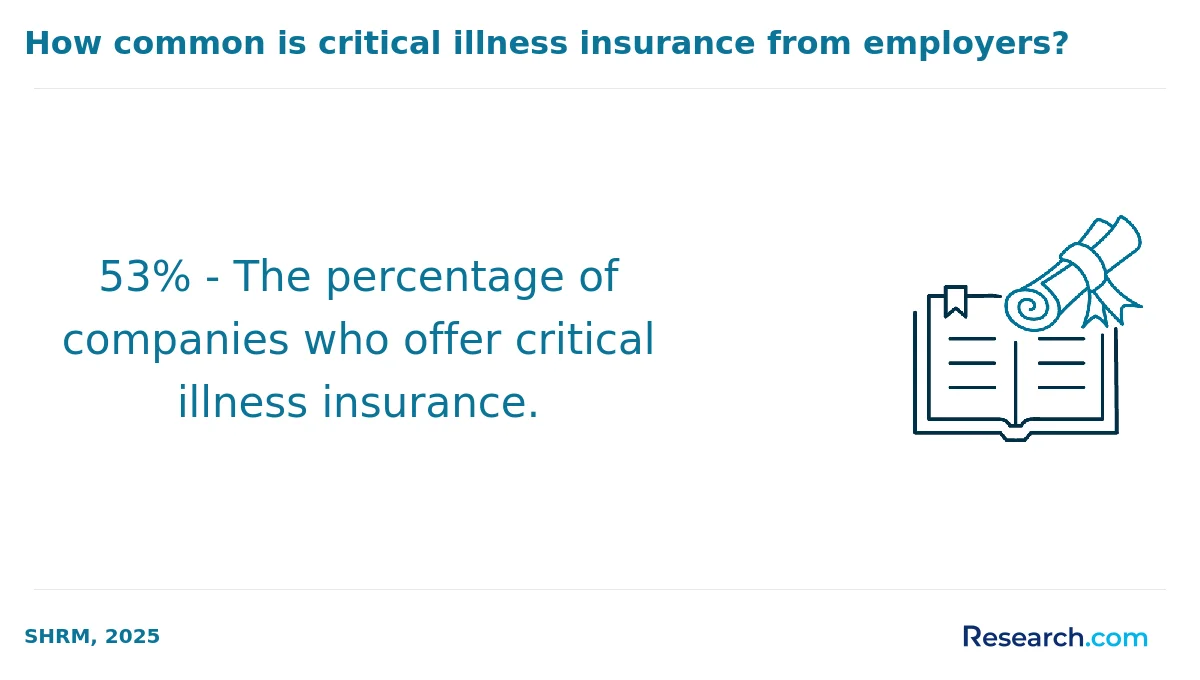
Students enrolled in trade school certification programs in Lebanon often find financial aid more accessible than expected, thanks to a variety of options tailored to their unique paths. Graduates from well-known institutions like the Tennessee College of Applied Technology have shared how federal aid, particularly the Pell Grant, relieved much of their financial stress, allowing them to focus fully on HVAC or medical assistant training. These grants require no repayment and are awarded based on demonstrated financial need, making them a lifeline for many.
Beyond federal help, state-targeted scholarships specifically designed for vocational students can dramatically lighten the financial load. Graduates recall successfully securing funds aimed at in-demand sectors such as technology and nursing, which helped them manage tuition without sacrificing family or work commitments.
Employer sponsorship programs also play a crucial role, especially within apprenticeship models that blend paid work with study. Many feel empowered by this "earn while you learn" experience, boosting confidence and job readiness simultaneously. Navigating these aids early on with their trade school's financial aid office proved a game changer for many ambitious students in Lebanon.
Enrolling in a trade school certification program in Lebanon begins with meeting clear academic prerequisites shaped by the Directorate General of Vocational and Technical Education (DGTVE). Graduates from popular trade schools often recall how essential it was to first complete foundational education levels before stepping into specialized training.
For instance, to join basic vocational programs like the Vocational Brevet (BP), students need to have completed lower secondary education-usually finishing the 5th and 6th grades with extra training and passing a formal exam, or directly completing the 7th grade. Those without the 7th-grade certificate embraced an alternative path, like an 800-hour technical school training before being eligible to take official exams.
- Secondary Vocational Diploma entry requires holding a BP certificate, a Brevet certificate, a candidacy card without passing the Brevet, or a sealed school record proving 9th-grade completion.
- Advanced programs such as the Technical Baccalaureate (BT) demand prior possession of either a Secondary Vocational Diploma or a general intermediate diploma (Brevet).
Imagine a young learner dreaming of becoming a skilled technician, knowing that each certificate earned unlocks the next level-this stepwise journey fuels confidence and ambition. Many appreciate how official documentation and DGTVE exams ensure fairness and consistent standards, which makes their achievements more meaningful in Lebanon's competitive job market.
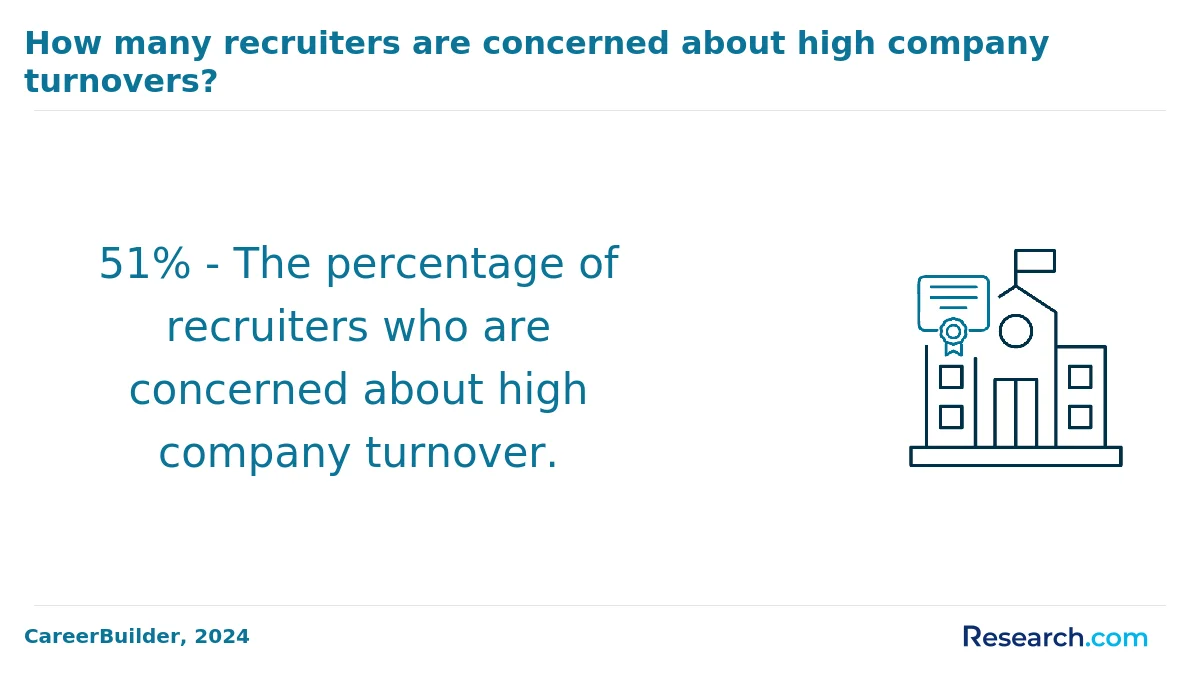
Trade school courses in Lebanon provide hands-on training tailored to real job market needs, making graduates confident in their skills. Typical vocational certificate program specializations Lebanon students pursue include automotive technology, carpentry, electronics, secretarial studies, and culinary arts at the Certificat d'Aptitude Professionnelle (CAP) level. Many graduates speak warmly of learning practical techniques alongside theory, such as fixing real engines or mastering restaurant kitchen dynamics in popular trade schools.
Advancing to the Brevet Professionnel (BP) opens doors to deeper expertise in diverse fields like healthcare, agriculture, information technology, and hospitality management. Graduates often recall immersive workshops where they applied knowledge in alive healthcare settings or managed hotel services, fueling their passion and workplace readiness.
The Baccalaureat Technique (BT) expands horizons even further with technical and academic courses in nursing, industrial maintenance, mechanical engineering, and business administration. Lebanese trade schools prioritize balancing classroom learning with real-world practice, which alumni say builds enduring confidence.
For those seeking low cost construction training programs online as part of their trajectory, Lebanese programs complement their in-person experiences with accessible virtual options to sharpen skills conveniently.
Choosing the best trade school programs in Lebanon starts with aligning a school's offerings with your career ambitions. Graduates from institutions like the Lebanese American University often highlight how hands-on training in automotive or culinary fields gave them the confidence to excel on day one in their jobs. Practical experience paired with up-to-date curriculum is what sets these programs apart, making learning feel not just educational but empowering.
How to select vocational certification Lebanon wisely also means checking for accreditation and strong industry ties. Many students recall how internship opportunities facilitated by schools in Beirut opened doors to well-paying jobs. Flexibility matters too-those balancing work or family find evening or part-time schedules at recognized centers crucial for completing certification without sacrificing stability.
Cost shouldn't be overlooked either; evaluating tuition alongside scholarships ensures you invest smartly. To understand the wide range of options, it helps to explore programs that focus on best paying trade jobs that are easy to learn, promising quick entry into rewarding careers.
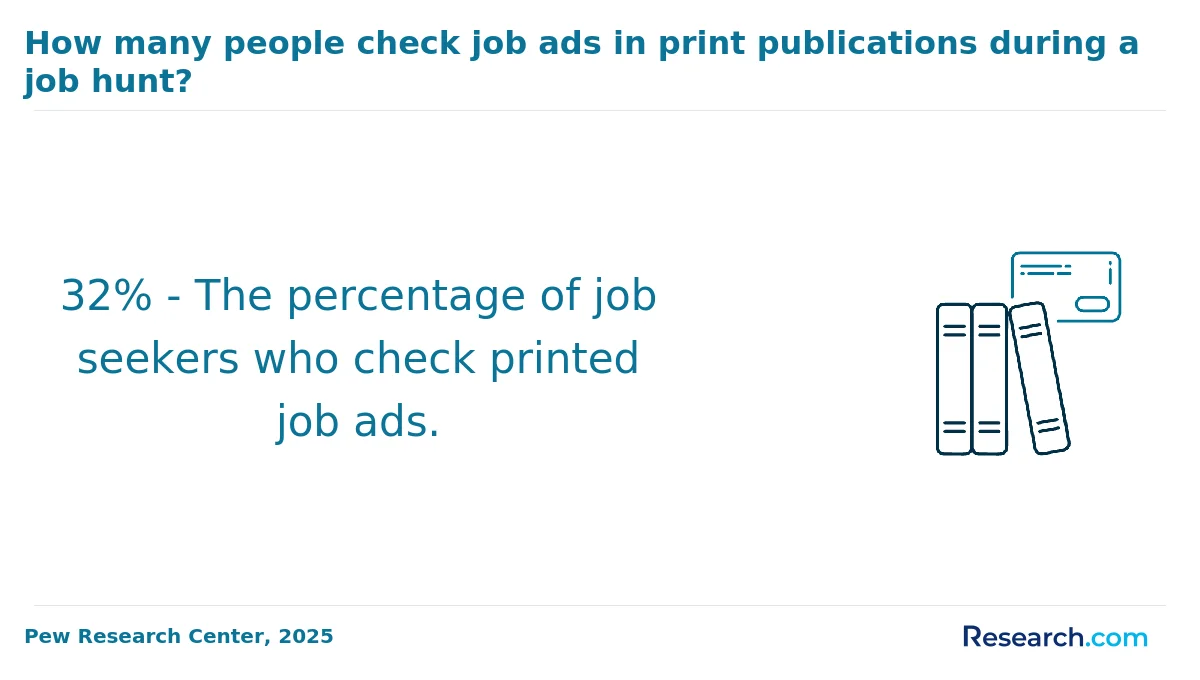
Trade school certification programs in Lebanon open diverse career opportunities after trade school in Lebanon, catering to the country's dynamic labor market. Graduates from well-known institutions report immediate roles in sectors such as healthcare, construction, agriculture, education, and IT. For instance, those graduating from healthcare programs often become practical nurses or lab technicians, enjoying rewarding work supporting their communities. Construction graduates thrive as electricians or solar panel installers, vital for Lebanon's expanding infrastructure projects.
Popular Lebanese trade schools prepare students for hands-on roles like agro-food processing, classroom assistance, or digital marketing, reflecting the country's varied professional demands. Many graduates express satisfaction transitioning easily into employment due to strong internship placements and job matching programs integrated into their studies.
Students interested in trade certification jobs in Lebanon will find promising paths in technology, including programming and mobile repair, tapping into both local and freelance markets. For those curious about trade school degrees that pay well, practical experience combined with certifications from Lebanese schools offers a direct route to stable, fulfilling careers.
The trade school job opportunities in Lebanon are increasingly promising, reflecting a shift toward practical skills aligned with the country's economic needs. Graduates from popular Lebanese trade schools often share stories of gaining hands-on experience through paid internships, bridging the gap between classroom learning and real-world employment. These internships lead many to positions in healthcare, construction, agriculture, and especially the fast-growing tech sector.
The Lebanon skilled trades employment outlook is shaped by rising demand in specific areas such as software development and cybersecurity, which are projected to grow by 18% in 2025. Graduates equipped with skills in Python, AI, or solar panel installation find themselves in a strong position to secure jobs with competitive salaries. Many also benefit from partnerships between trade schools and local businesses, ensuring training remains relevant and certificates are recognized across industries.
Students looking to enhance their career prospects would find value in exploring affordable hvac trade school programs online, which complement local certifications with global technical standards. Graduates commonly report satisfaction in quickly transitioning into the workforce, reflecting Lebanon's evolving, supportive environment for skilled trade professionals.
Most Affordable Certificate Programs - Leading Certification Courses in Lebanon for 2026
# 1 position
Lebanon County Area Vocational Technical School - Baking and Pastry Arts/Baker/Pastry Chef.
certificate or diplomaLebanon County Area Vocational Technical School offers a hybrid Baking and Pastry Arts/Baker/Pastry Chef program that trains individuals for professional roles in baking and pastry specialties. The curriculum covers bread and pastry making, handling, storage, cake and pastry decorating, industry operations, product packaging, marketing, and counter service. This program prepares students to work in restaurants or commercial baking establishments.
# 2 position
Lebanon County Area Vocational Technical School - Plumbing Technology/Plumber.
certificate or diplomaLebanon County Area Vocational Technical School offers a hybrid Plumbing Technology/Plumber program designed to prepare students for licensure. The curriculum covers laying out, assembling, installing, and maintaining piping systems for various applications, including steam, natural gas, and water. Instruction includes water distribution, pressure adjustment, technical mathematics, blueprint reading, welding, plumbing inspection, and relevant codes and standards.
# 3 position
Lebanon County Area Vocational Technical School - Automobile/Automotive Mechanics Technology/Technician.
certificate or diplomaThe Automobile/Automotive Mechanics Technology/Technician program at Lebanon County Area Vocational Technical School offers a hybrid format with some distance-education options. It trains students in repairing, servicing, and maintaining various automobile systems, including brakes, electrical, engines, suspension, transmissions, and heating/air conditioning. The program provides technical knowledge essential for automotive careers, focusing on practical skills across multiple vehicle components and systems.
# 4 position
Lebanon County Area Vocational Technical School - Welding Technology/Welder.
certificate or diplomaLebanon County Area Vocational Technical School offers a Welding Technology/Welder program with a hybrid format, including some distance-education options. The program trains students in applying technical skills for joining or cutting metal surfaces. Instruction covers arc welding, resistance welding, brazing, soldering, high-energy beam welding, welding metallurgy, structural design, safety, and related codes and standards.
# 5 position
Lebanon County Area Vocational Technical School - Dental Assisting/Assistant.
certificate or diplomaThe Dental Assisting/Assistant program at Lebanon County Area Vocational Technical School offers a hybrid format with some distance-education options. It prepares students to assist dentists and hygienists by providing patient care, taking dental radiographs, and handling office administrative tasks. Instruction covers medical record-keeping, equipment maintenance, sterilization, chairside assisting, and supervised practice, including pre- and post-operative care and patient instruction.
# 6 position
Lebanon County Area Vocational Technical School - Allied Health and Medical Assisting Services, Other.
certificate or diplomaLebanon County Area Vocational Technical School offers a hybrid program in Allied Health and Medical Assisting Services, Other, which includes some distance-education options. This instructional program covers allied health and medical assisting services not listed in other categories. Specific data such as program level, graduation rate, tuition, Pell Grant percentage, median earnings, and accrediting agency are not available for this program.
Frequently Asked Questions about trade school certificates
After completing trade school certification programs in Lebanon, preparing for the job market involves several strategic steps. Graduates should develop a professional resume that highlights their specific skills and certifications. Networking plays a crucial role; connecting with industry professionals and attending trade fairs can provide leads on available jobs.
Employers in Lebanon often value practical experience, so seeking internships or apprenticeships related to the certification can improve employability. According to the Lebanese Ministry of Labor, sectors such as construction and information technology show higher demand for certified technicians, with employment rates up to 75% within six months post-certification.
Continuous learning and upgrading skills through short courses or workshops also enhance job prospects. Finally, understanding local labor laws and worker rights is essential for negotiating fair employment terms.
Employers seeking trade school certification graduates in Lebanon prioritize a combination of technical and soft skills. According to recent surveys from the Lebanese Ministry of Labor, practical abilities in fields like electrical work, plumbing, and computer-aided design are highly valued. Mastery of hands-on tasks ensures readiness to contribute effectively on the job.
Soft skills such as communication, teamwork, and problem-solving are equally important. A study by the American University of Beirut underlines that 68% of employers consider adaptability crucial due to the dynamic nature of industries in Lebanon.
Additionally, time management and reliability increase a candidate's employment prospects significantly, reinforcing the need for well-rounded training programs.
Finding internships in Lebanon relevant to your trade school certification program can be approached through multiple channels. Start by consulting Lebanon's major industry associations and chambers of commerce, such as the Beirut Traders Association, which frequently list internship opportunities for vocational fields. Online job platforms like Bayt.com and Foras provide updated postings specifically for internships.
Additionally, contacting educational institutions offering trade certifications can be valuable. Many maintain partnerships with local businesses, facilitating internship placements. Networking through community events and trade fairs also increases your chances.
According to a 2023 report by the Lebanese Ministry of Labor, approximately 30% of trade graduates secure internships within three months of completing their programs, emphasizing proactive search efforts.
Trade school certification programs in Lebanon serve as valuable credentials that enhance career mobility and advancement opportunities. Although precise national statistics on trade certifications are limited, international data from organizations like the World Bank highlight that technical skills development directly contributes to higher employability and income levels in developing countries, including Lebanon.
Graduates from trade schools typically gain practical expertise in high-demand fields such as construction, information technology, and hospitality. This hands-on training aligns with Lebanese market needs, improving graduates' chances to secure jobs and promotions.
Moreover, trade certifications often bridge the gap between education and work experience, which employers prioritize. Students acquiring such credentials can expect accelerated career growth, especially in sectors facing skilled labor shortages.
Part-time job opportunities in Lebanon that complement trade school certification programs often align with the skills students are developing. For example, those studying technical fields like electrical work or HVAC can find part-time roles as junior technicians or maintenance assistants. These positions allow practical application of classroom knowledge and help build professional experience.
In the skilled trades, Lebanon's growing construction and service sectors frequently offer apprenticeships or part-time positions. According to data from the Lebanese Ministry of Labor, many students engage in part-time roles within small businesses to supplement income and gain relevant job skills.
Additionally, sectors such as automotive repair, culinary arts, and IT support provide flexible part-time work closely linked to certification training, supporting students in enhancing their expertise alongside studies.
To choose the most affordable degree program near me, specifically near Lebanon, PA, start by researching local community colleges and public universities, as they often offer lower tuition rates compared to private institutions. Programs like business, information technology, and healthcare are commonly available and can be found by visiting campuses and speaking with admissions counselors who can provide information on financial aid opportunities. Utilizing resources like Research.com can help compare program costs and accessibility to aid in making an informed decision.
- Research - Most Affordable Online Hvac Trade Schools And Certifications https://research.com/degrees/most-affordable-online-hvac-trade-schools-and-certifications
- A Guide to Skilled Trades Apprenticeships and Internships | BestColleges https://www.bestcolleges.com/trades/guide-to-skilled-trades-apprenticeships-internships/
- Home | Ministry of Education and Higher Education https://www.mehe.gov.lb/en
- Technical and Vocational Education and Training - UNHCR Lebanon https://help.unhcr.org/lebanon/en/welcome/education/technical-and-vocational-education-and-training/
- CIS Technical College | Lebanon | TC | BP | BT | TS | LT https://www.ciscollege.edu.lb/homepage
- College Graduate Skills for Employers | Entering the Job Market https://global.nmsu.edu/blog/general/skills-employers-look-for-in-college-grads/
- Applying for Financial Aid - Admission and Financial Aid https://www.lvc.edu/admission-aid/financial-aid-costs/apply-financial-aid/
- How Do I Get A Trading Internship? | Handshake https://joinhandshake.com/blog/students/how-do-i-get-a-trading-internship/
- Careers You Can Pursue After Trade School | NSHSS | National Society of High School Scholars https://www.nshss.org/resources/blog/blog-posts/careers-you-can-pursue-after-trade-school/
- Collegescorecard https://collegescorecard.ed.gov/


