
Best Associate Degree Programs - Leading Certification Courses in Smithfield for 2026

Co-Founder and Chief Data Scientist
Choosing the right associate degree program in Smithfield can be exciting but also overwhelming. This article is here to guide you through the best options for 2026.
The Research.com team of data scientists has created an associate degree programs ranking to help you make an informed choice about which trade school programs truly stand out. Exploring these programs can open doors to new career opportunities and personal growth.
Whether you’re starting fresh or advancing your skills, earning an associate degree is a valuable step toward a brighter future. Let’s explore the best paths together.
Key benefits of associate degrees in Smithfield
- Expected salary: Associate degree graduates in Smithfield can expect salaries ranging from about $9.54 per hour for entry-level retail roles to $20.15 per hour or more in healthcare, technology, and skilled trades, with experienced professionals earning up to $50,000 annually.
- Popular career paths: Many graduates pursue healthcare jobs like nursing or medical assisting, technology support roles, and skilled trades, reflecting Smithfield's strong local industries and demand for these skills.
- Online education benefits: Completing an associate degree online offers flexibility and convenience, allowing students to balance work and study easily, as demonstrated by successful online graduates from well-known Smithfield schools.
- Best Associate Degree Programs - Leading Certification Courses in Smithfield for 2026
- What can I expect from associate degree programs in Smithfield?
- Where can I work after finishing associate degree programs in Smithfield?
What can I expect from associate degree programs in Smithfield?
The average cost of an associate degree program in Smithfield typically ranges around the tuition rates charged by local community colleges like Johnston Community College. Graduates commonly report that completing the required 60 semester credit hours costs approximately $4,000 to $6,000 in tuition alone, excluding additional expenses such as books and supplies. Many students find this investment manageable, especially given the practical skills and transfer opportunities the programs provide.
Students often describe their experience balancing coursework in English, math, and sciences with specialized subjects like engineering or business as both challenging and rewarding. One graduate expressed satisfaction with the affordability and the structured curriculum that allowed seamless transfer to a four-year institution within the University of North Carolina system. Others appreciate flexible learning options, including online and blended classes, which help reduce commuting costs and fit around work schedules.
Overall, students recognize that the cost reflects the value of hands-on training and foundational knowledge that prepares them confidently for the workforce or continued education.
Where can I work after finishing associate degree programs in Smithfield?
After finishing an associate degree program in Smithfield, graduates find strong employment opportunities across diverse sectors. Many step into healthcare roles, such as Registered Nurses working in local hospitals and clinics, thanks to the high NCLEX-RN pass rates reported by Johnston Community College graduates. Others enter laboratory sciences, becoming Medical Laboratory Technicians or Technologists in diagnostic centers and hospitals, with wages varying from $19.05 to $38.23 per hour.
Career paths also include physical therapy assisting, offering positions at rehabilitation and nursing facilities like Barbour Court Nursing and Rehabilitation Center. Graduates from administrative and support programs commonly secure roles as Front Office Administrators, Receptionists, or Laboratory Technicians with competitive pay between $15 and $27 per hour in offices, manufacturing, and education.
Human services graduates find meaningful work as Career Counselors and Youth Job Coaches within community service organizations in Johnston County. Students from Smithfield's associate degree schools often share how their practical training made them confident and ready for these rewarding, stable jobs locally, affirming the region's thriving job market for associate degree holders.
Graduates from associate degree programs in Smithfield can typically expect starting salaries that reflect both the diversity of available careers and the local job market. The average annual salary across Smithfield stands at about $39,842, or roughly $19.15 per hour. Many students completing programs at popular local schools find themselves earning wages within this range, providing a solid foundation for their early careers.
For example, graduates entering retail roles in Smithfield often start with hourly rates between $13 and $15, which is a practical entry point for recent completers. Some take roles as store associates in nearby areas like Selma, where annual pay averages around $25,533. While these positions offer valuable experience, others in more technical fields see much higher pay.
Those with degrees in specialized areas such as quality assurance report earnings near $73,504 per year or about $35 per hour. This shows that Smithfield associate degree holders pursuing healthcare or technical programs at well-regarded local institutions can achieve impressive financial outcomes early in their careers.
The majority of associate degree earners in Smithfield receive monthly salaries ranging from $2,394 to $3,706, reflecting an accessible yet rewarding standard of living. This data encourages new students to pursue fields aligned with their passions and market demand, knowing meaningful salaries are within reach after graduation.
- Jasmine: Earning my Associate Degree in Nursing from a Smithfield trade school was life-changing. The hands-on training prepared me perfectly for my job at the local hospital. The supportive instructors and small class sizes made all the difference, turning my passion into a rewarding healthcare career.
- Marcus: Studying Automotive Technology in Smithfield gave me real experience under expert guidance. After graduating, I landed a great mechanic position at a local dealership. I love how practical and focused the program was-fast-tracking me from classroom to paycheck with confidence.
- Emily: Getting my Associate Degree in Graphic Design locally was the best decision. The creative freedom and tech skills I gained helped me start working remotely with Smithfield-based clients quickly. The trade school environment felt encouraging and hands-on, blending skill-building with real-world projects perfectly.
- Johnston Community College in Smithfield offers over 40 associate degree programs requiring at least 60 semester credit hours.
- Admission is open to high school graduates, with some programs needing placement tests or prerequisites.
- Early college options exist for high school students to earn a diploma and associate degree in 4 to 5 years.
- In-state tuition at JCC is about $2,432 per year for full-time students, with total program costs between $5,000 and $7,000.
- Starting salaries for graduates range from $32,000 to $45,000 annually, with potential to exceed $50,000 in high-demand fields.
Most associate degree programs in Smithfield are designed to be completed in about two years of full-time study, typically requiring 60 to 70 semester credit hours. Students at popular Smithfield schools often find that enrolling in 15 to 16 credits each semester across fall and spring allows them to graduate on time while balancing campus life and part-time jobs.
Graduates frequently share how maintaining this pace gave them a strong sense of accomplishment without feeling overwhelmed. For those balancing family or work duties, part-time enrollment extends the timeline, sometimes up to four to six years, but it offers the flexibility needed to succeed without sacrificing responsibilities.
Certain institutions in Smithfield offer accelerated tracks through summer courses or shorter term structures, enabling ambitious students to finish in as little as 18 months. This proved especially rewarding for professionals eager to advance their careers quickly.
Additionally, many students benefit from transfer credits or remedial support, which can either shorten or modestly extend completion time, making the associate degree journey tailored to individual needs and circumstances.
In Smithfield, the main difference between online and on-campus associate degree programs lies in how students attend classes and interact with instructors. For example, students at Johnston Community College attending on-campus classes benefit from immediate face-to-face engagement, hands-on labs, and access to campus resources like libraries and tutoring centers, which often creates a strong sense of community and motivation.
Conversely, online students complete coursework remotely via digital platforms, offering flexibility to balance work and family life. Many appreciate being able to study at their own pace, though this format demands strong self-discipline and time-management skills. Online learners in Smithfield often rely on virtual support, which can feel less immediate than in-person advising but still provides essential guidance.
Graduates from both formats highlight the equivalence in curriculum and credits but note that on-campus students enjoy richer interaction opportunities, while online students value convenience and schedule flexibility, making the choice a personal fit based on lifestyle and learning preferences.
The average cost of associate degree programs in Smithfield is primarily influenced by tuition and mandatory fees at Johnston Community College, the leading institution in the area. In-state students typically pay around $76 per credit hour with additional fees totaling approximately $3,362 per semester for a full-time load of 12 credit hours. Graduates often recall how manageable these costs were, allowing them to focus on their studies without financial strain. For out-of-state students, tuition jumps to $268 per credit hour, amounting to roughly $4,450 per semester for 16 credit hours, reflecting the investment in quality education at a Smithfield community college.
Most associate degrees require a minimum of 60 semester hours, translating to an estimated total cost between $5,040 and $6,724 for in-state students over two years. Out-of-state students face costs between $16,080 and $17,800. These figures reflect tuition and basic fees and exclude additional expenses like books and housing. Alumni often share how, despite these costs, the value of affordable local education combined with small class sizes made their educational journey rewarding and accessible.
Smithfield community college tuition and fees are competitive compared to statewide averages, with in-state rates aligning closely to other North Carolina community colleges charging between $2,000 and $3,000 per year. This affordability has encouraged many to pursue their associate degrees locally, balancing quality and economy. Those interested in advancing their studies beyond associate degrees often explore options like a 1 year master program, building on their solid foundation.

Students enrolling in associate degree programs in Smithfield commonly rely on a mix of federal, state, and local financial aid to manage their educational expenses. Completing the FAFSA annually is the foundational step, unlocking access to federal grants like the Pell Grant, which many graduates from Smithfield community colleges have credited with easing their financial burden. One graduate recalls how the Pell Grant coverage allowed them to focus fully on studies without juggling multiple jobs.
State support such as the Next NC Scholarship further helps with costs, especially for those with an Adjusted Gross Income below $80,000. This scholarship adjusts with enrollment intensity, meaning part-time students still receive meaningful assistance. Another valuable option is the NC Forgivable Education Loans for Service, offering up to $7,000 annually for students who commit to critical shortage fields in North Carolina, a pathway many find motivating for both funding and career launch.
Additional aid comes from work-study positions, local scholarships, and foundations like SECU. Many Smithfield students appreciate these opportunities, sharing that employer tuition programs and VA benefits also help make earning their degree both attainable and rewarding.
To enroll in an associate degree program in Smithfield, students must first demonstrate proof of high school completion, typically a diploma or GED. For example, graduates from Johnston Community College often highlight how meeting this basic requirement opened the door to their academic journey.
Most academic tracks, like the Associate in Arts, require completing around 60 credit hours in subjects such as English, math, and social sciences. These programs prioritize a solid foundation while offering flexibility for students balancing work or family life.
Career-focused programs have additional standards. For instance, nursing applicants at Johnston Community College need:
- A minimum cumulative college GPA of 2.5 or an unweighted high school GPA of 2.8
- Completion of algebra, biology with lab, and chemistry with lab courses with at least a "C" grade
- A proficient score on the TEAS test
- Attendance at a mandatory information session
- Enrollment or completion of a Nurse Aide I course
Many Smithfield students appreciate clearly defined prerequisites, which give them confidence and measurable goals. Adult learners often benefit from relaxed requirements, especially those with prior college credits or military experience.
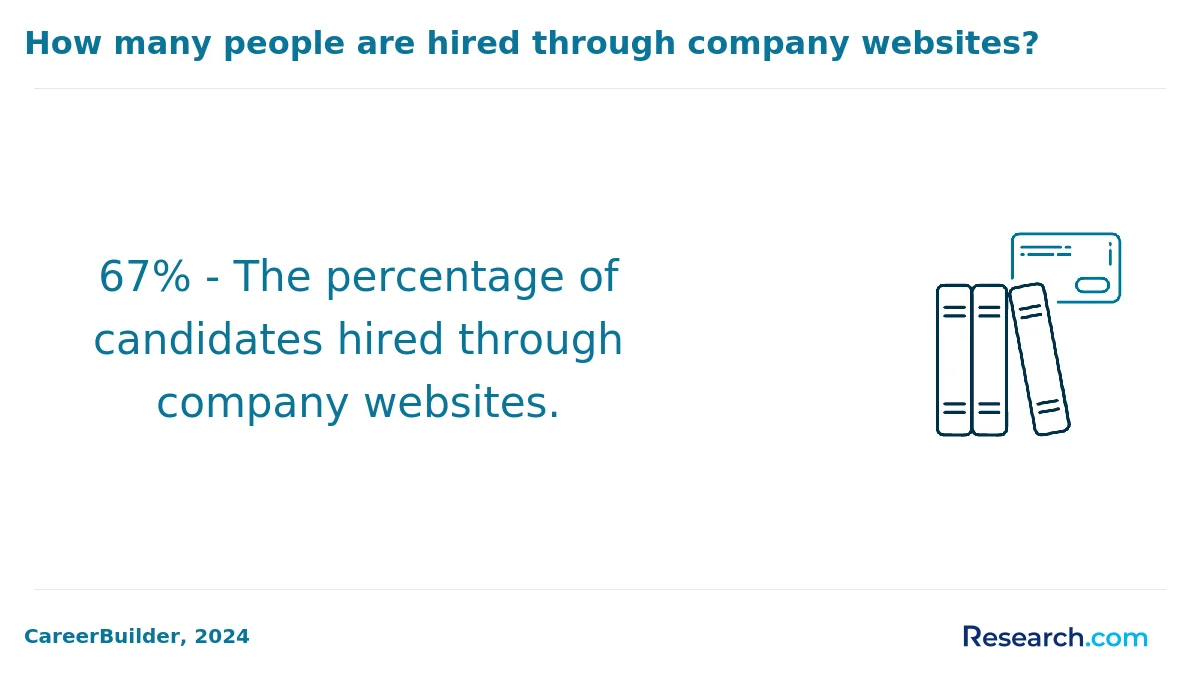
Associate degree programs in Smithfield include a comprehensive mix of courses designed to build foundational knowledge alongside specialized skills. At popular local schools such as Johnston Community College, students encounter an associate degree course list Smithfield NC that starts with robust general education requirements for Smithfield associate degrees. These foundational classes typically cover English composition, mathematics, computer literacy, communication, and social sciences, helping graduates develop strong critical thinking and interpersonal skills valued by employers and four-year universities.
Beyond these general courses, specialized classes vary by major. For example, those pursuing an Associate in Engineering will take calculus, physics, and introductory engineering courses, while accounting and finance students focus on financial accounting and business law. Many graduates appreciate the blend of theory and practice, especially in technical programs like automotive systems or air conditioning, where hands-on learning prepares them for swift entry into the workforce.
Students seeking the easiest associate degree to obtain often find rewarding options that balance classroom time and flexibility, setting a strong foundation for their future careers.
Choosing the best associate degree program in Smithfield starts with clearly defining your career goals. Graduates from well-regarded local programs often highlight how selecting an Associate of Arts or Associate of Science helped them transfer smoothly to four-year universities, while others found the Associate of Applied Science ideal for immediate employment. When you compare associate degree costs in Smithfield, it's important to factor in not only tuition but also access to financial aid, scholarships, and overall return on investment.
Accreditation and program outcomes matter deeply. For example, graduates of Johnston Community College praise their Associate Degree Nursing program for its consistently high licensure exam pass rates and prompt job placement, giving students confidence and a clear path forward. Flexible scheduling, including part-time and distance learning, fits busy lives, making it easier to balance study with work or family.
When considering Smithfield associate degree program selection tips, look for hands-on training and strong support services. These practical experiences make a noticeable difference in graduates' employability. Also, consider researching whether you do all doctorates require a dissertation, as this knowledge might influence your long-term academic planning.
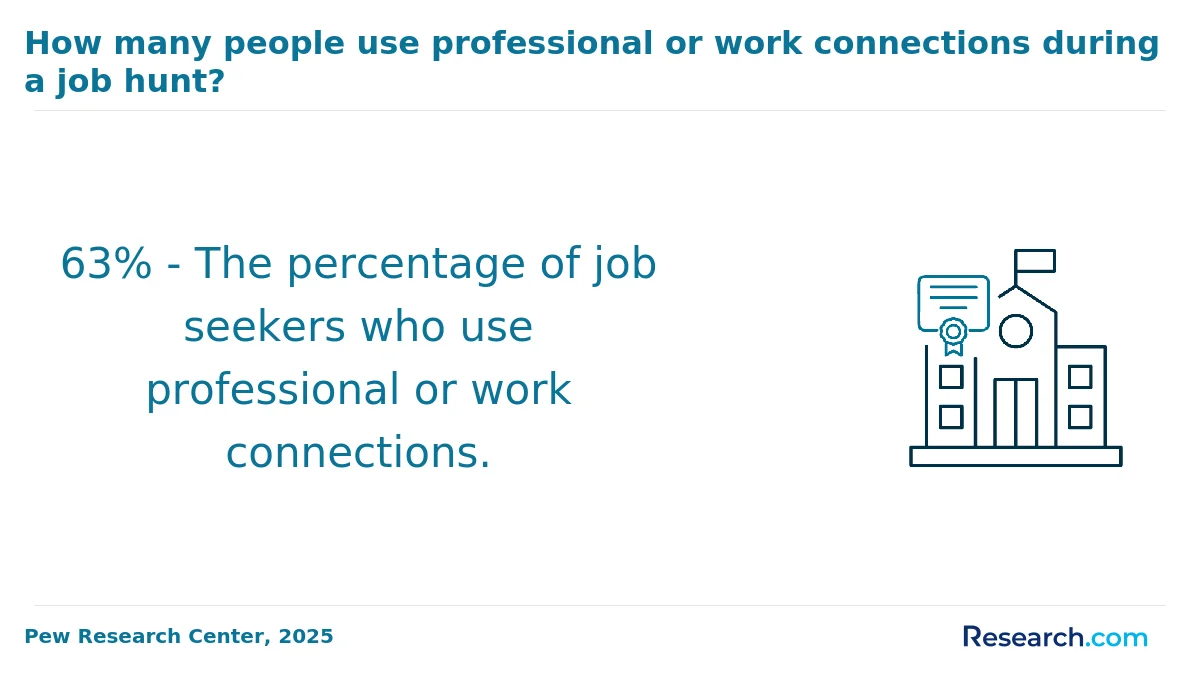
Associate degree graduates in Smithfield have access to diverse career opportunities across healthcare, business, laboratory sciences, and human services. Many local programs, including those at Wake Technical Community College, have equipped graduates with the skills needed to thrive in roles such as Physical Therapist Assistant and Occupational Therapy Assistant, positions that typically offer competitive benefits and steady demand. Graduates from these programs often share positive experiences about quickly finding employment in healthcare settings.
Other common pathways include administrative and front office roles. Positions such as Front Desk Administrator and Office Receptionist are frequently available, providing reliable work with benefits like paid time off and health insurance. Business-focused associate degree programs prepare students for these roles as well as entry-level jobs in sales, office administration, and career counseling, especially within local workforce development organizations.
Human services jobs, including CBVT Specialists and Transition Specialists, allow graduates to make meaningful impacts in community support while earning competitive wages. Smithfield associate degree graduates consistently report satisfaction with the variety of available options and the strong growth potential in the region's job market for associate degree jobs in Smithfield NC.
For those seeking the fastest high paying degree routes, local programs offer tailored training that aligns with in-demand roles in this geographic area.
The job opportunities for associate degree holders in Smithfield are diverse and growing, especially in healthcare, manufacturing, and administration. Graduates from popular local associate degree schools often secure roles in physical therapy assisting at facilities like Barbour Court Nursing and Rehabilitation Center, benefiting from a median annual wage of $63,930 and expected growth of 3.1% annually. Others find success in registered nursing with salaries around $81,860, reflecting solid Smithfield associate degree graduate salary trends. Manufacturing fields, boosted by programs like Southeastern Education and Economic Development (SEED), prepare students for advanced industrial systems and mechatronics jobs, offering hands-on skills desired by local employers.
Administrative roles provide strong entry points with wages typically between $15 and $18 per hour, helping graduates quickly stabilize their finances. Many local students emphasize the practical training and industry connections gained at Smithfield colleges as a key factor in thriving post-graduation.
For those seeking detailed insights on related career paths, exploring top jobs for introverts can provide valuable perspectives on compatible opportunities.
Best Associate Degree Programs - Leading Certification Courses in Smithfield for 2026
# 1 position
Johnston Community College - Diagnostic Medical Sonography/Sonographer and Ultrasound Technician.
associateJohnston Community College offers a Diagnostic Medical Sonography/Sonographer and Ultrasound Technician program with a hybrid format that includes some distance education. The program trains students to use ultrasound technology under physician supervision to collect and analyze sonographic data for diagnosing various conditions. It covers patient care, data processing, equipment operation, and professional ethics. Annual in-state tuition is $2,657, and median earnings one year after completion are $52,281. The program is accredited by the Southern Association of Colleges and Schools Commission on Colleges.
# 2 position
Johnston Community College - Information Technology.
associateJohnston Community College offers a hybrid Information Technology program focusing on designing technological information systems for business and research needs. The curriculum covers computer hardware and software principles, algorithms, databases, telecommunications, application testing, and human interface design. Annual in-state tuition is $2,657. The program is accredited by the Southern Association of Colleges and Schools Commission on Colleges.
# 3 position
Johnston Community College - Language Interpretation and Translation.
associateJohnston Community College offers a hybrid Language Interpretation and Translation program that prepares students to become professional interpreters and translators. The curriculum includes intensive foreign language instruction and covers various interpretation methods, literary and business translation, and technical applications. Annual in-state tuition is $2,657. The program is accredited by the Southern Association of Colleges and Schools Commission on Colleges.
# 4 position
Johnston Community College - Legal Assistant/Paralegal.
associateJohnston Community College offers a Legal Assistant/Paralegal program with a hybrid format, allowing some distance education. The program trains students in legal research, drafting, investigatory, record-keeping, and courtroom procedures under attorney supervision. Instruction covers legal documents, pleading, appraising, and legal specializations. Annual in-state tuition is $2,657. The program is accredited by the Southern Association of Colleges and Schools Commission on Colleges.
# 5 position
Johnston Community College - Criminal Justice/Safety Studies.
associateJohnston Community College offers a Hybrid Criminal Justice/Safety Studies program focusing on the criminal justice system, its components, and legal and public policy contexts. The curriculum includes criminal law, police and correctional systems, justice administration, and public attitudes toward criminal justice. Annual in-state tuition is $2,657. The program is accredited by the Southern Association of Colleges and Schools Commission on Colleges.
# 6 position
Johnston Community College - Heating, Air Conditioning, Ventilation and Refrigeration Maintenance Technology/Technician.
associateJohnston Community College offers a hybrid program in Heating, Air Conditioning, Ventilation and Refrigeration Maintenance Technology/Technician. The curriculum covers repairing, installing, servicing, and maintaining heating and refrigeration systems, including diagnostic techniques and the use of testing equipment. Instruction also includes principles of mechanics, electricity, and electronics. The annual in-state tuition is $2,657. The program is accredited by the Southern Association of Colleges and Schools Commission on Colleges.
# 7 position
Johnston Community College - Computer Numerically Controlled (CNC) Machinist Technology/CNC Machinist.
associateJohnston Community College offers a hybrid Computer Numerically Controlled (CNC) Machinist Technology program that trains students to operate CNC machine tools and perform machining tasks such as cutting, drilling, and shaping. The curriculum includes CNC programming, blueprint reading, CAD/CAM systems, and safety practices. Annual in-state tuition is $2,657. Graduates earn a median salary of $34,171 one year after completing the program. The program is accredited by the Southern Association of Colleges and Schools Commission on Colleges.
# 8 position
Johnston Community College - Business Administration and Management, General.
associateJohnston Community College offers a hybrid Business Administration and Management, General program that prepares students to plan, organize, direct, and control business functions. The curriculum includes management theory, human resources, accounting, purchasing, logistics, marketing, and business decision-making. Annual in-state tuition is $2,657. Graduates earn a median income of $26,398 one year after completion. The program is accredited by the Southern Association of Colleges and Schools Commission on Colleges.
# 9 position
Johnston Community College - Office Management and Supervision.
associateJohnston Community College offers a Hybrid Office Management and Supervision program designed to prepare students for managing business office operations and personnel. The curriculum covers employee supervision, labor relations, budgeting, scheduling, office systems, records management, and public relations. The program’s annual in-state tuition is $2,657. Graduates earn a median income of $26,398 one year after completion. It is accredited by the Southern Association of Colleges and Schools Commission on Colleges.
# 10 position
Johnston Community College - Medical Office Management/Administration.
associateJohnston Community College offers a Medical Office Management/Administration program with a hybrid format, combining in-person and distance education. The program trains students to manage business functions in medical offices, covering office operations, financial record-keeping, personnel supervision, and health care policy administration. Annual in-state tuition is $2,657. Graduates earn a median salary of $34,244 one year after completion. The program is accredited by the Southern Association of Colleges and Schools Commission on Colleges.
Frequently Asked Questions about associate degree programs
After earning an associate degree in Smithfield, preparing for the job market involves practical steps to enhance employability. Many local employers value hands-on experience, so consider internships or part-time positions during or immediately after your studies. The Rhode Island Department of Labor and Training highlights that healthcare, manufacturing, and information technology are key growth sectors in the region, offering strong opportunities for associate degree holders.
Networking is also essential; join local professional groups or campus alumni associations. Additionally, updating your resume to highlight relevant skills and certifications can improve your chances. According to the National Center for Education Statistics, associate degree holders earn a median annual salary of around $45,000, illustrating strong economic benefits for degree completers in Smithfield.
Employers in Smithfield consistently prioritize both technical and soft skills in associate degree graduates. According to recent data from the National Skills Coalition, 85% of middle-skill jobs-many filled by associate degree holders-demand proficiency in problem-solving and critical thinking. In Smithfield's growing healthcare and manufacturing sectors, expertise in technical fields like medical coding or computer-aided design is highly valued.
Communication and teamwork skills are also essential. The Bureau of Labor Statistics highlights that 70% of local employers seek graduates who can collaborate effectively and adapt to changing work environments. Time management and digital literacy complete the core competencies frequently listed in job postings for associate degree positions in the area.
Finding internships in Smithfield that align with your associate degree program involves several strategic steps. Start by exploring local community colleges and technical schools, as these institutions often have career centers with connections to area employers offering internships.
Smithfield's proximity to business hubs increases the availability of internships in healthcare, IT, and skilled trades. Websites like Internships.com and Handshake list opportunities specifically searchable by location and field. Additionally, networking through local chambers of commerce and industry associations can reveal hidden openings.
According to the National Association of Colleges and Employers (NACE), around 60% of internships lead to employment, emphasizing their importance. Smithfield's growing industries suggest a positive outlook for relevant internships in 2026.
In Smithfield, earning an associate degree can significantly enhance career mobility and opportunities for advancement. According to the U.S. Bureau of Labor Statistics, individuals with an associate degree typically earn about 20% more than those with only a high school diploma. Local employers in Smithfield often prioritize candidates with this credential for technical and administrative roles.
Associate degrees provide practical skills and knowledge relevant to growing industries like healthcare, manufacturing, and information technology, which dominate the Smithfield job market. Additionally, these programs often offer flexible schedules, supporting current workers seeking promotions or career changes.
Data from the National Student Clearinghouse Research Center highlights that associate degree holders are more likely to advance into higher-paying positions or continue education toward a bachelor's, further improving career paths.
In Smithfield, part-time job opportunities that complement associate degree education are often found in healthcare, retail, and administrative sectors. For example, students pursuing healthcare-related degrees can work as certified nursing assistants or medical assistants, gaining practical experience while earning around $13-$16 per hour according to the U.S. Bureau of Labor Statistics (BLS) regional data. Retail roles such as sales associates or customer service representatives also provide flexible hours and skills in communication and management useful across disciplines.
Administrative assistant positions in local businesses offer students chances to develop organizational skills valuable for many associate degree fields. According to recent local employment reports, Smithfield has seen steady demand for part-time roles in these sectors, making them viable options for students seeking work-study balance.
Yes, there are degree programs available near you in Smithfield, NC. Johnston Community College, located near Smithfield, NC, offers a variety of associate degree programs in areas such as healthcare, business, and technology. Additionally, Research.com can be a helpful resource to explore other universities and programs "near me" that suit your educational needs.
- 2.13 - Requirements for the Associate of Arts Degree - OTC Policies and Procedures https://about.otc.edu/policies/2-13-requirements-for-the-associate-of-arts-degree/
- Advancement Potential of Different Degrees and Majors - Resource Center Article https://nextmile.instride.com/resource/upward-mobility-degree-major
- An associate degree by 12th grade? – THE FEED https://feed.georgetown.edu/access-affordability/an-associates-degree-by-12th-grade/
- Associate in Science Degree | Johnston Community College https://www.johnstoncc.edu/programs/associate-in-science.php
- Unlocking Career Opportunities with an Associate Degree ‐ CareerExplorer https://www.careerexplorer.com/unlocking-career-opportunities-with-associate-degree/
- Seniors of the Month - School Board - Isle of Wight County Schools https://www.iwcs.k12.va.us/apps/pages/senior_of_the_month
- Online Associate Degree Programs https://www.ashworthcollege.edu/associate-degrees/
- Online Associate’s Degree Programs (AS and AAS) - Purdue Global https://www.purdueglobal.edu/degree-programs/associates-degrees/
- Programs of Study | Johnston Community College Academic Catalog https://courseleaf.johnstoncc.edu/programs/
- Jobs • Smithfield, VA • CivicEngage https://www.smithfieldva.gov/Jobs.aspx


