Best Associate Degree Programs - Leading Certification Courses in Randolph for 2026

Co-Founder and Chief Data Scientist
Choosing the right associate degree program in Randolph can feel overwhelming. This article aims to make that decision easier by presenting a carefully crafted ranking of the best programs for 2026. The ranking was developed by the Research.com team of data scientists, ensuring it is based on solid data and meaningful insights.
By exploring these top programs, you’ll discover valuable options that align with your goals and interests. Earning an associate degree opens doors to new career opportunities and personal growth. This guide is here to support your journey with trustworthy information and encouragement.
Key benefits of associate degrees in Randolph
• Associate degree holders in Randolph can expect competitive salaries in various careers, such as Technical Administrative Assistants earning about $42,639 per year, Medical Administrative Assistants around $40,405, and Invoicing Assistants near $38,672 annually. These figures show strong earning potential right after graduation.
• Popular career paths for associate degree graduates in Randolph include roles in manufacturing, health care, and retail sectors, offering diverse job opportunities that match local industry demands and help graduates build a stable future.
• Earning an online associate degree provides flexibility and convenience, allowing students, like those from well-known Randolph schools, to balance work and study effectively while gaining the same valuable skills as traditional students.
- Best Associate Degree Programs - Leading Certification Courses in Randolph for 2026
- What can I expect from associate degree programs in Randolph?
- Where can I work after finishing associate degree programs in Randolph?
What can I expect from associate degree programs in Randolph?
The average cost of completing an associate degree program in Randolph typically ranges from $4,000 to $6,000 per year at public institutions like Randolph Community College. Graduates often mention that this affordable tuition makes pursuing a degree feel achievable without overwhelming debt, especially compared to four-year universities.
Students expect a practical blend of coursework and hands-on training, which many find rewarding and directly applicable to local job markets. One graduate shared how the mix of general education classes and specialized courses in Nursing gave them confidence and real skills to start working right after graduation.
Flexibility is another key aspect. For example, some programs offer online or evening classes to fit around work or family commitments, which many students appreciate as it helps reduce stress while maintaining progress toward their degree.
Transferability is also common; several graduates highlight how credits earned here easily transferred to four-year schools, saving money and time in their academic journey.
Where can I work after finishing associate degree programs in Randolph?
After finishing an associate degree program in Randolph, graduates find many job opportunities right in their community. For example, someone who studied Industrial Systems Technology at a popular Randolph technical college can start working as a maintenance technician in local factories, thanks to strong ties between schools and employers through programs like Apprenticeship Randolph.
Healthcare graduates from Randolph's community colleges often step confidently into roles as registered nurses or medical assistants, passing licensure exams like the NCLEX-RN and being quickly hired by nearby hospitals or clinics where demand is high. Their hands-on training makes transitions smooth and rewarding.
Information technology students enjoy roles as IT support specialists or network technicians at local businesses and government offices, applying practical skills learned on campus. Agribusiness and public safety careers are also common, with graduates working on farms or joining law enforcement agencies, feeling pride in contributing to their community's wellbeing.
Administrative and customer service roles in retail and offices similarly welcome associate degree holders, with many employers specifically seeking Randolph-trained candidates, making the job search less daunting and more hopeful.
After finishing an associate degree program from Randolph Community College or similar local institutions, graduates often start with salaries around $40,145 per year. Many find this figure encouraging as it reflects real earnings in Randolph, helping new graduates feel confident about entering the workforce.
For example, a healthcare graduate working as a medical assistant can expect salaries in the $35,000 to $45,000 range, providing a solid foundation for career growth. Business administration and skilled trades graduates report similar starting salaries, which offer stability and opportunities to earn more with experience.
Hourly wages in nearby Asheboro average about $17.98, which aligns with Randolph's salary levels. Graduates appreciate how these wages allow them to support themselves locally without needing to relocate to larger cities, where the salary increase is often minimal.
Graduates often express satisfaction knowing their degrees provide competitive pay and job security within Randolph's community, fueling optimism for their future careers.
- Jasmine: Earning my Associate Degree in Nursing in Randolph was a life-changing experience. The hands-on training and supportive instructors made every challenge manageable. Now, working at a local hospital, I feel proud knowing my education prepared me to make a real difference in my community.
- Marcus: Studying Automotive Technology at Randolph's trade school sharpened my skills and boosted my confidence. The practical workshops and direct connections with local employers helped me land a job at a top repair shop. This degree truly paved my way to a stable and fulfilling career.
- Olivia: My Associate Degree in Business Administration from Randolph taught me more than just theory-it gave me the tools to succeed in a competitive market. The small class sizes fostered close relationships with professors, empowering me to thrive as a marketing assistant in a growing company.
- Randolph Community College offers associate degrees in fields like arts, business, health professions, education, humanities, protective services, and trades.
- About 400 associate degrees were awarded in 2023, making Randolph one of the busier community colleges in North Carolina.
- Tuition and fees are generally low, often just a few thousand dollars per year for in-state students, with some programs allowing students to earn degrees at no cost while gaining paid work experience.
- Students can transfer credits toward bachelor's degrees through partnerships with four-year institutions.
- Entry-level salaries for graduates in health care and skilled trades range from $35,000 to $50,000 annually, with potential for higher pay as experience increases.
Completing an associate degree program in Randolph typically takes about two years of full-time study. Most Randolph students enroll in around 15 credit hours per semester, or roughly five courses, allowing them to finish the standard 60 to 61 credit hours in four semesters. Graduates from popular local schools often share how this timeline provided a clear, manageable path to earning their degree without overwhelming their schedules.
Part-time students in Randolph, balancing work or family commitments, usually take longer-often three to four years-to complete their degrees. Many appreciate the flexibility offered by local schools through evening, online, or hybrid classes, which helps them progress steadily at their own pace.
Students pursuing technical or trade-focused associate degrees might experience varied timelines due to practical training or certification requirements. Transfer-oriented degrees follow the traditional two-year timeline, ensuring Randolph students can move smoothly to four-year colleges.
Careful academic advising at Randolph's community colleges helps students stay motivated and on track toward timely graduation, fostering confidence and accomplishment in their educational journey.
Online and on-campus associate degree programs in Randolph differ mainly in how you access classes and engage with college life. At Randolph Community College, many students find online courses ideal because they can study remotely on their own schedule. For example, a graduate balancing work and family appreciated the flexibility to complete assignments late at night without missing deadlines. Small online classes foster close connections with instructors through virtual discussions and personalized support, making students feel guided despite the distance.
On-campus programs, by contrast, offer in-person interaction and immediate access to campus resources like labs and libraries. Graduates who valued the social environment enjoyed spontaneous study groups and networking in hallways or campus events, which helped them feel part of a learning community. Class times are fixed, providing structure but requiring students to coordinate their daily routines around them.
Both options at Randolph ensure the same degree quality, so your choice hinges on whether you want flexible, independent study or the immersive campus experience of traditional learning.
The average associate degree cost in Randolph centers largely around Randolph Community College, the main public institution for these programs. For in-state students, tuition and fees run about $2,416 annually, while out-of-state students pay significantly more, at $8,176. Beyond tuition, living expenses, books, and supplies add to the total, pushing the in-state sticker price near $22,799 per year, with out-of-state students facing $28,559. Many graduates who have navigated these expenses reflect that while the headline costs may appear high, financial aid and scholarships play a critical role in making education affordable.
Most graduates share that the average net price after financial aid is the more practical figure to consider. At Randolph Community College, students paying this net amount averaged around $8,463 annually, with family income being a strong determinant-those from lower-income families often pay as little as $5,700. This flexibility makes pursuing an associate degree a hopeful and reachable goal for many in the community.
Part-time students and those paying per credit hour find that the in-state rate is $76 per credit, while out-of-state can be $268. Since an associate degree typically requires about 60 credit hours, tuition alone usually comes to around $4,560 for residents before other costs are included. For students exploring accelerated paths or differing schedules, resources like the accelerated associates degree online options can be practical alternatives.
Choosing an associate degree program in Randolph involves weighing tuition, fees, and personal circumstances against financial aid possibilities. Many graduates recall that understanding the Randolph associate degree tuition and fees upfront helped them plan realistically and stay motivated throughout their studies.
Associate degree students in Randolph have access to several financial aid options that make college more affordable and manageable. One key resource is the Free Application for Federal Student Aid (FAFSA), which unlocks federal grants, work-study jobs, and loans tailored to individual needs. For many freshmen at Randolph Community College, the FAFSA opens the door to aid packages averaging around $6,199, helping ease the upfront costs of tuition and living expenses.
Federal Pell Grants and Supplemental Educational Opportunity Grants (FSEOG) are especially valuable because they don't require repayment, providing peace of mind for students balancing studies and budgets. Additionally, state grants available to North Carolina residents further soften tuition fees at Randolph's affordable median rate of $2,280 per year.
Institutional scholarships, like the Norman "Red" Reeves and Eddy Whisnant Scholarships, reward students excelling in programs such as biomedical equipment technology with $2,000 awards, motivating many graduates who once felt financial stress to focus on their dreams confidently.
For students seeking payment flexibility, the Tuition Payment Plan at Randolph Community College allows splitting semester costs into smaller installments, reducing immediate financial pressure. Work-study jobs offer hands-on experience while earning income, and federal student loans remain an option if additional help is needed, always with favorable terms. Many Randolph students express relief and gratitude for these combined supports, which transform potential worries into achievable academic goals.
To enroll in an associate degree program in Randolph, most schools like Randolph Community College require a high school diploma or GED equivalency. Many graduates recall feeling confident knowing this basic qualification already set a strong foundation for their college journey.
Students must also prove competency in English and math. For instance, completing courses such as ENG 111 and ENG 112 is typical, with placement testing guiding the right starting level. Mathematics requirements vary by program, from beginner courses to calculus like MAT 171 or MAT 263. This ensures you're well-prepared, just like many successful grads who appreciated being placed appropriately for their skills.
Applicants need to meet essential physical and cognitive abilities, including critical thinking and effective English communication. Randolph Community College's ADA compliance offers accommodations for disabilities, providing peace of mind for many students balancing challenges.
- High school diploma or GED
- Completion or placement in college-level English courses (ENG 111, ENG 112)
- Mathematics coursework fitting the chosen major
- Ability to meet physical and cognitive program standards
- Specialized program requirements, like background checks, where applicable
Students aiming to transfer often follow UGETC guidelines, smoothing credit acceptance at four-year schools. Those involved in partnerships, such as between Central Virginia Community College and Randolph College, benefit from maintaining good academic standing and submitting transcripts, enabling seamless transitions many alumni have praised for opening doors to further education and career growth.

Associate degree course lists in Randolph typically blend general education with specialized subjects to build a well-rounded academic foundation. At Randolph Community College, many students find themselves engaged in core classes like English composition, mathematics (such as Precalculus Algebra), natural sciences including Anatomy & Physiology, and social sciences like General Psychology or American Government. Graduates often share how these classes helped sharpen both critical thinking and practical skills, essential for their future careers.
Common classes in Randolph associate programs also incorporate humanities or fine arts, such as Art or Music Appreciation, enriching students' cultural perspectives. Those pursuing specialized degrees, like nursing or radiography, take focused courses in biology and physics while balancing professional training. Electives in business, computer information systems, and health sciences give flexibility to personalize studies, ensuring students can align their education with job market demands or transfer goals.
Many students appreciate that the curriculum's 60-65 credit structure fits a two-year full-time plan, with courses transferable to four-year schools. To understand pathways beyond, some explore what is the easiest phd to get, helping guide their academic ambitions.
Start by pinpointing your career goals and selecting a program that suits those interests; Randolph offers diverse paths like nursing, engineering technology, or general studies. Graduates from popular local colleges share how choosing programs aligned with their passions helped them feel motivated and confident throughout their studies. To make an informed choice, compare tuition and costs for Randolph associate degrees since financial investment matters to most students balancing budgets and education.
Examine whether the program emphasizes direct job skills or transfer options. For example, Associate in Arts degrees often prepare students to continue at four-year schools, whereas technical programs focus on workforce readiness. Many graduates appreciate how co-enrollment agreements between community colleges and institutions like Randolph College have simplified their transfer process, reducing stress and financial burden. Also, explore financial aid and advising services that provide personalized support tailored to your needs.
Look for programs with strong outcomes, such as high graduation rates and positive student feedback, to boost your confidence in success. Consider checking rankings, and for additional insights on career growth, explore the list of top paying master's degrees to see how further education can elevate your prospects.
Associate degree graduates in Randolph have access to diverse career paths tailored to the needs of local industries. Graduates from Randolph Community College report smooth transitions into roles like Physical Therapist Assistant and Occupational Therapy Assistant, with competitive wages reaching up to $70,940 annually. These healthcare opportunities reflect the high demand within the community.
Manufacturing and technology also present strong job markets. Through programs like Apprenticeship Randolph, students earn degrees in fields such as Computer Integrated Machining and Information Technology, often at no cost. Graduates typically find work with leading regional employers specializing in advanced manufacturing and automation.
For those interested in public safety, associate degrees in criminal justice lead to careers as police officers, probation officers, or security specialists. Many graduates find fulfilling roles serving their communities in Randolph County.
Additional pathways include cosmetology, digital design, and business administration, where graduates enjoy immediate employment or can transfer credits to pursue further study. Prospective students seeking top universities options can explore more through top universities suited to associate degree students.
These career opportunities for associate degree graduates in Randolph create a foundation for rewarding and stable futures.
The Randolph associate degree job opportunities are promising, supported by a strong local labor market with an employment rate of 96.1%. Graduates from Randolph Community College, a popular associate degree school in the area, often find roles in healthcare, technology, and manufacturing sectors. For example, healthcare graduates frequently start as Licensed Practical Nurses or radiologic technologists, filling consistent regional demand.
Many graduates appreciate how RCC's programs, such as IT and medical imaging, align directly with local employer needs, creating practical pathways to jobs. Others in manufacturing-related fields benefit from connections to over 266 industrial plants in Randolph County, with wages ranging comfortably from $972 to $2,000 weekly in nearby counties.
Employment rates for associate degree graduates in Randolph reflect this balance of opportunity and skill. Graduates often share experiences about transitioning smoothly into roles like Physical Therapist Assistants and dental hygienists, thanks to tailored coursework and employer partnerships.
- Healthcare roles with steady openings and competitive pay
- Technology and IT support positions growing with local demands
- Manufacturing jobs supported by numerous industrial plants
With many graduates commuting or finding work locally, the outlook is positive and full of potential. Those looking for flexible study options might explore nationally accredited online schools that complement Randolph's offerings, enhancing their career readiness through diverse learning from home. More information about these options is available at national accredited online schools.
Best Associate Degree Programs - Leading Certification Courses in Randolph for 2026
# 1 position
Vermont State University - Veterinary/Animal Health Technology/Technician and Veterinary Assistant.
associateVermont State University offers a program in Veterinary/Animal Health Technology/Technician and Veterinary Assistant designed to prepare students for roles assisting veterinarians and animal health professionals. The curriculum covers animal nursing care, clinical procedures, radiology, anesthesiology, surgical assisting, and office administration. The program is accredited by the New England Commission on Higher Education. Annual in-state tuition is $11,400.
# 2 position
Vermont State University - Information Technology.
associateVermont State University offers a hybrid Information Technology program with some distance-education options. The curriculum covers the design of technological information systems, including computer hardware and software, algorithms, databases, telecommunications, application testing, and human interface design. Annual in-state tuition is $11,400. The program is accredited by the New England Commission on Higher Education.
# 3 position
Vermont State University - Automobile/Automotive Mechanics Technology/Technician.
associateVermont State University offers a hybrid program in Automobile/Automotive Mechanics Technology/Technician, providing technical skills to repair and maintain various automobile systems. The curriculum covers brake systems, electrical systems, engine performance and repair, suspension and steering, transmissions, and heating and air conditioning. The program’s annual in-state tuition is $11,400. Graduates have a median earning of $48,817 one year after completion. It is accredited by the New England Commission on Higher Education.
# 4 position
Vermont State University - Business Administration and Management, General.
associateVermont State University offers a hybrid program in Business Administration and Management, General, designed to prepare students to plan, organize, direct, and control business functions. The curriculum includes management theory, human resources, accounting, purchasing, logistics, marketing, and decision-making. The program's annual in-state tuition is $11,400. It is accredited by the New England Commission on Higher Education.
# 5 position
Vermont State University - Office Management and Supervision.
associateVermont State University offers a hybrid program in Office Management and Supervision designed to prepare individuals for supervisory and management roles in business offices. The curriculum includes employee supervision, labor relations, budgeting, scheduling, office systems, records management, and public relations. The program is accredited by the New England Commission on Higher Education. Annual in-state tuition is $11,400.
Frequently Asked Questions about associate degree programs
After completing an associate degree in Randolph, preparing effectively for the job market is essential. Start by building a strong resume that highlights both your academic achievements and any relevant internships or part-time work. According to the U.S. Bureau of Labor Statistics, many employers in technical and healthcare fields prefer candidates with practical experience alongside their degrees.
Networking is another key step. Attend local job fairs and engage with Randolph-area employers through community events or online platforms like LinkedIn. Additionally, consider obtaining certifications related to your field, as these can improve employment prospects.
Career services offered by community colleges in Randolph often provide valuable assistance, including interview preparation and job placement support.
Employers hiring associate degree graduates in Randolph prioritize a blend of technical and soft skills. According to the National Association of Colleges and Employers (NACE), key abilities include effective communication, problem-solving, and teamwork. Local industry reports emphasize proficiency in digital literacy and specific technical skills related to healthcare, technology, and manufacturing sectors, which are prominent in Randolph's job market.
Strong time management and adaptability are also highly valued, helping graduates navigate evolving workplace demands. A 2023 survey from the Randolph Chamber of Commerce found that 68% of employers look for candidates with practical hands-on experience gained through internships or cooperative programs. These combined skills enhance job readiness and career growth opportunities.
Finding internships in Randolph relevant to your associate degree program involves several key steps. Start by visiting local community colleges and career centers, as they often maintain partnerships with area businesses offering internships aligned with popular programs such as healthcare, business, or technology. The Randolph County Office of Workforce Development also provides resources and job listings geared toward students seeking practical experience.
Networking plays an important role; attend local career fairs and industry events where employers actively look for interns. Additionally, online platforms like Handshake or Indeed allow you to filter internships specifically in Randolph, increasing your chances to find suitable placements. According to the National Association of Colleges and Employers, about 60% of students with internships receive job offers, underscoring their value in gaining employment post-graduation.
In Randolph, earning an associate degree significantly improves career mobility and advancement opportunities. According to data from the U.S. Census Bureau and local workforce reports, individuals with an associate degree earn approximately 20% more than those with only a high school diploma. This credential often serves as a gateway to higher-paying jobs in healthcare, technology, and skilled trades, all in demand within Randolph's job market.
Employers in the region value the practical skills and foundational knowledge that associate degree graduates bring. Many local companies promote internal advancement, favoring candidates with such qualifications. Moreover, an associate degree reduces barriers to continued education, enabling students to pursue bachelor's degrees, further enhancing career prospects.
Randolph's community colleges collaborate closely with industries to tailor programs that address workforce needs, ensuring graduates meet current labor demands. This alignment improves employability and helps workers adapt to changing economic conditions.
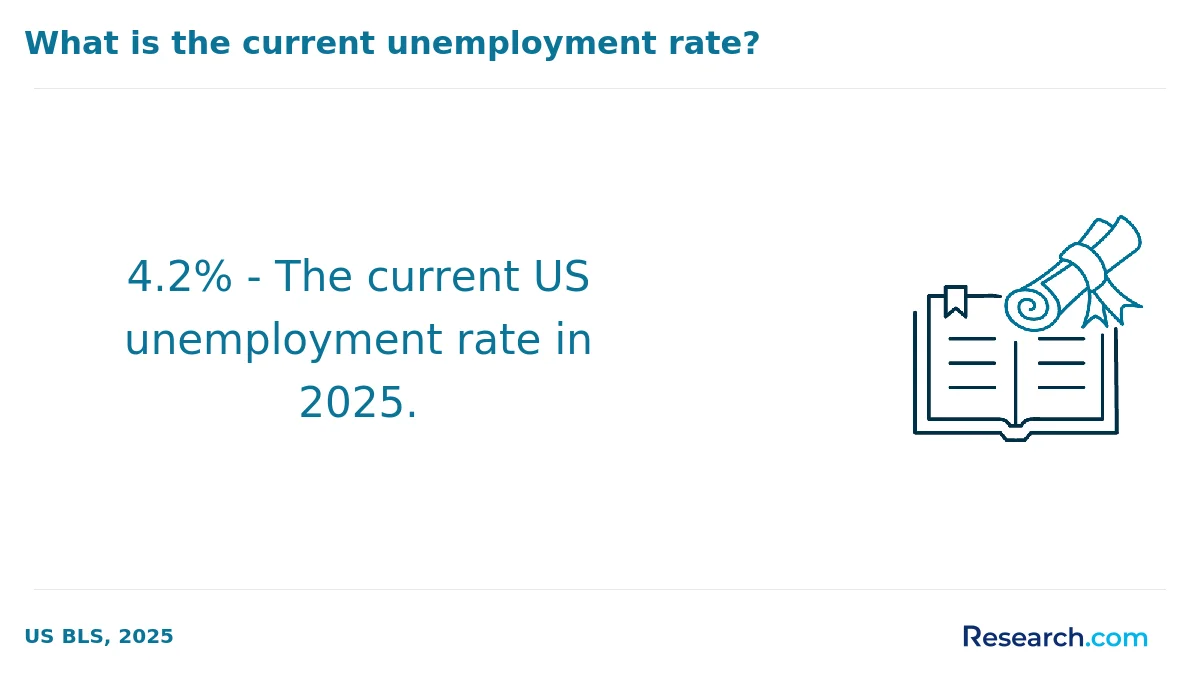
Research from the National Center for Education Statistics highlights that associate degree holders have lower unemployment rates in Randolph, reinforcing the degree's positive impact on job stability.
In Randolph, part-time job opportunities that align well with associate degree programs are diverse and accessible. Many students pursue roles in healthcare support, retail management, or administrative assistance, fields that benefit directly from the practical skills gained during their studies. According to the U.S. Bureau of Labor Statistics, healthcare support occupations in Randolph have seen steady growth, offering part-time positions in clinics and nursing homes.
Additionally, local businesses frequently seek part-time employees with basic IT, customer service, or bookkeeping experience, which complements subjects studied in business or technology associate degrees. These roles often provide flexible hours, helping students balance work and study efficiently.
Students studying education or social services might find opportunities as teacher aides or community support workers. The Randolph Economic Development Corporation's reports highlight that many local organizations value part-time workers who bring relevant academic knowledge to practical settings.
To choose the best degree program "near me" in Randolph, VT, consider factors such as program accreditation, faculty expertise, and facilities offered by local colleges. Programs and universities are available in the region that might align with your academic and career goals, offering various fields of study and professional expertise. Resources like Research.com can help compare the quality and rankings of programs available near Randolph, VT, to make an informed decision.
- Best Trade School & Training Programs - Leading Certification Courses in Hamburg for 2026
- Best Trade School & Training Programs - Leading Certification Courses in Akron for 2026
- Best Trade School & Training Programs - Leading Certification Courses in Adrian for 2026
- Best Trade School & Training Programs - Leading Certification Courses in Angola for 2026
- Best Trade School & Training Programs - Leading Certification Courses in Florence for 2026
- Online Associate Degree Programs https://www.ashworthcollege.edu/associate-degrees/
- Cost of Attendance - Randolph-Macon College https://www.rmc.edu/admissions-and-aid/tuition-and-aid/cost-of-attendance/
- What Are Employers Looking for When Reviewing College Students’ Resumes? https://www.naceweb.org/talent-acquisition/candidate-selection/what-are-employers-looking-for-when-reviewing-college-students-resumes
- Associate Degree Programs | Academics | Miami Dade College https://www.mdc.edu/academics/programs/associate.aspx
- Jobs in Randolph, NJ at Weis Markets https://jobs.weismarkets.com/jobs-near-you/new-jersey/randolph
- Here’s How an Associate Degree Can Advance Your Career https://flex.wisconsin.edu/stories-news/heres-how-an-associate-degree-can-advance-your-career/
- Find Remote Internships For College Students https://www.accreditedschoolsonline.org/resources/college-internships-and-employment/
- Is an Online Degree the Same as a Traditional College Degree? | Bryan University Online© https://bryanuniversity.edu/faq/is-an-online-degree-the-same-as-a-traditional-college-degree/
- Associate Degrees - Vermont State University https://vermontstate.edu/academics/programs-courses/associate-degrees/
- Online vs Traditional Degrees: Similarities and Differences https://www.aiu.edu/blog/online-vs-traditional-degrees/