
Most Affordable Certificate Programs - Leading Certification Courses in Dallas for 2026

Co-Founder and Chief Data Scientist
Choosing the right trade school certificate program in Dallas can be overwhelming. To make this easier, the Research.com team of data scientists developed a ranking of the most affordable and valuable programs for 2026.
This article will guide you through top options that fit your budget and career goals, helping you make an informed choice with confidence.
Investing in a trade school diploma or certification opens doors to rewarding job opportunities and personal growth. Discover programs designed to set you on a successful path!
Key benefits of getting trade school certificate in Dallas
- Expected salary: Trade school graduates in Dallas enjoy competitive wages, with electricians earning around $60,719 annually and top earners making up to $84,564. Other trades like electronic technicians and equipment operators earn between $35,232 and $67,356 per year, offering solid financial opportunities.
- Popular career paths: Graduates pursue roles such as lead electricians, maintenance technicians, and equipment operators. These careers provide steady work and growth potential in Dallas's strong job market for skilled trades professionals.
- Online certification benefits: Completing trade school online offers flexibility and convenience, allowing students to learn while balancing work or family. Many online graduates from Dallas schools report feeling well-prepared and confident entering the workforce.
- Most Affordable Certificate Programs - Leading Certification Courses in Dallas for 2026
- What can I expect from trade school certification programs in Dallas?
- Where can I work with trade school certification in Dallas?
What can I expect from trade school certification programs in Dallas?
Students seeking trade school certification programs in Dallas often find the average tuition ranges from $1,500 to $6,500, depending on the trade and institution. Graduates from well-known schools like CLC, Inc. share how affordable tuition combined with financial aid and GI Bill benefits made their technical training financially manageable without sacrificing quality.
Training typically lasts between 3.5 to 18 months, offering concentrated, career-focused instruction. Graduates recall the benefit of small class sizes-usually 8 to 20 peers-that fostered hands-on learning and strong connections with instructors. For example, automotive students appreciated practicing skills on vehicles while preparing for ASE certification, feeling confident stepping into entry-level roles sooner than expected.
Healthcare students highlight clinical rotations that simulated real patient care, giving them a vibrant sense of purpose and preparedness. Programs at Dallas trade schools often feature flexible schedules or blended learning, allowing students to balance life and study seamlessly. This practical, employer-aligned approach empowers students to enter the workforce with tangible skills and clear certification pathways, boosting both excitement and job market readiness.
Where can I work with trade school certification in Dallas?
After finishing a trade school certification program in Dallas, graduates often step into a vibrant job market filled with opportunities across industries. Many find themselves working as certified nursing assistants or dental assistants, thriving in bustling hospitals and local clinics eager for skilled healthcare workers. For those who trained at well-known Dallas trade schools, the transition into these roles feels rewarding and stable, underscoring the city's growing healthcare demand.
Others dive into skilled trades like HVAC or electrical work, joining construction firms or property management companies. Graduates recall the satisfaction of landing roles as HVAC installers or electro-mechanical technicians, often recalling hands-on experiences that prepared them to meet Dallas employers' needs.
Industrial jobs beckon as well, with Dallas manufacturers seeking welders and CNC machinists familiar with cutting-edge equipment. The technical and utility sectors, including electronic security installation, also welcome trade school alumni eager to work in the field and gain real-world skills.
Many find unexpected career pathways in warehouse operations or sales, where on-the-job training expands their skill sets. The versatility of Dallas trade school certifications means a wide array of fulfilling employment possibilities awaits you.
Graduates of trade school certification programs in Dallas often find themselves stepping into jobs that pay surprisingly well right from the start. For instance, many electro-mechanical technician grads report median salaries around $65,080 annually, with some quickly moving into positions earning over $100,000. This isn't just a number on a page-imagine starting a career where your paycheck can rival or surpass those of four-year degree holders, just months after finishing a focused program at a local Dallas trade school.
Electricians in Dallas also enjoy robust earning potential, with median wages at about $61,590 per year. New electricians often start around $38,470 but see their income rise fast, especially when working with government or manufacturing employers. HVAC/R technician graduates from schools popular in Dallas share stories of earning $57,300 annually on average, with room to grow well beyond that as they gain experience.
Trade school graduates often talk about how the hands-on training makes entering these roles feel achievable and rewarding. Local employers actively seek these certified professionals, with specialized jobs like maintenance supervisors and CNC operators offering hourly rates from $23 to $40. For many Dallas students, completing certification programs translates directly into stable, growing incomes and exciting career paths.
- David: Earning my HVAC certification in Dallas was a game-changer. The hands-on training made me confident and job-ready. Within weeks of graduating, I landed a great position with a local company that values skilled technicians. The supportive instructors and practical approach really set me up for success.
- Sofia: Training as a certified welder in Dallas was challenging yet rewarding. The small class sizes and dedicated mentors helped me master complex techniques. Now, I work on exciting construction projects across the city, proud of my craft and grateful for the real-world skills the program provided.
- Marcus: Getting my electrical certification at a Dallas trade school opened doors I never imagined. The curriculum balanced theory and fieldwork perfectly, making job hunting easier. I'm now employed as an electrician, enjoying not only steady work but also the satisfaction of contributing to city infrastructure safely.
- Applicants usually need a high school diploma or GED; some advanced programs require a bachelor's degree and a minimum 2.5 GPA.
- Certification requires completing all courses with at least a 2.0 GPA, based solely on program-specific classes.
- Costs range from $2,000 to $10,000, with financial aid and scholarships often available to reduce expenses.
- Certain programs may require background checks and fingerprinting before internships or clinical work.
- Graduates typically start with salaries between $35,000 and $50,000, and over 80% find jobs within six months of completing their certificate.
Completing a trade school certification in Dallas can be surprisingly swift, with many graduates sharing how quickly they transitioned into new careers. Some programs wrap up in as little as 7 weeks, ideal for those eager to jump into entry-level positions like forklift operation or basic logistics roles. Imagine finishing your training before the next football game-students at these schools often feel energized by the rapid pace.
Other popular programs, such as welding, HVAC/R, and electrical technology, typically span 6 to 12 months. Graduates from these courses often speak about the rewarding mix of hands-on skill-building and theory that prepares them for well-paying jobs. For example, a welding certificate from a Dallas trade school takes about 7 months and offers a solid path into industrial careers.
Healthcare certificates and career-focused programs usually require around 8 to 10 months, perfect for those balancing life commitments while aiming to enter medical support roles. Some specialized fields, like aircraft maintenance, extend up to 18 months, reflecting more intricate expertise required.
Flexible schedules, many with frequent start dates, allow Dallas students to tailor their pace. Whether accelerating through an automotive program in under a year or building deep expertise over longer periods, the timeline often empowers students to confidently embark on rewarding career paths.
The key difference between online and on-campus trade school certification programs in Dallas lies in how you experience learning day to day. Graduates from Dallas College's online programs often share how the flexibility transformed their lives-balancing work, family, and study on their own schedule without sacrificing progress. Imagine completing your HVAC certificate while managing a full-time job, logging in for classes anytime from your phone or laptop. This adaptability empowers many to keep moving forward despite busy lives.
On the other hand, students at UEI College vividly describe the energy of hands-on, in-person sessions that build confidence through real equipment and direct instructor guidance. Smaller class sizes create a close-knit environment that makes troubleshooting complex skills feel attainable-and fosters lasting professional connections. The trade-offs become clear: online study thrives on convenience and self-discipline, while on-campus programs deliver immediate practice and face-to-face encouragement essential for fields like automotive technology or healthcare.
The average trade school certification cost in Dallas spans a wide spectrum, reflecting the diversity of programs and institutions available locally. Graduates from nonprofits like CLC, Inc. often share how paying just around $1,500 for courses such as Forklift & Logistics made entering the workforce feel attainable and immediate. Meanwhile, more technical trades like HVAC Technology, averaging about $6,500, have drawn students eager to gain specialized skills for a solid career start without overwhelming debt. These personal experiences underscore why Dallas trade school tuition and fees comparison matters deeply for those weighing their options.
Public institutions like Dallas College offer a notably affordable route, charging approximately $99 per credit hour, making total costs for a 12-credit semester roughly $1,188 for residents. This affordability gives hopeful students practical paths to credentials that quickly translate into jobs. Some healthcare certification programs push tuition up to the $20,000 mark, reflecting the advanced training required but still sit well below the cost of a traditional college degree.
For those exploring the full cost picture, private trade schools in Texas often range between $16,000 and $30,000 for comprehensive programs. Factors such as fees, textbooks, and equipment add layers to the price, which can feel daunting but are often essential investments in a chosen trade. Prospective students can find inspiration and guidance by understanding the clear economic landscapes of certification programs, while also appreciating the vocational training value that Dallas schools offer.
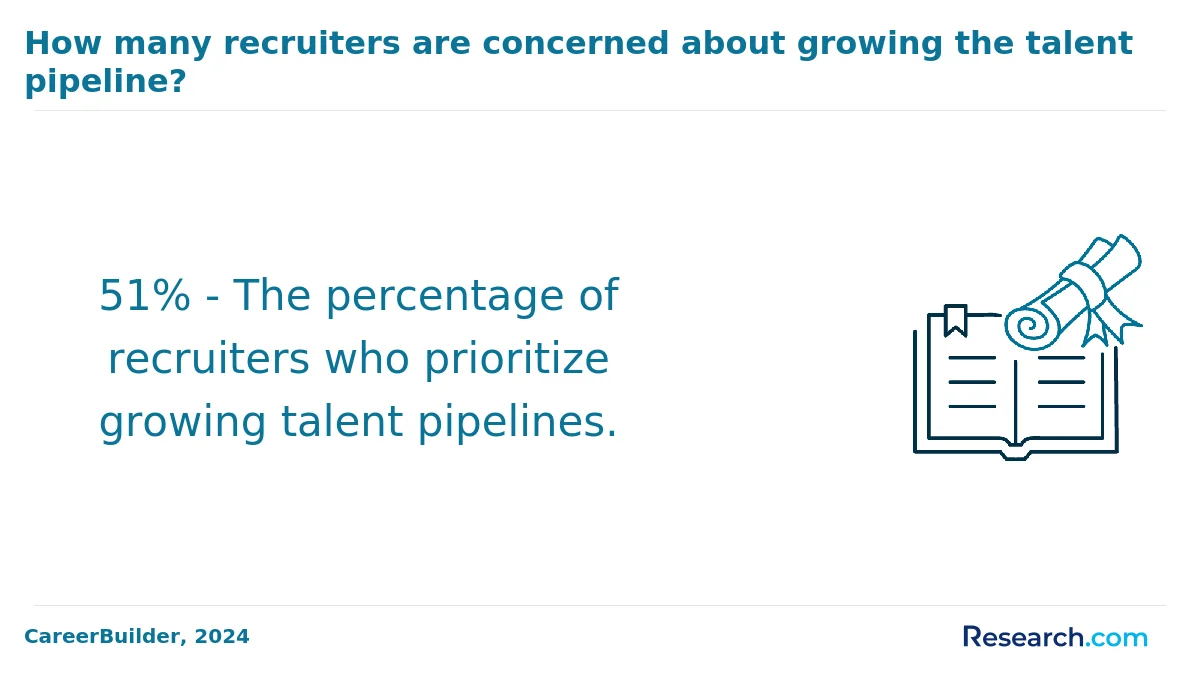
Students pursuing trade school certification programs in Dallas often find financial aid more accessible than expected. For many, the lifeline comes from federal aid like Pell Grants, which can offer up to $7,395 for the 2025-2026 academic year without the worry of repayment. Picture a student attending Dallas College who, after filling out the FAFSA, sees this grant cover a substantial part of their tuition, making the goal of certification feel genuinely achievable.
State support also plays a crucial role-programs like the Texas Educational Opportunity Grant help low- and middle-income students attending two-year colleges in Dallas, significantly easing their financial strain. Graduates from Universal Technical Institute often mention how institutional scholarships and flexible payment plans turned what seemed like a daunting expense into a manageable investment.
Moreover, local resources such as DFW Workforce Solutions provide additional funding and job placement assistance, connecting students with career opportunities while alleviating financial pressure. These safety nets transform the path to certification into a hopeful, tangible reality.
To enroll in a trade school certification program in Dallas, meeting certain prerequisites is essential-and many graduates recall how these clear requirements made their journey focused and achievable. The baseline for most programs is a high school diploma or GED. Some trade schools even welcome high schoolers participating in dual credit programs, offering a head start. Imagine a student eager to enter healthcare certification feeling motivated knowing their prior education is respected and enough to begin.
Age matters, too; typically, you must be at least 18 by program completion. Specialized courses, like automotive or construction certifications, may require background checks or specific prerequisite classes, ensuring safety and skill readiness.
Academic performance plays a defining role. For example, graduates from Dallas College often mention maintaining a minimum 2.00 GPA in certificate courses as a motivating standard that underlines their commitment.
- At least 25% of credits must be completed at the awarding institution.
- Texas Success Initiative standards may be waived, easing entry for many.
- Official transcripts are critical for those transferring or validating earlier coursework.
This structure ensures students aren't just joining a program but stepping confidently toward success in Dallas's vibrant workforce. The clarity of these prerequisites often transforms initial uncertainty into excitement for what's ahead.

Trade school certificate course list Dallas programs consistently emphasize hands-on learning paired with essential technical knowledge. Graduates from Tulsa Welding School often highlight the blend of classroom theory and practical welding, electrical, or HVAC skills that equips them to confidently enter the workforce within months. Typical courses cover foundational topics like blueprint reading, electrical theory, and HVAC system diagnostics, coupled with rigorous lab sessions that simulate real industry conditions.
Across various Dallas vocational program classes, students encounter curricula tailored to industry demands with focused training in areas such as:
- Basic welding and metal fabrication
- Electrical wiring and residential/commercial systems
- HVAC installation and troubleshooting
- CNC machining and precision manufacturing
- Network administration and cybersecurity fundamentals
- Medical terminology and clinical procedures for healthcare roles
These courses build not only skills but also confidence, as graduates recall small class sizes at schools like CLC, Inc. enabling personalized guidance. Many students seeking flexible, cost-efficient options find inspiration in programs like bookkeeping or logistics, with tuition as low as $1,500. For those exploring alternative fields or career pivots, there are varied certifications that seamlessly combine classroom instruction with practical clinical rotations or on-the-job training, exemplified by leading Dallas schools.
For a unique perspective on cost-effective educational pathways, consider reviewing cheapest baking and pastry arts online programs, which reflect the growing diversity and accessibility of trade education options available to Dallas students today.
Choosing the best trade school certification program in Dallas starts with focusing on accreditation and program quality. Graduates from Dallas College - El Centro Campus often emphasize how accredited programs gave their certifications value in the local job market, easing their transition into skilled trades. When exploring options, consider how programs fit real-life needs, such as hands-on training duration and career support services. For example, Concorde Career College students highlight the accessible instructors and career counseling that made learning both engaging and practical.
To navigate how to compare Dallas certificate programs, pay close attention to admission requirements and the variety of trades offered. Some schools emphasize core credentials like high school diplomas, while others expect more for specialized paths. Financial factors also weigh heavily. Programs vary in tuition and length, so researching aid options is key. Many aspiring technicians find looking into low cost welding trade school online programs helpful for budget-friendly alternatives while still earning trusted certifications in Dallas.
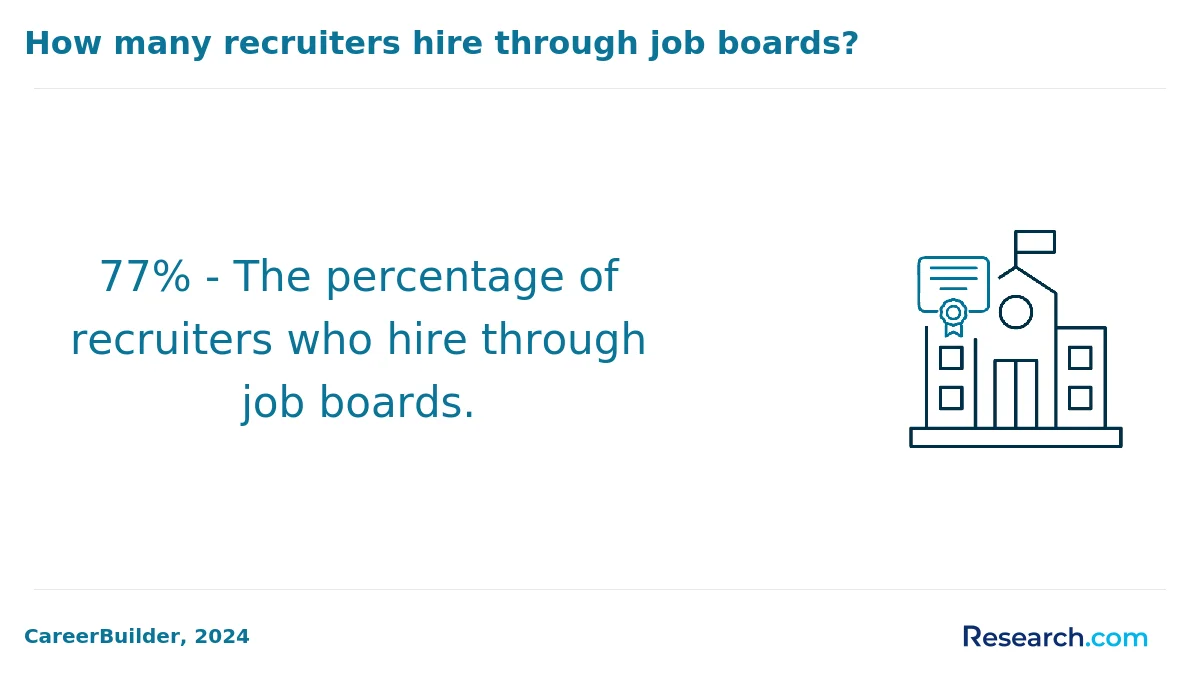
Trade school certification program graduates in Dallas find career opportunities that tap into thriving local industries. Healthcare remains a popular path, with certified roles like patient care technician or pharmacy technician becoming essential in expanding clinics and hospitals. Graduates from Dallas ISD's Career Institutes or UEI College share stories of quick employment and rewarding hands-on work that directly impacts their communities.
Skilled trades present another vibrant option. Welding, HVAC, electrical, and plumbing programs at schools like Tulsa Welding School and Lincoln Tech offer fast-track, practical training. Students often express pride in securing jobs that build Dallas's booming infrastructure and manufacturing sectors.
Additional job prospects include:
- Automotive technology and diesel technician roles, crucial in Dallas's logistics hub
- Cybersecurity, software development, and game design in the city's growing tech scene
- Creative fields such as interior design, providing avenues to express artistry
Many graduates see median wages exceeding $50,000, combining passion with stability. These Dallas trade school certification jobs and salaries often come with opportunities for internships, boosting employability.
For those eager to maximize earning potential quickly, exploring best paying 6 month certifications can guide strategic program choices.
Trade school graduates in Dallas step into a job market buzzing with opportunity, especially in trades like HVAC, plumbing, and healthcare. Many graduates from well-known Dallas programs such as those at Dallas College and Texas State Technical College find themselves quickly employed thanks to robust employer partnerships. These schools emphasize hands-on learning and internships, helping graduates feel confident and prepared for the workforce's demands.
What makes this even more promising is the trade school job opportunities in Dallas that allow students to join high-demand sectors in less than two years, some in under a year. Graduates often share how they start earning quickly and enjoy job placement rates that rival four-year colleges. Entry wages for Dallas tradespeople typically start around $18 per hour, but skilled workers can earn well above this.
For those wondering which skills best combine ease and earning potential, there are easy trades to learn that pay well that provide real pathways to success.
Dallas trade certification graduate salaries are competitive, benefiting from the city's expanding economy and vibrant industries requiring skilled labor now and in the future.
Most Affordable Certificate Programs - Leading Certification Courses in Dallas for 2026
# 1 position
Dallas College - Diagnostic Medical Sonography/Sonographer and Ultrasound Technician.
certificate or diplomaDallas College offers a Diagnostic Medical Sonography/Sonographer and Ultrasound Technician program in a hybrid format with some distance education. Graduates earn a median salary of $83,557 one year after completion. The program trains students to use ultrasound techniques for diagnostic purposes, including patient care, data recording, and equipment operation under physician supervision. Annual in-state tuition is $2,370. The program is accredited by the Southern Association of Colleges and Schools Commission on Colleges.
# 2 position
Dallas College - Electrician.
certificate or diplomaThe Electrician program at Dallas College offers hybrid learning with some distance-education options. It prepares students to install, operate, maintain, and repair electric apparatus and systems including wiring, motors, controls, and distribution panels. The curriculum covers electronics principles, power transmission, safety, job estimation, and applicable codes. The annual in-state tuition is $2,370. Graduates have median earnings of $66,463 one year after completion. The program is accredited by the Southern Association of Colleges and Schools Commission on Colleges.
# 3 position
Dallas College - Automobile/Automotive Mechanics Technology/Technician.
certificate or diplomaDallas College offers a Hybrid program in Automobile/Automotive Mechanics Technology/Technician, preparing students to repair, service, and maintain various automobiles. The curriculum covers brake systems, electrical systems, engine performance and repair, suspension, steering, transmissions, drive trains, and heating and air conditioning systems. Annual in-state tuition is $2,370. Graduates earn a median income of $38,239 one year after completion. The program is accredited by the Southern Association of Colleges and Schools Commission on Colleges.
# 4 position
Dallas College - Welding Technology/Welder.
certificate or diplomaDallas College offers a Welding Technology/Welder program with a hybrid format that includes some distance education. The program teaches skills in arc welding, resistance welding, brazing, cutting, and welding metallurgy, among other areas. Annual in-state tuition is $2,370. Graduates earn a median income of $35,102 one year after completion. The program is accredited by the Southern Association of Colleges and Schools Commission on Colleges.
# 5 position
Dallas College - Veterinary/Animal Health Technology/Technician and Veterinary Assistant.
certificate or diplomaDallas College offers a program in Veterinary/Animal Health Technology/Technician and Veterinary Assistant that prepares students to assist veterinarians and animal health professionals. The curriculum covers animal nursing, clinical procedures, radiology, anesthesiology, surgical assisting, and office administration. The program is accredited by the Southern Association of Colleges and Schools Commission on Colleges. Annual in-state tuition is $2,370.
# 6 position
Dallas College - Medical Insurance Coding Specialist/Coder.
certificate or diplomaDallas College offers a Medical Insurance Coding Specialist/Coder program with a hybrid format, including some distance education options. The program trains students in medical data entry, coding, and insurance documentation, covering anatomy, medical terminology, and related software. Annual in-state tuition is $2,370. Graduates have median earnings of $34,135 one year after completion. The program is accredited by the Southern Association of Colleges and Schools Commission on Colleges.
# 7 position
Dallas College - Medical Administrative/Executive Assistant and Medical Secretary.
certificate or diplomaDallas College offers a hybrid Medical Administrative/Executive Assistant and Medical Secretary program designed to prepare students for roles supporting physicians, nurses, and healthcare administrators. The curriculum covers business and medical communications, medical terminology, healthcare operations, public relations, software applications, scheduling, and professional ethics. Annual in-state tuition is $2,370. Graduates have median earnings of $34,135 one year after completion. The program is accredited by the Southern Association of Colleges and Schools Commission on Colleges.
# 8 position
Dallas College - Nursing Assistant/Aide and Patient Care Assistant/Aide.
certificate or diplomaThe Nursing Assistant/Aide and Patient Care Assistant/Aide program at Dallas College offers a hybrid format with some distance-education options. It prepares students to provide routine nursing-related services to patients in hospitals or long-term care facilities under the supervision of registered or licensed practical nurses. The program is accredited by the Southern Association of Colleges and Schools Commission on Colleges. Annual in-state tuition is $2,370.
# 9 position
Dallas College - Baking and Pastry Arts/Baker/Pastry Chef.
certificate or diplomaDallas College offers a hybrid Baking and Pastry Arts/Baker/Pastry Chef program that trains students to become professional bakers and pastry specialists in commercial settings. The curriculum covers bread and pastry making, handling, storage, cake decorating, and baking industry operations, including product packaging and marketing. The annual in-state tuition is $2,370. Graduates earn a median income of $31,770 one year after completing the program. The program is accredited by the Southern Association of Colleges and Schools Commission on Colleges.
# 10 position
Dallas College - Interior Design.
certificate or diplomaThe Interior Design program at Dallas College is a hybrid format offering with some distance-education options. It prepares students to professionally plan, design, and furnish residential and commercial interior spaces. The curriculum covers computer applications, drafting, lighting, acoustics, color coordination, furniture, textiles, structural design, building codes, and various design applications. Annual in-state tuition is $2,370. The program is accredited by the Southern Association of Colleges and Schools Commission on Colleges. Median earnings one year after completion are $31,478.
Frequently Asked Questions about trade school certificates
Preparing for the job market after completing trade school certification programs in Dallas involves strategic planning and active engagement. Graduates should start by building a strong resume that highlights their technical skills and hands-on experience acquired during training. According to the Texas Workforce Commission, demand for skilled trade workers in Dallas is projected to grow by 10% through 2031, emphasizing the importance of showcasing relevant certifications.
Networking plays a critical role; attending local job fairs and joining trade associations can connect candidates with employers. Additionally, leveraging Dallas-specific online job boards and apprenticeship opportunities increases employment chances. Employers often value soft skills like communication and punctuality alongside certifications. Continued learning and obtaining additional licenses can further enhance competitiveness in Dallas's evolving job market.
Employers in Dallas prioritize a mix of technical and soft skills when hiring graduates from trade school certification programs. According to recent data from the Texas Workforce Commission, hands-on proficiency in areas such as HVAC, electrical work, plumbing, and welding ranks highly among sought-after technical skills. These abilities ensure graduates can perform specific job tasks efficiently from day one.
Beyond technical knowledge, communication and problem-solving skills stand out. A 2023 survey by the Dallas Regional Chamber found 68% of employers value workers who can effectively collaborate and adapt to changing work environments. Additionally, punctuality and a strong work ethic remain critical across all trades.
Finding internships in Dallas related to your trade school certification program involves several strategic steps. Begin by utilizing local resources such as the Dallas Regional Chamber and Workforce Solutions Greater Dallas, which frequently post apprenticeship and internship opportunities aligned with trade skills.
Many trade schools in Dallas also have partnerships with area employers, offering students direct access to hands-on internship programs. Contact your school's career services office to explore these connections.
Online job boards like Indeed and Handshake can filter internships by location and field. According to recent data from the National Association of Colleges and Employers, about 60% of internships in Texas are localized within metropolitan areas like Dallas.
Networking at local trade events or union meetings also increases your chances, as many skilled trades rely on word-of-mouth for placements.
Trade school certification programs in Dallas significantly enhance career mobility by providing practical skills aligned with local industry needs. According to the Texas Workforce Commission, sectors like construction, healthcare, and manufacturing show steady growth, increasing demand for certified professionals. Holding a certification often leads to faster job placement and higher wages compared to those without credentials.
Employers in Dallas frequently prioritize applicants with trade certifications, recognizing their hands-on experience and readiness to contribute immediately. This recognition can accelerate promotions and open pathways to supervisory roles, which are less accessible without formal credentialing.
Data from the Dallas County Community College District highlights that graduates with trade certifications earn 20-30% more on average than uncertified workers in similar jobs. Moreover, certification programs often facilitate networking opportunities, fostering valuable industry connections that further support career advancement.
Part-time job opportunities in Dallas that align with trade school certification programs can enhance practical skills and increase employability. Common roles include automotive technician assistant positions, where students can apply mechanical certifications directly. According to the Bureau of Labor Statistics, Dallas reports above-average growth in skilled trades, supporting increased availability of part-time roles in construction and electrical work.
Healthcare certifications, such as medical assisting, often complement part-time work in clinics or administrative offices. Dallas hospitals and outpatient centers frequently offer flexible schedules suitable for students.
Additionally, hospitality and culinary part-time jobs can benefit students pursuing certifications in food service and hospitality management. The Dallas-Fort Worth area hosts a robust food industry, with part-time wages averaging $12-$15 per hour, matching training credentials.
To find the most affordable degree program near me in Dallas, TX, start by researching local community colleges and public universities, as they typically offer more cost-effective tuition rates for in-state students. You can utilize resources like Research.com to compare program costs and academic offerings of institutions near Dallas, TX. Additionally, look into financial aid opportunities and scholarships provided by these schools to further reduce the overall cost of your education.
- Most Affordable Trade School & Training Programs - Leading Certification Courses in Tulsa for 2026
- Most Affordable Trade School & Training Programs - Leading Certification Courses in Olathe for 2026
- Most Affordable Trade School & Training Programs - Leading Certification Courses in Topeka for 2026
- Most Affordable Trade School & Training Programs - Leading Certification Courses in Overland Park for 2026
- Trade School Careers https://auto.edu/blog/trade-school-careers
- Best Vocational Trade Schools in Texas | Top Trade Schools https://toptradeschools.com/states/texas/
- How Do I Get A Trading Internship? | Handshake https://joinhandshake.com/blog/students/how-do-i-get-a-trading-internship/
- Are Online Trade Schools Worth It? - Center for Employment Training https://cetweb.edu/blog/are-online-trade-schools-worth-it
- Program Requirements and Features https://www.dallasisd.org/departments/alternative-certification-program/program-requirements-and-features
- What Are Employers Looking for When Reviewing College Students’ Resumes? https://www.naceweb.org/talent-acquisition/candidate-selection/what-are-employers-looking-for-when-reviewing-college-students-resumes
- A Guide to Skilled Trades Apprenticeships and Internships | BestColleges https://www.bestcolleges.com/trades/guide-to-skilled-trades-apprenticeships-internships/
- Hot Job Trends: The Benefits of Attending Trade School | JobTrain https://www.jobtrainworks.org/hot-job-trends-benefits-of-attending-trade-school/
- Financial Aid at Career Schools of Texas https://careerschoolsoftexas.com/financial-aid/
- Dallas ISD's Career Institutes Are Not Your Parents' Vo-Tech - D Magazine https://www.dmagazine.com/publications/d-magazine/2025/march/dallas-isds-career-institutes-are-not-your-parents-vo-tech/


