Best Associate Degree Programs - Leading Certification Courses in Pensacola for 2026

Co-Founder and Chief Data Scientist
Choosing the right associate degree program in Pensacola can be a life-changing decision. Whether you're starting fresh or looking to enhance your skills, finding a program that fits your goals is key.
This article presents a carefully crafted associate degree programs ranking developed by the Research.com team of data scientists. It aims to guide you through the best trade school options available nearby.
Reading this will empower you with knowledge to make informed choices, opening doors to new career opportunities and personal growth. An associate degree can truly be a rewarding step forward.
Key benefits of associate degrees in Pensacola
- Associate degree graduates in Pensacola can expect competitive salaries, with median annual earnings around $49,500. Careers range from dental office receptionist ($27,300) to administrative assistants and clinical specialists earning up to $60,000 annually, highlighting strong financial opportunities.
- Popular career paths include health care, technology, and criminal justice, with roles like dental hygienists, cybersecurity experts, and public safety officers offering rewarding and in-demand job options within the local market.
- Online associate degrees provide flexibility and convenience, allowing students to balance work and study while gaining the same valuable skills as on-campus graduates, often accelerating entry into promising Pensacola careers.
- Best Associate Degree Programs - Leading Certification Courses in Pensacola for 2026
- What can I expect from associate degree programs in Pensacola?
- Where can I work after finishing associate degree programs in Pensacola?
What can I expect from associate degree programs in Pensacola?
Students pursuing associate degrees in Pensacola typically find the overall cost quite manageable compared to four-year universities. At institutions like Pensacola State College and Pensacola Christian College, tuition tends to reflect the region's commitment to accessible education. Graduates frequently share that paying for around 60 credit hours-covering both general education and electives-feels like a sound investment, especially given the transferability of credits within Florida's state university system.
Many students appreciate how tuition rates align with their budgets, often feeling relieved to avoid the heavy debt burdens common elsewhere. One graduate noted that flexible payment options and financial aid made balancing work and study realistic, a crucial factor for working professionals in Pensacola. Attendance formats that include online and hybrid classes also help reduce hidden costs like commuting and childcare, making education more affordable overall.
While exact figures vary, tuition at local community colleges typically averages lower than $5,000 per year for full-time students, a cost point that consistently satisfies students aiming for career-focused or academic pathways without financial strain.
Where can I work after finishing associate degree programs in Pensacola?
After completing an associate degree program in Pensacola, graduates find themselves welcomed by a robust local job market eager for skilled workers. Many health-focused alumni from well-known Pensacola institutions describe taking on roles as Respiratory Therapists or Radiologic Technologists in nearby hospitals, where their practical training directly matches employer needs. These positions often come with satisfying salaries, sometimes exceeding $100,000 annually for specialized roles.
Business graduates report entering office administration or project management roles, appreciating the steady income and clear advancement paths their associate degrees provide. For instance, former students often share stories of starting as Administrative Assistants with wages around $23 per hour before moving up the ladder.
Technical and trade graduates highlight diverse opportunities, from biomedical technician work to maintenance roles at local manufacturers, with earnings ranging broadly but enough to feel secure. Graduates value that skills learned on campus translate smoothly to hands-on work.
Even retail and sales jobs attract some holders of associate degrees, offering competitive salaries and a chance to quickly engage in Pensacola's active economy. Overall, associate degrees here enable realistic, accessible career starts.
Graduates from associate degree programs in Pensacola typically start with an average hourly wage around $14.85, aligning closely with the Florida state average. Many find this encouraging when stepping into their careers, especially those who attended popular local institutions known for strong practical training and community ties.
For example, graduates entering criminal justice roles often earn around $18.78 per hour, reflecting the demand and respect for public safety professions in Pensacola. One graduate shared how the hands-on experience gained at a well-regarded Pensacola college gave them confidence to secure a position with a higher starting salary than the state average.
Sales associates with associate degrees may earn between $8.68 and $17.36 per hour, depending on experience, which suits many graduates seeking flexible or retail-oriented careers that local employers offer.
Those in general associate roles, spanning healthcare or business, report wages near $17.41 hourly, translating to roughly $36,000 annually. Some graduates pursuing specialized technical fields or administrative assistance leverage their education to command salaries from $35,000 up to $65,000, demonstrating the real value of strong associate programs in Pensacola.
- Maria: Pursuing my Associate Degree in Nursing at Pensacola Trade School gave me hands-on experience that no classroom alone could offer. The supportive instructors made learning engaging, and now I'm happily working as a registered nurse right here in Pensacola. This path truly empowered my career and confidence.
- James: Earning an Associate Degree in Information Technology in Pensacola was a game changer. The practical training and small class sizes let me dive deep into real-world problems. Landing a tech support role locally felt natural, and I'm excited about growing my skills in the city I love.
- Lily: Studying Automotive Technology at a Pensacola trade school was the best decision I made. The fast-paced, skill-focused program prepared me for immediate employment. Now, working as a certified mechanic downtown, I appreciate the balance of technical knowledge and hands-on practice I received during my studies.
- Most associate degree programs in Pensacola require a high school diploma or equivalent, with some technical programs needing additional prerequisites or placement tests.
- The typical associate degree takes about 60 credit hours to complete, usually over two years of full-time study.
- The Associate in Arts (AA) degree is mainly for transfer to four-year universities, and earning an AA at Pensacola State College guarantees admission to a Florida state university.
- Tuition for in-state residents at Pensacola State College ranges from $3,500 to $4,000 for the full program, while private and trade schools can charge over $15,000.
- Starting salaries for associate degree holders in healthcare and skilled trades typically range from $35,000 to $55,000.
- Programs often prepare students for state licensing exams, enhancing job opportunities after graduation.
Most associate degree programs in Pensacola are designed to be completed in about two years of full-time study. Graduates from schools like the University of West Florida and Pensacola State College often mention how the standard 60 semester credit hours, spread over four semesters, fits well into a typical academic calendar.
Full-time students generally take 15 credits per semester during fall and spring, making steady progress without overwhelming their schedules. Graduates recall how this balance allowed them to immerse themselves fully in studies while still enjoying campus life.
For those with jobs or family responsibilities, part-time study extends completion to three or four years or more. Pensacola Christian College students appreciate the flexible scheduling and online courses, which let them tailor their pace without sacrificing quality.
Programs like the "Last Mile College Completion Program" have been a game-changer for many, enabling those close to finishing to wrap up within a single semester. Trade school programs also typically follow this two-year model but can be accelerated depending on the student's circumstances.
The key difference between online and on-campus associate degree programs in Pensacola centers on delivery and flexibility. For instance, graduates from Pensacola State College who chose online courses often highlight the ability to study on their own schedule, balancing coursework with jobs or family. They appreciate asynchronous classes hosted on platforms like Canvas, where they can learn anytime without missing lectures.
In contrast, on-campus students enjoy the energy of face-to-face interactions and the structure of fixed class times. They often mention the benefit of direct access to instructors and hands-on experiences that feel more immersive. For many, the campus environment in Pensacola provides social connections and a sense of community that online formats can't fully replicate.
Both paths maintain the same academic standards and credit requirements, yet the choice comes down to personal learning style and life situations. Online study suits those valuing flexibility, while on-campus resonates with those seeking engagement beyond academics.
The average associate degree cost Pensacola students face depends largely on the type of institution and residency status. For many, Pensacola State College is the go-to choice, offering in-state tuition and fees for associate degree programs at around $6,275 total for the 60-credit requirement. Graduates often share relief about this affordability since it lets them focus more on their studies than financial strain. However, out-of-state students attending the same school see a notable increase in expenses, reflecting a common tension for non-residents weighing their options locally versus out-of-state institutions.
Private colleges like Fortis Institute-Pensacola paint a different picture, with tuition and fees around $15,069, a figure that can feel daunting but is chosen by students valuing specialized training or faster tracks. The Pensacola tuition and fees for associate degree programs at public universities such as University of West Florida emphasize the gap when tuition reaches approximately $12,719 for in-state residents, highlighting how regional public options challenge community colleges' affordability.
Aside from tuition, students frequently discuss budgeting for books and supplies - typically $1,200 to $1,600 annually - plus living costs. Many find that balancing these expenses is critical for success. Those considering their career prospects alongside costs often seek a certification that pay well to justify investment in their education while retaining financial stability.
Students pursuing associate degrees in Pensacola have access to a variety of financial aid options that can significantly ease the burden of college costs. At Pensacola State College, for instance, many get support through federal programs like the Pell Grant or Federal Direct Loans, which help cover tuition and essential expenses.
Graduates often share how completing the FAFSA early-available every year starting October 1-maximized their chances of receiving aid. Many also qualified for Florida-specific programs such as the Bright Futures Scholarship or the Florida Student Assistance Grant, providing extra relief beyond federal aid.
Beyond grants and loans, work-study jobs on campus provide flexible income, enabling students to balance work and study without overwhelming schedules. Additionally, institutional scholarships and emergency funds offer much-needed help, especially during unexpected financial hardships.
For most aid, submitting both the FAFSA and the Florida Financial Aid Application by the August 31 deadline is essential. This dual application process makes the dream of earning an associate degree in Pensacola more attainable and less stressful.
To enroll in an associate degree program in Pensacola, students must first demonstrate they have completed a recognized high school education or its equivalent. Graduates from Pensacola State College (PSC) and the University of West Florida (UWF) often emphasize how meeting this baseline-either through a high school diploma, state-certified homeschooling, or a GED-provides a clear starting point to pursue their academic goals confidently.
Potential students should be aware of these prerequisites:
- Submission of an application along with official transcripts, especially if transferring credits from previous college work (usually a minimum of 30 credit hours).
- Maintaining a minimum cumulative GPA of 2.0, a threshold commonly required by Pensacola institutions to ensure readiness for college coursework.
- Provision of placement test scores, if applicable, to align courses properly with a student's capabilities.
- For specialized programs like health sciences or technology, additional requirements such as prerequisite courses or background checks may apply.
- Non-native English speakers must often prove language proficiency through tests like the TOEFL or IELTS.
Many graduates recall the reassuring role of academic advising at PSC, where mentors helped them navigate these prerequisites and design course schedules fitting their career ambitions. This hands-on guidance made the admission process less daunting and inspired a strong sense of preparedness. Additionally, Florida's civic literacy and foreign language mandates, though typically completed during the program, underscore the comprehensive nature of associate degrees here.
Ultimately, meeting these criteria reflects both institutional rigor and a genuine commitment from students, laying a solid foundation for success in Pensacola's vibrant academic community.
Associate degree programs in Pensacola typically balance specialized career courses with a robust general education foundation. Students complete at least 60 credits split between these areas, ensuring both practical skills and academic growth. Those pursuing the associate degree course list Pensacola at Pensacola State College often highlight their exposure to courses like Financial Accounting, Principles of Management, and Introduction to Programming, which directly relate to their career goals.
General education requirements for associate degree Pensacola students usually include classes in English composition, mathematics, humanities, social sciences, and natural sciences. Graduates frequently mention how courses such as College Algebra or General Psychology have strengthened their critical thinking and communication-skills valuable across professions. For example, nursing students from Fortis Institute appreciate the hands-on learning from Anatomy and Physiology and Pharmacology, which prepare them effectively for licensing exams.
Many find that this blend of coursework builds confidence and readiness for the job market. The focus on practical, career-focused courses alongside academic essentials makes associate degrees a smart choice for those eager to succeed locally or pursue a master's later. For those curious about post-bachelor paths, exploring easiest phds might also be appealing to complement an associate degree.
Choosing the best associate degree program in Pensacola means prioritizing accreditation to ensure your credits and degree hold value. Graduates from Pensacola State College often share how accreditation opened doors to further education and job opportunities. When comparing Pensacola associate degree tuition and costs, consider that PSC offers some of the most affordable rates in Florida, with in-state tuition at $2,367 and manageable average student loan debt around $11,198, easing financial concerns for many.
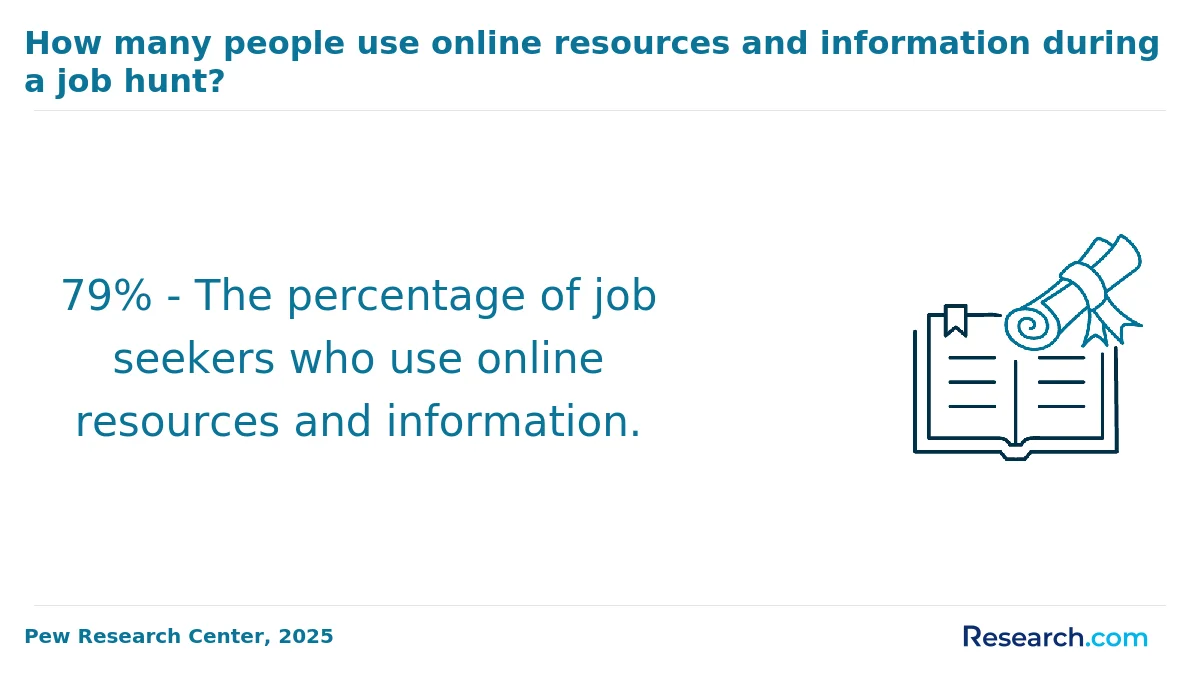
Flexibility is another key factor. Many local students balance work or family, so programs with online or hybrid options - like those at PSC where nearly 79% of undergraduates take online courses - fit real-life schedules. Beyond finance and format, student support, such as career counseling and internships, profoundly impacts success. Numerous graduates appreciate how personalized advising at these schools helped them finish strong and confidently step into the workforce.
Finally, evaluate a program's reputation and outcome. Pensacola's recognized institutions often lead in fields like nursing and other high-demand areas, aligned with top paying majors, offering a practical path to both education and employment improvement.
Associate degree graduates in Pensacola find a variety of career paths that leverage their specialized training and practical skills. Healthcare roles dominate the market, with opportunities such as CT technologists, respiratory therapists, and radiologic technologists commonly available. Graduates often share how programs at local colleges helped them swiftly secure positions with competitive salaries and full-time benefits, reflecting the strong demand within the Pensacola associate degree career opportunities landscape.
In business, graduates step into roles like administrative assistants, assistant project managers, and entry-level sales agents. Some report that programs emphasizing real-world projects prepare them well for roles in Pensacola's busy commercial sectors, where wages vary from $23 per hour to $65,000 annually. Skilled trades also attract many graduates-biomedical and scientific technicians, as well as precast project modelers, reflect the robust technical sectors requiring associate degree jobs in Pensacola Florida.
Examples from alumni of popular local schools reveal the value of hands-on training paired with local industry connections. Many appreciate the stability, benefits, and opportunities for advancement. Considering this, prospective students can explore the best colleges in Pensacola to align their career goals effectively.
The job market for associate degree graduates in Pensacola remains vibrant, with hundreds of positions actively seeking candidates each season. Graduates from local institutions often find rewarding opportunities in healthcare, business, and legal fields. For instance, those completing programs at Pensacola's prominent community colleges report landing roles as respiratory therapists or administrative assistants within months, demonstrating the tangible value of studying locally.
Real-life experiences emphasize competitive salaries and benefits: healthcare roles offer between $47,000 and $70,000 yearly, while business positions frequently pay $18 to $30 hourly, reflecting the practical returns of an associate degree. Graduates also highlight job fairs hosted by colleges that connect them directly with employers from hospitals, government offices, and law firms.
Key factors making this market attractive include:
- Strong demand in healthcare, business, and public service sectors
- Stable full-time employment options with comprehensive benefits
- Active local recruiting events encouraging associate degree employment opportunities in Pensacola
For those still exploring options, researching the best vocational schools online can complement local studies by enhancing skill sets that meet evolving job market demands.
Best Associate Degree Programs - Leading Certification Courses in Pensacola for 2026
# 1 position
Pensacola State College - Diagnostic Medical Sonography/Sonographer and Ultrasound Technician.
associatePensacola State College offers a Diagnostic Medical Sonography/Sonographer and Ultrasound Technician program with a hybrid format, including some distance education. The program trains students to use medical ultrasound techniques for diagnosing various conditions, covering patient care, data processing, and professional ethics. Annual in-state tuition is $2,348. Graduates have median earnings of $52,274 one year after completion. The program is accredited by the Southern Association of Colleges and Schools Commission on Colleges.
# 2 position
Pensacola State College - Accounting Technology/Technician and Bookkeeping.
associatePensacola State College offers a program in Accounting Technology/Technician and Bookkeeping designed to prepare individuals for technical administrative roles supporting professional accountants and financial personnel. The curriculum covers posting transactions, record-keeping systems, accounting software operation, and general accounting principles. Annual in-state tuition is $2,348. Graduates have median earnings of $29,855 one year after completion. The program is accredited by the Southern Association of Colleges and Schools Commission on Colleges.
# 3 position
Pensacola State College - Veterinary/Animal Health Technology/Technician and Veterinary Assistant.
associatePensacola State College offers a program in Veterinary/Animal Health Technology/Technician and Veterinary Assistant designed to train individuals in patient management and clinical assistance under veterinary supervision. The curriculum covers animal nursing, health, nutrition, clinical pathology, radiology, anesthesiology, dental care, surgical assistance, laboratory procedures, and office administration. The program is accredited by the Southern Association of Colleges and Schools Commission on Colleges. Annual in-state tuition is $2,348.
# 4 position
Pensacola State College - Information Technology.
associatePensacola State College offers a hybrid Information Technology program focusing on the design of technological information systems. The curriculum covers computer hardware and software, algorithms, databases, telecommunications, application testing, and human interface design. The program is accredited by the Southern Association of Colleges and Schools Commission on Colleges. Annual in-state tuition is $2,348.
# 5 position
Pensacola State College - Computer and Information Systems Security/Auditing/Information Assurance.
associatePensacola State College offers a hybrid program in Computer and Information Systems Security/Auditing/Information Assurance. The curriculum prepares students to evaluate security needs, recommend safeguards, and manage security systems and procedures. Coursework includes computer architecture, programming, networking, cryptography, security auditing, law, risk assessment, contingency planning, investigation techniques, and troubleshooting. Annual in-state tuition is $2,348. The program is accredited by the Southern Association of Colleges and Schools Commission on Colleges.
# 6 position
Pensacola State College - Legal Assistant/Paralegal.
associateThe Legal Assistant/Paralegal program at Pensacola State College is a hybrid program offering some distance education options. It prepares students to assist attorneys by performing research, drafting legal documents, and handling investigatory and administrative tasks. Instruction covers legal research, drafting, pleading, courthouse procedures, and legal specializations. The annual in-state tuition is $2,348. The program is accredited by the Southern Association of Colleges and Schools Commission on Colleges.
# 7 position
Pensacola State College - Physical Fitness Technician.
associatePensacola State College offers a Physical Fitness Technician program with a hybrid format that includes some distance education. The curriculum covers human anatomy and physiology, fitness techniques, exercise science, personal training, nutrition, and customer service. Graduates are prepared for roles in health clubs, wellness centers, recreation facilities, hospitals, and corporate fitness programs. Annual in-state tuition is $2,348. The program is accredited by the Southern Association of Colleges and Schools Commission on Colleges.
# 8 position
Pensacola State College - Criminal Justice/Law Enforcement Administration.
associatePensacola State College offers a Criminal Justice/Law Enforcement Administration program designed to prepare students for managing public law enforcement agencies. The curriculum covers law enforcement history, operational command leadership, labor relations, incident response, legal responsibilities, budgeting, and public relations. Annual in-state tuition is $2,348. The program is accredited by the Southern Association of Colleges and Schools Commission on Colleges.
# 9 position
Pensacola State College - Business Administration and Management, General.
associatePensacola State College offers a hybrid Business Administration and Management, General program designed to prepare students to plan, organize, and manage organizational functions. The curriculum covers management theory, human resources, accounting, purchasing, logistics, marketing, and business decision-making. Annual in-state tuition is $2,348. The program is accredited by the Southern Association of Colleges and Schools Commission on Colleges.
# 10 position
Pensacola State College - Physical Therapy Assistant.
associatePensacola State College offers a Physical Therapy Assistant program with a hybrid format, combining distance education and in-person training. The program prepares students to assist physical therapists by implementing treatment plans, training patients, and documenting progress. Tuition for in-state students is $2,348 annually. Graduates earn a median income of $28,107 one year after completion. The program is accredited by the Southern Association of Colleges and Schools Commission on Colleges.
Frequently Asked Questions about associate degree programs
Preparing for the job market after earning an associate degree in Pensacola involves strategic steps to enhance employability. First, students should leverage local resources such as the Pensacola State College Career Center, which offers resume reviews and job placement services. Networking is crucial; attending job fairs and connecting with local employers can open opportunities.
According to the Florida Department of Economic Opportunity, industries like healthcare, manufacturing, and information technology show steady growth in Pensacola, creating demand for associate degree holders. Gaining relevant certifications alongside the degree can boost prospects.
Internships and part-time jobs in your field provide practical experience and often lead to permanent roles. Additionally, building strong communication and technical skills aligns with employer expectations in the region.
Employers in Pensacola highly value associate degree graduates who exhibit strong technical and soft skills. According to recent regional workforce reports, skills such as effective communication, teamwork, and problem-solving rank among the top attributes sought by local employers.
Technical competencies also play a critical role; proficiency in computer literacy, especially with software relevant to healthcare, business, and information technology, is frequently emphasized. The Pensacola Chamber of Commerce highlights adaptability and a willingness to learn as essential traits, given the fast-changing job market.
Additionally, time management and customer service abilities are critical in sectors like retail and healthcare, which dominate the Pensacola economy. Employers prefer graduates who demonstrate practical experience coupled with these interpersonal skills.
Finding internships in Pensacola that match your associate degree program begins with leveraging local college career centers, such as those at Pensacola State College. These centers often have partnerships with regional employers across healthcare, information technology, and business sectors. According to the Florida Department of Education, Pensacola offers over 250 internship opportunities annually connected to two-year degree fields. Online platforms like Handshake and local job boards also list relevant internship openings. Engaging with community organizations and networking events in Pensacola's business districts can further increase your chances of securing meaningful internships aligned with your studies.
In Pensacola, obtaining an associate degree plays a significant role in enhancing career mobility and advancement. According to the Florida Department of Education, individuals with an associate degree earn approximately 20% more annually than those with only a high school diploma. This credential opens doors to skilled positions in healthcare, technology, and business sectors that are growing locally.
Employers in Pensacola increasingly value the practical skills and focused training that associate degree programs provide. Many community colleges work closely with local industries to align curricula with job market demands, facilitating quicker entry into the workforce. Furthermore, graduates often experience greater job stability and opportunities for promotion.
Research also shows that associate degrees can serve as stepping stones for those aiming to pursue bachelor's degrees, enhancing long-term career prospects. As the Pensacola economy diversifies, holding an associate degree becomes an important factor in supporting upward social and economic mobility.
In Pensacola, part-time job opportunities that complement associate degree education are diverse and align well with local economic sectors. Healthcare-related roles, like medical assistants or pharmacy technicians, are in demand due to the city's extensive medical facilities and aging population. According to the U.S. Bureau of Labor Statistics, these positions offer wages between $15 and $18 per hour, beneficial for students pursuing health sciences degrees.
Retail and customer service jobs also provide flexible schedules and valuable interpersonal skills. Additionally, administrative assistant roles in local government or businesses give hands-on experience with office software and organizational tasks, which align well with business or IT associate degrees.
Students in technical fields may find opportunities in Pensacola's manufacturing and logistics industries, which steadily grow and often offer part-time shifts. The city's economic reports highlight a 3% increase in such roles over recent years, providing practical experience in applied technologies.
To choose the best degree program near you in Pensacola, FL, consider researching local colleges and universities that offer programs aligning with your career goals, looking at academic quality and faculty qualifications as crucial factors. It's beneficial to investigate accreditation status and alumni outcomes, as programs near Pensacola, FL may vary significantly in terms of these aspects. Utilizing resources like Research.com can help compare degree programs near me by providing insights into institution rankings, program strengths, and student satisfaction.
- Best Trade School & Training Programs - Leading Certification Courses in Little Rock for 2026
- Best Trade School & Training Programs - Leading Certification Courses in Springfield for 2026
- Best Trade School & Training Programs - Leading Certification Courses in Florence for 2026
- Best Trade School & Training Programs - Leading Certification Courses in Emporia for 2026
- General Academic Information · Pensacola Christian College https://www.pcci.edu/academics/academic-info.aspx
- Pensacola area job market red hot! - Rick's Blog https://ricksblog.biz/pensacola-area-job-market-red-hot/
- Research - Highest Paying College Majors https://research.com/degrees/highest-paying-college-majors
- Academics – Pensacola State College https://www.pensacolastate.edu/academics/
- Online Degree vs. Traditional | University of Arkansas Grantham https://www.uagrantham.edu/blog/pros-cons-online-degree-vs-traditional-university/
- Why You Should Consider an Online Associate Degree Program - Lakewood University https://lakewood.edu/online-associate-degree-benefits/
- FloridaCommerce Announces the Pensacola Area May 2025 Employment Data https://floridajobs.org/news-center/DEO-Press/2025/06/17/floridacommerce-announces-the-pensacola-area-may-2025-employment-data
- Petersonsdata https://petersonsdata.com/
- Cost of Attendance Estimates | University of West Florida https://uwf.edu/offices/financial-aid/cost-of-attendance/cost-of-attendance-estimates/
- Home - Admissions https://admissions.pensacolastate.edu/