Best Associate Degree Programs - Leading Certification Courses in Jefferson City for 2026

Co-Founder and Chief Data Scientist
Choosing the right associate degree program in Jefferson City can feel overwhelming, but you’re not alone. This article offers a helpful ranking created by the Research.com team of data scientists, designed to guide you in making an informed decision about which trade school programs truly stand out.
Whether you’re starting fresh or looking to upgrade your skills, earning an associate degree can open doors to new opportunities. Reading this piece will give you clear insights, making your educational journey smoother and more confident.
Key benefits of associate degrees in Jefferson City
- Associate degree graduates in Jefferson City can expect competitive salaries, such as $54,980 per year for business graduates and around $38,493 for communications roles, with entry-level wages starting from $13.75 to $20.34 per hour, offering solid financial potential.
- Popular career paths include business, communications, technical, and health fields, with Jefferson College alumni earning about $41,002 annually early in their careers, showing strong opportunities for growth and stability.
- Online associate degrees provide flexible learning options, allowing students to balance life and work while gaining valuable skills, making education more accessible compared to traditional on-campus programs.
- Best Associate Degree Programs - Leading Certification Courses in Jefferson City for 2026
- What can I expect from associate degree programs in Jefferson City?
- Where can I work after finishing associate degree programs in Jefferson City?
What can I expect from associate degree programs in Jefferson City?
The average cost of an associate degree program in Jefferson City typically ranges between $4,000 and $7,000 per year at public institutions, making it a financially accessible option for many students. Graduates from Lincoln University and State Technical College of Missouri often highlight how affordable tuition combined with financial aid made pursuing degrees in computer science or nursing feasible without overwhelming debt.
Students appreciate the small class sizes and personalized support, which help justify the cost by enabling clearer understanding and practical skills development. For example, nursing students at State Technical benefit from hands-on clinical experiences and exam preparation that directly translate to job readiness, adding real value to the expense.
Many students see associate programs as a cost-effective stepping stone, especially with partnerships like "Connect Blue" allowing seamless transfer to bachelor's degrees. These pathways often reduce overall educational expenses while maintaining strong academic quality, offering peace of mind to learners focused on maximizing return on investment.
Where can I work after finishing associate degree programs in Jefferson City?
Graduates of associate degree programs in Jefferson City find diverse employment across healthcare, government, and technical fields, reflecting the city's dynamic job market. For instance, many graduates from local community colleges secure roles as registered nurses, dental hygienists, or respiratory therapists, working in area hospitals and clinics. These careers offer both job stability and rewarding daily interactions, essential for those passionate about patient care.
Others benefit from training at Jefferson City's technical schools, stepping into positions like HVAC specialists or IT support staff. Hands-on programs there prepare students to meet specific regional demands, boosting their employability immediately after graduation. Graduates often share satisfaction from entering the workforce quickly with practical skills that employers value.
The city's role as Missouri's capital creates public administration opportunities, where associate degree holders serve as administrative assistants or education specialists within state agencies. These jobs are praised for their dependable benefits and career growth potential, providing a sense of security and purpose for many.
The low cost of living and a thriving job market in Jefferson City further enhance graduates' experiences, letting them enjoy work-life balance while building careers in expanding sectors such as business administration and customer service. This environment encourages new graduates to feel confident and optimistic about their professional futures.
Graduates of associate degree programs in Jefferson City can typically earn around $13.75 per hour, according to Indeed, though this amount varies by industry and job role. For instance, those who completed programs at popular local schools report starting salaries near $20.34 per hour in entry-level positions like retail management or healthcare support. This hourly wage translates to an annual income between $29,000 and $41,000 for many.
Communications Associates, a common specialized role, tend to make about $19 per hour or roughly $38,493 annually. Graduates share how these figures positively impact their ability to cover living expenses in Jefferson City, especially given the city's competitive cost of living compared to other Missouri areas.
Students from well-regarded associate degree schools in the city often emphasize feeling confident about their earning potential, knowing local employers recognize the value of their qualifications. The local job market is strong, with over 150 openings for associate degree holders, creating plentiful opportunities to put new skills to work immediately.
- Jesse: Earning my Associate in Nursing from Jefferson City Trade School was life-changing. The hands-on training gave me real confidence, and I found a rewarding job at a local hospital within weeks. The supportive instructors made learning practical and inspiring.
- Maria: Studying Automotive Technology here was intense but so worth it. The small classes and up-to-date equipment prepared me perfectly. Now I'm employed at a top Jefferson City dealership, doing work I genuinely enjoy. Trade school was the best choice for my future.
- Carlos: Getting an Associate Degree in Business Administration through Jefferson City's community college opened doors I never imagined. The flexible schedule helped me balance life, and local companies respected my diploma. I'm proud and motivated to grow my career right here at home.
- Associate degree programs in Jefferson City are available in fields like computer science, nursing, criminal justice, teaching, and business across public and private colleges.
- Admission usually requires a high school diploma or GED, with some programs like nursing needing additional prerequisites or competitive entry.
- In-state tuition for public colleges ranges from $4,000 to $6,000 per year, totaling about $8,000 to $12,000 for two years; private colleges may charge $12,000 to $20,000 for the entire program.
- Many Associate of Arts and Associate of Science degrees are designed for transfer to four-year universities, while Associate of Applied Science degrees prepare students for direct workforce entry.
- Starting salaries for associate degree holders typically range from $35,000 to $50,000 annually, with experienced workers in technical or healthcare fields earning $45,000 to $60,000.
Completing an associate degree program in Jefferson City typically takes about two years for full-time students, aligning with a common structure of four semesters. Students at popular local institutions often enroll in 15 credit hours each semester to stay on track for this timeline. For example, graduates from Lincoln University's Associate of Applied Science in Computer Science report that following the structured semester-by-semester plan of 15-17 credit hours helped them finish within two years, fostering a sense of accomplishment and financial savings by reducing the overall time spent in school.
Part-time students frequently extend their completion time to three years or more due to work or personal responsibilities. However, the availability of summer sessions and online courses in Jefferson City enables many to accelerate progress and remain motivated. Trade school programs, also common in Jefferson City, often require similar credit hours but sometimes offer accelerated options that appeal to career-focused students eager to enter the workforce swiftly.
Graduates consistently highlight how adhering to the Missouri "15 to Finish" initiative made their academic journey manageable and rewarding, balancing community, work, and studies without excessive stress.
The primary difference between online and on-campus associate degree programs in Jefferson City lies in the mode of delivery. Online programs, like those at Jefferson College, offer flexible scheduling and remote access, allowing students to balance coursework with personal and work commitments. Graduates often report appreciating the ability to study from home or work without the stress of commuting, which lowers costs and fits family responsibilities.
Conversely, on-campus programs require physical attendance and offer direct interaction with faculty and peers. Many students value this in-person engagement for its immediate support and richer social experience. Access to campus resources such as libraries and study groups fosters a collaborative environment that some find vital for learning.
Both formats ensure transferability of credits across Missouri public colleges through policies like the MOTR CORE42 designation. Some students combine both methods in hybrid courses, benefiting from flexible learning and hands-on interaction. Retention rates near 60% for online learners at Jefferson College reflect student satisfaction with these adaptive programs.
The average associate degree cost Jefferson City students face depends largely on residency and credit hours. At Jefferson College, local residents pay $180 per credit hour for Tier 1 courses, making a typical 60-credit hour program total around $10,800 in tuition. Out-of-district or in-state students can expect higher Jefferson City associate degree tuition and fees, with tuition alone climbing to about $14,520. Graduates often share that these rates help make education feel attainable without overwhelming financial burden, especially when balancing work and study.
In addition to tuition, students pay a $24 per credit hour book rental fee, amounting to approximately $1,440 over the program length. Other fees like $30 application charges for selective programs and a $45 graduation fee add moderate costs but are common elements in trade schools here. Many students appreciate the transparency and predictability of these expenses, which allows for better budgeting during their studies.
For those curious about the full investment, estimates for total cost of attendance-including living expenses and supplies-reach about $32,970 for two years. This figure reflects typical living arrangements of Jefferson City students, from shared apartments to on-campus housing. Local students often offset these expenses through federal grants, state scholarships, and work-study programs. Many find this support critical in managing the average associate degree cost Jefferson City offers, keeping education accessible and rewarding.
Those wanting to get a bachelor's degree fast after their associate degree often choose Jefferson College because of its strong foundational programs and cost-efficient tuition, making transfer options more feasible.
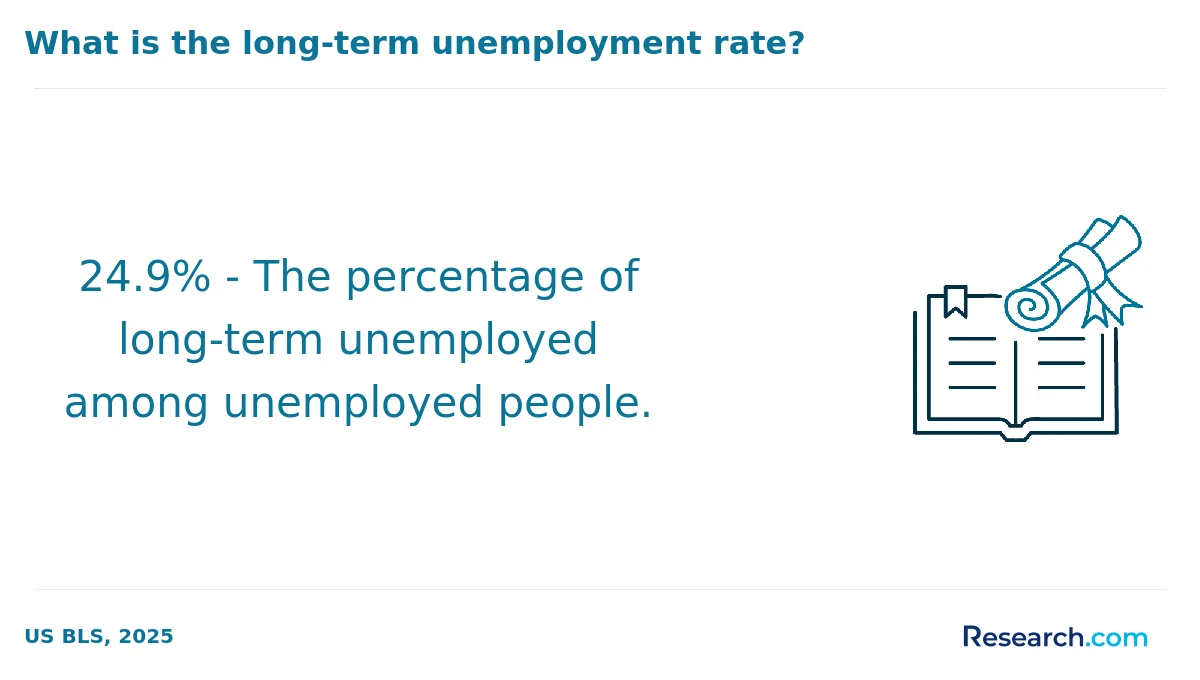
Students pursuing associate degrees in Jefferson City frequently tap into federal financial aid, starting with the Free Application for Federal Student Aid (FAFSA). This application unlocks access to the Federal Pell Grant, which can provide up to $7,395 for full-time enrollment during the 2025-2026 academic year. Graduates from local community colleges recall how this grant significantly relieved their tuition burdens, enabling a more focused and less stressful academic journey.
Direct Subsidized and Unsubsidized Loans are widely used, offering flexible funding options while maintaining eligibility criteria such as half-time enrollment and satisfactory academic progress. Many students appreciate the government's support paying interest on subsidized loans during their studies, fostering financial peace of mind.
State-funded support through Missouri's A+ Scholarship also plays a critical role. Graduates from Jefferson City-area vocational schools highlight how qualifying for this program covered essential tuition costs, especially after meeting the service and academic standards within 48 months of high school completion.
Work-study jobs on campus and institutional scholarships round out the financial landscape, with students often noting how these opportunities not only eased financial pressures but also added valuable work experience relevant to their fields.
Enrolling in an associate degree program in Jefferson City requires meeting several clear academic and personal prerequisites that ensure student readiness and success. Most programs, especially at well-known institutions like Jefferson College, ask applicants to present a high school diploma or GED, a baseline that graduates often say gave them confidence entering college-level work.
Academic readiness is critical: programs such as Lincoln University's Associate of Applied Science in Computer Science expect completion of foundational English and math courses with at least a "C" grade. Graduates recall how meeting these benchmarks smoothed their transition into challenging subjects.
In more technical fields, requirements extend to pre-calculus, physics, and chemistry, signaling a serious commitment from students. GPA benchmarks vary but generally start at 1.5 for support services, climbing to around 3.0 for honors or transfer tracks, reflecting a pathway for motivated learners.
- Support programs often prioritize first-generation college students, low-income backgrounds, or those with disabilities, providing a welcoming environment for diverse learners.
- Federal aid and program participation usually require U.S. citizenship or legal residency, an important eligibility factor for many Jefferson City students.
These prerequisites create a structured yet accessible foundation that many local graduates describe as empowering for their academic and career journeys.
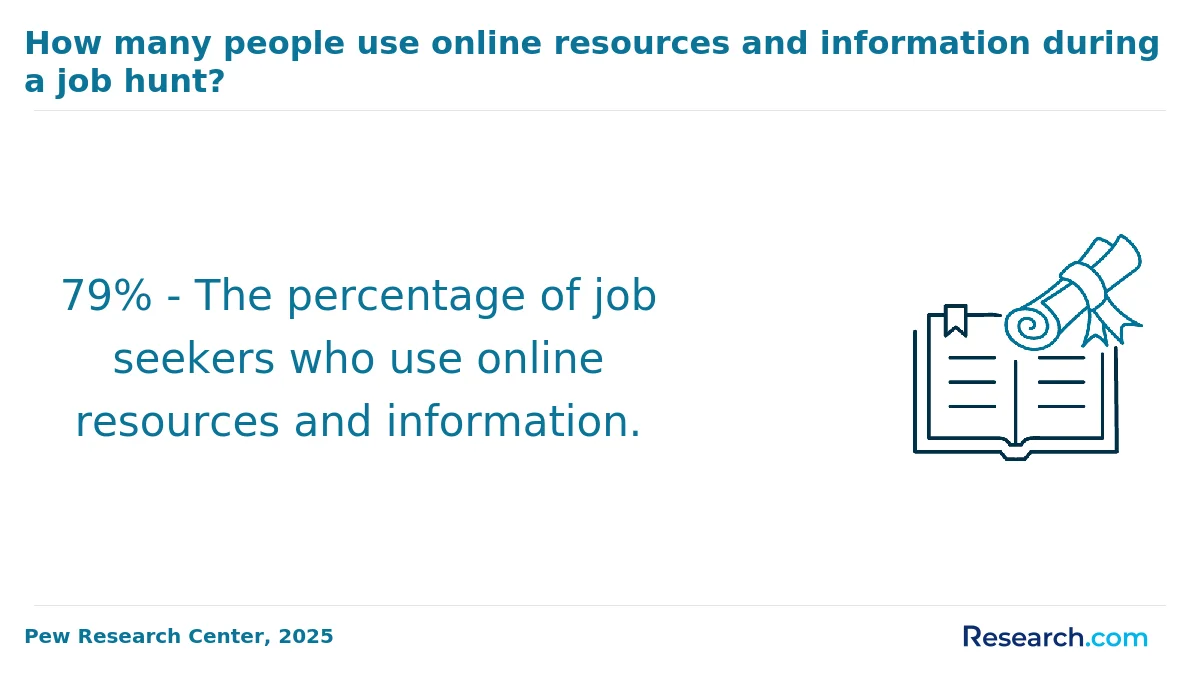
Associate degree course requirements Jefferson City typically blend core general education classes with major-specific instruction, ensuring students gain both foundational skills and specialized expertise. Graduates from popular programs report engaging in courses such as English composition, college algebra, and sciences like biology or physical science. These are aligned with Missouri's CORE42 curriculum, guaranteeing transferability across public institutions statewide.
Typical classes for associate programs in Jefferson City also include targeted courses in students' chosen fields. For instance, those studying computer science at prominent local schools complete hands-on courses like C++ programming, system development methods, and data files and databases. Healthcare program graduates routinely learn medical terminology, healthcare data management, and coding systems, preparing them for real-world demands. Criminal justice students describe courses in criminal law and policing that feel immediately relevant to their career paths.
Many students appreciate flexible scheduling options such as fully online or hybrid classes, which help balance work and study commitments without sacrificing quality. This structure supports roughly 60 credit hours split between general education and major classes, often supplemented by labs, speech courses, and electives in business or technology.
For those seeking the easiest way to get a bachelor's degree after completing their associate, exploring transfer pathways from Jefferson City schools can be a practical, well-supported choice.
Choosing the best associate degree programs Jefferson City depends heavily on aligning your career goals with local offerings. Graduates from popular Jefferson City community colleges often emphasize the value of practical programs like Associate of Applied Science for immediate workforce entry, benefiting from focused skills and local internships. Others pursuing transfer pathways highlight the flexibility of Associate of Arts or Science degrees designed to segue seamlessly into four-year universities. This real-world experience shows that accreditation is non-negotiable, ensuring credits transfer smoothly and qualifications meet employer standards. For example, nursing students value Missouri State Board of Nursing approval to ensure licensure eligibility.
When you compare associate degree costs in Jefferson City, public institutions generally provide more affordable tuition, combined with accessible financial aid and support services that graduates describe as critical to their success. These support systems-from advising to career placement-create a welcoming environment that balances study and life commitments. In making your decision, consider consulting the research on what masters degree makes the most money to plan for your long-term earning potential after completing your associate degree.
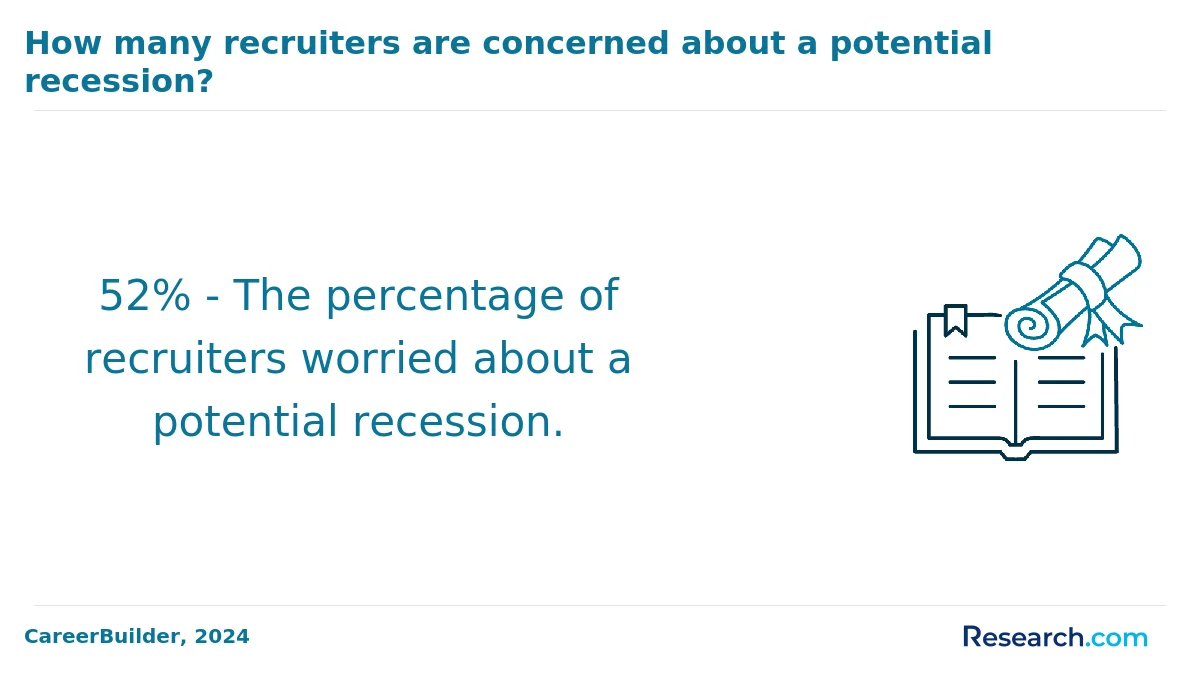
Associate degree graduates in Jefferson City find robust job prospects across multiple sectors, reflecting the strong local demand for skilled professionals. Healthcare dominates as a prime field, with roles like registered nurse, dental hygienist, and medical assistant frequently available. Graduates from local programs often share positive outcomes, noting steady wages and career stability. For instance, training at institutions like the Nichols Career Center equips students for positions such as nursing assistants, with median salaries around $25,000 and nearly 10% projected job growth.
In the trades, Jefferson College's apprenticeship-driven associate degrees open pathways to careers as electricians, carpenters, plumbers, and machinists. Graduates highlight how hands-on experience paired with certificated qualifications enhances both earnings and job security in construction and infrastructure projects.
Popular business-related jobs include customer service representatives and sales associates, offering accessible entry points in retail and corporate settings. Such roles illustrate the variety of career opportunities with an associate degree in Jefferson City.
More ambitious students sometimes pursue advanced training via 1 year doctoral programs, building on their associate credentials for further upward mobility.
The job market for associate degree graduates in Jefferson City shows robust activity, with around 349 openings as of September 2025 targeting this level of education. Graduates from popular associate degree schools in Jefferson City often find themselves quickly employed in healthcare roles like registered nurse or dental hygienist, sectors consistently in demand and offering wages from $14 to $40 per hour. These roles come with the added benefits of career stability and meaningful work.
Many graduates share positive experiences entering customer service, administrative support, and technical jobs, emphasizing flexible schedules and opportunities for advancement that fit well with their lives. Retail and hospitality sectors also actively recruit, offering positions such as sales associate and banquet associate that provide solid employee benefits and on-the-job growth.
Understanding Jefferson City associate degree employment trends reveals a promising outlook as the statewide strategy projects that 65% of Missouri jobs by 2032 will require education beyond high school. This makes associate degrees a valuable asset in securing rewarding jobs locally.
Students exploring their options will benefit from reviewing comprehensive data on top vocational degree careers through top vocational degree careers, helping to align educational choices with Jefferson City's dynamic labor market.
Best Associate Degree Programs - Leading Certification Courses in Jefferson City for 2026
# 1 position
Lincoln University - Computer and Information Sciences, General.
associateLincoln University offers a hybrid program in Computer and Information Sciences, General, emphasizing computing, computer science, and information systems. The program is accredited by the Higher Learning Commission and provides an in-state tuition rate of $9,290 annually. It is designed as a generalist program without focus on specific computer science or information science specialties, suitable for students seeking flexible learning options.
# 2 position
Lincoln University - Criminal Justice/Law Enforcement Administration.
associateLincoln University offers a Criminal Justice/Law Enforcement Administration program with a hybrid format that includes some distance education options. The program prepares students to manage public law enforcement agencies by teaching law enforcement history, operational leadership, legal responsibilities, budgeting, labor relations, and public relations. The annual in-state tuition is $9,290. This program is accredited by the Higher Learning Commission.
Frequently Asked Questions about associate degree programs
After earning an associate degree in Jefferson City, effective job market preparation is vital. Graduates should begin by developing a strong resume that highlights relevant coursework and any hands-on experience from internships or part-time jobs. According to the U.S. Bureau of Labor Statistics, associate degree holders in Missouri have a 7% higher employment rate than those with only a high school diploma.
Networking plays a crucial role; attending local career fairs and joining professional groups in Jefferson City can connect graduates with potential employers. Additionally, exploring Jefferson City's workforce development programs can provide career counseling and job placement support. Gaining certifications related to one's field can further improve job prospects.
Employers in Jefferson City highly value practical and interpersonal skills in associate degree graduates. According to recent local workforce surveys, critical thinking and problem-solving abilities rank among the top sought-after competencies. These skills enable graduates to adapt to varied job roles efficiently.
Technical proficiency related to specific fields, such as healthcare, information technology, and business, is also essential. For example, in Jefferson City's growing healthcare sector, employers prioritize graduates with hands-on experience and certifications.
Additionally, strong communication and teamwork skills are frequently mentioned by regional employers as crucial. Many companies report that 70% of job success depends on these soft skills, making them as important as technical knowledge.
Finding internships in Jefferson City relevant to your associate degree program starts by exploring local resources. The Jefferson City Area Chamber of Commerce often posts internship opportunities across various industries, which can be valuable for hands-on experience. Additionally, the Missouri Department of Higher Education maintains listings of internships statewide, including Jefferson City, particularly in health sciences, business, and technical fields.
Networking through community colleges like State Technical College of Missouri can also connect you with local businesses offering internships. According to the National Association of Colleges and Employers, nearly 60% of internships lead to job offers, making early engagement crucial.
Online platforms such as Handshake, commonly used by colleges, also list internships in the Jefferson City area tailored to associate degree students.
In Jefferson City, earning an associate degree can significantly enhance career mobility by providing foundational skills valued by local employers. Data from the Missouri Department of Higher Education indicates that workers with associate degrees in the region earn approximately 20% more than those with only a high school diploma. This credential often opens doors to jobs in healthcare, manufacturing, and business sectors, which dominate the Jefferson City economy.
Moreover, many community colleges in the area offer programs designed to connect graduates with internships and job placement services, improving employment prospects. An associate degree can also serve as a stepping stone for further education, facilitating transfer to four-year institutions, thereby boosting long-term career advancement opportunities. According to recent U.S. Census Bureau data, residents with associate degrees in Jefferson City experience lower unemployment rates compared to those without postsecondary credentials.
In Jefferson City, part-time job opportunities that align well with associate degree education span various industries. Healthcare roles such as medical assistants or pharmacy technicians are common, especially for students in health-related programs. According to the U.S. Bureau of Labor Statistics, these positions often provide flexible hours and valuable workplace experience.
Retail and customer service jobs also offer practical skills in communication and management, supporting business or hospitality associate degrees.
Additionally, administrative assistant roles within local government offices or small businesses can complement studies in office technology or business administration. Data from Missouri's Department of Labor highlights steady demand for such jobs in Jefferson City.
To find the best degree program near Jefferson City, MO, you can start by researching nearby colleges and universities that offer programs of interest, considering factors like accreditation, faculty credentials, and alumni success. There are programs and universities available locally where you can explore course offerings and consult academic advisors to help tailor your choice based on your career goals. Additionally, using platforms like Research.com can provide further insights and rankings to determine the most suitable program near me.
- Best Trade School & Training Programs - Leading Certification Courses in Springfield for 2026
- Best Trade School & Training Programs - Leading Certification Courses in Emporia for 2026
- Best Trade School & Training Programs - Leading Certification Courses in Little Rock for 2026
- Best Trade School & Training Programs - Leading Certification Courses in Florence for 2026
- Best Trade School & Training Programs - Leading Certification Courses in Angola for 2026
- Best Trade School & Training Programs - Leading Certification Courses in Adrian for 2026
- Best Trade School & Training Programs - Leading Certification Courses in Akron for 2026
- The Ultimate Guide to Internships | BestColleges https://www.bestcolleges.com/resources/ultimate-guide-internships/
- Jefferson City/Capital City Job Center | JobsMoGov https://jobs.mo.gov/job-centers/jefferson-citycapital-city-job-center
- Residency Requirement https://www.jefferson.edu/life-at-jefferson/handbooks/policies/undergraduate-policies/residency-requirement.html
- Online Associate’s Degree Programs (AS and AAS) - Purdue Global https://www.purdueglobal.edu/degree-programs/associates-degrees/
- Learn the Top Six “Soft Skills” Employers Look for in College Graduates https://admissions.usf.edu/blog/learn-the-top-six-soft-skills-employers-look-for-in-college-graduates
- Online Associate of Science in Education Foundations | Missouri | William Woods University https://www.williamwoods.edu/academics/online/undergraduate/associate-of-science-education-foundations.html
- Complete Your Associate’s Degree In Two Years - Jefferson State Community College https://www.jeffersonstate.edu/complete-your-associates-degree-in-two-years/
- Financial Aid Office | JCTC https://jefferson.kctcs.edu/affording-college/financial-aid-information/index.aspx
- Join Our Team: Career Opportunities https://www.jeffersoncitymo.gov/news_detail_T58_R276.php
- How Converting Your Associate's Degree Into a Bachelor’s Degree Can Impact Your Salary | Regis College https://www.regiscollege.edu/blog/completing-your-degree/how-converting-your-associates-degree-bachelors-degree-can-impact-your