
Best Associate Degree Programs - Leading Certification Courses in Farmington for 2026

Co-Founder and Chief Data Scientist
Choosing the right associate degree program in Farmington can be overwhelming, but it doesn’t have to be. This article offers a carefully crafted ranking created by the Research.com team of data scientists to help you navigate your options with confidence.
Whether you’re aiming to boost your career or explore a new path, an associate degree can open doors and provide valuable skills. By reading this guide, you’ll gain insights that make your decision easier and tailored to your goals.
Start your journey informed and inspired toward a brighter future in 2026.
Key benefits of associate degrees in Farmington
- Expected salary: Associate degree graduates in Farmington can earn competitive wages, with roles like Recreation Coordinator offering between $68,371 and $87,735 annually, while administrative positions average around $17.99 to $21.07 per hour, making it a solid investment in your future.
- Popular career paths: Many graduates pursue careers in healthcare, business administration, office support, and recreation management, providing a variety of options that match your interests and skills.
- Online learning benefits: Completing an associate degree online offers flexibility and convenience, allowing you to balance work or family life while earning credentials from respected local schools in Farmington, often speeding up your path to employment.
- Best Associate Degree Programs - Leading Certification Courses in Farmington for 2026
- What can I expect from associate degree programs in Farmington?
- Where can I work after finishing associate degree programs in Farmington?
What can I expect from associate degree programs in Farmington?
Students pursuing an associate degree in Farmington often find the cost exceptionally manageable compared to larger universities. For example, graduates from Tunxis Community College typically report annual tuition fees under $5,000 for in-state students, making it financially accessible while still offering quality education. Others attending nearby private institutions, like Franklin University, experience higher costs, around $9,577 per academic year, but many appreciate the flexibility these schools provide for adult learners balancing work and study.
Many graduates describe their investment as rewarding, noting the balance between affordable tuition and strong support services such as academic advising and tutoring. These factors help ease financial stress and contribute to academic success. Because classes are offered in-person, online, and in hybrid formats, students can tailor their schedules around jobs or family life effectively, enhancing their educational experience without excessive extra expenses.
Financial aid and scholarship opportunities frequently supplement costs, making the overall price even more manageable and encouraging prospective students to confidently pursue their goals in Farmington.
Where can I work after finishing associate degree programs in Farmington?
Graduates from Farmington's associate degree programs often find themselves working in dynamic, growing local sectors that match their training and aspirations. For example, many retail roles at businesses like TJ Maxx or Foot Locker appeal to those who studied business or management, providing fast-paced environments where they can sharpen customer service and sales skills while feeling valued for their contributions.
Healthcare-related graduates frequently describe fulfilling positions in local clinics or assisted living facilities, where they apply hands-on skills learned at Farmington community colleges. Roles such as Clinical Technician or Associate Dentist offer not only steady income but also the comforting sense of making a direct impact on patient care and wellness, enhancing their pride in their profession.
Others excited by science find rewarding opportunities at places like UConn Health, joining as Research Associates or Laboratory Technicians. Farmington's vibrant biotech scene means graduates often engage in cutting-edge research, adding meaning to each day by contributing to medical advancements while growing their professional expertise.
After finishing an associate degree program in Farmington, many graduates find themselves stepping into jobs that pay competitively for the region. For example, those who studied at popular local colleges often see starting salaries around $43,835 annually, which is higher than the Connecticut state average. This can feel encouraging, especially for recent graduates excited to apply their new skills and gain financial independence.
The reality for many is a range of opportunities: entry-level positions might begin near $29,500 per year, but with some experience, earning close to $59,000 is achievable. Consider a graduate working as a program associate in the Town of Farmington-earning about $17.99 per hour-and then another taking on a recreation coordinator role making between $68,371 and $87,735 annually, reflecting more responsibility.
Graduates from Farmington's associate degree programs often share how these wages help support their lifestyle while encouraging career growth. The prospect of starting around $21 an hour offers confidence that their investment in education pays off in a tangible way locally.
- Jordan: Earning my Associate Degree in Automotive Technology at Farmington Trade School was a game-changer. The hands-on training prepared me perfectly, and I landed a mechanic role within weeks. The blend of expert instructors and real-world experience made all the difference in building my confidence and skills.
- Maria: After completing my Associate Degree in Nursing, I found that the supportive environment at Farmington Community College truly nurtured my passion for patient care. The hard work paid off when I secured a nurse position locally. The practical focus and small class sizes made learning both effective and enjoyable.
- Devin: Studying Welding Technology gave me the practical expertise I needed to thrive. Farmington Technical Institute's dedicated workshops and industry connections helped me quickly find a welder's job nearby. The trade school's hands-on approach boosted my skillset and trust in myself beyond what I expected.
- Associate degree programs in Farmington include Associate in Arts, Science, and Applied Science options, with AA and AS aimed at transfer to four-year colleges and AAS focused on direct employment.
- Admissions usually require a high school diploma or GED, with standardized test scores often optional and placement tests for English and math available at some colleges.
- Programs are available in various fields like Business, Nursing, Human Services, and Engineering Technology, offered on-ground, online, or as hybrid classes.
- Annual tuition at public community colleges ranges from $4,500 to $5,000 for in-state full-time students, with private colleges charging around $9,577 per year for associate programs.
- Entry-level salaries for graduates typically range from $35,000 to $45,000 per year, with experienced workers in technical and healthcare roles earning between $50,000 and $60,000 or more annually.
Completing an associate degree in Farmington generally takes about two years for full-time students attending local community colleges and vocational schools. Graduates often share how dedicating a steady 12 to 15 credit hours per semester enabled them to stay on track and finish within this timeline, balancing classes with part-time jobs or family life. Many find a real sense of accomplishment in adhering to this pace while experiencing the support of Farmington's tight-knit academic community.
Some students choose to take a lighter course load, stretching their studies over three to five years due to work or personal commitments. These flexible paths reflect the reality of many in Farmington, where balancing life and education is a daily challenge-and success stories come from persistence as much as speed.
Others have embraced accelerated options by enrolling in summer sessions or heavier semesters, finishing in as little as 12 to 18 months. These fast-track grads highlight the motivating boost that extra effort and summer classes provide, especially when transferring credits from prior learning.
Online and hybrid programs further add flexibility, letting students tailor their pace in ways that fit their lives-offering hope and opportunity to complete degrees sooner or with less pressure. At Farmington's trade schools, fields like healthcare sometimes require additional clinical hours, reminding students that valuable hands-on experience can shape both timelines and futures.
Online and on-campus associate degree programs in Farmington offer distinctly different experiences tailored to varied lifestyles. Graduates from online programs often highlight the freedom to study on their own schedule, balancing coursework around jobs and family life through platforms accessible any time. This flexibility is a game-changer for many who might otherwise delay pursuing a degree.
In contrast, those who attend Farmington's on-campus programs describe the energizing atmosphere of face-to-face engagement-interacting directly with professors, classmates, and campus resources like libraries and labs. This setting fosters a strong sense of community and motivation, often helping students stay focused with structured class times.
Some students appreciate the accelerated pace of online degrees, sometimes finishing within a year or two, while on-campus peers follow the traditional semester calendar, which can feel more stable but less flexible. Support services reflect this divide, too-with virtual advising available online and personal mentoring offered on campus, each method catering to different preferences.
Many Farmington learners find blended programs ideal, combining online convenience with occasional campus visits, creating a balanced, engaging path toward their associate degree while staying connected with the college environment.
The average associate degree cost in Farmington is notably affordable for in-state students, particularly at well-known institutions such as San Juan College. Graduates often share how the manageable Farmington associate degree tuition and fees-around $2,315 annually for tuition and mandatory fees-make pursuing higher education feel more accessible without overwhelming financial stress. This cost-effectiveness allows many students to focus on their studies and campus life without constantly worrying about crippling debt.
Beyond tuition, students living off campus should anticipate a total annual cost of approximately $20,315, which includes housing, meals, transportation, and supplies. Those residing in campus housing report a slightly lower total expense near $17,210, often appreciating the convenience and community environment that campus life fosters. The combination of reasonable tuition and predictable living costs makes Farmington an attractive option for those aiming to earn an associate degree while balancing work and personal commitments.
For learners considering flexible alternatives, online associate degree programs in New Mexico range from $2,400 to $4,140 in total tuition for a full program. These options are especially appealing to students who need to maintain jobs or family responsibilities alongside school. Many prospective students explore the quickest online bachelor's degree for working adults pathways to complement their associate degrees.
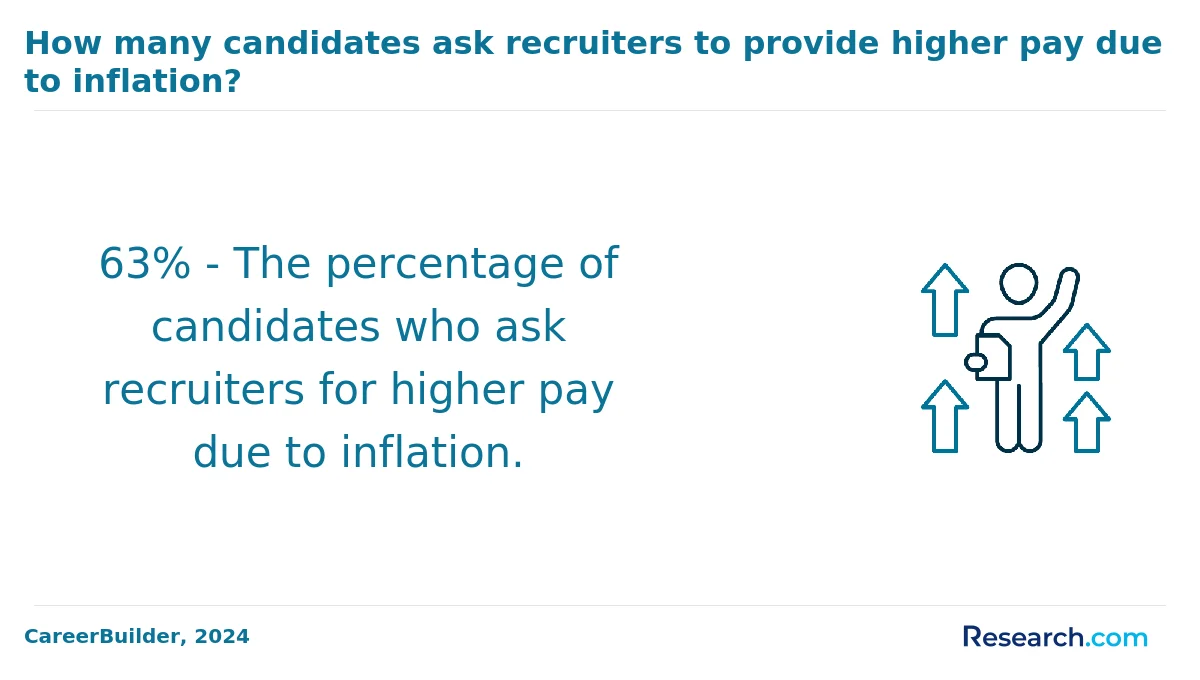
Associate degree students in Farmington often find financial aid within reach through a variety of federal, state, and school-based options. Graduates from well-known associate degree schools in Farmington enthusiastically recall how submitting the FAFSA early unlocked critical support, like Pell Grants that can offer up to $7,395 annually, easing the burden of tuition and living expenses.
Many students benefit from Federal Direct Subsidized Loans, which pause interest accrual while enrolled half-time, making borrowing less intimidating during hectic semesters. Half-time enrollment still brings meaningful aid, offering flexibility for those balancing work or family commitments. Campus foundation scholarships and federal work-study programs also provide hands-on opportunities to earn money, creating a sense of empowerment and community on campus.
Farmington's inclusive state policies further widen aid access, especially for undocumented students who qualify through Connecticut's AACTUS application. This fosters hope among students who might otherwise worry about financial barriers, enabling them to fully engage in their education.
To enroll in an associate degree program in Farmington, students typically need a high school diploma or its equivalent. Graduates from the University of Maine at Farmington often share how their solid high school foundation, including four years of English and three years each of math, science, and social studies, made the transition smoother and boosted their confidence.
Many students find it helpful to have completed a college preparatory curriculum that includes:
- Four years of English
- At least three years of math, including Algebra I and II and geometry
- Three years of laboratory science
- Three years of social studies
- Two years of foreign language (recommended especially for certain programs)
Applying also involves submitting an official high school transcript, alongside a thoughtful application essay and recommendations from teachers or counselors. While SAT or ACT scores aren't mandatory at UMF, some students who submitted them felt reassured that their applications were strengthened by these additional materials.
Transfer students without a completed associate degree or fewer than 60 credits at times describe the process as demanding but rewarding, needing to provide transcripts and meet the same thorough standards. Proof of immunization is a practical step all must clear before registering for classes, reflecting state health safeguards.
Students often express pride knowing that excelling academically, especially graduating in the upper half of their class, gives them an edge in admissions. For older applicants over 25, demonstrating motivation and readiness often opens doors, making the journey at Farmington's colleges feel inclusive and encouraging.

Courses in associate degree programs in Farmington typically blend general education, major-specific instruction, and electives, giving students both a strong academic foundation and targeted skills. Graduates from popular Farmington associate degree schools often describe taking core classes in English composition, mathematics, social sciences, and humanities that sharpen communication and critical thinking.
Those focused on majors like biotechnology benefit from practical courses such as biology, organic chemistry, and biotechnology laboratory techniques, gaining hands-on experience that boosts confidence and readiness for the workforce. Education majors encounter dynamic classes on Early Childhood Education and Special Education, often paired with real-world internships that allow them to apply theory in meaningful settings.
Electives give students freedom to tailor their studies: some dive into graphic design or professional writing, while others deepen expertise in math education, creating a personalized academic journey reflecting their evolving interests. For insights into flexible learning paths suited for mature students, explore top college courses for older adults online.
Understanding associate degree course requirements in Farmington means recognizing the balance of foundational knowledge and adaptable electives designed to open doors to further education or immediate employment.
When choosing the best associate degree program in Farmington, start by verifying accreditation to ensure your degree holds value beyond graduation. Graduates from programs at San Juan College often express confidence knowing their credits transfer smoothly, thanks to the school's regional accreditation and specialized approvals like the ACEN for nursing. This foundation makes a real difference when stepping into professional roles or continuing education.
Consider program outcomes as well-graduates share how a 100% pass rate on crucial licensing exams like the NCLEX-RN reinforced their readiness and boosted their job prospects immediately after finishing. These real success stories can help you trust that the program prepares you for the workforce effectively.
Next, compare associate degree costs in Farmington closely. Many students find that community colleges offer accessible tuition and financial aid, making education affordable without sacrificing quality. For insights into managing expenses, reviewing the cost of associate degree online can reveal helpful strategies.
Finally, think about services such as tutoring and internship connections, which graduates recall as crucial support channels that smoothed their transition from studies into careers. Balancing these factors with your preferred campus or hybrid learning style ensures you find a program that fits your lifestyle and goals.
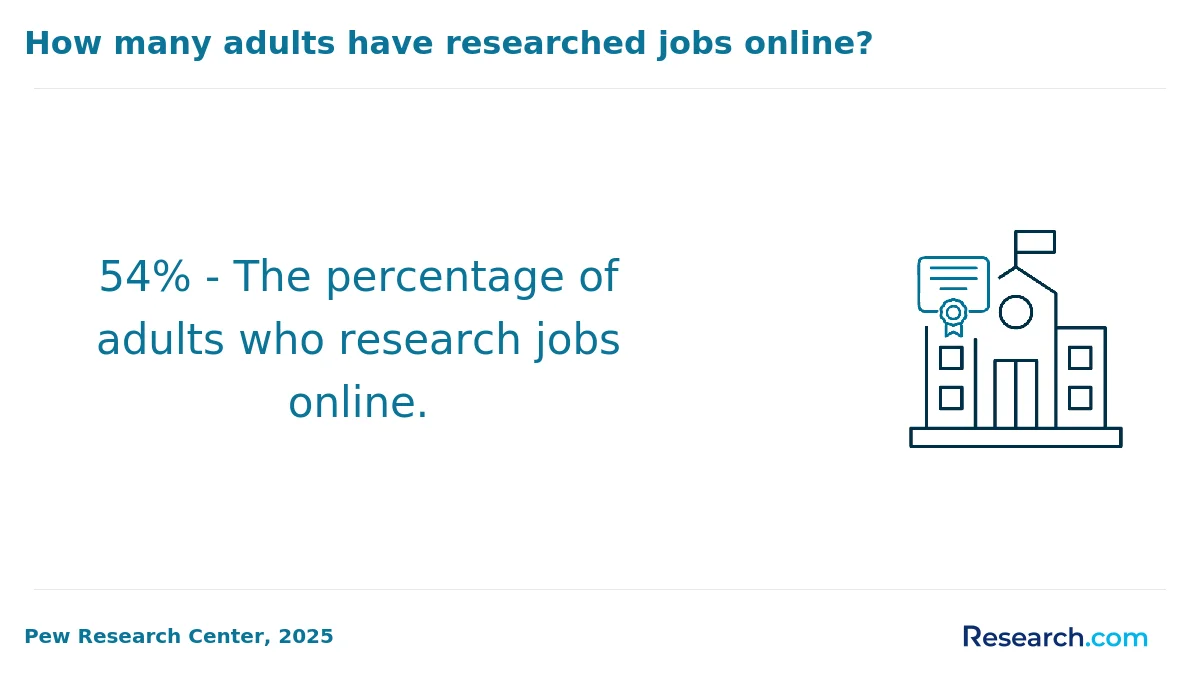
Graduates from associate degree programs in Farmington often find rewarding career opportunities that align with their skills and ambitions. Many pursue associate degree jobs in Farmington NM in the growing IT sector, stepping into roles like help desk technician or network administrator where starting salaries around $22 per hour reflect a solid entry into a stable field. Others share stories of thriving as healthcare support workers-medical assistants and patient care technicians-benefiting from the state's expanding healthcare industry.
Several graduates highlight success in business and administrative roles, enjoying flexible work environments as office managers or customer service representatives with wages spanning $15 to $50 per hour. For example, graduates from popular local associate degree schools describe rewarding experiences supporting special education programs such as at the Farmington Valley Transition Academy. These roles offer fulfilling ways to impact the community directly.
Exploring career opportunities for Farmington associate degree graduates often means considering diverse industries including retail management, manufacturing, and public service, all backed by strong regional demand. Students curious about affordable education options may find guidance on low tuition schools online that accept financial aid, helping make these career paths accessible to many.
The Farmington associate degree job opportunities offer a promising landscape for graduates, especially those coming from popular local institutions. Many recent graduates share positive experiences of quickly finding roles in healthcare and education thanks to the steady demand at places like the University of Connecticut Health Center and Farmington Public Schools. Positions such as medical assistants, dental hygienists, and paraprofessionals reflect common pathways for those with a two-year degree.
Those exploring careers beyond healthcare often discover openings across business administration, IT support, and skilled trades. Graduates report that the employment outlook for associate degree holders in Farmington improves considerably given the regional access to nearby job hubs, increasing chances for career advancement. Starting wages range widely from $15 to $50 per hour, making entry into the workforce lucrative for many.
Students frequently highlight:
- Real-world training at community colleges boosting job readiness
- Diverse employer demand spanning from manufacturing to administrative roles
- Supportive local networks facilitating job placement
For those curious about specialized pathways, exploring top skilled trades jobs could be a smart move. Resources like top skilled trades jobs illuminate opportunities that blend practical skills with strong earning potential, all accessible to Farmington graduates pursuing associate credentials.
Best Associate Degree Programs - Leading Certification Courses in Farmington for 2026
# 1 position
San Juan College - Veterinary/Animal Health Technology/Technician and Veterinary Assistant.
associateSan Juan College offers a program in Veterinary/Animal Health Technology/Technician and Veterinary Assistant, preparing students to assist veterinarians and animal health professionals with patient care and clinical procedures. The curriculum covers animal nursing, health, nutrition, handling, clinical pathology, radiology, anesthesiology, dental prophylaxis, surgical assisting, laboratory procedures, and office administration. The program is accredited by the Higher Learning Commission, with an annual in-state tuition of $1,790.
# 2 position
San Juan College - Computer and Information Sciences, General.
associateSan Juan College offers a fully online Computer and Information Sciences, General program. This program focuses on computing, computer science, and information systems without specializing in a specific area. Annual in-state tuition is $1,790. The program is accredited by the Higher Learning Commission, ensuring recognized educational standards for students pursuing this field through distance learning.
# 3 position
San Juan College - Legal Assistant/Paralegal.
associateThe Legal Assistant/Paralegal program at San Juan College offers a hybrid format with some distance-education options. It prepares students to perform research, drafting, investigatory, record-keeping, and administrative functions under attorney supervision. The curriculum includes legal research, document drafting, pleading, courthouse procedures, and legal specializations. The program is accredited by the Higher Learning Commission. Annual in-state tuition is $1,790.
# 4 position
San Juan College - Criminal Justice/Police Science.
associateSan Juan College offers a Criminal Justice/Police Science program with a hybrid format, including some distance-education options. The curriculum prepares students for police and public security duties such as patrol, investigations, traffic and crowd control, evidence management, and crime prevention. The annual in-state tuition is $1,790. The program is accredited by the Higher Learning Commission.
# 5 position
San Juan College - Industrial Mechanics and Maintenance Technology/Technician.
associateSan Juan College offers a hybrid Industrial Mechanics and Maintenance Technology/Technician program designed to equip students with technical skills to repair and maintain industrial machinery, including cranes, pumps, engines, and conveyor systems. The program costs $1,790 annually for in-state students. It is accredited by the Higher Learning Commission and includes some distance-education options for flexible learning.
# 6 position
San Juan College - Automobile/Automotive Mechanics Technology/Technician.
associateSan Juan College offers a hybrid program in Automobile/Automotive Mechanics Technology/Technician that prepares students to repair, service, and maintain various automobile systems. The curriculum covers brake systems, electrical systems, engine performance and repair, suspension and steering, transmissions, and heating and air conditioning systems. Annual in-state tuition is $1,790. The program is accredited by the Higher Learning Commission and includes some distance-education options.
# 7 position
San Juan College - Physical Therapy Assistant.
associateSan Juan College offers a Physical Therapy Assistant program in a hybrid format, combining on-site and distance education. The program prepares students to assist physical therapists by implementing treatment plans, training patients, and documenting progress. Instruction covers anatomy, physiology, biomechanics, communication, and professional ethics. The annual in-state tuition is $1,790, and median earnings one year after completion are $37,239. The program is accredited by the Higher Learning Commission.
# 8 position
San Juan College - Accounting Technology/Technician and Bookkeeping.
associateSan Juan College offers a hybrid program in Accounting Technology/Technician and Bookkeeping designed to prepare students for technical administrative roles in accounting and financial management. The curriculum covers posting transactions, record-keeping systems, accounting software operation, and general accounting principles. The annual in-state tuition is $1,790. The program is accredited by the Higher Learning Commission.
# 9 position
San Juan College - Welding Technology/Welder.
associateSan Juan College offers a Welding Technology/Welder program with a hybrid format that includes some distance education. The program prepares students with technical skills in arc welding, resistance welding, brazing, cutting, and welding metallurgy. It covers safety, structural design, and applicable codes. Annual in-state tuition is $1,790. The program is accredited by the Higher Learning Commission.
# 10 position
San Juan College - Business Administration and Management, General.
associateSan Juan College offers a hybrid program in Business Administration and Management, General, preparing students to plan, organize, direct, and control business functions. The curriculum includes management theory, human resources, accounting, logistics, marketing, and decision-making. The program is accredited by the Higher Learning Commission. Annual in-state tuition is $1,790. Median earnings for graduates one year after completion are approximately $27,038.
Frequently Asked Questions about associate degree programs
After completing an associate degree in Farmington, preparing for the job market involves practical steps that enhance employability. Many graduates benefit from utilizing Farmington's community college career services, which provide resume workshops, interview preparation, and job placement assistance. According to the National Center for Education Statistics, about 72% of associate degree holders find employment within a year of graduation.
Networking is crucial; attending local job fairs and joining industry-related groups in Farmington can create valuable connections. Additionally, pursuing internships or part-time jobs during study strengthens experience. Certifications related to your field further improve job prospects by demonstrating specialized skills to employers.
Employers in Farmington highly value a combination of technical and soft skills in associate degree graduates. According to recent data from the National Association of Colleges and Employers (NACE), 85% of employers prioritize critical thinking and problem-solving abilities. These skills help graduates adapt quickly to diverse workplace challenges. Additionally, communication skills rank among the top qualities sought, with 78% of employers emphasizing clear verbal and written communication as essential.
Technical skills vary by field, but proficiency in computer software and basic data analysis is increasingly in demand across sectors. Employers also look for teamwork and time management capabilities, which are crucial for productivity in Farmington's growing industries, such as healthcare and manufacturing.
Finding internships in Farmington that align with your associate degree program involves leveraging local resources and industry connections. Start by contacting career services at nearby community colleges like San Juan College, which often partner with local businesses to offer internships.
Online platforms such as Handshake and Internships.com list opportunities specific to the Farmington area. According to the U.S. Bureau of Labor Statistics, internships in sectors like healthcare, information technology, and manufacturing are growing by approximately 8% annually nationwide, indicating potential local growth as well.
Networking through local chambers of commerce and professional groups can uncover unadvertised internships. Additionally, the New Mexico Department of Workforce Solutions maintains a job portal tailored to the region, which includes internship listings relevant to various associate degree fields.
In Farmington, earning an associate degree can significantly enhance career mobility and advancement opportunities. According to data from the National Center for Education Statistics, individuals with associate degrees earn about 20% more annually than those with only a high school diploma. Many local employers in industries such as healthcare, manufacturing, and technology prioritize candidates with these credentials. Furthermore, community colleges in Farmington often collaborate with area employers to design programs that meet current labor market demands, making graduates more competitive.
The U.S. Bureau of Labor Statistics reports that demand for roles requiring associate degrees is projected to grow by 7% by 2030, particularly in healthcare support and technical fields. This trend suggests strong potential for upward mobility for residents investing in associate-level education.
Part-time job opportunities in Farmington can significantly complement associate degree education by offering relevant experience and income. Many students with degrees in healthcare fields find positions as medical assistants or pharmacy technicians, roles supported by the city's growing healthcare sector, as reported by the U.S. Bureau of Labor Statistics (BLS). Retail and customer service jobs in Farmington's shopping centers also provide valuable skills for those studying business or communications. Additionally, local manufacturing and technology companies often seek part-time administrative or technical assistants, which can enhance practical learning. Balancing work and study in these roles helps build resumes and professional networks.
To choose the best degree program near me in Farmington, NM, start by evaluating your career goals and interests to focus your search on relevant fields of study. Consider factors such as the reputation, faculty quality, and available resources of programs and universities near Farmington, NM, which can be explored further with resources like Research.com. Additionally, visiting campuses and talking to current students and faculty can provide valuable insight into which program might be the best fit for you.
- What Comes After Associate Degree: Here Are Your Options https://potomac.edu/do-you-feel-complete-after-earning-an-associates-degree/
- Is an Online Degree the Same as a Traditional Degree | Online Degree https://www.cambridgehealth.edu/online-degrees/get-an-online-degree/is-an-online-degree-the-same-as-a-traditional-degree/
- Client Challenge https://www.farmingtonschools.us/o/sjchs/page/about-sjchs/
- Research - Most Affordable Online Associate Degrees https://research.com/degrees/most-affordable-online-associate-degrees
- Associate degree - Wikipedia https://en.wikipedia.org/wiki/Associate_degree
- Requirements for Bachelors of Arts Chemistry Transfer from SJC - New Mexico Highlands University https://www.nmhu.edu/statewide-centers/highlands-farmington-center/requirements-for-bachelors-of-arts-chemistry-transfer-from-sjc/
- Internships - Experiential Learning - University of Maine at Farmington https://www.umf.maine.edu/experiential-learning/internships/
- Education Associate Degree - Southern Maine Community College https://www.smccme.edu/academics/pathways/education-human-services-social-and-behavioral-sciences/education-associate-degree/
- Annual Costs, Financial Aid, & Scholarships - University of Maine at Farmington - Modern Campus Catalog™ https://catalog.farmington.edu/content.php
- Collegescorecard https://collegescorecard.ed.gov/


