
Best Associate Degree Programs - Leading Certification Courses in Buffalo for 2026

Co-Founder and Chief Data Scientist
If you’re thinking about starting an associate degree program in Buffalo, this article is here to guide you. Choosing the right program can feel overwhelming, but the Research.com team of data scientists has created a detailed ranking to help you find the best options.
Getting an associate degree opens doors to solid career paths and personal growth. By exploring these programs, you’ll feel more confident about making a smart choice that fits your goals.
Take the first step toward a brighter future with expert insights designed just for you.
Key benefits of associate degrees in Buffalo
- Associate degree graduates in Buffalo can expect strong starting salaries, such as $50,000 annually for accounting, $56,000 to $72,000 for business roles, and $34,000 to $82,500 for healthcare and administrative jobs, offering great financial opportunities early in their careers.
- Popular career paths include roles like financial analyst, medical laboratory technician, and admissions officer, reflecting a broad choice of rewarding professions available to associate degree holders from Buffalo's well-known schools.
- Online associate degrees provide flexible learning options, allowing students to balance work and study, while gaining credentials that employers value, making education accessible and convenient for busy Buffalo learners.
- Best Associate Degree Programs - Leading Certification Courses in Buffalo for 2026
- What can I expect from associate degree programs in Buffalo?
- Where can I work after finishing associate degree programs in Buffalo?
What can I expect from associate degree programs in Buffalo?
The average cost of attending an associate degree program in Buffalo varies depending on the institution type. At nonprofit schools, students typically pay around $28,532 per year for undergraduate study. However, community colleges like Erie Community College and Niagara County Community College offer significantly lower tuition rates, making them attractive options for both recent high school graduates and adult learners seeking career advancement without excessive debt.
Graduates from Buffalo's community colleges often highlight the practical and affordable nature of their education, noting how balanced coursework and hands-on training prepared them efficiently for local job markets. For example, students completing nursing programs at Trocaire College express confidence in their clinical experience, which combines classroom learning with direct hospital placements, all while managing reasonable tuition costs.
Many students appreciate the blend of in-person classes with growing online options, as seen at Franklin University, where all associate degrees were completed online in 2023. This flexibility helps students juggle work and family life while pursuing their education affordably.
Where can I work after finishing associate degree programs in Buffalo?
After finishing an associate degree program in Buffalo, graduates can find rewarding employment across diverse fields. Many secure roles in healthcare at institutions like Kaleida Health or Roswell Park Cancer Institute, working as health program data assistants or patient access representatives. These positions often provide starting wages between $19 and $23 per hour, offering a solid foundation for career growth.
Business and finance sectors also offer promising opportunities. Graduates have reported landing roles such as deposit product analysts at local banks or contract administrators in manufacturing companies, with salaries ranging from $48,000 to $70,000 annually. These positions enable graduates to apply their skills in meaningful ways while feeling valued in dynamic workplaces.
Manufacturing and technology industries in Buffalo welcome associate degree holders as technicians in mechatronics, robotics, or IT analysis. Many graduates from Buffalo-area schools appreciate how these roles combine hands-on work with advancing technology. Additionally, careers in public administration, education, and social services are accessible, including fraud investigators and certified teacher assistants, which fulfill graduates' desires to contribute directly to community well-being.
Many Buffalo graduates express satisfaction knowing their associate degree opens doors to roles that balance competitive pay with real impact in familiar local settings.
Graduates of associate degree programs in Buffalo can expect competitive starting salaries that reflect both the region's job market and their chosen field. For example, many recent graduates from popular Buffalo institutions, such as Erie Community College, report entry-level salaries averaging around $48,000 annually in roles like Account Associate. These figures often range from $36,000 to $60,000, offering a strong foundation to build a career.
Technical roles such as Project Associate typically bring higher earnings, with averages near $59,777. Healthcare graduates, including those trained as Medical Laboratory Technicians, can expect annual salaries between $34,000 and $65,000, helping many secure stable employment shortly after graduation.
Many who start in hourly roles like Receiving Associate enjoy wages around $21 an hour, translating to approximately $44,000 annually for full-time work-highlighting immediate earning potential. Local employers recognize the value of associate degrees, often rewarding hard work with opportunities to increase income over time.
Graduates from Buffalo's associate degree programs find that combining their education with local demand leads to rewarding, attainable earnings that motivate them every day.
- Marcus: Earning my Associate Degree in HVAC Technology from a Buffalo trade school was life-changing. The hands-on training prepared me directly for the workforce. I quickly landed a job installing systems in local businesses, and I feel proud knowing my skills keep Buffalo comfortable year-round.
- Jenna: Studying Early Childhood Education at a Buffalo community college gave me both knowledge and confidence. The small class sizes and caring instructors made learning enjoyable. After graduating, I found a rewarding position at a daycare, where I shape young minds every day - truly fulfilling work.
- Diego: Pursuing an Associate Degree in Information Technology in Buffalo was a smart decision. The practical labs and employer connections helped me build a strong resume. Now I work as a support technician for a thriving company, and I appreciate how my education boosted my career locally.
- Admission requires a high school diploma or GED and is available at both community colleges and private institutions in Buffalo.
- In 2023, 3,102 associate degrees were awarded near Buffalo, showing a 21% decline from 2019; community colleges granted 1,513 and private colleges awarded 210 degrees.
- Community college tuition and fees are generally lower for residents, while private colleges have higher costs but may offer flexible or online options.
- Popular career paths for graduates include registered nurse, medical assistant, and administrative assistant, with starting salaries between $35,000 and $55,000 annually.
- Associate degree programs include Associate of Arts (AA) and Associate of Science (AS), designed to facilitate transfer to four-year colleges if desired.
Completing an associate degree program in Buffalo typically takes about two years of full-time study, requiring between 60 and 65 credit hours. Graduates from popular institutions like Bryant & Stratton College often recount how attending day, night, or weekend classes helped them balance work and family commitments while progressing steadily toward graduation.
For students enrolled full time, taking 12 to 15 credit hours each semester generally means finishing within four semesters. However, part-time enrollment may extend this timeline. Many find the online or hybrid learning formats offered by Buffalo schools especially beneficial, as these flexible options allow students to adjust their pace to their personal schedules, sometimes accelerating their completion time.
Some highly motivated students share how accelerated programs helped them graduate in as little as 16 to 20 months by focusing intensely and leveraging transfer credits or prior professional experience. This adaptability supports diverse lifestyles and ambitions, making Buffalo's associate degree programs welcoming and achievable for many.
Students pursuing associate degrees in Buffalo often find the key difference between online and on-campus programs is flexibility versus direct interaction. Online programs offered by Erie Community College, Buffalo State, and the University at Buffalo enable graduates to study from home, balancing coursework with jobs or family responsibilities. Many report appreciating the ability to log in at their own pace for asynchronous classes, while still engaging in real-time discussions when needed.
On-campus students experience structured days filled with scheduled lectures, labs, and group projects, fostering immediate connections with instructors and peers. For some, the physical classroom environment at these Buffalo institutions provides motivation and a sense of community that enhances learning.
Both formats maintain rigorous academic standards, often taught by the same faculty. Online learners use platforms like D2L Brightspace or UB Learns to access materials and collaborate digitally, while on-campus students benefit from face-to-face support. Practical requirements differ, with online students arranging local internships and on-campus students taking part in campus-affiliated placements.
Choosing between these paths in Buffalo often depends on one's lifestyle and comfort with technology, with many graduates valuing the quality and recognition offered by either option.
The average cost of associate degree programs in Buffalo can vary significantly based on residency and institution type. For example, at Buffalo State, one of the most popular local schools, in-state students pay about $7,070 per academic year for tuition alone, with mandatory fees adding approximately $1,463. Students commuting to campus typically face total billed costs near $8,533 annually, while those living on campus encounter expenses as high as $25,405, including housing and meal plans. These figures fully capture the usual financial commitment for Buffalo NY associate degree tuition and fees at a public institution known for its accessible programs.
Graduates from Buffalo's community colleges like Genesee and Erie often share that their education was affordable yet comprehensive, enabling them to focus on career-ready skills without excessive debt. For out-of-state students, tuition rises significantly; for example, Buffalo State charges $11,310 per year just for tuition, with total costs nearing $12,208 for commuters. Online programs also offer flexibility but vary in cost, with rates such as $295 per credit hour for residents and $565 for non-residents. Prospective students considering technical fields should note that some nonprofit institutions in Buffalo may charge averages as high as $33,121 per year, reflecting specialized program offerings.
Those aiming to balance quality and cost often find local associate degree programs aligned with both goals while appreciating the prospects for financial aid and scholarships. Many graduates recommend exploring options thoroughly since additional expenses like books and transportation impact the final budget. For practical pathways shared by many students earning credentials fast enough to enter the workforce, it's worth checking out 6-month certificate courses that lead to high paying careers as a complement or alternative within the Buffalo area.
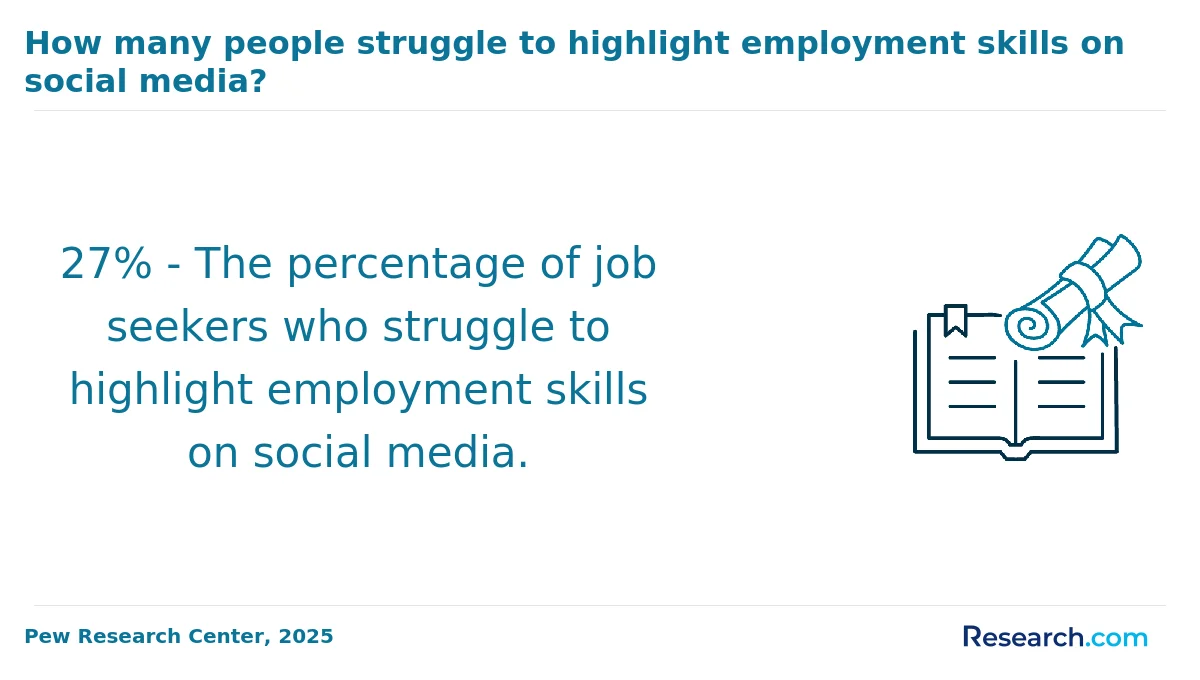
Students pursuing associate degrees in Buffalo commonly rely on several key financial aid options that make education more attainable. The Free Application for Federal Student Aid (FAFSA) is the essential first step, unlocking federal grants, loans, and work-study programs. Many students at popular institutions like Erie Community College have benefited from the federal Pell Grant, receiving up to $7,395 annually to reduce tuition costs.
New York State residents enjoy additional support through the Tuition Assistance Program (TAP), which can cover $500 up to full tuition for approved programs. Part-time students taking at least three credit hours per semester often find TAP especially helpful, balancing school with jobs or family, relieving financial pressure during their studies.
Graduates from local high schools pursuing associate degrees within SUNY or CUNY systems often combine TAP with the Excelsior Scholarship, covering any remaining tuition. Buffalo's Say Yes Scholarship further eases costs for public and charter school graduates, turning financial worries into proud moments of achievement and hope.
Enrolling in an associate degree program in Buffalo typically requires a high school diploma or GED, a straightforward prerequisite that opens doors to many education pathways. Graduates from Erie Community College often share how meeting this baseline helped them confidently start their journey into healthcare or technical fields.
For specialized programs, such as nursing, prerequisites become more specific:
- A minimum high school GPA-often around 86% or higher-is commonly required to stay competitive.
- Completion of prerequisite courses like biology and algebra is expected, reinforcing foundational knowledge.
- Some applicants complete additional introductory college courses to fill gaps in their preparation.
English proficiency can be another hurdle for non-native speakers, as many schools require standardized testing like the TOEFL.
Successful applicants appreciate knowing these criteria upfront, as it helps them organize transcripts, attend key informational sessions, and prepare any required documentation, such as immunization records or residency proof.
Buffalo's community colleges, such as Genesee Community College, also emphasize the importance of official transcripts and sometimes relevant healthcare or volunteer experience, which applicants reflect on as confidence boosters during competitive admissions.
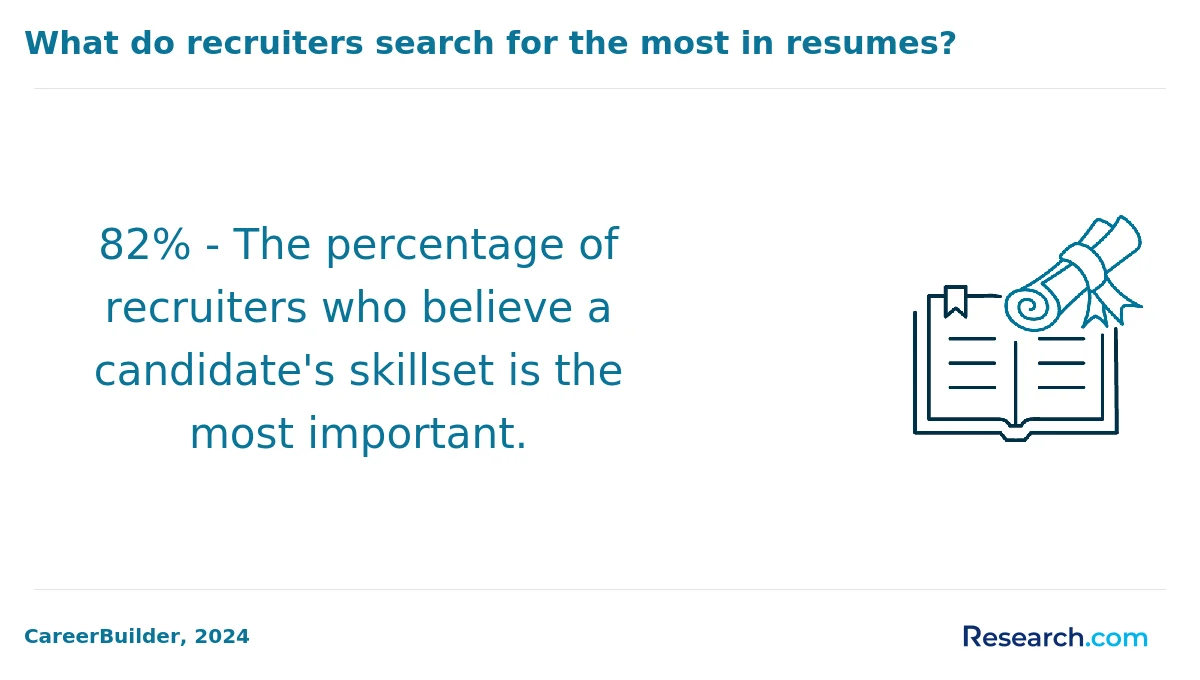
Associate degree programs in Buffalo include a balanced mix of general education and program-specific courses designed to meet both academic standards and local industry demands. Across popular schools like SUNY Niagara and Erie Community College, students engage in a set of common courses in Buffalo associate degree programs, such as English composition, mathematics, social sciences, and natural sciences. These foundational classes develop critical thinking and communication skills essential for workplace success.
Graduates from Buffalo NY associate degree curriculum often highlight how program-specific courses tailor their experience. For example:
- Associate in Arts (A.A.) students explore humanities including literature, history, and foreign languages.
- Associate in Science (A.S.) students focus on biology, chemistry, and advanced mathematics.
- Associate in Applied Science (A.A.S.) students undertake hands-on training in fields like nursing, computer information systems, and culinary arts.
Many students appreciate elective courses allowing exploration in areas like video production or web development, helping them refine career goals. Erie Community College's strong business offerings, including accounting and management, reflect local workforce needs, where graduates feel confident stepping into roles immediately. For those curious about the easiest associates degree to get, Buffalo's programs offer routes well-suited to various interests and schedules.
Choosing the best associate degree program in Buffalo starts with understanding the type of institution that fits your needs. Graduates from Niagara County Community College often praise its affordable tuition and strong connections with local employers, making it a practical choice for those prioritizing cost-effectiveness and in-person learning. When you compare Buffalo NY associate degree costs, keep accreditation in focus, since only accredited programs ensure your credits transfer smoothly to four-year schools and employers acknowledge your degree.
Flexibility matters too, especially for working adults. Franklin University's 100% online associate degrees provide an ideal solution for students juggling jobs or family commitments. Buffalo area community colleges typically offer more traditional classroom experiences, which appeal to those who prefer direct interaction with faculty and peers. Additionally, graduates highlight the value of robust student support services like career counseling and academic advising in navigating their educational journey successfully.
For students planning to advance beyond an associate degree, examining transfer policies is critical. Some Buffalo programs allow a generous transfer of credits, enabling a faster path to a bachelor's degree. Exploring options thoroughly will ensure your choice aligns with your long-term academic and career goals, providing a rewarding experience shaped by local opportunities and reputable educational structures. For broader context on cost-effective education paths, consider exploring affordable masters programs.
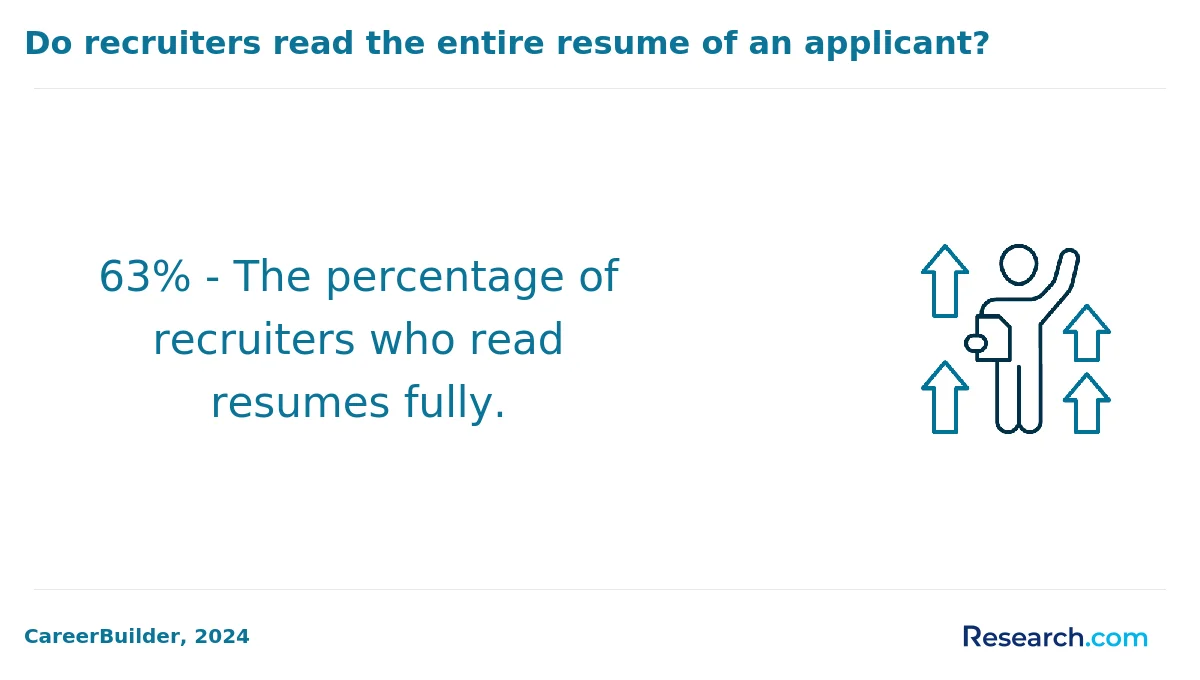
Associate degree graduates in Buffalo find a diverse range of career paths that align with both their skills and local job market demands. Those seeking highest paying associate degree careers Buffalo often pursue technical roles such as commercial pilots, elevator installers, and electrical power-line repairers, all boasting six-figure median salaries. Graduates from popular Buffalo institutions share stories of quickly stepping into such lucrative positions, reflecting the city's strong support for skilled trades and transportation sectors.
Other associate degree jobs in Buffalo NY include healthcare, business, and technology roles that graduates frequently enter. Many secure jobs as administrative assistants, legal secretaries, fraud investigators, and IT specialists. These roles offer a stable income and great potential for advancement, especially within Buffalo's growing healthcare and law enforcement fields.
Locally, over 1,200 job listings actively seek associate degree holders, creating a vibrant employment landscape. For students considering affordability, exploring the cheapest online college per credit hour options is a smart step to reduce costs while maximizing career opportunities.
The job market for associate degree graduates in Buffalo is robust, offering a variety of roles across key sectors like healthcare, technology, and public service. Graduates from popular associate degree schools in Buffalo frequently find opportunities as health program data assistants, administrative assistants, and IT analysts. Employers such as Roswell Park Cancer Institute and Kaleida Health actively recruit locally, reflecting strong demand for skilled professionals with associate degrees.
Buffalo NY associate degree salary trends show competitive wages, with average hourly pay around $19.25 and some positions reaching $32.13. Graduates report annual salaries between $48,000 to $70,000, especially in roles like case administrators and deposit product analysts. Benefits such as health insurance, tuition reimbursement, and retirement plans further enhance job attractiveness.
- More than 1,200 open positions in the Buffalo area target associate degree holders
- Entry-level to supervisory roles available, particularly in mechatronics, business, and criminal justice
- Relevant work experience can sometimes substitute for formal credentials
Many graduates find that gaining experience while enrolled at local institutions opens doors quickly. For those seeking flexible learning options to balance work and study, exploring cheap online universities for working adults can be an excellent path toward advancing their career prospects.
Best Associate Degree Programs - Leading Certification Courses in Buffalo for 2026
# 1 position
Erie Community College - Automobile/Automotive Mechanics Technology/Technician.
associateErie Community College offers a hybrid program in Automobile/Automotive Mechanics Technology/Technician, designed to prepare students to repair, service, and maintain various automobiles. The curriculum covers brake systems, electrical systems, engine performance and repair, suspension and steering, transmissions, and heating and air conditioning. Annual in-state tuition is $6,100. The program is accredited by the Middle States Commission on Higher Education, with median earnings of $43,237 one year after completion.
# 2 position
Erie Community College - Computer and Information Sciences, General.
associateErie Community College offers a hybrid program in Computer and Information Sciences, General, with an annual in-state tuition of $6,100. The program covers computing, computer science, and information science systems without specializing in specific subfields. Graduates report median earnings of $35,253 one year after completion. This program is accredited by the Middle States Commission on Higher Education and includes some distance-education options.
# 3 position
Erie Community College - Information Technology.
associateErie Community College offers a hybrid Information Technology program that covers the design of technological information systems to support business and research needs. The curriculum includes computer hardware and software principles, algorithms, databases, telecommunications, application testing, and human interface design. Annual in-state tuition is $6,100. Graduates earn a median of $35,253 one year after completing the program. The program is accredited by the Middle States Commission on Higher Education.
# 4 position
Erie Community College - Computer Science.
associateErie Community College offers a Computer Science program with a hybrid format, combining in-person and distance-education options. The curriculum covers computer theory, programming, design of computer systems, and user interfaces from a scientific perspective. Instruction includes computational science principles and practical applications. The program is accredited by the Middle States Commission on Higher Education. Annual in-state tuition is $6,100.
# 5 position
Erie Community College - Criminal Justice/Law Enforcement Administration.
associateErie Community College offers a hybrid Criminal Justice/Law Enforcement Administration program with an annual in-state tuition of $6,100. The curriculum covers law enforcement history and theory, operational command leadership, public police administration, labor relations, incident response, legal responsibilities, budgeting, public relations, and organizational leadership. Graduates earn a median income of $33,340 one year after completion. The program is accredited by the Middle States Commission on Higher Education.
# 6 position
Erie Community College - Criminal Justice/Police Science.
associateErie Community College offers a hybrid Criminal Justice/Police Science program designed to prepare students for roles in law enforcement. The curriculum covers patrol, investigative activities, traffic and crowd control, evidence management, and crime prevention. The program is accredited by the Middle States Commission on Higher Education. Annual in-state tuition is $6,100, and median earnings one year after completion are $33,340.
# 7 position
Erie Community College - Business Administration and Management, General.
associateErie Community College offers a Business Administration and Management, General program with a hybrid format that includes some distance-education options. The program prepares students to plan, organize, direct, and control business functions. Coursework covers management theory, human resources, accounting, purchasing, logistics, marketing, and decision-making. Annual in-state tuition is $6,100. Median earnings one year after completion are $31,224. The program is accredited by the Middle States Commission on Higher Education.
# 8 position
Erie Community College - Office Management and Supervision.
associateErie Community College offers a hybrid Office Management and Supervision program that prepares students to manage business office operations and personnel. The curriculum covers employee supervision, labor relations, budgeting, scheduling, office systems, records management, and public relations. Annual in-state tuition is $6,100. Graduates earn a median salary of $31,224 one year after completion. The program is accredited by the Middle States Commission on Higher Education.
# 9 position
Erie Community College - Opticianry/Ophthalmic Dispensing Optician.
associateErie Community College offers a hybrid Opticianry/Ophthalmic Dispensing Optician program designed to prepare students to fit and adapt corrective eyewear prescribed by ophthalmologists or optometrists. The curriculum covers optics, anatomy, prescription interpretation, contact lens fitting, prosthesis fitting, and administrative tasks. Annual in-state tuition is $6,100. The program is accredited by the Middle States Commission on Higher Education. Median earnings one year after completion are $26,746.
# 10 position
Erie Community College - Legal Assistant/Paralegal.
associateErie Community College offers a Legal Assistant/Paralegal program with a hybrid format, combining distance education and in-person learning. The program prepares students for legal research, drafting, investigatory tasks, and administrative duties under attorney supervision. It covers legal research, document drafting, court procedures, and legal specializations. Annual in-state tuition is $6,100. Graduates have median earnings of $23,523.75 one year after completion. The program is accredited by the Middle States Commission on Higher Education.
Frequently Asked Questions about associate degree programs
Preparing for the job market after earning an associate degree in Buffalo involves several key steps. Graduates should begin by researching local industries that actively hire associate degree holders, such as healthcare, manufacturing, and information technology. According to the New York State Department of Labor, Buffalo's job market shows a 3.5% growth in these sectors, creating opportunities for entry-level positions.
Building a strong resume that highlights practical skills gained during the program, such as computer proficiency or technical expertise, is essential. Networking through local job fairs and community college career centers can connect graduates with employers.
Additionally, pursuing relevant certifications or internships can enhance employability and reflect a commitment to continuous learning.
Employers in Buffalo increasingly value associate degree graduates who demonstrate strong technical and soft skills. According to the Buffalo Niagara Partnership's 2023 workforce report, critical thinking, communication, and teamwork top the list of desired competencies.
Technical skills vary by industry, but proficiency in computer applications, healthcare protocols, and manufacturing technologies is frequently sought. For example, 62% of local employers in healthcare prioritize graduates with electronic health record (EHR) management skills.
Soft skills like adaptability and problem-solving are essential, especially as Buffalo's economy diversifies. A 2022 survey by Buffalo State College highlighted that 78% of employers rank communication skills as a must-have for entry-level roles.
Finding internships in Buffalo relevant to your associate degree program involves multiple steps to maximize opportunities. Start by checking with local community colleges like Erie Community College, which often have dedicated career services that connect students with internships aligned to their fields of study.
Buffalo's growing industries include healthcare, technology, and manufacturing, with organizations such as Kaleida Health and M&T Bank frequently offering internships. According to Buffalo Niagara Partnership, over 300 companies in the region participate in internship programs each year.
Online job platforms like Handshake and Buffalo's official workforce development site provide searchable listings specifically filtered for internships. Networking through local job fairs and industry-specific events also improves your chances.
Engaging with professional associations and community groups related to your discipline in Buffalo can help you discover unadvertised internships and build meaningful connections.
In Buffalo, an associate degree can significantly impact career mobility and advancement, especially in growing industries like healthcare, technology, and skilled trades. According to the New York State Department of Labor, occupations requiring an associate degree are projected to grow faster than average through 2028.
Many local employers in Buffalo value the practical skills and specialized training that associate degrees provide, making graduates more competitive for promotions and higher-paying jobs. For example, healthcare roles such as registered nurses often require an associate degree, offering clear pathways to career advancement.
Additionally, Buffalo's community colleges often have partnerships with employers, providing students with internship opportunities that enhance work experience and networking, which is essential for upward mobility in the local job market.
In Buffalo, part-time job opportunities that complement associate degree education are abundant across various industries. Healthcare roles such as medical assistants or pharmacy technicians align well with health-related associate degrees, offering practical experience alongside studies. According to the U.S. Bureau of Labor Statistics, healthcare support jobs in Buffalo are projected to grow by 15% through 2030.
Retail and customer service positions are also common, especially for degrees in business or communications, providing valuable skills in management and client relations. Additionally, jobs in information technology support and administrative assistance are prevalent, suitable for students in technical programs.
Local resources like the Buffalo Niagara Partnership frequently report increased demand for skilled part-time workers, indicating good prospects for students balancing work and education.
Yes, there are several reputable degree programs and universities near Buffalo, NY for prospective students to consider. These institutions offer a variety of undergraduate and graduate programs in fields such as engineering, business, and health sciences. Research.com can be a helpful resource to explore and compare degree programs, whether you're looking for opportunities near me or specifically near Buffalo, NY.
- Best Trade School & Training Programs - Leading Certification Courses in Hamburg for 2026
- Best Trade School & Training Programs - Leading Certification Courses in Akron for 2026
- Best Trade School & Training Programs - Leading Certification Courses in Adrian for 2026
- Best Trade School & Training Programs - Leading Certification Courses in Angola for 2026
- Best Trade School & Training Programs - Leading Certification Courses in Florence for 2026
- Prerequisites - University at Buffalo https://nursing.buffalo.edu/academic-programs/undergraduate-programs/undergraduate-additional-info/nursing-undergraduate-advisement/prerequisites.html
- Online Associate’s Degree Programs (AS and AAS) - Purdue Global https://www.purdueglobal.edu/degree-programs/associates-degrees/
- Degree Programs - University at Buffalo https://www.buffalo.edu/home/academics/degree_programs.html
- Advancement Potential of Different Degrees and Majors - Resource Center Article https://nextmile.instride.com/resource/upward-mobility-degree-major
- Is an Online Degree the Same as a Traditional Degree | Online Degree https://www.cambridgehealth.edu/online-degrees/get-an-online-degree/is-an-online-degree-the-same-as-a-traditional-degree/
- Study examines educational and career disparities among minoritized students - Graduate School of Education - University at Buffalo https://ed.buffalo.edu/news-events/news.host.html/content/shared/university/news/news-center-releases/2024/06/educational-and-career-disparities-among-minoritized-students.detail.html
- Academic Choices - Undergraduate Education - University at Buffalo https://undergrad.buffalo.edu/experience.html
- Program: Liberal Arts and Science-Humanities and Social Science/Humanities, A.A. - Erie Community College - Modern Campus Catalog™ https://catalog.ecc.edu/preview_program.php
- Buffalo, New York College Campus – Western NY | B&SC https://www.bryantstratton.edu/location/buffalo-ny/buffalo/
- Working in the United States | Canisius University - Buffalo, NY https://www.canisius.edu/student-experience/global-education/working-united-states


