
Most Affordable Physical Therapist Assistant Schools & Training - Budget-Friendly PTA Trade Programs in Green Bay for 2026

Co-Founder and Chief Data Scientist
Thinking about starting a career as a Physical Therapist Assistant in Green Bay? This article is here to guide you through the most affordable trade schools offering quality programs in 2026.
The Research.com team of data scientists created a detailed ranking of physical therapist assistant trade school programs to help you make a well-informed decision. Choosing the right program can open doors to a rewarding career in healthcare and provide valuable skills for your future.
Explore your options with confidence and take the first step toward a fulfilling profession.
Key benefits of finishing physical therapist assistant trade school in Green Bay
- Graduates of physical therapist assistant trade schools in Green Bay can expect an average hourly wage around $31.32, translating to about $61,901 per year for full-time work, offering a solid income in the local healthcare field.
- Career paths for graduates often include working in hospitals, outpatient clinics, or private practices, providing diverse opportunities to grow and specialize in patient care.
- Completing a physical therapist assistant program online allows for flexible scheduling and faster completion, making it easier to balance work and study compared to traditional degrees.
- Most Affordable Physical Therapist Assistant Schools & Training - Budget-Friendly PTA Trade Programs in Green Bay for 2026
- What can I expect from physical therapist assistant trade schools in Green Bay?
- Where can I work after finishing physical therapist assistant trade schools in Green Bay?
What can I expect from physical therapist assistant trade schools in Green Bay?
Students enrolling in physical therapist assistant trade school programs in Green Bay, such as those at Northeast Wisconsin Technical College, can expect a rigorous yet rewarding two-year curriculum. Graduates often describe balancing classroom learning with hands-on clinical placements as key to their confidence in real-world settings. Core courses cover anatomy, therapeutic exercise, and patient care techniques, delivered through a blend of lectures, labs, and supervised clinical experiences. Many students appreciate the 8-week session format, which supports focused study periods and manageable pacing.
Practical training is a highlight, with clinical rotations in local hospitals and rehab centers allowing students to directly apply skills like patient data collection and treatment modification under professional supervision. Graduates recall the satisfaction of collaborating with healthcare teams and the growth that comes from evidence-based practice.
Admission standards ensure preparedness, requiring prerequisites like anatomy with a minimum B grade and maintaining C grades in program classes. Students also navigate background checks before clinical work, aligning with state regulations.
Completing the program makes students eligible for the NPTE exam, a critical step toward licensure. Employment outcomes are promising, with about 88% of NWTC graduates finding jobs locally, enhancing the program's appeal to Green Bay residents eager for stable healthcare careers.
Where can I work after finishing physical therapist assistant trade schools in Green Bay?
Graduates of physical therapist assistant trade schools in Green Bay commonly find employment in outpatient rehabilitation centers, hospitals, skilled nursing facilities, and private physical therapy clinics. Many students from well-known local trade schools share how they quickly secured positions at outpatient clinics, where they work closely with patients recovering from injuries or surgeries. This hands-on environment allows them to apply their training directly, fostering a strong sense of accomplishment and connection with patients.
Hospitals and medical centers in Green Bay also actively recruit PTAs, offering roles that involve supporting physical therapists in both inpatient and outpatient settings. Graduates often describe the rewarding challenge of helping patients regain mobility after serious illnesses, which reinforces their career satisfaction and professional growth.
Skilled nursing facilities and assisted living centers present another viable path, where PTAs assist residents with long-term physical challenges. Many graduates appreciate the opportunity to enhance quality of life and independence for these patients.
Additionally, home healthcare agencies provide flexible work options, allowing PTAs to deliver personalized care in patients' homes-an appealing choice for those valuing autonomy and patient rapport.
Graduates of physical therapist assistant trade school programs in Green Bay can anticipate an average hourly wage of about $31.42, reflecting strong local demand for healthcare professionals. Many who complete their training at well-known Green Bay trade schools report starting salaries near $27.50 to $28.30 per hour, which quickly increase with experience and specialized skills.
For example, a recent graduate working in an outpatient clinic shared how entry-level pay aligned with the 25th percentile annual salary of approximately $55,893. With dedication and additional certifications, some peers have progressed toward the 75th percentile earning near $66,210 annually. This progression offers both financial stability and job satisfaction in a growing field.
These figures exclude benefits like health insurance and paid time off, which many employers in Green Bay include, enhancing overall compensation. Graduates often find themselves well-prepared to meet employer expectations, thanks to the practical training and hands-on experience emphasized at local trade schools, making their early career steps both rewarding and promising.
- Admission to PTA programs in Green Bay typically requires a high school diploma and completion of courses like algebra, biology, and anatomy.
- The main accredited program is the Associate of Health Sciences: Physical Therapist Assistant at Northeast Wisconsin Technical College, lasting about two years with classroom and clinical training.
- Tuition for in-district students ranges from $10,000 to $13,000, excluding books and living costs; out-of-district and out-of-state students pay more.
- Graduates must pass the National Physical Therapist Assistant Examination to become licensed in Wisconsin.
- Entry-level PTAs in Wisconsin earn between $47,000 and $54,000 annually, with experienced PTAs making up to $65,000 or more.
Completing a physical therapist assistant trade school program in Green Bay typically takes about two years. Graduates from popular local trade schools often describe this timeframe as both intense and rewarding, balancing hands-on clinical practice with classroom learning. Many find the structured schedule helps maintain motivation, especially when juggling personal responsibilities.
For example, students at well-known Green Bay trade schools report that the blend of theory and practical experience accelerates their confidence and skill development. One graduate shared how the 24-month program allowed them to quickly transition into the workforce, feeling prepared and enthusiastic about starting their career.
The two-year completion time aligns with industry standards nationwide, but Green Bay's trade schools often emphasize smaller class sizes and personalized instructor support, which students say enhances the learning experience. This focused environment helps students stay engaged and successfully complete the program on time.
Ultimately, the typical completion time of around two years offers a realistic and encouraging path for those ready to commit to becoming physical therapist assistants in Green Bay.
The primary difference between online and on-campus physical therapist assistant (PTA) trade school programs in Green Bay centers on how hands-on training and coursework are delivered. Graduates from on-campus programs at institutions like Northeast Wisconsin Technical College (NWTC) often recall the value of immediate instructor feedback during in-person labs such as PTA Patient Interventions. These students appreciate the structured environment, where classes like Applied Kinesiology and Therapeutic Exercise require physical presence, fostering collaboration and real-time skill practice.
In contrast, online PTA programs available in Green Bay, such as those blending digital coursework with mandatory on-campus labs, offer greater scheduling flexibility. Graduates report that completing theory-based lectures online eases balancing work and study, but they still value the essential face-to-face clinical rotations at local healthcare facilities. This hybrid approach ensures all students meet CAPTE accreditation and state licensing standards, combining convenience with the indispensable hands-on experience critical for success in physical therapy careers.
The average tuition for physical therapist assistant programs in Green Bay is centered around Northeast Wisconsin Technical College (NWTC), a popular trade school known for its comprehensive PTA Associate Degree program. For in-state residents, tuition typically totals about $12,389.55. When factoring in essential materials like books and supplies, which cost approximately $1,236.20 and $300 respectively, the overall cost of physical therapist assistant education in Green Bay reaches roughly $13,925.75. Graduates often share that this investment felt manageable and worthwhile given the quality of education and hands-on training NWTC provides.
Many students enrolling in these trade schools express satisfaction with the clear breakdown of expenses and the support available. Considering the average tuition for physical therapist assistant programs in Green Bay, trade schools like NWTC provide tailored financial aid packages, including scholarships and grants, which lighten the financial load significantly. This financial assistance is essential in making the cost of physical therapist assistant education in Green Bay accessible and less daunting.
Students aiming for a career as a physical therapist assistant in Green Bay often explore multiple options before committing. For those comparing programs, it helps to utilize resources listing the trade schools with medical assistant programs, offering clear insights into costs and benefits so you can make a smart, informed choice.
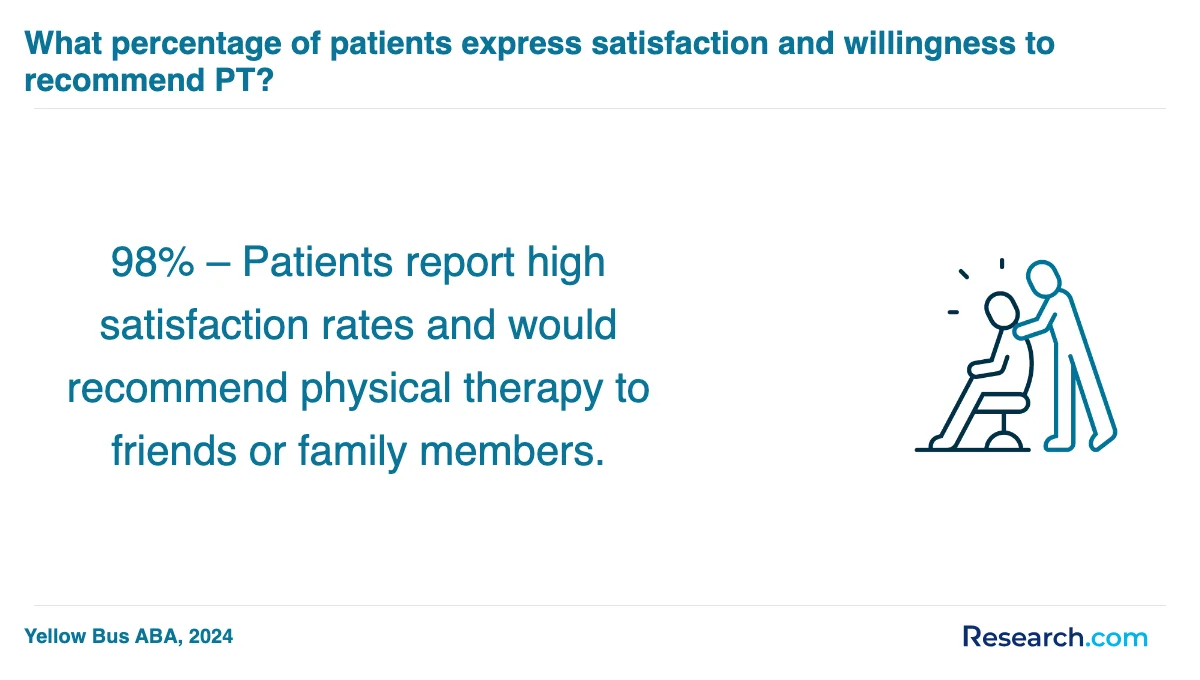
Physical therapist assistant students in Green Bay benefit from multiple financial aid sources that make their education more affordable. Graduates from Northeast Wisconsin Technical College often share how completing the FAFSA opened doors to federal aid like the Pell Grant and subsidized student loans, which significantly eased their tuition burden.
State-funded aid is another key resource. Wisconsin residents enrolled in PTA programs can access grants through the Wisconsin Higher Educational Aids Board, such as the Wisconsin Grant. These are need-based and do not require repayment, helping students manage costs beyond tuition.
Institutional scholarships offered by local trade schools also provide essential support. Many students describe applying early for these merit- or need-based awards, which helped cover expenses for books and supplies. For example, Northeast Wisconsin Technical College actively promotes these scholarships to encourage applicants.
Professional organizations, including the Wisconsin Physical Therapy Association, additionally offer scholarships that reward academic achievement and dedication to the PTA field. These combined aid options allow many Green Bay PTA students to pursue their careers with reduced financial stress.
Enrolling in a physical therapist assistant trade school program in Green Bay typically requires candidates to meet specific prerequisites that ensure readiness for the rigorous coursework. Most popular trade schools in Green Bay expect applicants to have a high school diploma or GED, which lays the essential foundation for success.
Graduates from these programs often recall the importance of having completed basic courses in biology, anatomy, and algebra before starting. These subjects help students confidently tackle the technical aspects of physical therapy.
Applicants usually must pass a criminal background check and provide up-to-date immunization records, reflecting the healthcare environment's safety standards.
- Completion of a high school diploma or GED
- Basic coursework in science and math (biology, anatomy, algebra)
- Proof of immunizations and health clearances
- Passing a criminal background check
- Some schools recommend or require CPR certification before enrollment
Graduates describe feeling empowered entering the program with these prerequisites met, enabling them to focus fully on hands-on training and clinical experiences at well-regarded Green Bay trade schools. This preparation fosters confidence and enthusiasm, transforming initial apprehension into motivation for a rewarding career.
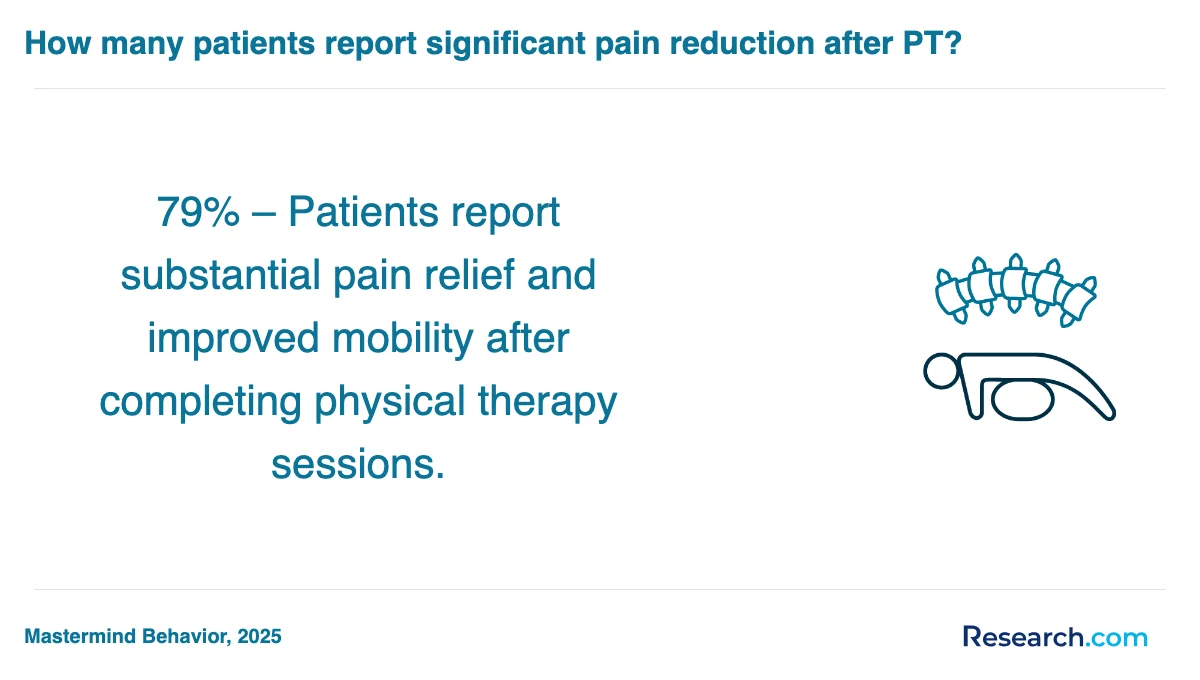
Physical therapist assistant trade school programs in Green Bay, such as those at Northeast Wisconsin Technical College, emphasize a well-rounded curriculum that combines theory and practice. Graduates often describe their experience starting with core courses like General Anatomy & Physiology, which lays the groundwork by explaining how the human body functions-a crucial foundation for any aspiring PTA.
Key courses include:
- PTA Patient Interventions: Hands-on learning about patient care skills, safety, and therapeutic exercises, usually offered in the fall semester.
- Laboratory classes: Practical sessions where students practice patient transfers, gait training, and use of modalities such as ultrasound and electrical stimulation.
- Clinical Education: Real-world placements at local healthcare facilities, where students refine communication and apply classroom knowledge under supervision.
Additional coursework covers therapeutic exercise, functional anatomy, pathology, rehabilitation techniques, professional ethics, and documentation practices. Many students find these courses engaging and rewarding, especially when they see their skills improve during clinical rotations, preparing them confidently for the National Physical Therapist Assistant Examination.
Physical therapist assistant trade school programs in Green Bay commonly offer a range of specializations that allow students to tailor their skills to specific patient needs. Graduates from popular trade schools often highlight the value of focusing their training on areas such as:
- Orthopedic Rehabilitation, which involves helping patients recover from musculoskeletal injuries
- Neurological Rehabilitation for those working with nervous system conditions
- Pediatric Physical Therapy, addressing the therapeutic needs of children
- Geriatric Physical Therapy, focusing on elderly patient care
- Cardiopulmonary Rehabilitation that aids patients with heart and lung issues
- Sports Physical Therapy, geared towards athletic injury recovery
- Women's Health Physical Therapy, dealing with gender-specific health challenges
- Integumentary (Wound Care) Therapy for patients with skin-related problems
- Vestibular Rehabilitation, focusing on balance disorders
- Oncology Rehabilitation, supporting cancer patient recovery
These specializations are integral to many PTA trade schools' curricula in Green Bay and contribute to graduates feeling confident as they enter diverse clinical environments. Many students report how working hands-on in these focus areas during clinical rotations enhances their practical understanding and passion for patient care. Exploring these programs through options like two year medical programs in Green Bay helps prospective PTAs make informed decisions about their career specialization paths.
When selecting from the best physical therapist assistant programs in Green Bay, accreditation by CAPTE ensures your education meets national standards vital for licensure. Graduates from popular local colleges often highlight how a curriculum combining anatomy, kinesiology, and hands-on clinical rotations sharply improved their confidence and readiness for real-world practice. Part-time and accelerated formats offered by Green Bay schools appeal to many balancing work or family, providing flexibility without sacrificing quality.
Affordability also plays a crucial role; affordable PTA schools near Green Bay frequently provide financial aid options and student support services like tutoring and career counseling, which graduates credit for easing the path to exam success. Location matters too-programs with modern facilities close to home reduce commute stress and enable better focus on studies.
Many students emphasize the value of faculty with clinical experience who offer mentorship beyond the classroom. Researching program outcomes, including graduation rates and alumni employment, is essential in choosing wisely. For timelines on career progression, understanding how long does it take to become a pt can guide your planning effectively.

Physical therapist assistant trade school graduates in Green Bay have diverse career paths available, spanning multiple healthcare environments. Graduates commonly find rewarding roles in inpatient rehabilitation hospitals, where they support patients recovering from serious injuries by assisting with tailored therapeutic exercises under licensed physical therapists. Many also thrive in outpatient clinics, helping patients regain daily function post-surgery, gaining hands-on experience valued by local employers.
Skilled nursing facilities and long-term care centers offer opportunities for PTAs to enhance quality of life for elderly residents managing chronic conditions. Additionally, some graduates choose home health agencies, delivering personalized therapy directly in patients' homes, which many find deeply fulfilling.
Graduates from well-known Green Bay trade schools report positive job placement rates in these settings, emphasizing the practical skills built during training. Job listings in Green Bay frequently feature positions matching these career paths, indicating a steady demand for PTAs in the region's rehabilitation jobs for physical therapist assistant graduates.
- Inpatient Rehabilitation Hospitals
- Outpatient Clinics
- Skilled Nursing Facilities and Long-Term Care
- Home Health Agencies
PTAs can also explore roles as rehabilitation liaisons or advance within healthcare teams. For those seeking guidance on career choices, understanding what is the easiest medical field can clarify steps after graduation and open additional pathways. This makes a physical therapist assistant trade school in Green Bay a practical launchpad toward stable, meaningful healthcare careers.
Physical therapist assistant jobs in Green Bay show consistent demand, with 20 to 35 openings frequently posted on platforms like Indeed and ZipRecruiter. Graduates from local trade schools report positive employment experiences, often securing positions in rehabilitation hospitals and outpatient clinics shortly after completing their programs. These roles typically involve working directly with licensed physical therapists to aid patient recovery and manage chronic conditions.
Green Bay PTA salary and employment outlook is encouraging. Hourly wages range between $27.25 and $36, with seasoned PTAs sometimes earning up to $52 per hour. Weekly earnings for full-time outpatient assignments can reach about $1,590, equating to an annual salary around $82,680. Graduates from well-regarded trade schools often mention that practical training combined with strong local healthcare networks enhances their job readiness and salary potential.
The Green Bay healthcare environment-including hospitals, private practices, and specialized rehab centers-offers a variety of employment settings. Many graduates from trade schools describe their hands-on training as invaluable for navigating these diverse workplaces effectively. Those exploring physical therapy careers may also consider programs leading to a physical therapist assistant associate degree to deepen their qualifications and expand opportunities.
Most Affordable Physical Therapist Assistant Schools & Training - Budget-Friendly PTA Trade Programs in Green Bay for 2026
# 1 position
Northeast Wisconsin Technical College - Physical Therapy Assistant.
associateThe Physical Therapy Assistant program at Northeast Wisconsin Technical College is a hybrid course preparing students to assist physical therapists in treatment care plans, patient training, and clinical documentation. The curriculum covers anatomy, physiology, biomechanics, neuroscience, and professional ethics. Annual in-state tuition is $4,904. Graduates earn a median salary of $38,278 one year after completion. The program is accredited by the Higher Learning Commission.
# 2 position
Rasmussen University-Wisconsin - Physical Therapy Assistant.
associateThe Physical Therapy Assistant program at Rasmussen University-Wisconsin prepares students to implement treatment care plans under a physical therapist’s supervision. The curriculum includes applied anatomy, physiology, biomechanics, neuroscience, and professional ethics. Annual in-state tuition is $11,982. Graduates have median earnings of $35,350 one year after completion. The program is accredited by the Higher Learning Commission.
Frequently Asked Questions about physical therapist assistant
After completing a physical therapist assistant (PTA) trade school in Green Bay, it is important to focus on licensure and practical experience to enter the job market successfully. Graduates must pass the National Physical Therapy Exam (NPTE) for PTAs, administered by the Federation of State Boards of Physical Therapy, to become licensed in Wisconsin.
Building a strong resume with clinical hours gained during the program or through internships is essential. Networking with local clinics and hospitals in Green Bay can provide job leads and professional connections. According to the U.S. Bureau of Labor Statistics, employment for PTAs in Wisconsin is projected to grow by 18% from 2020 to 2030, indicating strong demand. Staying current with continuing education and certifications also enhances job prospects.
Employers in Green Bay prioritize several key skills when hiring graduates from physical therapist assistant trade schools. Strong communication abilities rank highly, as assistants must clearly explain treatment plans and motivate patients during rehabilitation. Clinical competence, including proficiency in therapeutic exercises and use of specialized equipment, is essential. According to the U.S. Bureau of Labor Statistics, technical skills combined with hands-on experience improve job prospects significantly. Additionally, employers value teamwork and adaptability since physical therapist assistants often collaborate with licensed therapists and other healthcare professionals. Time management and organizational skills also support effective patient care in busy clinical settings. These skills are crucial for success in Green Bay's healthcare market.
Finding internships in Green Bay relevant to physical therapist assistant (PTA) trade school programs involves several strategic steps. First, students should connect with their school's clinical education coordinator, who often maintains partnerships with local healthcare facilities. In Green Bay, prominent sites include Bellin Health and Prevea Health, both of which frequently offer PTA internship opportunities.
Additionally, students can explore the Wisconsin Physical Therapy Association's resources, which list approved clinical sites statewide. According to data from the Bureau of Labor Statistics, internships in physical therapy typically require between 500 to 700 clinical hours, emphasizing the importance of accredited placements.
Networking at local healthcare job fairs and contacting rehabilitation centers directly can also uncover valuable internships. Many facilities prefer candidates enrolled in accredited PTA programs, ensuring compliance with state licensure requirements.
Obtaining a physical therapist assistant (PTA) diploma from a trade school in Green Bay significantly enhances career mobility and advancement opportunities. The diploma certifies practical skills and knowledge required for entry-level PTA positions, a crucial step recognized by employers across Wisconsin. According to the Wisconsin Department of Workforce Development, PTA jobs in the Green Bay metro area are projected to grow by 14% through 2030, faster than the average for all occupations.
Graduates with a diploma often qualify for the National Physical Therapy Exam (NPTE) for PTAs, a mandatory credential for licensure. Licensed PTAs in Green Bay earn a median annual wage of around $58,000, with opportunities to advance into supervisory or specialized roles.
Trade schools also provide clinical experience and local networking, which are valuable for job placement and upward mobility. In sum, a PTA diploma from Green Bay trade schools forms a solid foundation for career growth in the region's healthcare sector.
Students enrolled in physical therapist assistant (PTA) trade schools in Green Bay can benefit from part-time jobs that offer relevant hands-on experience. Common opportunities include working as physical therapy aides or rehabilitation aides in local clinics and hospitals. These roles provide practical exposure to patient care and therapeutic exercises, complementing classroom learning.
According to the U.S. Bureau of Labor Statistics, the Green Bay metropolitan area has a growing demand for PTA-related roles, with healthcare support occupations expected to increase by 13% over the next decade. Additionally, some students find employment in fitness centers or senior care facilities, where they assist with mobility and wellness programs.
Such jobs not only build skills but also improve resumes and networking within the local healthcare community.
To find the most affordable Physical Therapist Assistant degree program near me or near Green Bay, WI, consider checking local community colleges and technical schools, as they often provide comprehensive programs at lower tuition costs. Utilizing resources such as Research.com can help identify accredited institutions and compare program costs effectively. Additionally, reaching out to educational institutions directly can provide specific information on tuition, fees, and potential financial aid opportunities.
- Most Affordable Physical Therapist Assistant Schools & Training - Budget-Friendly PTA Trade Programs in Buffalo for 2026
- Most Affordable Physical Therapist Assistant Schools & Training - Budget-Friendly PTA Trade Programs in Kansas City for 2026
- Most Affordable Physical Therapist Assistant Schools & Training - Budget-Friendly PTA Trade Programs in Topeka for 2026
- Most Affordable Physical Therapist Assistant Schools & Training - Budget-Friendly PTA Trade Programs in Roanoke for 2026
- Becoming a Physical Therapist Assistant | APTA https://www.apta.org/your-career/careers-in-physical-therapy/becoming-a-pta
- Physical Therapist Assistant Salary by State 2025 https://nurse.org/education/physical-therapist-assistant-salary/
- Physical Therapist Assistants and Aides : Occupational Outlook Handbook: : U.S. Bureau of Labor Statistics https://www.bls.gov/ooh/healthcare/physical-therapist-assistants-and-aides.htm
- How Much Do Physical Therapy Assistants Make? - CBD College https://www.cbd.edu/blog/physical-therapist-assistant/how-much-do-physical-therapy-assistants-make/
- PT vs. PTA vs. Aide: A Guide to Physical Therapy Careers https://www.georgefox.edu/physical-therapy/resources/pt-pta-aide.html
- Physical Therapist Assistant FAQ | Pre-health professions | Academics | College of Health | Oregon State University https://health.oregonstate.edu/academics/pre-health/physical-therapist-assistant
- Physical Therapist Assistant | Center for Health Sciences Education | Cleveland Clinic https://my.clevelandclinic.org/departments/health-sciences-education/careers/career-options/physical-therapist-assistant
- How to Prepare for Physical Therapist Assistant (PTA) School https://www.brooklinecollege.edu/blog/how-to-prepare-for-pta-school/
- Occupational Outlook for Physical Therapist Assistant | SABER College https://sabercollege.edu/occupational-outlook-physical-therapist-assistant/
- 4 Key Steps to Pursuing Your Dream Career as a Physical Therapist Assistant https://www.bryantstratton.edu/blog/healthcare-degrees/dream-career-physical-therapist-assistant/


