
Best Phlebotomy Technician Training Programs & Trade Schools - Top Phlebotomy Tech Schools in Colorado for 2026

Co-Founder and Chief Data Scientist
Choosing the right phlebotomy technician trade school in Colorado can shape your future career in healthcare. This article introduces a carefully crafted ranking of phlebotomy technician trade school programs, developed by the Research.com team of data scientists to guide you toward the best options available.
Exploring these top programs will help you find a path that fits your goals and lifestyle. Earning a diploma or certification in phlebotomy opens doors to rewarding job opportunities and personal growth.
Take this step with confidence and discover how the right education can set you up for success in 2026.
Key benefits of finishing phlebotomy technician trade school in Colorado
- Graduates can expect an average salary of about $41,808 per year or $20 per hour in Colorado, providing a solid financial start in healthcare.
- Many find rewarding roles in hospitals, clinics, or labs, with opportunities to grow into specialized healthcare positions after gaining experience.
- Completing a phlebotomy program online offers flexibility and faster completion times, making it easier to balance studies with personal commitments while entering the job market quickly.
What can I expect from phlebotomy technician trade schools in Colorado?
Enrolling in a phlebotomy technician trade school program in Colorado typically involves completing 40 to 100 hours of focused classroom instruction and hands-on training within a semester. Students at popular schools like Red Rocks Community College report gaining practical skills through supervised lab sessions, practicing venipuncture and specimen handling in realistic settings. This hands-on approach builds confidence and competence before working with actual patients.
A key expectation is completing a mandatory clinical internship, often around 135 hours, at local healthcare facilities. Graduates highlight how this real-world experience under professional supervision bridges theory and practice, preparing them for certification exams such as the Registered Phlebotomy Technician (RPT) and Certified Phlebotomy Technician (CPT).
Admission generally requires a high school diploma or GED, along with background checks and immunizations. Many students appreciate the thorough preparation, including training in anatomy, medical terminology, and legal healthcare standards, which fosters readiness for immediate employment in Colorado's growing job market.
Where can I work after finishing phlebotomy technician trade schools in Colorado?
After completing a phlebotomy technician trade school program in Colorado, graduates find diverse employment opportunities across clinical and non-clinical settings. Many secure positions in hospitals and outpatient laboratories, where daily responsibilities include drawing blood and processing specimens-tasks that align closely with hands-on training provided by popular Colorado trade schools. Graduates often report satisfaction working alongside medical teams in these fast-paced environments.
Others pursue roles in medical group practices and diagnostic labs, combining specimen collection with administrative duties like data entry and labeling. This blend suits those who enjoy varied workdays and steady schedules. Blood donation centers and plasma collection sites also recruit entry-level phlebotomists for donor screening and safety monitoring, offering paid training programs that recent trade school grads appreciate for easing their transition into the workforce.
Emerging opportunities exist for mobile phlebotomists traveling to patients' homes or corporate health fairs, providing flexibility and independence. Graduates highlight this path as ideal for those seeking a dynamic, outside-the-lab career. Overall, Colorado's strong demand-evidenced by over 200 active job postings-ensures trade school alumni can find fulfilling roles that match their skills and lifestyle preferences.
How much can I make after finishing phlebotomy technician trade schools in Colorado?
Graduates from phlebotomy technician trade school programs in Colorado can anticipate starting wages around $21.26 per hour, which translates to an annual salary near $44,222 for full-time roles as of August 2025. Those completing courses at well-known Colorado trade schools often share stories of entering the workforce with confidence, knowing their training supports these competitive wages.
Location within Colorado has a modest impact on earnings. For example, graduates working in Gypsum enjoy some of the highest average salaries at about $45,421 annually, while those in Aurora report closer to $42,724. Hospitals in cities like Arvada offer hourly rates around $20.05, with yearly pay near $41,701.
Many alumni recall how their programs equipped them to quickly secure positions paying between $37,214 and $45,906, with opportunities to reach salaries up to $50,090 as experience grows. Although wage growth can plateau, these figures reflect a solid entry into healthcare with steady income soon after graduation.
Best Phlebotomy Technician Training Programs & Trade Schools - Top Phlebotomy Tech Schools in Colorado for 2026
# 1 position
Arapahoe Community College - Phlebotomy Technician/Phlebotomist.
associateArapahoe Community College offers a hybrid Phlebotomy Technician/Phlebotomist program that trains students to draw blood samples using various techniques under medical supervision. The curriculum covers vascular anatomy, blood physiology, venipuncture, specimen handling, safety, and regulations. The program's annual in-state tuition is $4,308. Graduates have a median earning of $63,746 one year after completion. It is accredited by the Higher Learning Commission.
# 2 position
Red Rocks Community College - Phlebotomy Technician/Phlebotomist.
certificate or diplomaRed Rocks Community College offers a hybrid Phlebotomy Technician/Phlebotomist program that prepares students to collect blood samples using various techniques under medical supervision. The curriculum covers vascular anatomy, blood physiology, venipuncture, specimen handling, safety, and regulatory standards. The program’s annual in-state tuition is $4,707 and is accredited by the Higher Learning Commission.
# 3 position
Pikes Peak State College - Phlebotomy Technician/Phlebotomist.
certificate or diplomaPikes Peak State College offers a hybrid Phlebotomy Technician/Phlebotomist program that prepares students to draw blood samples under healthcare supervision. The curriculum covers vascular anatomy, blood physiology, puncture techniques, specimen handling, safety, and regulations. Annual in-state tuition is $4,302. The program is accredited by the Higher Learning Commission and includes some distance-education options for flexibility.
# 4 position
Community College of Denver - Phlebotomy Technician/Phlebotomist.
certificate or diplomaThe Community College of Denver offers a Phlebotomy Technician/Phlebotomist program with a hybrid format, allowing some distance education. The program prepares students to draw blood samples under medical supervision, covering vascular anatomy, blood physiology, venipuncture, specimen handling, safety, and relevant regulations. The annual in-state tuition is $4,902. The program is accredited by the Higher Learning Commission.
# 5 position
Pueblo Community College - Phlebotomy Technician/Phlebotomist.
certificate or diplomaPueblo Community College offers a Phlebotomy Technician/Phlebotomist program in a hybrid format, combining distance education with on-site training. The program prepares students to draw blood samples using various techniques, covering vascular anatomy, blood physiology, venipuncture, safety, and sanitation procedures. Annual in-state tuition is $4,883. The program is accredited by the Higher Learning Commission.
Key Findings
- Phlebotomy technician programs in Colorado usually take one semester and require 7 to 10 credit hours, including a clinical internship of 120 to 135 hours.
- Applicants must be at least 18 years old and provide proof of immunizations, a health form, background check, drug screening, and Basic Life Support certification.
- The total cost of these programs ranges from $1,000 to $2,500, covering tuition, fees, scrubs, background checks, and certification exams.
- Graduates can take the national Registered Phlebotomy Technician (RPT) exam after completing the program.
- Phlebotomy jobs in Colorado are growing by about 25% annually, with an average starting salary of $37,220 and job placement rates over 90% reported by many programs.
How long does it take to complete phlebotomy technician trade schools in Colorado?
Completing a phlebotomy technician trade school program in Colorado typically takes between 6 to 12 weeks, depending on the school and the format of the program. Popular trade schools in Denver and Colorado Springs offer accelerated courses that combine classroom instruction with hands-on clinical practice, allowing students to finish quickly while gaining practical experience. Graduates often describe feeling a strong sense of accomplishment as they balance intensive study schedules with real-world training, which boosts their confidence before entering the workforce.
For example, many students at these schools share how the compact timeline made it easier to stay motivated and focused, knowing they could begin their careers within a few months. The programs usually require around 80 to 120 hours of total instruction, including both theory and lab work, which fits well for students eager to start working in healthcare swiftly. This efficient timeline is a key reason why aspiring phlebotomy technicians in Colorado find trade schools appealing and accessible.
What's the difference between online and on-campus phlebotomy technician trade school programs?
The primary difference between online and on-campus phlebotomy technician trade school programs in Colorado lies in how instruction and hands-on training are delivered. Graduates of on-campus programs at Red Rocks Community College, Pikes Peak State College, and Arapahoe Community College often recall the benefit of direct access to lab equipment and face-to-face guidance during their 120 to 135 required clinical hours. These in-person internships, scheduled during weekdays, provide immediate feedback and build confidence through real-time interaction with instructors and peers.
Conversely, students enrolled in online programs, such as Colorado State University's Certified Phlebotomy Technician course, appreciate the flexibility of asynchronous learning and video demonstrations. However, they often find securing local clinical placements independently to complete hands-on requirements challenging. Many online learners value the convenience but emphasize the need for strong self-motivation to arrange supervised practice.
Both formats prepare students for national certification, but on-campus programs typically offer more structured scheduling and guaranteed clinical internships, while online options cater to those balancing work or personal commitments with their studies.
What is the average cost of phlebotomy technician trade schools in Colorado?
The average cost of phlebotomy technician programs in Colorado generally falls between $950 and $2,060, reflecting variations in program length, credit hours, and institution type. For example, graduates from Endura Healthcare Training often describe the 32-hour course priced at $950 as an efficient and affordable pathway to certification. Meanwhile, those who attend Colorado Mesa University typically invest closer to $2,060 for a five-credit course, representing a more comprehensive learning experience tailored to deeper medical training.
Understanding the phlebotomy technician program tuition fees in Colorado requires considering additional expenses beyond tuition. Graduates from Emily Griffith Technical College note that while the base program costs about $695, extra fees for textbooks and supplies can add to the overall financial commitment. These additional costs may feel challenging initially, but many students express satisfaction with the value they receive, especially as these materials actively support skill mastery and exam readiness.
Many institutions in Colorado offer financial aid, scholarships, and grants to help ease these expenses, making it more feasible for prospective students to pursue this career path. Trade schools often encourage reaching out for details on available assistance. Graduates report that accessing this support played a critical role in making their educational journey manageable and motivating. Students interested in comparing options often find useful information through resources like medical assistant certificate programs, which provide a broader context for healthcare training costs and opportunities.
What financial aid is available for phlebotomy technician trade schools in Colorado?
Phlebotomy technician students in Colorado benefit greatly from the Care Forward Colorado initiative, which fully covers tuition, fees, and course materials at participating community and technical colleges, such as Red Rocks Community College and Pikes Peak State College. Graduates often describe this as a "game-changer" that relieved financial stress and allowed them to focus entirely on their studies. Funded by $26 million from state recovery dollars, this program targets healthcare certificate pathways and offers a near zero-cost education for many.
Federal financial aid options like Pell Grants and student loans are generally not available for short-term phlebotomy certificates. For example, Colorado Mountain College's program is classified as Career and Technical Education but does not meet federal aid criteria, which some graduates found challenging until they explored alternative funding.
Institutional scholarships, payment plans, and work-study programs are common at schools like Red Rocks and Pikes Peak, providing flexibility and additional support. Graduates highlight how consulting financial aid offices or Healthcare Pathway Advisors helped them navigate these options successfully.
Employer-sponsored tuition assistance is another financial aid avenue, especially for students committing to work in underserved healthcare settings after graduation, adding a practical incentive tied to career goals.
What are the prerequisites for enrolling in phlebotomy technician trade schools in Colorado?
Prospective students aiming to enroll in phlebotomy technician trade school programs in Colorado typically encounter a set of clear prerequisites designed to ensure readiness and success. Most trade schools, including prominent ones in Denver and Colorado Springs, require applicants to have a high school diploma or GED. This foundational educational requirement ensures students possess basic literacy and numeracy skills crucial for handling medical terminology and patient data.
Graduates frequently share that meeting these prerequisites helped them feel confident and prepared from day one, easing the transition into hands-on clinical training. Additionally, many schools request:
- Proof of immunizations and a recent TB test to comply with healthcare safety standards
- Background checks to guarantee patient safety and trust
- Basic CPR certification, which some schools offer as part of their program orientation
These requirements, while straightforward, build a strong foundation for future phlebotomists in Colorado's competitive healthcare environment. Students often describe the process as empowering, knowing they meet professional standards before stepping into clinical settings at well-regarded trade schools.
What are the typical courses in phlebotomy technician trade schools in Colorado?
Phlebotomy technician trade school programs in Colorado consistently include a blend of essential courses designed to build both knowledge and confidence for real-world clinical work. Graduates from schools like Red Rocks Community College (RRCC) and Colorado Mountain College often highlight the value of starting with a medical terminology course, which helps demystify complex healthcare language, making communication in clinical settings much smoother and less intimidating.
The core course is always the phlebotomy class, combining theory with hands-on practice. For example, RRCC's 4-credit course trains students in venipuncture, capillary puncture, and special specimen collections. Many students share how mastering these skills in lab settings made the transition to patient care less stressful and more rewarding.
- Clinical internships of 120 to 135 hours at local healthcare facilities provide immersive, supervised experience, allowing students to apply techniques confidently on real patients.
- Additional courses often cover infection control, laboratory computer systems, and professional standards, ensuring graduates are workplace-ready.
- Admission prerequisites like background checks and BLS certification prepare students for the responsibilities they'll face.
This comprehensive curriculum equips students not only with technical skills but also with the professional mindset needed to thrive in Colorado's healthcare environment.
What are the available specializations in phlebotomy technician trade schools in Colorado?
Phlebotomy technician specializations in Colorado typically include several advanced skills that enhance employability and clinical competency. Graduates from institutions like Red Rocks Community College and Colorado Mountain College often report gaining expertise in IV (intravenous) certification, which uniquely prepares them for hospital environments requiring intravenous line management and fluid administration. This specialization builds confidence in high-pressure settings such as emergency rooms.
Another common focus in advanced phlebotomy training programs Colorado is point-of-care testing. Programs at Pikes Peak State College provide hands-on experience with rapid diagnostic tests like glucose monitoring and urinalysis, vital for outpatient clinics where timely results impact patient care. These real-world applications boost graduates' readiness to serve diverse healthcare settings.
- Special collection procedures including pediatric and arterial draws, popular in Colorado trade schools, enable work with varied patient populations
- Medical law, ethics, and laboratory informatics broaden career pathways beyond specimen collection
- Internships in local hospitals offer practical exposure to specialized practices and patient care
Such specialized training allows students to pursue roles aligning with the highest paid phlebotomy role sectors while developing skills grounded in Colorado's healthcare landscape. These programs ensure graduates feel prepared and enthusiastic about advancing their careers with targeted expertise.
How do you choose the best phlebotomy technician trade school program in Colorado?
Choosing from the best phlebotomy technician programs in Colorado requires focusing on accreditation, curriculum, and hands-on training. Graduates from Red Rocks Community College highlight the value of a program that mandates a 135-hour internship, providing real-world experience that boosts confidence in blood collection and patient care. Programs like Community College of Denver emphasize flexible scheduling within a single semester, ideal for individuals balancing work and study. Graduates report appreciating the mix of lecture-lab sessions combined with clinical placements to solidify skills.
When evaluating the top-rated phlebotomy schools in Colorado, it is crucial to assess financial aid availability and overall program cost. For example, some programs, such as the one at Community College of Denver, are not eligible for federal student aid, informing students' budgeting decisions. Facilities also matter; hands-on training with modern equipment at institutions like Pima Medical Institute fosters a supportive learning atmosphere.
Job placement rates and career support play a significant role in program choice. Graduates from Pikes Peak Community College report strong post-graduation employment, with over 90% securing healthcare roles quickly. To explore how certification impacts earning potential, consider reviewing the highest paying certificate programs, which can guide your investment in training.
What career paths are available for phlebotomy technician trade school graduates in Colorado?
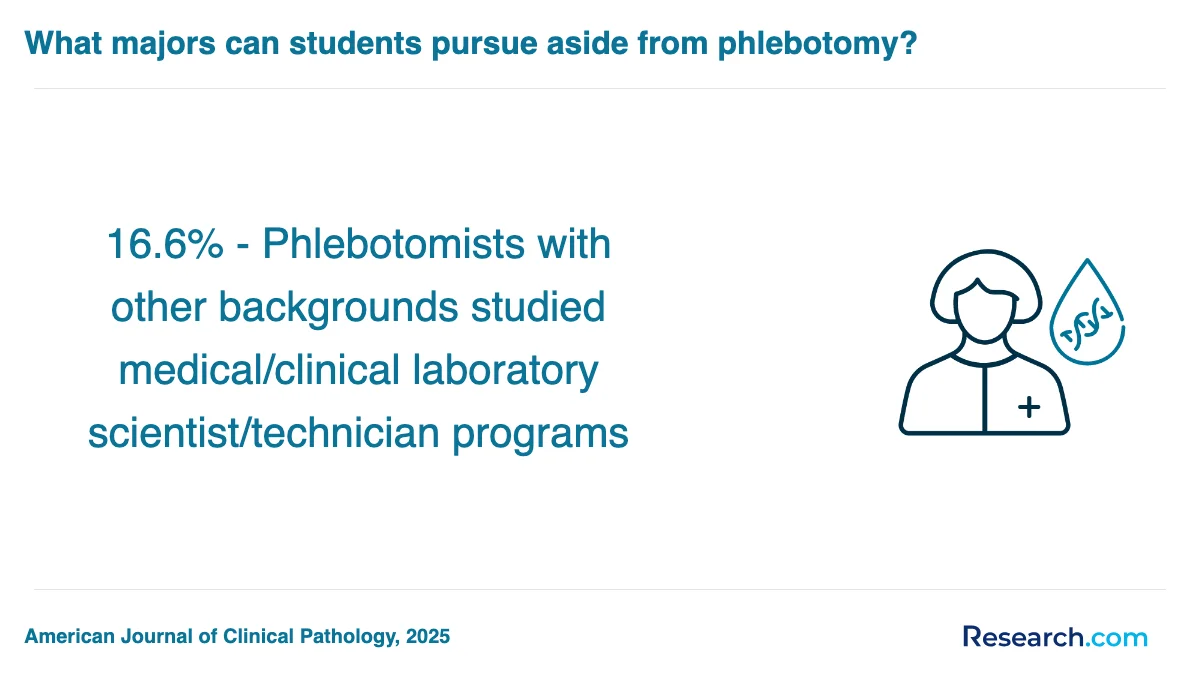
Graduates of phlebotomy technician trade school programs in Colorado can access diverse phlebotomy technician career opportunities in Colorado, notably in hospitals, clinics, and diagnostic laboratories. For instance, those completing certificate programs at respected institutions like Pikes Peak State College report job placement rates exceeding 90%, with roles averaging $37,220 annually as of 2025. These positions often involve specimen collection, infection control, and use of laboratory computer systems.
Beyond traditional phlebotomy, many graduates expand their skillsets to healthcare roles such as medical assistants, surgical technologists, or nursing students. The combination of clinical and administrative experience enhances advancement options for Colorado phlebotomy graduates keen to pursue broader allied health careers. Typical real-life examples include graduates transitioning into public health organizations and research labs, helping with data entry and quality assurance protocols.
Colorado graduates may also consider enrolling in a fast track phlebotomy technician certificate training program to accelerate credentialing and improve job market readiness, making them competitive candidates both statewide and nationally.
What is the job market for phlebotomy technician trade school graduates in Colorado?
The job market for phlebotomy technician trade school graduates in Colorado offers steady but moderately competitive opportunities. Most graduates quickly find roles in hospitals, clinics, and blood banks, performing vital tasks such as drawing blood and preparing lab samples. The phlebotomy technician job demand in Colorado is supported by ongoing needs in healthcare, but fewer companies are currently hiring compared to other states, making the market less active.
Wages reflect this stability with an average hourly pay around $21.26 and annual salaries between $35,639 and $45,906, depending on experience and certification. Graduates from popular Colorado trade schools often report satisfaction with their entry-level roles, noting clear pathways to advancement through obtaining additional certifications or specializing.
Key factors impacting success include:
- Certification, which can increase hourly wages up to $25.05
- Experience with diagnostic procedures and patient care
- Location, with Colorado Springs offering slightly higher pay around $24.26 per hour
Those weighing career options may find it useful to compare earnings with related fields; for example, see the phlebotomist vs ma salary to evaluate potential opportunities beyond phlebotomy technician roles.
Frequently Asked Questions about phlebotomy technician
After completing a phlebotomy technician trade school in Colorado, preparing for the job market involves several key steps. First, obtaining certification from recognized bodies like the National Phlebotomy Association or the American Society for Clinical Pathology can significantly boost employability. According to the Colorado Department of Labor, certified phlebotomists have better job prospects and higher average wages.
Networking with local healthcare providers and attending job fairs can help graduates find entry-level positions. Many Colorado employers prefer candidates with clinical experience, so seeking internships or externships during training is beneficial. Additionally, maintaining a clear and professional resume highlighting technical skills and certifications is essential for job applications.
Employers in Colorado highly value phlebotomy technician graduates who demonstrate strong technical proficiency and patient care skills. According to the Colorado Department of Labor and Employment, accurate blood collection and specimen handling are critical competencies for success in this field.
Attention to detail is essential, as phlebotomists must avoid contamination and ensure proper labeling of samples. Additionally, effective communication skills help technicians ease patient anxiety and explain procedures clearly.
Knowledge of safety protocols and infection control is also crucial, reflecting industry standards set by the National Center for Competency Testing.
Colorado employers often prefer candidates with certification from nationally recognized bodies, highlighting the importance of formal training and adherence to state regulations.
Finding internships relevant to phlebotomy technician trade school programs in Colorado involves several practical steps. Start by contacting your school's career services or internship coordinator, as many trade schools have established partnerships with local healthcare facilities. According to the Colorado Department of Labor and Employment, healthcare employers in cities like Denver and Colorado Springs often offer clinical placements for phlebotomy students.
Additionally, explore opportunities at hospitals, outpatient clinics, and blood donation centers, which frequently provide hands-on experience. Networking through professional organizations such as the American Society of Phlebotomy Technicians can also connect students with internship openings. Online platforms like Colorado's workforce development websites list relevant healthcare internships as well.
Obtaining a phlebotomy technician diploma from a Colorado trade school can significantly enhance career mobility and advancement opportunities. Graduates often meet state certification requirements, which are essential for employment in clinical settings. According to the Colorado Department of Higher Education, phlebotomy technicians with formal diplomas experience faster job placement rates compared to those without credentials.
Trade school programs teach practical skills and prepare students for certification exams like the National Phlebotomy Association. This certification can increase earning potential and open doors to specialized roles such as laboratory technicians or medical assistants. In Colorado, healthcare jobs, including phlebotomy, are projected to grow by 7% through 2030, highlighting the demand for qualified professionals.
Part-time job opportunities in Colorado that complement phlebotomy technician trade school education often include roles within healthcare settings such as medical assistant positions, laboratory aides, and patient service representatives. These jobs provide practical experience in clinical environments while helping students build essential skills like patient interaction, specimen handling, and data entry. According to the Colorado Department of Labor and Employment, healthcare support roles in the state are expected to grow by 14% through 2030, reflecting strong demand.
Working part-time in clinics, hospitals, or diagnostic labs allows students to familiarize themselves with medical protocols and improve their technical proficiency. Additionally, some facilities may offer flexible schedules, accommodating class commitments. These experiences enhance employability upon program completion and certification.
Yes, there are reputable phlebotomy technician programs available near Colorado that can help you acquire the necessary skills and certification to work in the field. Research.com can be a helpful resource to identify programs near me, offering insights into educational institutions with strong phlebotomy training. Various community colleges and vocational schools in Colorado offer these programs, providing a comprehensive education in both clinical and theoretical aspects of phlebotomy.
Related Phlebotomy Technician Rankings for Nearby States
- Best Phlebotomy Technician Training Programs & Trade Schools - Top Phlebotomy Tech Schools in Kansas for 2026
- Best Phlebotomy Technician Training Programs & Trade Schools - Top Phlebotomy Tech Schools in New Mexico for 2026
- Best Phlebotomy Technician Training Programs & Trade Schools - Top Phlebotomy Tech Schools in Utah for 2026
- Best Phlebotomy Technician Training Programs & Trade Schools - Top Phlebotomy Tech Schools in Oklahoma for 2026
- Best Phlebotomy Technician Training Programs & Trade Schools - Top Phlebotomy Tech Schools in Arizona for 2026
- Best Phlebotomy Technician Training Programs & Trade Schools - Top Phlebotomy Tech Schools in Texas for 2026
- Best Phlebotomy Technician Training Programs & Trade Schools - Top Phlebotomy Tech Schools in South Dakota for 2026
- Best Phlebotomy Technician Training Programs & Trade Schools - Top Phlebotomy Tech Schools in Arkansas for 2026
- Best Phlebotomy Technician Training Programs & Trade Schools - Top Phlebotomy Tech Schools in California for 2026
- Best Phlebotomy Technician Training Programs & Trade Schools - Top Phlebotomy Tech Schools in Minnesota for 2026
Top Trending Rankings
References
- Phlebotomy Certification Denver Colorado — NPS https://npscerts.com/phlebotomy-certification-denver-colorado/
- Phlebotomy Certificate - Colorado Mountain College https://coloradomtn.edu/programs/phlebotomy-certificate/
- Phlebotomy Certificate - Training and Courses https://www.frontrange.edu/programs-courses/program-list/phlebotomy.html
- Phlebotomy | Community College of Denver https://www.ccd.edu/program/phlebotomy
- Phlebotomy | Red Rocks Community College https://www.rrcc.edu/academic-programs/phlebotomy
- Colorado Phlebotomy Training School Classes - Phlebotomy USA https://www.phlebotomyusa.com/colorado-phlebotomy-schools/
- Phlebotomy | Pikes Peak State College https://www.pikespeak.edu/programs/phlebotomy/index.php
- Phlebotomy Technician Certificate Program https://pmi.edu/on-campus-programs/certificate/phlebotomy-technician/
- Phlebotomy | Morgan Community College https://www.morgancc.edu/area-of-study/phlebotomy/
- Phlebotomy Certificate | Aims Community College https://www.aims.edu/degrees-certificates/phlebotomy-certificate


