
Most Affordable Phlebotomy Technician Schools & Training - Budget-Friendly Phlebotomy Tech Trade Programs in Midwest for 2026

Co-Founder and Chief Data Scientist
Choosing the right phlebotomy technician trade school in the Midwest can feel overwhelming, but it doesn’t have to be. This article introduces a carefully crafted ranking of phlebotomy technician trade school programs created by the Research.com team of data scientists to guide you in making an informed decision.
By exploring affordable and reputable programs, you’ll discover options that fit your goals and budget. Earning a diploma or certification opens doors to rewarding healthcare careers, offering stability and growth. Let this guide support your journey toward a fulfilling future.
Key benefits of finishing phlebotomy technician trade school in Midwest
- Graduates can expect an average salary ranging from $37,000 to $47,000 per year, with hourly wages typically between $18.00 and $22.50, offering a solid income right after finishing school.
- Career paths include working in hospitals, outpatient care centers, and diagnostic labs, just like many successful graduates from top Midwest trade schools who find steady, rewarding jobs quickly.
- Completing a phlebotomy technician program online offers flexibility and faster entry into the workforce, as many online graduates from Midwest programs appreciate balancing studies with their personal lives while gaining valuable skills.
What can I expect from phlebotomy technician trade schools in Midwest?
Jumping into a phlebotomy technician trade school program in the Midwest means diving headfirst into hands-on learning that feels like real healthcare from day one. Graduates from places like Midwestern Career College often recall the buzz of performing their first venipuncture after just weeks of practice, blending classroom theory with lab work and clinical hours. Expect to master blood collection, safety protocols, and patient communication-skills you'll use every shift. Rock Valley College students describe the intensity of their 16 to 24-week programs, where logging 100 punctures in clinical settings isn't just a goal, it's a rite of passage.
Classes are small, often 10 to 30 peers, making it easier to build confidence and get personalized feedback. Most programs wrap up quickly-between 8 and 24 weeks-meaning you're ready to take national certification exams or start working fast. Prepare for a mix of textbooks, hands-on drills, and real-world challenges that keep the learning dynamic and exciting.
Where can I work after finishing phlebotomy technician trade schools in Midwest?
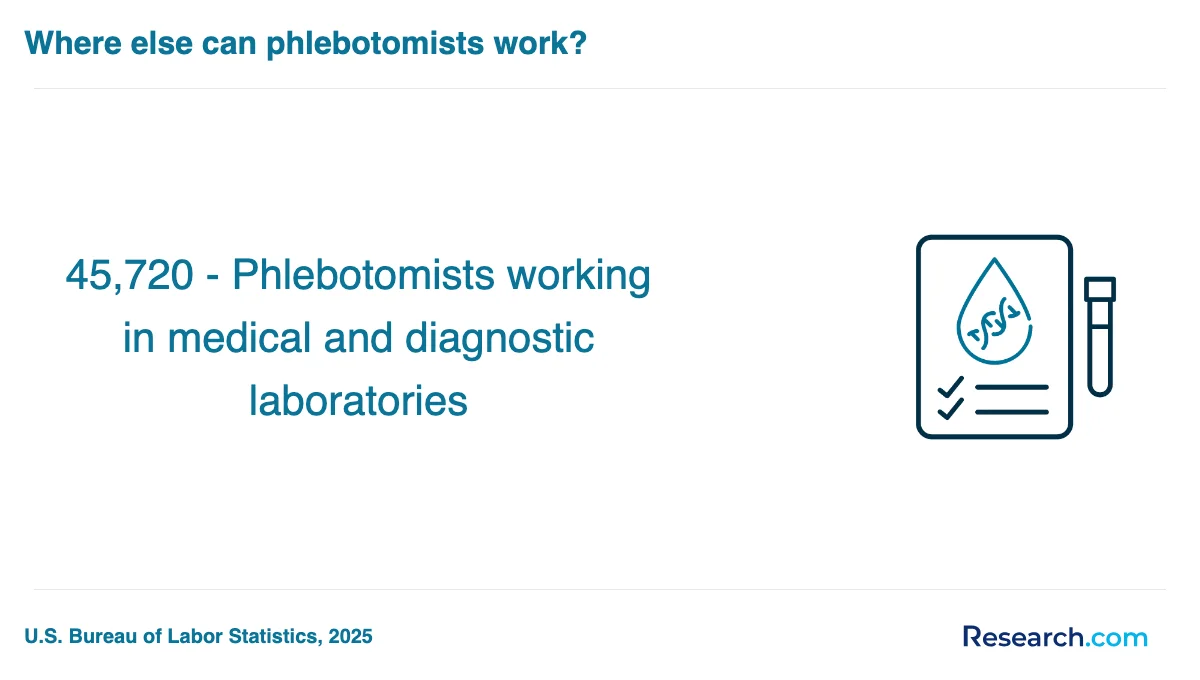
After finishing a phlebotomy technician trade school program in the Midwest, graduates find themselves stepping into a surprisingly diverse job market. Imagine clocking in at a bustling hospital in Chicago, drawing blood amidst the hum of emergency rooms and busy nurses. Others land roles in private clinics or diagnostic labs where every vial collected plays a part in a life-saving diagnosis. Many graduates from well-known Midwest trade schools share stories of joining plasma donation centers or blood banks-places where their work directly supports community health and research.
Some even discover unexpected paths, like working in veterinary clinics, drawing blood from animals, or assisting research institutions where their samples contribute to groundbreaking medical studies. The Midwest's mix of urban hubs and rural towns means you could be working in a high-tech hospital or a smaller community center, with wages reflecting these settings.
Graduates often talk about the rewarding feeling of tangible impact, whether it's a steady paycheck starting above $28,000 or the respect gained in healthcare environments across Illinois, Indiana, Iowa, and beyond.
How much can I make after finishing phlebotomy technician trade schools in Midwest?
Fresh out of a phlebotomy technician trade school in the Midwest, you're looking at an average starting wage of about $18 to $22 per hour. Imagine clocking in at a bustling hospital or outpatient center in Illinois and seeing your paycheck reflect anywhere from $37,000 to $47,000 annually-not bad for launching your career! Graduates from popular Midwest trade schools often share how this pay felt like a breath of fresh air, especially when they saw their first paycheck after months of hands-on training.
In places like Minneapolis, the average hourly wage hovers around $19.53, which means your skill set is genuinely valued across the region. One graduate recalled landing a spot at a busy diagnostic lab, where certified techs earned more, sometimes pushing past $50,000 a year when factoring in night shift bonuses and overtime.
Certification really turns the dial up on your earning potential. Those who get certified often step into supervisory roles or specialized lab positions, boosting their income beyond the starting line. Plus, working in larger healthcare systems in the Midwest usually means better pay than smaller clinics.
Most Affordable Phlebotomy Technician Schools & Training - Budget-Friendly Phlebotomy Tech Trade Programs in Midwest for 2026
# 1 position
Moraine Valley Community College - Phlebotomy Technician/Phlebotomist.
certificate or diplomaMoraine Valley Community College offers a hybrid Phlebotomy Technician/Phlebotomist program preparing students to draw blood samples using various techniques. The curriculum covers vascular anatomy, blood physiology, venipuncture, specimen handling, safety, and regulations. In-state tuition is $3,822 annually. Graduates have median earnings of $22,433 one year after completion. The program is accredited by the Higher Learning Commission.
# 2 position
Schoolcraft Community College District - Phlebotomy Technician/Phlebotomist.
certificate or diplomaSchoolcraft Community College District offers a hybrid Phlebotomy Technician/Phlebotomist program designed to prepare students to draw blood samples under medical supervision. The curriculum covers vascular anatomy, blood physiology, skin puncture, venipuncture, specimen handling, safety, and regulatory standards. The program’s annual in-state tuition is $4,448. Graduates earn a median salary of $18,065 one year after completion. It is accredited by the Higher Learning Commission.
# 3 position
Northwest State Community College - Phlebotomy Technician/Phlebotomist.
certificate or diplomaNorthwest State Community College offers a Hybrid Phlebotomy Technician/Phlebotomist program that trains students to draw blood samples under medical supervision. The curriculum covers vascular anatomy, physiology, venipuncture, skin puncture, specimen handling, and safety procedures. Annual in-state tuition is $4,578. Graduates earn a median salary of $27,702 one year after completion. The program is accredited by the Higher Learning Commission.
# 4 position
Ivy Tech Community College - Phlebotomy Technician/Phlebotomist.
certificate or diplomaIvy Tech Community College offers a hybrid Phlebotomy Technician/Phlebotomist program that trains students to draw blood samples using various techniques under healthcare supervision. The curriculum covers vascular anatomy, blood physiology, venipuncture, specimen handling, safety, and regulations. Annual in-state tuition is $4,912. Graduates earn a median salary of $23,166 one year after completion. The program is accredited by the Higher Learning Commission.
# 5 position
City Colleges of Chicago-Malcolm X College - Phlebotomy Technician/Phlebotomist.
certificate or diplomaThe Phlebotomy Technician/Phlebotomist program at City Colleges of Chicago-Malcolm X College offers a hybrid format with some distance education options. It prepares students to draw blood samples using various techniques, covering vascular anatomy, blood physiology, and safety procedures. The program is accredited by the Higher Learning Commission. Annual in-state tuition is $4,380, and median earnings one year after completion are $26,947.
# 6 position
Waukesha County Technical College - Phlebotomy Technician/Phlebotomist.
certificate or diplomaWaukesha County Technical College offers a hybrid Phlebotomy Technician/Phlebotomist program that trains students to draw blood samples using various techniques under professional supervision. The curriculum covers vascular anatomy, blood physiology, skin puncture, venipuncture, specimen handling, safety, and regulatory standards. Annual in-state tuition is $4,720. Graduates have a median earning of $33,784 one year after completion. The program is accredited by the Higher Learning Commission.
# 7 position
Saint Paul College - Phlebotomy Technician/Phlebotomist.
certificate or diplomaSaint Paul College offers a hybrid Phlebotomy Technician/Phlebotomist program designed to train individuals to draw blood samples using various techniques under professional supervision. The curriculum covers vascular anatomy, blood physiology, venipuncture, specimen handling, safety procedures, and related regulations. The program’s annual in-state tuition is $6,318, and graduates have median earnings of $40,232 one year after completion. It is accredited by the Higher Learning Commission.
# 8 position
Milwaukee Area Technical College - Phlebotomy Technician/Phlebotomist.
certificate or diplomaMilwaukee Area Technical College offers a hybrid Phlebotomy Technician/Phlebotomist program designed to prepare students to draw blood samples under professional supervision. The curriculum covers vascular anatomy, blood physiology, skin puncture, venipuncture, specimen handling, safety, and regulatory standards. Annual in-state tuition is $5,017. Graduates have a median earning of $19,344 one year after completion. The program is accredited by the Higher Learning Commission.
# 9 position
Oakland Community College - Phlebotomy Technician/Phlebotomist.
certificate or diplomaOakland Community College offers a Phlebotomy Technician/Phlebotomist program with a hybrid format, combining in-person and distance education. The program trains students to draw blood samples using various techniques and covers vascular anatomy, blood physiology, safety, and regulations. Annual in-state tuition is $3,020. The program is accredited by the Higher Learning Commission.
# 10 position
Western Nebraska Community College - Phlebotomy Technician/Phlebotomist.
certificate or diplomaWestern Nebraska Community College offers a hybrid Phlebotomy Technician/Phlebotomist program preparing students to draw blood samples under medical supervision. The curriculum covers vascular anatomy, blood physiology, venipuncture, specimen handling, safety, and regulations. Annual in-state tuition is $3,000. The program is accredited by the Higher Learning Commission, providing essential skills for careers in blood collection and related healthcare roles.
Key Findings
- Most programs require a high school diploma or GED, applicants to be at least 18 years old, and proof of immunizations, physical exam, background check, and drug screening.
- Program length varies from 7 to 24 weeks and includes lecture, lab skills, and a clinical externship or practicum with hands-on experience.
- Accreditation by NAACLS or CAAHEP is important for meeting industry standards and qualifying for national certification exams like the ASCP-PBT.
- Tuition typically costs around $2,100 but varies by program length and location; some programs may not offer federal financial aid.
- Job growth for phlebotomy technicians is projected at 8% nationally from 2023 to 2033, with entry-level salaries in the Midwest starting between $35,000 and $38,000 per year.
How long does it take to complete phlebotomy technician trade schools in Midwest?
In the Midwest, most phlebotomy technician trade school programs wrap up within a brisk 4 to 8 weeks. Imagine diving into your studies at a well-known trade school, where the classroom buzzes with eager students all sharing the same goal: mastering the art of drawing blood efficiently and compassionately. Graduates often recall how the fast-paced yet supportive environment kept their energy high, making the time fly.
One graduate from a popular Chicago trade school shared how the condensed schedule meant weekends filled with hands-on labs, where every needle stick brought confidence and excitement. Another from a Detroit-based program loved the balance of classroom theory with real-world practice, all packed tightly into just over a month, which allowed them to jump into job interviews quickly.
The compact timeline is perfect for Midwest students who want to start earning without lingering in school too long. Trade schools here streamline the process, letting you learn the skills you need and get certified fast, turning your ambition into action in no time.
What's the difference between online and on-campus phlebotomy technician trade school programs?
Picture this: you're at Rock Valley College in Illinois, diving into a 24-week in-person phlebotomy program. You're not just reading about blood draws-you're rolling up your sleeves in labs and clocking 100 hours of real-world clinical practice, pricking veins under instructor watchful eyes. The buzz of classmates sharing tips and the immediate feedback from teachers create a hands-on vibe that feels like training in the heart of the medical world. Graduates rave about this immersive experience, saying it builds confidence fast.
Now, switch gears to an online program partnered with ed2go. Here, flexibility is king. You watch video demos and practice with a lab kit sent to your home, fitting lessons around your life's chaos. But when it comes to the clinical hours, you're on your own to find a local site. Some grads celebrate the freedom to learn anywhere, while others admit the hunt for practicum placements tested their patience. Still, both paths gear you up for national certification, but choosing between the two means weighing hands-on certainty against remote convenience.
What is the average cost of phlebotomy technician trade schools in Midwest?
If you're scoping out phlebotomy technician trade school programs in the Midwest, expect tuition fees to dance somewhere between $800 and $2,350, depending on the school's vibe and what's bundled in. Graduates from Midwest Technical Institute rave about its immersive 5-week, 100-clock-hour course, which clocks in at $2,350 including books and supplies. That price tag feels like an upfront investment in a sharper career edge, making the jump into healthcare smoother.
On the other end, Chicago graduates from Chicago Instruction Center for Career Development smile at their $825 tuition, though they remind you $250 registration and extra fees for supplies can quietly pile up. It's the classic trade-off between a budget-friendly path and the full package of course perks. Meanwhile, learners from Midwestern Career College navigate a 120-hour program with tuition around $1,990 plus books and fees, feeling confident that more classroom hours enrich their skills.
What's striking is how these examples illustrate the average cost phlebotomy technician programs Midwest wide - a range shaped by hours, hybrid options (hello, FSTE Health Care Training Academy's 6-week mix), and included materials. Prospective students often describe the challenge of balancing tuition fees Midwest has to offer against living costs and certifications, which add layers to the total expense.
For those eyeing the quickest certified phlebotomy technician program, the Midwest landscape is rich with options that blend affordability and quality. Remember, tuition fees Midwest can feel less daunting when framed as a doorway to a rewarding healthcare career, backed by real grads who thrived after training.
What financial aid is available for phlebotomy technician trade schools in Midwest?
Imagine starting your phlebotomy journey at Midwest Technical Institute (MTI), where federal student aid is like a safety net catching you before tuition costs weigh you down. Graduates often recall filling out the FAFSA, unlocking Pell Grants that felt like free money, and federal loans that didn't haunt them with impossible repayments. Some even juggled work-study jobs on campus, earning while they learned the art of drawing blood.
Not every program in the Midwest enjoys this federal safety net-take Midwestern Career College in Chicago, where students hustle harder to find scholarships or local grants since federal aid isn't an option. But many schools offer their own lifelines: scholarships, tuition waivers, and flexible payment plans tailored for phlebotomy students. Graduates say these options transformed their financial stress into confidence, making the dream of a healthcare career tangible.
And don't overlook local healthcare agencies or state programs-they often step in as unexpected allies, sponsoring eager students eager to make a difference in their communities.
What are the prerequisites for enrolling in phlebotomy technician trade schools in Midwest?
Enrolling in a phlebotomy technician trade school program in the Midwest usually means clearing a few straightforward but important hurdles that set you up for success. Most popular trade schools there expect applicants to have:
- A high school diploma or GED-this is the bare minimum, proving you have the foundational skills to handle medical training.
- Proof of residency or citizenship, especially for public or state-subsidized programs in Illinois, Ohio, or Missouri.
- Basic immunization records, like Hepatitis B and MMR, because you'll be working with blood and bodily fluids, and schools want you safe and ready.
- A background check and sometimes drug screening, reflecting the real-world responsibility of handling patient care.
One graduate from a Chicago trade school shared how having these boxes checked made the transition smoother; she walked into clinical rotations confident, not scrambling to catch up on paperwork. Another from Cleveland emphasized how the immunization process felt less like a chore and more like a rite of passage, signaling her readiness to join the healthcare world.
These prerequisites might seem like small steps, but they build a solid foundation. Midwest trade schools pride themselves on preparing students for a hands-on career, and meeting these requirements early means you focus fully on mastering the art of drawing blood and patient interaction once classes begin.
What are the typical courses in phlebotomy technician trade schools in Midwest?
Imagine stepping into a Midwest trade school classroom where the buzz of learning meets the steady rhythm of practiced hands. Phlebotomy technician programs here dive deep into the art and science of blood collection, with courses that feel like a backstage pass to healthcare. Graduates from popular schools like Northcentral Technical College and Mid-State Technical College often recall mastering venipuncture and capillary puncture-skills that transformed nervous first attempts into confident, life-saving precision.
Typical courses include:
- Blood collection techniques: Drawing blood from veins, fingers, or heels, with a strong focus on patient comfort and safety.
- Specimen processing: Labeling, handling, and prepping samples so labs get accurate results every time.
- Medical ethics and professional behavior: Learning confidentiality and legal guidelines to protect patients and build trust.
- Clinical practicum: 100 hours of hands-on experience in real healthcare settings, where theory meets the pulse of reality.
- Customer service and communication: Explaining procedures clearly and easing patient nerves like a pro.
These courses combine to create a journey that Midwest students describe as challenging yet deeply rewarding-a transformation from curious learner to skilled phlebotomy technician ready to make a difference.
What are the available specializations in phlebotomy technician trade schools in Midwest?
Phlebotomy technician specializations in Midwest trade schools dive deep into crucial skill sets that graduates rely on daily in bustling healthcare settings. Imagine mastering the art of venipuncture procedures while confidently handling blood cultures during a hectic hospital shift-this is part of what Midwest phlebotomy training program specializations prepare you for. Popular programs like those at Midwest Technical Institute equip students with hands-on expertise in quality assessment and infection control, ensuring you're primed to safeguard patient safety.
Graduates from Kansas City School of Phlebotomy often share how their training in pediatric & geriatric procedures and point-of-care collections gave them an edge when facing the unique needs of diverse patients. Key skills include:
- Venipuncture and skin puncture techniques
- Specimen handling and order of draw protocols
- Medical terminology and legal ethics
Students frequently cite how these focused areas build confidence and adaptability, turning classroom knowledge into real-world readiness. Curious about efficient ways to boost your career in this field? Consider exploring short high paying medical certifications that complement phlebotomy training perfectly.
How do you choose the best phlebotomy technician trade school program in Midwest?
Choosing the best phlebotomy technician trade school program in Midwest means diving into the heart of hands-on learning. Graduates from popular colleges like those in Chicago or Kansas City rave about programs where real blood draws and patient interactions aren't an afterthought but the main event. Imagine stepping into a lab where the buzz of practical training matches the excitement of your first successful vein stick-this is what separates the average from the exceptional.
Look for schools offering flexible schedules that fit Midwest lifestyles, whether you're balancing work or family. Graduates often mention how programs grounded in local healthcare settings prepare them better for regional job markets, making your transition from student to technician smoother.
Also, don't confuse phlebotomy with other medical roles-understanding the difference between phlebotomist and medical assistant can save you time and ensure you pick the program that truly matches your career goals.
What career paths are available for phlebotomy technician trade school graduates in Midwest?
Midwest phlebotomy technician trade school graduates often leap into dynamic entry-level roles that bring them face-to-face with real healthcare heroes-from bustling hospital labs to community blood donor centers and quiet outpatient offices. Graduates share stories of landing jobs at places like the Red Cross or the Mississippi Valley Regional Blood Center, where their skills directly impact patient care every day. These thriving environments spark excitement and confidence, proving that phlebotomy technician career opportunities in Midwest aren't just plentiful-they're a launchpad for a fulfilling, hands-on healthcare journey.
Many graduates never stop growing. With additional certifications and education from popular trade schools, such as those in Illinois and surrounding states, they step into advanced healthcare jobs for Midwest phlebotomy graduates that include:
- Medical lab technician roles requiring associate degrees
- Medical technologists with bachelor's degrees
- Specialized paths like donor phlebotomy technician or phlebotomy specialist
- Expanded careers as EKG technicians, medical assistants, or registered nurses
Those curious about the broad horizons will benefit from exploring hardest and easiest medical specialties to weigh their options after phlebotomy training and chart a path that matches their passion and pace.
What is the job market for phlebotomy technician trade school graduates in Midwest?
The phlebotomy technician job outlook Midwest 2026 shines bright with steady growth and abundant opportunities. Graduates from well-known Midwest trade schools often share stories of immediate call-backs from hospitals and clinics eager to snap up skilled technicians. Imagine completing your certification and landing a role at a bustling Chicago hospital, where thousands of jobs are concentrated, or joining a close-knit diagnostic lab in Minnesota, where your efforts directly support patient care every day.
Entry-level wages start strong-around $28,000 annually in Minnesota-and climbing with experience. Job postings from suburban West Saint Paul reveal hourly pay between $23 and $28, highlighting the clear financial upside. Graduates highlight these positive salary and employment trends Midwest as a major motivation driving their commitment.
Popular trade schools aren't just about training; they foster connections to local employers through internships and network events. Many grads find themselves in positions with healthcare benefits and room for growth. For students aiming to jumpstart their careers without breaking the bank, exploring the cheapest online phlebotomy technician certificate programs can be a smart, flexible path forward.
Frequently Asked Questions about phlebotomy technician
After completing a phlebotomy technician trade school in the Midwest, preparing for the job market involves several key steps. First, obtaining certification is crucial. Most employers prefer candidates certified by organizations like the National Phlebotomy Association or the American Society for Clinical Pathology. In the Midwest, certification can improve job prospects and potentially increase starting salaries.
Next, gaining clinical experience through internships or externships offered by trade schools helps build practical skills and professional connections. Networking with local healthcare providers and attending job fairs in cities such as Chicago, Minneapolis, or St. Louis can also open employment opportunities.
Finally, staying informed about regional employment trends is important. According to the Bureau of Labor Statistics, phlebotomy technician jobs in the Midwest are projected to grow by about 17% between 2022 and 2032, indicating strong demand. Tailoring resumes to highlight hands-on experience and certifications enhances competitiveness in this growing field.
Employers in the Midwest prioritize several key skills when hiring phlebotomy technician trade school graduates. Technical proficiency in venipuncture and capillary puncture is essential, ensuring safe and accurate blood collection. According to the Bureau of Labor Statistics, attention to detail reduces patient discomfort and lab errors, which are critical in healthcare settings.
Strong communication skills are also vital. Technicians must explain procedures clearly to patients and collaborate effectively with medical staff. The National Healthcareer Association highlights that employers seek candidates with professionalism and empathy, particularly when working with diverse populations common in Midwest clinics.
Additionally, knowledge of infection control protocols and proper specimen handling ranks highly. Mastery of these skills helps maintain workplace safety and comply with regulatory standards like OSHA.
Finding internships relevant to phlebotomy technician trade school programs in the Midwest involves several strategic steps. Start by contacting your trade school's career services or internship coordinator, as many schools have partnerships with local hospitals, clinics, and laboratories. These partnerships often provide structured internship opportunities that meet certification requirements.
Another effective approach is to reach out directly to healthcare facilities in your area. According to the National Healthcare Career Association, about 65% of phlebotomy internships in the Midwest are offered through hospital systems, making this a key focus.
Utilize regional job boards and healthcare-focused platforms, such as the Midwest Healthcare Career Network, which lists available internships and entry-level positions. Networking with professionals via local healthcare associations can also open doors.
Remember to verify that any internship aligns with your state's certification requirements, which vary across Midwest states like Illinois, Ohio, and Michigan.
Obtaining a phlebotomy technician diploma from a trade school in the Midwest can significantly enhance career mobility and advancement. Many healthcare facilities in this region require formal certification for employment, making a diploma a key credential. According to the U.S. Bureau of Labor Statistics, phlebotomy technician jobs in Midwest states like Illinois, Ohio, and Michigan are expected to grow by 10% through 2032, reflecting steady demand.
A diploma program typically covers essential skills and clinical practice, which employers value for ensuring patient safety and accuracy. Graduates often qualify for certification exams such as the National Phlebotomy Association, improving job prospects. Additionally, a diploma can open pathways to supervisory roles or further healthcare education, supporting upward mobility in this stable field.
Part-time job opportunities that complement phlebotomy technician trade school education in the Midwest include roles such as medical assistant, lab aide, and patient care technician. These positions provide practical experience with patient interaction and specimen handling, essential skills for phlebotomists. According to the U.S. Bureau of Labor Statistics, healthcare support jobs in the Midwest are expected to grow by 14% from 2022 to 2032, offering steady part-time employment options.
Hospitals, clinics, and diagnostic laboratories in states like Illinois, Ohio, and Michigan often hire part-time workers with basic medical training. This allows students to apply classroom knowledge in real-world settings while earning income.
To choose the most affordable Phlebotomy Technician degree program near me in Midwest, start by identifying accredited local community colleges and vocational schools that offer recognized phlebotomy certifications or degree programs. Research.com can be a helpful resource to compare tuition rates and program lengths, ensuring that you find a budget-friendly option that meets your educational needs. Additionally, exploring programs and universities near Midwest that provide financial aid opportunities can further assist in making your education more affordable.
Top Trending Rankings
References
- Phlebotomy Technician | Phlebotomy Program http://mccollege.edu/phlebotomy-technician/
- 5-week Phlebotomy Training | Illinois & Missouri https://www.midwesttech.edu/programs/phlebotomy-course/
- Phlebotomy Certification Programs and Training Class | NMC https://www.methodistcollege.edu/allied-health/certificates/phlebotomy
- Phlebotomy | Mid Michigan College - Harrison, MI - Mt. Pleasant, MI - Online https://midmich.edu/degrees-programs/short-term-training/phleb
- Phlebotomy Program | College of DuPage https://www.cod.edu/academics/programs/phlebotomy/
- Home - Northwest Phlebotomy School - Northwest Phlebotomy School https://www.nwphlebotomyschool.com/
- Phlebotomy Technician Program | Mid-State Technical College https://www.mstc.edu/programs/Phlebotomy-Technician
- Phlebotomy - City Colleges of Chicago https://www.ccc.edu/malcolm-x/departments/phlebotomy/
- Phlebotomy Technician Course | Kirtland Community College https://www.kirtland.edu/programs-we-offer/phlebotomy-technician-course/
- Phlebotomy Technician Technical Diploma | Northcentral Technical College https://www.ntc.edu/academics-training/programs/all/technical-diploma/phlebotomy-technician


