
Best Phlebotomy Technician Training Programs & Trade Schools - Top Phlebotomy Tech Schools in South Dakota for 2026

Co-Founder and Chief Data Scientist
Choosing the right phlebotomy technician trade school in South Dakota can feel overwhelming. This article makes that decision easier by featuring a ranking of top programs, carefully created by the Research.com team of data scientists. Their data-driven approach helps highlight which schools offer the best opportunities for students.
Whether you’re starting a new career or seeking certification, earning a diploma in phlebotomy opens doors to rewarding healthcare jobs. Reading this guide will help you find programs that fit your goals and set you up for success.
Key benefits of finishing phlebotomy technician trade school in South Dakota
- Graduates of phlebotomy technician trade schools in South Dakota can expect starting salaries between $16 and $20 per hour, with experienced professionals earning up to $28 hourly or about $45,000 annually in cities like Sioux Falls.
- A graduate from a popular South Dakota trade school can pursue roles in hospitals, clinics, or labs, opening doors to steady employment and growth in the healthcare field.
- Completing a phlebotomy technician program online offers flexibility and convenience, allowing graduates to balance work or family while gaining skills faster than traditional degree routes.
What can I expect from phlebotomy technician trade schools in South Dakota?
Expect a hands-on, fast-paced education when enrolling in a phlebotomy technician trade school program in South Dakota. At popular schools like Southeast Technical College in Sioux Falls, graduates often share how the one-semester certificate program quickly equipped them with essential skills, such as venipuncture and specimen handling, that they confidently apply in real clinical settings.
Students balance classroom learning with practical training, gaining comfort in drawing blood and interacting with patients-skills praised by graduates who highlight how the programs reduce patient anxiety through compassionate care techniques. Clinical rotations at local hospitals or labs provide invaluable real-world experience, helping students adapt to professional healthcare environments and build confidence.
Many programs require bringing a laptop for digital coursework, reflecting a modern approach to phlebotomy education. While state licensing isn't mandatory, completing accredited programs and pursuing national certification through agencies like NHA or NPS greatly enhances job prospects. Graduates often appreciate this focused, supportive training that gets them workforce-ready in under a year.
Where can I work after finishing phlebotomy technician trade schools in South Dakota?
After completing a phlebotomy technician trade school program in South Dakota, many graduates find steady work in hospitals, which are the primary employers for this role. These settings provide hands-on experience drawing blood for tests, transfusions, and donations, offering a fast-paced environment where skills sharpen quickly. Graduates from popular local trade schools often share how rewarding it feels to contribute directly to patient care while gaining confidence in clinical procedures.
Medical laboratories are another common career path. Here, technicians handle blood collection and specimen processing in a more controlled setting, often enjoying a regular schedule. Graduates appreciate how their training from South Dakota trade schools prepares them to step into lab assistant roles, where attention to detail and accuracy matter most.
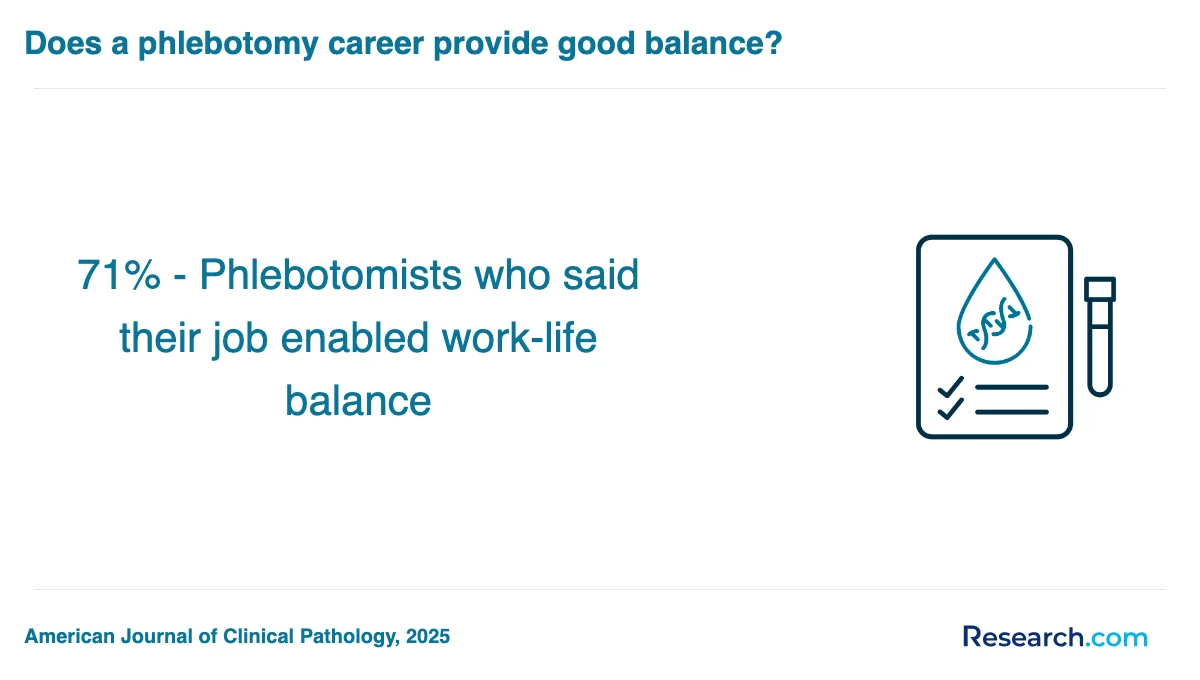
Outpatient clinics and physician offices offer a different work-life balance, with more predictable hours and closer patient interaction. Some graduates find this setting ideal after training in South Dakota, enjoying the personal connections they build during routine blood draws.
Additionally, plasma donation centers like BioLife Plasma Services actively recruit phlebotomy graduates, providing opportunities to work with donors in a community-focused environment. Mobile blood units and community health events also hire part-time technicians, which appeals to those seeking flexible schedules after completing their South Dakota trade school program.
How much can I make after finishing phlebotomy technician trade schools in South Dakota?
After finishing a phlebotomy technician trade school program in South Dakota, graduates typically start earning around $15.47 to $17 per hour. Many from popular trade schools in the state share how landing entry-level positions paying about $31,000 annually felt like a solid step into healthcare. With steady work, their wages often rise to the $21 to $25 per hour range, translating to roughly $44,000 a year. This growth comes with experience and certification upgrades, which several graduates have found motivating as they see their paychecks improve.
The difference between cities can be noticeable; for example, graduates working in Sioux Falls might see starting salaries near $31,500, while those in Rapid City often earn close to $32,440. Some with more skill or supervisory roles report hourly wages up to $30, showcasing a clear path for advancement. These realistic examples from South Dakota trade school alumni show that while the starting pay is modest, the opportunity for steady income growth is promising and achievable.
Best Phlebotomy Technician Training Programs & Trade Schools - Top Phlebotomy Tech Schools in South Dakota for 2026
# 1 position
Southeast Technical College - Phlebotomy Technician/Phlebotomist.
certificate or diplomaSoutheast Technical College offers a hybrid Phlebotomy Technician/Phlebotomist program that prepares students to draw blood samples using various techniques under medical supervision. The curriculum covers vascular anatomy, blood physiology, venipuncture, specimen handling, safety, and sanitation. Annual in-state tuition is $7,650. The program is accredited by the Higher Learning Commission and includes some distance-education options for flexible learning.
# 2 position
Western Dakota Technical College - Phlebotomy Technician/Phlebotomist.
certificate or diplomaWestern Dakota Technical College offers a hybrid Phlebotomy Technician/Phlebotomist program that prepares students to collect blood samples using various techniques under healthcare supervision. The curriculum covers vascular anatomy, blood physiology, skin puncture, venipuncture, specimen handling, safety, and regulatory standards. The program's annual in-state tuition is $8,008. It is accredited by the Higher Learning Commission.
# 3 position
South Dakota State University - Phlebotomy Technician/Phlebotomist.
certificate or diplomaSouth Dakota State University offers a fully online Phlebotomy Technician/Phlebotomist program designed to train individuals to draw blood samples safely and accurately under medical supervision. The curriculum covers vascular anatomy, blood physiology, venipuncture, skin puncture techniques, specimen handling, and safety procedures. The annual in-state tuition is $9,299. The program is accredited by the Higher Learning Commission.
Key Findings
- Most programs require a high school diploma or GED for admission and may ask for college transcripts if transferring.
- Programs typically last one semester with 10-11 credit hours, including 40-80 hours of classroom instruction and 20-40 hours of clinical training.
- Students must complete at least 30 successful blood draws and 10 capillary sticks to demonstrate competency.
- South Dakota does not require state licensure, but certification is preferred, with exam costs around $200 including study materials.
- Tuition is generally affordable, with additional costs for textbooks, lab fees, and a personal laptop.
- Starting salaries range from $30,000 to $36,000 annually, with experienced phlebotomists earning up to $40,000 or more.
How long does it take to complete phlebotomy technician trade schools in South Dakota?
Completing a phlebotomy technician trade school program in South Dakota typically takes between 4 to 8 weeks, depending on the school's schedule and program intensity. Many students at popular trade schools in Sioux Falls and Rapid City share that this compact timeline fits well with their busy lives, allowing them to start their careers quickly without sacrificing quality training.
Graduates often describe the experience as both fast-paced and rewarding, with hands-on practice sessions that build real confidence. For example, students at trade schools in South Dakota benefit from a mix of classroom instruction and clinical practice, which helps them feel prepared for certification exams and actual workplace scenarios.
One graduate recalled balancing work and study, appreciating how the program's focused structure let them complete training before starting a new job in healthcare. This short duration makes phlebotomy an accessible option for those eager to enter the medical field without years of schooling.
What's the difference between online and on-campus phlebotomy technician trade school programs?
On-campus phlebotomy programs in South Dakota, like those at Southeast Technical College and South Dakota State University, focus on hands-on learning with face-to-face instruction. Graduates often recall the confidence they gained from performing venipuncture and dermal punctures under direct supervision, plus the real-world experience during their clinical hours at local healthcare facilities. These programs require attending 40-80 classroom hours and 20-40 clinical hours on site, creating a structured environment where students can ask questions instantly and get immediate feedback.
Online phlebotomy programs offer flexibility by delivering theory-such as anatomy and medical terminology-through virtual classes or self-paced modules. However, students must independently arrange clinical training at approved local facilities after completing online coursework. Graduates appreciate the convenience but sometimes mention the challenge of coordinating hands-on hours alone without the immediate support available in on-campus settings.
This clear division between integrated practical training on campus and separated clinical experience online shapes how students prepare for certification and their comfort entering the workforce in South Dakota.
What is the average cost of phlebotomy technician trade schools in South Dakota?
The average cost phlebotomy technician South Dakota students can expect varies significantly by institution, but a practical example comes from Southeast Technical College in Sioux Falls. Their program requires 10 credit hours at a tuition rate of $263 each, plus additional institute and state fees totaling $131 per credit hour, resulting in approximately $444 per credit hour excluding any online fees. Graduates often remark on the clear, manageable pricing which makes budgeting simpler and helps them focus on gaining valuable hands-on experience.
Other popular options such as South Dakota State University offer a 9-credit-hour phlebotomy technician program, but tuition specifics are less transparent, requiring direct contact to understand full costs. This can sometimes create uncertainty about the total investment needed upfront. Western Dakota Tech provides a more comprehensive 33-credit-hour program, blending classroom learning and clinical practice designed to deliver practical skills employers seek in hospitals and labs, though students frequently reach out to clarify tuition fees and plan accordingly.
Considering phlebotomy technician program tuition South Dakota-wide, it's wise to factor in expenses beyond tuition, including books, uniforms, and supplies. Many graduates suggest contacting schools directly to get detailed current pricing and financial aid options.
For those looking for accelerated options, there is also value in exploring a fast track phlebotomy technician certificate program which can reduce time and sometimes cost, ideal for those eager to start their healthcare career promptly.

What financial aid is available for phlebotomy technician trade schools in South Dakota?
Phlebotomy technician students in South Dakota often rely on federal financial aid to help manage tuition and living expenses. Graduates from popular trade schools in the state report that applying for the Federal Pell Grant was a game-changer, as it provides non-repayable funds based on financial need. Some students with higher financial challenges also qualified for the Federal Supplemental Educational Opportunity Grant (FSEOG), which added extra support without debt.
Many students also benefit from Federal Work-Study programs, securing part-time jobs connected to their healthcare training that not only ease financial pressure but also build relevant experience. For example, students at well-known South Dakota trade schools have shared how working in clinics during their program helped them feel confident and prepared for the workforce.
When scholarships from schools or local foundations come into play, students often describe the relief of receiving additional funds specifically earmarked for healthcare or trade studies. Because not every phlebotomy program in South Dakota qualifies for federal aid, graduates advise confirming eligibility early and submitting the FAFSA by the recommended priority deadline-often April 1-to maximize aid opportunities.
What are the prerequisites for enrolling in phlebotomy technician trade schools in South Dakota?
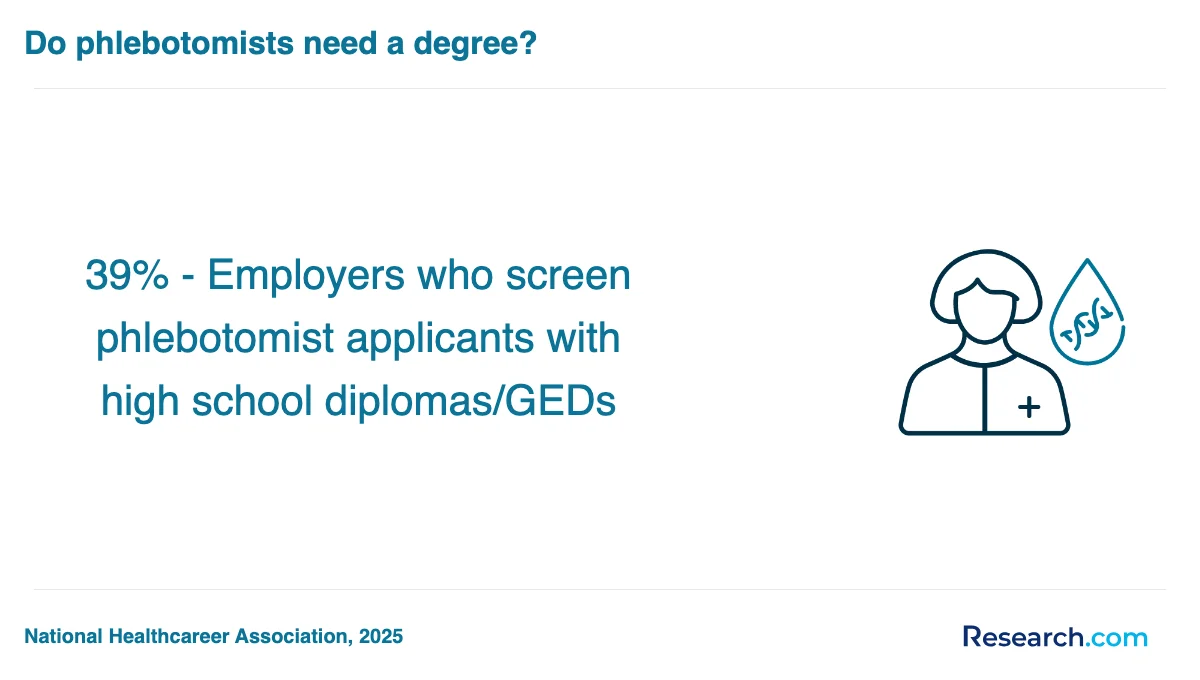
To enroll in a phlebotomy technician trade school program in South Dakota, you typically need a high school diploma or GED. This basic academic requirement ensures you have the foundational knowledge to handle the technical and safety aspects of phlebotomy training.
Most trade schools in South Dakota also require students to be at least 18 years old. This age requirement aligns with clinical placement rules, where students perform blood draws on actual patients under supervision. Graduates often share how reaching this milestone gave them confidence to take on real-world responsibilities during their hands-on training.
Additional prerequisites often include:
- Passing a background check to ensure suitability for healthcare settings
- Proof of immunizations, including Hepatitis B, to protect both students and patients
- Completion of a health screening or physical exam
- Basic CPR certification in some programs
For example, students at one well-known South Dakota trade school describe feeling reassured once they met these requirements because it meant they were fully prepared to safely begin clinical rotations. These prerequisites help create a safe, professional learning environment and set the stage for success in this hands-on career.
What are the typical courses in phlebotomy technician trade schools in South Dakota?
Phlebotomy technician trade school programs in South Dakota, such as those at Southeast Technical College and South Dakota State University, focus on practical courses designed to build confidence and competence. Graduates often highlight how the curriculum prepares them for real-world challenges by blending theory with hands-on skills.
Key courses typically include:
- Venipuncture techniques: Learning to draw blood safely using needles, syringes, and blood collection devices, while mastering proper sample labeling and tourniquet use.
- Dermal puncture procedures: Training on collecting blood from capillaries, critical for pediatric and elderly patients, with strategies to handle difficult draws.
- Safety protocols: Emphasis on infection control, safe needle disposal, and maintaining specimen integrity to ensure patient and technician safety.
- Patient interaction and communication: Developing skills to explain procedures clearly, ease patient anxiety, and maintain professionalism during blood draws.
Students appreciate that these courses, totaling about 10-11 credits, fit into a semester schedule and feature small class sizes, allowing personalized instruction and ample clinical practice in partnered medical facilities. This hands-on exposure helps turn textbook knowledge into real patient care confidence.
What are the available specializations in phlebotomy technician trade schools in South Dakota?
Phlebotomy technician specializations South Dakota programs often include focused training in pediatric phlebotomy, geriatric phlebotomy, and point-of-care testing. These specializations prepare students to confidently work with diverse patient groups, from children to elderly patients, adapting techniques to meet their unique needs. Graduates from Southeast Technical College especially appreciate hands-on experience in pediatric venipuncture, while students at Lake Area Technical College highlight the advantage of learning point-of-care testing within their Medical Laboratory Technician program. Such practical skills are invaluable when working in dynamic healthcare settings across the state.
Phlebotomy training programs South Dakota also emphasize clinical rotations in various environments like hospitals and clinics, as seen in South Dakota State University's certificate. This direct patient interaction helps students build the professional confidence required to succeed. Graduates often speak about how this combination of theory and practice allowed them to transition smoothly into roles that might lead toward the highest-paid phlebotomist role opportunities.
How do you choose the best phlebotomy technician trade school program in South Dakota?
Choosing the best accredited phlebotomy schools in South Dakota means prioritizing programs that balance classroom instruction with hands-on training. Graduates often share how programs at places like Southeast Technical College prepare them well by combining lectures on blood collection techniques with real-world clinical placements in Sioux Falls. This mix builds confidence and skill, which employers highly value even though the state does not require licensing.
When reviewing phlebotomy program requirements South Dakota students should consider program length and scheduling flexibility. Many trade schools offer completion within a single semester and multiple start dates, making it easier to fit study into busy lives. Graduates report that access to technology, such as having a personal laptop for coursework, and support services like financial aid counseling, make a significant difference in their success.
Also, assess how well the program connects you to local employers. Larger cities like Rapid City provide broader clinical opportunities. If you're wondering about what qualifications a medical assistant needs to draw blood, this what qualifications does a medical assistant need to draw blood resource explains it clearly.
What career paths are available for phlebotomy technician trade school graduates in South Dakota?
Phlebotomy technician trade school graduates in South Dakota have several practical healthcare careers available. The most straightforward path is becoming a phlebotomist, where graduates draw blood and handle sample collection in hospitals, clinics, or laboratories. Graduates from popular trade schools in Sioux Falls or Rapid City often share how their hands-on training helped them confidently step into these roles quickly. Many find employment within major hospital systems, which regularly seek skilled phlebotomy technicians.
Beyond direct patient care, graduates also explore roles as Laboratory Assistants or Medical Laboratory Technicians. These positions typically involve preparing specimens and assisting with basic lab tests under supervision. For example, graduates from local technical colleges report satisfaction starting in outpatient clinics or diagnostic facilities.
Another growing opportunity is in plasma donation centers like BioLife or Grifols, where Phlebotomy/Plasma Center Technicians focus on donor safety and record management. Entry-level jobs here provide a steady income and chances to advance.
Phlebotomy technician jobs in South Dakota often pay between $16.75 to $21 per hour, providing a solid foundation. Graduates who want to diversify their skills sometimes transition into community health, public health departments, or mobile health units.
For those aiming to enhance their credentials and earning potential, exploring highest paid certifications can complement their phlebotomy training and open more doors.
What is the job market for phlebotomy technician trade school graduates in South Dakota?
The phlebotomy technician job outlook in South Dakota is steady but somewhat competitive. Graduates from popular trade schools in the state often find positions in hospitals, clinics, and blood donation centers, though job openings can be fewer than in larger states. Graduates recall that completing a local accredited program allowed them to step directly into healthcare roles, but they quickly learned that persistence and flexibility-especially considering rural versus urban locations like Sioux Falls-are key to success. Sioux Falls offers more opportunities and slightly higher wages, making it an attractive place for new technicians starting out.
Salary expectations align closely with state averages, which range broadly from $16.35 to as much as $28.22 per hour, reflecting different experience levels and employer demand. For those wondering about the phlebotomy technician salary trends South Dakota shows a median hourly wage around $21.59, which is competitive but demands continuous skill growth.
Those weighing enrollment should consider programs that emphasize hands-on clinical experience and connections with local healthcare employers. Many graduates found that combining technical training with certifications-similar to other allied health fields-helped launch their careers. Additionally, exploring medical assistant certification programs online can broaden job prospects in related roles.
- Job locations: hospitals, clinics, diagnostic labs, blood centers
- Wage range: $16.35-$28.22/hour
- Annual salaries: approximately $30,000-$36,650
- Higher demand in Sioux Falls and urban centers
Frequently Asked Questions about phlebotomy technician
After completing a phlebotomy technician trade school in South Dakota, preparing for the job market involves several key steps. First, obtaining certification is crucial; many employers in South Dakota prefer or require certification from recognized bodies such as the National Phlebotomy Association or the American Society for Clinical Pathology. Certification exams typically assess practical skills and safety knowledge.
Networking with local healthcare facilities can improve job prospects. South Dakota's healthcare system, including hospitals and clinics, often hires certified phlebotomy technicians. Job seekers should also create a clear resume highlighting their training and clinical experience.
Continuing education and staying updated on state regulations related to blood collection and patient care can further enhance employability.
Employers in South Dakota seek phlebotomy technician graduates who demonstrate strong technical skills and patient care abilities. Accurate blood collection and proper specimen handling are critical, as errors can affect diagnostic outcomes. Attention to detail, adherence to safety protocols, and knowledge of infection control are highly valued.
Communication skills are also essential, enabling technicians to explain procedures clearly and alleviate patient anxiety. According to the South Dakota Department of Labor, effective interpersonal skills contribute to better patient experiences and workplace efficiency.
Finally, employers prefer candidates with certification from accredited programs, reflecting both theoretical knowledge and clinical competency. These combined skills enhance job readiness in South Dakota's healthcare settings.
Finding internships in South Dakota for phlebotomy technician trade school students involves leveraging local healthcare networks and educational resources. Start by contacting your trade school's career services, as many schools maintain partnerships with hospitals and clinics for internship placements. The South Dakota Department of Labor and Regulation provides resources on healthcare job openings and internships statewide.
Major medical centers like Avera Health and Sanford Health often offer clinical internships suitable for phlebotomy students. Additionally, local community health clinics and blood donation centers can serve as valuable internship sites. Networking through professional associations such as the American Society for Clinical Pathology may also provide leads.
According to the Bureau of Labor Statistics, South Dakota's healthcare sector is growing steadily, indicating increasing opportunities for clinical internships in phlebotomy.
Obtaining a phlebotomy technician trade school diploma in South Dakota can significantly enhance career mobility within the state's healthcare sector. The diploma certifies that graduates possess essential skills in blood collection and patient interaction, making them eligible for entry-level positions in hospitals, clinics, and laboratories. According to the U.S. Bureau of Labor Statistics, South Dakota's employment of phlebotomists is projected to grow by 12% from 2022 to 2032, faster than the national average.
Holding a diploma often leads to higher starting wages compared to uncertified workers and improves chances for promotion to supervisory roles or specialized medical technician positions. South Dakota's healthcare employers increasingly prefer candidates with formal training, as it aligns with state certification standards and improves patient care quality. This credential also facilitates eligibility for national certification exams, which further broadens employment opportunities both within and beyond South Dakota.
Part-time job opportunities in South Dakota can significantly enhance the education of students enrolled in phlebotomy technician trade schools. Many learners find roles as medical assistants or patient care technicians in hospitals and clinics, which provide hands-on experience with patient interaction and basic medical procedures. According to the South Dakota Department of Labor, healthcare support occupations are projected to grow by 16% from 2020 to 2030, offering increasing employment options.
Additionally, positions such as laboratory clerks or blood donation center aides allow students to practice skills related to specimen handling and record keeping. These roles often offer flexible hours that fit around class schedules, making them ideal for part-time work.
Gaining practical experience while studying helps students build confidence and improve their resumes, which is crucial when seeking full-time employment after certification. Local hospitals in Sioux Falls and Rapid City frequently advertise part-time openings suited for phlebotomy students.
To choose the best Phlebotomy Technician degree program near you in South Dakota, start by researching local colleges and technical schools that offer accredited phlebotomy programs, ensuring they provide adequate hands-on training and certification opportunities. Consider factors such as program length, cost, and job placement rates, and consult resources like Research.com for faculty information and program rankings. Additionally, visiting campuses and talking to current students or alumni can provide insight into each program’s quality and suitability for aspiring phlebotomy technicians near me.
Related Phlebotomy Technician Rankings for Nearby States
- Best Phlebotomy Technician Training Programs & Trade Schools - Top Phlebotomy Tech Schools in Minnesota for 2026
- Best Phlebotomy Technician Training Programs & Trade Schools - Top Phlebotomy Tech Schools in Colorado for 2026
- Best Phlebotomy Technician Training Programs & Trade Schools - Top Phlebotomy Tech Schools in Kansas for 2026
- Best Phlebotomy Technician Training Programs & Trade Schools - Top Phlebotomy Tech Schools in Wisconsin for 2026
- Best Phlebotomy Technician Training Programs & Trade Schools - Top Phlebotomy Tech Schools in Illinois for 2026
- Best Phlebotomy Technician Training Programs & Trade Schools - Top Phlebotomy Tech Schools in Oklahoma for 2026
- Best Phlebotomy Technician Training Programs & Trade Schools - Top Phlebotomy Tech Schools in Michigan for 2026
- Best Phlebotomy Technician Training Programs & Trade Schools - Top Phlebotomy Tech Schools in Arkansas for 2026
- Best Phlebotomy Technician Training Programs & Trade Schools - Top Phlebotomy Tech Schools in Texas for 2026
- Best Phlebotomy Technician Training Programs & Trade Schools - Top Phlebotomy Tech Schools in Ohio for 2026
Top Trending Rankings
References
- Phlebotomy Technician Training Program School - South Dakota https://www.southeasttech.edu/programs/healthcare/phlebotomy-technician-certificate.php
- Phlebotomy Certification Sioux Falls South Dakota — NPS https://npscerts.com/phlebotomy-certification-sioux-falls-south-dakota/
- Online Certified Phlebotomy Technician (Vouchers and Lab Included) from Black Hills State University https://careertraining.bhsu.edu/training-programs/certified-phlebotomy-technician-lab-and-voucher/
- South Dakota Phlebotomy Schools & Certification Information | PhlebotomyTraining.org https://www.phlebotomytraining.org/state/south-dakota/
- How to Become a Phlebotomist in South Dakota | Dreambound https://dreambound.com/blog/how-to-become-a-phlebotomist-in-south-dakota
- Best Phlebotomy Schools In South Dakota - My blog https://phlebotomyprep.com/best-phlebotomy-schools-in-south-dakota/
- Phlebotomy Technician | Bismarck State College https://bismarckstate.edu/continuingeducation/business/Career-Pathways/Phlebotomy-Technician/
- Phlebotomy Certification Brookings South Dakota — NPCE https://www.npce.org/phlebotomy-certification-brookings-south-dakota
- Healthcare Blog | The Allen School https://www.allenschool.edu/phlebotomy-technician-training-what-to-expect/
- What to expect in Phlebotomy Training| Explore this career path! https://www.trainingdirectusa.com/blog/phlebotomy-training-what-to-expect/


