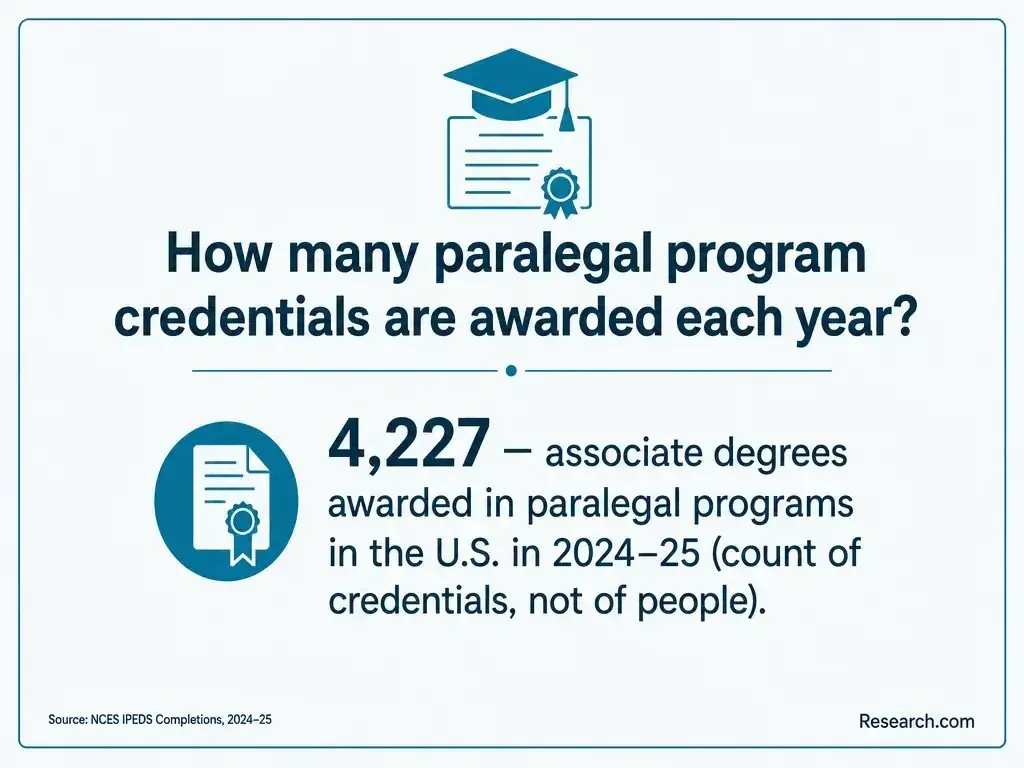
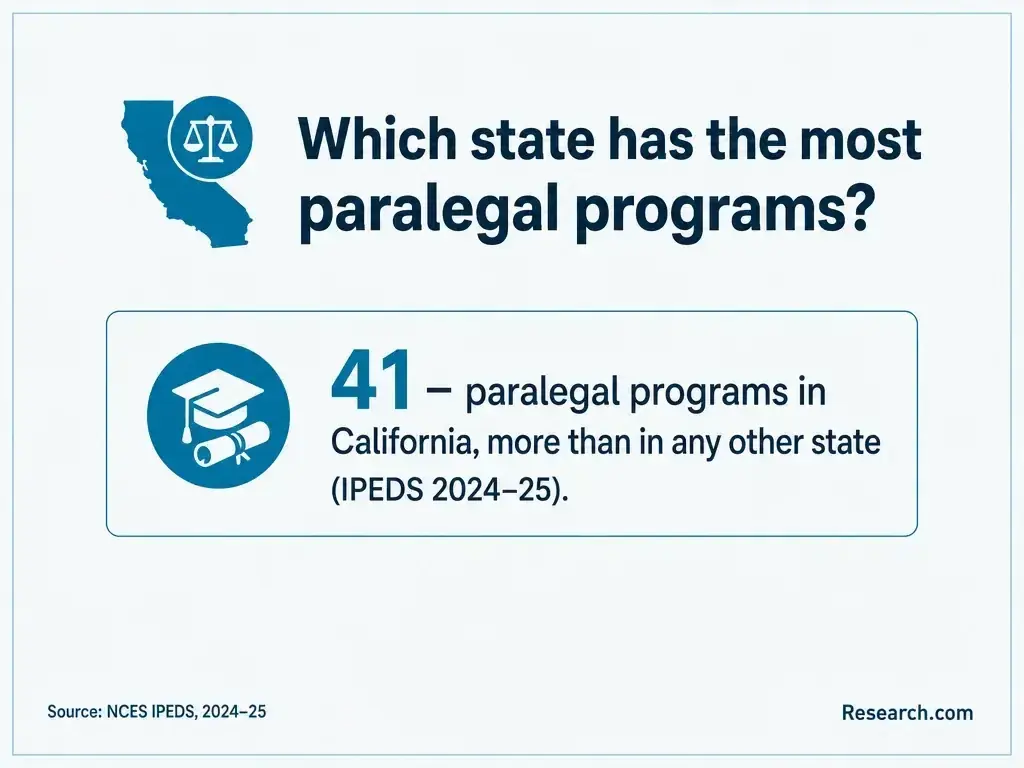
Investing in education is a consequential decision, so the Research.com team designed the ranking to help readers compare programs against relevant options in the same occupation and location - not against unrelated schools nationwide. Only programs with completions reported to the Integrated Postsecondary Education Data System (IPEDS) are eligible. That makes the comparison more consistent, but it also means the ranking is not an exhaustive directory of every education option.
Best-program rankings assess student outcomes; earnings and return on investment; costs and debt; and quality and recognition. The measures include completion and full- and part-time retention, earnings one year after completion, earnings relative to annual attendance cost, tuition, attendance cost, debt - including debt held by students who withdrew - and federal loan default rates. Relevant programmatic accreditation or industry recognition accounts for 20% of the score, institutional accreditation for 10%, and student support for 10%. The remaining 60% covers outcomes, earnings, and costs, with entropy-based weighting that gives more weight to indicators that distinguish programs. Most-affordable rankings score only cost and debt measures using entropy-based weights; they do not include accreditation or other quality indicators in the score.
To check program reporting and evaluate these measures, the team used the following data sources. Some cover occupations other than paralegal work; their inclusion in the ranking framework does not imply that those organizations accredit paralegal programs.
Use the ranking to form a shortlist, then verify each current degree, delivery format, price, and transfer arrangement directly with the school. Research.com explains the broader approach on its methodology page.