Most Affordable Diagnostic Medical Sonographer Schools & Training - Budget-Friendly Sonography Trade Programs in New Jersey for 2026

Co-Founder and Chief Data Scientist
Choosing the right medical sonographer trade school in New Jersey can feel overwhelming. This article simplifies that process by featuring a medical sonographer trade school programs ranking created by the Research.com team of data scientists.
Our goal is to help you make an informed decision about which programs truly stand out. Earning a diploma or certification in this field opens doors to a rewarding healthcare career with strong job prospects.
By reading, you’ll gain valuable insights to confidently start your journey toward becoming a skilled medical sonographer.
Key benefits of finishing medical sonographer trade school in New Jersey
- Graduates of medical sonographer trade schools in New Jersey can expect strong starting salaries, with averages around $102,000 and potential earnings up to $137,000 annually, reflecting the high demand and rewarding pay in the state.
- Career paths include roles in hospitals, outpatient care centers, and specialized imaging clinics, as shown by successful graduates from well-known New Jersey trade schools who quickly find diverse job opportunities.
- Completing a medical sonographer program online offers flexibility and convenience, allowing students to balance work and study, as demonstrated by graduates from reputable online trade schools thriving without sacrificing quality education.
- Most Affordable Diagnostic Medical Sonographer Schools & Training - Budget-Friendly Sonography Trade Programs in New Jersey for 2026
- What can I expect from medical sonographer trade schools in New Jersey?
- Where can I work after finishing medical sonographer trade schools in New Jersey?
What can I expect from medical sonographer trade schools in New Jersey?
Enrolling in a medical sonographer trade school program in New Jersey means preparing for a hands-on, immersive learning experience. Graduates from schools like Bergen Community College and the American Institute of Medical Science and Education often recall balancing detailed classroom lessons on anatomy and ultrasound physics with intense clinical rotations at local hospitals. These real-world placements offer the chance to perform sonographic exams under supervision, which builds confidence in actual healthcare settings.
Expect a competency-based curriculum where mastering both theory and practical scanning is essential before moving forward. Many students appreciate the clear milestones, such as demonstrating proficiency in abdominal or cardiac sonography, which make progress tangible. Programs typically last 18 to 24 months for an associate degree, while some opt for Rutgers' accelerated bachelor's degree path.
Scheduling can be challenging since clinical hours usually fall within standard workdays, requiring flexibility. Still, graduates express satisfaction knowing these experiences prepare them well for sitting the ARDMS licensure exam and entering a field with strong job prospects and competitive salaries in New Jersey.
Where can I work after finishing medical sonographer trade schools in New Jersey?
After completing a medical sonographer trade school program in New Jersey, graduates find a variety of career paths waiting for them. Many start working in hospitals, where they handle ultrasound exams in busy departments like radiology and obstetrics. Graduates often share how rewarding it is to assist doctors in critical diagnoses while gaining hands-on experience in fast-paced environments.
Others prefer outpatient clinics or diagnostic imaging centers, enjoying more predictable hours and a focused work setting. For example, some graduates from well-known New Jersey trade schools report feeling more balanced working in these facilities, where patient interaction is steady but less hectic.
Physicians' offices also offer sonographer positions, particularly in specialties like cardiology and vascular medicine. Graduates appreciate the close-knit teams and the chance to build rapport with patients over time. Mobile imaging services and specialty care centers provide even more flexibility, sending sonographers to different locations, which appeals to those seeking variety.
Many New Jersey employers offer competitive wages, sign-on bonuses, and career growth tied to specialties like pediatric or cardiac sonography, making these roles both financially and professionally rewarding for trade school graduates.
Graduates from medical sonographer trade schools in New Jersey, such as those attending popular programs in Newark or Jersey City, often find themselves stepping into roles with competitive salaries right away. Many report starting salaries around $81,500, with typical earnings climbing to about $93,300 annually as they gain confidence and experience on the job.
Hourly wages reflect this strong earning potential as well. For example, recent graduates mention working shifts that pay between $34.18 and $43.94 per hour, sometimes reaching nearly $56 in specialized settings. This kind of pay allows new sonographers to quickly feel rewarded for their hard work and training.
As graduates progress beyond entry-level, many share stories of growing their income substantially, with some reaching averages near $116,844 per year. Specializing in areas like cardiac or pediatric sonography can open doors to these higher salaries, making the initial investment in a New Jersey trade school worthwhile.
- Admission typically requires at least 30 college credits, a year of healthcare experience, or graduation from a related allied health program.
- Programs should be accredited by CAAHEP to ensure eligibility for ARDMS certification, which is commonly required by employers.
- Program length ranges from 15 to 24 months full-time, including both classroom learning and clinical training in various sonography specialties.
- Total tuition and fees usually range from $10,000 to $25,000, with financial aid options often available.
- The average starting salary for new graduates in New Jersey is $65,000 to $75,000 annually, with experienced sonographers earning over $90,000.
Completing a medical sonographer trade school program in New Jersey typically takes between 12 to 24 months, depending on the school and whether you enroll full-time or part-time. Graduates from well-known New Jersey trade schools often share how the compact timeline allowed them to quickly transition from classroom learning to hands-on clinical experience, which is crucial in this field.
For example, students attending popular programs in Newark or Jersey City find that an intensive 18-month track balances theory with practical application, making the learning process both challenging and rewarding. Many appreciate that this accelerated pace keeps motivation high, as they see steady progress and feel closer to entering the workforce.
Others who choose part-time options, perhaps juggling work or family commitments, report that taking up to two years still feels manageable and gives them flexibility without losing momentum. The key takeaway from these New Jersey programs is the focus on efficient, skill-driven education that respects your time and ambitions.
The key difference between online and on-campus medical sonographer trade school programs in New Jersey lies in how students engage with coursework and clinical practice. On-campus programs, such as those at Bergen Community College, require attending in-person lectures and labs where students get immediate feedback and hands-on experience with ultrasound equipment. Graduates often recall the value of direct interaction with instructors and peers, which builds confidence and practical skills essential for their careers.
Online programs, like those offered by the American Institute of Medical Science and Education, allow flexibility by delivering theory and quizzes remotely. However, students still must complete in-person clinical rotations at hospitals or imaging centers, which many find challenging but rewarding. These clinical hours are non-negotiable, ensuring students gain real-world skills despite the convenience of online learning.
Both formats emphasize accreditation and require supervised clinical internships in New Jersey, making hands-on training the cornerstone of becoming a licensed sonographer in the state.
The average tuition for medical sonography programs in New Jersey typically ranges between $33,500 and $37,995, depending on the institution and program type. For example, graduates from the American Institute of Medical Sciences & Education in Piscataway share that the total tuition and fees amount to about $35,525 for their Diagnostic Medical Sonography program, which involves around 2,660 contact hours over 27 months. This gives a practical idea of the investment required when pursuing a career as a sonographer through trade schools in the state.
Meanwhile, those who chose the Medical Career Institute in Ocean report tuition costs closer to $33,500, with programs averaging 31 months to complete. These students also emphasize the importance of budgeting for additional expenses such as books, supplies, and exam fees, which can add significantly to overall costs. The Medical Career Institute estimates about $2,323 for materials alone, a factor prospective students should consider carefully when calculating the total cost of diagnostic medical sonography degrees in New Jersey.
More budget-conscious students often look to public options like Bergen Community College in Paramus, where the average net price drops to around $11,095 for students within certain income brackets. Such affordability makes sonography training more accessible without sacrificing educational quality. Those exploring ways to ease financial burdens should consider researching federal grants, scholarships, and loans. For flexible learning, some might explore an online sonography program, which can offer additional cost savings and convenience not always available at traditional trade schools.
Students enrolling in medical sonographer trade schools in New Jersey commonly rely on a mix of financial aid options to manage costs. Completing the FAFSA is essential, as it opens doors to federal grants like the Pell Grant, which offers up to $6,895 annually for those who qualify. Graduates from schools such as MCI Institute of New Jersey have shared how this grant significantly eased their tuition burden, allowing them to focus more on hands-on learning.
Federal Supplemental Educational Opportunity Grants (FSEOG) can provide additional funds, ranging from $100 to $4,000, for students with exceptional financial need, though availability depends on the school. Many trade schools in New Jersey participate in these programs, helping students avoid excessive loan debt.
State-level grants and scholarships through New Jersey's Higher Education Student Assistance Authority further support residents. For example, attendees at AIMS Education have reported receiving state scholarships that covered books and supplies, reducing out-of-pocket expenses.
Specialized scholarships from professional organizations can also add up to $5,500, rewarding dedication to vascular ultrasound studies. Combining these aids creates a practical financial roadmap for aspiring sonographers in New Jersey.
To enroll in a medical sonographer trade school program in New Jersey, you generally need a high school diploma or GED as a baseline. Many popular trade schools in the state emphasize a solid foundation in science and math, so courses like biology, anatomy, and algebra help set you up for success.
Graduates from well-known New Jersey trade schools often mention that meeting these prerequisites felt manageable but crucial for their confidence going into the program. A few schools also require students to pass basic entrance exams or submit letters of recommendation, which can be a great opportunity to showcase your commitment.
Typical prerequisites include:
- High school diploma or equivalent
- Completion of prerequisite science courses (biology, chemistry)
- Basic math competency
- Passing a school-specific entrance exam or interview (varies by school)
- Proof of immunizations and health clearance
For example, a graduate from a prominent New Jersey trade school shared how completing biology and chemistry in high school gave them a practical edge, allowing them to grasp sonography concepts more quickly. This upfront preparation helps make the hands-on clinical training less intimidating and more rewarding.
Medical sonographer trade school programs in New Jersey focus on essential courses that equip students with both knowledge and practical skills. Graduates often recall how applied anatomy and physiology helped them visualize the body's structures during ultrasound scans, making complex images easier to interpret. Alongside this, pathophysiology courses explain how diseases alter tissues, preparing students to spot abnormalities confidently.
Students at well-known programs such as Rowan College at Burlington County and Rutgers School of Health Professions emphasize the importance of mastering ultrasound physics and instrumentation, which demystifies how equipment works and ensures accurate imaging.
Core specialties include:
- Abdominal sonography
- Obstetric and gynecologic sonography (OB/GYN)
- Cardiac sonography
Graduates from Bergen Community College highlight how clinical practicums immersed them in real hospital settings, boosting their confidence in patient care and teamwork. Additional courses in medical ethics, patient care techniques, and professional communication round out the curriculum, making students well-prepared for certification exams and the workforce.
Medical sonographer trade school programs in New Jersey typically offer several specialized tracks to meet diverse healthcare needs. Graduates from well-known schools like Rutgers often share how focusing on diagnostic medical sonography gave them confidence in performing detailed imaging of the abdomen, obstetrics, and gynecology. This specialization is vital for working in advanced clinical settings with cutting-edge ultrasound technology. Another common path is cardiac sonography, where students gain hands-on experience capturing heart and vascular images, a skill highly valued by hospitals and clinics.
Programs frequently include:
- Diagnostic Medical Sonography with clinical training in radiology departments
- Cardiac Sonography preparing students for national registry exams
- Vascular Sonography with practical vascular laboratory exposure
- Certificate programs offering focused, accelerated training in key imaging areas
These medical sonography specializations in New Jersey are designed for serious students seeking rewarding careers. Graduates report feeling prepared and motivated, having studied in dynamic environments with real-world clinical training. For anyone exploring ultrasound technician programs in New Jersey, the hands-on experience paired with expert instruction makes a difference. More details and options are available through reputable sources, including the ultrasound tech trade school listings, which can help you pinpoint the best fit for your goals.
Look for accreditation first-schools like Rutgers University stand out as they offer New Jersey's only CAAHEP-accredited bachelor's degree in Diagnostic Medical Sonography. Graduates often praise how this direct accreditation boosted their confidence in passing certification exams and helped them secure jobs quickly. Also, consider curriculum scope; if you want more specialized skills, schools providing tracks in cardiac sonography, like Rutgers does, can give you an edge in the job market.
When evaluating affordable medical sonography programs in New Jersey, factor in hands-on clinical opportunities. Graduates share how real-world training at affiliated hospitals gave them invaluable experience beyond just theory. Programs with flexible formats, such as hybrid classes combining online and onsite clinical training, also ease scheduling challenges for working students.
Choosing top-rated sonography schools in New Jersey means balancing faculty expertise and program length. Graduates from shorter, intensive courses like Rutgers' 15-month full-time program often highlight the focused learning environment. Don't overlook career support services too; job placement assistance after graduation can be a game-changer. For those wondering about income prospects, it's worth exploring high paying healthcare careers with short schooling to understand how sonography fits into well-paying paths with relatively brief training.
Medical sonographer trade school graduates in New Jersey find career opportunities for medical sonographers in New Jersey that are both diverse and rewarding. Many graduates from well-known programs like Bergen Community College and Rutgers quickly secure diagnostic medical sonographer jobs New Jersey hospitals, the largest employers, offering steady positions and valuable on-the-job experience. Beyond hospitals, graduates often move into outpatient care centers, physicians' offices, and specialty clinics, where the work environment is dynamic and salaries can be even higher.
Graduates appreciate how certification through the American Registry of Diagnostic Medical Sonography (ARDMS) opens doors to advanced roles. Some choose to specialize further in areas such as cardiac or vascular sonography, boosting their earning potential and job satisfaction. Others continue their education with bachelor's degrees, leading to supervisory or teaching positions.
Many graduates find themselves part of a growing field driven by technological advances and demand for non-invasive diagnostics. This growth translates into strong job security and access to high paying jobs in medical field.
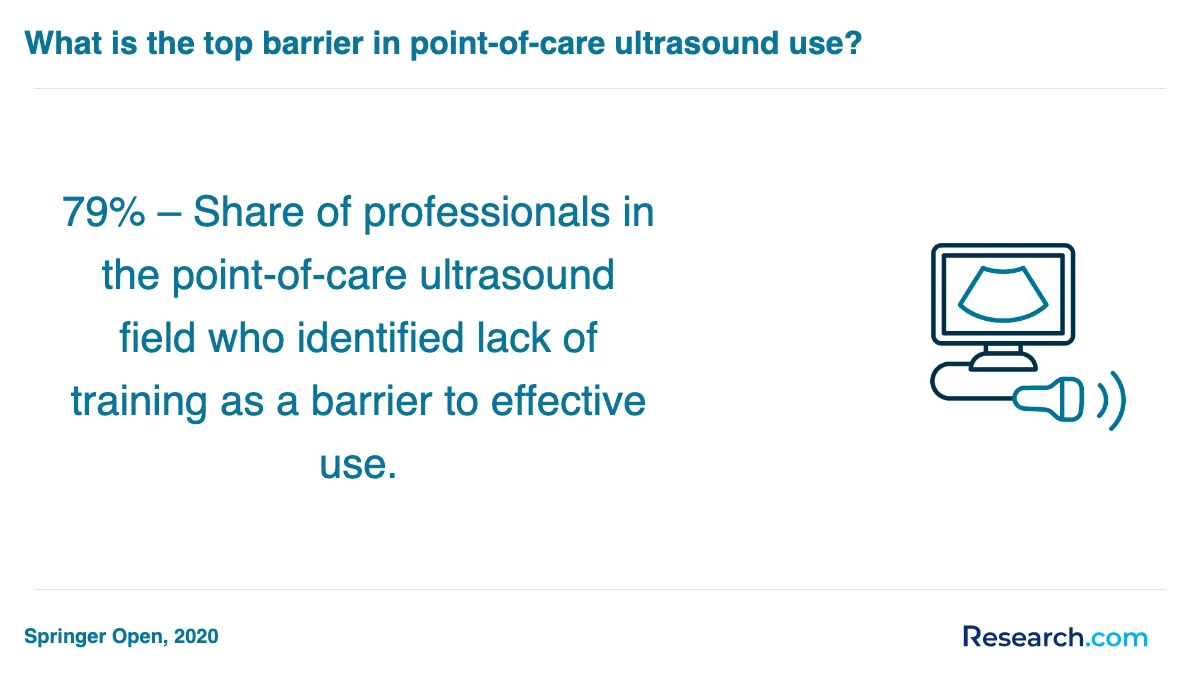
The medical sonographer job outlook in New Jersey is very promising for recent graduates of trade school programs. Graduates from well-known New Jersey trade schools often find employment swiftly due to the state's strong demand for diagnostic medical sonographers, with around 2,800 jobs statewide. Many graduates share how they secured positions in hospitals and outpatient clinics within weeks of completing their programs, experiencing the benefits of solid job openings especially in urban hubs like Newark and Jersey City.
Diagnostic medical sonographer employment opportunities in New Jersey extend beyond traditional hospitals. Many graduates appreciate the flexibility offered by travel sonographer roles, which combine competitive weekly pay averaging $2,073 with the chance to explore different healthcare facilities. Additionally, the proximity to metropolitan areas like New York City expands career mobility.
Students considering training in this field should also explore options for online schooling for ultrasound technician, which some New Jersey trade schools support to balance work and education.
- Competitive salaries averaging $101,140 annually
- Work environments including hospitals, private practices, and imaging centers
- Job openings exceeding 240 on popular recruitment sites
Most Affordable Diagnostic Medical Sonographer Schools & Training - Budget-Friendly Sonography Trade Programs in New Jersey for 2026
# 1 position
Rowan College at Burlington County - Diagnostic Medical Sonography/Sonographer and Ultrasound Technician.
associateRowan College at Burlington County offers a hybrid Diagnostic Medical Sonography/Sonographer and Ultrasound Technician program. The curriculum trains students to use ultrasound techniques to collect diagnostic sonographic data, including patient care and equipment operation. The program is accredited by the Middle States Commission on Higher Education. Annual in-state tuition is $4,968, and graduates earn a median salary of $81,015 one year after completion.
# 2 position
Rowan College of South Jersey-Gloucester Campus - Diagnostic Medical Sonography/Sonographer and Ultrasound Technician.
associateRowan College of South Jersey-Gloucester Campus offers a Diagnostic Medical Sonography/Sonographer and Ultrasound Technician program with a hybrid format, including some distance education. The program prepares students to operate sonography equipment and collect diagnostic ultrasound data under physician supervision. Instruction covers patient care, data processing, and professional ethics. Annual in-state tuition is $4,980. The program is accredited by the Middle States Commission on Higher Education, and median earnings one year after completion are $54,623.
# 3 position
Bergen Community College - Diagnostic Medical Sonography/Sonographer and Ultrasound Technician.
associateBergen Community College offers a Diagnostic Medical Sonography program with a hybrid format, including some distance-education options. The program trains students to use ultrasound technology for diagnosing medical conditions under physician supervision. It covers patient care, data collection, sonographic processing, equipment operation, and professional ethics. Annual in-state tuition is $4,757. Graduates have a median earning of $72,486 one year after completion. The program is accredited by the Middle States Commission on Higher Education.
# 4 position
UCNJ Union College of Union County, NJ - Diagnostic Medical Sonography/Sonographer and Ultrasound Technician.
associateThe Diagnostic Medical Sonography/Sonographer and Ultrasound Technician program at UCNJ Union College of Union County, NJ, offers a hybrid format with some distance-education options. It prepares students to use medical ultrasound techniques under physician supervision for diagnostic purposes. The curriculum includes patient care, data recording, sonographic processing, and equipment operation, emphasizing professional standards and ethics. The program is accredited by the Middle States Commission on Higher Education. Annual in-state tuition is $5,280.
# 5 position
American Institute-Somerset - Diagnostic Medical Sonography/Sonographer and Ultrasound Technician.
certificate or diplomaA program that prepares individuals, under physician supervision, to use medical ultrasound techniques for diagnosing various conditions. It includes training in patient history integration, care, sonographic data recording and processing, equipment operation, and professional ethics. The program is accredited by the Accrediting Bureau of Health Education Schools.
# 6 position
American Institute-Cherry Hill - Diagnostic Medical Sonography/Sonographer and Ultrasound Technician.
certificate or diplomaA program that prepares individuals, under the supervision of physicians, to utilize medical ultrasound techniques to gather sonographic data used to diagnose various conditions and diseases. Instruction includes obtaining, reviewing, and integrating patient histories and data; patient care; anatomic, physiologic, and pathologic data recording; sonographic data processing; equipment operation; and professional standards and ethics. The program is accredited by the Accrediting Bureau of Health Education Schools.
# 7 position
Eastwick College-Ramsey - Diagnostic Medical Sonography/Sonographer and Ultrasound Technician.
associateThe Diagnostic Medical Sonography/Sonographer and Ultrasound Technician program at Eastwick College-Ramsey is a hybrid program that trains students to use medical ultrasound techniques to collect sonographic data for diagnosing various conditions. The curriculum covers patient care, data recording, equipment operation, and professional ethics. Annual in-state tuition is $17,028. Graduates have median earnings of $50,432 one year after completion. The program is accredited by the Accrediting Commission of Career Schools and Colleges.
# 8 position
Rutgers University-New Brunswick - Diagnostic Medical Sonography/Sonographer and Ultrasound Technician.
certificate or diplomaRutgers University-New Brunswick offers a Diagnostic Medical Sonography/Sonographer and Ultrasound Technician program with a hybrid format, including some distance education. The program trains students to use medical ultrasound techniques for diagnosing various conditions under physician supervision. Instruction covers patient care, data recording, sonographic processing, equipment operation, and professional ethics. The annual in-state tuition is $17,239. This program is accredited by the Middle States Commission on Higher Education.
Frequently Asked Questions about medical sonographer
After completing a medical sonographer trade school in New Jersey, preparing for the job market involves several key steps. First, obtaining professional certification is crucial. The American Registry for Diagnostic Medical Sonography (ARDMS) certification is widely recognized and often required by employers. New Jersey's healthcare facilities prefer candidates with ARDMS credentials, increasing job prospects.
Networking plays an important role. Joining local professional organizations, such as the New Jersey Society of Diagnostic Medical Sonographers, can provide access to job openings and continuing education.
Additionally, gaining hands-on experience through clinical internships during training helps build practical skills and improves employability. According to the Bureau of Labor Statistics, the demand for diagnostic medical sonographers in New Jersey is expected to grow by 17% through 2030, signaling strong job opportunities for certified graduates.
Employers in New Jersey seek specific skills when hiring medical sonographer trade school graduates. Technical proficiency with ultrasound equipment is essential, as accurate imaging directly impacts patient diagnosis. Graduates must also demonstrate strong knowledge of human anatomy and physiology to interpret images correctly. Communication skills rank highly, enabling clear interaction with patients and healthcare teams. According to the U.S. Bureau of Labor Statistics, New Jersey sonographers benefit from problem-solving abilities and attention to detail, reducing diagnostic errors. Additionally, familiarity with electronic health records and maintaining patient confidentiality aligns with state healthcare regulations, making graduates more competitive in the job market.
Finding internships relevant to a medical sonographer trade school program in New Jersey involves several practical steps. Start by contacting your school's career services or internship coordinator, as many programs have established partnerships with local hospitals and clinics. The New Jersey Society of Diagnostic Medical Sonographers (NJSDMS) is also a valuable resource, offering networking opportunities and internship listings.
Hospitals such as Hackensack Meridian Health and RWJBarnabas Health frequently offer clinical internships for sonography students. According to the Bureau of Labor Statistics, clinical training is a required part of sonography certification.
Additionally, use online job portals focused on healthcare internships and state workforce development websites to discover openings. Early application and professional communication improve your chances of securing a position.
Obtaining a medical sonographer trade school diploma in New Jersey significantly enhances career mobility and advancement opportunities. Graduates meet the educational requirements for entry-level sonography positions, which are essential for employment in hospitals, clinics, and diagnostic centers across the state.
According to the U.S. Bureau of Labor Statistics, New Jersey's medical sonographer employment is projected to grow by 14% from 2022 to 2032, faster than average for all occupations. This growth creates more job openings for diploma holders.
Many employers in New Jersey prefer candidates with accredited diplomas, which can lead to higher starting salaries and eligibility for advanced roles like specialized ultrasound technician or supervisory positions.
Additionally, completing a diploma program is a key step toward professional certification from organizations such as the American Registry for Diagnostic Medical Sonography (ARDMS), which further improves career prospects and earning potential within the state.
Part-time job opportunities in New Jersey that complement medical sonographer trade school education often include roles such as medical assistant, patient care technician, or ultrasound technician intern. These positions provide practical experience with patient interaction and basic clinical skills, which are valuable for sonography students. According to the Bureau of Labor Statistics, New Jersey has a growing healthcare sector, with an expected 12% increase in sonography-related jobs from 2022 to 2032, reflecting strong local demand.
Additionally, working in medical offices or imaging centers can help students develop familiarity with medical terminology and equipment. These roles also offer flexible hours compatible with school schedules. Gaining hands-on experience while studying enhances employability upon graduation and supports skill development relevant to diagnostic medical sonography.
To choose the most affordable Medical Sonographer degree program near me in New Jersey, start by exploring community colleges and state universities, as they often offer lower tuition rates compared to private institutions. Consider programs that provide a blend of theoretical knowledge and hands-on training, which are essential for skill development in medical sonography. Utilizing resources like Research.com can help you compare various programs based on tuition costs and other key factors to find an option that is both budget-friendly and geographically convenient.
- Most Affordable Diagnostic Medical Sonographer Schools & Training - Budget-Friendly Sonography Trade Programs in Pennsylvania for 2026
- Most Affordable Diagnostic Medical Sonographer Schools & Training - Budget-Friendly Sonography Trade Programs in New York for 2026
- Most Affordable Diagnostic Medical Sonographer Schools & Training - Budget-Friendly Sonography Trade Programs in Maryland for 2026
- Most Affordable Diagnostic Medical Sonographer Schools & Training - Budget-Friendly Sonography Trade Programs in Connecticut for 2026
- Most Affordable Diagnostic Medical Sonographer Schools & Training - Budget-Friendly Sonography Trade Programs in Massachusetts for 2026
- Most Affordable Diagnostic Medical Sonographer Schools & Training - Budget-Friendly Sonography Trade Programs in West Virginia for 2026
- Most Affordable Diagnostic Medical Sonographer Schools & Training - Budget-Friendly Sonography Trade Programs in Ohio for 2026
- Most Affordable Diagnostic Medical Sonographer Schools & Training - Budget-Friendly Sonography Trade Programs in North Carolina for 2026
- Most Affordable Diagnostic Medical Sonographer Schools & Training - Budget-Friendly Sonography Trade Programs in South Carolina for 2026
- Most Affordable Diagnostic Medical Sonographer Schools & Training - Budget-Friendly Sonography Trade Programs in Maine for 2026
- Application | UCSD Diagnostic Sonography Program https://dmsprogram.health.ucsd.edu/application.html
- Diagnostic Medical Sonography Application | Clark State College https://www.clarkstate.edu/admissions/admissions-for-healthcare-programs/diagnostic-medical-sonography-application/
- How To Become A Sonographer - ARDMS https://www.ardms.org/how-to-become-a-sonographer/
- Diagnostic Medical Sonography https://www.templecollege.edu/programs/health-professions/diagnostic-medical-sonography/index.html
- Associate of Applied Science in Diagnostic Medical Sonography http://mccollege.edu/aas-in-diagnostic-medical-sonography/
- Bachelor's Degree in Sonography | COTC https://www.cotc.edu/degrees-certificates/diagnostic-medical-sonography-technology
- How to Become an Ultrasound Technician https://www.chcp.edu/blog/how-to-become-an-ultrasound-technician/
- Diagnostic Medical Sonography | Triton College https://www.triton.edu/about/dept/academic/school-of-health-careers-public-service-programs/diagnostic-medical-sonography/
- Diagnostic Medical Sonography | BCTC https://bluegrass.kctcs.edu/education-training/program-finder/diagnostic-medical-sonography.aspx
- Admissions – Prerequisites and Application Process – Institute of Extended Learning – UMBC https://instituteofextendedlearning.umbc.edu/sonography/admissions/