
Most Affordable HVAC Technician Schools & Training - Budget-Friendly HVAC Trade Programs in Arizona for 2026

Co-Founder and Chief Data Scientist
Considering a career as an HVAC technician in Arizona? Choosing the right trade school is a crucial step toward a rewarding future. This article introduces a carefully crafted HVAC technician trade school programs ranking created by the Research.com team of data scientists to guide you in making an informed decision.
By exploring affordable and quality programs, you can find the best fit for your goals. Earning a diploma or certification opens doors to stable employment and skill development in a growing industry. Dive in to discover valuable options tailored for you.
Key benefits of finishing HVAC technician trade school in Arizona
- Graduates can expect an average hourly wage around $29.35 in Arizona, translating to about $61,000 annually, with opportunities to earn more through experience and overtime.
- Career paths include residential and commercial HVAC roles, with many graduates quickly advancing into specialized positions or supervisory roles after gaining experience.
- Completing an HVAC program online offers flexible scheduling and faster completion times, allowing students to balance work and study effectively while entering the workforce sooner.
- Most Affordable HVAC Technician Schools & Training - Budget-Friendly HVAC Trade Programs in Arizona for 2026
- What can I expect from HVAC technician trade schools in Arizona?
- Where can I work after finishing HVAC technician trade schools in Arizona?
What can I expect from HVAC technician trade schools in Arizona?
Enrolling in an HVAC technician trade school program in Arizona means immersing yourself in a practical, hands-on learning environment where classroom lessons meet real-world application. Graduates from schools like the Arizona Automotive Institute and Maricopa Community Colleges often recall the confidence gained from working directly with industry-standard tools, diagnosing electrical issues, and mastering refrigerant recovery techniques. These programs focus heavily on understanding both residential and commercial systems, blending mechanical and electrical theory with essential troubleshooting skills.
Many students appreciate the accelerated pace offered by institutions such as Pima Community College, where completing the program in under a year allows quick entry into the workforce. Daytime or evening classes provide flexibility, accommodating busy schedules without sacrificing quality training. Preparation for certifications like the EPA Section 608 Technician Certification is a key component, helping students feel ready to meet industry standards and safety requirements. This balance of technical knowledge, hands-on practice, and certification readiness often leaves students feeling empowered and well-prepared for their HVAC careers in Arizona.
Where can I work after finishing HVAC technician trade schools in Arizona?
After completing an HVAC technician trade school program in Arizona, many graduates find rewarding employment across diverse settings. Popular trade schools in Phoenix and Tucson equip students with practical skills that employers eagerly seek, opening doors to roles as HVAC service technicians, installers, or apprentices with companies providing residential and commercial services.
Graduates often share how working with established providers brings a sense of pride, especially when they can contribute to comfortable homes or safe, climate-controlled workplaces like schools and hospitals. For instance, technicians employed by major service companies enjoy benefits such as competitive pay, health insurance, and paid vacation, making the transition from student to professional both stable and fulfilling.
Others thrive in public-sector environments, like university facilities or government projects, where the job combines hands-on work with opportunities for steady growth and pension plans. Many graduates also appreciate that gaining experience in Arizona's unique climate prepares them well for specialized roles requiring certifications, paving the way toward management or owning their own business.
Ultimately, the career path after Arizona's HVAC trade schools is flexible and promising, reflecting the state's strong demand for skilled technicians who can confidently meet diverse challenges.
Graduates from HVAC technician trade schools in Arizona often find their starting wages range between $20 and $30 per hour, a promising entry point that reflects the hands-on skills they acquire. Many students from well-known programs in Phoenix and Tucson share that their first jobs pay around $45,000 to $62,000 annually, depending on the employer and location.
One common story among these graduates is landing positions with hourly wages near $20 in entry-level roles, which steadily increase as they gain experience. In areas like Phoenix, some technicians quickly move up to roles paying $40 per hour, especially when they pursue additional certifications or specialize in complex systems.
Overtime is another factor that can boost earnings significantly. Many graduates describe taking on extra hours to add up to nearly $7,000 more annually, making a real difference in their finances. With dedication and time, it's not uncommon for seasoned technicians in Arizona to surpass $100,000 a year, turning their initial training into a rewarding career path.
- HVAC technician programs in Arizona typically last between 7 and 10 months, combining classroom learning with hands-on training.
- Graduates are prepared for certifications like the EPA Section 608 Technician certification and may also take NATE Core and OSHA exams.
- Most programs require a high school diploma or GED, with some needing basic math and science skills, and offer flexible class schedules.
- Tuition ranges from $12,000 to $20,000, with financial aid and payment plans often available.
- Entry-level HVAC technicians in Arizona earn between $38,000 and $45,000 annually, while experienced technicians can make $55,000 or more.
Completing an HVAC technician trade school program in Arizona typically takes about six months to one year, depending on the school and whether you attend full-time or part-time. Many graduates from popular Arizona trade schools share how this timeframe allowed them to balance hands-on training with theoretical learning effectively. For example, attending a well-regarded Phoenix-based trade school, students often describe the experience as intense yet rewarding, with enough time to master essential skills like refrigeration, electrical systems, and installation techniques.
The practical nature of these programs means students quickly see the results of their efforts, often recalling their first successful system repair or installation as a turning point filled with confidence and pride. Such experiences are common among those who chose schools in Tucson or Mesa, where instructors emphasize real-world readiness. This duration not only respects students' busy lives but also prepares them thoroughly for certification exams and entry-level positions across Arizona's growing HVAC industry.
The main difference between online and on-campus HVAC technician trade school programs in Arizona lies in how students engage with their training and the hands-on experience they receive. Graduates from online programs, like those offered by Arizona Western College, often appreciate the flexibility to study around work or family commitments, accessing lectures and assignments at their own pace. This independence suits those updating skills or starting entry-level roles.
However, many graduates stress that HVAC is a hands-on trade. Those attending on-campus programs at places such as Gateway Community College or NTI's Phoenix campus describe the value of direct interaction with instructors and modern equipment. They highlight how immediate feedback during lab sessions strengthens their confidence in wiring, diagnostics, and refrigerant handling.
While online students may complete some practical work during brief campus visits or through simulations, on-campus students benefit from daily, supervised practice. This difference shapes how each group experiences skill mastery and readiness for certifications like EPA Section 608 in Arizona's competitive job market.
The average HVAC technician program cost in Arizona typically falls between $7,000 and $15,000 for comprehensive trade school programs. Graduates from well-known Arizona trade schools often recall the balance of classroom instruction and hands-on training as invaluable, highlighting that this investment brought not only practical skills but also industry certification preparation. These programs cover EPA Section 608 certification and sometimes offer job placement assistance, making the tuition feel like a stepping stone toward a rewarding career in HVAC.
Many students find that HVAC trade school tuition fees in Arizona align well with the quality of education provided. For example, those who completed shorter or specialized introductory courses spent between $1,000 and $3,000, which gave them a solid foundation to either enter the workforce quickly or explore their interest deeper before committing to longer programs. This flexibility helps match individual needs and budgets while still providing essential HVAC knowledge.
Others considering longer educational paths might compare trade schools with apprenticeships or associate degree routes, weighing costs against time and learning style. For insights into choosing the best pathway, the difference between a hvac vocational course vs apprenticeship is a valuable resource. Many feel encouraged by the possibility of financial aid, scholarships, and payment plans, which several institutions in Arizona offer to ease the financial commitment and help students focus on mastering their trade.
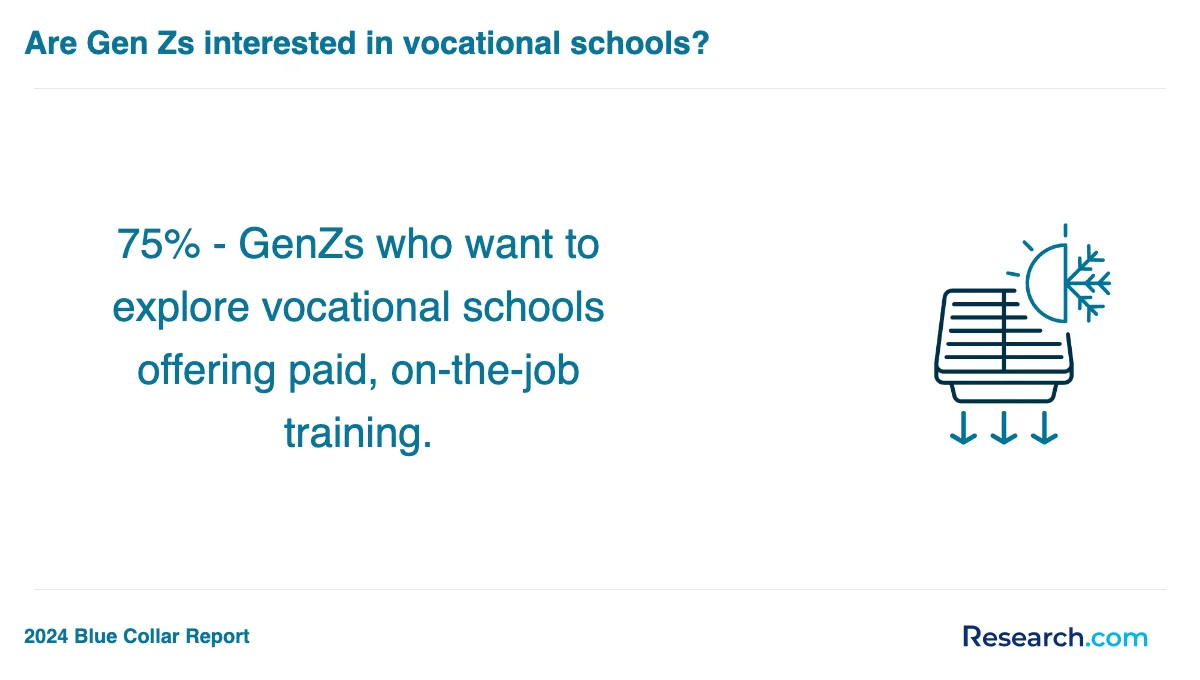
Many HVAC technician students in Arizona find financial aid to be a vital support as they pursue their training. Graduates from programs like Pima Community College often share how completing the Free Application for Federal Student Aid (FAFSA) opened doors to federal grants and loans, making the costs more manageable. Pell Grants, in particular, stand out because they don't require repayment, easing the financial burden for those balancing work and study.
Students in places like Coconino County appreciate that their HVAC-R Level I Technician Training is Pell Grant eligible, which can feel like a weight lifted during challenging times. Additionally, some programs participate in the Workforce Innovation and Opportunity Act (WIOA), offering tuition assistance that helps students focus on hands-on learning rather than financial stress.
Military veterans and their families often experience relief through GI Bill benefits, enabling them to attend approved Arizona HVAC schools without the constant worry of tuition fees. Meanwhile, others benefit from employer tuition reimbursement or scholarships, which many local HVAC companies provide to encourage skilled apprenticeships.
Typical annual tuition at Arizona community colleges ranges from $2,259 to $3,368, but with these financial support options, students feel empowered to start their careers confidently and without overwhelming debt.
Enrolling in an HVAC technician trade school program in Arizona typically requires meeting a few clear prerequisites that set the foundation for success. Most programs expect students to have a high school diploma or GED, which ensures you possess the basic math and science skills needed to grasp HVAC concepts. Graduates often recall how their understanding of algebra and physics became essential when learning about refrigeration cycles and electrical systems.
Additionally, many Arizona trade schools ask for proof of residency or citizenship, which helps streamline the enrollment process and tuition considerations. Some programs also recommend or require a background check, especially when students will be placed in internships or hands-on training environments.
Applicants might also need to demonstrate physical fitness, as HVAC work involves lifting equipment and working in varied environments. Graduates have shared stories of how their stamina and eagerness to learn helped them thrive in practical labs at schools like those in Phoenix or Tucson.
- High school diploma or GED
- Proof of Arizona residency or citizenship
- Background check for certain hands-on training
- Physical fitness and ability to handle manual work
These prerequisites ensure students enter with realistic expectations and the readiness to embrace the rewarding challenges of becoming an HVAC technician in Arizona's dynamic climate.
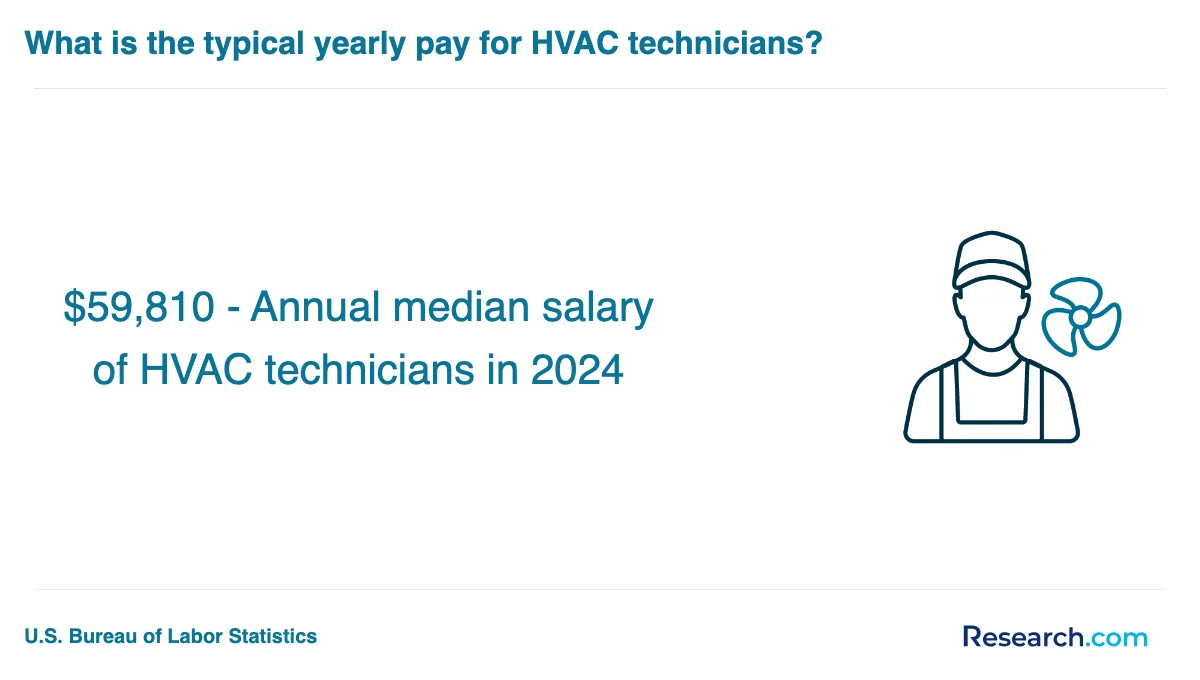
In Arizona, HVAC technician trade school programs immerse students in a well-rounded curriculum designed for real-world success. Graduates often reflect on how foundational courses at schools like Pima Community College and the Refrigeration School in Phoenix clarified complex systems by breaking down heating and cooling cycles into understandable, mechanical and thermodynamic principles.
Key courses include:
- Fundamentals of heating, ventilation, air conditioning, and refrigeration systems
- Diagnostic techniques for troubleshooting both residential and commercial equipment
- Electrical systems and controls, emphasizing safe handling and wiring diagrams
- Mechanics, electricity, and electronics tailored specifically to HVAC applications
Hands-on labs empower students to confidently install, maintain, and service equipment like compressors and evaporators, mimicking tasks they'll encounter daily. Safety training is woven throughout, preparing students for vital certifications such as EPA Section 608 Universal and OSHA safety courses, which many graduates credit for their smooth transition into the workforce.
Soft skills training also enhances communication and professionalism, helping students stand out in Arizona's competitive HVAC job market. Many find accelerated tracks appealing, completing rigorous programs in as few as eight weeks while still gaining essential expertise.
HVAC technician trade school programs in Arizona offer focused specializations designed to meet the diverse demands of the heating, ventilation, air conditioning, and refrigeration industry. Graduates from well-regarded schools like Arizona Western College often share how hands-on training in Air Conditioning and Refrigeration helped them confidently handle both residential and commercial cooling systems, preparing them well for EPA 608 certification.
Other vital areas of focus include HVAC Electrical Controls, where students learn wiring and control system diagnostics essential for troubleshooting complex HVAC equipment. Similarly, specialization in Heating Systems equips students with the skills needed to maintain natural gas and electric heating units reliably and safely-an invaluable expertise in Arizona's climate.
Many students appreciate the depth gained through Heat Pump Systems training, which emphasizes installation and repair tailored to local climate challenges. Refrigerant Handling and Safety is also prominently featured, ensuring technicians are prepared for responsible refrigerant use.
Hands-on experience in these areas, frequently offered by schools such as Eastern Arizona College, empowers students for various roles like service technicians and installers. Those exploring online vocational trade programs can also find tailored options aligning with these specializations.
Choosing the best HVAC technician programs in Arizona means prioritizing accredited schools that meet industry standards, ensuring your training counts toward state certification. Graduates from GateWay Community College and Eastern Arizona College often share how their programs' strong reputations and hands-on training gave them confidence stepping into the workforce. Hearing these success stories can help you visualize your own path to a rewarding career.
When you compare HVAC trade schools in Arizona, consider the balance between cost and flexibility. Many students appreciate how schools like United Education Institute offer evening classes that fit around busy schedules, making it easier to work while studying. Financial aid availability also plays a big role, as graduates from Eastern Arizona College recall how scholarships eased their financial stress, allowing focus on learning rather than loans.
Support services and job placement are equally vital. Graduates often highlight internship opportunities and employer connections that helped them secure jobs quickly. To explore your options further, check out what is the best trade school to go to for insights on top programs tailored to your goals.
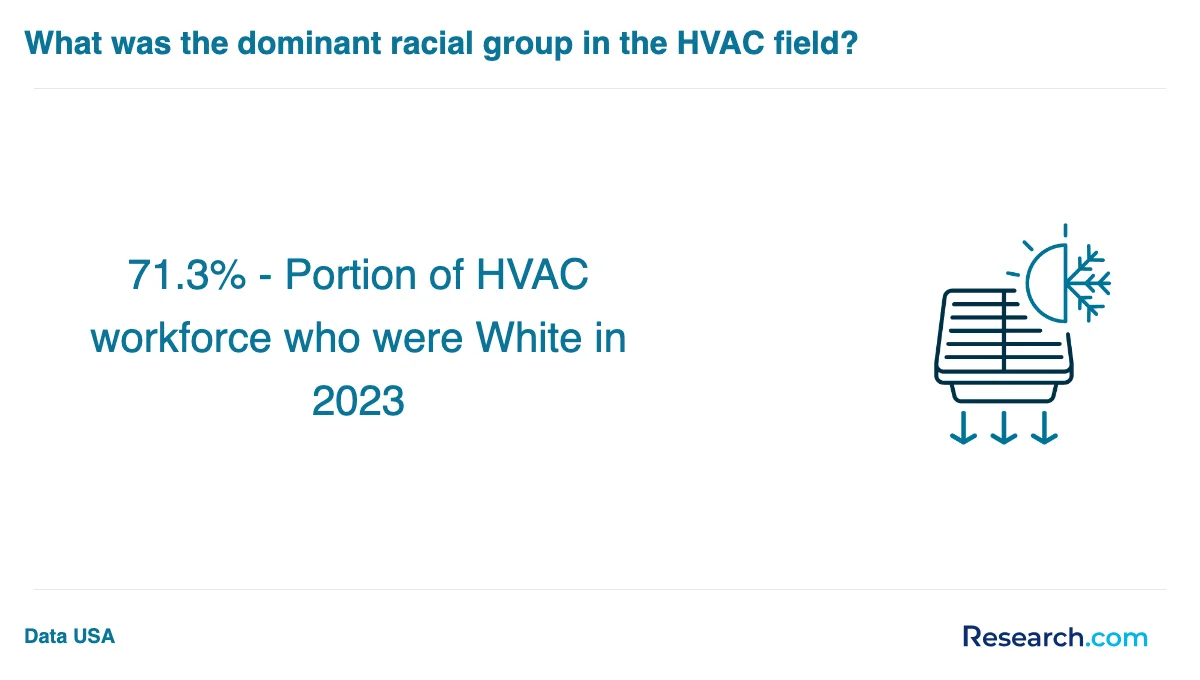
Graduates of HVAC technician trade school programs in Arizona often start with roles like HVACR technician or installation technician, gaining hands-on experience in diverse settings such as residential homes and commercial buildings. Many express satisfaction working on real-world projects while developing essential skills. As they grow confident, some advance to specialized roles including refrigeration operator or commercial service manager, benefitting from additional certifications offered by popular trade schools in Phoenix. This progression highlights the broad HVAC technician career opportunities in Arizona.
For graduates interested in expanding beyond technician jobs, paths include becoming energy analysts or code inspectors, focusing on regulatory compliance and sustainability-a growing field in the state. Others pursue entrepreneurial ventures as licensed HVAC contractors, leveraging at least four years' field experience to lead teams and manage projects independently.
Many Arizona HVAC trade school graduate jobs Arizona also lead toward engineering roles, designing systems with further education. With a strong job market featuring over 469 openings statewide and competitive wages, the future is promising. For those curious about salary potentials, exploring the top paying trade school jobs can illuminate rewarding career paths.
The HVAC technician job demand in Arizona remains strong, especially for graduates from popular trade schools throughout the state. Many students report feeling confident entering the workforce, knowing that Arizona's climate ensures year-round need for HVAC services. Graduates often find employment in both residential and commercial sectors within cities like Tucson and Phoenix, where average salaries of around $56,570 demonstrate a promising start.
Real-life experiences from recent trade school alumni highlight:
- Quick job placement due to steady demand for certified technicians
- Opportunities to work in diverse settings including installation, repair, and maintenance
- Salary growth potential, with senior technicians earning up to $35.20 hourly
The HVAC technician salary in Arizona may rank 43rd nationally, but graduates appreciate the balance the lower cost of living provides. Many find it rewarding that with experience and additional certifications, they can significantly increase their earnings. For those wondering how long does it take to become an hvac technician, Arizona's trade schools offer practical programs that lead directly to employment in this stable career field.
Most Affordable HVAC Technician Schools & Training - Budget-Friendly HVAC Trade Programs in Arizona for 2026
# 1 position
Pima Community College - Heating, Air Conditioning, Ventilation and Refrigeration Maintenance Technology/Technician.
certificate or diplomaPima Community College offers a hybrid program in Heating, Air Conditioning, Ventilation and Refrigeration Maintenance Technology/Technician. This program trains students to repair, install, service, and maintain HVAC and refrigeration systems, including instruction in diagnostic techniques, testing equipment, and relevant mechanical, electrical, and electronic principles. Annual in-state tuition is $2,370. The program is accredited by the Higher Learning Commission.
# 2 position
Cochise County Community College District - Heating, Air Conditioning, Ventilation and Refrigeration Maintenance Technology/Technician.
certificate or diplomaCochise County Community College District offers a Hybrid program in Heating, Air Conditioning, Ventilation and Refrigeration Maintenance Technology/Technician. The curriculum prepares students to repair, install, service, and maintain heating, air conditioning, and refrigeration systems. Instruction includes diagnostic techniques, testing equipment use, and principles of mechanics, electricity, and electronics related to system repair. Annual in-state tuition is $2,232. The program is accredited by the Higher Learning Commission.
# 3 position
GateWay Community College-Central City - Heating, Air Conditioning, Ventilation and Refrigeration Maintenance Technology/Technician.
certificate or diplomaThe Heating, Air Conditioning, Ventilation and Refrigeration Maintenance Technology/Technician program at GateWay Community College-Central City offers hybrid learning options. It prepares students to repair, install, service, and maintain HVAC and refrigeration systems. Instruction includes diagnostic techniques, testing equipment use, and principles of mechanics, electricity, and electronics. The program is accredited by the Higher Learning Commission.
# 4 position
Mohave Community College - Heating, Air Conditioning, Ventilation and Refrigeration Maintenance Technology/Technician.
associateMohave Community College offers a hybrid program in Heating, Air Conditioning, Ventilation and Refrigeration Maintenance Technology/Technician. The curriculum prepares students to repair, install, service, and maintain heating, air conditioning, and refrigeration systems. Instruction includes diagnostic techniques, testing equipment use, and principles of mechanics, electricity, and electronics related to system repair. Annual in-state tuition is $2,136. The program is accredited by the Higher Learning Commission.
# 5 position
Mohave Community College - Heating, Air Conditioning, Ventilation and Refrigeration Maintenance Technology/Technician.
certificate or diplomaMohave Community College offers a Hybrid program in Heating, Air Conditioning, Ventilation and Refrigeration Maintenance Technology/Technician. The curriculum prepares students to repair, install, service, and maintain heating, air conditioning, and refrigeration systems. Instruction covers diagnostic techniques, use of testing equipment, and principles of mechanics, electricity, and electronics related to these systems. Annual in-state tuition is $2,136. The program is accredited by the Higher Learning Commission.
# 6 position
GateWay Community College - Heating, Air Conditioning, Ventilation and Refrigeration Maintenance Technology/Technician.
associateGateWay Community College offers a fully online Heating, Air Conditioning, Ventilation and Refrigeration Maintenance Technology/Technician program. It prepares students to repair, install, service, and maintain heating, air conditioning, and refrigeration systems. Instruction covers diagnostic techniques, use of testing equipment, and principles of mechanics, electricity, and electronics related to system repair. The program is accredited by the Higher Learning Commission. Annual in-state tuition is $2,358.
# 7 position
GateWay Community College - Heating, Air Conditioning, Ventilation and Refrigeration Maintenance Technology/Technician.
certificate or diplomaGateWay Community College offers a hybrid program in Heating, Air Conditioning, Ventilation and Refrigeration Maintenance Technology/Technician. The curriculum trains students to repair, install, service, and maintain HVAC and refrigeration systems, emphasizing diagnostic techniques and the use of testing equipment. Instruction covers mechanics, electricity, and electronics principles relevant to the field. The program’s annual in-state tuition is $2,358 and it is accredited by the Higher Learning Commission.
# 8 position
Eastern Arizona College - Heating, Air Conditioning, Ventilation and Refrigeration Maintenance Technology/Technician.
associateEastern Arizona College offers a hybrid program in Heating, Air Conditioning, Ventilation and Refrigeration Maintenance Technology/Technician. The program trains students to repair, install, service, and maintain heating, air conditioning, and refrigeration systems. Instruction covers diagnostic techniques, testing equipment, and principles of mechanics, electricity, and electronics. The annual in-state tuition is $2,352. The program is accredited by the Higher Learning Commission.
# 9 position
Eastern Arizona College - Heating, Air Conditioning, Ventilation and Refrigeration Maintenance Technology/Technician.
certificate or diplomaEastern Arizona College offers a Hybrid program in Heating, Air Conditioning, Ventilation and Refrigeration Maintenance Technology/Technician. This program prepares students to apply technical skills to repair, install, and maintain HVAC and refrigeration systems, including training in diagnostic techniques and the use of testing equipment. Annual in-state tuition is $2,352. The program is accredited by the Higher Learning Commission.
# 10 position
UEI College-Phoenix - Heating, Air Conditioning, Ventilation and Refrigeration Maintenance Technology/Technician.
certificate or diplomaUEI College-Phoenix offers a hybrid program in Heating, Air Conditioning, Ventilation and Refrigeration Maintenance Technology/Technician. This program prepares students to repair, install, service, and maintain HVAC and refrigeration systems, emphasizing diagnostic techniques and the use of testing equipment. Instruction covers mechanics, electricity, and electronics principles relevant to system repair. Graduates have median earnings of $33,444 one year after completion. The program is accredited by the Accrediting Council for Continuing Education & Training.
Frequently Asked Questions about HVAC technician
After completing an HVAC technician trade school in Arizona, preparing for the job market involves several key steps. First, obtaining EPA Section 608 certification is essential, as it is federally required to handle refrigerants. Many trade schools include this certification preparation in their curriculum.
Next, gaining hands-on experience through internships or apprenticeships can improve employment prospects. Arizona's demand for HVAC technicians is expected to grow by 6% through 2030, according to the U.S. Bureau of Labor Statistics, making practical experience valuable.
Networking within local industry groups and attending job fairs can also connect graduates with employers in cities like Phoenix and Tucson.
Employers in Arizona seek HVAC technician graduates who possess strong technical skills, including proficiency in HVAC system installation, maintenance, and repair. According to the U.S. Bureau of Labor Statistics, practical experience with refrigeration systems and electrical components is vital. Knowledge of local building codes and safety regulations is also highly valued, as Arizona's climate requires specialized cooling and heating solutions.
Effective communication skills are important for explaining technical issues to clients. Employers prioritize graduates who can troubleshoot problems efficiently and adapt to new technologies, such as energy-efficient HVAC systems. Additionally, teamwork and customer service abilities are essential in this service-oriented field.
Finding internships in Arizona relevant to HVAC technician trade school programs involves several practical steps. Start by contacting your trade school's career services office, as many maintain partnerships with local HVAC companies. According to the Arizona Office of Economic Opportunity, the HVAC sector in Arizona is growing steadily, increasing internship opportunities.
Additionally, utilize job boards like Arizona@Work and the U.S. Department of Labor's apprenticeship site to find registered HVAC apprenticeship programs. Networking through local trade unions and industry associations, such as the Refrigeration Service Engineers Society (RSES) Arizona chapter, can also uncover internship openings.
Applying early and tailoring your resume to highlight relevant skills improves your chances of securing a position.
Obtaining a HVAC technician trade school diploma in Arizona significantly enhances career mobility and advancement opportunities. The state's growing construction and maintenance sectors drive demand for skilled HVAC professionals, with the Arizona Office of Economic Opportunity projecting a 13% job growth for HVAC technicians through 2030.
Trade school diplomas provide essential technical skills and certification eligibility, which employers in Arizona highly value. Certified technicians often receive higher starting wages, with the U.S. Bureau of Labor Statistics reporting a median annual wage of $51,000 for HVAC workers in the Phoenix metropolitan area.
Graduates can pursue advanced roles, such as system designers or project supervisors, boosting long-term earning potential and job security.
Arizona offers several part-time job opportunities that complement HVAC technician trade school education. Many students find work as HVAC helpers or assistants, gaining hands-on experience while learning industry basics. These roles often involve aiding certified technicians with installations and maintenance, providing valuable practical skills.
Retail positions at home improvement stores, such as Lowe's or Home Depot, allow students to deepen their product knowledge related to heating and cooling systems. Additionally, part-time roles in appliance repair or electrical work can build relevant technical expertise.
According to the U.S. Bureau of Labor Statistics, Arizona's HVAC job market is growing faster than the national average, creating ample opportunities for students to earn while they learn.
Finding an affordable HVAC Technician degree program near Arizona can be facilitated by exploring local community colleges and trade schools, many of which offer programs designed to provide practical skills and certifications at a reasonable cost. Programs near me often include hands-on training as well as theoretical coursework to prepare students for careers in heating, ventilation, and air conditioning. According to Research.com, exploring affordable educational opportunities within your vicinity is crucial, and several institutions in and around Arizona offer competitive tuition rates and financial aid options to assist students.
- Most Affordable HVAC Technician Schools & Training - Budget-Friendly HVAC Trade Programs in New Mexico for 2026
- Most Affordable HVAC Technician Schools & Training - Budget-Friendly HVAC Trade Programs in California for 2026
- Most Affordable HVAC Technician Schools & Training - Budget-Friendly HVAC Trade Programs in Oklahoma for 2026
- Most Affordable HVAC Technician Schools & Training - Budget-Friendly HVAC Trade Programs in Kansas for 2026
- Most Affordable HVAC Technician Schools & Training - Budget-Friendly HVAC Trade Programs in South Dakota for 2026
- Most Affordable HVAC Technician Schools & Training - Budget-Friendly HVAC Trade Programs in Missouri for 2026
- Most Affordable HVAC Technician Schools & Training - Budget-Friendly HVAC Trade Programs in Iowa for 2026
- Most Affordable HVAC Technician Schools & Training - Budget-Friendly HVAC Trade Programs in Arkansas for 2026
- Most Affordable HVAC Technician Schools & Training - Budget-Friendly HVAC Trade Programs in Minnesota for 2026
- Most Affordable HVAC Technician Schools & Training - Budget-Friendly HVAC Trade Programs in Wisconsin for 2026
- Why Are Jobs in HVAC in High Demand? | AZ Air Conditioning and Heating https://www.azaircond.com/blog/are-hvac-jobs-in-high-demand/
- HVAC - U.A. Local 469 https://ualocal469.org/hvac/
- Heating, Air Conditioning, and Refrigeration Mechanics and Installers : Occupational Outlook Handbook: : U.S. Bureau of Labor Statistics https://www.bls.gov/ooh/installation-maintenance-and-repair/heating-air-conditioning-and-refrigeration-mechanics-and-installers.htm
- HVAC Technician Salary: Guide to Wages, Jobs, & More | Faraday https://faradaycareers.com/careers/hvac-technician-salary
- HVAC Technician Salaries: 2025 U.S. State-by-State Guide - Housecall Pro https://www.housecallpro.com/resources/hvac-technician-salary/
- What is an HVAC Technician: Career Guide & FAQs | Penn Foster https://www.pennfoster.edu/blog/what-is-an-hvac-technician
- HVAC Trade Schools: HVAC Training Programs | Fortis https://www.fortis.edu/programs/skilled-trades/heating--ventilation--air-conditioning-and-refrigeration-trades.html
- HVAC Technician Training Program | LCTI https://www.lcti.org/adult-education-course/hvac/
- HVAC Training: Entry Level Tech - ACCA https://www.acca.org/certification/qtech/entryleveltech
- Find HVAC Trade Schools - Diploma & Associate Degree Programs https://www.trade-schools.net/trades/hvac


